BC Lions
The BC Lions are a professional Canadian football team based in Vancouver, British Columbia, competing in the West Division of the Canadian Football League (CFL). Founded in 1954, they are the oldest professional sports franchise in British Columbia and play their home games at BC Place stadium. The Lions have won the Grey Cup championship six times, most recently in 2011, and hold a significant place in Canadian football history as the first Western Canadian team to win the Grey Cup at home. The team is a central part of the province's sporting culture, representing British Columbia with a legacy of competitive play and community engagement.
Origins and Foundation
Organized senior football arrived later in British Columbia than in other parts of Canada, with the British Columbia Rugby Football Union forming in 1926. The Vancouver Meralomas were the province's most successful team in that era, competing in Western Finals in 1930 and 1934. After the BCRFU disbanded in 1941, a brief attempt was made with the Vancouver Grizzlies joining the Western Interprovincial Football Union for one season. The modern franchise originated from a 1951 initiative led by Ken Stauffer and Tiny Radar, inspired by a newspaper column advocating for a Vancouver team. A committee began selling memberships, and despite an initial rejection in 1952, a group including Arthur E. Mercer secured a conditional franchise in 1953. The commitment to build a 15,000-seat stadium was fulfilled with the construction of Empire Stadium for the 1954 British Empire and Commonwealth Games. Annis Stukus was hired as the franchise's first public relations manager, general manager, and head coach in 1953 to build the new team.
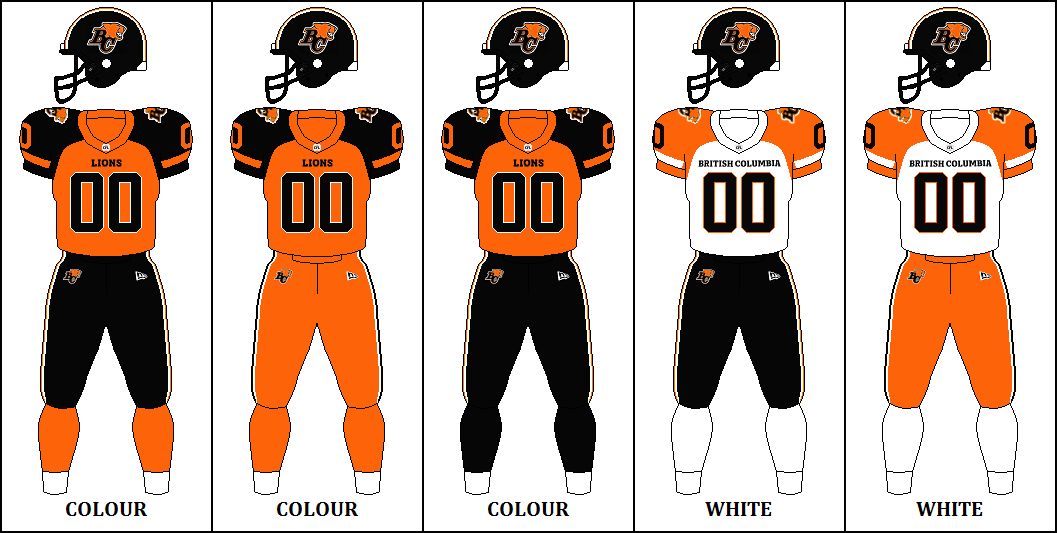
A public contest selected the team's name, 'Lions', after the twin mountain peaks north of Vancouver that are said to resemble cougars guarding the city. Stukus decided the team would represent the entire province, adopting the official name British Columbia Lions. The mountain lion was incorporated into the branding for its symbolic qualities of speed, courage, and strength, while the team's black and orange colours were inherited from the Vancouver Meralomas. In a notable 2021 initiative, the Lions became the first CFL team to recognize Orange Shirt Day and the National Day for Truth and Reconciliation, commissioning Kwakwaka’wakw/Tlingit artist Corrine Hunt to create an Indigenous-designed version of the team logo.
Early Years and Struggle (1954 to 1960)
The BC Lions played their inaugural season in 1954 at Empire Stadium, with their first home game on August 28 against the Winnipeg Blue Bombers. Fullback By Bailey scored the franchise's first touchdown in an 8-6 loss. The team's first victory came on September 18, 1954, with Bailey scoring the winning touchdown in a 9-4 win over the Calgary Stampeders. That win was the lone highlight of a difficult 1-15 debut season. The team showed gradual improvement in 1955, finishing with a 5-11 record, but missed the playoffs. Head coach Annis Stukus was asked to step down in October of that year, with assistant Clem Crowe taking over for the 1956 season. Under Crowe, the Lions improved to a 6-10 record in 1956 but again finished fourth and missed the postseason. Bill McMahan became team president in the 1957 offseason and hired Kelowna native Herb Capozzi as general manager, but the on-field struggles continued with a 4-11-1 record.
The 1958 season, which marked the beginning of the CFL era, saw the Lions lose their first five games en route to a league-worst 3-13 record. Capozzi fired Crowe mid-season, replacing him with former player Danny Edwards. Despite the poor record, rookies Tom Hinton and Sonny Homer showed promise. For the 1959 season, Capozzi hired Wayne Robinson as head coach and added veteran players alongside rookie running back Willie Fleming. The moves paid off as the Lions achieved their first winning season with a 9-7 record and their first playoff appearance, though they lost in two straight games to the Edmonton Eskimos. Hopes were high for 1960, but the addition of rookies like Neal Beaumont, who won the WIFU Outstanding Rookie of the Year award, could not prevent a 5-9-2 finish and another playoff miss.
First Championship Era (1961 to 1967)
The Lions struggled again in 1961, posting a 1-13-2 record. A key moment came in September when the team acquired quarterback Joe Kapp in a trade with Calgary, and shortly after, head coach Wayne Robinson was replaced by assistant Dave Skrien. In his first full season in 1962, Skrien guided the team to a 7-9 record, signalling a turn toward competitiveness. The 1963 season fulfilled that promise as the Lions, led by Kapp and Fleming, won their first regular-season conference title with a 12-4 record. They defeated the Saskatchewan Roughriders in the Western Conference finals to advance to the 51st Grey Cup at home in Empire Stadium against the Hamilton Tiger-Cats. The game was marred by an injury to star running back Willie Fleming from a late hit, and the Lions lost 21-10. In the offseason, Kapp won the Jeff Nicklin Memorial Trophy as Western MVP, Tom Brown won the CFL's Most Outstanding Defensive Player Award, and Skrien won the Annis Stukus Trophy as coach of the year.
The 1964 season saw the Lions post an 11-2-3 record and defeat Calgary in the Western finals. They faced Hamilton again in the Grey Cup at Toronto's Exhibition Stadium and won their first championship by a score of 34-24. Key performances came from Joe Kapp, Willie Fleming, and Bill Munsey. Tom Brown was named a CFL All-Star and won the Jeff Nicklin Memorial Trophy and the Schenley Award as the CFL's Most Outstanding Lineman. The championship dynasty did not materialize, however, as the team fell to a 6-9-1 record in 1965 and missed the playoffs. The decline continued in 1966 with a 5-11 finish, leading to the firing of general manager Herb Capozzi. Key players Fleming and Tom Hinton retired, and Joe Kapp left for the NFL. In 1967, new general manager Denny Veitch fired Skrien after an 0-3 start, replacing him with Jim Champion. The team finished 3-12-1, with rookies Jim Young and Ted Gerela, the latter winning Western Conference rookie of the year honours, providing few bright spots.
Coaching Instability and Playoff Drought (1968 to 1976)
The period from 1968 to 1976 was marked by frequent coaching changes and only three playoff appearances. Jim Champion remained head coach for 1968, with CFL legend Jackie Parker joining as an assistant and briefly playing quarterback, but the Lions finished 4-11-1. Champion was fired midway through the 1969 season with a 1-10 record, and Parker took over as head coach. The team won four of its last five games to finish 5-11, tying Edmonton and winning a tie-breaker to reach the playoffs, where they lost to Calgary in the semifinal. Dave Easley won CFL and Western Division rookie of the year honours that season. In 1970, Empire Stadium installed the first artificial turf in Canada, but the Lions finished 6-10 and missed the playoffs, though Jim Young won the Schenley Outstanding Canadian Award.
For the 1971 season, Jackie Parker moved to the role of general manager and Eagle Keys was hired as head coach. Parker was inducted into the Canadian Football Hall of Fame that year. The 1972 season brought new players like Rocky Long and Johnny Musso, but the team finished fifth with a 5-11 record, while Jim Young won his second Schenley Award. Improvement came in 1973 with a 5-9-2 record and a playoff berth, though they lost in the semifinals to Saskatchewan. Linebacker Ray Nettles won the CFL's Outstanding Defensive Player Award. The Lions posted an 8-8 record in 1974 and returned to the playoffs, losing again to Saskatchewan in the semifinals. Builder Annis Stukus was inducted into the Hall of Fame. A major mid-season shakeup in 1975 saw Parker and Keys dismissed, with Bob Ackles and Cal Murphy taking over, but the team finished 6-10. The 1976 season ended with a 5-9-2 record, though rookies Glen Jackson and Lui Passaglia began their notable careers, and John Sciarra won the Schenley Award as most outstanding rookie.
Return to Competitiveness and the Cardiac Kids (1977 to 1982)
A complete coaching overhaul before the 1977 season brought in Vic Rapp as the tenth head coach in franchise history. The revamped roster included rookies Leon Bright and quarterback Jerry Tagge, along with several key veterans. The team earned the nickname 'Cardiac Kids' for their propensity for last-minute victories. They finished with a 10-6 record, securing second place in the West Division and marking the team's first winning season since 1964. In the playoffs, the Lions staged a dramatic 33-32 upset victory over the Winnipeg Blue Bombers at home before being defeated 38-1 by the Edmonton Eskimos in the Western Final. This season re-established the Lions as a competitive force and set the stage for further success in the coming years.
Grey Cup Championships and Appearances
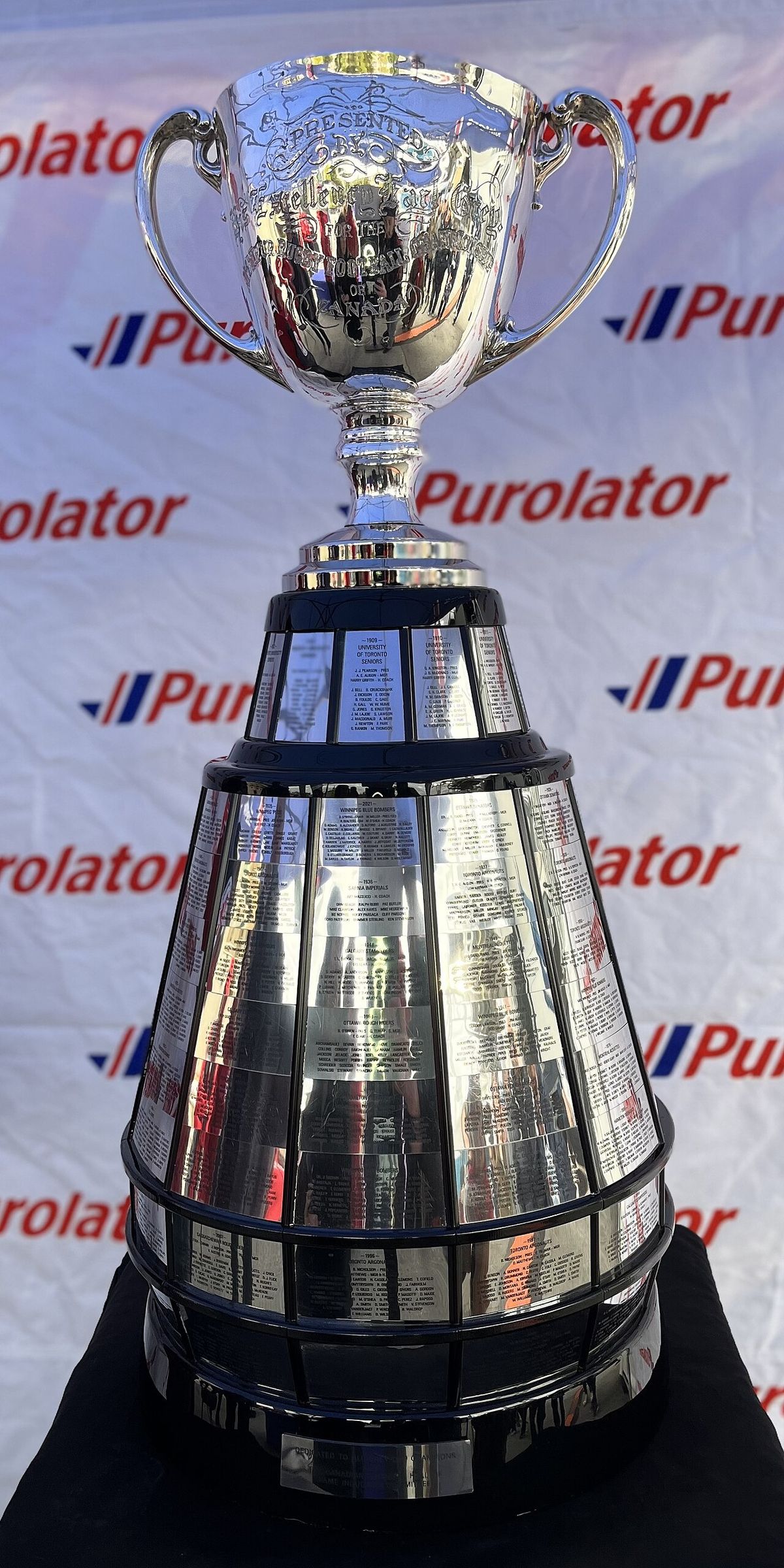
The BC Lions have won the Grey Cup six times in ten appearances, establishing themselves as one of the CFL's most successful franchises. Their championship victories are key milestones in the team's history. The Lions won their first Grey Cup in 1964, defeating the Hamilton Tiger-Cats 34-24 at Exhibition Stadium. Their 2011 championship currently is the most recent, giving the Lions the longest active Grey Cup drought among West Division teams.
Team Records and Achievements
The BC Lions hold several notable records and achievements within the CFL. They possess the second-longest playoff streak in league history, qualifying for the postseason for 20 consecutive seasons from 1997 to 2016, a streak surpassed only by the Edmonton Elks' 34-season run. The team has won 13 West Division regular-season championships. In 1994, they made history by being the first Western Canadian team to win the Grey Cup on their home field, a feat they repeated in 2011. That 1994 victory also marked the first and only time a CFL team played and defeated an American-based franchise for the championship. The Lions have been pioneers in community recognition, being the first CFL team to commemorate Orange Shirt Day and the National Day for Truth and Reconciliation with a specially designed logo in 2021.
The BC Lions franchise has been home to many players who have won major CFL awards. In 1960, Neal Beaumont became the first Lions player to win a major CFL award when he was named the WIFU Outstanding Rookie of the Year. The 1963 season saw Tom Brown win the CFL's Most Outstanding Defensive Player Award and Dave Skrien win the Annis Stukus Trophy as coach of the year. That same year, fullback-kicker Peter Kempf won the Dr. Beattie Martin Trophy as the Western Conference's rookie of the year. In 1964, defensive lineman Tom Brown was named a CFL All-Star and won the Jeff Nicklin Memorial Trophy as the Western Conference's most valuable player.
- Neal Beaumont: First Lion to win a major CFL award, taking the WIFU Outstanding Rookie of the Year in 1960.
- Joe Kapp: First Lion to win the Jeff Nicklin Memorial Trophy as Western Conference MVP in 1963.
- Tom Brown: First Lion to win the CFL's Most Outstanding Defensive Player Award in 1963.
- Dave Skrien: First Lion to win the Annis Stukus Trophy as CFL Coach of the Year in 1963.
- Jim Young: First Lion to win the Schenley Outstanding Canadian Award in 1970.
- John Sciarra: Second Lion to win the Schenley Award as the CFL's most outstanding rookie in 1976.
Season-by-Season Record (1954 to 1977)
The BC Lions' win-loss-tie records from their inaugural season through 1977 show the team's early development and periods of contention. The team struggled in its early years, posting a 1-15 record in 1954 and missing the playoffs for its first four seasons. The Lions achieved their first winning season and playoff appearance in 1959 with a 9-7-0 record. The championship season of 1964 saw the Lions finish with an 11-2-3 regular season record before winning their first Grey Cup. After a period of instability, the team returned to form in 1977, which is highlighted in the data table.
| Season | W | L | T | Finish | Playoff Result |
|---|---|---|---|---|---|
| 1954 | 1 | 15 | 0 | 5th in WIFU | Did not qualify |
| 1955 | 5 | 11 | 0 | 4th in WIFU | Did not qualify |
| 1956 | 6 | 10 | 0 | 4th in WIFU | Did not qualify |
| 1957 | 4 | 11 | 1 | 4th in WIFU | Did not qualify |
| 1958 | 3 | 13 | 0 | 4th in CFL West | Did not qualify |
| 1959 | 9 | 7 | 0 | 3rd in CFL West | Lost Western Final (Edmonton) |
| 1960 | 5 | 9 | 2 | 4th in CFL West | Did not qualify |
| 1963 | 12 | 4 | 0 | 1st in CFL West | Lost Grey Cup (Hamilton) |
| 1964 | 11 | 2 | 3 | 1st in CFL West | Won Grey Cup (Hamilton) |
| 1977 | 10 | 6 | 0 | 2nd in CFL West | Lost Western Final (Edmonton) |
Beyond the team's record, several key players and builders from the early era were recognized for their contributions to football. In 1971, Jackie Parker became the first person associated with the Lions to be inducted into the Canadian Football Hall of Fame. Other notable individuals from the Lions' early history who were later honoured with Hall of Fame induction include players like Willie Fleming and Joe Kapp from the 1964 championship team. Builders such as general manager Herb Capozzi and coach Dave Skrien were also recognized for their roles in establishing the franchise.
- Jackie Parker: Inducted as a player in 1971.
- Annis Stukus: Inducted as a builder in 1974.
- Harry Spring: Inducted as a builder in 1976.
Questions about BC Lions
When were the BC Lions founded and when did they first play?
The BC Lions were founded in 1953 and played their inaugural season in 1954. Their first home game was on August 28, 1954, at Empire Stadium against the Winnipeg Blue Bombers, a game they lost 8-6. The franchise was established after a group of Vancouver businessmen secured a conditional franchise in the Western Interprovincial Football Union, meeting requirements for a stadium and season ticket sales. The construction of Empire Stadium for the 1954 British Empire and Commonwealth Games provided the necessary venue.
What is the significance of the Lions' name and logo?
The team's name was chosen through a public contest in 1953 and refers to 'The Lions', twin mountain peaks north of Vancouver said to resemble cougars guarding the city. The mountain lion, native to British Columbia, was adopted as part of the branding for its symbolic attributes of speed, courage, and strength. The logo combines the mountain lion with black and orange colours inherited from the earlier Vancouver Meralomas rugby team. In 2021, the team worked with Indigenous artist Corrine Hunt on a special logo design to recognize Orange Shirt Day and the National Day for Truth and Reconciliation.
How many Grey Cups have the BC Lions won?
The BC Lions have won the Grey Cup six times. They have appeared in the championship game ten times throughout their history. Their most recent championship victory occurred in 2011. This record establishes them as one of the successful franchises in the Canadian Football League.
What is the BC Lions' longest playoff streak?
The BC Lions hold the second-longest playoff streak in CFL history. This streak lasted for 20 consecutive seasons, from 1997 to 2016. Only the Edmonton franchise has had a longer playoff streak, which was 34 seasons from 1972 to 2005. This period of consistent postseason qualification highlights a significant era of competitiveness for the Lions organization.
Where do the BC Lions play their home games?
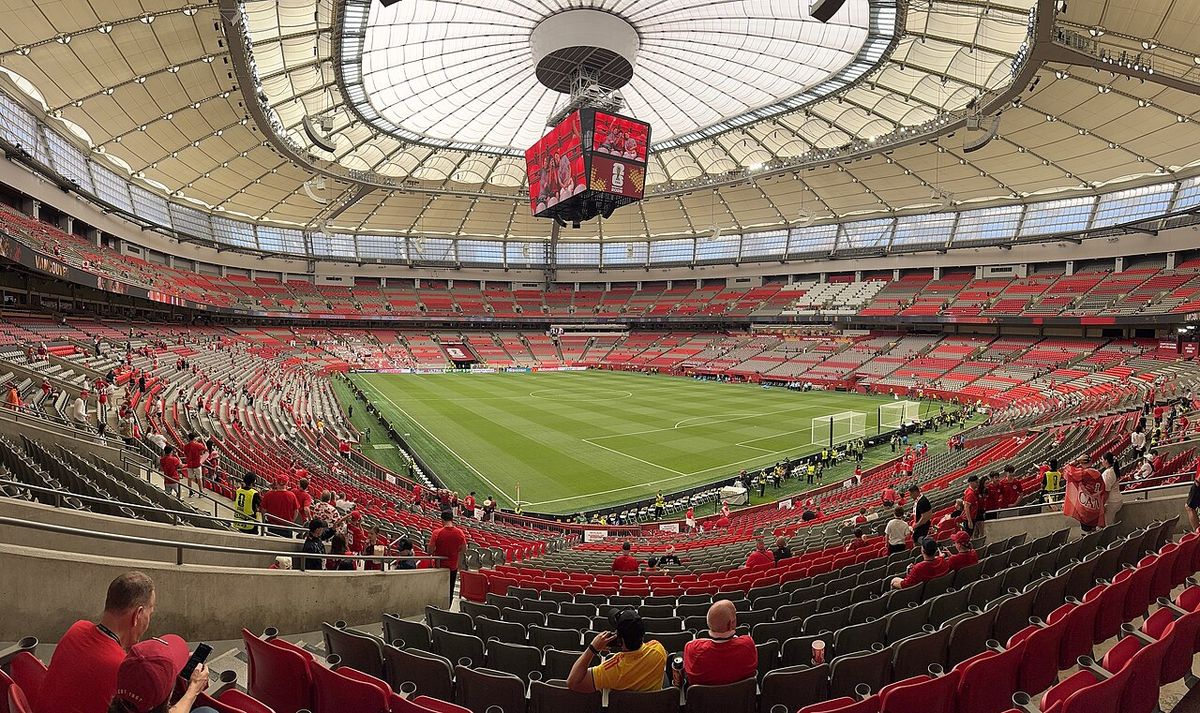
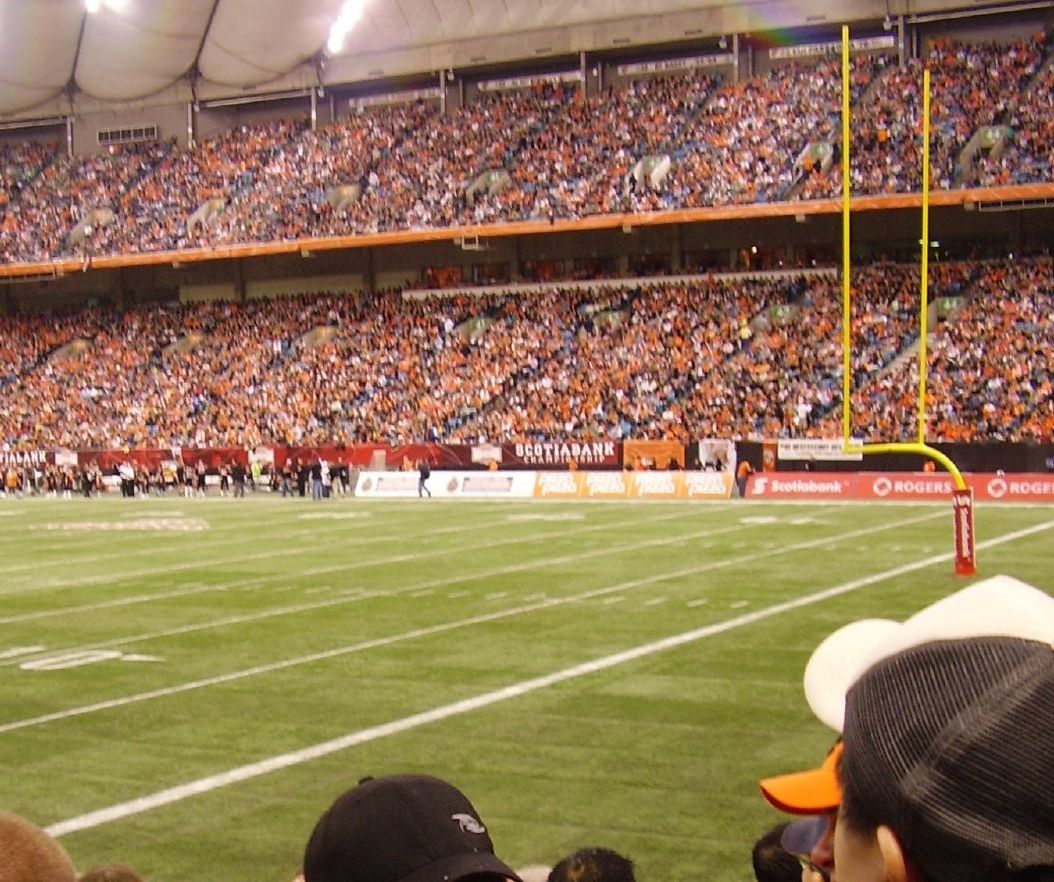
The BC Lions play their home games at BC Place in Vancouver, British Columbia. The team is a member of the West Division of the Canadian Football League. BC Place serves as their primary stadium for hosting matches. The Lions have been based in Vancouver since their inaugural season in 1954.
What was notable about the Lions' 1994 Grey Cup victory?
The Lions' 1994 Grey Cup victory was notable for two key achievements. First, the BC Lions became the first and only team to play and defeat an American based franchise for the Grey Cup. Second, they were the first Western Canadian team to win the Grey Cup at home, a feat they accomplished again in 2011. Saskatchewan later achieved a home Grey Cup victory in 2013.
Sources and further reading
- BC Lions (Wikipedia)
- BC Lions (bclions.com)
- Buy BC Lions Tickets | 2026 to 2027 Events & Schedule (ticketmaster.ca)
Checked by the Garbutt Disposal desk. Last updated 2026-10-21.