Exhibition Stadium
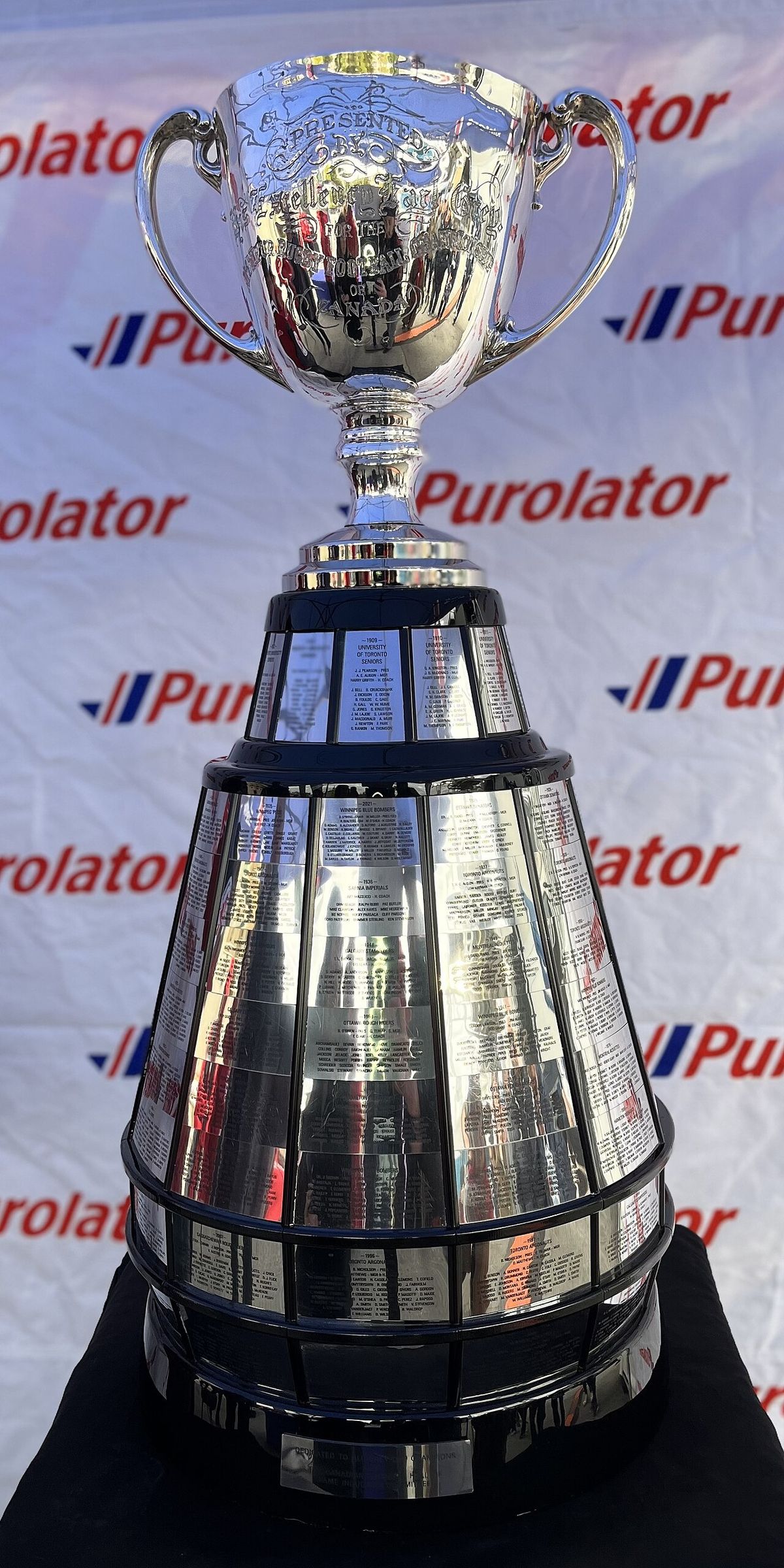
Exhibition Stadium, officially known as the Canadian National Exhibition Stadium and colloquially called The Ex, was a multi-purpose stadium located on the grounds of Exhibition Place in Toronto, Ontario. For three decades, it served as a major professional sports venue, hosting the Toronto Argonauts of the Canadian Football League from 1959 to 1988, the Toronto Blue Jays of Major League Baseball from 1977 to 1989, and the Toronto Blizzard of the North American Soccer League from 1979 to 1983. The stadium was the site of 12 Grey Cup games and numerous major concerts, becoming a well-known, if often maligned, part of Toronto's sporting landscape. It was demolished in 1999 and replaced by BMO Field, a modern soccer and football stadium on the same site.
Origins and Early Construction
The stadium was the fourth built on its site at Exhibition Place since 1879. A fire destroyed the previous grandstand in April 1946, prompting the city to construct a new, covered north-side grandstand. Completed in 1948 at a cost of CA$3.5 million, this structure was designed by the architectural firm Marani and Morris and built by Piggott Construction. The new CNE Grandstand seated 22,000 people, an increase of 6,000 from its predecessor, and featured a 300-foot-wide stage, three radio broadcast rooms, and two dining halls capable of seating 1,000. Its roof was equipped with 300 floodlights and spotlights and was specially designed to prevent pigeons from roosting. This grandstand formed the permanent core of the stadium throughout its subsequent expansions and reconfigurations. The building also contained a 1,500 square foot Exhibition Hall, an electric plant, and storage facilities, making it a versatile event space for the Canadian National Exhibition.
Expansion for Football and Baseball
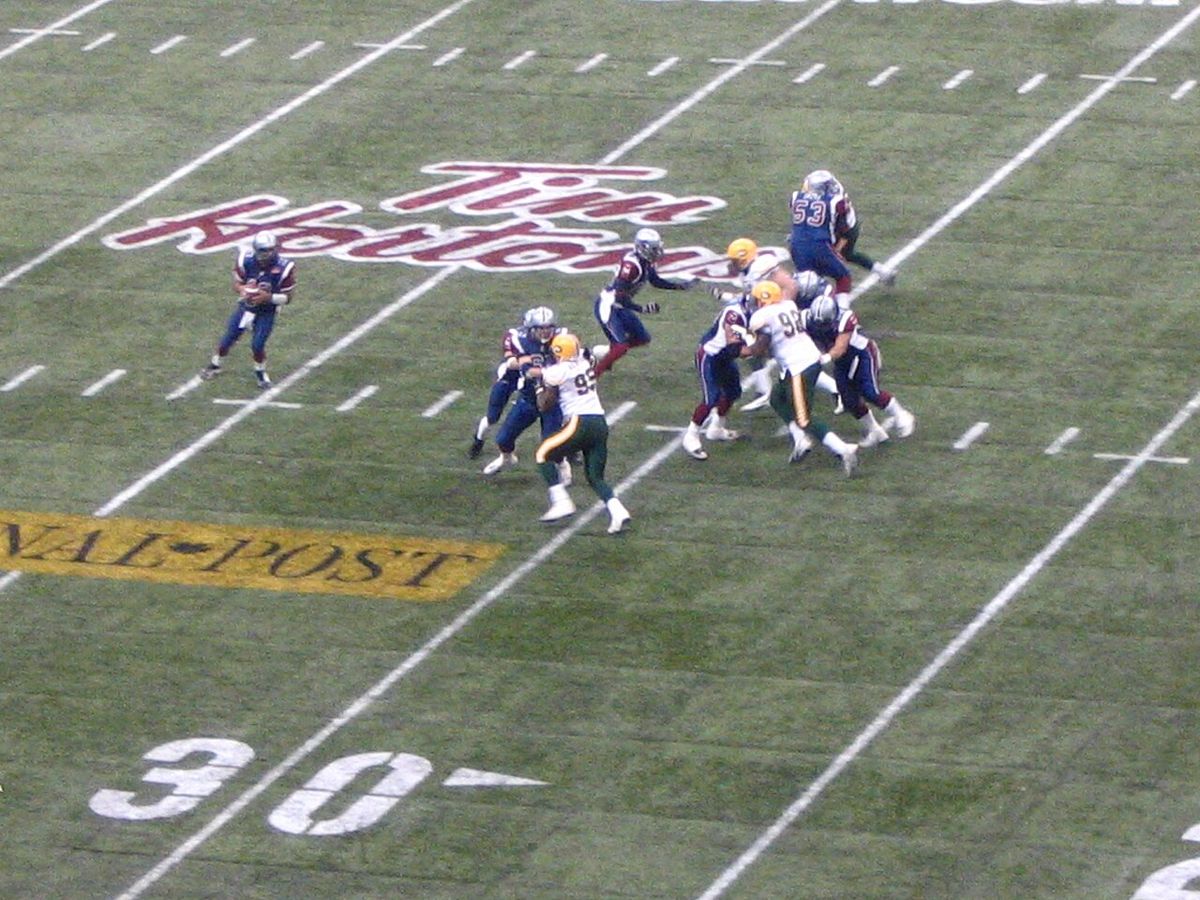
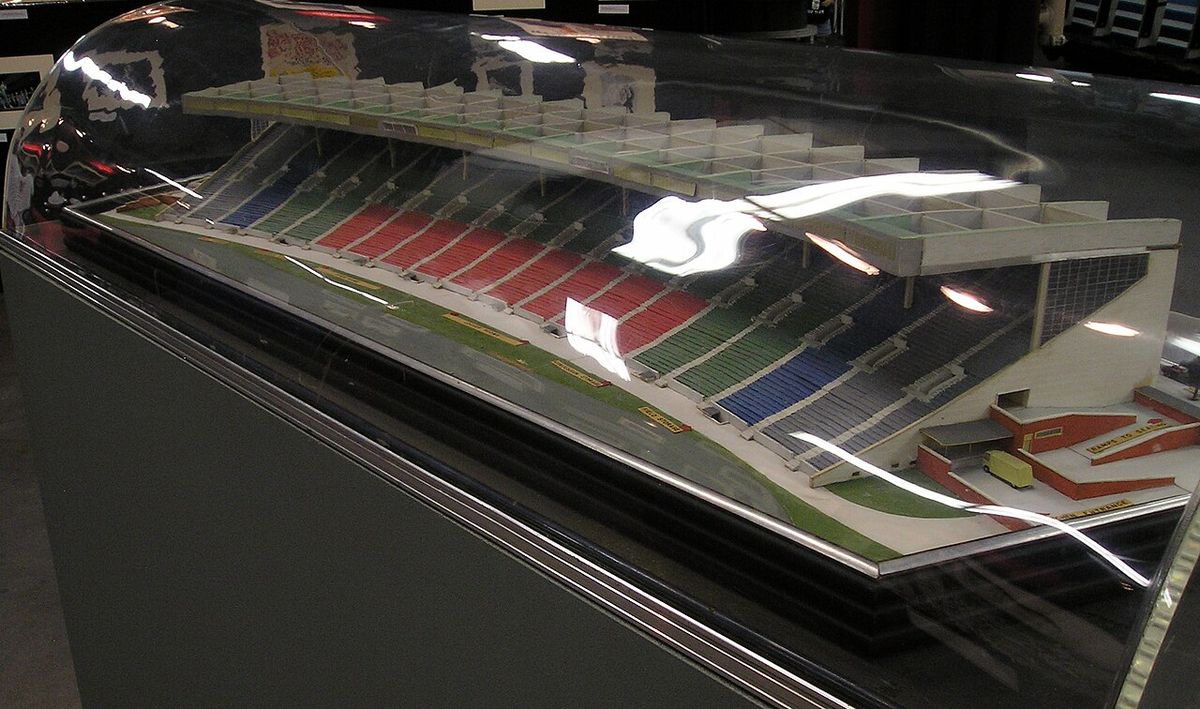
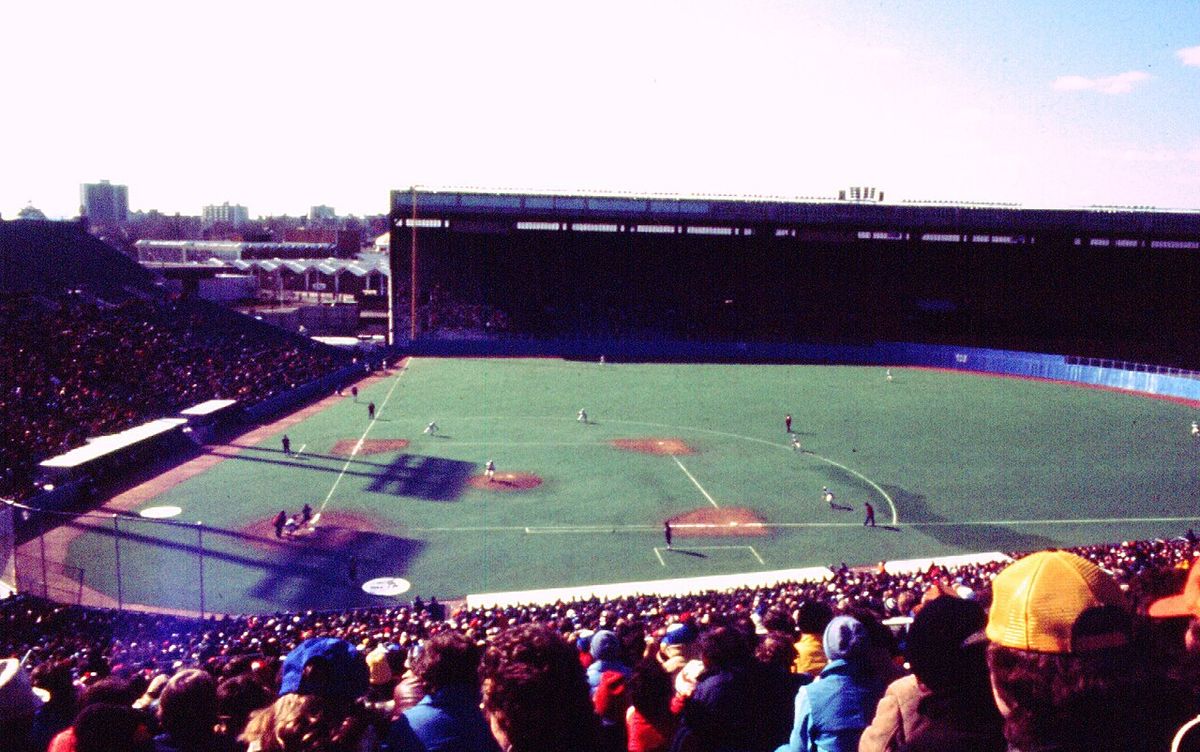
When the Toronto Argonauts moved from Varsity Stadium in 1959, a CA$650,000 bleacher section was added along the south sideline, bringing football capacity to 33,150. The stadium's inaugural event was an exhibition game between the Argonauts and the NFL's Chicago Cardinals on August 5, 1959, which was the first NFL game played in Toronto and the first NFL-CFL exhibition since the CFL's 1958 establishment. In 1972, following criticism of the natural grass surface during the 1970 Grey Cup by Calgary Stampeders coach Jim Duncan, who called it a disgrace, the city installed AstroTurf at a cost of CA$475,000 after a council vote approved the CA$625,000 project. A major reconfiguration began in 1974 to attract a Major League Baseball team, initially aiming to lure the San Francisco Giants before the expansion Toronto Blue Jays arrived in 1977. Funded by the city and province, the renovations originally budgeted at CA$15 million grew to CA$17.5 million, adding extensive seating opposite the grandstand. This expansion first increased football capacity to 41,890 and later to 54,741, allowing a then-record Grey Cup crowd of 53,467 for the 64th Grey Cup in November 1976. For baseball, capacity started at 38,522 and increased to 43,739 by the Blue Jays' second season, though only about 33,000 seats were typically sold during the regular season due to poor sightlines.
The stadium's capacity evolved significantly over its history. The original 1948 covered grandstand seated 22,000 people. When the Toronto Argonauts moved in for the 1959 season, a south bleacher section was added, bringing the football capacity to 33,150. Renovations for baseball in the mid-1970s increased the football capacity first to 41,890 and finally to 54,741 after work was completed. For baseball, the stadium originally seated 38,522, which increased to 43,739 by the Blue Jays' second season, although only about 33,000 seats were usually made available.
- 1948 Grandstand: 22,000 seats.
- Post-1959 football configuration: 33,150 seats.
- Initial post-1976 football capacity: 41,890 seats.
- Final football capacity (post-renovation): 54,741 seats.
- 1977 baseball capacity: 38,522 seats.
- Typical regular-season baseball seating: Approximately 33,000 seats.
Design Flaws and Operational Challenges
Exhibition Stadium was notoriously ill-suited for hosting both major sports. As a football-first venue retrofitted for baseball, its sightlines were poor for many spectators, a fact highlighted by Blue Jays President Paul Beeston's later comment that it was the worst stadium in sports. The need to fit a baseball diamond between the existing north and new south stands meant the football field was rotated anticlockwise, degrading sightlines for that sport as well, with only seats near the eastern end zone remaining close to the action. For baseball, the vast Canadian football field dimensions, almost 34 percent larger than an American field, meant some outfield seats were as far as 820 feet from home plate, the greatest distance in major league history. These seats actually faced each other rather than the infield and were only sold during high-demand periods like the 1985 and 1987 pennant races and the 1985 American League Championship Series. The stadium's proximity to Lake Ontario also created persistent problems with cold, wind, and fog. The Blue Jays' first home game on April 7, 1977, was played on a snow-covered field, and a 1984 game was postponed due to 97 km/h winds that blew pitcher Jim Clancy off balance. The exposed seating and harsh conditions were a constant source of fan and player complaint, contributing to a decline in Argonauts attendance from over 40,000 per game in the late 1970s to fewer than 30,000 by the mid-1980s.
The stadium's proximity to Lake Ontario led to several notable incidents. The first Blue Jays game in 1977 was the only major league game ever played with the field entirely covered by snow. In 1983, New York Yankees outfielder Dave Winfield was arrested for accidentally killing a seagull with a thrown baseball. An April 1984 game against the Texas Rangers was postponed due to 60 mph winds after only six pitches were thrown. In 1986, thick fog caused a bizarre inside-the-park home run for Kelly Gruber when outfielders lost a routine pop-up.
- April 7, 1977: The Blue Jays' first home game was played on a snow-covered field, cleared by a Zamboni borrowed from Maple Leaf Gardens.
- September 15, 1977: Baltimore Orioles manager Earl Weaver forfeited a game, citing trip hazards from tarp bricks, the only deliberate MLB forfeit since 1914.
- August 4, 1983: New York Yankees outfielder Dave Winfield was arrested for accidentally killing a seagull with a thrown ball during warm-ups.
- April 30, 1984: A game against Texas was postponed after six pitches due to 97 km/h winds.
- 1986: Thick fog caused an inside-the-park home run for Kelly Gruber when outfielders lost a routine pop-up.
The Rain Bowl and Push for a Dome
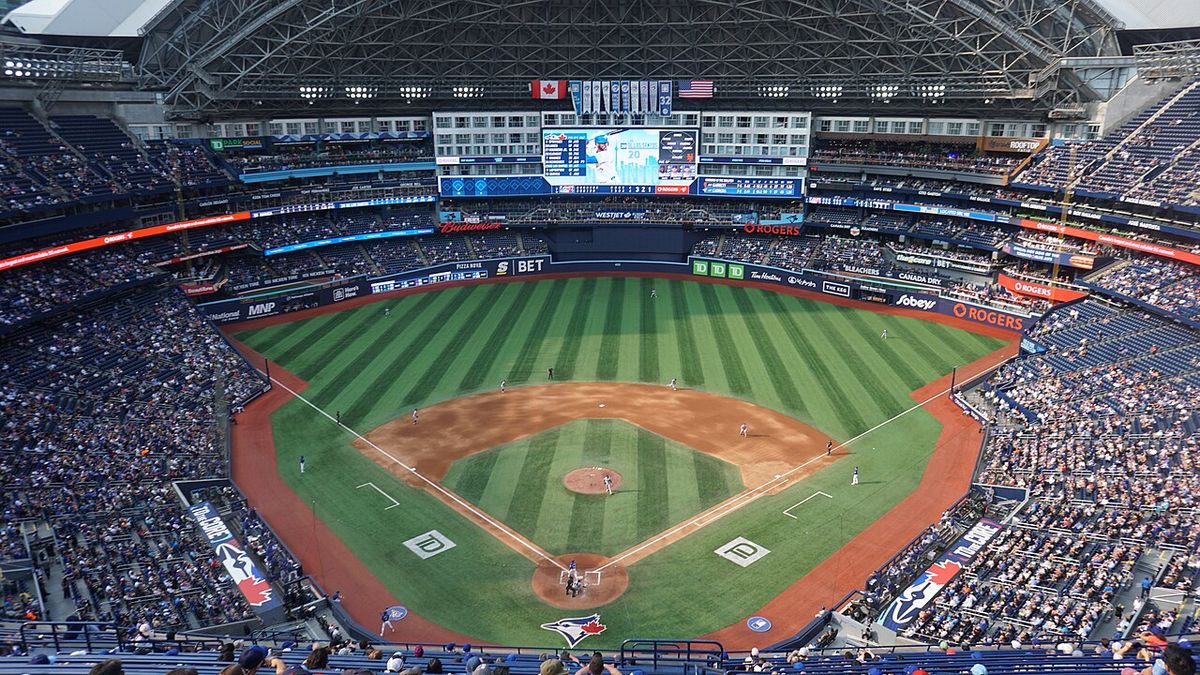
The stadium's fate was effectively sealed during the 70th Grey Cup in 1982, infamously known as the Rain Bowl. Played in a driving rainstorm, the event exposed the venue's inadequacies, with thousands of drenched fans forced into concession areas and washrooms overflowing. The game was watched by a then-record Canadian television audience of 7.862 million viewers, including Ontario Premier Bill Davis. The following day, a rally at Toronto City Hall saw tens of thousands of fans chant, We want a dome. In June 1983, Premier Davis appointed a three-person committee consisting of Paul Godfrey, Larry Grossman, and Hugh Macaulay to study a domed stadium for Exhibition Place. By April 1984, Canadian National Railways agreed to donate 7 acres of land near the CN Tower for a new stadium. Groundbreaking for the SkyDome, now Rogers Centre, occurred in October 1986. Construction delays, partly due to widespread construction worker strikes across Ontario, meant the Blue Jays began their 1989 season at Exhibition Stadium before moving to the new dome in June of that year, a year later than originally planned.
Final Years and Demolition
After the opening of SkyDome in 1989, Exhibition Stadium was largely inactive, occasionally used for concerts, minor sporting events, and as a parking lot. The World Wrestling Federation held an event there on August 24, 1996, drawing 21,211 fans for a card headlined by Shawn Michaels versus Goldust in a ladder match. A series of CASCAR stock car races were also held on a temporary track configured in the stadium during the 1990s. The stadium was demolished in 1999 and the site was used for parking until 2006. Some stadium seats were sold to collectors, and a few chairs were placed near the bridge to Ontario Place. The locations of the baseball bases and home plate are marked in the parking lot south of the current BMO Field. The venue has been retrospectively referred to by some Toronto media as the Mistake by the Lake, a nickname previously associated with Cleveland's Municipal Stadium.
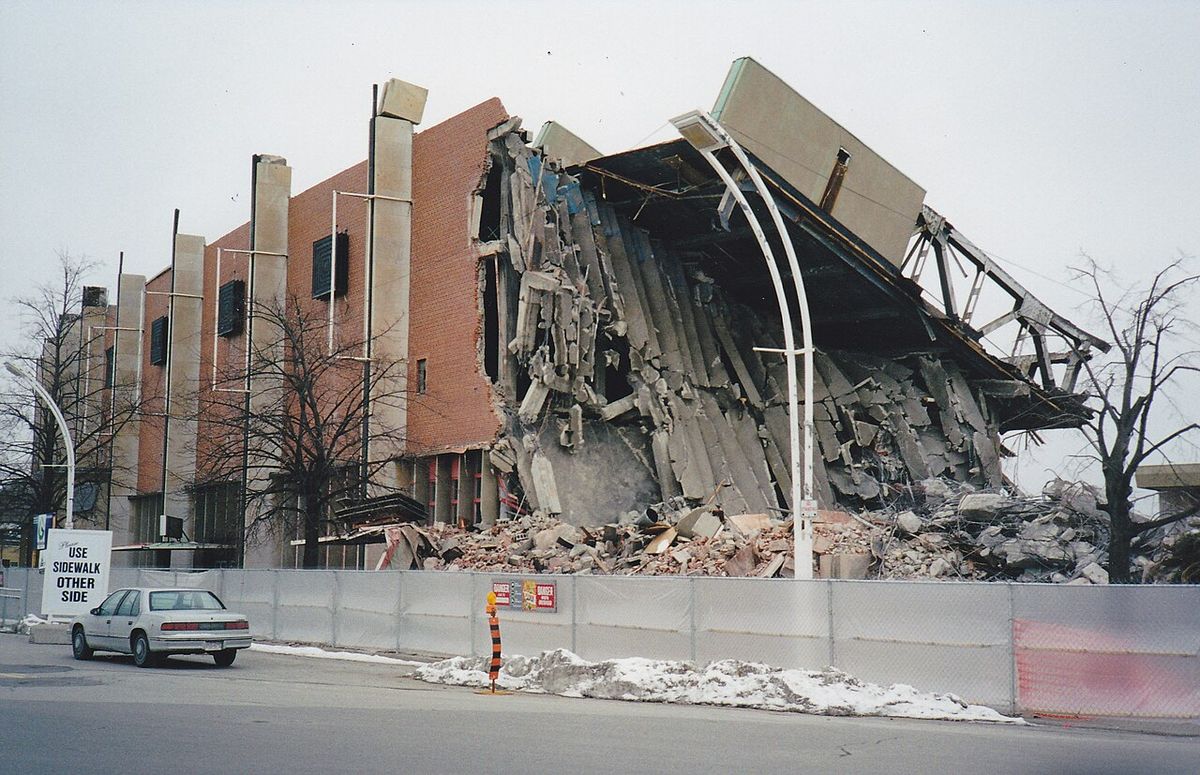
Legacy and the BMO Field Era
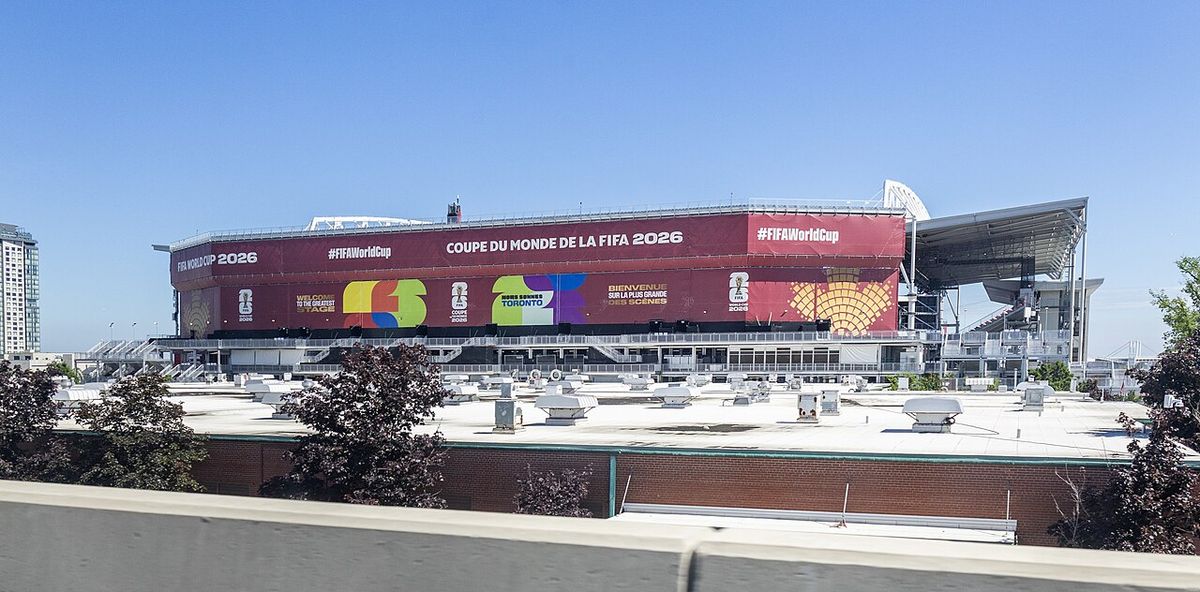
The site of Exhibition Stadium is now occupied by BMO Field, a soccer-specific stadium that opened in 2007. The CA$69 million project was funded by the governments of Canada and Ontario contributing CA$35 million, the City of Toronto paying CA$9.8 million, and Maple Leaf Sports & Entertainment covering the remainder. MLSE was awarded an MLS expansion team, Toronto FC, which debuted at the stadium on April 28, 2007. Initially with a capacity of 20,000 and dimensions too small for Canadian football, the stadium was renovated in 2015 after MLSE purchased the Toronto Argonauts, allowing the team to return for the 2016 CFL season. The renovations added a roof, lengthened the field using retractable seating, and increased capacity. BMO Field has since hosted major events including the 104th Grey Cup, MLS Cup in 2010, 2016, and 2017, the outdoor NHL Centennial Classic, and the 2007 FIFA U-20 World Cup. In preparation for the 2026 FIFA World Cup, the stadium underwent a CA$146 million renovation beginning in December 2024, temporarily expanding capacity to 45,000 seats and adding permanent upgrades like new LED videoboards, broadcast lighting, a 360-degree concourse, and a new FIFA-standard pitch. It will host six World Cup matches, including Canada's Men's National Team opening match and one knockout-stage match, with the temporary seating to be removed after the tournament.
BMO Field, built on the site of the old Exhibition Stadium, has hosted many major events. It was the venue for the 104th Grey Cup, MLS Cup 2016, and the outdoor NHL Centennial Classic game within a 36-day period in late 2016. The stadium also hosted the MLS Cup in 2010 and 2017, along with the 2007 FIFA U-20 World Cup. It is scheduled to host matches for the 2026 FIFA World Cup.
- April 28, 2007: Toronto FC's MLS debut match.
- 2007: Hosted matches for the FIFA U-20 World Cup.
- 2010: Hosted MLS Cup.
- Late 2016: Hosted the 104th Grey Cup, MLS Cup 2016, and the NHL Centennial Classic within a 36-day period.
- 2017: Hosted MLS Cup.
- 2026: Scheduled to host six matches for the FIFA World Cup.
Concert and Event History
Beyond sports, Exhibition Stadium was a major concert venue throughout its history. The CNE Grandstand and the full stadium hosted numerous prominent acts including Pink Floyd, The Who, U2, David Bowie, Bruce Springsteen, Queen, The Jacksons, Van Halen, Guns N' Roses, AC/DC, and Rush. The stadium also served as a filming location for a 1963 episode of the television series Route 66 titled A Long Way from St. Louie, and hosted unique events like the Canadian Armed Forces Tattoo in 1967, which was so popular it required a special Sunday performance, breaking an 89-year tradition. The stadium's roadways were used for motorsports, including the first NASCAR Grand National Series start for Richard Petty in the 1958 Jim Mideon 500 and, in later years, the INDYCAR Grand Prix of Toronto and NASCAR Canada Series events from 2010 to 2023. The venue also hosted the 2015 Pan American Games beach volleyball events in a temporary facility built on the old stadium's parking lot footprint.
| Year | Event or Performer | Notes |
|---|---|---|
| 1958 | Richard Petty's first NASCAR start | Jim Mideon 500 race at the grandstand |
| 1963 | Route 66 episode filming | Episode A Long Way from St. Louie aired December 6 |
| 1967 | Canadian Armed Forces Tattoo | Eight sold-out shows, Sunday performance added |
| 1977 | Kansas with April Wine | During the CNE, April Wine had opened for The Rolling Stones earlier that year |
| 1980 | Queen | The Game Tour concert on August 30 |
| 1982 | The Who | It's Hard Tour on October 9 |
| 1984 | The Jacksons | Victory Tour, three shows on October 5-7 for 180,000 fans |
| 1985 | ALCS Game 7 | Blue Jays lost 6-2 to Kansas City Royals |
| 1986 | WWF The Big Event | 65,000 fans, main event Hulk Hogan vs. Paul Orndorff for the World Heavyweight Championship |
| 1996 | WWF event | 21,211 fans, main event Shawn Michaels vs. Goldust in a ladder match |
- Pink Floyd performed at the stadium.
- U2 performed at the stadium.
- David Bowie performed at the stadium.
- Bruce Springsteen performed at the stadium.
- Van Halen performed at the stadium.
- Guns N' Roses performed at the stadium.
- AC/DC performed at the stadium.
- Rush performed at the stadium.
Questions about Exhibition Stadium
Where was Exhibition Stadium located?
Exhibition Stadium was located on the grounds of Exhibition Place in Toronto, Ontario, on the shore of Lake Ontario. The site is now occupied by BMO Field, which opened in 2007. The stadium's proximity to the lake was a defining characteristic, often leading to cold, windy, and foggy conditions during events. Its location within the Canadian National Exhibition grounds made it a central part of the city's summer fair and entertainment district.
What sports teams played at Exhibition Stadium?
The stadium was the primary home for three major professional teams. The Toronto Argonauts of the Canadian Football League played there from 1959 to 1988. The Toronto Blue Jays of Major League Baseball called it home from their inaugural 1977 season through part of 1989, before moving to the SkyDome. The Toronto Blizzard of the North American Soccer League used the stadium from 1979 to 1983. It also hosted 12 Grey Cup games over a 24-year period, cementing its role in Canadian football history.
Why was Exhibition Stadium replaced?
The stadium was replaced primarily due to its inadequacies as a modern, multi-sport facility. Its poor sightlines, exposure to harsh weather, and outdated design were highlighted during the infamous 70th Grey Cup Rain Bowl in 1982, which was televised to a record Canadian audience. Public and political pressure led to the construction of the domed SkyDome (now Rogers Centre). Exhibition Stadium was demolished in 1999, and the open-air BMO Field was later built on the site to serve as a more modern, soccer-first venue.
What is on the site of Exhibition Stadium now?
The site is now home to BMO Field, a stadium primarily used for soccer and Canadian football. Owned by the City of Toronto and operated by Maple Leaf Sports & Entertainment, it is the home of Toronto FC of Major League Soccer and the Toronto Argonauts of the CFL. The stadium was renovated and expanded for the 2026 FIFA World Cup, temporarily increasing its capacity to 45,000 seats. The area also includes parking lots, and the former stadium's baseball diamond locations are marked in the pavement.
What were some of the most famous events at Exhibition Stadium?
Famous events include the 1982 Grey Cup Rain Bowl, the Toronto Blue Jays' first snow-covered game in 1977, and the 1985 American League Championship Series Game 7. Major concerts featured acts like Queen, The Who, The Jacksons, and Bruce Springsteen. It also hosted WWF wrestling's The Big Event in 1986 before 65,000 fans and was the site of Richard Petty's first NASCAR start in 1958. The stadium also held Soccer Bowl '81 and the Canadian Armed Forces Tattoo in 1967.
How is BMO Field connected to the old Exhibition Stadium?
BMO Field was constructed directly on the former Exhibition Stadium site, with its northern end roughly where the old covered grandstand stood. It continues the location's legacy as a major sports venue for Toronto professional teams. While built for soccer, renovations in 2015 allowed the Toronto Argonauts to return in 2016, re-establishing the site as a dual-sport home. Major upgrades for the 2026 FIFA World Cup, including a new pitch and permanent facility improvements, ensure its future as a premier event space, much like its predecessor.
Sources and further reading
- Exhibition Stadium (Wikipedia)
- Exhibition Place Welcomes the World! ⚽️ (explace.on.ca)
Checked by the Garbutt Disposal desk. Last updated 2026-10-26.