Canadian Football League
The Canadian Football League (CFL) is the premier professional Canadian football league in Canada, comprising nine teams divided into East and West Divisions. Officially formed in 1958 through the merger of two historic unions, the league operates a 21-week regular season culminating in the Grey Cup championship, one of the nation's largest annual television events. Headquartered in Toronto, the CFL is the highest level of a sport with deep roots in Canadian culture, distinct from its American counterpart. It represents a major professional sports entity and a significant part of Canadian culture and broadcasting.
Historical origins and formation
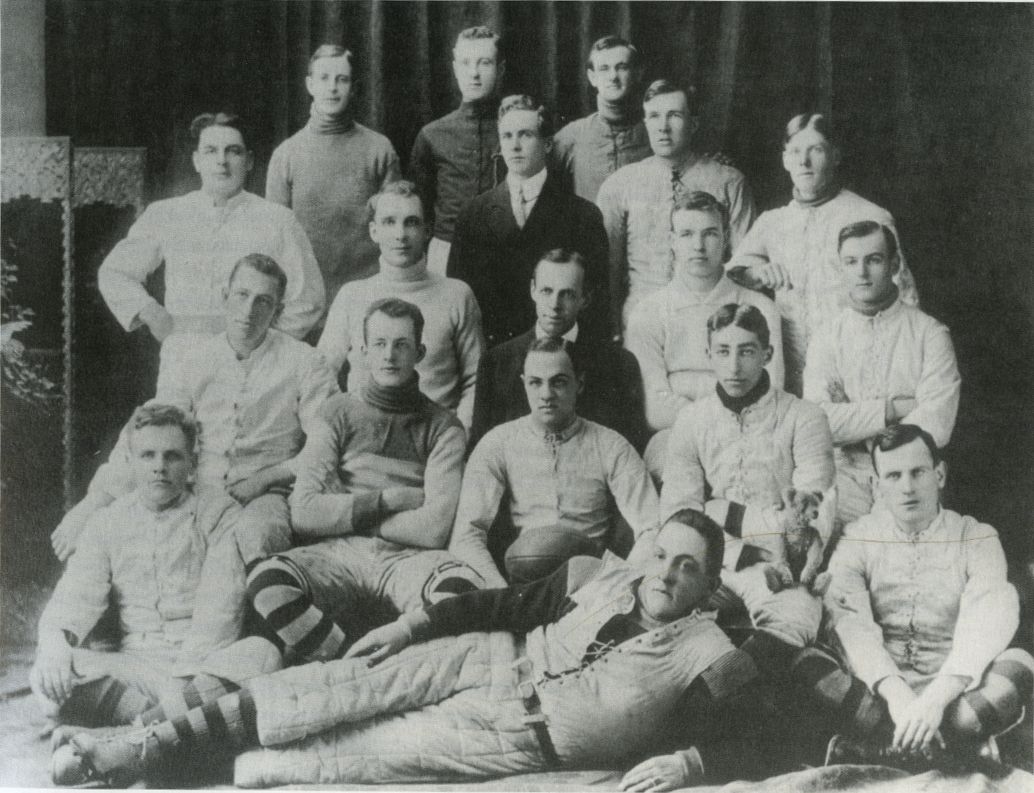
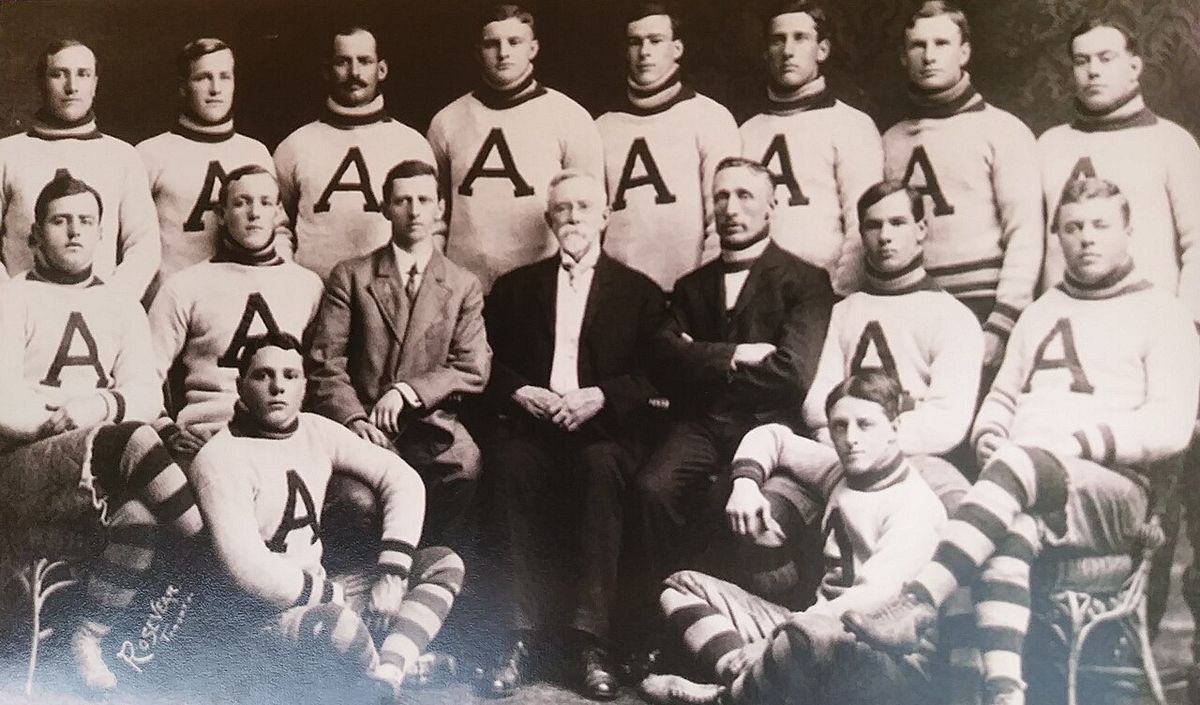
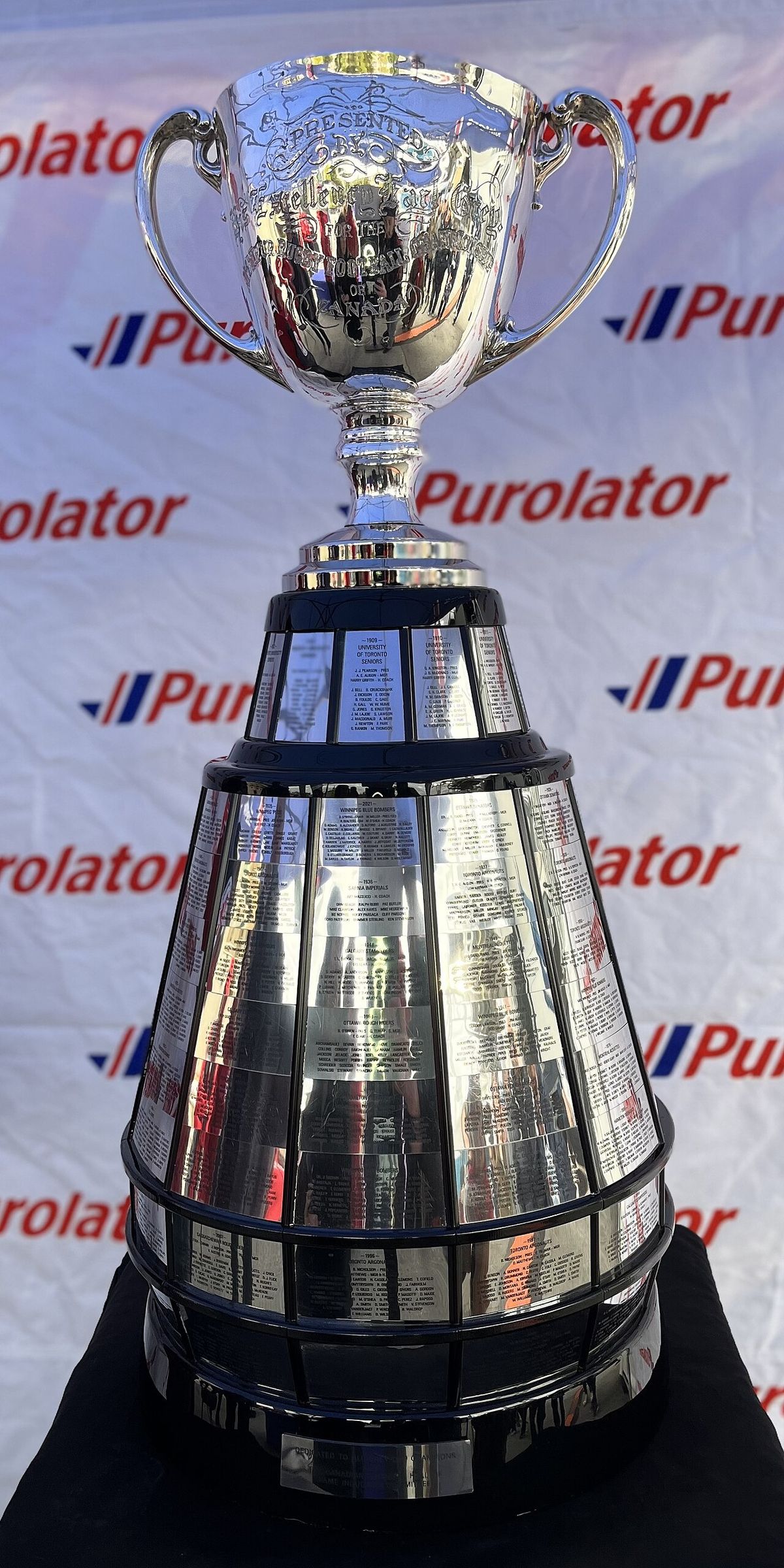
The origins of the CFL trace back to rugby football played in Canada in the 1860s, with the sport evolving under organizations like the Canadian Rugby Union (CRU). The Grey Cup was donated in 1909 as a championship trophy for senior amateur football. The professional foundations of the modern league were laid by two regional unions: the Interprovincial Rugby Football Union (IRFU or 'Big Four'), formed in 1907 by clubs in Ontario and Quebec, and the Western Interprovincial Football Union (WIFU), established in 1936 by clubs in Manitoba, Alberta, and Saskatchewan. These unions transitioned from amateur to professional competition over the following decades. The modern era of exclusively professional Grey Cup competition is considered to have begun in 1954, after the last amateur union withdrew. In 1956, the Big Four and WIFU formed the Canadian Football Council to modernize operations, which reorganized as the Canadian Football League on January 19, 1958. The new league took possession of the Grey Cup, formalizing the professional championship structure that had been in place since 1954.
The two founding unions initially operated autonomously with no regular-season games between them, analogous to Major League Baseball's historical league structure. They were renamed the Eastern Football Conference in 1960 and the Western Football Conference in 1961, the same year limited intersectional play was introduced. A full merger into East and West Divisions of a single league occurred in 1981, leading to a fully balanced and interlocking schedule. The league's stability was reflected in its nine core franchises for much of its early history: BC Lions, Calgary Stampeders, Edmonton Eskimos, Saskatchewan Roughriders, Winnipeg Blue Bombers, Hamilton Tiger-Cats, Toronto Argonauts, Ottawa Rough Riders, and Montreal Alouettes. Team names often had traditional origins, such as the Toronto Argonauts stemming from a 19th-century rowing club and the Hamilton Tiger-Cats resulting from a post-war merger of the Tigers and the Flying Wildcats.
League structure and season format
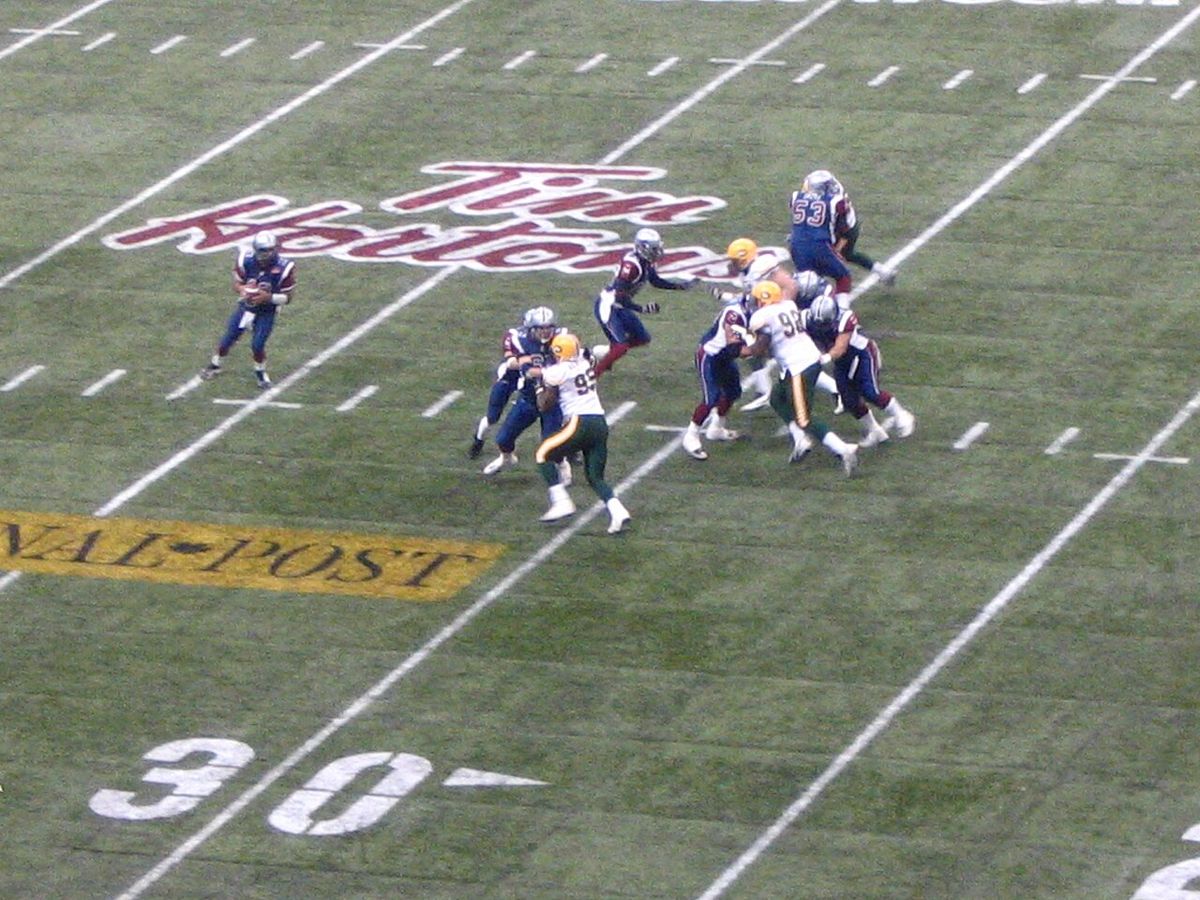
The CFL's structure has remained consistent since the Ottawa Redblacks joined in 2014, featuring nine teams split into two divisions. The East Division contains four teams, while the West Division contains five. This imbalance occasionally requires a Western team to play in the East Division to maintain competitive balance, as happened with the Winnipeg Blue Bombers at various points. The league's regular season traditionally runs from early June to late October, spanning 21 weeks. During this period, each team plays 18 games with three bye weeks, a format that has been standard since 1986 with one exception. The season schedule is fully interlocking, meaning every team plays each other at least twice, once at home and once on the road.
Following the regular season, six teams qualify for the playoffs. The playoff format sees the division winners earn a bye to the division finals, while the second- and third-place teams in each division face off in division semi-finals. The winners of the division finals then advance to the Grey Cup championship game, held in late November. The Grey Cup is not only the league's championship but also a major national television event and celebration. The path to the Grey Cup has been exclusively for professional teams since 1954, with Canada's top university teams competing for the separate Vanier Cup since 1965.
Expansion and franchise stability
The CFL has experienced several periods of expansion and contraction, testing its stability and national footprint. After the original Montreal Alouettes folded in 1981, a new franchise called the Concordes was created in 1982, which was renamed the Alouettes in 1986 before folding again the next year. The most ambitious expansion effort occurred in the 1990s with a move into the United States. The league admitted the Sacramento Gold Miners in 1993, followed by the Las Vegas Posse, Baltimore Stallions, and Shreveport Pirates in 1994. In 1995, a South Division was created for American teams, adding the Birmingham Barracudas and Memphis Mad Dogs, while the Posse folded and the Gold Miners moved to become the San Antonio Texans. The Baltimore Stallions became the only non-Canadian team to win the Grey Cup in 1995.
The American experiment was largely unsuccessful financially and was abandoned after the 1995 season, with the Stallions organization used to revive the Montreal Alouettes in 1996. The league returned to an all-Canadian format that year, but the historic Ottawa Rough Riders folded after the 1996 season. The league operated with eight teams until 2002 when the Ottawa Renegades were added, returning to nine teams. The Renegades were suspended indefinitely before the 2006 season after four years of financial losses. This suspension lasted until 2014, when the Ottawa Redblacks began play, finally restoring the league to a stable nine-team structure. Key franchise movements during this period included the Winnipeg Blue Bombers moving to the East Division from 1987 to 1994, again from 1997 to 2001, and from 2006 to 2013 following the Renegades' suspension. With the Redblacks' arrival in 2014, Winnipeg returned permanently to the West Division.
Era of growth and modernization
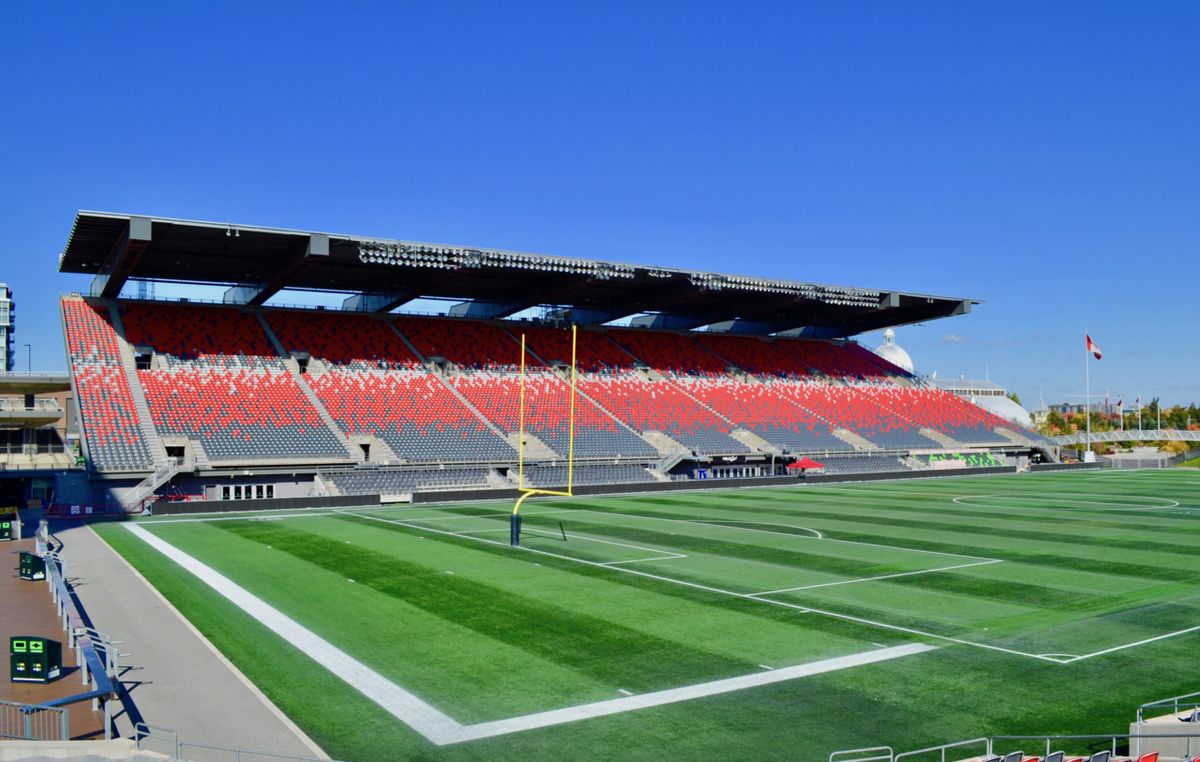
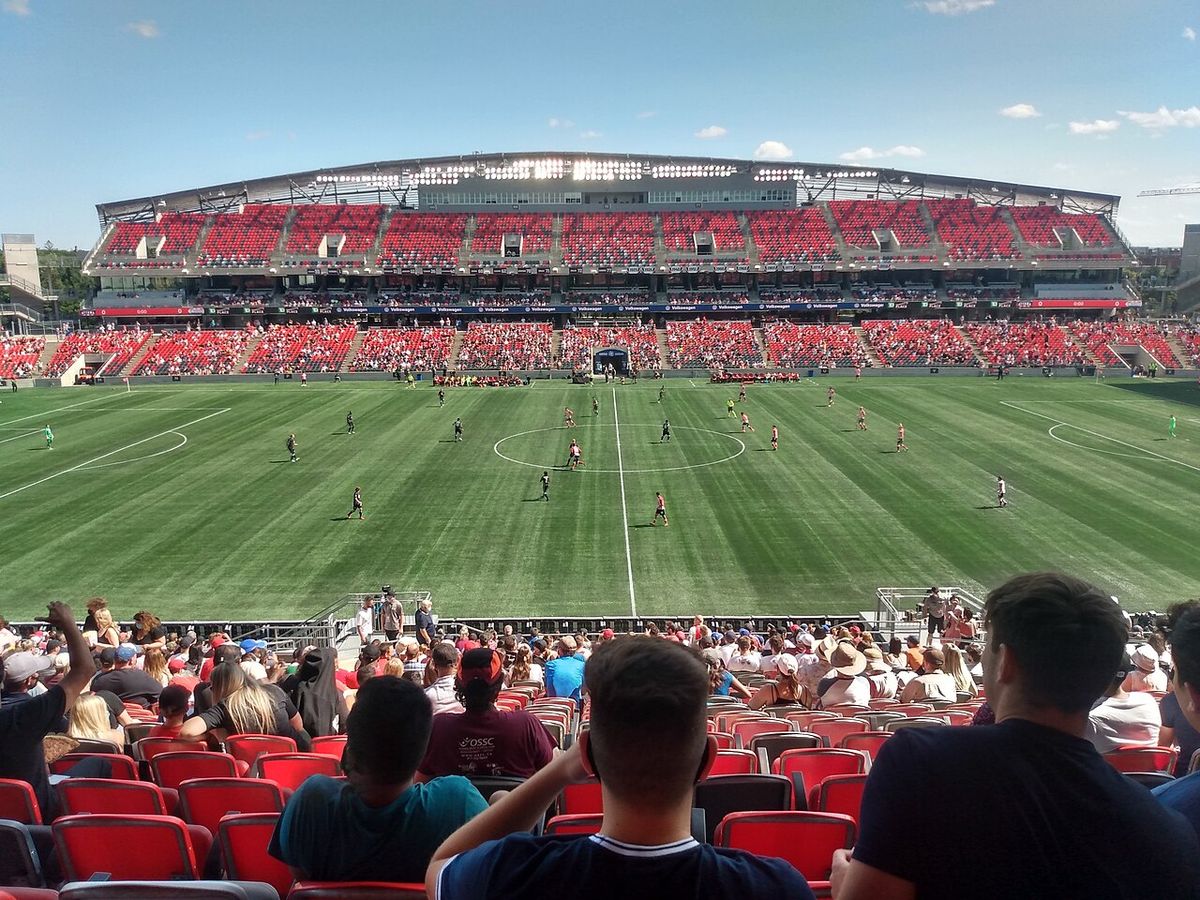
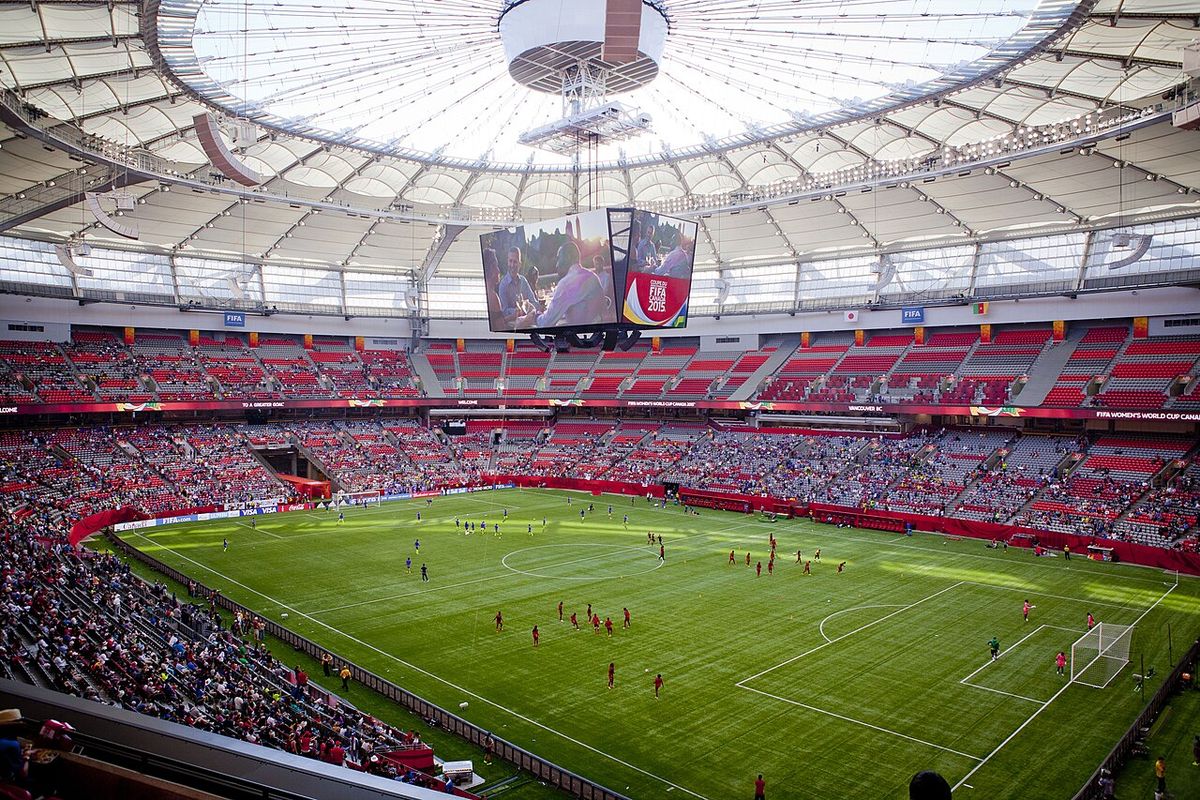
The league entered a period of significant stability and growth under Commissioner Mark Cohon from 2007 to 2015. This era featured new television deals, collective bargaining agreements, and the celebrated 100th Grey Cup in 2012, which set television rating records in English Canada. A major infrastructure renewal occurred, with multiple teams renovating or building new stadiums. The Montreal Alouettes expanded Percival Molson Memorial Stadium for the 2010 season, while the Edmonton Eskimos and Calgary Stampeders also renovated their facilities. The BC Lions moved into the renovated BC Place with a retractable roof in 2011. The Winnipeg Blue Bombers opened Investors Group Field in 2013, and the Hamilton Tiger-Cats began playing at Tim Hortons Field in 2014 after the demolition of Ivor Wynne Stadium. The Ottawa Redblacks also launched in 2014 at the renovated TD Place Stadium.
Attendance and popularity saw positive trends during this time. The 2005 season set an all-time attendance record with over 2.3 million fans. A 2006 survey indicated the CFL was the second most popular sports league in Canada, with a 19% following among adults, behind the NHL's 30%. The league also launched its CFL Broadband streaming service in 2006. Commissioner Jeffrey Orridge, who served from 2015 to 2017, oversaw a league re-branding in 2015, including a new logo and uniforms. The Toronto Argonauts moved to BMO Field in 2016 under new ownership, and the Saskatchewan Roughriders opened New Mosaic Stadium in 2017. The league also saw a historic moment in 2015 when Michael Sam signed with Montreal, becoming the first openly gay player in CFL history.
Recent developments and global initiatives
Randy Ambrosie, a former CFL player, became commissioner in July 2017, bringing a focus on international growth through the CFL 2.0 initiative. Beginning in 2018, the league formed partnerships with football leagues worldwide to develop global talent and expand the sport's reach. Key partnerships were established with the Mexican LFA, the German Football League, and leagues in Austria, France, the Nordic countries, Italy, and, by 2020, Japan's X-League. These agreements included player and coach exchanges, with the LFA reserving roster spots for Canadian players. The CFL held a global combine in Mexico in 2019 and drafted Mexican players, with wide receiver Diego Viamontes being the first global pick by Edmonton. New roster rules were introduced for the 2020 season, allowing for designated international players on active and practice squads.
The league faced a major challenge in 2020 when the entire season was cancelled due to the coronavirus pandemic, as social distancing mandates and travel restrictions prevented ticket sales and a government bailout was not secured. Prior to that, the league took over operations of the Montreal Alouettes in 2019 after owner Robert C. Wetenhall surrendered the franchise, before selling the team to new owners Sid Spiegel and Gary Stern in early 2020. On the business side, New Era Cap Company became the league's official apparel supplier in 2019, replacing Adidas. The CFL's relationship with the NFL included a US$3-million interest-free loan in 1997 to aid league finances, which was later repaid, and an agreement on player access that expired in 2006.
Attendance and economic impact
The CFL has maintained a strong attendance base, consistently ranking among the top sports leagues in North America for per-game attendance. The 2005 season is the high-water mark, with total attendance exceeding 2.3 million fans. During the 2000s, the league had the third-highest per-game attendance in North America and the seventh-highest worldwide. Average game attendance peaked at 29,167 in 2007, the best figure since 1983. Even during periods with only eight teams, such as from 2006 to 2013 following Ottawa's suspension, league attendance hovered around 2 million annually, with a single-game average of 28,193 in 2012. The league's popularity is further evidenced by television ratings, with the 100th Grey Cup in 2012 achieving record viewership in English Canada.
The economic footprint of the league is significant, driven by ticket sales, broadcasting rights, and stadium projects. The widespread stadium construction and renovation from 2010 to 2014 represented a major capital investment across multiple Canadian cities. Television deals with TSN and CBC, along with the launch of the CFL Broadband streaming service, have diversified revenue streams. The league's following in Canada is substantial. The 2006 University of Lethbridge survey indicated that approximately 80% of Canadian football fans follow the CFL, compared to about 55% who follow the NFL, which highlights its central role in the national sports culture. Several key milestones in league attendance and popularity include:
- 2005: All-time attendance record set with over 2.3 million fans.
- 2007: Highest average game attendance since 1983 at 29,167.
- 2012: Single-game average attendance of 28,193 during an eight-team period.
- 2012: 100th Grey Cup sets television rating records in English Canada.
- 2006 Survey: CFL identified as second most popular sports league in Canada with 19% adult following.
CFL teams and divisions
The nine teams of the CFL are divided into two divisions, a structure that has evolved from the original Eastern and Western Conferences. The East Division currently consists of four teams: the Hamilton Tiger-Cats, Toronto Argonauts, Ottawa Redblacks, and Montreal Alouettes. The West Division consists of five teams: the BC Lions, Calgary Stampeders, Edmonton Elks (formerly Eskimos), Saskatchewan Roughriders, and Winnipeg Blue Bombers. This lineup has been stable since the Ottawa Redblacks joined in 2014. Each franchise has its own distinct history and fan base, with some, like the Toronto Argonauts and Hamilton Tiger-Cats, tracing their origins back to the 19th century. The Saskatchewan Roughriders, notably, have a fiercely loyal fan base that travels extensively to support the team.
The division alignment has occasionally shifted to accommodate an odd number of teams, most frequently involving the Winnipeg Blue Bombers. Winnipeg played in the East Division from 1987 to 1994 after Montreal's first folding, again from 1997 to 2001 following Ottawa's initial collapse, and from 2006 to 2013 during the period without an Ottawa franchise. The return of Ottawa in 2014 allowed Winnipeg to move back to the West Division permanently, creating the current five-West, four-East split. The table below outlines the current division alignment and the year each franchise joined the CFL or its predecessor unions.
| Division | Team | City | Joined CFL/Predecessor |
|---|---|---|---|
| East | Hamilton Tiger-Cats | Hamilton, ON | 1950 (Big Four) |
| East | Toronto Argonauts | Toronto, ON | 1907 (Big Four) |
| East | Ottawa Redblacks | Ottawa, ON | 2014 (expansion) |
| West | BC Lions | Vancouver, BC | 1954 (WIFU) |
| West | Saskatchewan Roughriders | Regina, SK | 1936 (WIFU) |
| West | Winnipeg Blue Bombers | Winnipeg, MB | 1936 (WIFU) |
The Montreal Alouettes franchise has experienced periods of inactivity in its history. The current franchise was revived in 1996 using the organization of the Baltimore Stallions, which was the only successful American team during the CFL's United States expansion. The league's commissioners have played a significant role in shaping its direction over the years. Key leadership periods include the tenure of Mark Cohon from 2007 to 2015, which was a time of stability and growth. This was followed by the era of Jeffrey Orridge from 2015 to 2017. Randy Ambrosie then succeeded Orridge as commissioner in July 2017.
- Mark Cohon: Served as commissioner from 2007 to 2015, overseeing a period of stability and stadium renewal.
- Jeffrey Orridge: Served as commissioner from 2015 to 2017, implementing a league re-brand in 2015.
- Randy Ambrosie: Former player who became commissioner in July 2017, launching the CFL 2.0 global initiative.
- Larry Smith: A previous commissioner who left the position in 1997.
Key historical events and milestones
The CFL's history is marked by numerous events that have shaped its operations, public profile, and the sport in Canada. These range from foundational mergers and rule changes to significant business agreements and social milestones. The league's evolution from amateur rugby unions to a unified professional entity involved several critical junctures. Its interactions with other leagues, both domestically and internationally, have defined its place in the football world. The following list outlines several key events in the league's chronology.
- 1909: Governor General the Earl Grey donates the Grey Cup trophy.
- 1954: Start of the modern era where the Grey Cup is contested exclusively by professional teams.
- January 19, 1958: Official founding of the Canadian Football League.
- 1961: Introduction of limited intersectional play between East and West conferences.
- 1981: Full merger of Eastern and Western conferences into CFL divisions and a balanced schedule.
- 1995: Baltimore Stallions become the only American team to win the Grey Cup.
- 1997: NFL provides a US$3-million interest-free loan to the CFL.
- 2015: Michael Sam signs with Montreal, becoming the first openly gay player in CFL history.
- 2020: Entire CFL season cancelled due to the coronavirus pandemic.
Another significant aspect of the league's history is its stadium development, which modernized the fan experience and team facilities. Major stadium projects were completed during the Mark Cohon era, which lasted from 2007 to 2015. The Montreal Alouettes added 5000 seats to Percival Molson Memorial Stadium in time for the 2010 CFL season. The BC Lions began playing under a new retractable roof at the renovated BC Place in 2011. The Winnipeg Blue Bombers moved to the new Investors Group Field in 2013. The Hamilton Tiger-Cats opened Tim Hortons Field in 2014. Also in 2014, the expansion Ottawa Redblacks began playing at the renovated TD Place Stadium. These projects collectively represented a major renewal of the league's physical infrastructure.
Questions about Canadian Football League
How many teams are in the CFL?
As of 2026, the CFL consists of nine teams. These teams are divided into two divisions: the East Division with four teams and the West Division with five teams. The teams are the BC Lions, Calgary Stampeders, Edmonton Elks, Saskatchewan Roughriders, Winnipeg Blue Bombers, Hamilton Tiger-Cats, Toronto Argonauts, Ottawa Redblacks, and Montreal Alouettes. This structure has been in place since the Ottawa Redblacks joined the league in 2014.
What is the CFL's regular season schedule?
The CFL regular season traditionally runs from early June to late October, spanning 21 weeks. Each team plays 18 games during this period, with three bye weeks. The schedule is fully interlocking, meaning every team plays each other at least twice. Since 1986, with the exception of the cancelled 2020 season, the 18-game schedule has been the standard. After the regular season, six teams advance to the playoffs, which conclude with the Grey Cup game in late November.
Did the CFL ever have teams in the United States?
Yes, the CFL expanded into the United States in the mid-1990s. It began with the Sacramento Gold Miners in 1993, adding the Las Vegas Posse, Baltimore Stallions, and Shreveport Pirates in 1994. In 1995, a South Division was created, adding the Birmingham Barracudas and Memphis Mad Dogs. The Baltimore Stallions became the only American team to win the Grey Cup in 1995. Due to financial struggles and the arrival of the NFL's Baltimore Ravens, the league abandoned the U.S. experiment after the 1995 season and returned to an all-Canadian format.
What is the CFL 2.0 initiative?
CFL 2.0 is an international partnership program launched under Commissioner Randy Ambrosie in 2018. It aims to grow the game globally by forming alliances with football leagues in other countries, including Mexico, Germany, Austria, France, Japan, and several European nations. The program includes player and coach exchanges, international combines, and a draft for global players. For the 2020 season, new roster rules were introduced to accommodate designated international players on team active and practice squads.
Why was the 2020 CFL season cancelled?
The CFL cancelled its entire 2020 season due to the coronavirus pandemic. Social distancing mandates and travel restrictions imposed across Canada prevented the league from selling tickets to games, which is a primary revenue source. The league was unable to secure a financial bailout from the government that would have allowed the season to proceed without fans in attendance. This was the first time the league did not hold a season since its formation in 1958, aside from labour disruptions.
When was the CFL founded?
The Canadian Football League was officially founded on January 19, 1958. This date marks the formal establishment of the league when the Canadian Football Council, formed in 1956, reorganized and left the Canadian Rugby Union. The CFL was created through the merger of two professional unions: the Interprovincial Rugby Football Union, known as the Big Four and founded in 1907, and the Western Interprovincial Football Union, which started in March 1936. As part of its founding agreement, the CFL took possession of the Grey Cup, formalizing the championship structure for professional teams that had been in place since 1954. The league's headquarters are located in Toronto, and it serves as the highest professional level of Canadian football.
Sources and further reading
- Canadian Football League (Wikipedia)
- cfl.ca, Official site of the Canadian Football League (cfl.ca)
- CFL Logos, Canadian Football League (sportslogos.net)
Checked by the Garbutt Disposal desk. Last updated 2026-10-18.