Grey Cup
The Grey Cup is the championship game of the Canadian Football League and the trophy awarded to its winner, representing the pinnacle of professional Canadian football. Contested annually between the winners of the CFL's East and West divisional playoffs, it is one of Canada's largest televised sporting events, drawing millions of viewers. The trophy was commissioned in 1909 by Governor General the Earl Grey and has been awarded continuously since, with breaks only for world wars and a rules dispute. The Toronto Argonauts hold the record for most championships with 19 wins, while the Edmonton Elks lead with 11 titles since the CFL's formation in 1958.
Origins and early competition
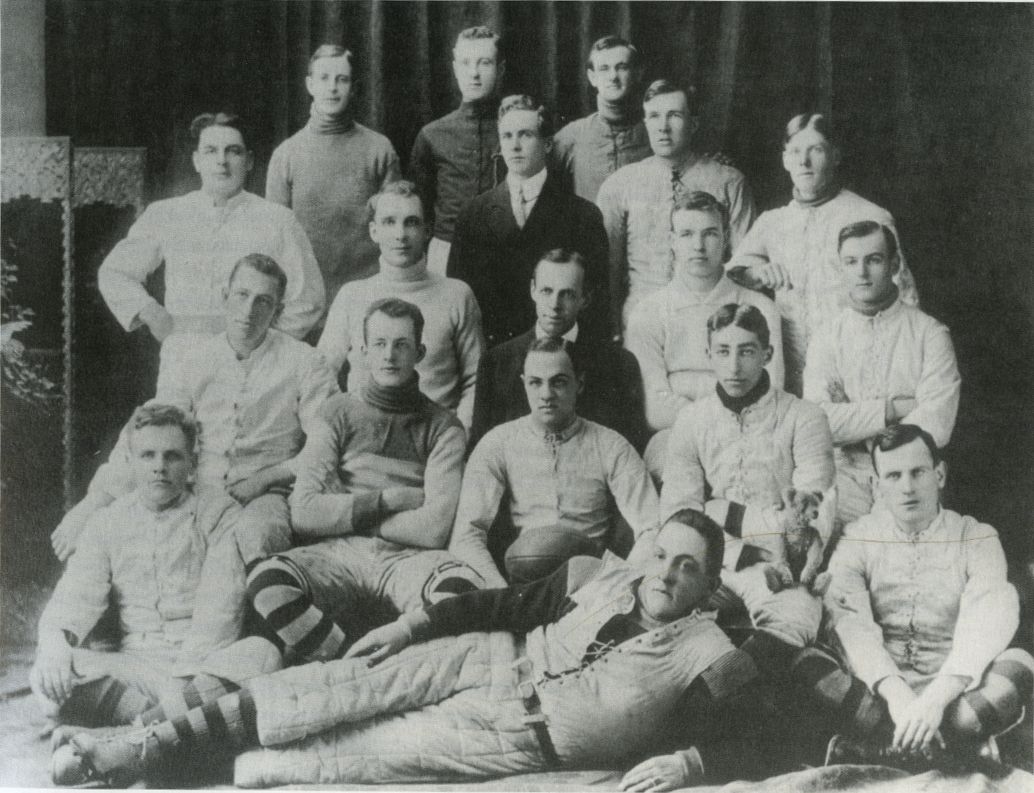
The Grey Cup was created in 1909 after Governor General the Earl Grey’s initial plan to donate a trophy for Canada’s senior amateur ice hockey championship was preempted by the donation of the Allan Cup. Grey instead offered a trophy for the Canadian amateur rugby football championship, though the silver chalice was not ordered until two weeks before the first title game. That inaugural match was played on December 4, 1909, in Toronto, where the University of Toronto Varsity Blues defeated the Parkdale Canoe Club 26-6 before 3,800 spectators. The Varsity Blues did not physically receive the trophy until March 1910 but retained it through victories in 1910 and 1911. The championship was suspended from 1916 to 1918 due to the First World War, during which the trophy was forgotten and later rediscovered in a Toronto trust company. Competition was also cancelled in 1919 due to a rules dispute and lack of interest from major unions amid recovery from the Spanish flu epidemic.
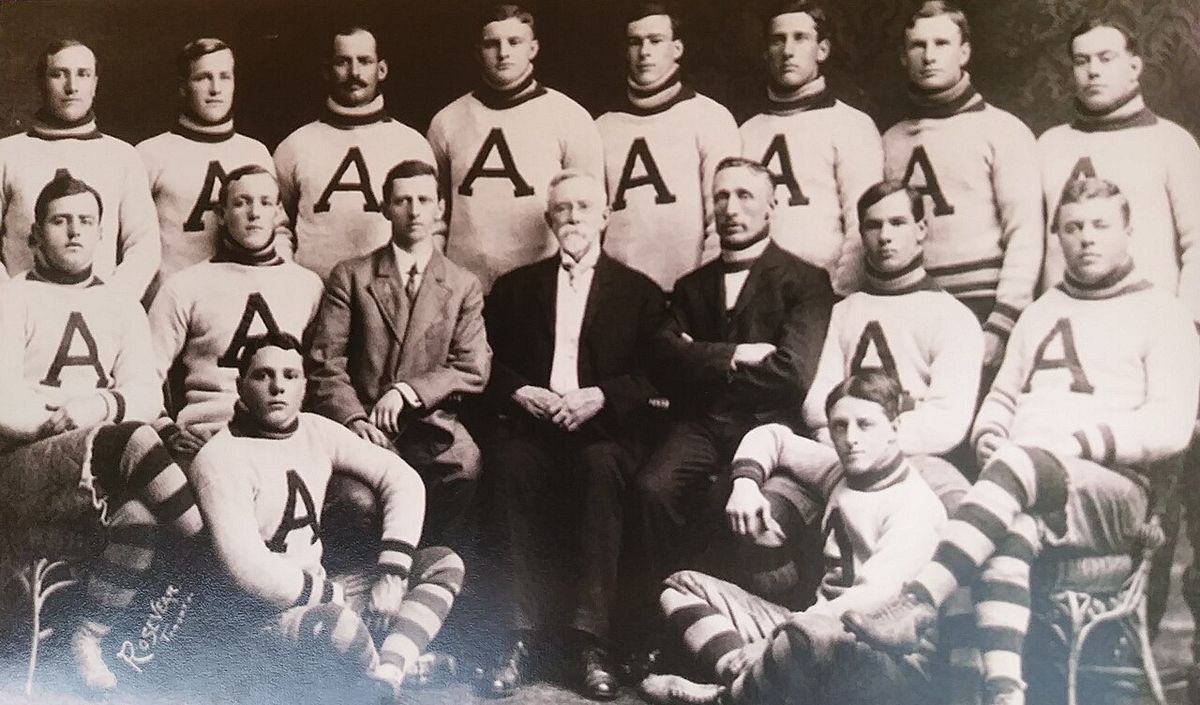
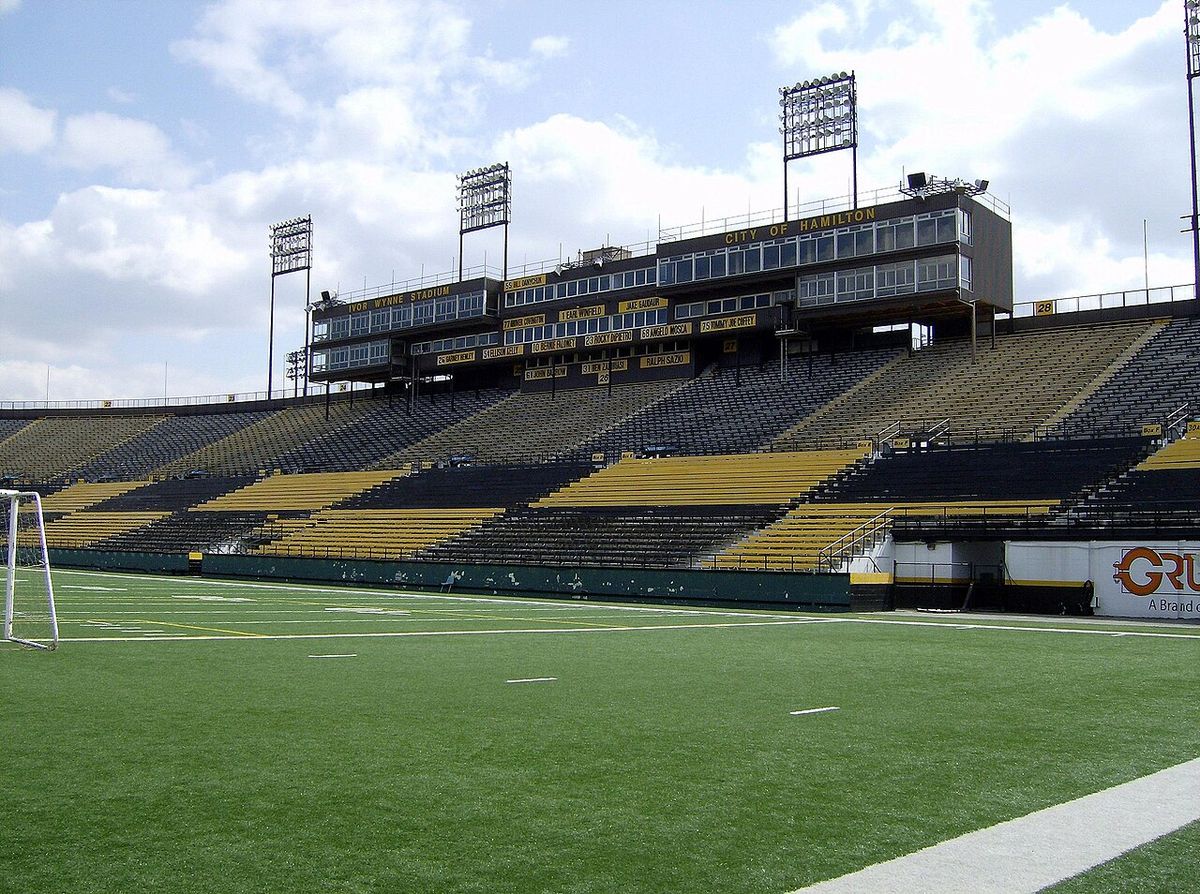
When play resumed in 1920, the University of Toronto won its fourth and final championship. For its first decade, the competition was largely confined to eastern clubs, particularly from Toronto and Hamilton. The Western Canada Rugby Football Union gained the right to challenge for the trophy in 1921, with the Edmonton Eskimos (a team with no lineage to the later CFL club) becoming the first western and first non-Ontario team to compete. They were shut out 23-0 by the Toronto Argonauts in that 9th Grey Cup. Western teams struggled for over a decade, with the Regina Rugby Club suffering a 54-0 loss to Queen’s University in 1923. The Winnipeg ‘Pegs (later the Blue Bombers) finally broke the eastern monopoly by defeating the Hamilton Tigers 18-12 in the 1935 Grey Cup, a victory that helped cement the east-versus-west format as a national spectacle.
Transition to professional league control
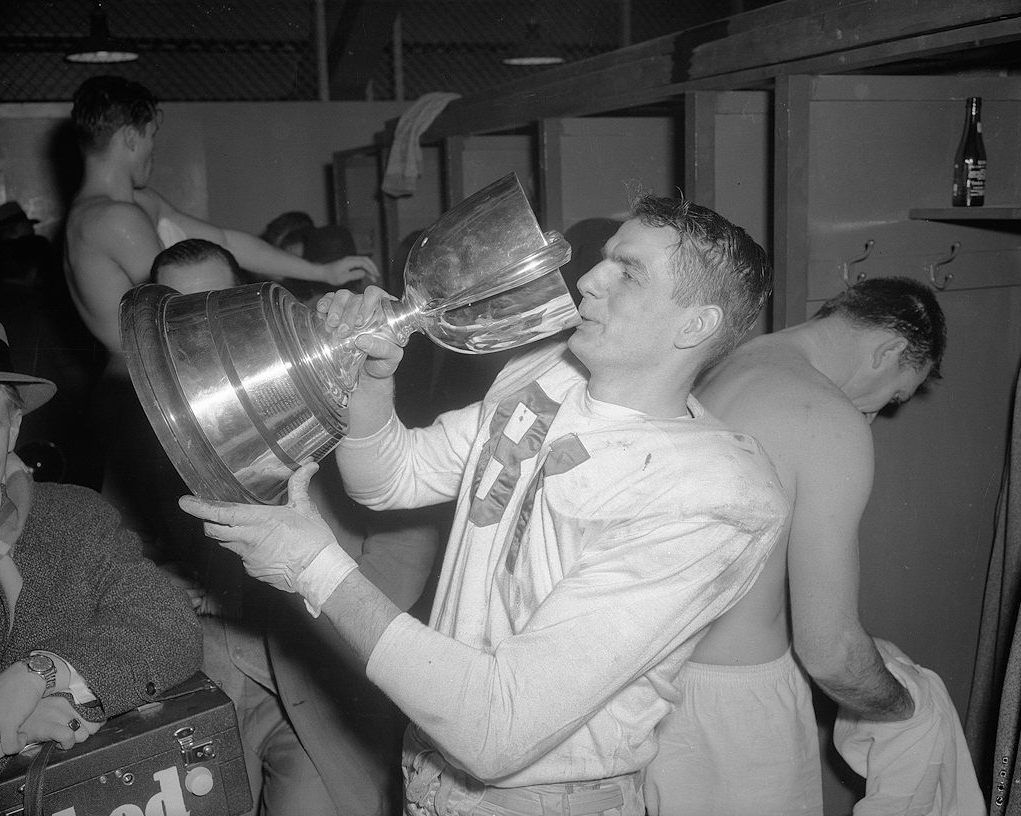
The competition was then primarily among three unions: the Interprovincial Rugby Football Union (Big Four), the Ontario Rugby Football Union, and the Western Interprovincial Football Union. The Second World War saw the suspension of civilian union play in 1942, but the Grey Cup continued as a morale booster contested by military teams for three years. Civilian play resumed after the war, and the push toward full professionalism accelerated. The ORFU, the last amateur union, withdrew from Cup competition in 1954, leaving the IRFU and WIFU as the undisputed top circuits.
The 1950s featured memorable games defined by poor field conditions, most notoriously the 1950 'Mud Bowl' at Toronto’s Varsity Stadium. The sloppy, waterlogged field nearly led to the drowning of Winnipeg player Buddy Tinsley, who was found face down in a puddle. Toronto won that game 13-0, the last Grey Cup shutout. The 1954 final marked the symbolic end of the amateur era and featured a bizarre finish, with Edmonton’s Jackie Parker scoring a championship-winning touchdown on a 90-yard fumble recovery. As the Big Four and WIFU distanced themselves from the amateur Canadian Rugby Union, they formed the Canadian Football Council in 1956. This body withdrew from the CRU and merged into the newly created Canadian Football League on January 18, 1958, with the CFL formally assuming control of the Grey Cup.
CFL era and memorable games
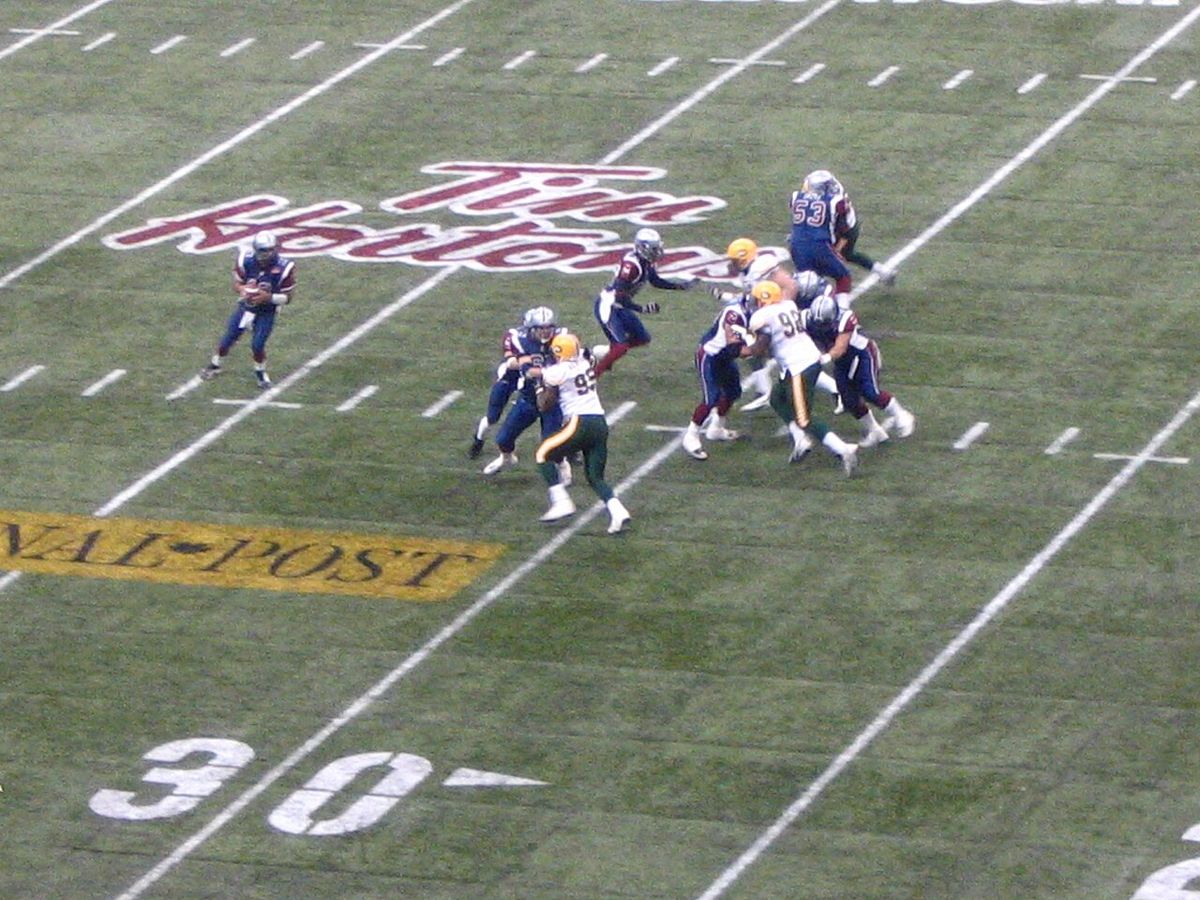
The early CFL era was dominated by the Hamilton Tiger-Cats and Winnipeg Blue Bombers, who met in six Grey Cups between 1957 and 1967. Their 1957 encounter included a bizarre incident where a fan, David Humphrey, tripped Hamilton’s Ray Bawel during a potential touchdown return, leading referee Paul Dojack to invent an on-the-spot ruling. The 1961 Grey Cup was the first to require overtime after ending regulation in a tie, with Commissioner Sid Halter instituting a two-half overtime format that became standard for decades. Winnipeg won that game 21-14. The 50th Grey Cup in 1962 became immortalized as the 'Fog Bowl'. Play at Toronto’s Exhibition Stadium was suspended with over nine minutes remaining due to impenetrable fog and resumed the next day before a reduced crowd, with Winnipeg preserving a 28-27 victory. Other weather-affected classics followed, including the 1977 'Ice Bowl' at Montreal’s Olympic Stadium, where frozen artificial turf led the Alouettes to staple their shoes for traction in a 41-6 win over Edmonton. The game has typically been played in late November, often in inclement conditions, and moved to a permanent Sunday timeslot in 1969. The Saskatchewan Roughriders won their first championship in 1966, defeating Ottawa.
Dynasties and dominant teams
The most formidable dynasty in Grey Cup history belonged to the Edmonton Eskimos (now the Elks), who won five consecutive championships from 1978 to 1982. This run was part of a broader period of dominance that saw Edmonton reach nine Grey Cups in ten years between 1973 and 1982. Their only miss in that span was 1976, when the Saskatchewan and Ottawa Rough Riders met in the final all-'Roughriders' title game. The Eskimos’ 1981 victory was particularly dramatic, as they overcame a 20-1 halftime deficit against the underdog Ottawa Rough Riders to win on a last-second field goal by Dave Cutler. Edmonton’s streak finally ended in 1983, when the Toronto Argonauts won their first title in 31 years.
Other teams have also enjoyed periods of supremacy. The Hamilton Tiger-Cats were frequent contenders in the league’s first decade, while the Winnipeg Blue Bombers were their chief rivals. The Toronto Argonauts’ record 19 championships were accumulated across the trophy’s entire history, with their most recent win coming in 2022. The Montreal Alouettes’ 1970 victory served as a civic morale booster shortly after the October Crisis.
- Edmonton Eskimos/Elks: Five consecutive wins (1978 to 1982).
- Toronto Argonauts: Record 19 total championships (first in 1914).
- Winnipeg Blue Bombers: Four titles in six meetings with Hamilton (1957 to 1967).
- Montreal Alouettes: 1970 win provided a lift for the city.
- Saskatchewan Roughriders: First title in 1966, most recent in 2025.
- Baltimore Stallions: Only U.S.-based champion (1995).
The trophy and its lore
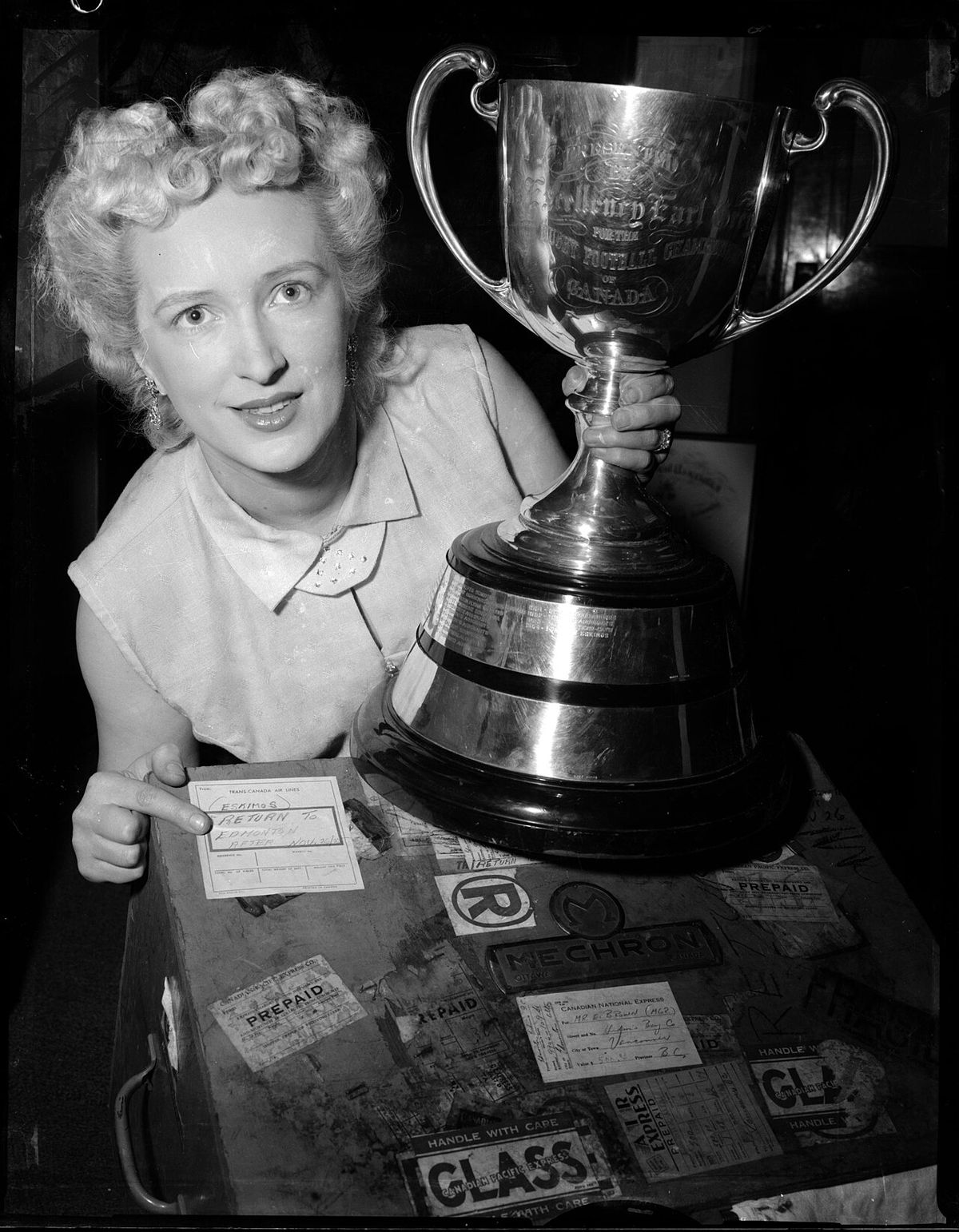
The Grey Cup trophy itself is a silver chalice attached to a large wooden base, upon which the names of all winning teams, players and executives are engraved. It has endured a storied and perilous history since its creation. The trophy has been broken on several occasions, often during celebratory mishaps. It was stolen twice, once in 1969 and again in 1978, and was held for ransom during one of those thefts. In 1947, it survived a fire that destroyed numerous other artifacts housed in the same building in Toronto. The trophy’s design has been modified and repaired over the decades, but it remains the original chalice commissioned by Lord Grey.
Its cultural significance extends beyond the game, serving as a national symbol. The presentation of the Grey Cup is the climax of the championship celebration, with the winning team traditionally hoisting it aloft on the field. Two individual awards are presented for performance in the game: the Most Valuable Player and the Dick Suderman Trophy for the Most Valuable Canadian Player. In 2019, Winnipeg’s Andrew Harris became the first player to win both awards in the same Grey Cup. The trophy tours the country in the lead-up to the game each year, connecting with fans across Canada.
Modern era and recent champions
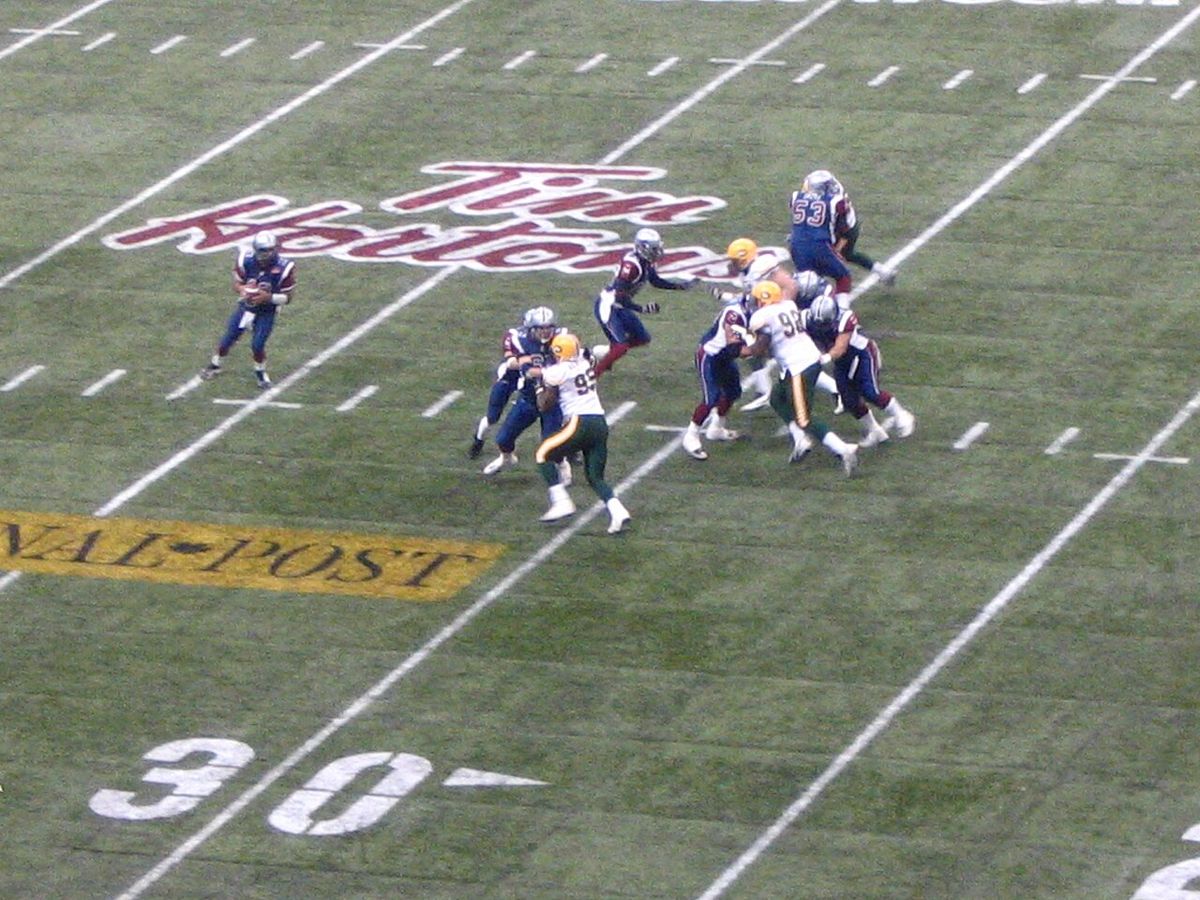
In the contemporary CFL, the Grey Cup remains the league’s premier event, consistently drawing a Canadian television audience of approximately 4 million viewers. Since 2022, the game has been scheduled for the third Sunday of November, following Remembrance Day. The championship continues to be hosted in cities across Canada, with recent games held in Winnipeg, Hamilton, and Calgary. The 112th Grey Cup, played on November 16, 2025, in Winnipeg, saw the Saskatchewan Roughriders defeat the Montreal Alouettes 25-17.
The competitive format has remained stable, with the East and West division playoff winners meeting in the final. The game is a major economic and cultural event for the host city, featuring a week-long festival of concerts, parties, and other festivities. While the on-field product has evolved, the Grey Cup retains its status as a cherished national tradition, often played in cold or snowy conditions that have become part of its legend. The table below lists the champions from the past decade.
Cultural impact and television
The Grey Cup is more than a championship game. It is a central event in Canadian culture, often described as a national party. The week leading up to the game, known as Grey Cup Week, is filled with fan festivals, concerts, and alumni events in the host city, building a sense of national community. The game’s broadcast is a perennial ratings leader, with viewership regularly reaching about 4 million in Canada, making it one of the most-watched television events of the year. Its halftime show has featured major Canadian musical acts, further connecting the game to the country’s cultural life.
The shared experience of watching the Grey Cup, often in challenging late-autumn weather, is a unifying national tradition. Stories of legendary games like the Fog Bowl or the Mud Bowl are passed down through generations of fans. The trophy’s travels and its survival of theft, fire, and breakage contribute to its mythic status. For many Canadians, the Grey Cup final is an annual ritual that celebrates not only football but also national identity and resilience, maintaining its relevance over more than a century of competition.
Questions about Grey Cup
When and where is the Grey Cup played?
The Grey Cup is played annually, typically in late November. Since 2022, the game has been scheduled for the third Sunday of November, following Remembrance Day. The championship game is hosted by a different Canadian city each year, selected through a bidding process. Recent host cities include Winnipeg, Hamilton, Regina, and Calgary. The 112th Grey Cup was held on November 16, 2025, at IG Field in Winnipeg, Manitoba.
What are the most famous Grey Cup games?
Several Grey Cup games are famous for their extraordinary conditions. The 1950 'Mud Bowl' in Toronto featured a waterlogged field where a player nearly drowned. The 1962 'Fog Bowl' saw play suspended and completed the next day due to dense fog. The 1977 'Ice Bowl' in Montreal was played on frozen artificial turf. The 1981 game featured a massive Edmonton comeback from a 20-1 deficit. The 1995 game is notable as the only time a United States-based team, the Baltimore Stallions, won the championship.
What individual awards are given at the Grey Cup?
Two major individual awards are presented for performance in the Grey Cup game. The Most Valuable Player award is given to the outstanding player of the game, regardless of nationality. The Dick Suderman Trophy is awarded to the Most Valuable Canadian Player in the game. In 2019, Winnipeg Blue Bombers running back Andrew Harris made history by becoming the first player to win both awards in the same championship game.
How did the Grey Cup get its name?
The trophy is named after its donor, Albert Grey, the 4th Earl Grey, who was the Governor General of Canada from 1904 to 1911. He originally intended to donate a trophy for Canada's senior amateur ice hockey championship, but the Allan Cup was donated for that purpose first. In 1909, Lord Grey instead offered the trophy for the Canadian amateur rugby football championship. The first game for the Grey Cup was played on December 4, 1909.
Who has won the most Grey Cups?
The Toronto Argonauts have won the most Grey Cup championships with 19 titles since the trophy's introduction in 1909. In the era following the formation of the Canadian Football League in 1958, the Edmonton Elks hold the record with 11 championships. The Edmonton team, known as the Eskimos until 2020, established the Grey Cup's longest dynasty by winning five consecutive championships from 1978 to 1982, a streak that remains unmatched. The trophy was originally commissioned in 1909 by Governor General The Earl Grey. The latest championship was the 112th Grey Cup, won by the Saskatchewan Roughriders in 2025.
Has a U.S. team ever won the Grey Cup?
Yes, an American team has won the Grey Cup once. This occurred during a three year period from 1993 to 1995 when the CFL expanded into the United States. The Baltimore Stallions won the 1995 championship, defeating the Calgary Stampeders. This victory marked the only time in Grey Cup history that the trophy was taken south of the border. Competition for the trophy has otherwise been exclusively between Canadian teams. The American experiment ended after the 1995 season, and the CFL returned to being a solely Canadian league.
Sources and further reading
- Grey Cup (Wikipedia)
- Tickets Now On Sale For 2026 Grey Cup Festival (stampeders.com)
- 2026 Grey Cup Festival and 113th ... (calgary.ca)
- 113th Grey Cup (visitcalgary.com)
Checked by the Garbutt Disposal desk. Last updated 2026-10-18.