Hamilton Tigers
The Hamilton Tigers were a professional ice hockey team based in Hamilton, Ontario, that competed in the National Hockey League from 1920 to 1925. The franchise was originally the Quebec Bulldogs, which was sold and relocated to Hamilton to secure the vital fifth-largest city market in Canada and prevent a rival league from establishing a team there. After years of struggle, the Tigers finished first in the NHL in the 1924-25 season, but a players' strike over playoff pay led to the franchise's dissolution. The team's legacy is marked by its brief, turbulent existence and its role as the direct predecessor to the New York Americans, while its name lived on through popular amateur and minor league teams in the city.
Origins and Move to Hamilton
The Hamilton Tigers originated from the Quebec Bulldogs franchise, a charter member of the NHL in 1917 that had been dormant due to financial difficulties and the NHA-NHL dispute. After a dismal 1919-20 season in Quebec where the team, operated by the Quebec Athletic Club, won only four of 24 games despite the presence of star Joe Malone, the NHL took back the franchise. The league then sold it to the Abso Pure Ice Company of Hamilton, Ontario, for the 1920-21 season. This move was strategically motivated to secure the Hamilton market, the country's fifth-largest city and third-largest in Central Canada with a population of 114,200, and to block a potential rival league from placing a team there. Percy Thompson, a part-owner and manager of the Barton Street Arena, became the team's manager, and the club adopted the Tigers nickname, which was already used by a multitude of amateur sports teams in the city. Contemporary newspapers often referred to the Ontario Hockey Association's senior amateur team as the "Tigers," while the NHL squad was typically called the "professionals" or was left nameless in game reports to avoid confusion between the two local entities.
Early NHL Struggles and Rebuilding Efforts
The relocation to Hamilton did not bring immediate success, as the team continued to struggle competitively despite a historic opening. The Tigers began their NHL tenure with a 5-0 shutout victory over the Montreal Canadiens on December 22, 1920, marking the first shutout in franchise history and the first by any team in a season opener. Despite this promising start, the Tigers were as noncompetitive as the Bulldogs had been, finishing the 1920-21 season with a record of 6 wins and 18 losses in 24 games, landing in last place. The NHL ordered the other three teams to supply players to Hamilton, but even the acquisition of Joe Malone, who scored 30 goals in 20 games after being kept out of the first four for business reasons, could not lift the team from the cellar. The next three seasons were equally dreadful, with the Tigers finishing in last place each year from 1921 to 1924, extending a streak of five consecutive last-place finishes counting their final season as the Bulldogs. In an attempt to rebuild, the team hired Art Ross as coach after the 1921-22 season and made several player changes, including trading superstar Joe Malone to the Montreal Canadiens for Bert Corbeau and Edmond Bouchard, a move that initially outraged fans but was vindicated when Malone scored only a single goal in his lone season with Montreal. Prior to the 1922-23 season, the NHL held its governors meeting at the Royal Connaught Hotel on King Street in Hamilton, the same hotel where visiting teams routinely stayed when playing the Tigers.
Rise to First Place and the Players' Strike
The franchise's fortunes began to turn during the 1923-24 season under new head coach Percy LeSueur. The team acquired four key players from the Sudbury Wolves of the Northern Ontario Hockey Association: brothers Red and Shorty Green, Alex McKinnon, and Charlie Langlois. This infusion of talent helped the Tigers achieve a then-franchise high of nine wins in 24 games, providing a foundation for future success. The breakthrough came in the 1924-25 season under coach Jimmy Gardner, as the team roared to a 10-4-1 start, surpassing its previous season win total by the halfway mark and earning more wins than any other season in their NHL history. Although they slumped somewhat in the second half, the Tigers finished first overall with a record of 19 wins, 10 losses, and 1 tie, just ahead of the Toronto St. Patricks. This set the stage for a potential Stanley Cup run, the franchise's first chance since winning it as the Quebec Bulldogs in 1913, but a dispute over pay derailed everything. The NHL had increased the schedule from 24 to 30 games without increasing player salaries. During rail travel back to Hamilton after the season's final game, the players demanded $200 each from manager Percy Thompson for the six extra games or they would not participate in the playoffs, arguing their contracts covered only a period from December 1 to March 30, not a specific number of games. Management and NHL president Frank Calder refused, citing the contractual terms, which began the first players' strike in NHL history. Calder warned the players they would be suspended and replaced in the final by the fourth-place Ottawa Senators, and he ordered their back-pay be held. The impasse continued while Toronto and Montreal played their semifinal, which Montreal won on March 13, 1925. The next day, Calder declared the Canadiens league champions, fined each Tigers player $200, and suspended them. Montreal then lost the 1925 Stanley Cup final to the Victoria Cougars of the Western Canada Hockey League, marking the last time an NHL team lost the Cup to a rival league.
Dissolution and Move to New York
The strike effectively ended the NHL's presence in Hamilton and triggered a sequence of events that led to the franchise's relocation. Although there was brief talk of the Abso Pure Ice Company building a new arena to keep the team, those plans never materialized. Thomas Duggan of Montreal, who owned the Mount Royal Arena and held two options for U.S. expansion teams, had already sold one to Boston's Charles Adams to create the Bruins. He sold the second to New York bootlegger Bill Dwyer. At the NHL league meeting on April 17, 1925, Dwyer was granted an expansion franchise for New York. Dwyer wished to purchase the Hamilton players, and after arena plans in Hamilton fell through, he bought the rights to the Tigers' players from Percy Thompson for $75,000. Due to Dwyer's underworld ties, the public announcement did not name him. Instead, Colonel Hammond of Madison Square Garden, Duggan, and former Ottawa manager Tommy Gorman were announced as the officers of the new club. The new team was for a time known as the "New York Hamilton Tigers" by training camp, but this was changed to the New York Americans. A Hamilton franchise was still considered for the 1925-26 season, with a preliminary schedule including such a team, but nothing came of it. The last active NHL Tigers player was Billy Burch, who retired in 1933 after a career that continued with the Americans and other teams.
The OHA Senior Tigers and Minor Pro Team
The NHL Tigers were not the only hockey team bearing that name in Hamilton, as a prominent senior amateur team existed concurrently in the Ontario Hockey Association. This OHA Tigers team wore the same black and gold colours as the NHL squad and were just as popular locally, often being the primary reference when newspapers mentioned "the Tigers." The senior Tigers continued into the 1950s, achieving significant success over decades. They won the OHA Senior A championship in 1919, 1931, 1934, 1942, and then consecutively from 1944 to 1948. Their national pinnacle was winning the Allan Cup as Canadian senior champions in 1919, and they were finalists for the trophy again in 1931 and 1946. George Redding coached the Tigers in the 1940s, and credited journalist Ivan Miller for originating the "Tattered Tigers" nickname in 1945, referring to the old uniforms worn by the team during their run to the 1946 Allan Cup finals. Separately, a minor league professional team named the Hamilton Tigers was established in 1926-27 as an expansion franchise in the Canadian Professional Hockey League. This Tigers team, along with larger CPHL teams, broke away in 1929 to form the International Hockey League. In 1930, this franchise moved to Syracuse, New York to become the Syracuse Stars. This franchise lineage later merged with the Canadian-American Hockey League to form the International-American Hockey League, the forerunner of today's American Hockey League. In 1940, the Stars were sold and transferred to Buffalo to become the Buffalo Bisons, a team that survived until the arrival of the NHL's Buffalo Sabres in 1970.
The OHA senior Tigers won the Ontario Hockey Association championship in 1919, 1931, 1934, 1942, and from 1944 to 1948. They won the Allan Cup in 1919 and were Allan Cup finalists in 1931 and 1946. The team was coached by George Redding in the 1940s and was nicknamed the "Tattered Tigers" by journalist Ivan Miller in 1945. This amateur team wore the same black and gold colours as the NHL Tigers and was very popular in Hamilton.
- Allan Cup Victory: 1919.
- Allan Cup Finalist: 1931, 1946.
- The "Tattered Tigers" nickname originated in 1945.
Team Coaches and Management
The Hamilton Tigers were led by a succession of coaches and managers who attempted to steer the franchise from its perennial last-place finishes to respectability. For the first two seasons, the team operated without a formal head coach. In the 1920-21 season, team manager and part-owner Percy Thompson handled managerial duties. The following season, star player Joe Malone served as a player-manager. The first official head coach was Art Ross, a future hockey legend and namesake of the NHL's scoring trophy, who took over for the 1922-23 season. Ross was followed by Percy LeSueur for the 1923-24 season, under whom the team showed its first signs of improvement with nine wins. The final coach was Jimmy Gardner, who guided the Tigers to their first-place finish in 1924-25. Key management figures included Percy Thompson, who was the central figure in the players' strike negotiations and the subsequent sale of the team, and the ownership group represented by the Abso Pure Ice Company. The NHL itself played a direct managerial role early on, ordering other teams to supply players to Hamilton after its first season and ultimately presiding over the franchise's fate after the strike.
The Hamilton Tigers had several coaches during their NHL existence. The team had no formal coach in the 1920-21 season with Percy Thompson as owner and manager. Joe Malone served as player-manager for the 1921-22 season. Art Ross was hired as coach for the 1922-23 season. Percy LeSueur became the head coach for the 1923-24 season. Jimmy Gardner was the head coach for the team's final season in 1924-25.
- 1920-21: None (Percy Thompson, owner/manager)
- 1921-22: None (Joe Malone, player/manager)
- 1922-23: Art Ross
- 1923-24: Percy LeSueur
- 1924-25: Jimmy Gardner
Hall of Fame Players and Team Legacy
The Hamilton Tigers roster included multiple players who would later be inducted into the Hockey Hall of Fame, contributing to the team's historical significance despite its short existence. Joe Malone, known for his prolific scoring, was the franchise's biggest star, playing for the Tigers after the move from Quebec and netting 30 goals in 20 games in the 1920-21 season. Billy Burch, a centre, played several seasons for Hamilton and was the last former Tiger to retire from the NHL in 1933, having continued his career with the New York Americans and other teams. Right winger Babe Dye, primarily known for his goal-scoring exploits with the Toronto St. Patricks, also played briefly for the Tigers during his career. Defenceman and forward Shorty Green was a key acquisition from the Sudbury Wolves who helped solidify the team's improvement in its final seasons, playing alongside his brother Red. The team's legacy includes its role as a failed NHL experiment in a major Canadian market and a crucial link in league expansion. The Tigers' first-place season and subsequent strike represent a major scenario in NHL history, as their dissolution directly facilitated the league's establishment in New York City. The enduring popularity of the amateur OHA Tigers demonstrated the strength of the brand in Hamilton, outlasting the professional team by decades and winning multiple championships.
Four players from the Hamilton Tigers are honoured in the Hockey Hall of Fame. These players are Billy Burch, Babe Dye, Shorty Green, and Joe Malone. Billy Burch was the last active Tigers player, retiring in 1933. Joe Malone was a legendary scorer who played for the team when it first moved to Hamilton. Shorty Green was a defenceman acquired from the Sudbury Wolves.
Questions about Hamilton Tigers
Why did the Hamilton Tigers NHL team only last from 1920 to 1925?
The franchise lasted only five seasons due to a combination of prolonged on-ice failure and a final, catastrophic labour dispute. The team finished in last place in each of its first four seasons in Hamilton, struggling to attract fans and be competitive despite league-mandated support from other clubs. Their dramatic turnaround in the 1924-25 season, which saw them finish first, was immediately undone by a players' strike over pay for the six extra games added to the schedule. NHL president Frank Calder suspended the striking players, fined them, and awarded the championship to Montreal. With the team's reputation damaged and plans for a new arena by the Abso Pure Ice Company abandoned, owner Percy Thompson sold the players' contracts to New York interests for $75,000. This led directly to the formation of the New York Americans and ended NHL hockey in Hamilton after just five campaigns.
What was the result of the 1925 Hamilton Tigers players' strike?
The strike resulted in the Tigers being removed from the 1925 NHL playoffs, the fining and suspension of their players, and the franchise's subsequent dissolution. The players demanded $200 each for the six extra games added to the schedule but not covered in their contracts, which specified a term from December 1 to March 30. When management and the NHL refused, the players refused to play in the postseason. NHL president Frank Calder suspended the players, fined them $200 each, and declared the Montreal Canadiens the league champions on March 14, 1925. The Canadiens then proceeded to the Stanley Cup final, which they lost to the Victoria Cougars of the Western Canada Hockey League. The strike destroyed the relationship between the team and the league, making the sale of the player contracts to New York bootlegger Bill Dwyer a logical conclusion for the struggling franchise.
Did the Hamilton Tigers ever win the Stanley Cup?
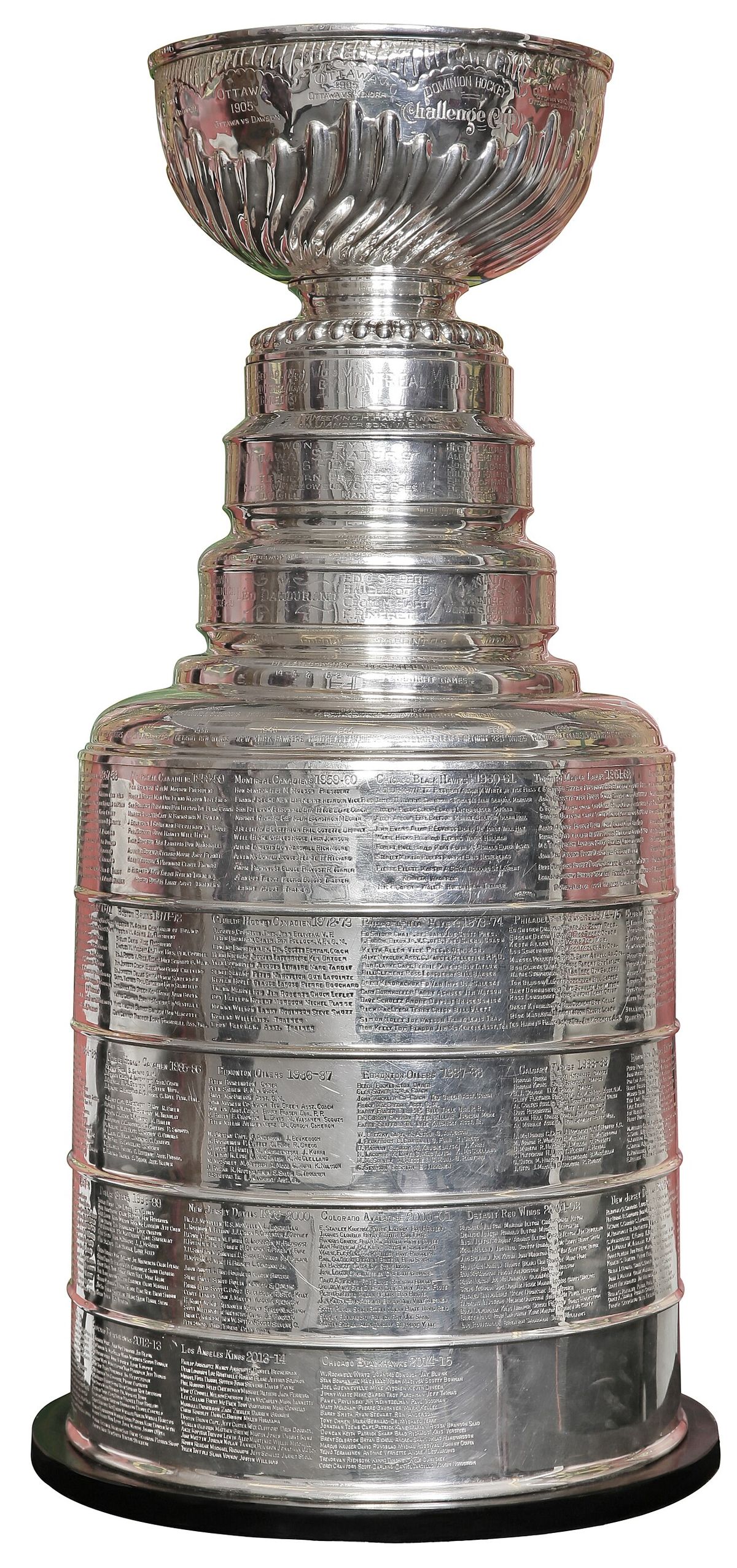
No, the Hamilton Tigers as an NHL entity never won the Stanley Cup. The franchise's closest opportunity came in 1925 when they finished first in the regular season with a 19-10-1 record, but the players' strike prevented them from competing in the playoffs. The 1913 championship was the last Stanley Cup won by the franchise before its relocation to Hamilton over seven years later. The Tigers' first-place finish in 1925 offered the prospect of a Cup run for the first time since those Bulldogs days, but the labour dispute ended that possibility.
What happened to the Hamilton Tigers players after the team folded?
The contracts of the Hamilton Tigers players were purchased for $75,000 by New York bootlegger Bill Dwyer in 1925. These players became the core of the new NHL expansion franchise, which was initially called the New York Hamilton Tigers in training camp before being officially renamed the New York Americans. Players like Billy Burch, Shorty Green, and others continued their careers with the Americans in the NHL's first foray into New York City. The last active former Tiger was Billy Burch, who retired from professional hockey in 1933 after also playing for the Boston Bruins and Chicago Black Hawks following his time with the Americans.
Were there other hockey teams named the Hamilton Tigers?
Yes, there were two other prominent hockey teams named the Hamilton Tigers. Most notably, a senior amateur team existed in the Ontario Hockey Association simultaneously with the NHL team and long after it folded. This OHA Tigers team, also wearing black and gold, won multiple OHA championships between 1919 and 1948 and the Allan Cup in 1919. Separately, a minor professional team named the Hamilton Tigers played in the Canadian Professional Hockey League and later the International Hockey League from 1926 to 1930 before moving to Syracuse to become the Stars, a franchise that eventually evolved into part of the American Hockey League. The amateur OHA team was often more popularly referenced in local newspapers than the NHL professionals during their coexistence.
Who were some of the most famous players to play for the Hamilton Tigers?
The most famous player for the Hamilton Tigers was Joe Malone, a legendary scorer who netted 30 goals in 20 games in their inaugural Hamilton season. Other notable Hall of Famers include Billy Burch, who was the last active Tigers player. Shorty Green, a defenceman acquired from the Sudbury Wolves. And Babe Dye, a prolific goal-scorer. These players contributed to the team's identity during its NHL history.
Sources and further reading
- Hamilton Tigers (Wikipedia)
- 1924-25 Hamilton Tigers (hamiltonsportshalloffame.com)
- hamilton tigers hockey 1935 (ourhamiltontigers.ca)
Checked by the Garbutt Disposal desk. Last updated 2026-10-30.