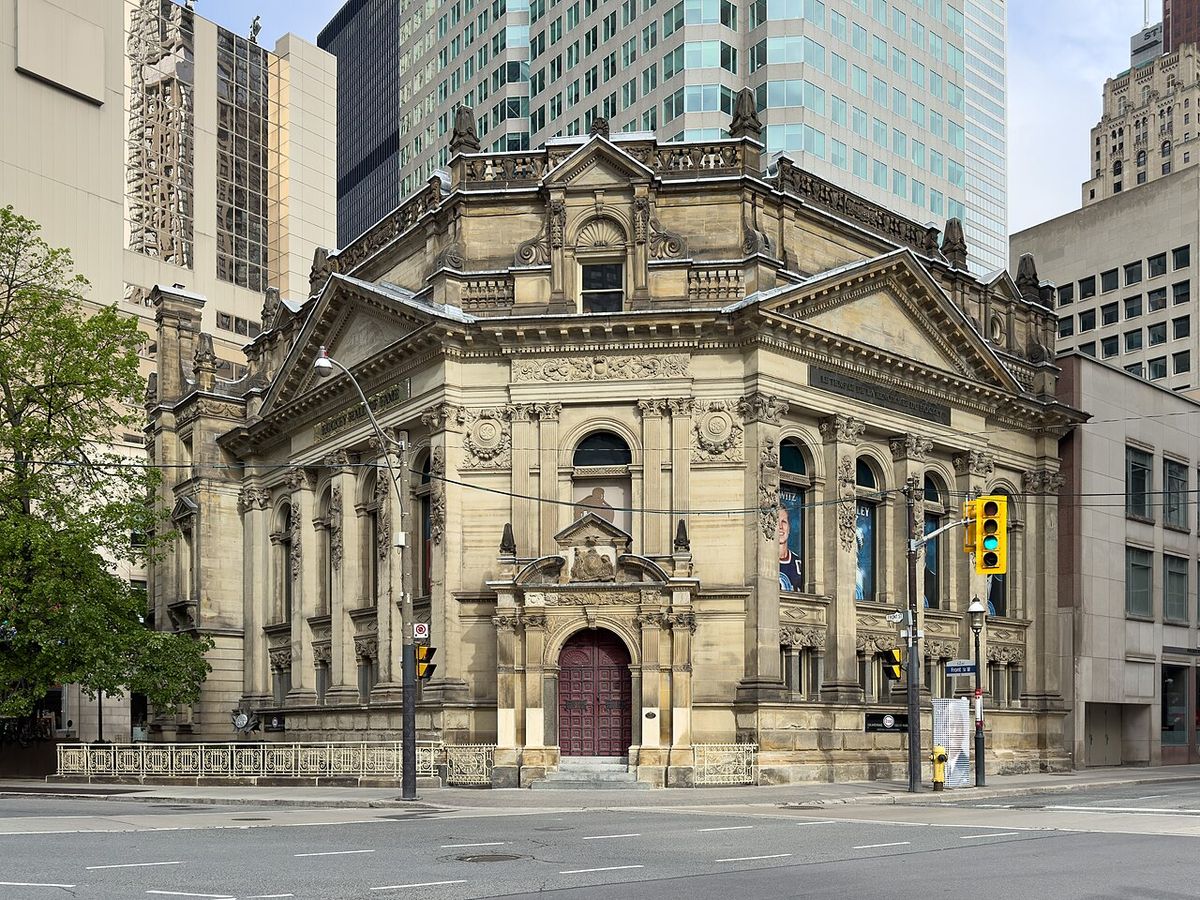
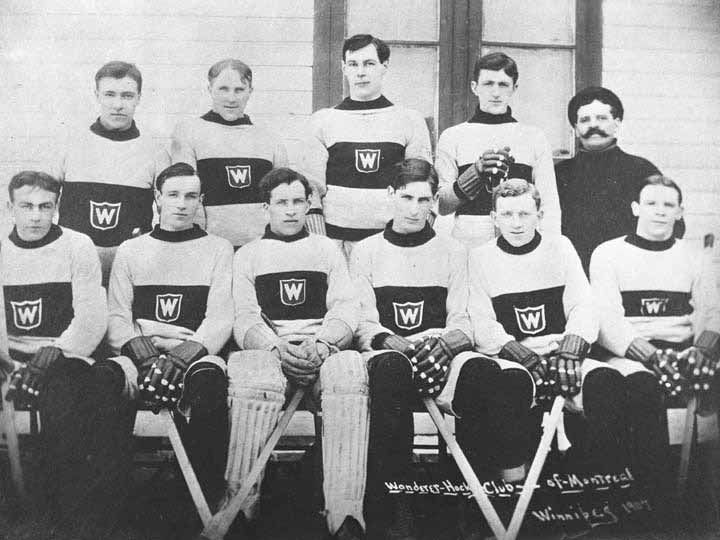
Quebec Bulldogs
The Quebec Bulldogs were a professional ice hockey team based in Quebec City, active from 1878 to 1920. Originally founded as the Quebec Hockey Club, the team was one of the first organized hockey clubs in Canada and competed in several early leagues before becoming a charter member of the National Hockey Association and later the National Hockey League. The Bulldogs are historically significant for winning the Stanley Cup in 1912 and 1913, cementing their place in the early annals of Canadian professional hockey. The franchise's tenure in Quebec City ended in 1920 when it was moved to Hamilton, Ontario, becoming the Hamilton Tigers, due to financial challenges in the league's smallest market.
Amateur Origins and Early Competition (1878 to 1909)
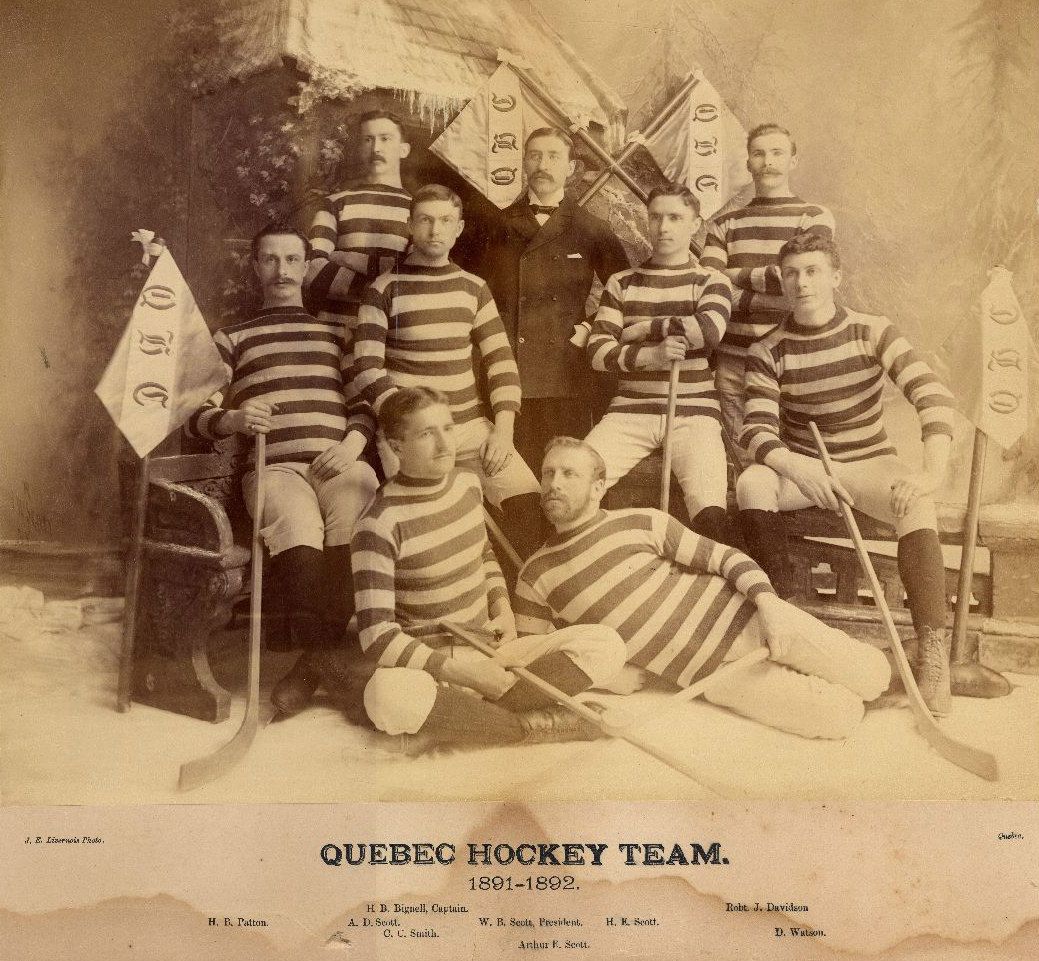
The Quebec Hockey Club was established in 1878 following the construction of the Quebec Skating Rink the previous year. The club was composed primarily of Anglo-Canadian players and initially played exhibition matches against local sides and visiting teams from Montreal. The team entered formal league competition in 1888 by joining the Amateur Hockey Association of Canada, where it remained a member until 1898. Following the dissolution of the AHAC, Quebec competed in the Canadian Amateur Hockey League from 1899 to 1905 and then the Eastern Canada Amateur Hockey Association from 1906 to 1909. During this lengthy amateur period, the club developed notable players such as David Watson, a journalist and future Major-General who played as a cover point through the 1890s. The club came close to claiming the Stanley Cup on two occasions during its amateur era.
In the 1894 AHAC season, Quebec tied for the regular season lead with three other clubs but declined to participate in a playoff the league planned to hold solely in Montreal, forfeiting the chance to challenge for the Cup. A decade later, in 1904, Quebec won the CAHL championship outright. A dispute arose when the Cup trustees, citing the withdrawal of the defending champion Ottawa Hockey Club from the league, did not award the Stanley Cup to Quebec as the new league champions. Key figures on the team in the late 1900s included the Power brothers, Chubby, Joe, and Rockett, all of whom would later serve as politicians in Quebec. Another significant player from this era was cover point David Watson, whose military career would later see him attain the rank of Major-General during the First World War.
National Hockey Association Era and Stanley Cup Success
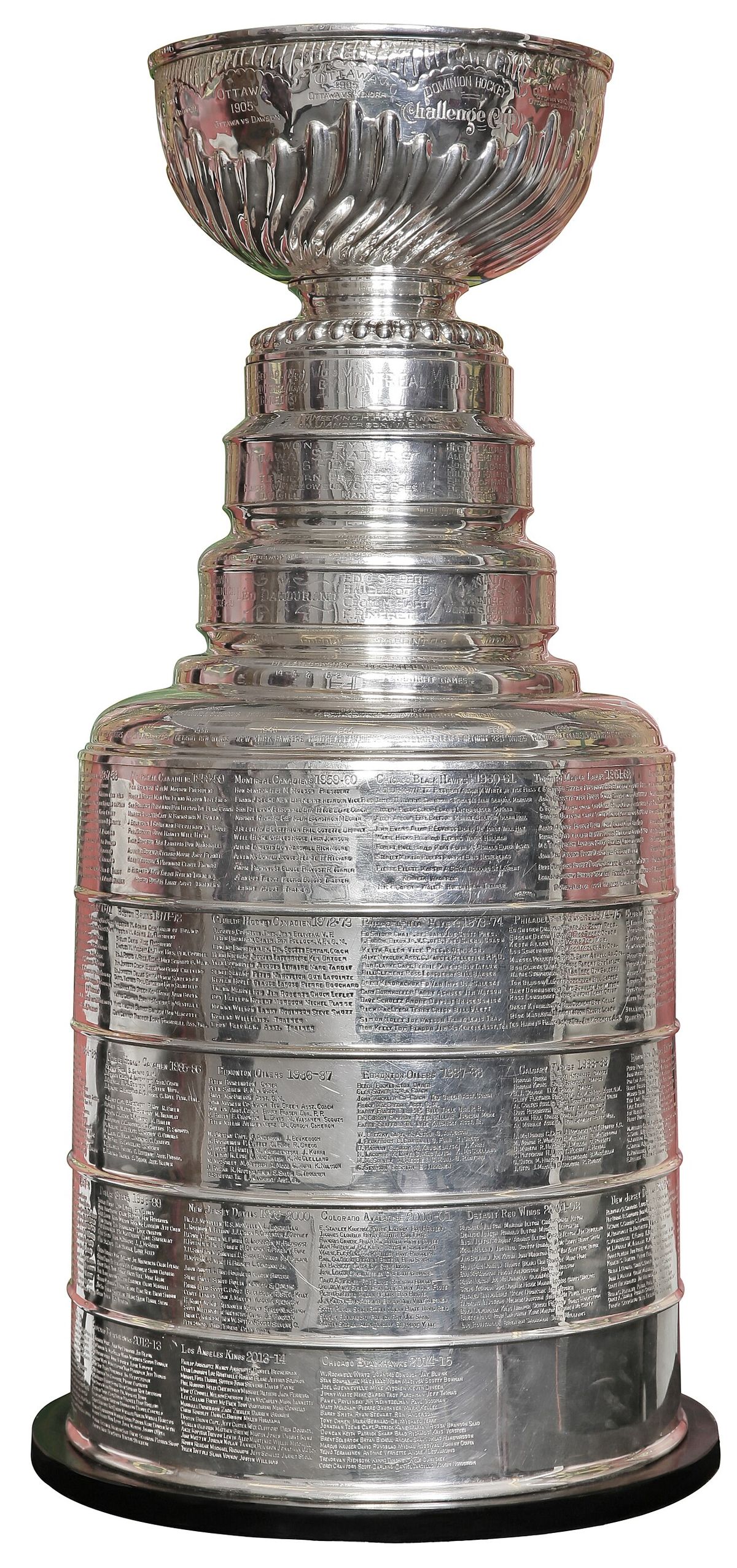
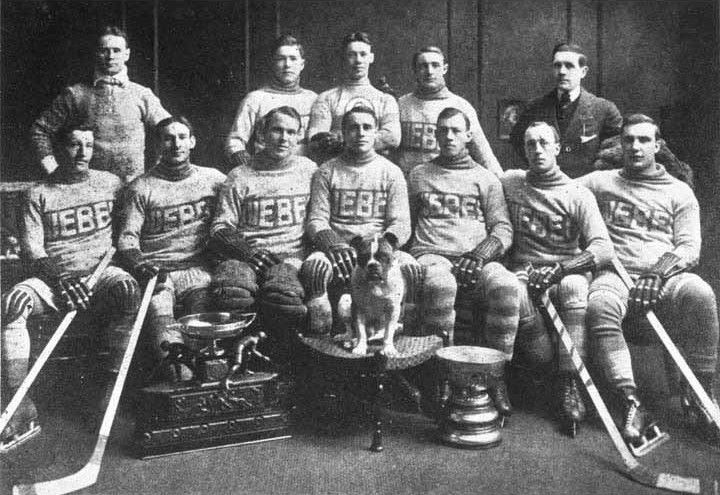
The club turned professional in 1908 and became a founding member of the short-lived Canadian Hockey Association in late 1909. The CHA was quickly absorbed into the National Hockey Association, but the Bulldogs, as they were now commonly known, were initially rejected and sat out the NHA's inaugural 1910 season. They joined the league for the 1910-11 season by taking over the defunct Cobalt Silver Kings franchise, finishing last with a record of 4 wins and 12 losses in a 16-game schedule. The following season marked a dramatic turnaround, as the Bulldogs, led by Joe Malone's 21 goals and Jack McDonald's 18, finished first with a 10-8 record to win the O'Brien Cup as NHA champions. They then successfully challenged for the Stanley Cup, sweeping the Moncton Victorias in two games by scores of 9-3 and 8-0 in a best-of-three series.
The Bulldogs repeated as NHA champions in the 1912-13 season, posting a dominant 16-4 record. Joe Malone won the scoring race with an unprecedented 43 goals in 20 games, while teammate Tommy Smith was a close second with 39. The team successfully defended the Stanley Cup against the Sydney Millionaires, winning two games by a combined score of 20-5. A subsequent challenge from the Pacific Coast Hockey Association's Victoria Aristocrats resulted in the teams splitting the first two games before the Bulldogs lost the decisive third game 6-1. The Stanley Cup Board of Trustees did not recognize the challenge because it was not played in Quebec as required, allowing the Bulldogs to retain the Cup. The team moved into the new Quebec Arena in December 1913 but would not challenge for the Cup again, finishing third in the next three seasons and second in the final NHA season of 1916-17.
Formation of the NHL and Operational Suspension
In 1917, the Bulldogs joined the Montreal Canadiens, Montreal Wanderers, and Ottawa Senators in founding the National Hockey League. This move was partly motivated by a desire to exclude the troublesome Toronto Blueshirts owner Eddie Livingstone, as the NHA constitution did not allow them to vote him out. With their long-time manager Mike Quinn retired due to ill health, the other directors of the Bulldogs were unable to secure enough financing to operate in the NHL, given Quebec City's status as the league's smallest market. They opted to suspend operations for the league's inaugural 1917-18 season, and to balance the schedule, the remaining three clubs granted a temporary franchise to the Toronto Arena Company, the direct ancestor of the Toronto Maple Leafs.
In 1918, the franchise was sold in principle to Percy Quinn, whose actual intent was to use the Bulldogs to help resurrect the rival NHA. The other NHL owners called Quinn's bluff by demanding a firm commitment to ice a team for the 1918-19 season, and when he refused, the NHL canceled the franchise. This left Quebec City without an NHL team for that season. In May 1919, NHL president Frank Calder and Mike Quinn made efforts to return the club to the league, with Calder suggesting Quinn apply for a new franchise. On December 2, 1919, the NHL approved the application of the Quebec Athletic Club for an NHL franchise, with newspapers at the time beginning to refer to the team as the Quebec Athletics rather than the Bulldogs.
Final NHL Season and Relocation to Hamilton
For the 1919-20 NHL season, the reactivated franchise rejoined the league. Their star player, Joe Malone, who had played for the Montreal Canadiens during the suspension, rejoined the team and won the NHL scoring championship that year with 39 goals. Despite Malone's scoring and the presence of players like defenceman Harry Mummery, Quebec had a dismal season, finishing last with a record of 4 wins and 20 losses. Before the 1920-21 season, the NHL took back the franchise and sold it to new owners who moved the team to Hamilton, Ontario, where it became the Hamilton Tigers. This move also served a strategic purpose by helping to head off a potential competing league organized by Eddie Livingstone from setting up in Hamilton.
The Tigers played in the NHL from 1920 to 1925. Due largely to a players' strike during the 1925 NHL playoffs, the franchise was revoked a second time that summer. The entire Tigers roster was then sold to Bill Dwyer, owner of the expansion New York Americans franchise, though the NHL does not consider the Americans a continuation of the Bulldogs/Tigers lineage. The last active Bulldogs player in major-league hockey was Dave Ritchie, who retired in 1926, while Eddie Oatman played professional hockey elsewhere until 1939, even playing against the CAHL Quebec Beavers in 1929.
Team Leadership, Hall of Famers, and Championship Rosters
The Bulldogs had only two head coaches during their professional tenure. Charles Nolan served from 1910 to 1912, overseeing the team's inaugural NHA season and its first championship run. Mike Quinn, who had also been the team's manager, took over as head coach in 1912 and remained in that role until the franchise's move in 1920. The team captaincy was held by several notable players, including Hod Stuart in 1901 and Herb Jordan in 1905. The most significant captain was Joe Malone, who served from 1910 to 1917 and again during the team's final NHL season in 1919-20. The Bulldogs roster featured numerous players who would later be inducted into the Hockey Hall of Fame, including Rusty Crawford, Thomas Dunderdale, Joe Hall, Joe Malone, Paddy Moran, Tommy Smith, Bruce Stuart, and Hod Stuart.
The core of the championship teams was built around several of these figures. The 1912 Stanley Cup champions included goaltender Paddy Moran, point Goldie Prodgers, cover point Joe Hall, centre Joe Malone, and wingers Eddie Oatman and Jack McDonald, with substitutes like Jack Marks and Walter Rooney. The 1913 champions featured Moran in goal, Hall at point, Harry Mummery at cover point, Malone at centre, and Tommy Smith and Jack Marks on the wings. Substitutes for the 1913 title included Russell Crawford, Billy Creighton, Jeff Malone, James "Rockett" Power, Walter Rooney, and backup goalie Joe Savard, showing the depth the team cultivated during its peak years.
Season-by-Season Record in Professional Leagues
The Quebec Bulldogs' performance varied significantly across their seasons in the National Hockey Association and the National Hockey League. Their most successful periods were their back-to-back championship seasons in the NHA. The following table outlines their record in these professional leagues, with statistics drawn from available historical records. The team's journey from last place to first and then back to struggle is clearly illustrated in these results, highlighting the impact of key players and the challenges of a small market.
| Season | League | GP | W | L | T | Pts | Finish | Notes |
|---|---|---|---|---|---|---|---|---|
| 1910-11 | NHA | 16 | 4 | 12 | 0 | 8 | 6th | Jack McDonald (14G) and Tommy Dunderdale (13G) were top scorers. |
| 1911-12 | NHA | 18 | 10 | 8 | 0 | 20 | 1st | Won O'Brien Cup and Stanley Cup. Joe Malone scored 21 goals. |
| 1916-17 | NHA | 20 | 10 | 10 | 0 | 20 | 2nd | Final season of the NHA. |
The Quebec Bulldogs reached their peak in the 1912-13 season with a record of 16 wins and only 4 losses. This strong performance allowed them to finish first overall and retain the NHA championship. In stark contrast, the team's final NHL season in 1919-20 saw them manage only 4 wins against 20 losses, finishing last in the league. The absence of tie games in most seasons reflects the style of play in that era.
The Bulldogs' Place in Quebec City's Hockey History
Following the Bulldogs' departure in 1920, major-league hockey did not return to Quebec City for over five decades. The last active Bulldogs player in the NHL was Dave Ritchie, who retired in 1926, though Eddie Oatman continued playing professional hockey elsewhere until 1939. The city was home to various minor-professional teams in the intervening years, including the Quebec Castors and the celebrated Quebec Aces of the Quebec Senior Hockey League and American Hockey League. The Quebec Aces served as a notable development team, with future NHL star Jean Béliveau playing there before joining the Montreal Canadiens. Big-league hockey finally returned with the founding of the Quebec Nordiques in the World Hockey Association in 1972.
The Nordiques joined the NHL in 1979 following the WHA-NHL merger but, like the Bulldogs, struggled financially in the league's smallest market. The team was eventually relocated to Denver, Colorado, in 1995, becoming the Colorado Avalanche. Since 2015, a potential NHL expansion bid to return a franchise to Quebec City has been periodically discussed and tabled by the league's board of governors, keeping the city's major-league hockey aspirations alive. The historical narrative of the Bulldogs thus represents the first chapter in Quebec City's challenging relationship with top-level professional hockey, a story of early glory followed by persistent economic hurdles that have repeated across different eras.
Historical Significance and Legacy
The Quebec Bulldogs hold a foundational place in the history of professional ice hockey in Canada. As one of the first organized clubs, dating to 1878, they provide a direct link to the sport's amateur origins. Their success in the National Hockey Association, winning two Stanley Cups, demonstrated that a team from a smaller market could compete with and defeat clubs from larger centres like Montreal and Toronto. The Bulldogs were also instrumental in the formation of the National Hockey League, as one of the four clubs that broke away from the NHA to found the new league in 1917, a decision that permanently shaped the structure of professional hockey in North America.
The franchise's eventual move to Hamilton in 1920 highlights the economic realities that have often dictated the location of professional sports teams. This theme would recur with the Quebec Nordiques decades later when they moved to Denver in 1995. The players who wore the Bulldogs sweater, from Joe Malone to Paddy Moran, are remembered as pioneers of the game. Several of these players are honoured in the Hockey Hall of Fame. The team's story includes early Stanley Cup championships in 1912 and 1913. It also involves the early business of hockey and league politics, such as their role in founding the NHL in 1917.
Questions about Quebec Bulldogs
When were the Quebec Bulldogs founded and what were they originally called?
The team was originally founded as the Quebec Hockey Club in 1878, following the opening of the Quebec Skating Rink in 1877. It was one of the first organized ice hockey clubs in Canada. The team competed as an amateur club for decades before turning professional in 1908. The names Quebec Athletic Club and Bulldogs de Québec were also used during its history, with the latter becoming the common nickname.
How many Stanley Cups did the Quebec Bulldogs win and who did they beat?
The Quebec Bulldogs won the Stanley Cup twice. They first won it in 1912 after defeating the Moncton Victorias of the Maritime Professional Hockey League in a two-game, total-goals challenge, winning 9-3 and 8-0. They successfully defended the Cup in 1913 by beating the Sydney Millionaires, also in a two-game sweep with a combined score of 20-5. A subsequent challenge loss to the Victoria Aristocrats was not recognized by the Cup trustees.
Why did the Quebec Bulldogs move to Hamilton and what became of the franchise?
The Bulldogs moved to Hamilton, Ontario, in 1920 primarily due to financial difficulties in Quebec City, the NHL's smallest market. The NHL revoked the franchise after a 4-20 season and sold it to new owners who relocated it. In Hamilton, the team became the Tigers and played until 1925, when a players' strike led to the franchise being revoked again. Its players were sold to form the expansion New York Americans, though the NHL does not consider the Americans a direct continuation.
Who was Joe Malone and what records did he set with the Bulldogs?
Joe Malone was the Bulldogs' star centre and captain, and a Hall of Fame inductee. He set a remarkable scoring record in the 1912-13 NHA season, netting 43 goals in just 20 games to win the league scoring title. He rejoined the Bulldogs for their final NHL season in 1919-20 and won the NHL scoring championship with 39 goals. Malone was a central figure on both Stanley Cup-winning teams.
What role did the Bulldogs play in the formation of the NHL?
The Quebec Bulldogs were one of the four founding clubs of the National Hockey League in 1917. They joined with the Montreal Canadiens, Montreal Wanderers, and Ottawa Senators to form the new league. This move was partly to exclude Toronto Blueshirts owner Eddie Livingstone. The Bulldogs suspended operations for the NHL's first season due to financing difficulties in the league's smallest market. Their franchise was a charter member of the new league, which would become the preeminent hockey league in the world.
Has there been an NHL team in Quebec City since the Bulldogs left, and could one return?
The next major-league team in Quebec City was the Quebec Nordiques. They were founded in 1972 as part of the World Hockey Association and joined the NHL in 1979. The Nordiques relocated to Denver in 1995 to become the Colorado Avalanche, facing market-size challenges similar to the Bulldogs. A potential National Hockey League expansion bid for Quebec City has been tabled by the league's board of governors since 2015. This indicates ongoing but unresolved interest in returning a franchise to the city.
Sources and further reading
- Quebec Bulldogs (Wikipedia)
- 1919-20 Quebec Athletic Club/Bulldogs Roster and Statistics (hockey-reference.com)
- Quebec Bulldogs, Le Quebec Hockey Club (1878 to 1920) (quebecbulldogs.com)
Checked by the Garbutt Disposal desk. Last updated 2026-10-30.