Hockey Hall of Fame
The Hockey Hall of Fame, located in Toronto, Ontario, is Canada's preeminent museum and hall of fame dedicated to the history of ice hockey. Founded in 1943, it honours the game's greatest players, builders, and officials through an extensive collection of memorabilia, trophies including the Stanley Cup, and interactive exhibits. The institution serves as a central repository for hockey heritage, attracting hundreds of thousands of visitors annually and hosting a prestigious annual induction ceremony. Its significance to Canadians lies in its role as a national shrine to the sport, chronicling achievements from the early days of organized hockey to the modern professional and international eras.
History and Development
The Hockey Hall of Fame was established in 1943 through the efforts of James T. Sutherland, a former president of the Canadian Amateur Hockey Association, who championed Kingston, Ontario, as its birthplace. An agreement between the NHL and the CAHA that year led to the creation of the International Hockey Hall of Fame, with its first nine honoured members inducted in April 1945 despite lacking a permanent home. Following Sutherland's death in 1955 and insufficient fundraising in Kingston, NHL President Clarence Campbell withdrew support, leading to a new agreement with the Canadian National Exhibition in Toronto in January 1958. A temporary exhibit opened at Exhibition Place that August, drawing 350,000 visitors during the CNE fair and proving the concept's popularity. The success prompted the NHL to fully fund a permanent building, which opened on August 26, 1961, with Prime Minister John Diefenbaker presiding and over 750,000 visitors in its first year.
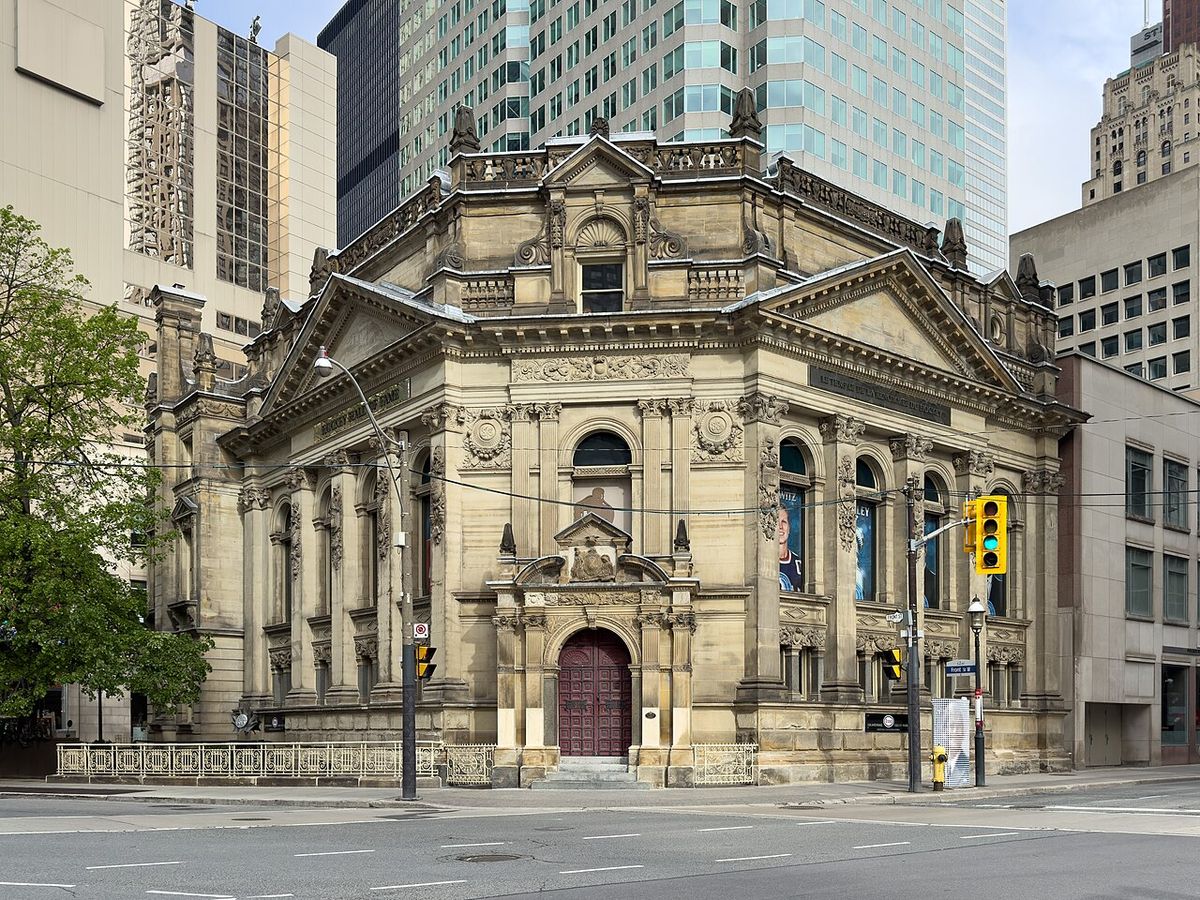
Admission remained free until 1980, when expansions were undertaken to accommodate growing collections and visitor numbers. By 1986, space constraints necessitated another move, leading the Hall to vacate its Exhibition Place building in 1992, with that portion taken over by the Canadian Sports Hall of Fame before eventual demolition. Development began on a new location within the BCE Place complex, now Brookfield Place, in the historic Bank of Montreal building at Yonge and Front Streets. Designed by architects Frank Darling and S. George Curry, the new Hockey Hall of Fame officially opened on June 18, 1993, featuring 4,700 square metres of exhibition space, a sevenfold increase from the old facility. Between 1994 and 2019, the Hall averaged approximately 292,000 visitors annually, cementing its status as a major Toronto attraction.
Organization and Leadership
The Hockey Hall of Fame operates as an independent non-profit entity known as the Hockey Hall of Fame and Museum (HHFM), originally sponsored by the NHL and Hockey Canada. Revenue is generated primarily through admissions, supporting its extensive museum operations and curation of the world's most comprehensive hockey collection. The institution is governed by a Board of Directors, with leadership roles including a Chairman and a Chief Executive Officer. As of June 2025, Mike Gartner serves as the Chairman of the Board, succeeding Lanny McDonald, while Jeff Denomme holds the position of Chief Executive Officer. The curator, responsible for the care and presentation of the collection, is Phil Pritchard, who follows a lineage including Bobby Hewitson, Lefty Reid, and Scotty Morrison.
The Hall's first curator was Bobby Hewitson, appointed when the permanent building opened in 1961 and serving until his retirement in 1967. Lefty Reid then held the curator position for 25 years, overseeing the collection until his retirement in 1992, after which former NHL referee-in-chief and Hall president Scotty Morrison supervised the complex relocation to Brookfield Place. Morrison's role bridged the administrative and curatorial, ensuring the safe transfer of thousands of artifacts to the new downtown Toronto location. The current leadership continues to focus on expanding the Hall's global reach, enhancing exhibits, and maintaining its financial sustainability without direct operational control from professional leagues.
Exhibits and Collections
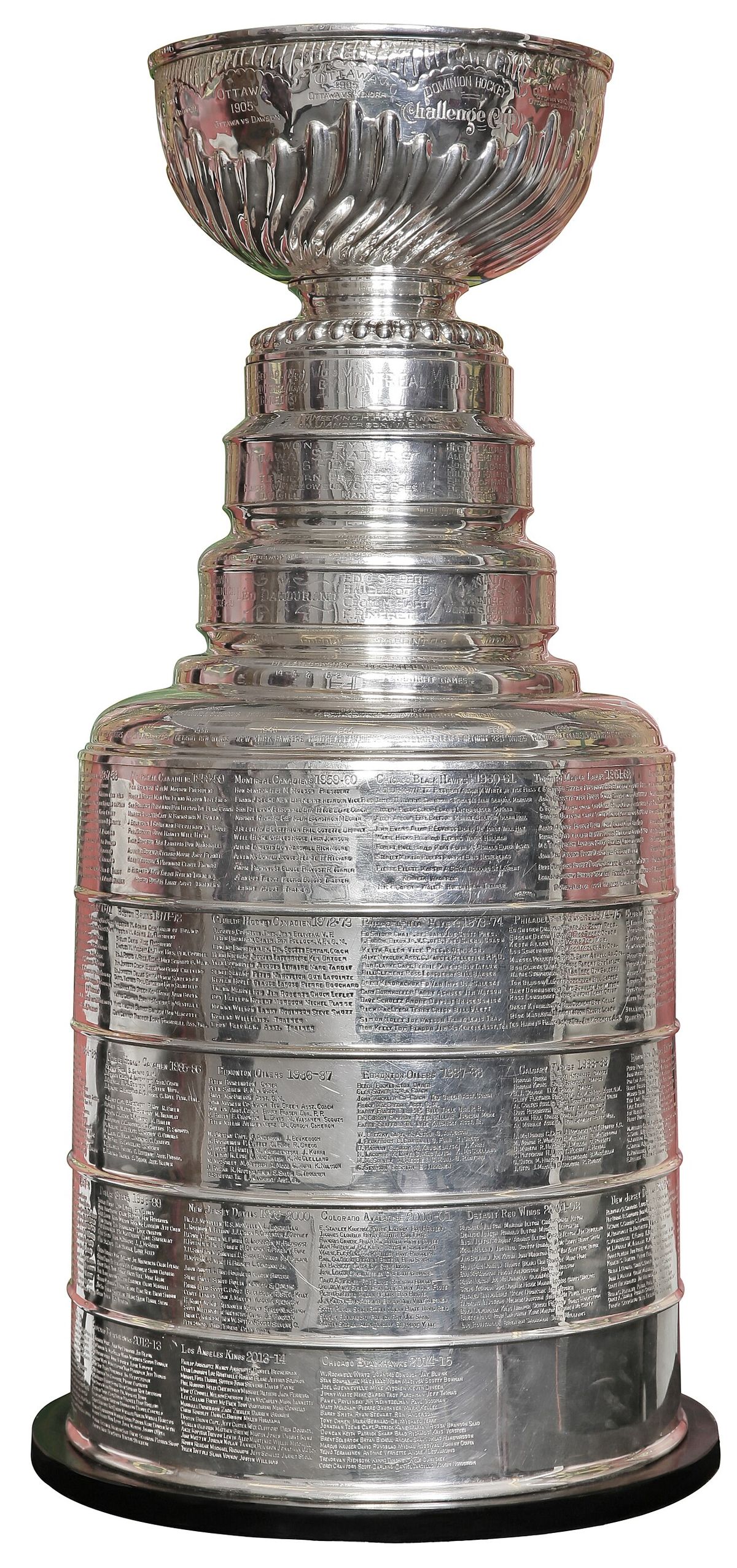
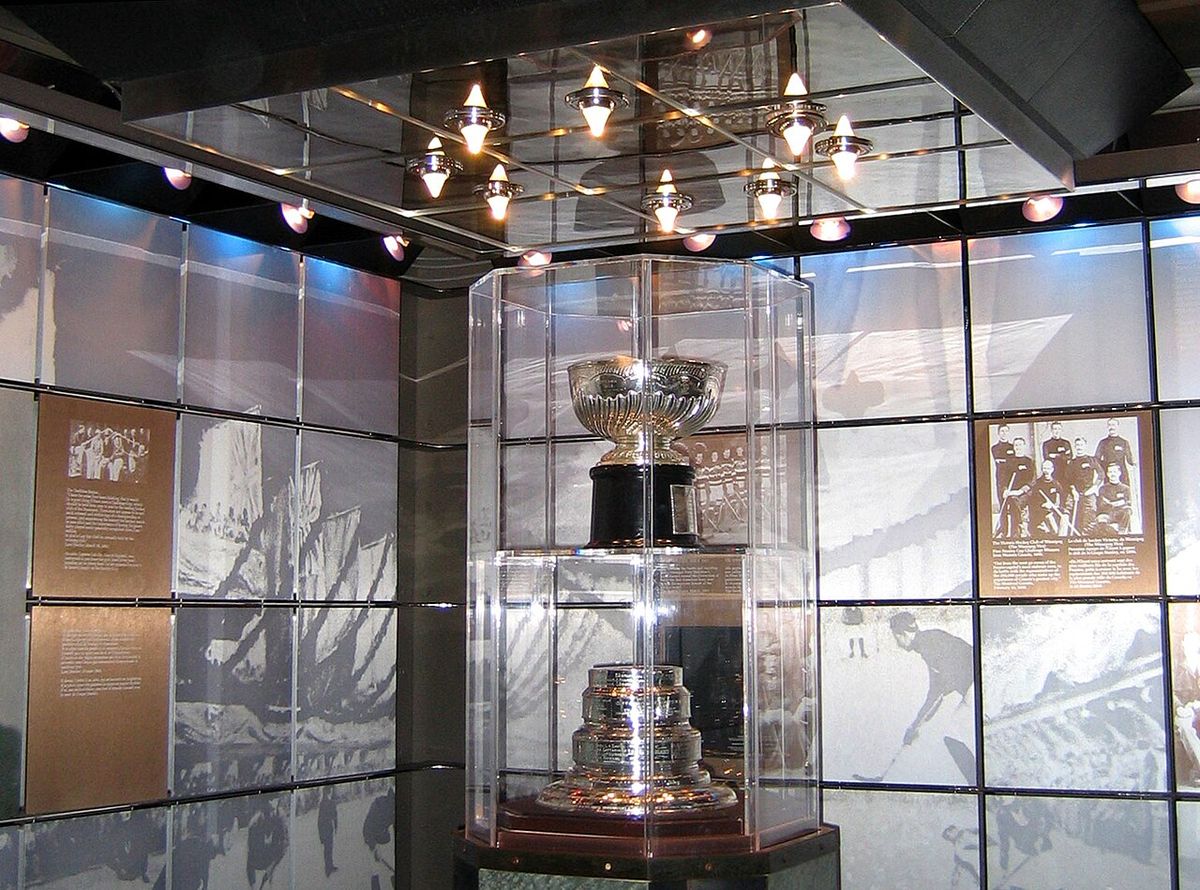
The Hockey Hall of Fame features 15 exhibit areas across 60,000 square feet, offering visitors an immersive journey through hockey history. The centrepiece is the Esso Great Hall, described as a cathedral to the sport's icons, displaying portraits and biographies of every inductee and housing the Stanley Cup. For part of the year, a replica Cup is displayed when the presentation trophy travels, while the original Cup bands and all current NHL trophies are secured in a restored bank vault alcove. The NHL Zone is a large area dedicated to the league, with subsections like NHL Today highlighting current teams, NHL Retro presenting memorabilia from all franchises, and NHL Milestones celebrating records such as Darryl Sittler's ten-point game. The Stanley Cup dynasties exhibit features nine dominant teams, and a replica of the Montreal Canadiens' dressing room from the old Forum offers a nostalgic glimpse into hockey's past.
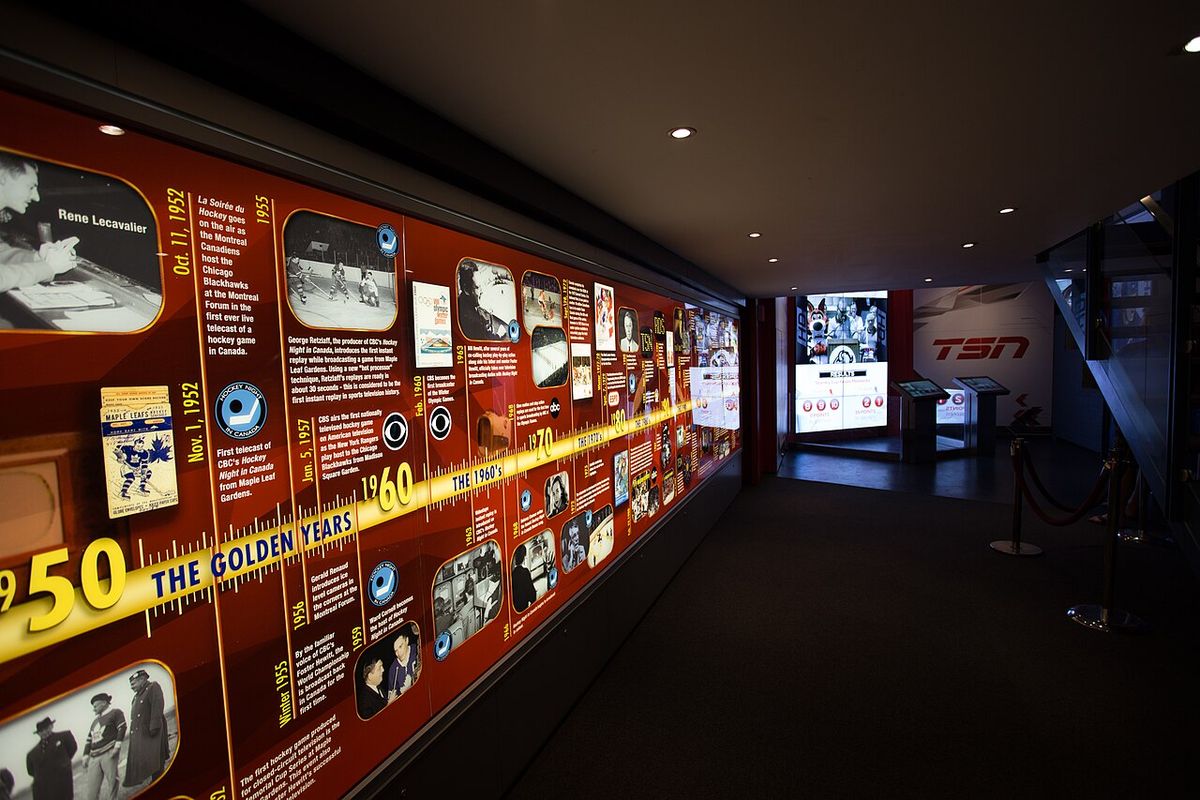
Interactive experiences are a key attraction, including the NHLPA Gametime where visitors can take shots against a simulation of goaltender Ed Belfour or try to stop virtual shots from stars like Sidney Crosby. The TSN/RDS Broadcast Zone explains hockey broadcasting and allows guests to record commentary that may appear on the Hall's website or network broadcasts. The St. Louis Bar and Grill Arena Zone covers all levels of North American hockey, with exhibits on various leagues, women's hockey, and disabled hockey, recently renovated to include trophies from multiple leagues, artifacts from Original Six arenas, and a full-size Zamboni from Boston Garden. These diverse exhibits ensure the Hall appeals to casual fans and historians alike, providing both education and entertainment.
- Esso Great Hall: Houses the Stanley Cup and honours every inductee.
- NHL Zone: Includes NHL Today, NHL Retro, and NHL Milestones displays.
- Stanley Cup Dynasties: Features memorabilia from nine historically dominant teams.
- NHLPA Gametime: Interactive shooting and goaltending simulations.
- TSN/RDS Broadcast Zone: Demonstrates hockey broadcasting and allows visitor recordings.
- St. Louis Bar and Grill Arena Zone: Covers North American hockey at all levels, including women's and disabled leagues.
World of Hockey Zone
Opened on June 29, 1998, the World of Hockey Zone is a 6,000-square-foot area dedicated to international hockey, significantly expanding the Hall's scope beyond North America. This zone was established after the International Ice Hockey Federation agreed to transfer its exhibits from the International Hockey Hall of Fame in Kingston to Toronto, creating a permanent home for global hockey history. Sponsored by Tissot, the zone profiles all IIHF member countries and features an honour roll listing each inductee into the IIHF Hall of Fame by country and year. The collection includes national team jerseys and artifacts from every IIHF member, celebrating the worldwide reach of the sport and its major international competitions.
The zone highlights seminal events in international hockey history, such as the 1972 Summit Series, the "Miracle on Ice" at the 1980 Winter Olympics, and various World Championships and World Cup of Hockey tournaments. It also recognizes members of the exclusive Triple Gold Club, players who have won Olympic gold, World Championship gold, and the Stanley Cup. A notable recent addition is the "Women's Hockey: Celebrating Excellence" exhibit, which traces the history of the women's game from its earliest days through to the modern Professional Women's Hockey League (PWHL). This comprehensive zone ensures that the contributions of European leagues, the Spengler Cup, and players who never competed in the NHL receive proper recognition within the Hall's narrative.
Selection and Induction Process
Induction into the Hockey Hall of Fame is governed by a detailed selection process managed by an 18-person committee appointed by the Board of Directors for staggered three-year terms. The committee, which includes Hall of Fame members, hockey executives, and media personalities, is structured to represent global hockey knowledge, with at least one expert in international hockey and one in amateur hockey. As of November 2018, members included chairman John Davidson, chairman emeritus James M. Gregory, and individuals like Cassie Campbell-Pascall, Jari Kurri, and Igor Larionov. Each member may nominate one candidate per category annually by April 15, with the committee meeting in June for a series of secret ballot votes requiring a 75% majority for induction.
Candidates are considered in three categories: players, builders (coaches, managers, owners, etc.), and on-ice officials, with a maximum of four players and a combined two builders/officials allowed per year. A three-year waiting period after a player's last professional or international game is standard, though it was waived for ten exceptional players like Maurice Richard, Gordie Howe, and Wayne Gretzky before the policy was changed in 1999. Unique cases like Chris Pronger and Shea Weber, inducted in 2015 and 2024 while under NHL contracts, were eligible because they had not played since 2011 and 2021 respectively, meeting the waiting period bylaw. Since 2010, female players have been considered separately, with up to two inductible per year, and builders no longer need a formal team role to be eligible.
| Category | Maximum Annual Inductees | Notable Eligibility Rules |
|---|---|---|
| Players (Male) | 4 | 3-year waiting period. Waived for 10 historic players |
| Players (Female) | 2 | Separate ballot since 2010 |
| Builders & Officials | 2 combined | Builders may be active or inactive |
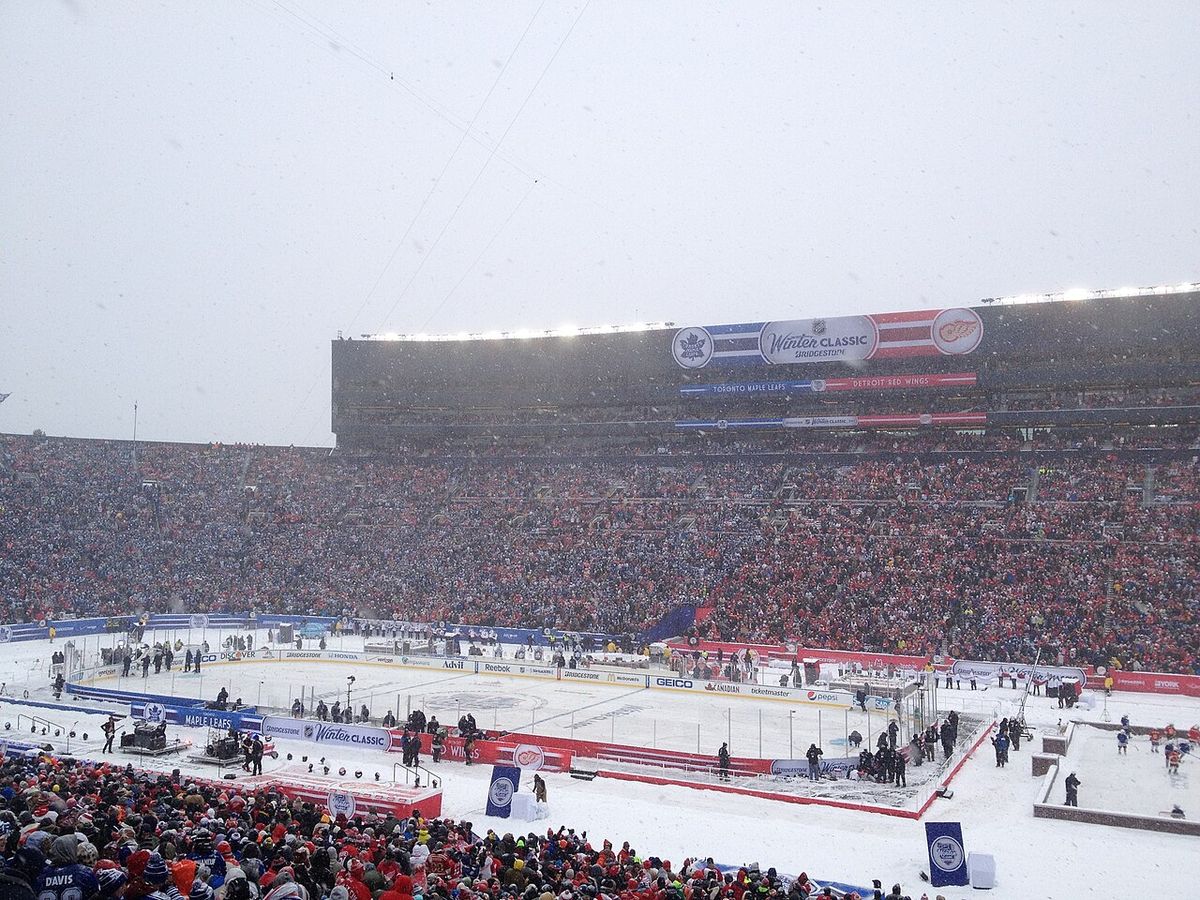
Media professionals are honoured separately through the Elmer Ferguson Memorial Award for print journalists and the Foster Hewitt Memorial Award for broadcasters, voted by their respective associations. While not full inductees, recipients are recognized within the Hall. The annual induction ceremony, held in November, moved to the Hall's current building in 1993 after being held at venues like the Royal York Hotel and was first televised by The Sports Network in 1994. Since 1999, the ceremony is often preceded by a "Hockey Hall of Fame Game" featuring the Toronto Maple Leafs and a visiting team, though some argue it should be scheduled on an NHL off-night to maximize attendance from the hockey community.
Inductee Statistics and Notable Members
The first class in 1945 included nine pioneers such as Hobey Baker, Howie Morenz, and Georges Vezina, setting the standard for excellence. Over the decades, the Hall has honoured the sport's most legendary figures, with the ten players who had the standard waiting period waived representing some of the greatest to ever play. This group includes icons like Bobby Orr, inducted in 1979 immediately after retirement, and Wayne Gretzky, who entered in 1999 following his final NHL game, after which the waiver policy was effectively retired except for extraordinary humanitarian circumstances. The builders' category encompasses a wide range of contributors, from coaches and general managers to team owners and broadcasters, with Foster Hewitt being honoured both as a builder and a media award namesake. On-ice officials have been recognized since 1961, acknowledging their role in the game's integrity. The introduction of a female player category in 2010 formally integrated women's hockey into the Hall's permanent honour roll, with subsequent inductions celebrating stars from international and Olympic competition. These inductees collectively represent the evolution of hockey from its amateur roots in Canada to a global professional sport, though the selection process has not been without debate regarding representation from non-NHL leagues and earlier eras.
- First Inductees (1945): Hobey Baker, Charlie Gardiner, Eddie Gerard, Frank McGee, Howie Morenz, Tommy Phillips, Harvey Pulford, Hod Stuart, Georges Vezina.
- Players with Waived Waiting Period: Dit Clapper (1947), Maurice Richard (1961), Ted Lindsay (1966), Red Kelly (1969), Terry Sawchuk (1971), Jean Beliveau (1972), Gordie Howe (1972), Bobby Orr (1979), Mario Lemieux (1997), Wayne Gretzky (1999).
- Active Contract Inductees: Chris Pronger (2015, last played 2011), Shea Weber (2024, last played 2021).
- Notable International Inductees: Vladislav Tretiak (1989), Valeri Kharlamov (2005).
Criticism and Evolving Focus
The Hockey Hall of Fame has faced periodic criticism regarding the inclusivity and focus of its selection process. In the early 2000s, some commentators argued that a perceived shortage of elite candidates led to the induction of less distinguished players, while later criticism shifted to claims the Hall had become overly exclusive. A more persistent critique is that the institution has historically functioned more as an "NHL Hall of Fame," heavily favouring players from that league while overlooking significant contributors from other North American leagues like the World Hockey Association and international circuits. This bias was seen as particularly pronounced regarding the Original Six era (1942 to 1967), which some believe is overrepresented compared to other periods in hockey history.
In response to these concerns, the Hall has taken steps to broaden its perspective, most notably with the 1998 opening of the World of Hockey Zone and the integration of the IIHF Hall of Fame. This provided a permanent platform for international hockey and signalled a commitment to considering more global candidates. The induction of Soviet stars like Valeri Kharlamov in 2005, who never played in the NHL, was a direct result of this shifted focus. The establishment of a dedicated female player category in 2010 addressed long-standing criticism for neglecting women's hockey. While debates continue about the representation of non-NHL professionals and the definition of "builder," these institutional changes demonstrate the Hall's ongoing effort to more fully represent hockey's diverse and international history.
Questions about Hockey Hall of Fame
Where is the Hockey Hall of Fame located?
The Hockey Hall of Fame is located in downtown Toronto, Ontario, within the Brookfield Place complex at the corner of Yonge and Front Streets. It occupies a historic Bank of Montreal building that opened as the Hall's home on June 18, 1993. The previous permanent location was at Exhibition Place, operating from 1961 until 1992. The current facility offers approximately 60,000 square feet of exhibition space, a significant expansion from its earlier home.
How are people selected for the Hockey Hall of Fame?
Selection is conducted by an 18-person committee of hockey experts, including Hall of Fame members, executives, and media. Members serve three-year staggered terms and nominate candidates in the categories of player, builder, or on-ice official. The committee meets each June, holding secret ballots where a candidate requires 75% support from present members to be inducted. Annual limits allow a maximum of four male players, two female players, and a combined two builders and officials. A standard three-year waiting period applies after a player's last professional or international game.
Can you see the real Stanley Cup at the Hockey Hall of Fame?
Yes, the authentic Stanley Cup is on permanent display in the Esso Great Hall at the Hockey Hall of Fame. The Cup is housed in the restored bank vault alcove along with its original bands and all current NHL trophies. When the presentation Cup travels for events like player visits or promotions, a replica is displayed in its place. Visitors can view the trophy up close and have photo opportunities with hockey's most famous championship award.
Are women inducted into the Hockey Hall of Fame?
Yes, women have been inducted into the Hockey Hall of Fame. A separate category for female players was established in 2010, allowing for the induction of up to two women per year. As of May 2024, ten female players have been enshrined. Their achievements and the history of women's hockey are also featured in the "Women's Hockey: Celebrating Excellence" exhibit within the World of Hockey Zone, which traces the sport from its origins to the modern Professional Women's Hockey League.
What is the Hockey Hall of Fame Game?
The Hockey Hall of Fame Game is an annual NHL regular-season game established in 1999, typically featuring the Toronto Maple Leafs hosting a visiting team. A special ceremony honouring that year's inductees is held before the game. The event is part of the Hall's induction weekend festivities in November. Some hockey figures have suggested the induction ceremony itself should be held on a night with no other NHL games to allow broader attendance from the hockey community.
Does the Hockey Hall of Fame include international hockey?
Absolutely. The World of Hockey Zone, opened in 1998, is a 6,000-square-foot area dedicated entirely to international hockey. It houses the IIHF Hall of Fame, features profiles and artifacts from all IIHF member countries, and highlights events like the Olympics, World Championships, and the Summit Series. This zone was created after the IIHF moved its exhibits from Kingston to Toronto, ensuring global hockey achievements are a core part of the museum's narrative.
Sources and further reading
- Hockey Hall of Fame (Wikipedia)
- Hockey Hall of Fame (hhof.com)
- Etobicoke Sports Hall of Fame (etobicokesports.ca)
Checked by the Garbutt Disposal desk. Last updated 2026-10-18.