Bobby Orr
Robert Gordon "Bobby" Orr (born March 20, 1948) is a Canadian former professional ice hockey defenceman, widely regarded as one of the greatest players in the history of the sport. He revolutionized the defenceman position with his unprecedented skating speed, scoring prowess, and playmaking abilities during a 12-season National Hockey League (NHL) career, primarily with the Boston Bruins. Orr led the Bruins to two Stanley Cup championships in 1970 and 1972, winning the Conn Smythe Trophy as playoff MVP both times. His legacy is cemented by a record eight consecutive Norris Trophies, three Hart Trophies as league MVP, and two Art Ross Trophies as scoring champion, achievements that made him the youngest living inductee into the Hockey Hall of Fame in 1979.
Early Life and Junior Career
Bobby Orr was born in Parry Sound, Ontario, on the shores of Georgian Bay, the son of Doug and Arva Orr. His grandfather, Robert Orr, was a professional soccer player who had emigrated from Northern Ireland. Doug Orr had been a hockey prospect himself before serving in the Royal Canadian Navy during the Second World War. Bobby began organized hockey at age five and quickly demonstrated exceptional skating speed. He initially played as a forward until his minor hockey coach, former NHL player Bucko McDonald, moved him to defence at age ten, while encouraging him to use his offensive talents. McDonald's influence was significant, with Orr later crediting him for teaching him almost everything he knew about the game, a clear indication of the coach's role in his development.
Orr's extraordinary talent attracted NHL scouts by the time he was twelve. In the spring of 1961, Boston Bruins scout Wren Blair saw him play in a tournament in Gananoque, Ontario, and described him as a combination of legendary defencemen Doug Harvey and Eddie Shore. The Bruins aggressively pursued Orr, investing money to sponsor his minor hockey team. Despite interest from other Original Six clubs, Orr signed with the Bruins' organization in 1962, citing their rebuilding plans as a key factor. To secure his commitment, the Bruins offered a signing bonus, a new car, and agreed to pay for renovations to the family home, which convinced the Orr family to sign the necessary junior commitment forms.
At age fourteen, Orr joined the Oshawa Generals, the Bruins' junior affiliate, beginning a demanding schedule that involved commuting from Parry Sound for weekend games. He made his junior debut in the 1962-63 season, competing against players much older than himself. His game evolved rapidly in the Ontario Hockey Association (OHA), where he set a junior record for goals by a defenceman with 29 in the 1963-64 season. Orr was named an OHA First-Team All-Star in each of his four junior seasons. His final junior campaign in 1965-66 was his best, as he scored 38 goals and totalled 94 points, leading the Generals to the OHA championship and a berth in the Memorial Cup Final.
The 1966 Memorial Cup Final was marred by controversy after Orr suffered a groin injury in the semi-final. Bruins management, concerned about their prized asset, demanded he not play in the final. Orr and his parents insisted he be allowed to compete for the national championship, and they threatened that he would never play for Boston if he was held out. Defying the Bruins, Generals executive Wren Blair permitted Orr to play, though he was severely limited. The Edmonton Oil Kings defeated Oshawa for the Cup, and the fallout led to the firing of Generals coach Bep Guidolin and Blair's departure from the organization to join the expansion Minnesota North Stars.

Pioneering Contract and Relationship with Alan Eagleson
By 1964, with Orr still two years from NHL eligibility, his father Doug grew dissatisfied with the Bruins' handling of his son. He sought help from Toronto lawyer Alan Eagleson, whom he met at a local sports dinner. Eagleson agreed to represent the Orr family without charge, beginning a close personal and professional relationship with Bobby that Orr would later describe as being like brothers. Eagleson was determined to secure an unprecedented contract for his client, challenging the NHL's traditional salary structures. When Bruins general manager Hap Emms initially offered modest terms, Eagleson countered with a demand for $100,000 over two years and threatened that Orr would play for Canada's national team instead, a strategy the player supported despite his desire to play in the NHL.
The ensuing negotiations culminated in a landmark deal signed aboard Emms' boat in 1966. While the exact salary figures were kept secret, Orr received a $25,000 signing bonus and a two-year contract that made him the highest-paid player in NHL history as a rookie. This contract was a watershed moment for professional hockey, effectively ushering in the era of the player agent and empowering athletes in salary discussions. For Eagleson, the success launched his sports business empire and paved his way to becoming the first executive director of the National Hockey League Players' Association (NHLPA), a position from which he would wield immense power for decades, building his influence on the foundation of the Orr signing.
Boston Bruins Career and Rise to Stardom
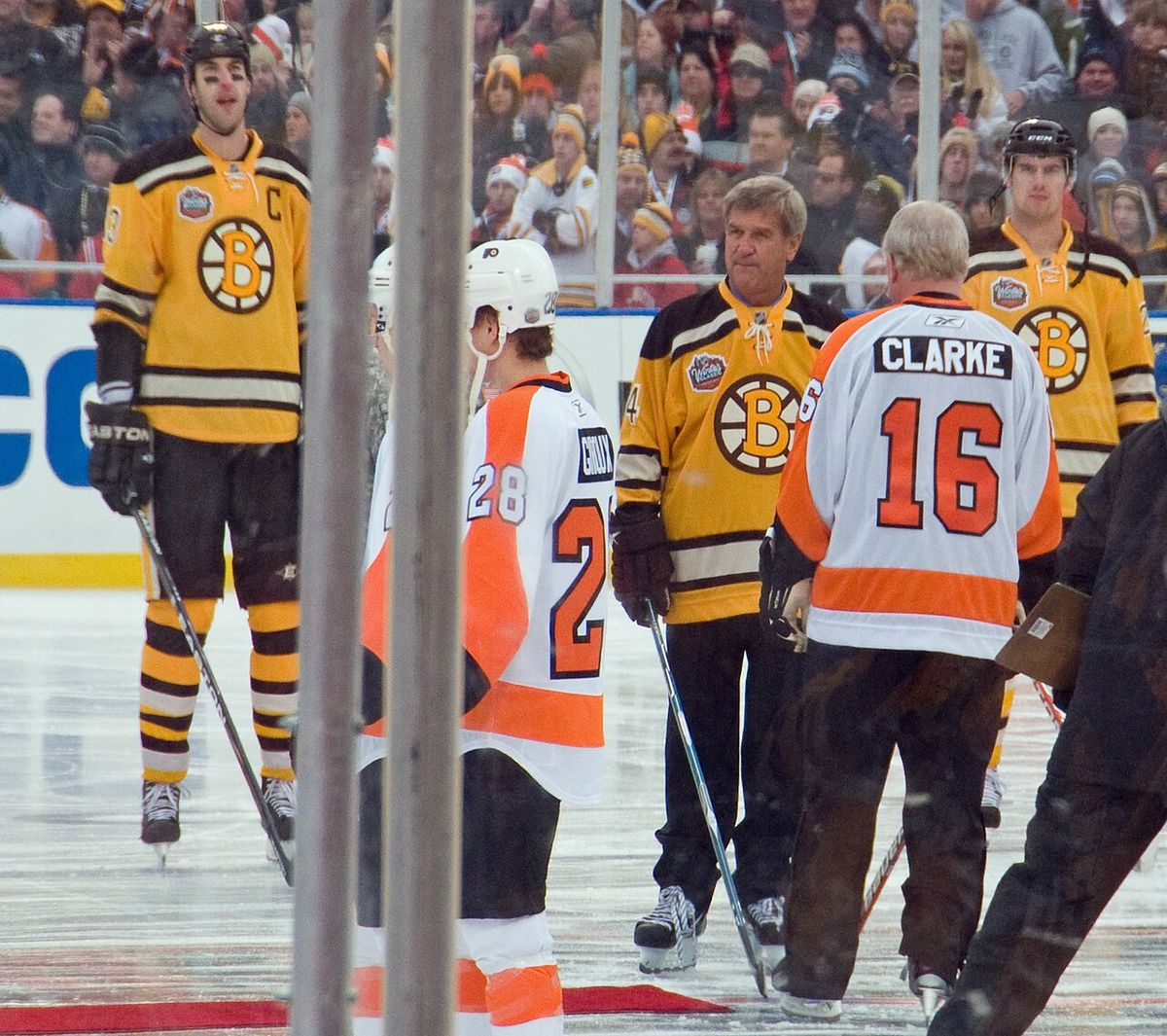
Orr joined the Boston Bruins for the 1966-67 season, choosing jersey number 4. He made an immediate impact, scoring his first NHL goal against the Montreal Canadiens on October 22, 1966, and earning a standing ovation from the Boston Garden crowd. His rookie season was not without adversity, as he suffered his first significant knee injury in December after a check from Toronto's Marcel Pronovost, causing him to miss nine games. Despite the Bruins finishing in last place, Orr's arrival boosted attendance dramatically by forty-one thousand fans.
Injuries plagued Orr's second season (1967-68), limiting him to 46 games. He underwent the first of many knee operations that February. Nevertheless, his performance when healthy was dominant enough to earn him the first of eight consecutive James Norris Memorial Trophies as the league's best defenceman, along with a First All-Star Team selection. The Bruins, bolstered by the acquisition of Phil Esposito from Chicago, qualified for the playoffs for the first time in nine years. Orr's third season (1968-69) saw him break the NHL single-season records for goals (21) and points (64) by a defenceman, feats that earned him another Norris Trophy. The season was also marked by a fierce rivalry with Toronto's Pat Quinn, who knocked Orr unconscious with a controversial hit during the 1969 playoffs, an incident that incited a near-riot among Boston fans.
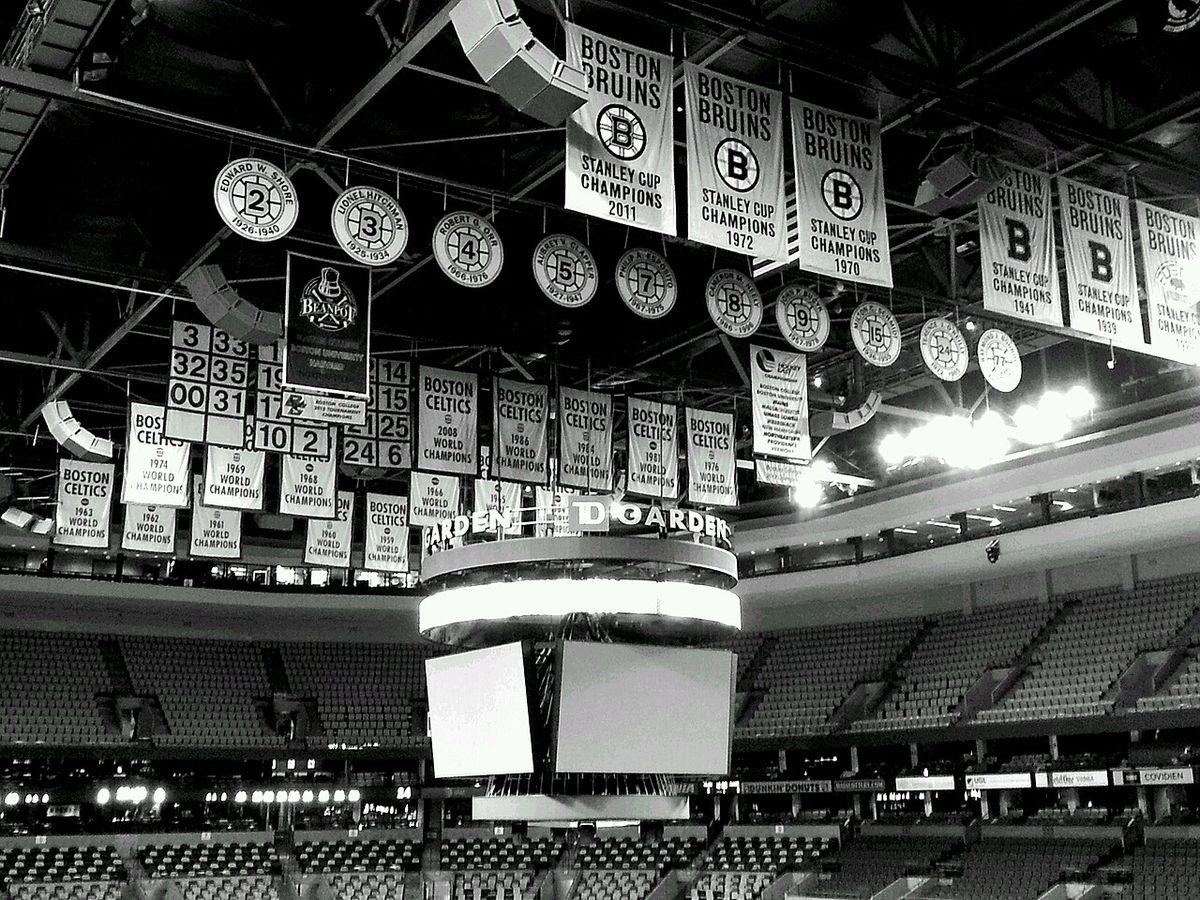
The 1969-70 season was Orr's transcendent breakout year. He nearly doubled his previous point total, recording 120 points to lead the entire NHL in scoring and become the first defenceman ever to surpass 100 points in a season. He captured the Art Ross Trophy as scoring champion, the Hart Trophy as league MVP, and his third consecutive Norris Trophy. Orr then led the Bruins on a dominant playoff run, totalling 20 points in 14 games. His legendary moment came on May 10, 1970, in overtime of Game 4 of the Stanley Cup Final against the St. Louis Blues. After receiving a pass from Derek Sanderson, Orr flew through the air after scoring the championship-winning goal, creating an enduring image in sports history. He was awarded the Conn Smythe Trophy as playoff MVP, completing a unique quadruple of major awards in one season. Orr and the Bruins captured their second Stanley Cup in 1972, with Orr again scoring the Cup-clinching goal and winning the Conn Smythe Trophy. Despite ongoing and severe knee problems that required multiple surgeries, Orr remained the league's most dominant player.
Move to Chicago, Injuries, and Retirement
In a stunning move in 1976, Orr left the Boston Bruins as a free agent to sign with the Chicago Black Hawks. His left knee, however, had been effectively destroyed by years of damage and surgeries. The physical toll was immense, and after a final knee operation failed to provide a solution, Bobby Orr announced his retirement from professional hockey in November 1978 at the age of 30. His career was cut short, but his 12-season statistical legacy was extraordinary for a defenceman, leaving a mark that has defined the position ever since. Orr's career totals demonstrate his revolutionary style and productivity. His trophy case includes the following major honours, which highlight his consistent excellence and dominance over his peers throughout his career.
- Calder Memorial Trophy (1967)
- Art Ross Trophy (1970, 1975)
- Conn Smythe Trophy (1970, 1972)
- Lester B. Pearson Award (1975)
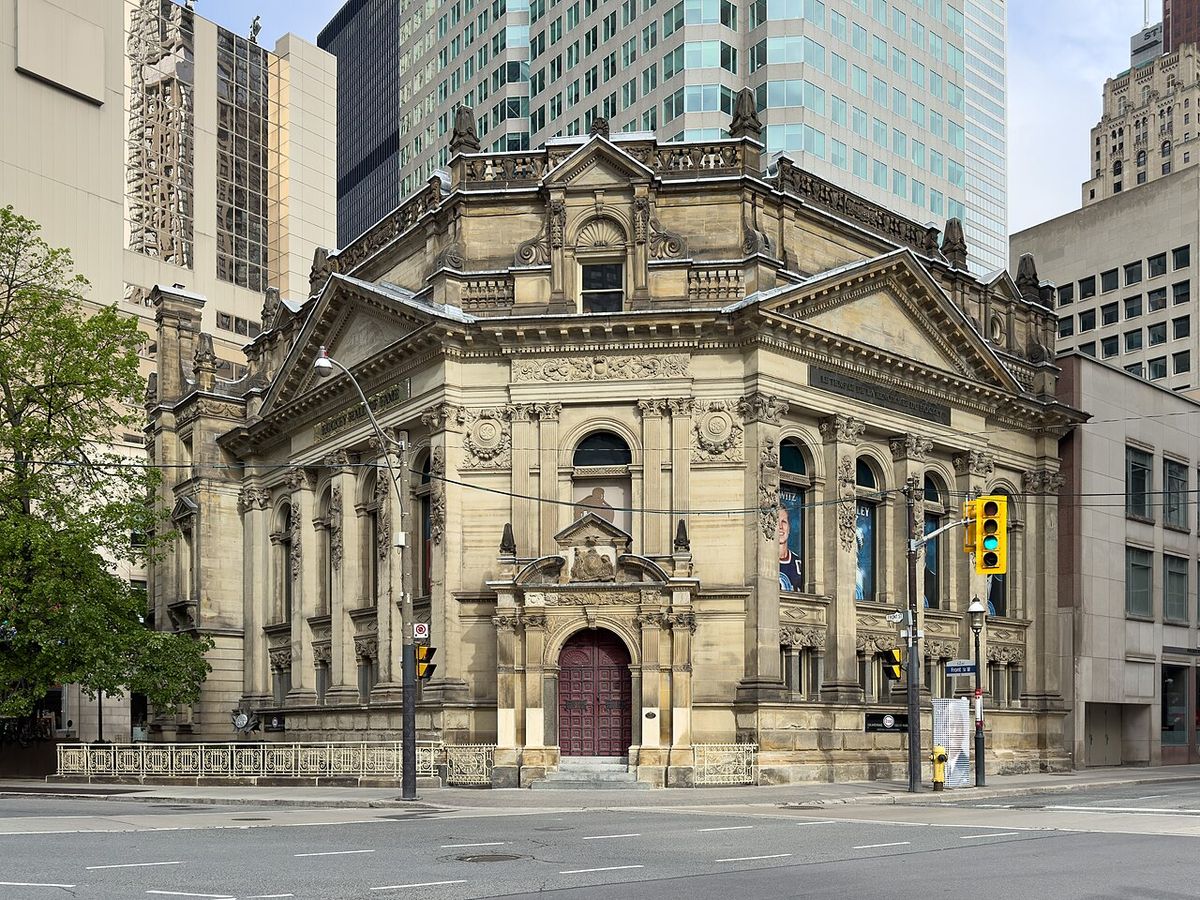
- Hockey Hall of Fame Induction (1979)
Bobby Orr's international highlight was being named the most valuable player of the 1976 Canada Cup international hockey tournament. He helped Team Canada to victory in that tournament. This achievement was the final major accomplishment of his professional hockey career. It occurred shortly before his retirement from the sport.
Post-Retirement: Financial Struggles, Business, and Agency Work
Orr's retirement was followed by a period of severe financial difficulty. He discovered he was deeply in debt and was forced to sell most of his possessions. This crisis led to a permanent rupture with his longtime agent and friend, Alan Eagleson. Orr sued the Chicago Black Hawks to settle his contract and returned to Boston with his family to rebuild his life and finances. He became involved in various business ventures and also played a crucial role in the investigations that exposed Eagleson's fraudulent activities.
Orr remained connected to hockey through scouting roles for several professional teams. In 1996, he formally entered the player agent business, founding the Orr Hockey Group. He served as its president, representing numerous NHL clients, until the agency was acquired by the Wasserman Media Group in 2018. Since 1996, he has also been a fixture at the annual CHL Top Prospects Game, coaching one of the teams of junior players. Orr has maintained a public profile through charitable works and television commercial appearances, ensuring he remains a visible and respected figure in the hockey community long after his playing days ended.
Playing Style and Legacy
Bobby Orr fundamentally changed the role of the defenceman in hockey. Prior to his arrival, defencemen were primarily expected to stay back, defend their own zone, and make safe passes. Orr shattered this convention by using his explosive skating speed and brilliant puck-handling skills to lead offensive rushes, often carrying the puck end-to-end. He joined the attack as a fourth forward, creating scoring chances for himself and his teammates with exceptional vision. This offensive-defenceman model, combined with his physical toughness and competitive spirit, made him the most complete and dynamic player of his era, setting a new standard for what was possible from the blue line.
His statistical records, many of which still stand, quantify his dominance. He is the only defenceman ever to win the NHL scoring title, a feat he accomplished twice. His record of eight consecutive Norris Trophies has never been challenged. The lasting image of his 1970 Stanley Cup-winning goal, suspended in mid-air, is one of the most reproduced photographs in sports. In 2017, the NHL named him one of the 100 Greatest NHL Players in history. For Canadians, Orr represents a pinnacle of hockey excellence, a small-town Ontario talent whose genius on the ice left a permanent mark on the national game.
Career Statistics
Bobby Orr played in the National Hockey League for 12 seasons. He holds the record for most points and assists in a single season by a defenceman. Orr also won the league scoring title twice, earning two Art Ross Trophies. His point-per-game average remains among the highest for any defenceman in NHL history.
Questions about Bobby Orr
How many Stanley Cups did Bobby Orr win?
Bobby Orr won the Stanley Cup twice, both with the Boston Bruins. The championships came in 1970 and 1972. On both occasions, Orr scored the goal that clinched the championship for his team. He was also awarded the Conn Smythe Trophy as the most valuable player of the playoffs following each of those Cup victories, confirming his dominant postseason performances.
What happened between Bobby Orr and Alan Eagleson?
Alan Eagleson was Orr's agent and close friend who negotiated his groundbreaking early contracts. After Orr's retirement, he discovered severe financial problems and massive debt. This led to a permanent break with Eagleson, whom Orr came to believe had mismanaged his affairs. Eagleson was disbarred, sentenced to prison, and expelled from the Hockey Hall of Fame.
How did Bobby Orr change the game of hockey?
Bobby Orr revolutionized the defenceman position. Before Orr, defencemen were primarily stay-at-home players focused on defence. Orr used his exceptional skating and puck-handling to become a constant offensive threat, leading rushes and joining the attack as a fourth forward. He proved a defenceman could be his team's primary offensive catalyst, a model that changed how the position is played and coached at all levels of hockey, paving the way for future offensive-minded defencemen.
What has Bobby Orr done since retiring as a player?
After retiring, Orr worked as a scout for several NHL teams. In 1996, he founded the Orr Hockey Group, a player agency which he presided over until its sale in 2018. He has been involved in various business ventures and is active in charitable work. He also maintains a public role in hockey, notably coaching a team in the annual CHL Top Prospects Game since 1996. He remains a celebrated figure, making television appearances and participating in commemorative events.
Why is Bobby Orr's 1970 goal so famous?
Bobby Orr's 1970 goal is famous for being the overtime winner that clinched the Stanley Cup for the Boston Bruins, ending their 29 year championship drought. The goal secured the Bruins' victory in the 1970 finals and Orr was named the playoff MVP. The well-known photograph of Orr flying horizontally through the air after being tripped following his shot has become one of the most celebrated images in sports history. This moment captured the ultimate triumph for a franchise that had not won a Cup since 1941. It represents the culmination of Orr's major impact on the Bruins and the sport itself.
What records does Bobby Orr still hold?
Bobby Orr still holds the NHL records for most points and most assists in a single season by a defenceman. He remains the only defenceman to have won the league scoring title, earning two Art Ross Trophies. Orr also holds the record for most consecutive Norris Trophy wins as the league's best defenceman with eight. He is the only player to win the Norris Trophy, Art Ross Trophy, Hart Trophy as MVP, and Conn Smythe Trophy as playoff MVP in a single season, achieving this in 1970. His revolutionary play permanently changed the offensive expectations for the defenceman position.
Sources and further reading
- Bobby Orr (Wikipedia)
- Bobby Orr Stats, Height, Weight, Position, Title (hockey-reference.com)
- Robert "Bobby" Gordon Orr < Bobby Orr Hall of Fame (bobbyorrhalloffame.com)
- Bobby Orr (penguinrandomhouse.com)
Checked by the Garbutt Disposal desk. Last updated 2026-10-20.