1976 Canada Cup
The 1976 Canada Cup was the inaugural edition of a landmark international ice hockey tournament, held from September 2 to 15, 1976. It was the first true best-on-best world championship in hockey history, allowing professional players from the National Hockey League and World Hockey Association to compete for their nations. Hosted across cities in Canada and Philadelphia, the tournament culminated in Canada defeating Czechoslovakia in a thrilling best-of-three final. The event marked Canada's return to international hockey after a six-year boycott and is remembered for its high-calibre play and lasting impact on the sport.
Origins and Negotiations
The 1976 Canada Cup was born from a protracted dispute over Canada's inability to use its professional hockey players in international competition. The Canadian Amateur Hockey Association had argued for years that European teams masked the professional status of their best players, giving them an unfair advantage while Canada was restricted to amateurs. This conflict reached its peak in 1970 when IIHF president Bunny Ahearne reneged on a promise to allow limited professional participation at the World Championship. In response, the CAHA withdrew Canada from all IIHF events until it received the right to use its best players. The concept for a new tournament gained momentum following the intense public interest generated by the 1972 Summit Series between Canadian NHL stars and the Soviet Union. During the 1974 Summit Series, NHL Players' Association executive director Alan Eagleson began formal negotiations with Soviet and European hockey authorities to create an open, best-on-best tournament. These negotiations, which lasted over two years and involved the IIHF and Hockey Canada, resulted in a package of agreements. The key outcomes were Canada's agreement to return to IIHF events in 1977, the World Championship moving to an open format, the establishment of the Super Series of exhibition games, and the creation of the Canada Cup to be held in 1976.
Eagleson then worked to secure the necessary support from the players and team owners in North America. He convinced NHLPA members to participate by promising that a portion of the tournament's proceeds would go to increase their pension fund contributions. The NHL's owners agreed to support the concept after securing an agreement that they would receive half of the tournament's profits. Some individual teams expressed reservations, most notably the Philadelphia Flyers, who feared injuries to their players and initially vowed to prohibit their roster from participating. The Flyers were persuaded to relent after organizers promised that two tournament games would be hosted in Philadelphia, with the team receiving its share of the revenue from those games. Despite the scheduling of the event in September to avoid the NHL regular season, league president Clarence Campbell remained publicly skeptical, calling the tournament wasteful.
Team Composition and Selection
Six national teams were invited to compete in the 1976 Canada Cup. Canada entered as the heavy favourite, having assembled a roster many analysts and historians regard as the strongest ever for a Canadian national team. In a significant move, the selection committee set aside the intense rivalry between the NHL and the rival World Hockey Association to choose the best available players from both leagues, though the final squad was composed almost entirely of NHL talent. The team included 18 future Hockey Hall of Fame inductees. Key selections included Bobby Hull from the WHA's Winnipeg Jets and NHL superstar Bobby Orr, who nearly declined his invitation due to his worsening knee problems. Goaltender Rogatien Vachon was not initially invited to the team's training camp but ultimately played every minute in net for Canada during the tournament. WHA players Marc Tardif of the Quebec Nordiques and Paul Shmyr of the Cleveland Crusaders were also part of the selection process, though Tardif could not play due to a severe concussion.
The composition of the Soviet Union team was a major point of discussion. Contrary to expectations of a full-strength squad, the Soviets left most of their elite players at home, sending a younger and less experienced team. Official Soviet statements claimed many top players were suffering from fatigue, but goaltender Vladislav Tretiak later suggested the omissions resulted from a power struggle between national team coaches Boris Kulagin and Viktor Tikhonov. The Soviets downplayed the tournament's importance, stating their true focus remained the World Championships and Winter Olympics. Star forward Valeri Kharlamov also did not play, as he was recovering from serious injuries sustained in a car accident. Czechoslovakia arrived with immense confidence, bringing virtually the same team that had won the 1976 World Championship a few months earlier. Their coach, Karel Gut, stated his team aimed to show the world there was more to international hockey than just Canada and the Soviet Union. Sweden, ranked third, featured a blend of domestic league players and stars based in North America like Börje Salming. The United States and Finland completed the field, with neither expected to seriously challenge for a spot in the final.
Round Robin Progression and Key Games
The tournament opened on September 2, 1976, at the Ottawa Civic Centre. Canada, determined to avoid any complacency after recent losses to the Soviets, thoroughly defeated Finland 11-2, with Rick Martin scoring a hat trick. In the other opening day game in Toronto, Sweden defeated the United States 5-2, powered by four first-period power play goals. Swedish defenceman Börje Salming, an NHL star with the Toronto Maple Leafs, received a five-minute standing ovation from the home crowd before the game. The third game pitted world champion Czechoslovakia against Olympic champion the Soviet Union, with the Czechoslovaks justifying their pre-tournament billing with a 5-3 victory. The Soviets immediately complained about the schedule, alleging organizers deliberately matched them against a strong opponent first to put them at an early disadvantage.
Swedish press hailed Salming as his nation's greatest player after he led them to a 3-3 tie against the Soviets. Following that game, the Soviet team threatened to quit the tournament altogether, protesting the officiating of Canadian referee Andre Legace, though organizers did not take the threat seriously. Czechoslovakia continued its strong play with an 8-0 demolition of Finland, with goaltender Jiří Holeček recording the first shutout in Canada Cup history. The Finns were then defeated 11-3 by the Soviet Union. The United States team, initially derided in the media as useless, earned growing respect. They played Canada closely in a 4-2 loss where the outcome was in doubt until the final minute, and then secured a 4-4 tie against Czechoslovakia in a game played in Philadelphia.
Sweden's hopes were dashed by a 4-0 loss to Canada and a stunning 8-6 defeat to Finland, where the Finns overcame a 4-1 deficit. The Finns viewed the win as vindication of their inclusion in the tournament, while the Swedes considered it an embarrassment. The Soviet Union kept its hopes alive with a 5-0 win over the United States in Philadelphia. The critical game of the round robin occurred on September 11 in Montreal between Canada and Czechoslovakia. In a tense goaltending duel between Rogatien Vachon and Vladimír Dzurilla, Milan Nový scored with less than five minutes remaining to give Czechoslovakia a 1-0 victory and clinch a spot in the final. This result meant the winner of the subsequent Canada-Soviet Union game would claim the second final berth. Canada won that high-paced contest 3-1, with Bobby Orr playing a major defensive role to secure the victory, though the Soviets again complained of biased officiating.
The Final Series in Detail
The best-of-three final began on September 13 at Maple Leaf Gardens in Toronto. Czechoslovakia started Vladimír Dzurilla in goal after his brilliant performance in the round robin, but he was unable to replicate that success. Gilbert Perreault scored just one minute into the game, sparking a four-goal Canadian onslaught in the first period. Rogatien Vachon was perfect in net, recording his second shutout of the tournament in a 6-0 Canadian win. The game included a controversial incident where Canada's Steve Shutt crosschecked Czechoslovak defender Jiří Novák from behind, resulting in a concussion that ended Novák's tournament. Shutt, known as a skilled player of smaller stature, apologized after the game, stating he had not intended to hit his opponent in that manner.
Game two shifted to the Montreal Forum on September 15. Czechoslovakia started Jiří Holeček in goal, but he was pulled after Canada scored twice in the first three minutes, with Dzurilla returning to finish the game. The Czechoslovaks fought back with a goal in the second period and another early in the third to tie the game 2-2. Bobby Clarke restored Canada's lead midway through the third, but Josef Augusta and Marián Šťastný scored goals just one minute apart to give Czechoslovakia a 4-3 lead with only four minutes remaining in regulation. With less than three minutes left, Dzurilla attempted to clear the puck from his zone but sent it directly to Canada's Bill Barber, who shot into an empty net to tie the game and force overtime.
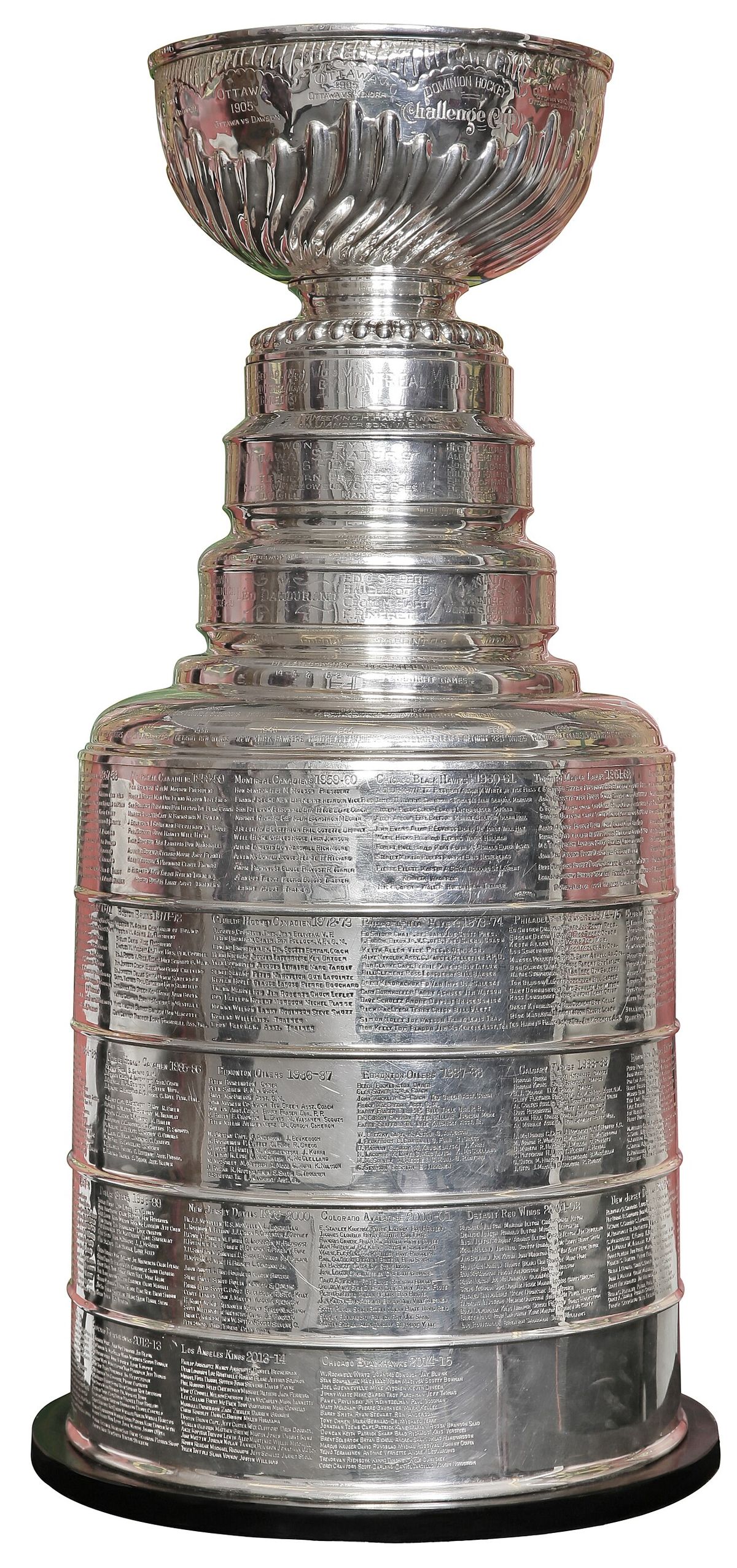
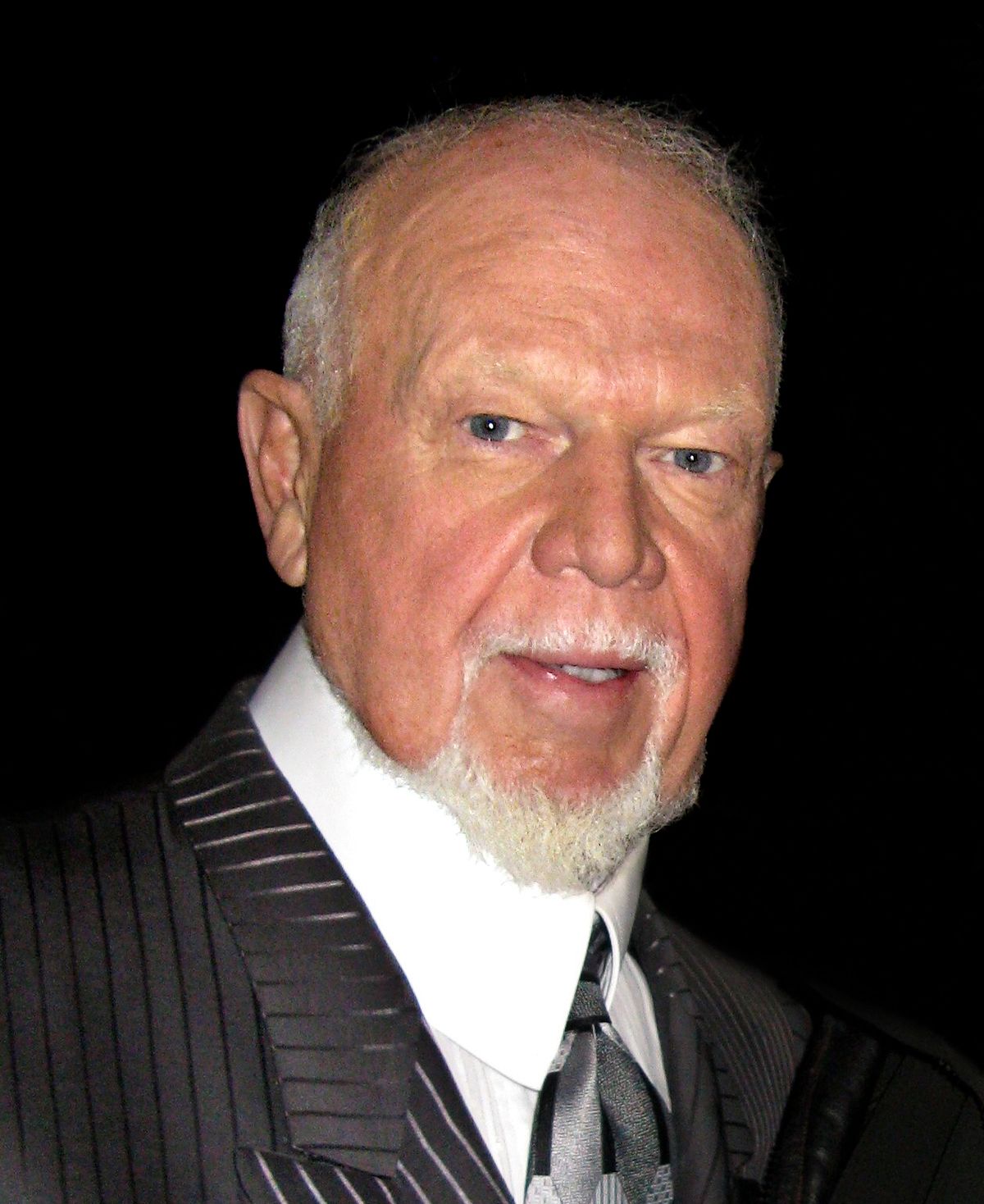
The overtime period was played with intense, end-to-end action. Canada's Guy Lafleur had a shot that trickled through Dzurilla, but Czechoslovak forward Ivan Hlinka deliberately dislodged the net before the puck crossed the line, receiving a delay of game penalty but preventing a goal. Later, Guy Lapointe fired a low shot that beat Dzurilla, but the period-ending buzzer had sounded one-tenth of a second before the puck crossed the line, nullifying the goal. During the intermission between the two ten-minute overtime halves, Canadian assistant coach Don Cherry observed that Dzurilla often came far out of his net and could be beaten on a sharp-angle shot. Early in the second half, Darryl Sittler took a pass from Marcel Dionne along the side boards, faked a shot to freeze Dzurilla, skated in further, and fired the puck into the open net for the championship-winning goal. The celebration that followed saw players from both teams exchange jerseys on the ice, and Prime Minister Pierre Trudeau presented the Canada Cup trophy to Canadian captain Bobby Clarke.
Immediate Aftermath and Player Perspectives
The victory was met with immense national pride, and for many participants, it represented the peak of their hockey careers. Multiple players, including Bobby Orr and Lanny McDonald, stated publicly that winning the Canada Cup meant more to them than winning the Stanley Cup. The Canadian team's performance solidified its reputation as one of the greatest national squads ever assembled. The tournament's success was also a personal triumph for organizer Alan Eagleson, whose complex negotiations had brought the event to life. The Soviet Union's decision to send a weakened team remained a point of criticism and speculation, with their complaints about scheduling and officiating doing little to alter the tournament's positive reception. The strong showings by Czechoslovakia and Sweden validated the tournament's competitive balance, proving other nations could challenge the traditional North American and Soviet powers. The United States and Finland, while not contenders for the title, demonstrated they belonged in the elite tournament and could play competitively against the top teams.
The television broadcast of the final game reached an unprecedented audience in Canada. This made it the most-watched television event in Canadian history at that time. The massive viewership underscored hockey's central place in Canadian culture and the public's hunger for best-on-best international competition. The event's financial success, despite Clarence Campbell's earlier skepticism, ensured the Canada Cup would continue as a quadrennial event, with the next tournament scheduled for 1981.
Long-Term Influence on International Hockey
The 1976 Canada Cup created a fundamental shift in the structure and philosophy of international hockey. Its most direct effect was ending Canada's six-year boycott of IIHF events, with the nation formally returning to world championship competition in 1977. The tournament proved the viability and popularity of an open championship featuring all the world's best players, regardless of their professional status. This success placed pressure on the IIHF to reform its own World Championship, which subsequently moved to an open format allowing professional participation. The model established by the Canada Cup also prepared the ground for the eventual inclusion of NHL professionals in the Winter Olympic Games, a process that would take decades but was rooted in the precedent set in 1976.
The tournament altered the global perception of hockey hierarchy. It clearly demonstrated that Czechoslovakia was a world-class power capable of defeating anyone, and it confirmed Sweden's status as a consistent contender. The experience gained by the American and Finnish teams in such a high-pressure environment accelerated the development of their national programs. The commercial and broadcast success of the event showed that major international hockey could be a lucrative enterprise, influencing how future tournaments were marketed and sold. The legacy of that first tournament is a permanent change in how the hockey world crowns its true champion.
Questions about 1976 Canada Cup
Who won the 1976 Canada Cup?
Canada won the 1976 Canada Cup. They defeated Czechoslovakia in the best-of-three final series, winning the first game 6-0 in Toronto and the second game 5-4 in overtime in Montreal. Darryl Sittler scored the championship-winning goal in overtime of the second game to secure the victory for the Canadian team. Prime Minister Pierre Trudeau presented the Canada Cup trophy to Canadian captain Bobby Clarke following the victory.
Why is the 1976 Canada Cup considered so important?
The 1976 Canada Cup is considered a watershed moment because it was the first true best-on-best world championship in hockey history. It allowed professional players from the NHL and WHA to represent their countries without restriction, a first for international hockey. The tournament also marked Canada's formal return to IIHF-sanctioned events after a six-year boycott and demonstrated that other nations like Czechoslovakia and Sweden were elite competitors. Its success directly led to the IIHF opening the World Championships to professionals.
Where were the 1976 Canada Cup games played?
Games were played in venues across Canada and one city in the United States. In Canada, host cities included Ottawa, Toronto, Montreal, Winnipeg, and Quebec City. The tournament also included games at the Spectrum in Philadelphia, Pennsylvania, a concession made to secure the participation of the Philadelphia Flyers' players. The final series was split between Maple Leaf Gardens in Toronto and the Montreal Forum.
Who was the MVP of the 1976 Canada Cup?
Canadian defenceman Bobby Orr was named the Most Valuable Player of the tournament. Despite being plagued by serious knee problems, Orr delivered a dominant performance, particularly in the critical round-robin game against the Soviet Union. He received the award while wearing a Czechoslovak jersey, as players traded uniforms after the final game in a celebrated moment of sportsmanship. Soviet forward Viktor Zhluktov was the tournament's leading scorer.
Did the Soviet Union send its best team to the 1976 Canada Cup?
No, the Soviet Union did not send its best possible team to the tournament. They left most of their elite players at home, officially citing player fatigue from a long season. Goaltender Vladislav Tretiak later suggested the omissions were due to a power struggle between coaches within the Soviet hockey system. The team they sent was described as a younger, experimental squad. This decision surprised analysts and disappointed fans who had hoped for a final between the full-strength Soviet and Canadian teams.
What was the significance of Darryl Sittler's goal?
Darryl Sittler's overtime goal in game two of the final clinched the Canada Cup championship for Canada. It remains one of the most famous goals in hockey history, celebrated for its dramatic timing and skillful execution. Sittler faked a shot to freeze goaltender Vladimír Dzurilla before scoring, securing a 5-4 victory and touching off a national celebration. The goal was the culmination of a thrilling, back-and-forth game that epitomized the high quality of the tournament and was watched by a record Canadian television audience.
Sources: Wikipedia and current public reporting, checked by the Garbutt Disposal desk. Last updated 2026-10-23.