Guy Lafleur
Guy Damien Lafleur (September 20, 1951 to April 22, 2022) was a Canadian professional ice hockey player and one of the most electrifying offensive talents in the history of the National Hockey League. Nicknamed "the Flower" and "Le Démon Blond," he spent the majority of his 17-season career with the Montreal Canadiens, where he was a central figure in five Stanley Cup championships in the 1970s. Lafleur made history as the first NHL player to score at least 50 goals and 100 points in six consecutive seasons, a feat that established his place among the game's greats. His dynamic skating, scoring prowess, and charismatic persona made him an enduring icon in Quebec and across Canada, celebrated as a symbol of hockey artistry and passion.
Early Life and Amateur Stardom
Guy Lafleur was born on September 20, 1951, in the small paper-mill town of Thurso, Quebec. He received his first hockey stick as a Christmas present at age five, beginning a lifelong connection to the sport. As a youth, he gained early recognition at the Quebec International Pee-Wee Hockey Tournament, where he played for three consecutive years from 1962 to 1964 and set a tournament record with 64 points. His teenage years were defined by his explosive offensive production with the Quebec Remparts of the Quebec Major Junior Hockey League. In his final junior season of 1970-71, Lafleur served as team captain and led the Remparts to a Memorial Cup championship, scoring a staggering 130 goals in the regular season. His electrifying play earned him the nickname "Le Turbo de Thurso" from broadcaster Jean-Bernard Rainville and made him the consensus top prospect for the 1971 NHL Amateur Draft.
Montreal Canadiens Dynasty Years
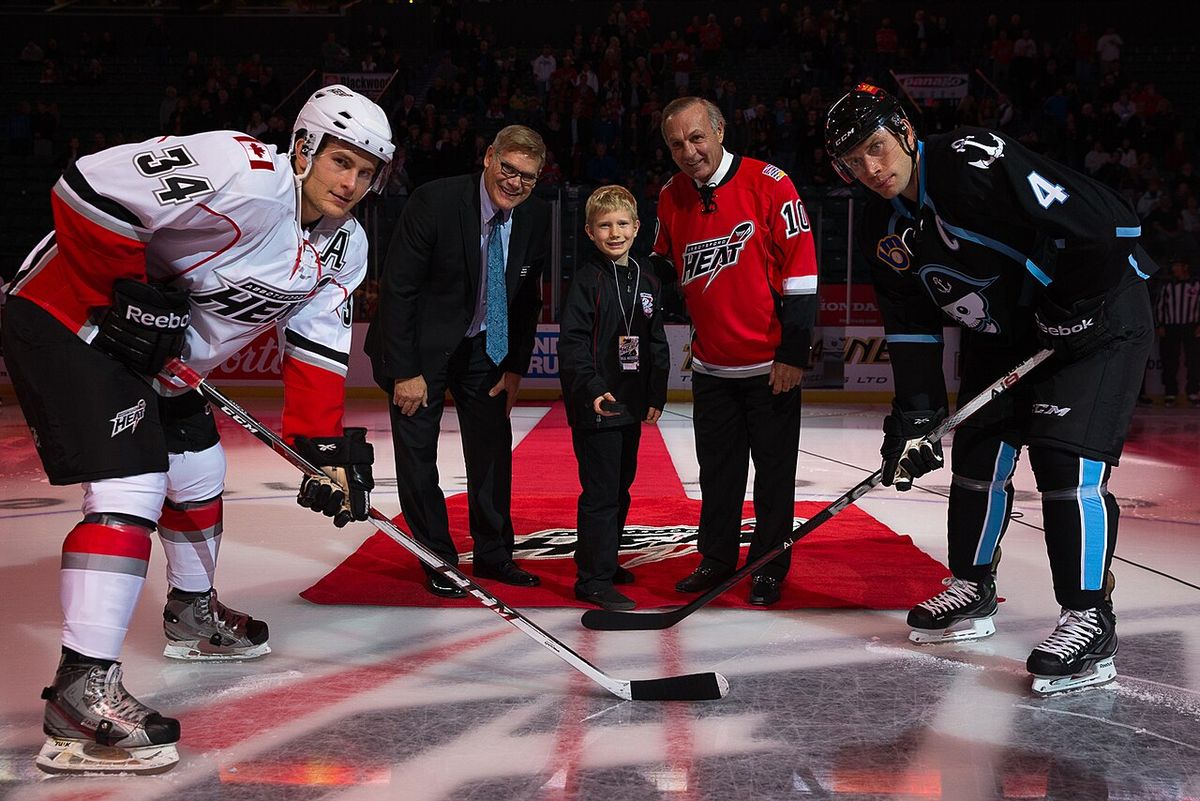
The Montreal Canadiens, under general manager Sam Pollock, engineered a trade to secure the first overall pick in the 1971 draft, choosing Lafleur over fellow Quebec star Marcel Dionne. Wearing number 10 after Jean Béliveau advised him to make his own mark, Lafleur's first three seasons were a period of adjustment with modest statistics. By his fourth season in 1974-75, he had fully blossomed, developing a trademark smooth skating style and a lethal scoring touch that drew fans to his every shift. Lafleur became the offensive engine of a Canadiens dynasty that won four consecutive Stanley Cups from 1976 to 1979. His peak seasons from 1974-75 to 1979-80 represent one of the most dominant offensive stretches in league history. During this period, Lafleur led the NHL in scoring for three straight seasons (1976, 1977, 1978), won two Hart Trophies as league MVP, and was a First-Team All-Star for six consecutive years. He set a Canadiens franchise record with 136 points in 1976-77, a season for which he also won the Conn Smythe Trophy as playoff MVP. Opponents frequently targeted him with hooks and slashes, a reflection of his game-breaking ability, yet he rarely retaliated. His charismatic, free-wheeling style embodied the era, making him a beloved figure whose every touch of the puck was met with chants of "Guy, Guy, Guy!" from the Montreal Forum faithful. Lafleur's on-ice accomplishments during the Canadiens' championship run were extraordinary and record-setting.
- He became the first player in NHL history to score at least 50 goals and 100 points in six consecutive seasons (1974-75 to 1979-80).
- He tied a Canadiens record by scoring 60 goals in the 1977-78 season.
- He won the Art Ross Trophy as scoring champion three times (1976, 1977, 1978).
- He was awarded the Hart Memorial Trophy as league MVP twice (1977, 1978).
- He received the Lou Marsh Trophy as Canada's top athlete in 1977.
- He was a key member of the 1976 Canada Cup-winning Team Canada.
- He won the Molson Cup as the Canadiens' star of the game a record seven times.
Beyond statistics, Lafleur's flair and connection with fans were a defining feature of his career. He was one of the most popular players on a very popular team, and fans chanted "Guy, Guy, Guy!" whenever he touched the puck. After Montreal won the Stanley Cup in 1978, he borrowed it for the weekend without telling anyone to show his friends back home in Thurso, where he set it out on his front lawn for all his neighbours to see. In 1979, Lafleur released the album Lafleur!, consisting of Guy Lafleur reciting hockey instructions, accompanied by disco music. He was frequently in demand with the press and fans, known for his charisma and down-to-earth persona.
Decline, Retirement and Comeback
The retirements of several key teammates after the 1979 championship marked the end of the Canadiens' dynasty. Injuries began to affect Lafleur, and his production declined from its historic peak. He scored his 500th career goal on December 20, 1983, becoming only the tenth player in NHL history to reach that milestone. A significant rift developed between Lafleur and new head coach Jacques Lemaire, his former centreman, over defensive responsibilities. Feeling his role diminished and his relationship with Lemaire irreparable, Lafleur requested a trade in 1985. When general manager Serge Savard refused, fearing fan and media backlash, Lafleur chose to retire, leaving the Canadiens acrimoniously. In 1988, following his induction into the Hockey Hall of Fame, Lafleur staged a remarkable comeback. He returned to the NHL for three more seasons, playing first for the New York Rangers and then for the Quebec Nordiques. His return to the Montreal Forum was met with a prolonged standing ovation, and in his first game back he scored twice against Patrick Roy. Though no longer the dominant scorer, his presence was impactful, notably as a mentor to young Nordiques star Joe Sakic.
Career Statistics and Records
Guy Lafleur's career statistics reflect his status as one of the greatest offensive players in Canadiens history and the NHL. His legacy with the Montreal Canadiens is particularly significant, as he remains the franchise's all-time leading scorer with 1,246 points from 518 goals and 728 assists. He held the record for the fastest to reach 1,000 career points (720 games) until it was broken by Wayne Gretzky. The following table highlights his key statistical achievements across his NHL career.
| Category | Regular Season |
|---|---|
| 50+ Goal Seasons | 6 |
| 100+ Point Seasons | 6 |
Beyond the numbers, Lafleur developed a trademark smooth skating style and scoring touch. He was described as a frenetic innovator who pushed the boundaries of his art on ice. Lafleur remained one of the few players who did not wear protective helmets due to a grandfather clause. His records, particularly being the first player to score 50 goals and 100 points in six consecutive seasons, stood as a benchmark for offensive excellence. He was also the fastest player at the time to reach 1,000 points, doing so in only 720 games.
Post-Hockey Life and Business Ventures
After his final retirement, Guy Lafleur remained a prominent public figure and pursued various business and personal interests. A licensed helicopter pilot, he was part-owner of a helicopter transportation company and once served as copilot for a marriage proposal involving Tampa Bay Lightning player André Roy, with the Stanley Cup present. He ventured into the food and beverage industry, launching his own brand of fruit juice energy drink called "Flower Power" in the 1990s. Lafleur also owned and operated several restaurants in Quebec, including "Guy Lafleur Mikes Signature" in Berthierville, which opened in 2002, and "Bleu, Blanc, Rouge!" in Rosemère, which opened in 2008 and was sold in 2012. He served his community in an official capacity as honorary colonel of 12 Radar Squadron and later 3 Wing Bagotville, a Canadian Armed Forces air force unit in Quebec, from 2005 to 2008 and again from 2013. His personal life faced public scrutiny in the late 2000s due to legal proceedings involving his son, Mark. Lafleur was charged in 2009 with giving contradictory testimony regarding his son's bail conditions but was unanimously acquitted of all charges by the Quebec Court of Appeal in 2010, after which he filed an unsuccessful civil suit against authorities.
Illness, Death and National Mourning
Guy Lafleur's health declined in his later years. In September 2019, he underwent open-heart surgery involving five bypasses. Two months later, doctors removed a cancerous lobe from his left lung. In October 2020, he was diagnosed with cancer in his right lung. Lafleur died on April 22, 2022, at the age of 70 from lung cancer, exactly one week after the passing of fellow Quebec-born scoring star Mike Bossy. His death prompted an outpouring of grief across Canada. The Montreal Canadiens honoured him with a video tribute before their game against the Boston Bruins on April 24, 2022, which was met with a standing ovation lasting over ten minutes. He was accorded a national funeral in Montreal on May 3, 2022, a ceremony befitting a true national icon. Tributes highlighted not only his athletic genius but also his humility and connection with fans from all walks of life, cementing his place in the nation's collective memory.
Honours and Legacy
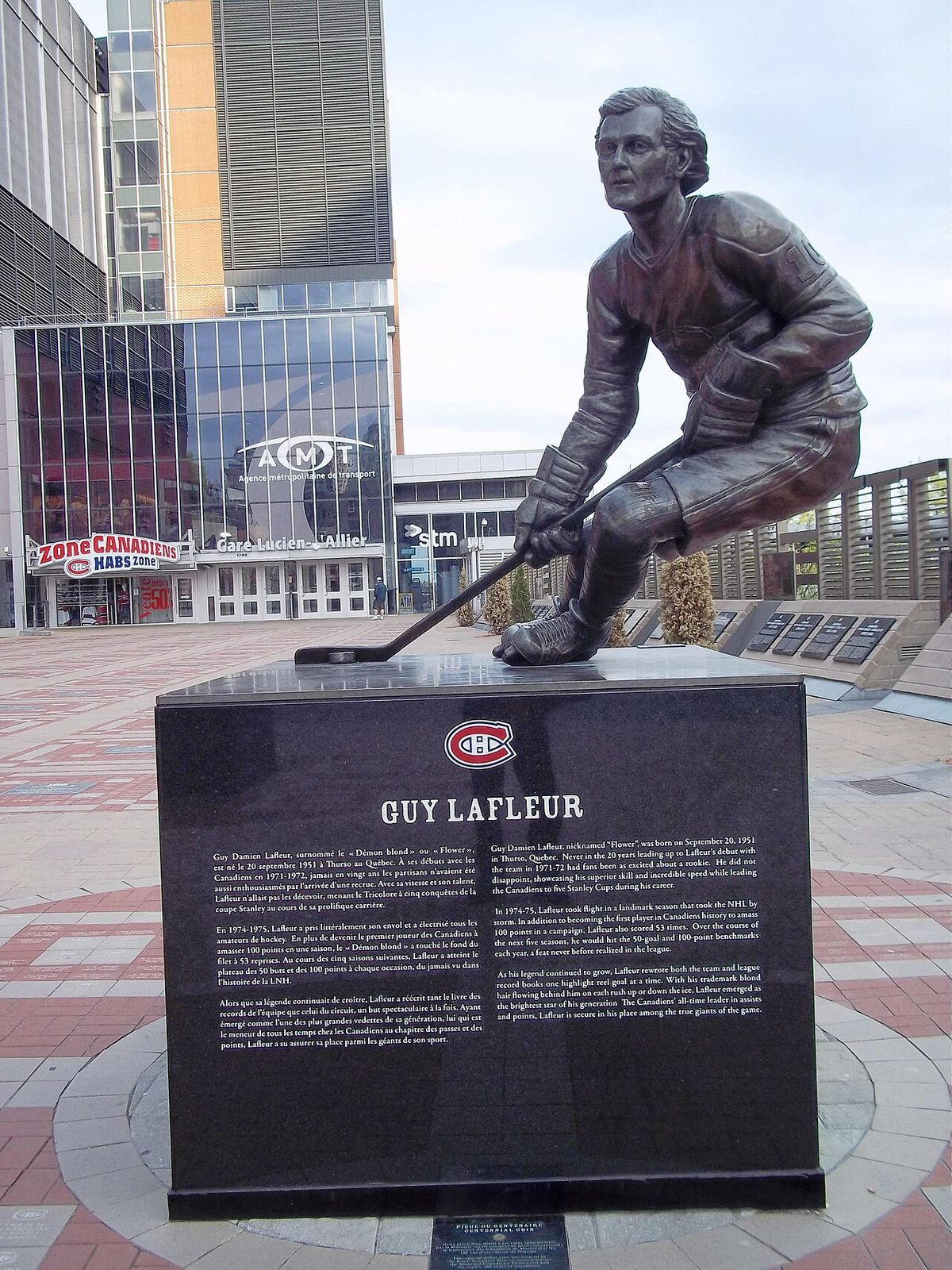
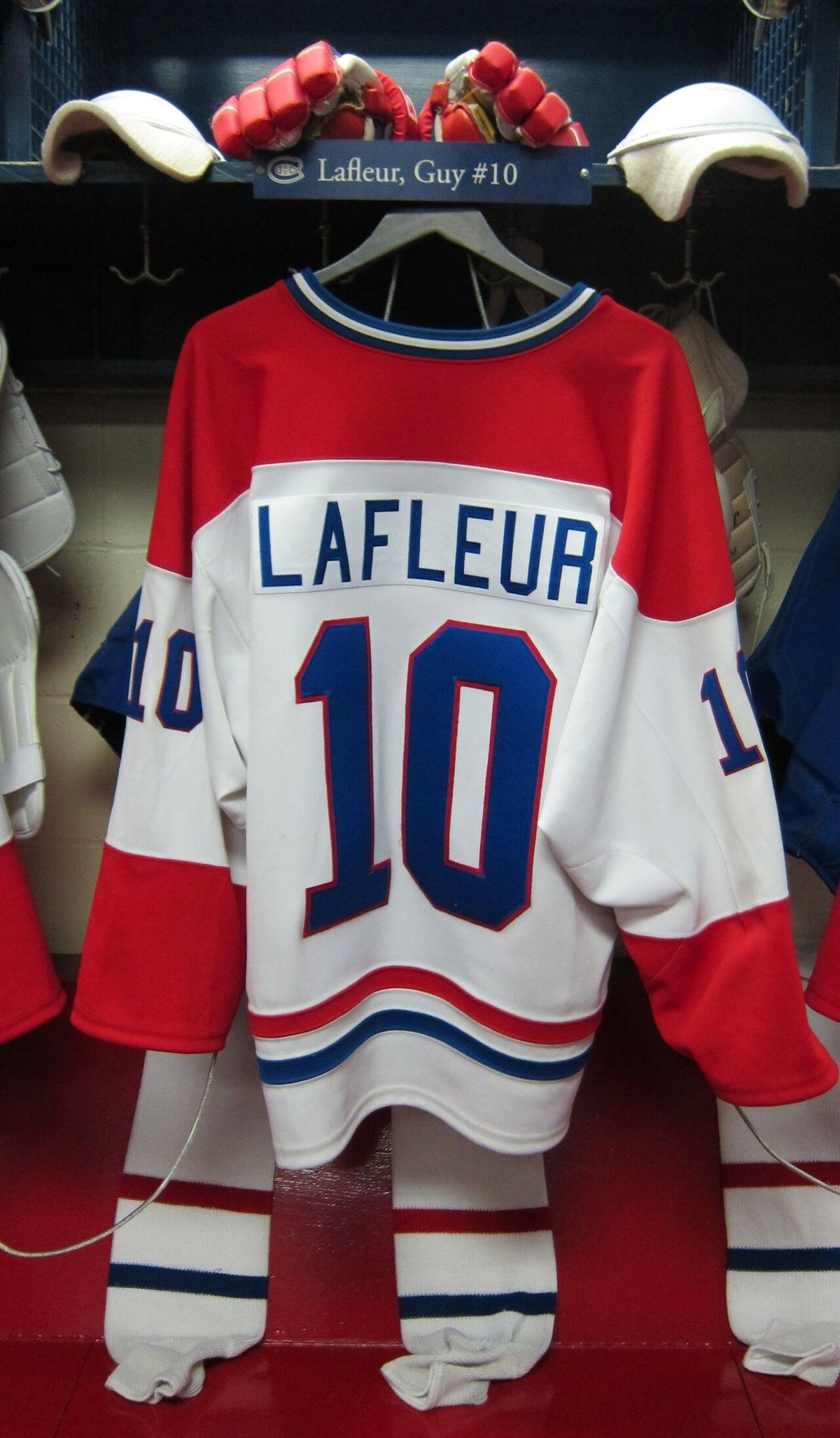
Guy Lafleur's legacy is enshrined through numerous honours that recognize his impact on hockey and Canadian culture. The Montreal Canadiens retired his number 10 on February 16, 1985, while he was still an active player. He was inducted into the Hockey Hall of Fame in 1988, the Canadian Sports Hall of Fame in 1996, and was named a Knight of the National Order of Quebec in 2005. In 2017, the NHL named him one of the 100 Greatest NHL Players as part of its centennial celebration. The Quebec Major Junior Hockey League retired his junior number 4 league-wide at the start of the 2021-22 season. He was named a Distinguished Honouree of the Order of Hockey in Canada in 2022, an honour invested posthumously. Physical tributes have been created in his memory, including the renaming of Autoroute 50 through Thurso as the Guy Lafleur Highway in May 2023. In September 2025, the bridge connecting Île Bizard to Montreal was renamed the Guy Lafleur Bridge, commemorating the island where he lived for three decades. The Guy Lafleur Award of Excellence, established in 1985, continues to be awarded to amateur hockey players in Quebec who combine athletic success with academic achievement and community involvement.
His memorabilia also tells a story of his storied career. In April 2001, Lafleur sold 122 items from his personal collection in a silent auction, including his 1977 Hart and Conn Smythe Trophies and four of his five Stanley Cup rings, raising approximately US$400,000. He donated a portion of the proceeds to the Montreal Canadiens Foundation. Lafleur's legacy endures not merely in trophies and records, but as a symbol of joyous, artistic hockey that captured the imagination of a province and a nation during a golden era for the sport, and his name continues to be attached to awards and infrastructure across Quebec, ensuring his memory persists for future generations.
Questions about Guy Lafleur
What records did Guy Lafleur set?
Guy Lafleur set several significant NHL records. He was the first player in league history to score at least 50 goals and 100 points in six consecutive seasons, from 1974-75 to 1979-80. At the time of his achievement, he was also the fastest player to reach 1,000 career points, accomplishing the feat in 720 games. Within the Montreal Canadiens franchise, he remains the all-time leading scorer with 1,246 points and holds the single-season points record of 136, set in 1976-77.
What was Guy Lafleur's cause of death?
Guy Lafleur died on April 22, 2022, at the age of 70 from lung cancer. His health struggles began in 2019 with open-heart surgery and the removal of a cancerous lobe from his left lung. In 2020, he was diagnosed with cancer in his right lung. He passed away exactly one week after fellow Quebec hockey legend Mike Bossy, who also died from lung cancer. Both players were known to have smoked heavily during their playing careers.
How many Stanley Cups did Guy Lafleur win?
Guy Lafleur won the Stanley Cup five times. All five championships were with the Montreal Canadiens in 1973, 1976, 1977, 1978, and 1979. He was a base of the Canadiens' dynasty, particularly during their four straight championships from 1976 to 1979. His playoff performance was recognized when he was named the Conn Smythe Trophy winner as playoff MVP in 1977. These victories cemented his legacy as one of the greatest players in franchise history. His contributions were integral to the team's success throughout the 1970s.
Why did Guy Lafleur retire the first time?
Lafleur's first retirement in 1985 stemmed from a deteriorating relationship with Canadiens head coach Jacques Lemaire, his former teammate. Lemaire's defensive-minded coaching philosophy clashed with Lafleur's offensive-focused style, leading to a rift that never healed. Feeling his reduced role had become intolerable, Lafleur requested a trade from general manager Serge Savard. Savard refused, fearing severe backlash from fans and media for trading such a popular icon.
Did Guy Lafleur play for any teams besides the Canadiens?
Yes, Guy Lafleur played for teams besides the Canadiens. After being inducted into the Hockey Hall of Fame in 1988, he came out of retirement to return to the NHL for three more seasons. He played for the New York Rangers and then followed coach Michel Bergeron to the Quebec Nordiques for his final two seasons, intending to finish his career in his home province. Although his high scoring days were behind him, his return was notable, including a memorable standing ovation during his first game back at the Montreal Forum. He retired for good after the 1991 season.
What is the Guy Lafleur Award?
The Guy Lafleur Award of Excellence was introduced in 1985. This award is a sign of his lasting legacy in hockey, created the same year the Montreal Canadiens retired his jersey number 10. It stands among his many accolades, including his induction into multiple halls of fame. The award ensures his name continues to be associated with excellence in hockey.
Sources and further reading
- Guy Lafleur (Wikipedia)
- Guy Lafleur: 1951 to 2022 - Hockey Canada (hockeycanada.ca)
- Guy Lafleur Stats, Height, Weight, Position, Title (hockey-reference.com)
Checked by the Garbutt Disposal desk. Last updated 2026-10-30.