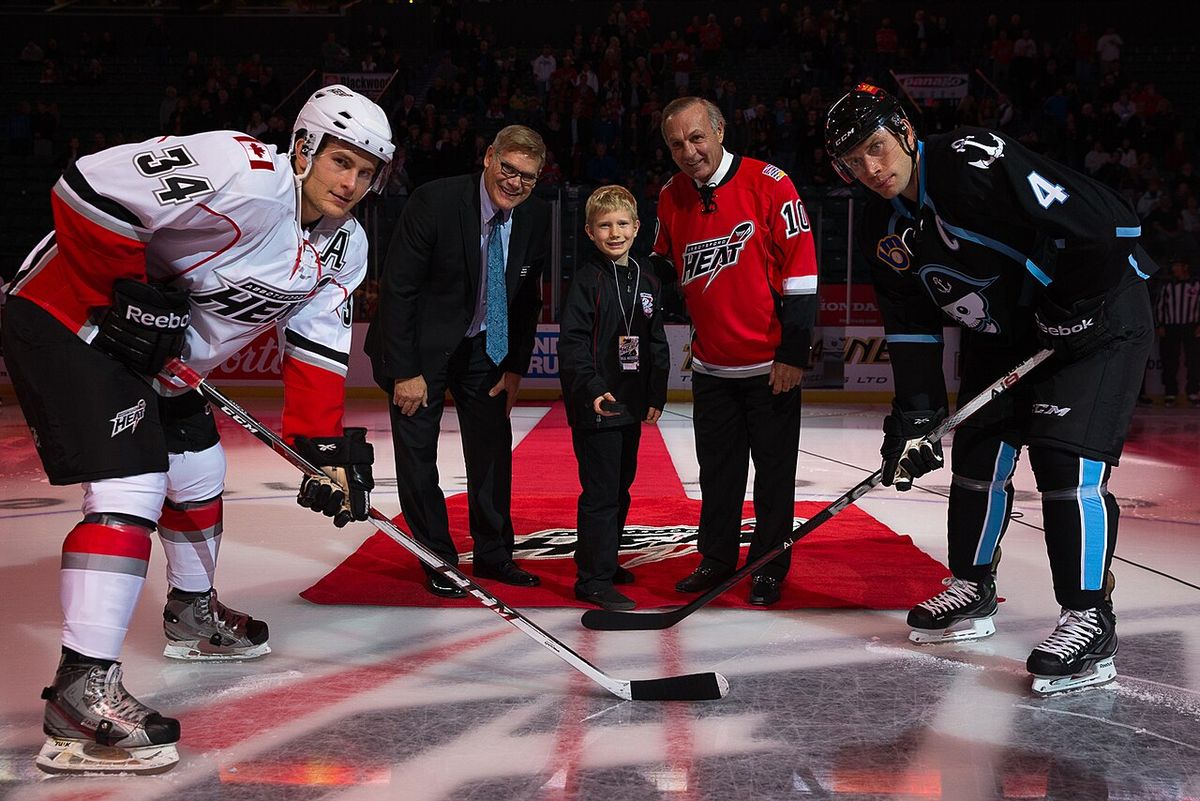
Quebec International Pee-Wee Hockey Tournament
The Quebec International Pee-Wee Hockey Tournament is an annual minor ice hockey competition held each February in Quebec City. Founded in 1960 by Gérard Bolduc and a group of local sports enthusiasts, it was created to coincide with the Quebec Winter Carnival and provide international competition for players under 12 years of age. The tournament is a major charitable event, raising funds for the Patro Roc-Amadour foundation and operated largely by volunteers. It has become a globally recognized event for youth hockey, with over 1,200 future NHL and WHA professionals having participated in its history.
Origins and Early Years (1960 to 1974)
The Quebec International Pee-Wee Hockey Tournament was conceived by Gérard Bolduc, who was inspired after travelling with youth teams to tournaments in Goderich, Ontario and Duluth, Minnesota. In 1960, he founded the event alongside Paul Dumont, Jacques Boissinot, Pat Timmons, and Edmond de la Bruere, with Bolduc serving as its first president until 1974. The inaugural tournament in February 1960 featured 28 teams, mostly from Quebec but also including entries from Boston, Scarborough, and Newfoundland. The first game was played on February 20, 1960, at the Quebec Arena in Parc Victoria, but due to high public interest, the final was moved to the larger Quebec Coliseum, drawing 7,235 fans and a total of 12,500 spectators over the event's first week. The Scarborough Lions were crowned the first grand champion.
From 1960 onward, the Quebec Coliseum became the tournament's permanent home. The early structure featured four divisions: AA, A, B, and C, with one overall grand champion. The event grew rapidly, expanding to 54 teams by 1962 with participants from Ontario, Alberta, and the United States. Future NHL star Guy Lafleur made an early mark, playing in three consecutive tournaments from 1962 to 1964 and scoring a combined 64 goals. The local Quebec Beavers team, coached by Martin Madden, became a crowd favourite and helped boost attendance. In 1965, the tournament inaugurated the Gérard Bolduc trophy, awarded to the AA division winner until 2001.
The tournament faced administrative challenges in December 1967 when the Quebec Amateur Hockey Association threatened not to sanction the 1968 event over a dispute regarding age limits. The organizers wanted to follow the Canadian Amateur Hockey Association cutoff of under 12 as of May 31, while the QAHA insisted on its own date of December 31. The 1969 tournament, marking the 10th anniversary, was commemorated with a book by Jacques Revelin titled 'The story of a fantastic tournament'. That same year, a team from Princeville, Quebec, became the first from the host province to win the grand championship. The 1970s began with significant international growth, as 102 teams participated in 1970, including the first from France and West Germany, with Bolduc announcing negotiations to bring a Soviet team by 1971. The 1971 event maintained the 102-team count with representation from six Canadian provinces, the Northwest Territories, the United States, and Europe. A young Wayne Gretzky famously scored 26 goals for Brantford in the 1974 tournament, after which Bolduc stepped down as president.
Expansion and Evolution (1975 to 1999)
Alex Légaré assumed the presidency in 1975 and led the tournament for the next 25 years until 1999. Under his leadership, the event pursued greater autonomy, moving away from a direct partnership with the Quebec Winter Carnival in 1977. New competitive divisions were introduced, beginning with the International Cup in 1976, followed by the American Cup in 1980 and the Quebec Cup in 1981. The latter two were later combined into the International Cup. The 25th anniversary in 1984 was marked with a plaque unveiled at the Quebec Coliseum. That year also saw a historic moment when Manon Rhéaume became the first female goaltender to play for a boys' team in the tournament, requiring special rule updates to allow her participation.
The tournament continued to adapt its rules, briefly allowing 13-year-olds in 1986 before reverting the change due to size disparities among players. International participation broadened further with teams from the Soviet Union and Japan taking part in 1989. The 1990 final drew nearly 8,000 spectators, and that year also saw Tammy Shewchuk become the first non-goaltender female to play in the event. The 1990s were characterized by stronger European teams from the Soviet Union and Czechoslovakia, which historian and former participant Yvon Huard credited with reviving the tournament's competitive spirit. By the 35th anniversary in 1994, the event had grown to 115 teams from 12 countries and attracted close to 200,000 spectators. A new attendance record was set in 1999 with 211,178 spectators over the course of the tournament.
Modern Era and New Venue (2000-Present)
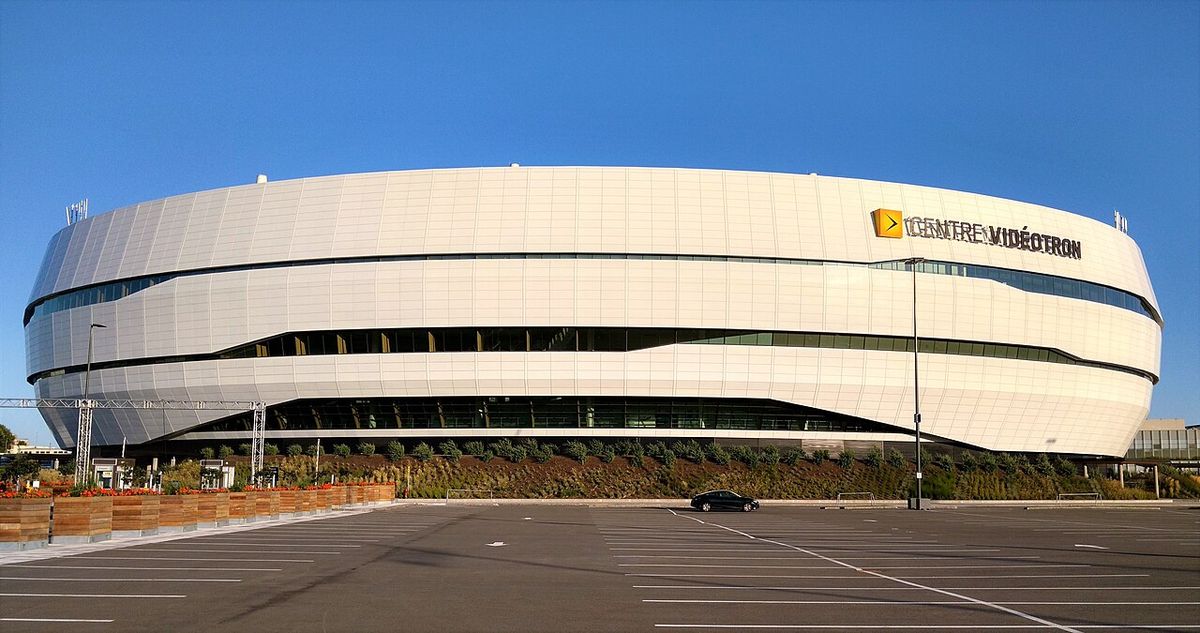
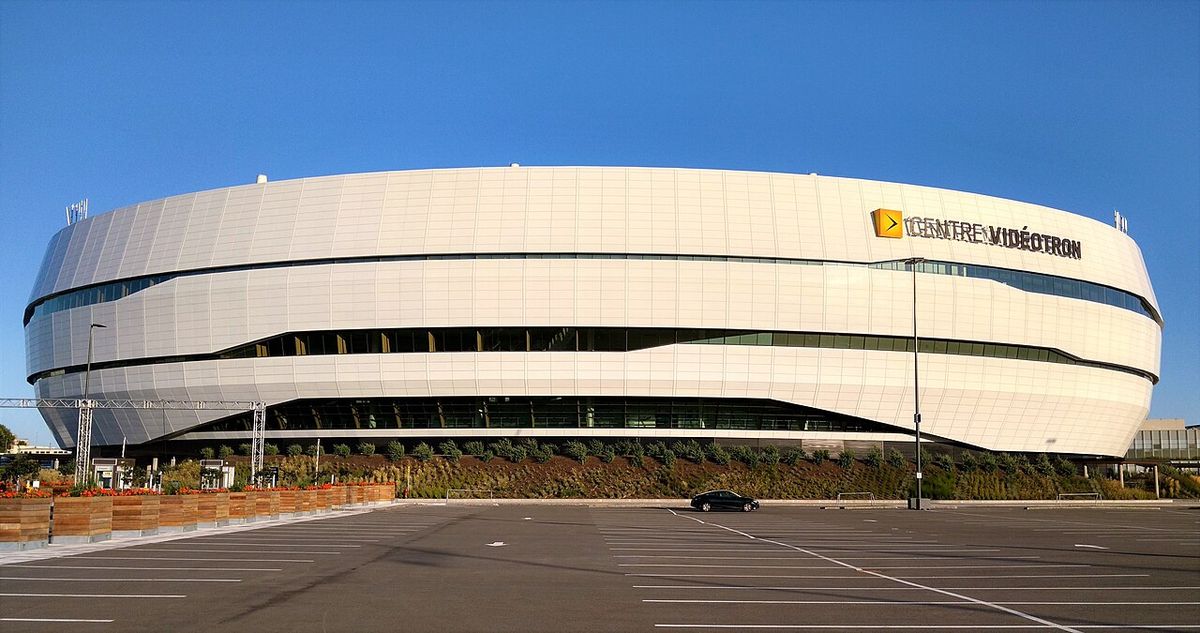
In 2001, tournament dates were shifted to no longer coincide directly with the Quebec Winter Carnival, an effort to increase attendance. The 50th anniversary in 2009 was celebrated with a legends game featuring retired former participants. The 2010 tournament included the Ukrainian Druzhba-78 team, which featured a young Auston Matthews. Global representation reached a new milestone in 2011 with the arrival of Australia's first team, marking participation from a fifth continent. A significant change occurred in 2016 when the tournament moved to the new Centre Vidéotron after 56 seasons at the Quebec Coliseum.
The 2016 event was notable for several firsts. A female all-star team from Québec, coached by Canadian Olympic champions Caroline Ouellette, Marie-Philip Poulin, and Kim St-Pierre, became the first all-girls team admitted to the AA division. While girls had played in exhibition games before, this was their first inclusion in the official tournament. Registration requests surged to 300 teams in 2016, a 20 percent increase from 2015, though approximately 20 percent of applications were declined due to capacity limits, with the majority of teams coming from Quebec. Also in 2016, teams from Russia were banned due to disruptive and disrespectful behaviour by players and coaches towards volunteers, a sanction that had also been applied in 2007. The 2021 tournament was cancelled due to the COVID-19 pandemic, but the event resumed with the 2024 edition featuring teams from 18 countries.
In the 2025 tournament, a team from South Korea won the AA classification, a significant achievement for a growing hockey nation. For the 2026 tournament, twelve girls' teams were accepted, reflecting the continued growth of female participation. Tournament organizers have also addressed broader social issues, urging spectators in response to potential anthem protests at professional events to refrain from such actions at a children's tournament. Organizers stated that protests could break the players' dreams and create a negative memory they would carry home.

Community and Economic Impact
The tournament's worldwide reputation is significantly attributed to its volunteers working in cooperation with a small staff, as noted by the Virtual Museum of Canada. Organizer Patrick Dom has described the volunteers, sponsors, and crowds as the soul of the event. Since its inception in 1960, all proceeds have benefited the community organization Patro Roc-Amadour, which also houses the tournament's museum containing event pictures and trophies. Over the first 50 years, the tournament donated over $2,133,000 to the foundation. The economic contribution to the Quebec City region is substantial, estimated at $14 million in 2008 and growing to $17 million by 2016, demonstrating its importance to the local economy and community.
Player Experience and Cultural Exchange
For participants, the tournament is often described as a once-in-a-lifetime opportunity. Many players experience their first game in a major arena before crowds exceeding 10,000 fans, and for European athletes, it frequently represents their first trip to North America. The event is colloquially known as the 'Pee-Wee World Championships'. To manage the high costs of travel, tournament organizers arrange for visiting athletes to stay with host families, and many teams undertake extensive fundraising efforts to afford participation, which includes travel and accommodation expenses.
The tournament also serves as a cultural immersion experience for young athletes from around the globe. Players are given tourist opportunities to explore Old Quebec, the Citadelle of Quebec, and the Winter Carnival, and to participate in other winter sports. A cherished tradition involves meeting youth from around the world and exchanging lapel pins, which fosters international friendship and a deeper appreciation for French Canadian culture. This combination of high-level competition and cultural exchange makes the event a unique and memorable chapter in a young player's development.

Notable Alumni and Records
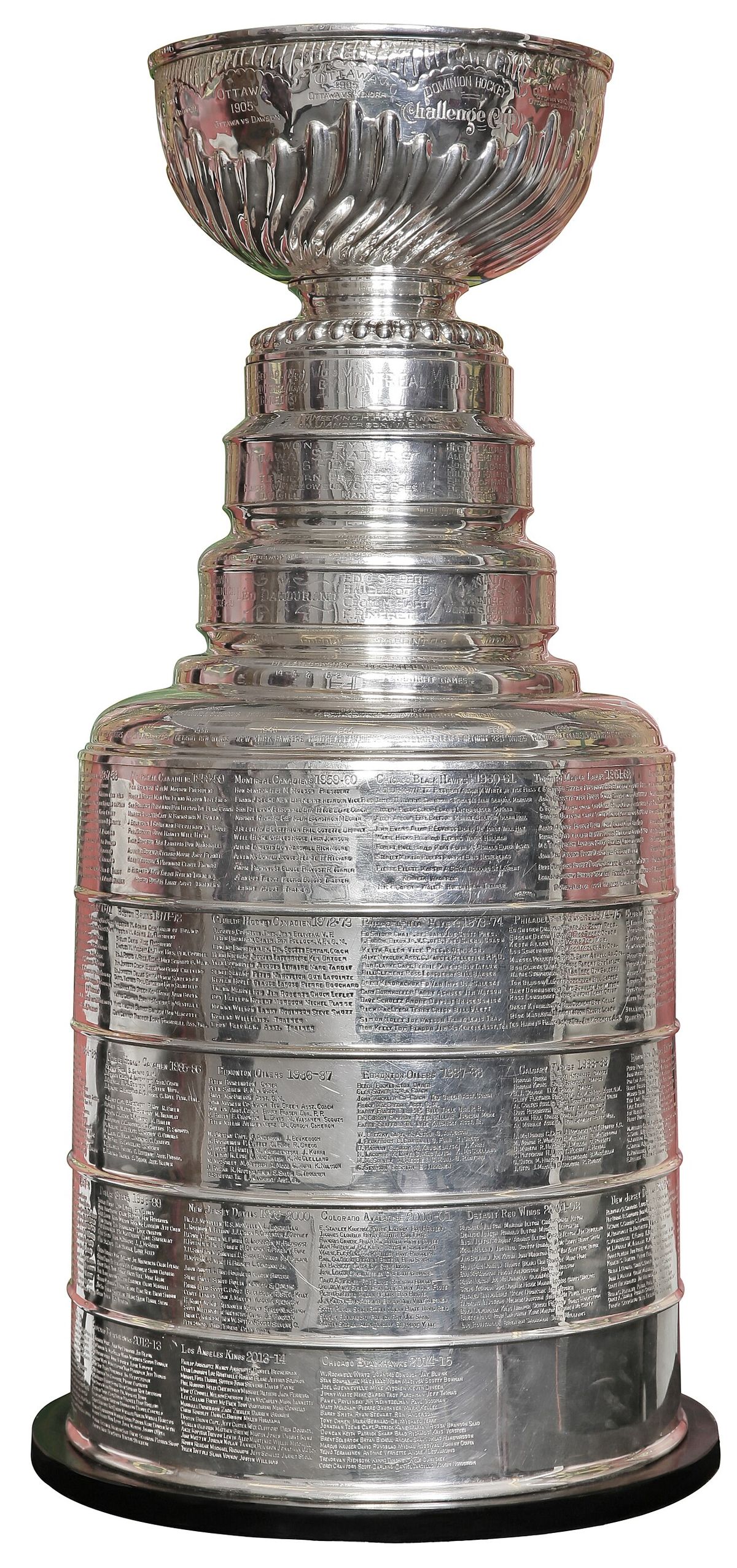
The tournament committee maintains an official list of former participants who advanced to the National Hockey League or World Hockey Association, which included 1,246 names as of 2018. From the NHL's 2017 list of the 100 Greatest NHL Players, twenty are alumni of the Quebec Pee-Wee tournament, highlighting the event's role as a premier platform for future professional talent. The list includes legends like Guy Lafleur and Wayne Gretzky, as well as contemporary stars such as Auston Matthews, who played in the 2010 event. This extensive alumni network is a sign of the tournament's long-standing position at the forefront of youth hockey development. Key tournament records and milestones include:
- 1960: First tournament with 28 teams. Scarborough Lions win.
- 1962 to 1964: Guy Lafleur scores 64 goals over three tournaments.
- 1965: Gérard Bolduc trophy inaugurated for AA division.
- 1969: First Quebec-based grand champion (Princeville).
- 1974: Wayne Gretzky scores 26 goals for Brantford.
- 1984: Manon Rhéaume becomes first female goaltender.
- 1990: Tammy Shewchuk first non-goaltender female player.
- 1999: Attendance record set at 211,178 spectators.
- 2016: Move to Centre Vidéotron. First all-girls team in AA division.
- 2025: South Korean team wins AA classification.
Tournament Growth and Participation
The tournament has experienced remarkable growth in scale and international scope since its founding. From 28 mostly local teams in 1960, it expanded to over 100 teams by the early 1970s and reached a peak of 115 teams from 12 countries by 1994. The table below illustrates the evolution in team participation and key milestones over several decades, reflecting its increasing global appeal and the logistical challenge of accommodating a limited number of entries from a large pool of applicants. This growth is driven by the tournament's reputation as a premier international competition for young players.
| Year | Key Milestone |
|---|---|
| 1960 | First tournament. Final at Coliseum. |
| 1962 | Guy Lafleur begins participation. |
| 1970 | First teams from France and West Germany. |
| 1989 | First teams from Soviet Union and Japan. |
| 1994 | 35th anniversary. 12 countries represented. |
| 2011 | First team from Australia (Oceania). |
| 2024 | Teams from 18 countries. |
| 2026 | Twelve girls' teams accepted. |
Questions about Quebec International Pee-Wee Hockey Tournament
When and where is the Quebec International Pee-Wee Hockey Tournament held?
The tournament is held annually in February in Quebec City. Since 2016, the games have taken place at the Centre Vidéotron. For the first 56 years of its history, from 1960 to 2015, all games were played at the Quebec Coliseum. The event was originally scheduled to coincide with the Quebec Winter Carnival, but since 2001 the dates have been shifted to optimize attendance.
Who can participate in the tournament?
The tournament is for minor ice hockey players under 12 years of age. While the age limit was briefly expanded to include 13-year-olds in 1986, it was quickly reverted due to size disparities. Teams from across Canada and around the world apply to participate. The tournament includes various divisions, and since 2016, all-girls teams have been officially admitted to the AA division.
What is the tournament's connection to charity?
Since its founding in 1960, the tournament has been a charitable event raising funds for the Patro Roc-Amadour foundation, a local community organization in Quebec City. All proceeds from the event are donated to the foundation. Over the first 50 years, donations totalled over $2,133,000. Patro Roc-Amadour also houses the tournament's museum, which displays event photographs and trophies.
Which famous hockey players played in the tournament as children?
The tournament has featured an extraordinary number of future professional stars. As of 2018, the official alumni list includes 1,246 players who went on to play in the NHL or WHA. Notable early participants include Guy Lafleur, who played from 1962 to 1964, and Wayne Gretzky, who scored 26 goals for Brantford in 1974. Twenty of the players named to the NHL's 100 Greatest NHL Players list in 2017 are tournament alumni. More recent participants include Auston Matthews, who played for a Ukrainian team in 2010.
How has the tournament promoted inclusivity?
The tournament has gradually expanded opportunities for female players. In 1984, Manon Rhéaume broke barriers as the first female goaltender to play for a boys' team, requiring rule changes. Tammy Shewchuk followed in 1990 as the first non-goaltender female participant. A major step came in 2016 when an all-girls all-star team from Québec, coached by Olympic champions Caroline Ouellette, Marie-Philip Poulin, and Kim St-Pierre, was admitted to the AA division. For the 2026 tournament, twelve girls' teams were accepted.
What is the economic and cultural impact of the tournament?
The economic contribution of the tournament to the community was estimated at $17 million by 2016. The Virtual Museum of Canada credits the tournament volunteers in cooperation with event staff as being a significant contributor to its worldwide reputation. The tournament provides an opportunity for players to be immersed in French Canadian culture and the culture of Quebec. Players are given tourist opportunities to see Old Quebec, the Citadelle of Quebec, and the Winter Carnival, and to participate in other winter sports. Players also have the chance to meet youth from other parts of the world, and exchange and collect lapel pins.
Sources and further reading
- Quebec International Pee-Wee Hockey Tournament (Wikipedia)
- Quebec International Pee-Wee Hockey Tournament (tournoipee-wee.qc.ca)
- Quebec International Pee-Wee Hockey Tournament 'just ... (nhl.com)
- 2026 Quebec Pee-wee International (coloradoextreme.org)
Checked by the Garbutt Disposal desk. Last updated 2026-10-23.