Maple Leaf Gardens
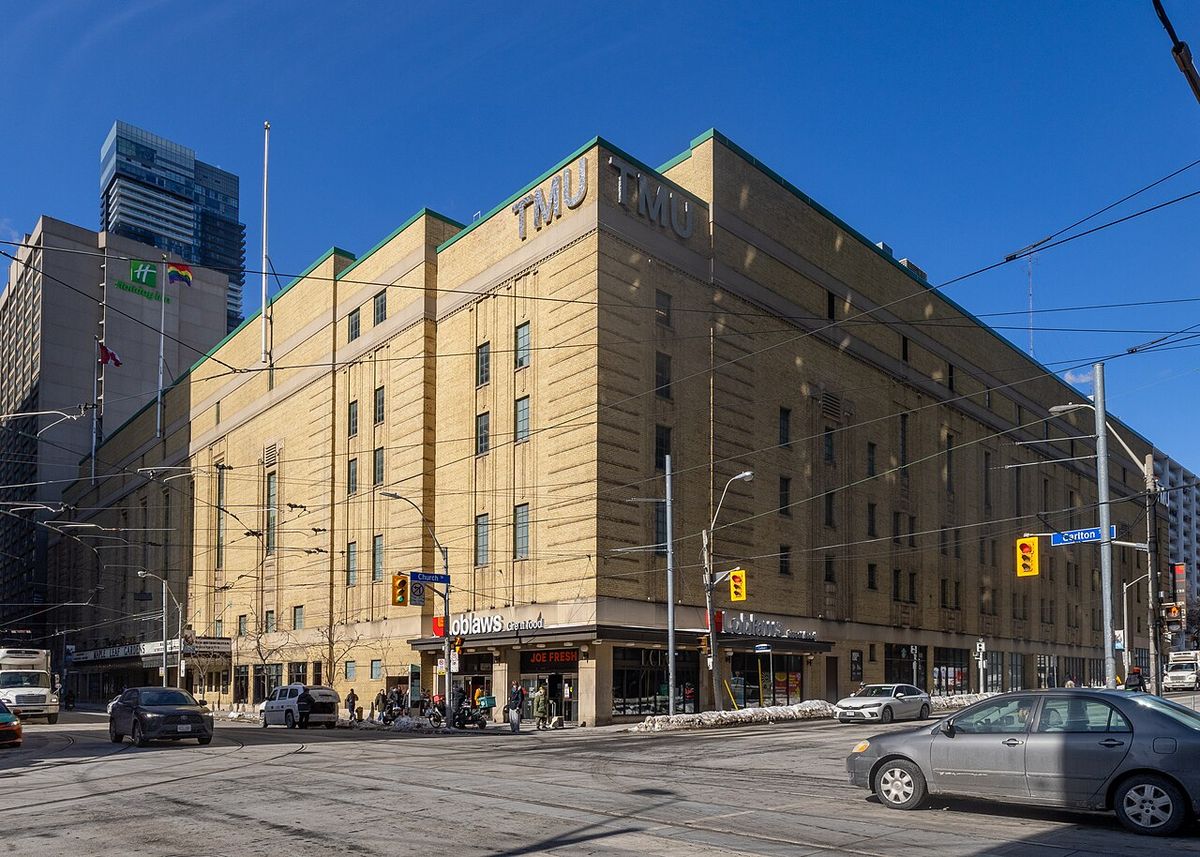
Maple Leaf Gardens is a historic multi-purpose arena located at the northwest corner of Carlton and Church Streets in Toronto, Ontario. Constructed in 1931, it served as the home of the Toronto Maple Leafs NHL team from 1931 to 1999 and was the site of the first official NBA game in 1946. The building was a central venue for major sporting events, concerts, and cultural gatherings in Canada, hosting everything from the first NBA game to performances by Elvis Presley on April 2, 1957, and The Beatles during their three North American tours. After the Maple Leafs' departure in 1999, the building was redeveloped into a mixed-use facility featuring a Loblaws supermarket and the Mattamy Athletic Centre for Toronto Metropolitan University, which opened in 2011.
Construction and financing
The need for a new arena arose in 1930 as Maple Leafs managing director Conn Smythe deemed the team's existing home, the 7,500-seat Arena Gardens on Mutual Street, to be too small and unimpressive. Smythe selected a site at Carlton and Church Streets, purchasing the land from The T. Eaton Co. Ltd. for $350,000, a price reportedly $150,000 below market value at the time. To finance the project, Smythe launched Maple Leaf Gardens Limited (MLGL), a management company that would own both the arena and the hockey team, and offered shares to the public at C$10 each. The architectural firm of Ross and Macdonald designed the arena, and the construction contract was awarded to Thomson Brothers Construction of Port Credit, whose bid of just under $990,000 was the lowest of ten tenders. Construction began at midnight on June 1, 1931, and was completed in a remarkable five months and two weeks at a total cost of C$1.5 million, with the building ready for its opening night in November.
W. A. Hewitt, sports editor of the Toronto Star, was hired as the Gardens' first general manager to oversee all non-hockey events, while his son, Foster Hewitt, was hired to run radio broadcasts and oversee the construction of the broadcast facilities. The arena was designed from the outset to be a multi-purpose venue, hosting a wide variety of events beyond professional hockey. The original seating capacity was 12,473 for hockey, which could be expanded to 14,550 with standing room. The swift construction and financing model, which included labour unions accepting shares in MLGL in exchange for work, established the Gardens as a major new civic asset almost immediately upon its completion.
Early years and sporting prominence
Maple Leaf Gardens opened on November 12, 1931, with the Maple Leafs losing 2-1 to the Chicago Black Hawks before a reported crowd of 13,542. The Leafs would go on to win their first Stanley Cup as the Maple Leafs that same season, beginning an era of tremendous success at the new arena. The building quickly became a hub for other sports, hosting its first professional wrestling show on November 19, 1931, which attracted 15,800 people to see world champion Jim Londos. Boxing also became a regular feature, with the first world title fight in the building occurring on September 19, 1932, when bantamweight champion Panama Al Brown knocked out Émile Pladner in the first round. The arena served as the home rink for all Toronto-based teams in the Ontario Hockey Association, except for the University of Toronto, under lease agreements managed by W. A. Hewitt.
A landmark moment for basketball occurred on November 1, 1946, when Maple Leaf Gardens hosted the first game in the history of the Basketball Association of America, a forerunner of the NBA, between the Toronto Huskies and the New York Knickerbockers. In hockey, the Gardens was the site of the first NHL All-Star Game in 1947 and had been the site of an earlier benefit All-Star game for injured Leaf Ace Bailey in 1934. The building was also the first NHL arena to have Plexiglas installed in the end zones of the rink during the 1946-47 season. These events cemented its status as an innovator and premier venue for professional sport in Canada.
- November 12, 1931: Arena opens. Maple Leafs lose 2-1 to Chicago.
- November 19, 1931: First professional wrestling show attracts 15,800.
- September 19, 1932: First world title boxing fight held at the Gardens.
- November 1, 1946: Hosts first BAA/NBA game (Toronto Huskies vs. New York).
- 1947: Hosts first official annual NHL All-Star Game.
Ownership transitions and physical expansions
Conn Smythe remained the driving force behind the Gardens until 1947, when he became the majority owner of Maple Leaf Gardens Ltd. following a power struggle with other directors. He sold most of his shares in 1961 to a partnership formed by his son Stafford Smythe, Harold Ballard, and John W. H. Bassett. This new ownership group began a series of expansions to increase revenue, adding 962 new seats in 1962 and constructing a private club called The Hot Stove Club in 1963. Further seats were added in 1965, and new mezzanine galleries were built in 1966 and 1967, increasing hockey seating capacity to 16,485 by 1968. These expansions came at a cost to spectator comfort, with seats made narrower to fit more people, a change Conn Smythe later criticized.
The partnership era was tumultuous, with Stafford Smythe and Harold Ballard accused in 1969 of misusing corporate funds for personal expenses, leading to their temporary removal from management. After regaining control, Bassett sold his shares to Smythe and Ballard in September 1971. Stafford Smythe died just six weeks later, and in February 1972, Ballard purchased all of Smythe's shares, giving him majority ownership of the building and the Maple Leafs. During this period, the arena also saw technological updates, including the installation of separate penalty boxes in 1963 and a new centre-hung scoreboard with a digital clock in 1966, which replaced the older analog SporTimer.
The Ballard era and entertainment hub
With Harold Ballard in sole control from 1972 onward, Maple Leaf Gardens remained a sold-out venue for Maple Leafs games despite the team's declining on-ice performance, earning it the unaffectionate nickname "The Carlton Street Cash Box." Ballard made several controversial physical changes, including replacing the rink-side red seats with gold ones in 1974 and, in 1979, having the historic broadcast gondola used by Foster Hewitt torn down and incinerated to make room for private boxes. A new centre-hung scoreboard with colour matrix screens was installed in 1982 and remained until the Leafs departed. Concurrently, the Gardens flourished as a premier concert venue under Concert Promotions International, founded in 1973 by Bill Ballard, Michael Cohl, and David Wolinsky.
The arena hosted a staggering array of music legends, making it a cultural landmark beyond sports. The building also hosted other sporting tenants, though often on unfavourable terms dictated by Ballard, particularly for the World Hockey Association's Toronto Toros, who played at the Gardens from 1974 to 1976 before moving due to onerous lease conditions. Ballard's opposition to the rival league was fierce, and he imposed extra charges on the Toros for basics like arena lighting. He also denied them use of the Maple Leafs' locker room, forcing them to build their own at a cost of $55,000. The Toros' lease called for them to pay $15,000 per game for their time at the arena.
- April 2, 1957: Elvis Presley's first concerts outside the United States.
- 1964, 1965, 1966: The Beatles perform during all three North American tours.
- December 1-2, 1975: Bob Dylan's Rolling Thunder Revue.
- October 7, 1979: ABBA's final concert appearance in North America.
- September 15, 1988: Amnesty International's Human Rights Now! concert.
- September 21, 1996: Pearl Jam's only Canadian tour date that year.
Other major events and tenants
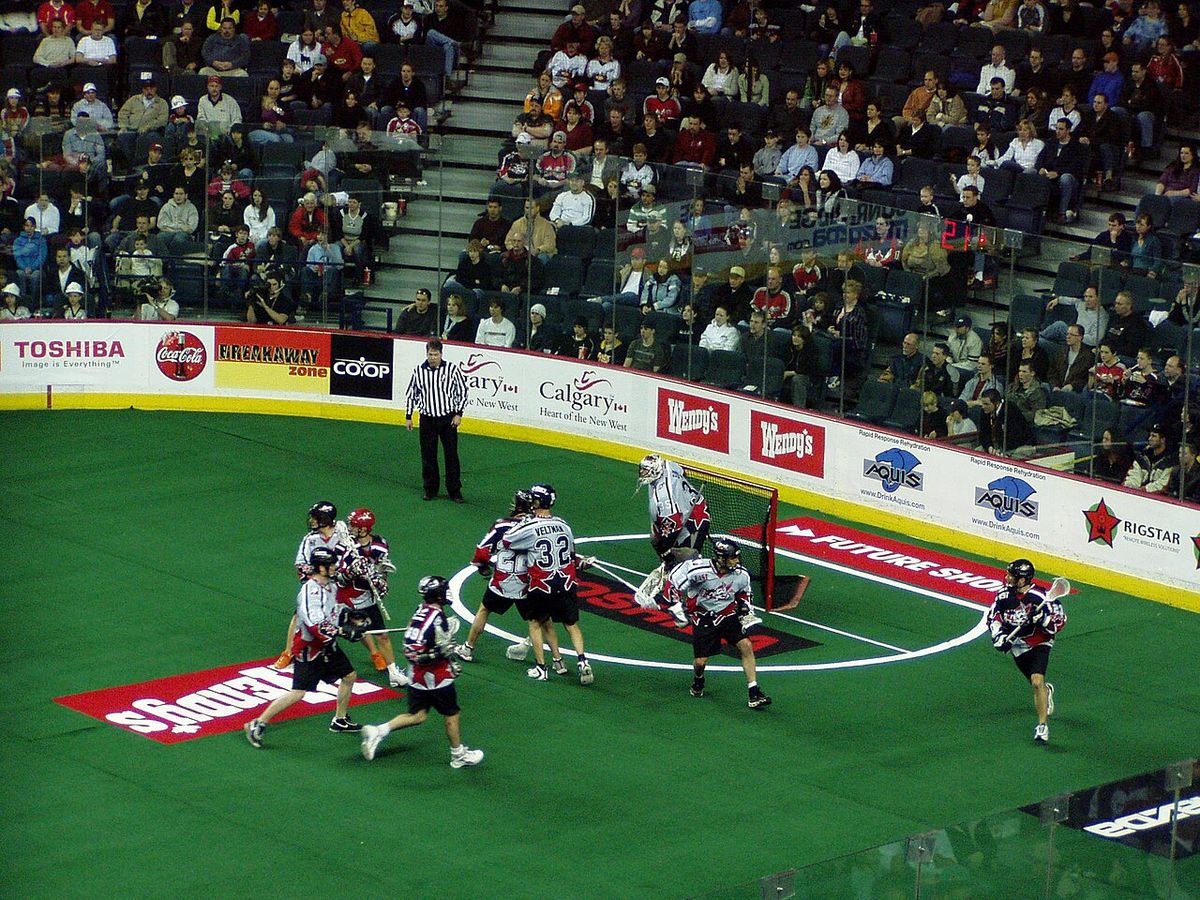
Beyond the Maple Leafs, Maple Leaf Gardens hosted a wide array of other professional sports teams and landmark events. The Toronto Huskies of the Basketball Association of America played their single season there in 1946-47. The World Hockey Association's Toronto Toros occupied the building for two seasons from 1974 to 1976. The Toronto Blizzard of the North American Soccer League played indoor seasons there from 1980 to 1982, and the Toronto Rock of the National Lacrosse League played there in 1999 to 2000. The NBA's Buffalo Braves played 16 regular season games at the Gardens between 1971 and 1975, and the Toronto Raptors played six games there from 1997 to 1999 when their primary venue was unavailable.
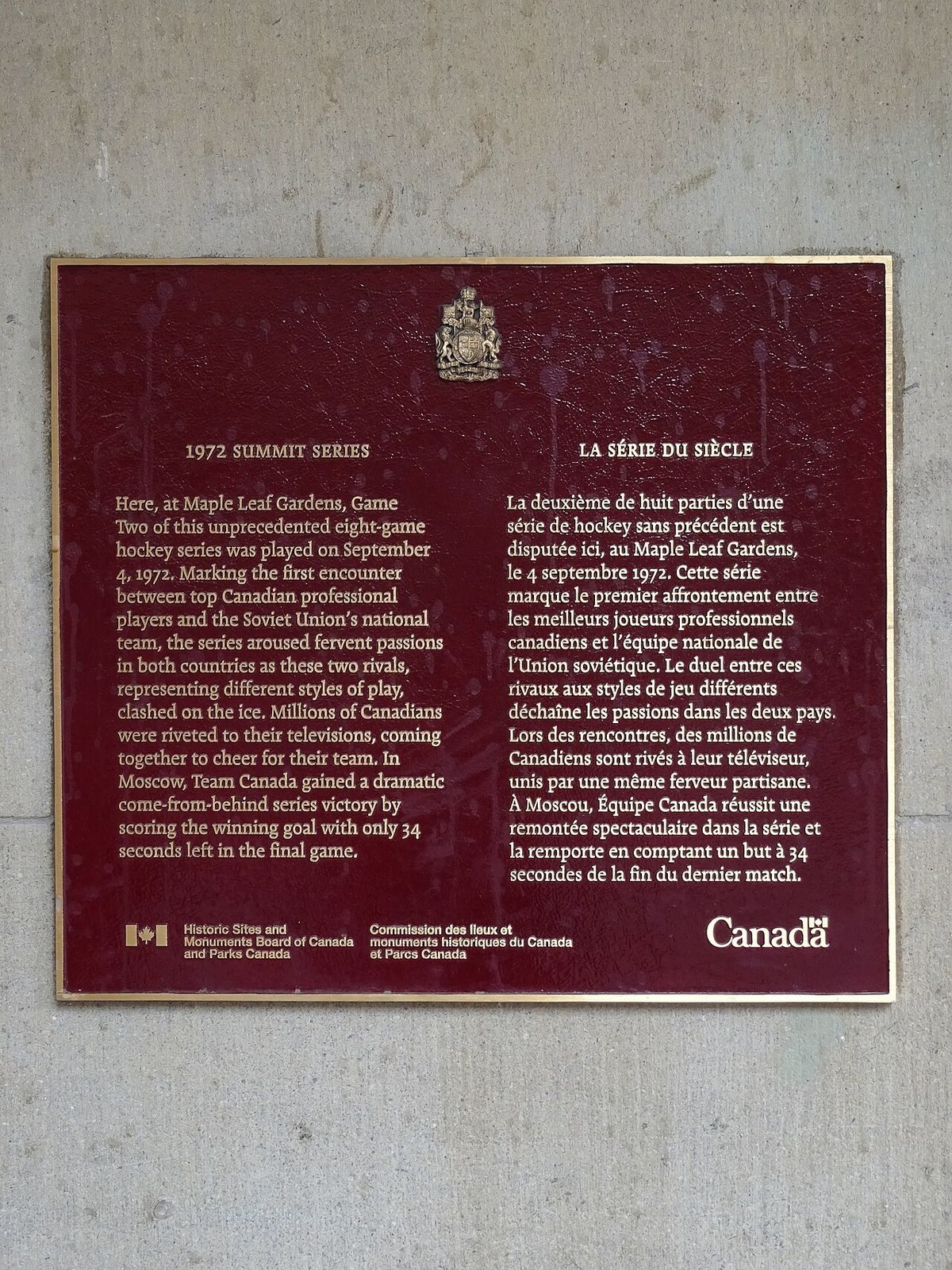
The arena was also the site of major international sporting events, most notably Game 2 of the 1972 Summit Series between Team Canada and the USSR, which Canada won 4-1. It hosted professional wrestling for decades under promoter Frank Tunney, with the last WWE event held on September 17, 1995. The building also welcomed significant cultural and political figures, including Winston Churchill, who gave a speech there in March 1932, and evangelist Billy Graham during his 1955 "Canadian Crusade." The Metropolitan Opera staged productions there between 1952 and 1960, adding to its diverse programming.
Sexual abuse scandal
In the late 1990s, a dark chapter in the building's history came to light with allegations that employees of Maple Leaf Gardens had sexually abused young boys in the 1970s and 1980s. The scandal became public in February 1997 when victim Martin Kruze came forward with his story of abuse beginning in 1975, prompting dozens of other victims to do the same. In October 1997, former equipment manager Gordon Stuckless pleaded guilty to sexually abusing 24 boys and was initially sentenced to two years less a day. His sentence was later increased to five years on appeal, and he was paroled in 2001. Three days after Stuckless's initial sentencing, Martin Kruze died by suicide.
In 1999, former usher John Paul Roby was convicted of molesting 26 boys and one girl and was declared a dangerous offender. He died in prison in 2001. Another former employee, security guard Dennis Morin, was found guilty in 2002 of sexual offences against teenage boys. Several civil lawsuits were settled out of court, and in 2006 the Ontario government filed a $1.5 million lawsuit against Maple Leaf Sports & Entertainment to recover medical costs for treating victims. Stuckless died on April 9, 2020, after suffering a brain hemorrhage, bringing a tragic closure to a painful period associated with the venue.
Closure, redevelopment, and current use
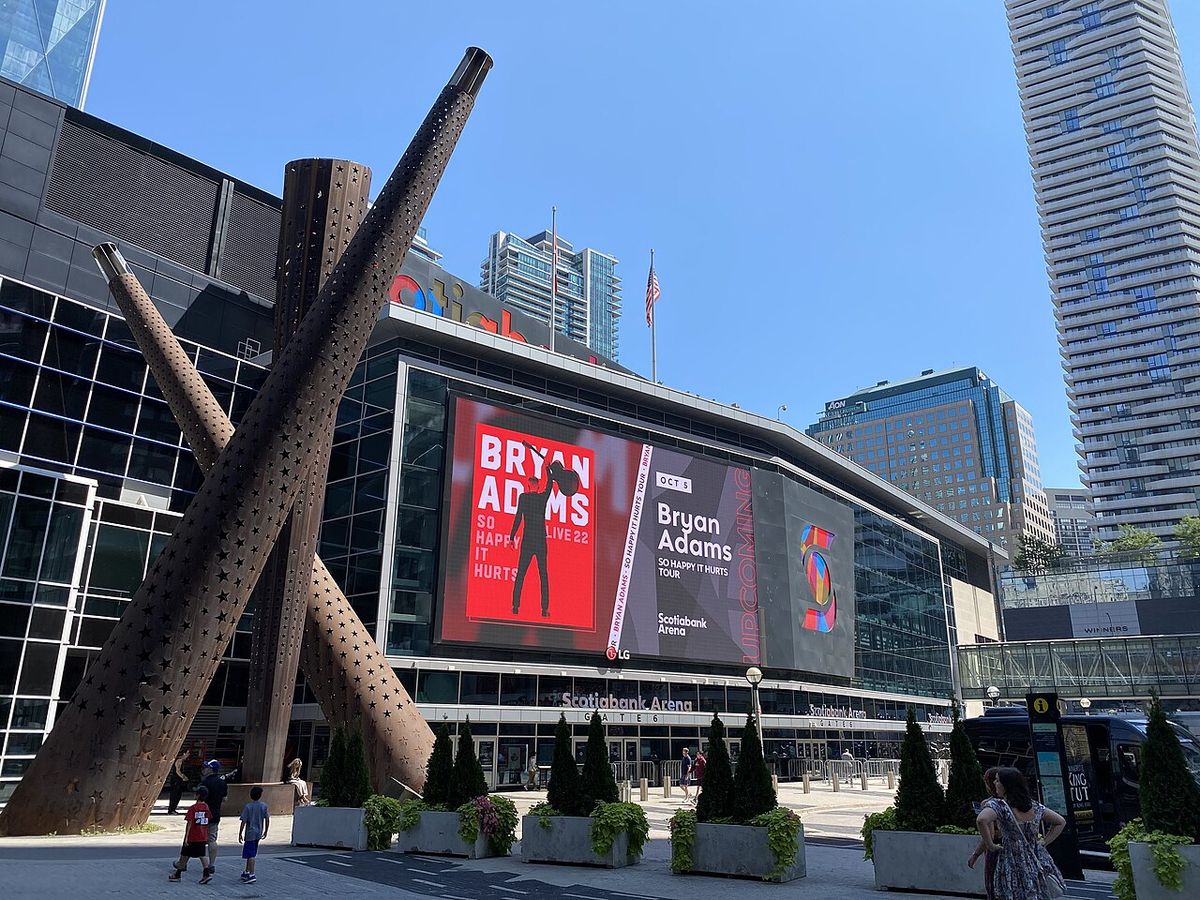
Following Harold Ballard's death in April 1990, control of the Gardens passed to the executors of his will, including Steve Stavro. After the Maple Leafs and the Toronto Raptors moved to the new Air Canada Centre (now Scotiabank Arena) in 1999, Maple Leaf Gardens sat largely vacant for nearly a decade as its owners, fearing competition with the new arena, refused to sell it. This period of stagnation ended in 2009 when the building was finally sold and underwent a massive internal reconstruction. The redevelopment transformed the historic arena into a multi-purpose facility while preserving its external heritage facade.
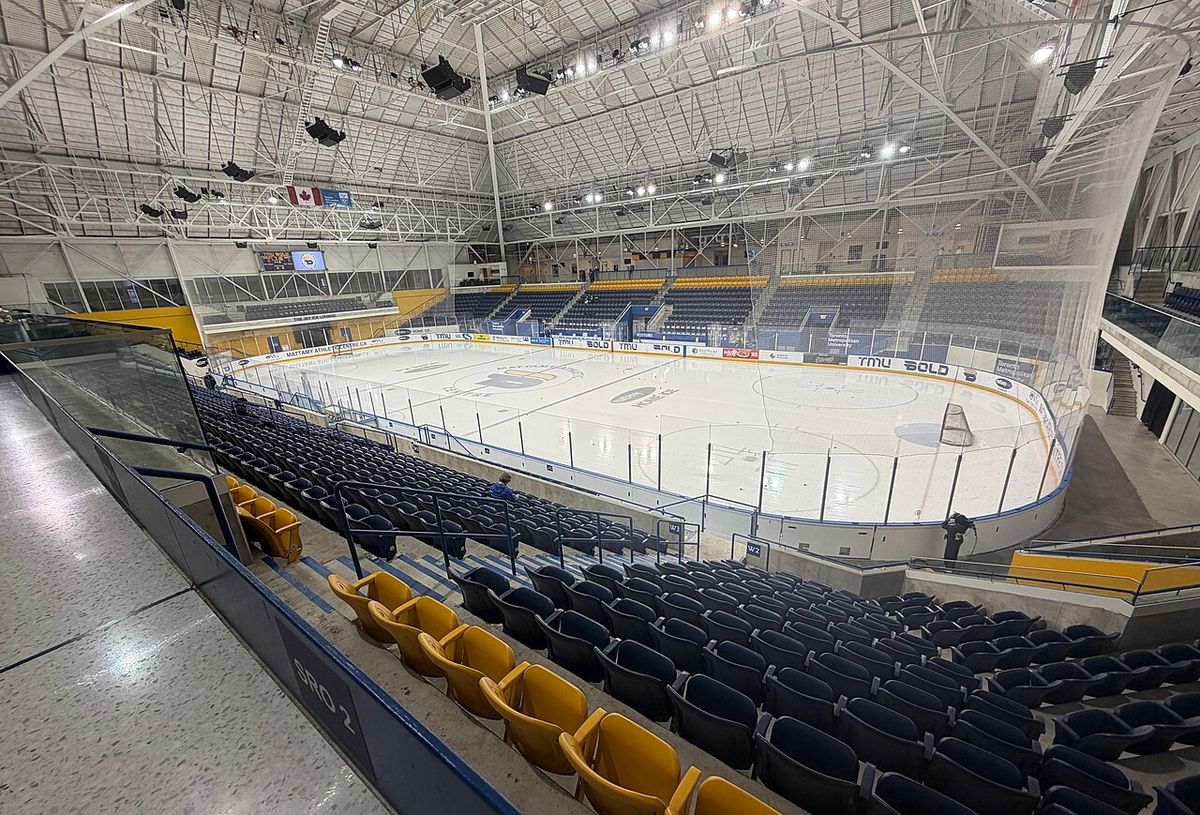
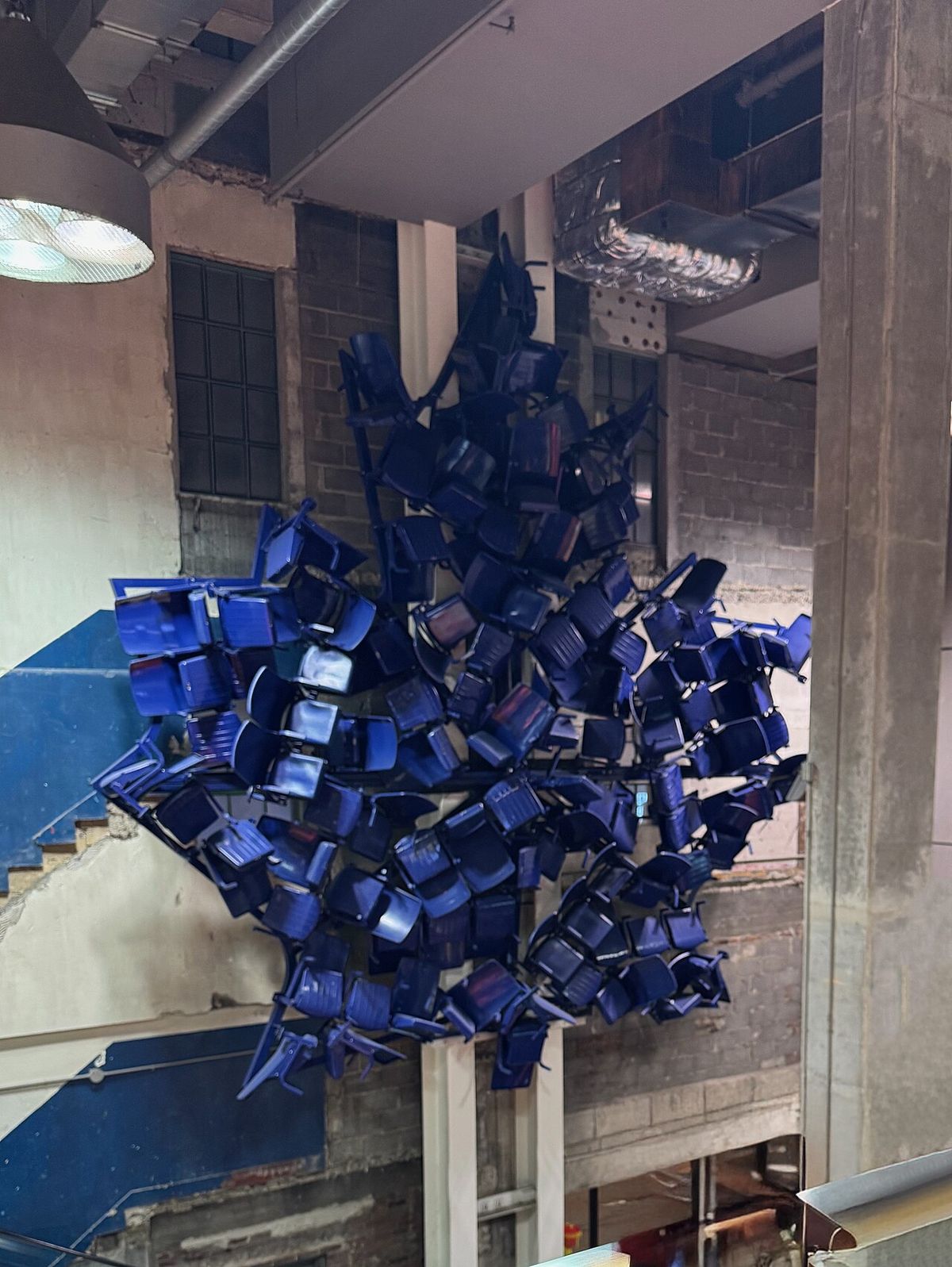
The lower floors were converted into a Loblaws supermarket, providing retail space. The original arena bowl was preserved at the top level, refurbished, and repurposed as the Mattamy Athletic Centre. This is the home arena for Toronto Metropolitan University's varsity sports teams and community events. This adaptive reuse project ensured the continued life of one of Canada's most famous sporting landmarks. The building underwent a major internal reconstruction in 2009 to become this multi-purpose facility.
Tenancy and event history
The following table outlines the primary professional sports tenants of Maple Leaf Gardens and the duration of their tenancies. This list demonstrates the building's versatility and central role in Toronto's sporting culture across multiple leagues and decades. It hosted teams from hockey, basketball, soccer, and lacrosse. The arena was home to the Toronto Maple Leafs of the National Hockey League from 1931 to 1999.
| Team | League | Years at Gardens |
|---|---|---|
| Toronto Maple Leafs | National Hockey League (NHL) | 1931 to 1999 |
| Toronto Huskies | Basketball Association of America (BAA) | 1946 to 1947 |
| Toronto Marlboros | Ontario Hockey League (OHL) | Various periods |
| Toronto Toros | World Hockey Association (WHA) | 1974 to 1976 |
| Toronto Blizzard (indoor) | North American Soccer League (NASL) | 1980 to 1982 |
| Toronto Rock | National Lacrosse League (NLL) | 1999 to 2000 |
Questions about Maple Leaf Gardens
When did Maple Leaf Gardens open and close?
Maple Leaf Gardens opened on November 12, 1931, with a hockey game between the Toronto Maple Leafs and the Chicago Black Hawks. It served as the primary home of the Maple Leafs until 1999, when the team moved to the Air Canada Centre. The building itself was not demolished. It was redeveloped and reopened in 2009 as a mixed-use facility containing a Loblaws supermarket and the Mattamy Athletic Centre.
What famous musicians performed at Maple Leaf Gardens?
Maple Leaf Gardens hosted countless legendary music acts. Elvis Presley performed his first concerts outside the United States there on April 2, 1957. The Beatles played the venue during all three of their North American tours in 1964, 1965, and 1966. Other major performers included Bob Dylan, The Who, ABBA (for their final North American show in 1979), Bob Marley, The Bee Gees, Rush, Bruce Springsteen, and Pearl Jam, making it a central hub for concert promotion in Canada for decades.
What other sports teams played at Maple Leaf Gardens?
Beyond the Maple Leafs, the arena was home to several other professional teams. These included the Toronto Huskies of the Basketball Association of America in 1946-47. It was also home to the Toronto Toros of the World Hockey Association from 1974 to 1976 and the Toronto Rock of the National Lacrosse League in 1999 to 2000. Other tenants included the Toronto Marlboros, the Toronto Blizzard, and the Toronto Shooting Stars.
What is Maple Leaf Gardens used for today?
Today, Maple Leaf Gardens has been adaptively reused as a multi-purpose facility. After a major redevelopment completed in 2009, the lower floors house a Loblaws supermarket. The historic arena bowl on the top level was preserved and converted into the Mattamy Athletic Centre. This serves as the home for Toronto Metropolitan University's varsity sports teams and hosts community athletic events.
What was the sexual abuse scandal associated with Maple Leaf Gardens?
In the late 1990s, allegations emerged that employees of Maple Leaf Gardens had sexually abused young boys in the 1970s and 1980s. The first victim to come forward publicly was Martin Kruze in 1997. Several convictions followed, including those of Gordon Stuckless and John Paul Roby. The scandal led to civil settlements and a lawsuit by the Ontario government to recover medical costs for victims, casting a long shadow over the building's history.
How many Stanley Cups did the Maple Leafs win at Maple Leaf Gardens?
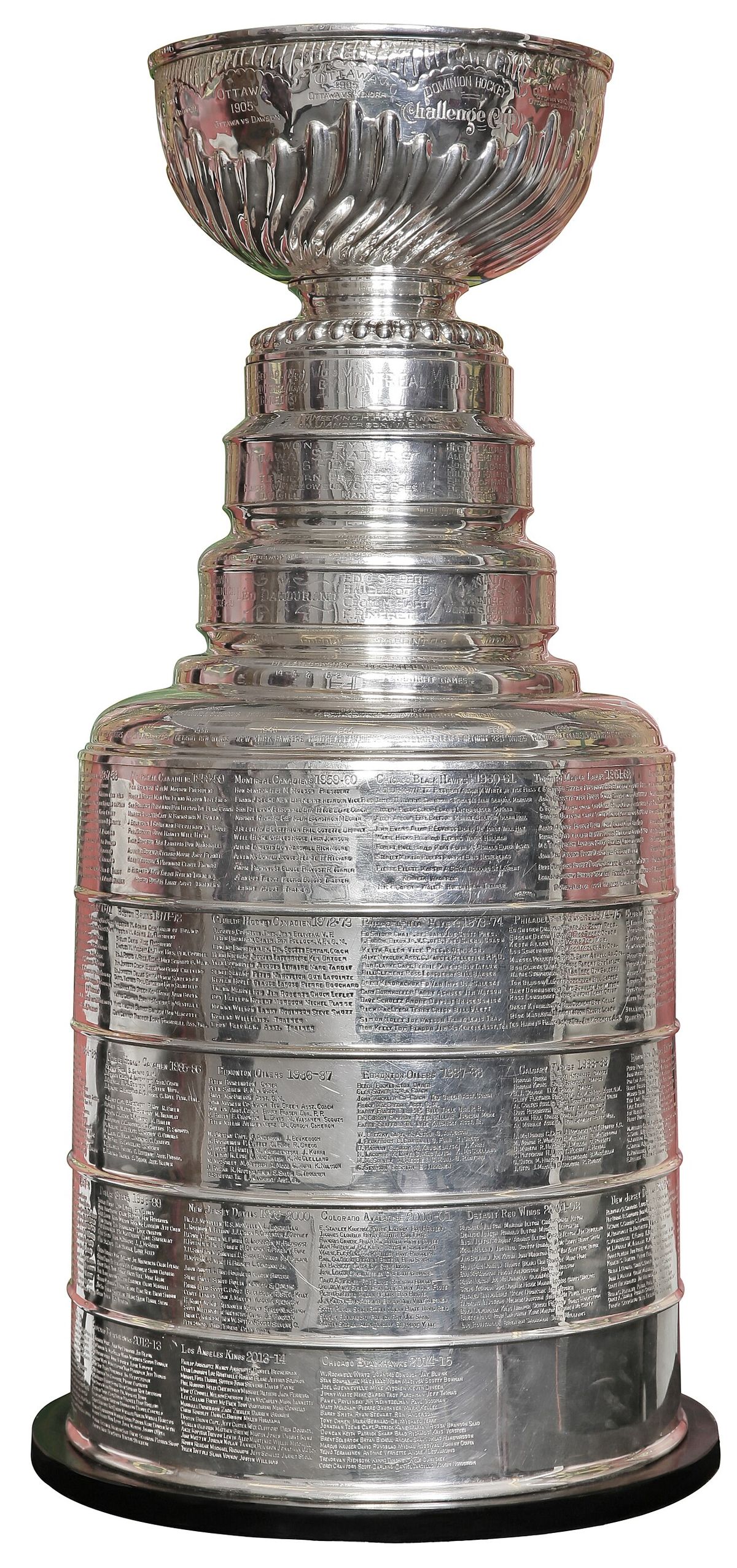
The Toronto Maple Leafs won 11 Stanley Cup championships while playing their home games at Maple Leaf Gardens. These victories occurred from 1932 to 1967. This period represented the franchise's most successful era, with all 11 championships earned during their tenure at the Carlton Street location. The building, considered one of hockey's cathedrals, was the Leafs' home from 1931 to 1999.
Sources and further reading
- Maple Leaf Gardens (Wikipedia)
- Teams (mlse.com)
- history of maple leaf gardens (mattamyathleticcentre.ca)
- Toronto Maple Leafs History (nhl.com)
Checked by the Garbutt Disposal desk. Last updated 2026-10-23.