National Lacrosse League
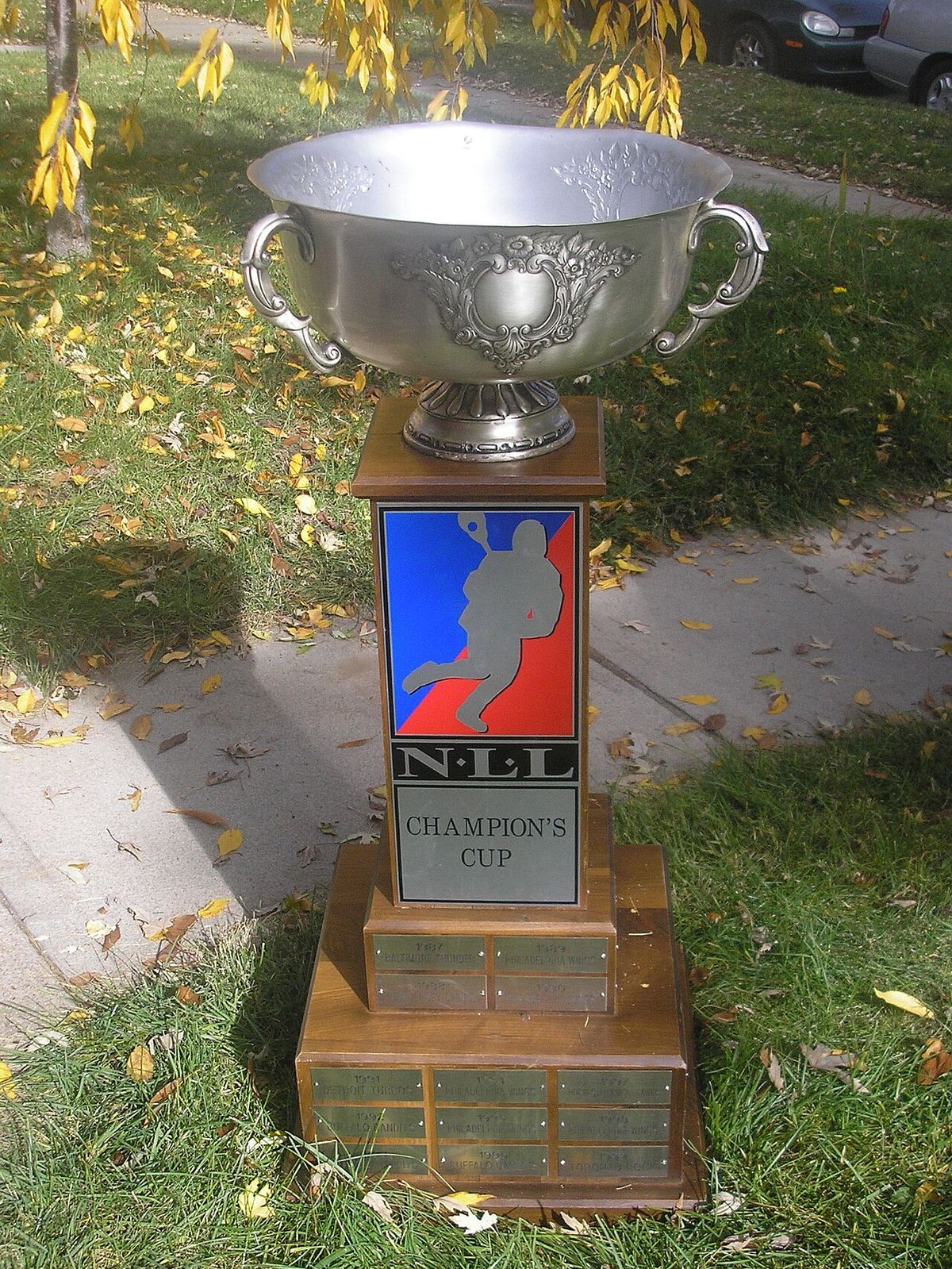
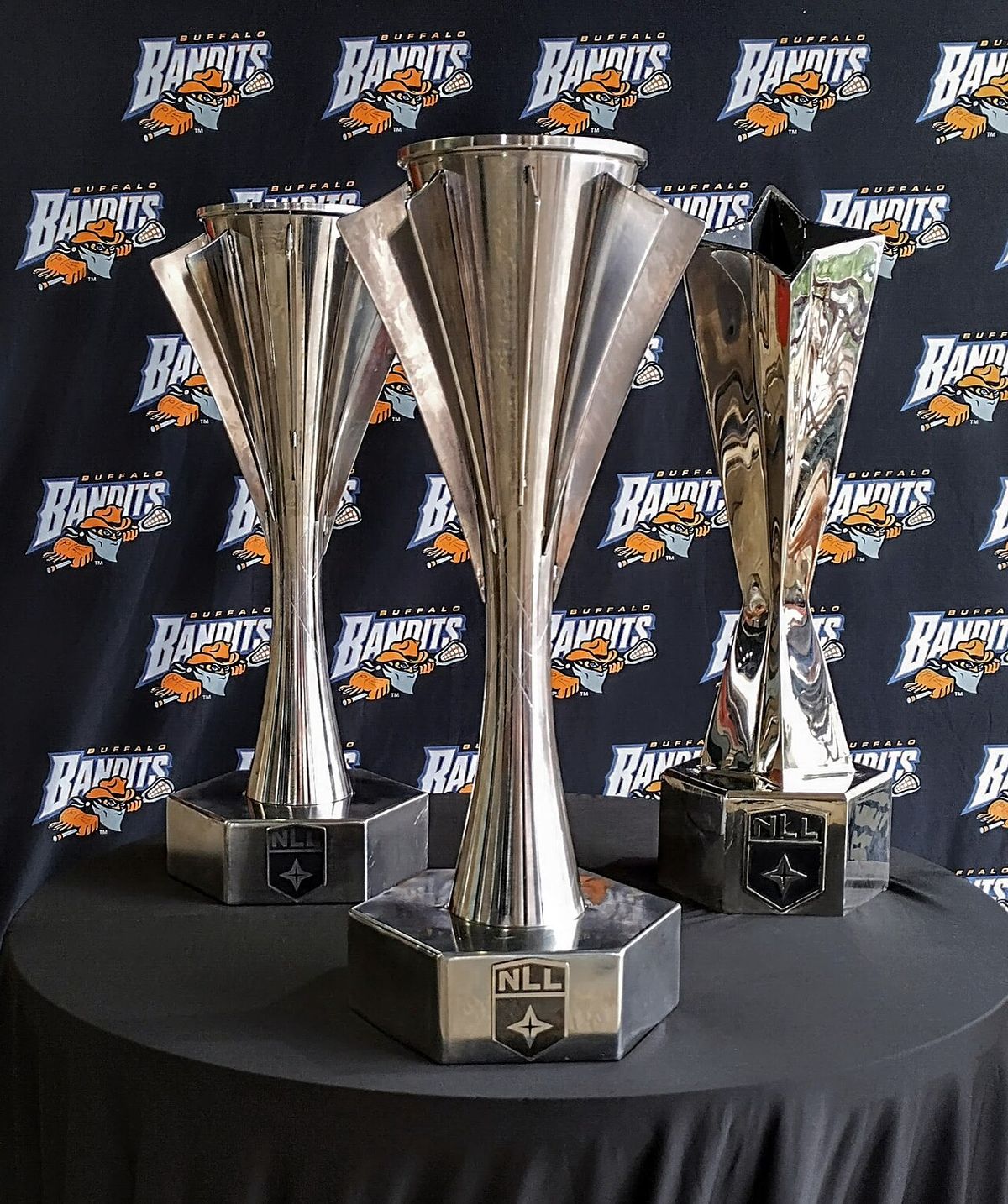
The National Lacrosse League (NLL) is a professional box lacrosse league in North America, featuring a mix of teams from Canada and the United States. Headquartered in Philadelphia, Pennsylvania, the league operates a winter-spring season from December to June, culminating in the awarding of the National Lacrosse League Cup. It has historically ranked among the top professional indoor sports leagues worldwide in average attendance. The NLL is a significant cultural and sporting institution in Canada, where the majority of its players originate and where the sport of lacrosse holds deep historical roots.
League Structure and Gameplay
The National Lacrosse League operates under a unified structure where all teams compete in a single division, a format adopted for the 2024 season. Each team plays an 18-game regular season schedule, consisting of nine home and nine away games, typically held on weekends from December through April. The league utilizes a 30-second shot clock, which starts when a team gains possession and resets if a shot hits the goal and the offense retrieves the rebound. Games are divided into four 15-minute quarters with a 15-minute halftime, and tied games are decided by sudden-death overtime periods.
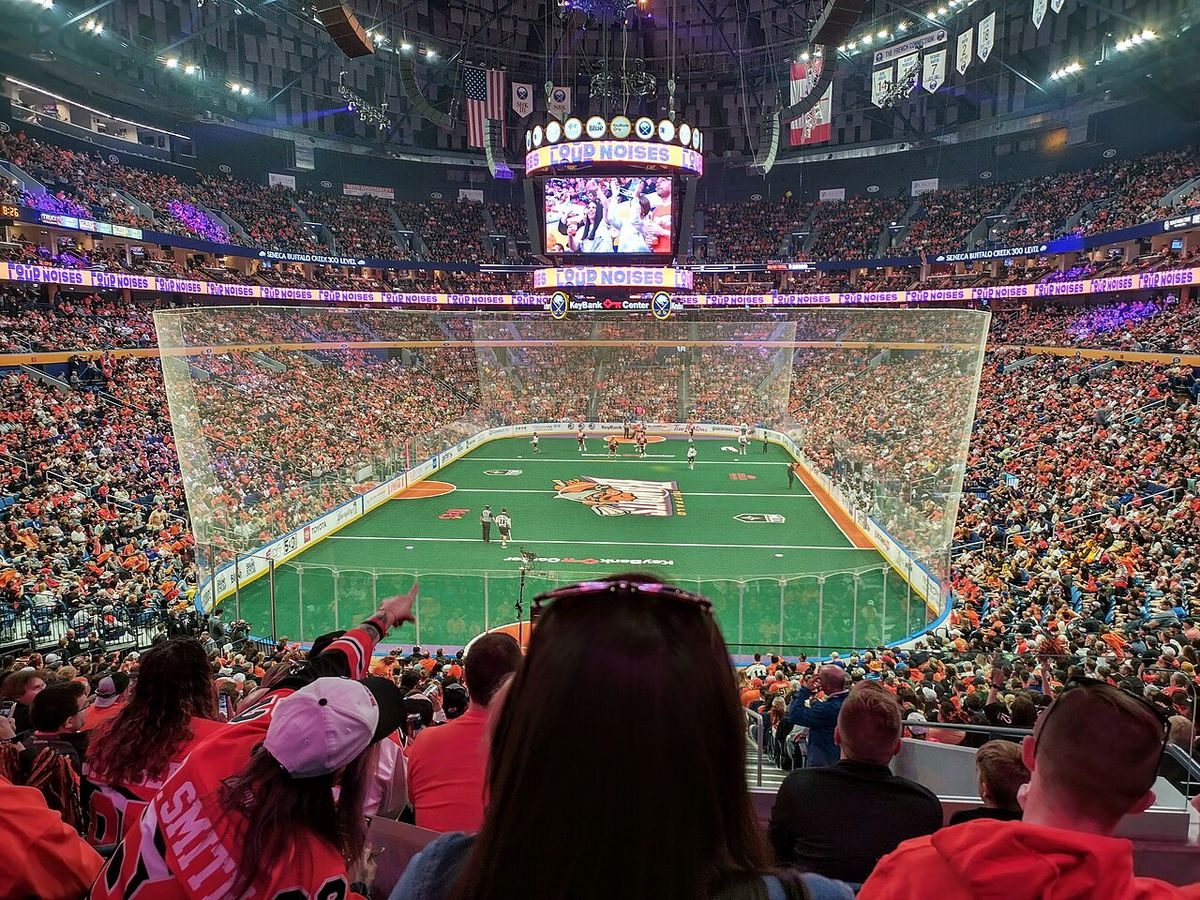
Play is conducted on a standard ice hockey rink covered with artificial turf, with six players per side on the floor at any time: five runners and one goaltender. Teams dress 19 players per game, including two goaltenders, and employ constant line shifts similar to ice hockey. Face-offs occur at centre floor to start each quarter and after every goal. The goals are 4 feet 9 inches wide and 4 feet tall, and major penalties, including fighting, result in five-minute penalties without automatic ejection. The league's playoff format, as of 2024, includes the top eight teams from the standings, with a single-elimination first round followed by best-of-three series for the conference finals and championship.
Each team is permitted one 45-second timeout per half, adding a strategic element to game management. The shot clock rule ensures a fast pace, requiring a shot on goal within 30 seconds of gaining possession or the offense forfeits the ball. The physical nature of the sport is regulated with a penalty system. For example, a fighting major is a five-minute penalty but does not cause an automatic ejection, allowing players to return after serving their time. This combination of continuous action, timed possessions, and physical play defines the unique character of professional box lacrosse as governed by the NLL.
Origins and Early Years as the Eagle Pro Box Lacrosse League
The modern era of major professional box lacrosse began with the formation of the Eagle Pro Box Lacrosse League (EPBLL) on March 13, 1986, founded by Russ Cline and Chris Fritz. The league's name was inspired by the eagle, a tutelary spirit in Iroquois culture, following a meeting with Indigenous leaders. A precursor to the league was the 1985 USA/Canada Superseries, an eight-game event held at the Spectrum in Philadelphia. Darrell Russell was appointed as the league's first commissioner. The EPBLL launched its inaugural 1987 season with four teams: the Philadelphia Wings, New Jersey Saints, Baltimore Thunder, and Washington Wave.
The first games were played on January 10, 1987, with Philadelphia defeating New Jersey 11-8 and Baltimore playing Washington. The initial season featured a six-game regular season followed by a single-elimination playoff tournament involving all four teams. The Baltimore Thunder, coached by Bob Griebe, won the first championship by defeating the Washington Wave 11-10. Total attendance for the first season was 124,536 fans. The league's second season in 1988 expanded to an eight-game schedule and introduced a three-team playoff where the regular season winner received a bye to the final. The New Jersey Saints won the championship, defeating the Washington Wave 17-16 before 8,125 fans at the Capital Centre.
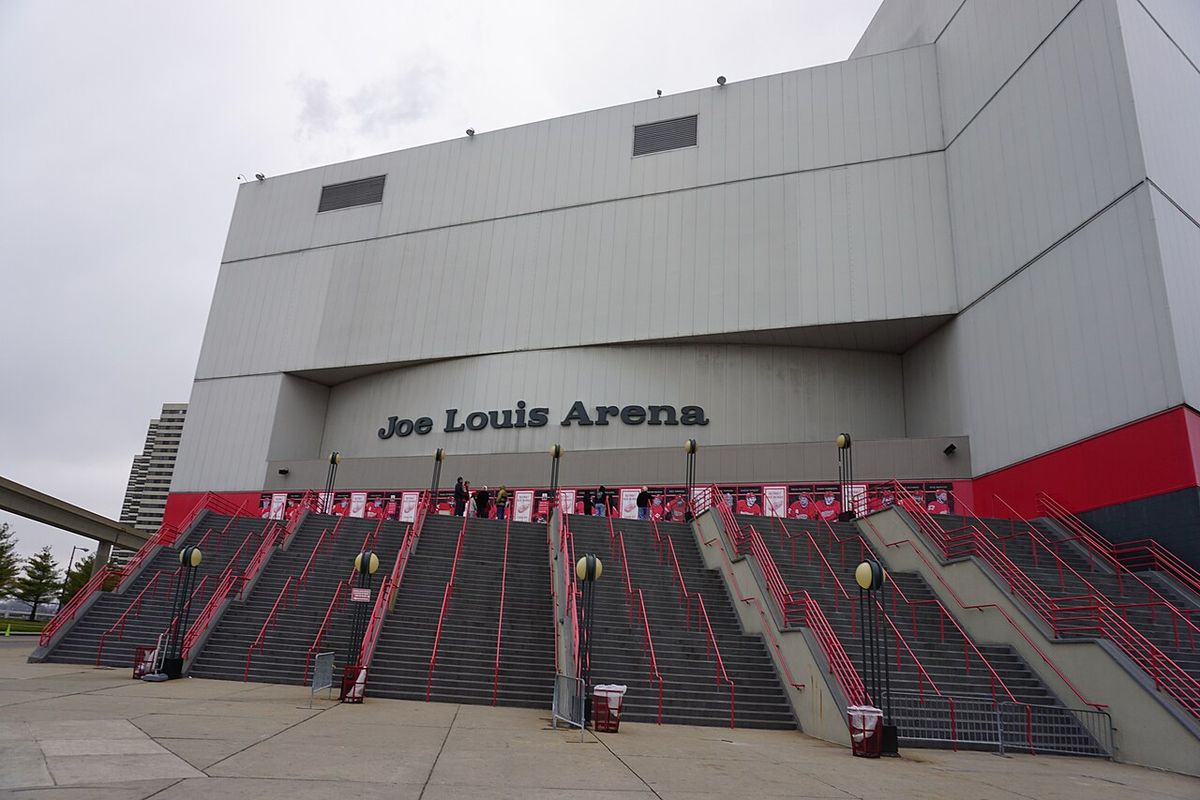
After the 1988 season, the league announced the New Jersey Saints would relocate to the Nassau Coliseum on Long Island and be renamed the New York Saints for the 1989 season. Concurrently, the league itself changed its name to the Major Indoor Lacrosse League (MILL), as the spiritual meaning of 'Eagle' was considered too cryptic for the general public. The MILL also announced expansion teams for Detroit and Boston to begin play in 1989, setting the stage for the next phase of growth. The Detroit team was named the Turbos and played at Joe Louis Arena, while the Boston entry was called the New England Blazers and played at the Worcester Centrum.
Transition to the Major Indoor Lacrosse League
Following the 1988 season, the league rebranded as the Major Indoor Lacrosse League (MILL), adopting a more conventional name. The champion Saints relocated to become the New York Saints, and the MILL awarded expansion franchises to Detroit and Boston for the 1989 season. The Detroit Turbos played at Joe Louis Arena, and the New England Blazers were based at the Worcester Centrum. The 1989 season featured a six-team league playing an eight-game schedule. The season opener drew 12,171 fans in Detroit to watch the Turbos defeat Washington. Average regular season attendance rose to 9,614 per game. The Philadelphia Wings won the championship, defeating the New York Saints 11-10 before a record postseason crowd of 16,042 at the Spectrum.
The league continued to evolve, with the Pittsburgh Bulls replacing the folded Washington Wave for the 1990 season. The 1990 season saw the first sellout in league history, with 17,177 fans at the Spectrum, and the Philadelphia Wings won their second consecutive title. A significant moment came in 1991 with the professional debut of twin brothers Paul and Gary Gait for the Detroit Turbos. The Gaits, who had won three NCAA championships at Syracuse University, immediately set offensive records. Paul Gait scored a record 47 goals, while Gary Gait set records with 36 assists and 68 points. The Turbos, led by the Gaits, won the 1991 championship. The league also held its first All-Star Game that year, with the National Division defeating the American Division 25-20 in Philadelphia.
- 1989: League rebrands as MILL. Expands to Detroit and Boston. Philadelphia Wings win championship.
- 1990: Philadelphia Wings become first team to win back-to-back titles, defeating New England 17-7.
- 1991: Paul and Gary Gait join Detroit Turbos, setting scoring records. Detroit wins championship. First All-Star Game held.
- 1992: Buffalo Bandits join as expansion team and win championship in their first season, defeating Philadelphia 11-10 in overtime.
- 1993: Buffalo Bandits win second consecutive title with a 13-12 comeback over Philadelphia, extending an 18-game winning streak.
- 1994: Philadelphia Wings win their third title, denying Buffalo a three-peat with a 26-15 victory. First live ESPN broadcast of a championship game.
- 1995: Rochester Knighthawks join as expansion team. Philadelphia Wings win their fourth championship, defeating Rochester 15-14 in overtime.
- 1996: Charlotte Cobras join and fold after one winless season. Buffalo Bandits win their third title, defeating Philadelphia 15-10.
- 1997: Rochester Knighthawks win their first MILL championship before a crowd of 18,055 in Buffalo, defeating the Bandits 15-12.
The 1992 season saw the league revert to an eight-game schedule and welcome the expansion Buffalo Bandits, who sold out their first two home games at Memorial Auditorium. The Bandits made history by winning the championship in their inaugural season, defeating the Philadelphia Wings 11-10 in overtime. In 1993, the Bandits won a second straight title, completing a comeback victory over Philadelphia and maintaining an 18-game winning streak, the longest in professional sports at that time. That same year, the league and its Players Association agreed to a three-year contract, and a six-year broadcast deal was signed with ESPN. The Pittsburgh Bulls folded after the 1993 season, having never qualified for the playoffs.
Rebranding and Growth as the National Lacrosse League
In 1997, the league underwent another significant transformation, changing its name to the National Lacrosse League (NLL) and expanding its regular season schedule from 10 to 12 games. John Livsey Jr. was appointed as the first Commissioner of the newly named NLL. The league expanded with two new teams: the Syracuse Smash and the Ontario Raiders, based in Hamilton, Ontario, while the Boston Blazers folded. The 1998 season featured a six-team schedule and introduced a best-of-three format for the championship series. The Philadelphia Wings won their fifth title, sweeping the Baltimore Thunder. Major trades saw stars Paul Gait move to Syracuse and Gary Gait to Baltimore.
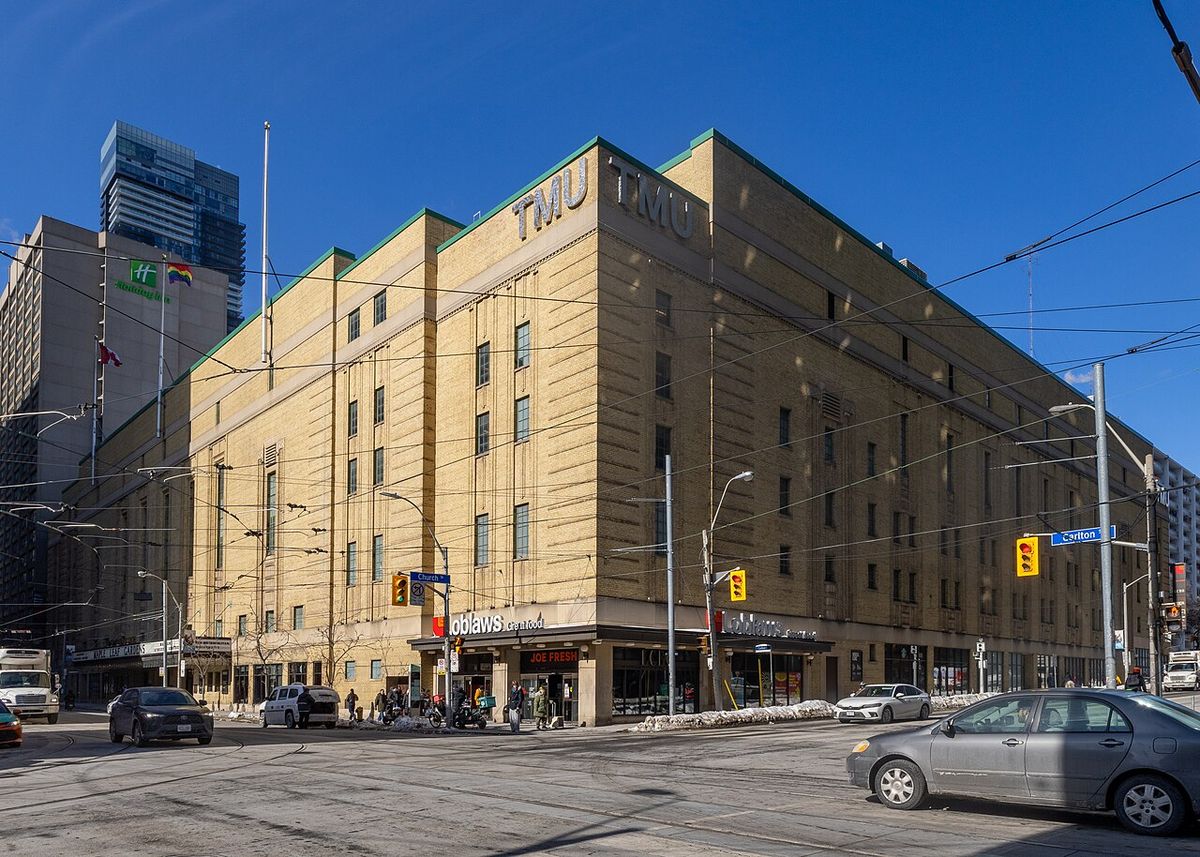
The 1999 season was marked by the relocation of the Ontario Raiders to Toronto, where they were renamed the Toronto Rock. The Rock finished the season with a perfect home record and won the championship in their first year in Toronto, defeating the Rochester Knighthawks 13-10 at Maple Leaf Gardens. The game was televised on CTV SportsNet in Canada and ESPN2 in the United States. After the season, the charter Baltimore Thunder franchise moved to Pittsburgh to become the Pittsburgh CrosseFire, and the Albany Attack joined as an expansion team, bringing the league to eight teams for the 2000 season.
The 2000 season saw a new league attendance record of 18,911 fans for a regular season game between Philadelphia and Pittsburgh. The Toronto Rock won their second consecutive championship in dramatic fashion, with Kaleb Toth scoring the winning goal with 1.1 seconds left to defeat Rochester 14-13 in the final sporting event at Maple Leaf Gardens. Post-season changes included the establishment of the Columbus Landsharks, the relocation of the Syracuse Smash to Ottawa as the Ottawa Rebel, and the move of the Pittsburgh CrosseFire to Washington, D.C., as the Washington Power. Jim Jennings was named the new Commissioner, and league headquarters were moved from Buffalo to Lyndhurst, New Jersey.
Expansion and National Profile in the Early 2000s
The new millennium saw rapid expansion and rising attendance for the NLL. In 2000, a regular season game between Philadelphia and Pittsburgh set a new league attendance record of 18,911 fans. The Toronto Rock won their second consecutive championship in dramatic fashion, with Kaleb Toth scoring the winning goal with 1.1 seconds left to defeat Rochester 14-13 in the final sporting event at Maple Leaf Gardens. After the season, the league expanded further with the Columbus Landsharks, while the Syracuse Smash relocated to Ottawa to become the Ottawa Rebel and the Pittsburgh CrosseFire moved to Washington, D.C., as the Washington Power. Jim Jennings was named the new Commissioner, and league headquarters were moved from Buffalo to Lyndhurst, New Jersey.
The 2001 season culminated in the largest crowd in league history, with 19,409 fans at the Air Canada Centre watching the Philadelphia Wings defeat the Toronto Rock 9-8 to claim their sixth championship. Philadelphia goaltender Dallas Eliuk was named Most Valuable Player of the championship game. Following this season, the league announced its most significant expansion, adding four new franchises for the 2002 season: the Montreal Express, New Jersey Storm, Calgary Roughnecks, and Vancouver Ravens. This expansion brought the total number of teams to thirteen, more than triple the number from the league's inaugural 1987 season, and necessitated the creation of Eastern, Central, and Northern divisions.
| Season | Key Development | Champion |
|---|---|---|
| 1998 | League renamed NLL. Best-of-three final introduced | Philadelphia Wings |
| 1999 | Ontario Raiders move to Toronto, become Toronto Rock | Toronto Rock |
| 2000 | Attendance record set (18,911). Final game at Maple Leaf Gardens | Toronto Rock |
| 2001 | Largest crowd in history (19,409) at Air Canada Centre | Philadelphia Wings |
| 2002 | League expands to 13 teams with four new franchises | Albany Attack (runner-up) |
The 2002 season began with thirteen teams operating under a new three-division format. The Vancouver Ravens made an immediate impact, drawing a crowd of 13,772 for their inaugural home game at General Motors Place, which was the largest attendance for an expansion team's first home game in league history. The Ravens defeated the Toronto Rock 13-12 in that contest. The Albany Attack hosted the Toronto Rock in the 2002 championship final. This period of aggressive growth demonstrated the league's ambition to establish a coast-to-coast presence in major North American markets.
Teams and Geographic Footprint
As of the 2024 season, the National Lacrosse League comprises 12 teams, evenly split with six based in Canada and six in the United States. The league operates without conferences or divisions, with each team playing every other team at least once during the regular season. The Canadian teams are a central part of the league, representing major markets and regions with strong lacrosse traditions. Historically, franchise movement has been a feature of the league's growth, with several teams relocating to find sustainable markets, such as the Ontario Raiders becoming the Toronto Rock and the Baltimore Thunder moving to Pittsburgh and later Washington.
The league's expansion into Canadian cities like Calgary, Vancouver, and Montreal in the early 2000s solidified its national presence. The Vancouver Ravens' inaugural home game in 2002 drew 13,772 fans, the largest crowd for an expansion team's first home game at that time. Despite the number of American-based teams, the player demographic remains overwhelmingly Canadian, with approximately 83 percent of players coming from Canada, about 10 percent being Haudenosaunee (Iroquois), and less than 7 percent American. Many NLL players maintain full-time careers outside of lacrosse, such as former Buffalo Bandits star John Tavares, who worked as a high school teacher in Mississauga, Ontario.
The history of team stability and movement reflects the league's business strategy. The Pittsburgh Bulls folded in 1993 after four seasons without a playoff appearance, while the Charlotte Cobras lasted only one winless season in 1996. The Boston Blazers folded in 1997 after nine seasons, making way for new franchises in Syracuse and Hamilton. The relocation of the New Jersey Saints to New York in 1989, the Baltimore Thunder to Pittsburgh in 1999, and the Syracuse Smash to Ottawa in 2000 were all attempts to cultivate stronger fan bases in different markets. This ongoing process of evaluation and relocation has shaped the league's geographical footprint leading to the current 12-team structure.
Media Coverage and Business Operations
The National Lacrosse League has secured television partnerships that have been crucial to its growth and visibility. In 1993, the league signed a six-year agreement with ESPN, which began airing games on ESPN and ESPN2. The 1994 championship game was the first NLL game broadcast live on ESPN. Canadian television coverage has included broadcasts on CTV SportsNet, which aired the 1999 championship game. These partnerships helped expose the sport to a wider audience across North America. The league has also prioritized labour stability, announcing a three-year collective bargaining agreement with its Players Association in 1993.
Attendance has been a consistent strength for the NLL. The league once ranked third globally in average attendance for professional indoor sports, behind only the NHL and NBA. Since 2004, average annual attendance has ranged between 8,900 and 10,700 spectators per game. The business model has involved strategic expansion and relocation to cultivate markets with strong fan support, while maintaining a schedule that avoids direct competition with summer box lacrosse leagues.
Specific attendance milestones illustrate the league's growth. The first season in 1987 drew a total of 124,536 fans. By 1989, average attendance had climbed to 9,614 per game for the regular season. The 1990 season saw total attendance for 26 games reach 287,585, raising the average to 11,060 per game. The 1991 season maintained strong numbers with a total attendance of 287,654. Record-breaking crowds became more frequent, such as the 17,177 sellout at the Spectrum in 1990, the 18,595 opening night crowd in Buffalo in 1997, and the 19,409 championship crowd in Toronto in 2001. The league's ability to draw large crowds in both Canadian and American venues has been a key metric of its commercial viability.
Player Demographics and Cultural Impact
The National Lacrosse League has a distinct player composition that reflects the sport's roots. Approximately 83 percent of NLL players are Canadian, highlighting the country's central role in developing box lacrosse talent. About 10 percent of players are Haudenosaunee, representing First Nations and Native American communities from both Canada and the United States, which is fitting given lacrosse's origins as an Indigenous game. Less than 7 percent of players are American, despite half the teams being based in the United States. This demographic shows the league's deep connection to Canadian and Indigenous sporting culture.
Many players balance their professional lacrosse careers with other full-time employment, as the league's winter-spring schedule allows for this arrangement. A notable example is John Tavares of the Buffalo Bandits, who worked as a high school teacher in Mississauga, Ontario, throughout his playing career. The entry of star players like Paul and Gary Gait in 1991 brought increased attention and set new performance standards. The Gaits, three-time NCAA champions at Syracuse University, immediately broke scoring records with the Detroit Turbos and raised the league's profile. Their success demonstrated the high calibre of athlete the NLL could attract, blending elite collegiate talent with experienced indoor players.
The league's relationship with Indigenous communities is part of its foundational identity, evidenced by the original Eagle Pro Box Lacrosse League name chosen after consultation with Iroquois leaders. The presence of Haudenosaunee players at the professional level honours the sport's heritage. The league's decision to play a winter schedule differentiates it from traditional summer box lacrosse, allowing it to occupy a unique niche. This scheduling, combined with its cross-border structure, has made the NLL a premier destination for the best box lacrosse players in the world, fostering a high level of competition that appeals to fans in both nations.
Questions about National Lacrosse League
How many teams are in the National Lacrosse League?
As of the 2024 season, the National Lacrosse League has 12 teams. The league features an equal split, with six teams based in Canada and six teams based in the United States. All teams compete in a single division, playing an 18-game regular season schedule. This unified structure replaced the previous conference format to ensure every team plays each other at least once.
When does the NLL season start and end?
The NLL regular season typically begins in December and concludes in April. The playoffs then extend the season into June, when the National Lacrosse League Cup is awarded. This winter-spring schedule distinguishes the NLL from other box lacrosse leagues, which traditionally operate in the summer. Games are primarily held on weekends, with teams occasionally playing twice in a single weekend.
What are the basic rules of NLL box lacrosse?
NLL games are played in four 15-minute quarters on a hockey rink covered with artificial turf. Each team fields six players: a goaltender and five runners. A 30-second shot clock is used to maintain a fast pace. Games tied after regulation go to sudden-death overtime. Physical play is allowed, with fighting resulting in a five-minute major penalty but not an automatic ejection. Face-offs occur at centre floor to start each quarter and after every goal.
Where are most NLL players from?
The vast majority of NLL players are from Canada, comprising approximately 83 percent of the league. About 10 percent of players are Haudenosaunee (Iroquois), originating from communities in both Canada and the United States. Less than 7 percent of players are American. Notably, many players have full-time careers outside of lacrosse, balancing their professional sports commitments with other employment.
What was the league originally called?
The league was originally founded as the Eagle Pro Box Lacrosse League (EPBLL) on March 13, 1986. It began play in the 1987 season with four teams. After two seasons, it was renamed the Major Indoor Lacrosse League (MILL) in 1989 to adopt a more conventional name. The league adopted its current name, the National Lacrosse League (NLL), in 1997 as part of a rebranding and expansion initiative.
Which team has won the most NLL championships?
The Philadelphia Wings hold the record for the most championships in league history, with six titles as of 2001. Their championships were won in 1989, 1990, 1994, 1995, 1998, and 2001. The Wings captured their third title in 1994, which at that time was the most of any team. They secured their fifth championship in 1998 by sweeping the best of three series against Baltimore. The sixth title came in 2001 with a victory over the Toronto Rock before a record crowd of 19,409 fans. Other historically successful franchises include the Buffalo Bandits, who won three championships by 1996, and the Toronto Rock, who won consecutive titles in 1999 and 2000.
Sources and further reading
- National Lacrosse League (Wikipedia)
- National Lacrosse League | Pro Box Lacrosse (nll.com)
Checked by the Garbutt Disposal desk. Last updated 2026-10-22.