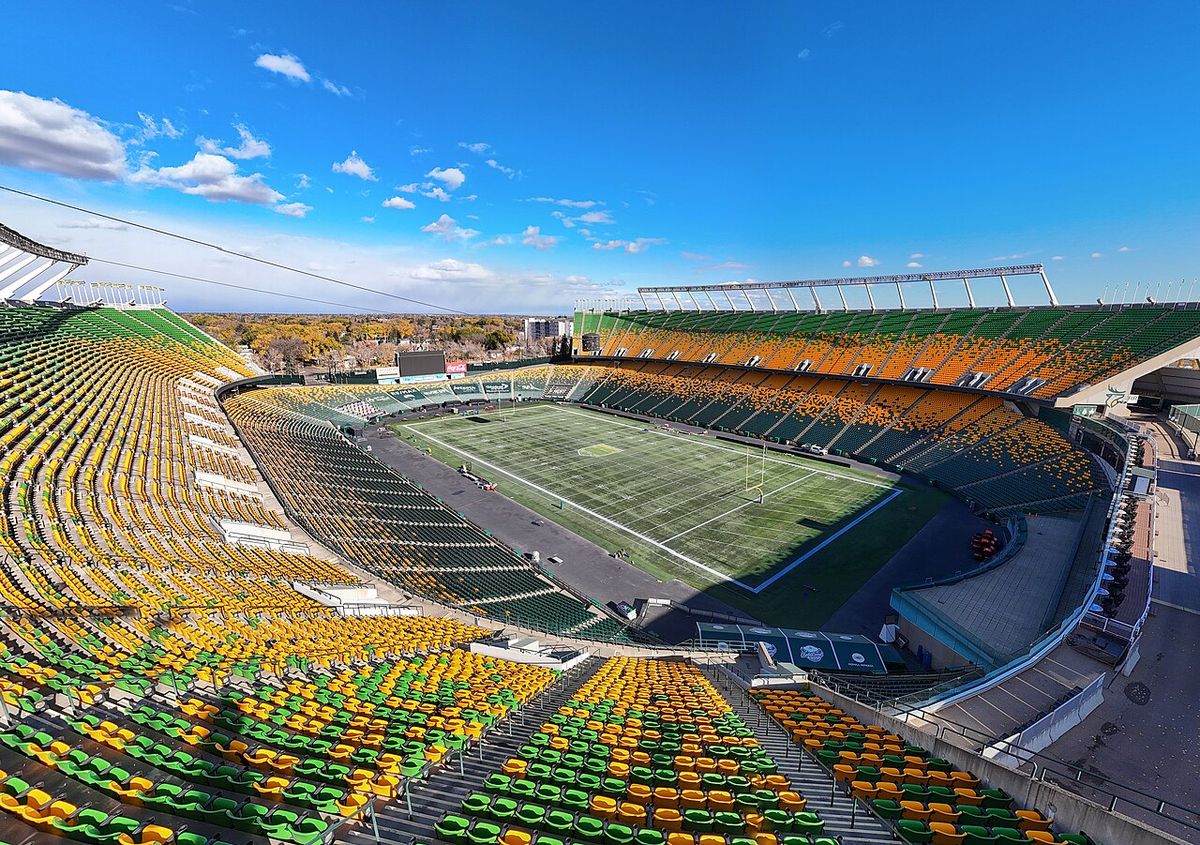
Edmonton Elks
The Edmonton Elks are a professional Canadian football team based in Edmonton, Alberta, competing in the West Division of the Canadian Football League (CFL). Founded in 1949 as the Edmonton Eskimos, the club rebranded as the Elks in 2021 and has won the Grey Cup championship 14 times, the most of any CFL club in Western Canada. The team plays its home games at Commonwealth Stadium and maintains a historic rivalry with the Calgary Stampeders known as the Battle of Alberta. The Elks are a significant part of Canadian sports culture, known for dynastic periods of success and a deep connection to their community.
Early Football in Edmonton and Team Foundation
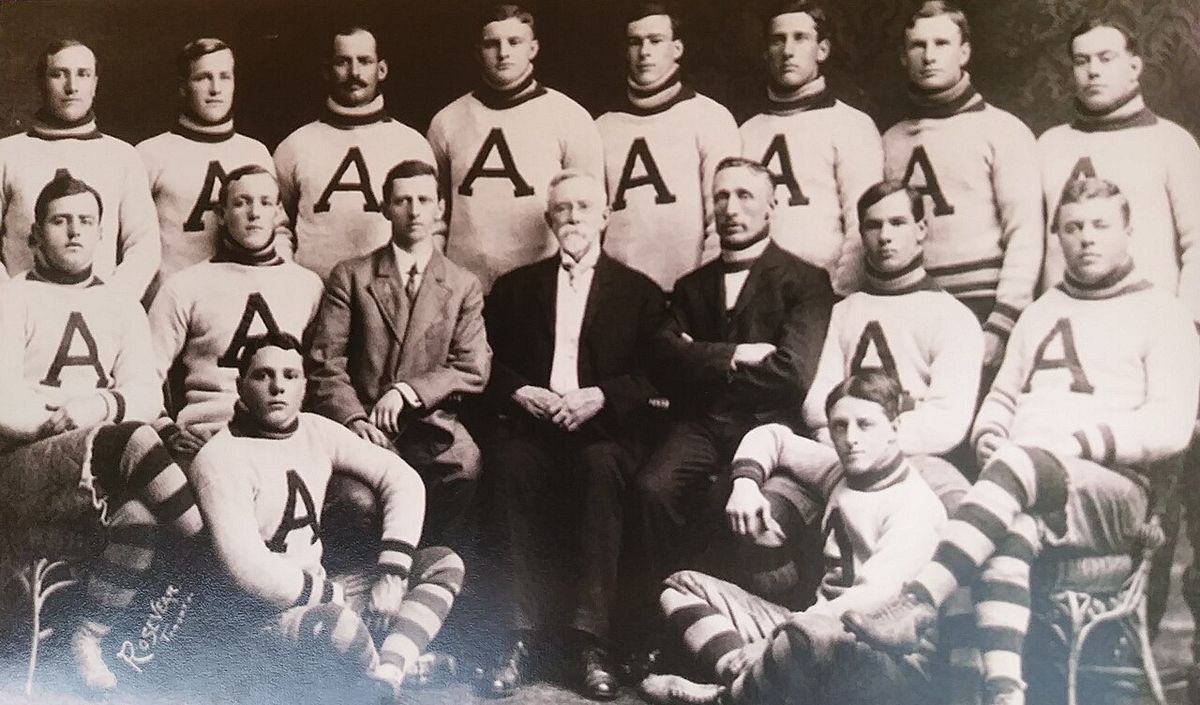
Organized football in Edmonton dates to 1895 with the formation of the Alberta Rugby Football League. An early club adopted the name Esquimaux in 1908 and was officially named the Edmonton Eskimos in 1910. This early incarnation of the Eskimos, briefly called the Edmonton Elks in 1922, was the first western team to play for the Grey Cup, appearing in the 9th and 10th championship games before folding in 1925. The team returned for two seasons starting in 1928 before folding again, succeeded by the Edmonton Boosters for three seasons and the Edmonton Hi-Grads in 1936. Elite football returned to Edmonton in 1938 with a team once again called the Eskimos in the Western Interprovincial Football Union (WIFU), but it ceased after two seasons due to the Second World War. The modern franchise was established for the 1949 WIFU season under head coach Annis Stukus, for whom the CFL's annual coach of the year award is named. This new Edmonton Eskimos team played its initial home games at Clarke Stadium and quickly built a competitive foundation that would lead to sustained success in the decades to follow.
Dynasties and Championship Eras
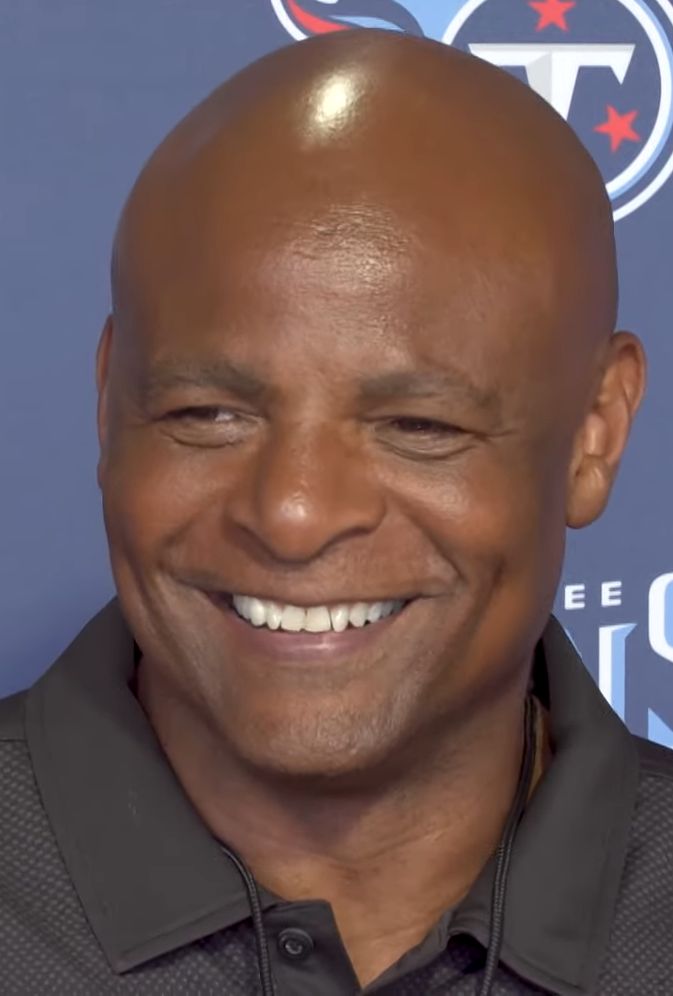
The team's first major period of dominance came in the mid-1950s, led by quarterback Jackie Parker and running back Johnny Bright. This squad won the Grey Cup three consecutive years from 1954 to 1956, achieving the first of the franchise's two three-peats. After the longest championship drought in team history, which lasted until 1975, the franchise entered its most celebrated era. Moving to Commonwealth Stadium in 1978, the team began a run of five consecutive Grey Cup victories from 1978 to 1982, a record unmatched in CFL history. This dynasty was led by superstar quarterbacks Warren Moon and Tom Wilkinson and head coach Hugh Campbell, who later returned in 1986 to work in an administrative role until 2006. The team appeared in nine Grey Cups in a ten-year span from 1973 to 1982. This success, combined with the contemporaneous dominance of the NHL's Edmonton Oilers, earned the city the nickname "City of Champions" in the 1980s. The team's excellence continued with key figures like return specialist Gizmo Williams, who still holds many CFL records for punt and kickoff returns and was instrumental in Grey Cup wins in 1987 and 1993 under head coach Ron Lancaster. A formidable defence featured future Canadian Football Hall of Famers like Danny Kepley and Danny Bass, who won Defensive Player of the Year Awards, and Willie Pless, who won the trophy a record five times.
Modern Era and Rebranding
The early 21st century brought further success with Grey Cup championships in 2003 and 2005 under quarterback Ricky Ray, the franchise's all-time leader in passing yards. The end of the 2005 season also marked the end of a North American professional sports record 34 consecutive playoff appearances, a streak that began in 1972, as the team missed the playoffs for the first time in 34 years. After a ten-year Grey Cup drought, the team won its most recent championship in 2015 under the leadership of quarterback Mike Reilly. In 2020, mounting pressure from sponsors such as Belairdirect, Boston Pizza, and the First Nations-owned Sports Interaction, led the organization to discontinue the Eskimos name. The team officially dropped all use of the word "Eskimo" on July 21, 2020, and operated temporarily as the "Edmonton Football Team" or "EE Football Team." On June 1, 2021, the team formally announced the new name would be the Edmonton Elks. Franchise great Warren Moon stated the old name meant pride and winning to him, but he was ultimately supportive of the move due to its potential insensitivity, saying, "If this is something that is insensitive to another group of people, that is something I can understand being a minority myself." This rebranding occurred around the same time as the Washington Redskins of the NFL became the Washington Commanders and the Cleveland Indians of MLB became the Cleveland Guardians.
Colours, Branding and Mascots
The team's colours of green and gold have remained essentially the same over the years with only minor modifications. Following the 2021 rebrand, the classic interlocked double-E logo was designated as a secondary mark, and a new primary logo featuring a stylized image of an elk was introduced, with the helmet logo changed to antlers for the 2021 season. Acknowledging fan favourability, the EE logo returned to the helmets in the 2022 offseason, albeit without being enclosed in an oval. In 2021, the Elks worked with Indigenous student artist Izaiah Masuskapoe to create a special logo to celebrate Indigenous people in Edmonton, an initiative the CFL expanded league-wide in 2024 to commemorate the National Day for Truth and Reconciliation. Following new private ownership, the EE logo returned as the primary logo in 2025 and the Elk logo was retained as the secondary logo. The team's mascots have included Punter, an anthropomorphic football introduced in 2004, and Spike, an elk introduced with the rebrand in 2021. The polar bear mascot Nanook, introduced in 1997 and retired in 2021, was brought back in 2025 after the ownership change, while Spike was retired, reflecting the shifting branding priorities under different management structures.
Team Records and Achievements
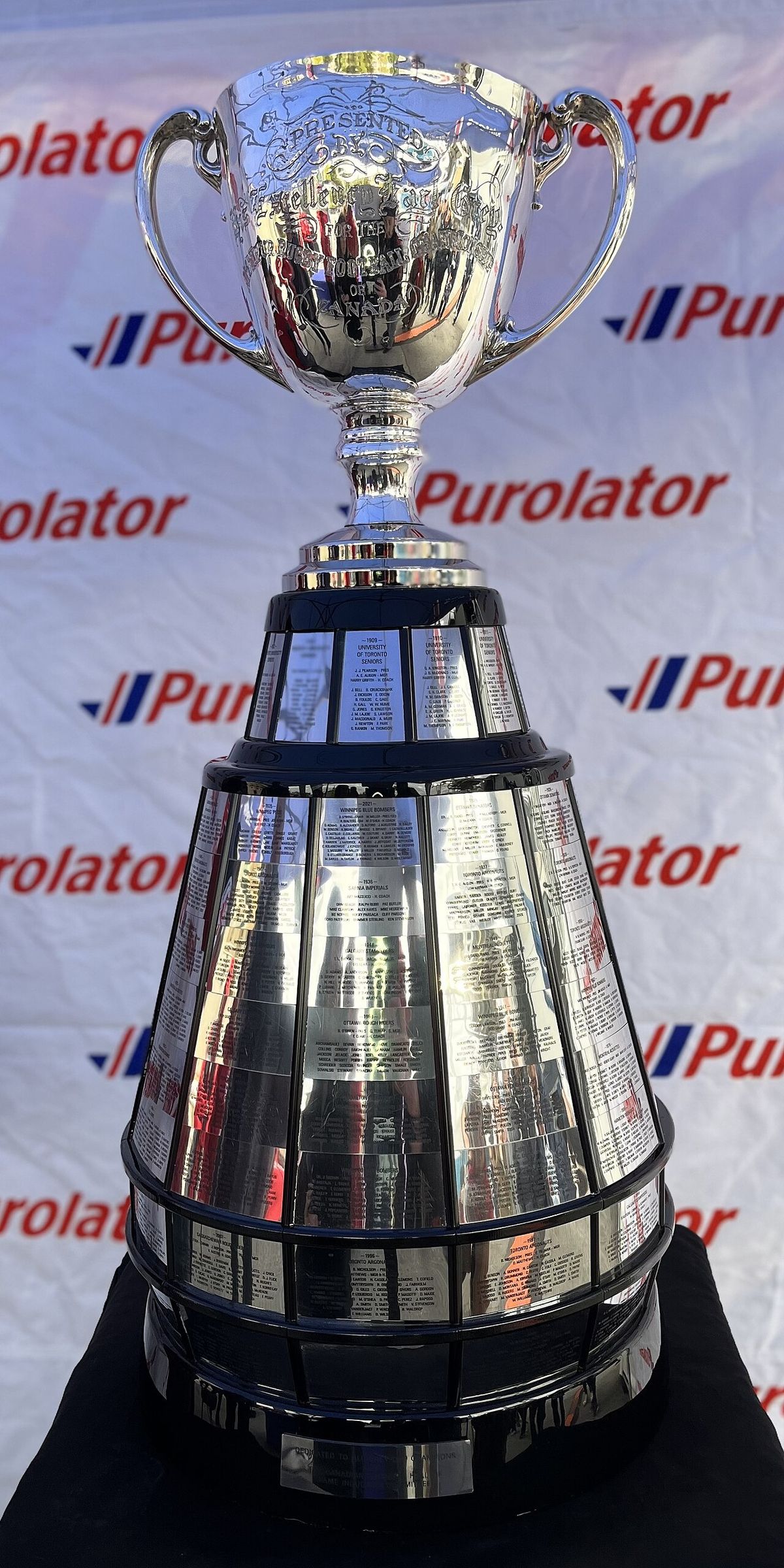
With 14 Grey Cup championships, the Edmonton franchise has won more titles than any other CFL team except the Toronto Argonauts, who have 19 wins. This includes more championships than any other team since the CFL was formed in the 1950s. The team holds several enduring league records that capture its historical dominance and more recent challenges. Its dynastic period is documented in records for most consecutive Grey Cup wins (5) and appearances (6). The franchise also set a remarkable standard of consistency with 34 consecutive playoff appearances from 1972 to 2005. Conversely, the team holds the unfortunate North American professional sports record for longest home losing and winless streaks, which reached 22 games from October 26, 2019, to August 10, 2023, breaking the previous record held by the 1953 St. Louis Browns. The streak ended with the first home win under the Elks name on August 27, 2023. The team has frequently led the CFL in yearly attendance, doing so 27 times since moving to Commonwealth Stadium in 1978 as of August 2016. The franchise's notable CFL records include:
- 5 consecutive Grey Cup wins: 1978 to 1982
- 6 consecutive Grey Cup appearances: 1977 to 1982
- 34 consecutive playoff appearances: 1972 to 2005
- 6 consecutive first place finishes in the division: 1977 to 1982
- 12 consecutive home playoff victories: 1973 to 1987
- 16 wins in a season: 1989 (tied by Toronto 2023)
- 0.906 winning percentage in a season (minimum 16 games): 1981
- 22 consecutive home losses: October 26, 2019 to August 10, 2023
- 22 consecutive winless home games: October 26, 2019 to August 10, 2023
- 27 consecutive seasons .500 or better: 1972 to 1998
Ownership and Governance
From its 1949 inception until midway through the 2024 season, the Edmonton Elks operated as a community-owned team, owned by local shareholders. The club was governed by a ten-member board of directors consisting of a chairman, treasurer, secretary, and seven directors. The club's president and CEO was Chris Presson until he was fired on November 22, 2021. This ownership model changed in 2024 when longtime fan and shareholder Larry Thompson bought the team outright, becoming its first private owner. Thompson's tenure was brief, as he died on September 25, 2025. As of January 2026, the team is owned by his estate, marking a new chapter in the franchise's operational history after over seven decades of community ownership and board governance.
Wall of Honour and Notable Alumni
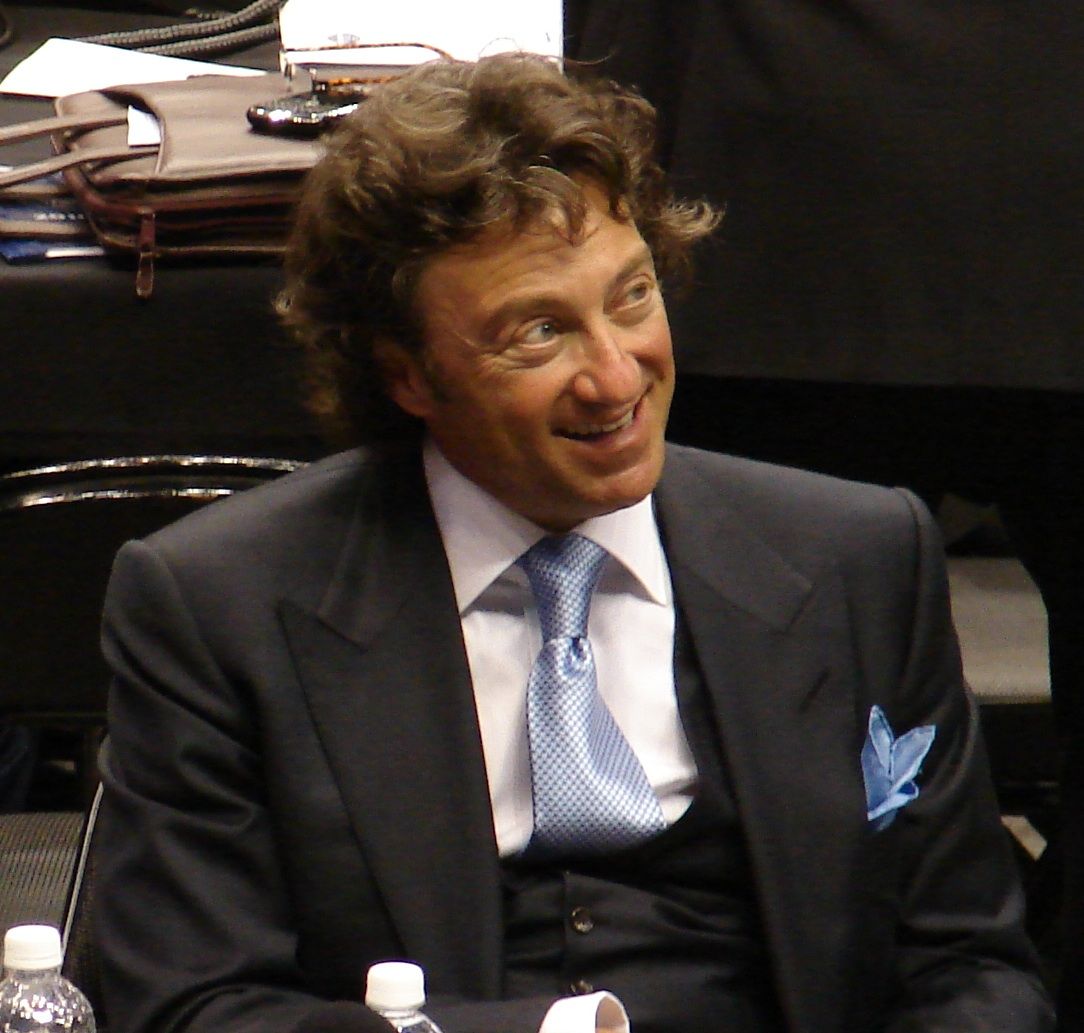
The Edmonton Elks honour their most distinguished players on the Wall of Honour at Commonwealth Stadium, which displays the player's name, number, and seasons played on the edge of the concrete separating the field level from the lower bowl. The team typically keeps honoured numbers in circulation rather than retiring them, with three notable exceptions: the numbers of Warren Moon (1), Don Warrington (21), and Rollie Miles (98) have been removed from circulation and are no longer issued. The franchise's alumni have made significant contributions beyond the football field, particularly in Alberta public life. Former players include two provincial premiers, Peter Lougheed and Donald Getty, former Edmonton mayor Bill Smith, and former lieutenant-governor Norman Kwong. The roster has also included athletes who found fame in other sports, such as professional wrestler and WWE champion Roman Reigns, who played for the team in 2008 under his birth name, Joe Anoa'i. This connection between sport and community leadership is a distinctive feature of the franchise's history.
Season-by-Season Performance and Statistical Highlights
The Edmonton Elks have experienced cycles of extraordinary success and periods of struggle throughout their history. The table below highlights key seasons from the team's modern era, illustrating the championship peaks and the end of their historic playoff streak. The team's record-setting 1989 season, which included 16 wins and a 0.906 winning percentage in 1981, represents the height of regular season dominance. The 2006 season marked a stark transition, breaking the 34-year playoff streak. The recent 22-game home winless streak from 2019 to 2023 defines a challenging period for the franchise under its new identity.
| Season | League | Finish | Playoff Result | Notable Achievement |
|---|---|---|---|---|
| 1954 | WIFU | 1st, West | Grey Cup Champions | First of three consecutive titles |
| 1956 | WIFU | 1st, West | Grey Cup Champions | Completed first three-peat |
| 1975 | CFL | 1st, West | Grey Cup Champions | Ended 19-year title drought |
| 1978 to 1982 | CFL | 1st, West (each year) | Grey Cup Champions (5 consecutive) | Unmatched CFL dynasty |
| 1989 | CFL | 1st, West | West Final Loss | 16 wins, tied CFL season record |
| 2003 | CFL | 1st, West | Grey Cup Champions | Title under quarterback Ricky Ray |
| 2005 | CFL | 2nd, West | Grey Cup Champions | Final title before playoff streak ended |
| 2006 | CFL | 4th, West | Missed Playoffs | Ended 34-year playoff appearance streak |
| 2015 | CFL | 2nd, West | Grey Cup Champions | Most recent championship |
| 2023 | CFL | 4th, West | Missed Playoffs | Broke 22-game home winless streak |
The team's statistical achievements are extensive and include 13 consecutive seasons with 10 or more wins from 1985 to 1997. The Elks also had 14 consecutive seasons above a .500 winning percentage from 1984 to 1997. In the 1989 season, the team achieved 9 home wins, a record tied by several other CFL teams. These accomplishments, combined with their 14 Grey Cup championships, establish the Edmonton Elks as one of the CFL's most successful franchises.
Questions about Edmonton Elks
Why did the Edmonton Eskimos change their name to the Elks?
The team changed its name in 2020 due to mounting pressure from sponsors and advocacy groups who considered the term Eskimo offensive and historically placed on Inuit people. After operating temporarily as the Edmonton Football Team, the organization announced the new name Edmonton Elks on June 1, 2021. The change was supported by Indigenous groups like the Inuit Tapiriit Kanatami, and the Elks name had been used briefly by an Edmonton football club in 1922. The move was part of a broader trend in North American sports at the time.
What is the Battle of Alberta rivalry?
The Battle of Alberta is the historic and intense rivalry between the Edmonton Elks and the Calgary Stampeders of the CFL. It is one of the league's most famous and longstanding rivalries, mirroring the provincial rivalry between the cities of Edmonton and Calgary. The competition extends across all sports but is particularly fierce in football, with games between the two teams often having significant implications for playoff positioning and fan bragging rights. The rivalry is a central feature of the CFL schedule each season.
What records do the Edmonton Elks hold?
The Elks hold several notable CFL records, including most consecutive Grey Cup wins (5 from 1978 to 1982) and appearances (6 from 1977 to 1982). The franchise also set a North American professional sports record with 34 consecutive playoff appearances from 1972 to 2005. On the other end of the spectrum, the team holds the record for the longest home losing and winless streak in North American pro sports at 22 games, a streak that lasted from October 2019 to August 2023. The team also has records for consecutive first place finishes (6) and home playoff victories (12).
Who are some of the most famous players in Edmonton Elks history?
The franchise has been home to many legendary players. Quarterback Warren Moon led the team to five straight Grey Cups in the early 1980s before a Hall of Fame NFL career. Ricky Ray is the franchise's all-time leader in passing yards and won two Grey Cups. Other greats include running back Johnny Bright, return specialist Gizmo Williams who holds many CFL return records, and defensive stalwarts like Willie Pless, Danny Kepley, and Danny Bass. More recent star quarterback Mike Reilly led the team to its 2015 Grey Cup victory, and the team has also featured athletes like WWE champion Roman Reigns.
How many Grey Cups have the Edmonton Elks won?
The Edmonton Elks franchise has won the Grey Cup 14 times. This total includes a three peat from 1954 to 1956 and an unmatched five consecutive championships from 1978 to 1982. Their most recent Grey Cup victory was in 2015. The team holds the record for most consecutive Grey Cup appearances with six from 1977 to 1982 and is the only franchise to have won three or more consecutive Grey Cups on two separate occasions. With 14 wins, the Elks have won more championships than any other CFL club in Western Canada.
Who owns the Edmonton Elks?
As of January 2026, the Edmonton Elks are owned by the estate of Larry Thompson. Thompson, a longtime Elks fan and shareholder, bought the team outright in 2024, becoming the first private owner in the club's history. Prior to private ownership, the club was managed by a president and CEO, such as Chris Presson who was fired in 2021. Larry Thompson died on September 25, 2025, and his estate now controls the team.
Sources and further reading
- Edmonton Elks (Wikipedia)
- Contact the Edmonton Elks | Get in Touch (goelks.com)
- Edmonton Elks | History | Research Starters | EBSCOhost (ebsco.com)
Checked by the Garbutt Disposal desk. Last updated 2026-10-21.