Rogers Centre
The Rogers Centre, originally known as SkyDome, is a multi-purpose retractable roof stadium located in downtown Toronto, Ontario, at the base of the CN Tower near Lake Ontario. Opened in 1989, it is the primary home of the Toronto Blue Jays of Major League Baseball and has hosted numerous other major sports franchises and large-scale events. The stadium is historically significant as the world's first venue with a fully retractable motorized roof and for its distinctive attached hotel. Following major renovations in the 2020s to modernize fan amenities and playing facilities, the Rogers Centre remains a central facility in Toronto for sports and major gatherings.
Background and construction
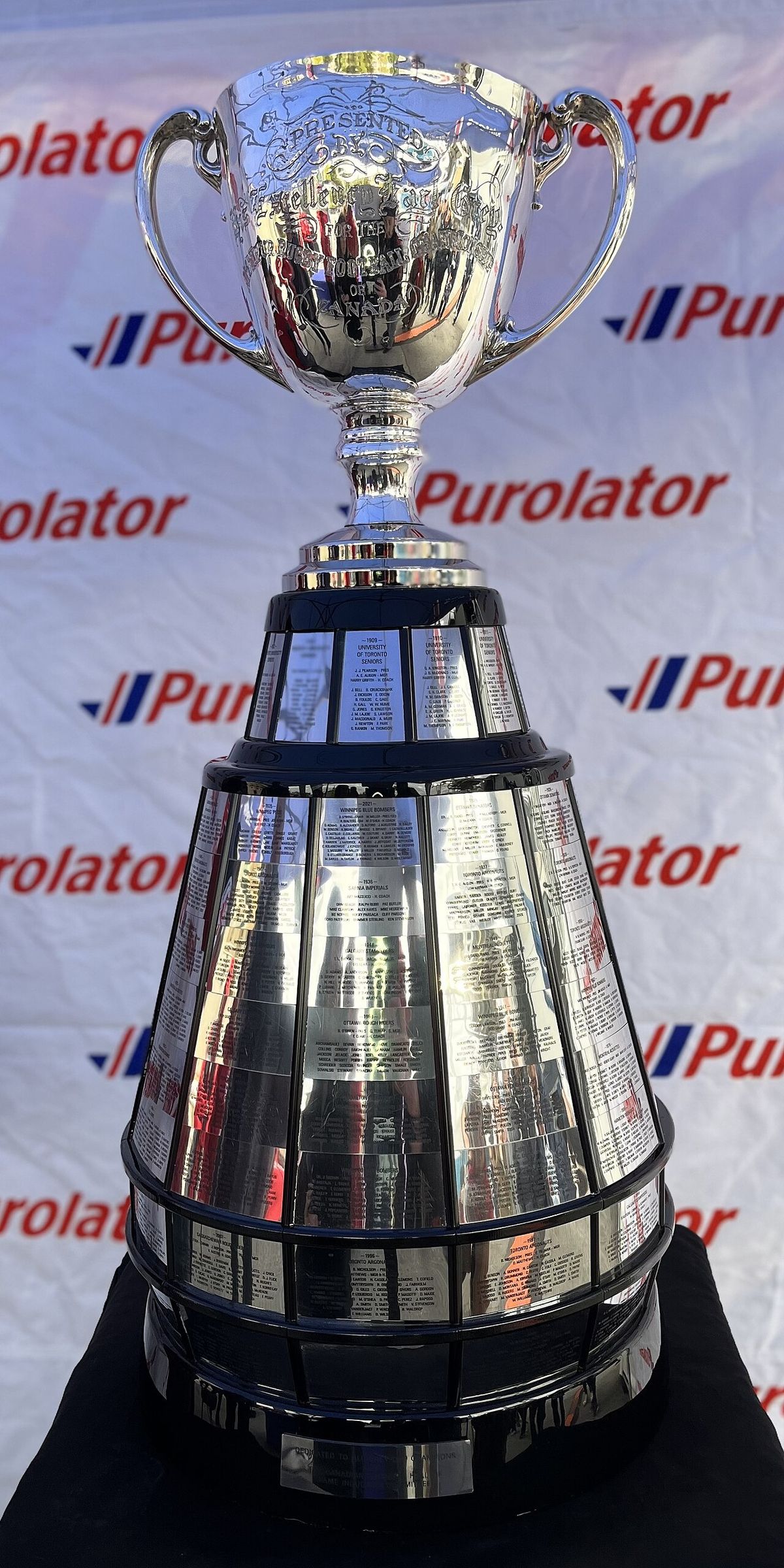
The impetus for building an enclosed stadium in Toronto followed the 1982 Grey Cup game, known as the "Rain Bowl," which was played in a driving rainstorm at the open-air Exhibition Stadium. The poor conditions experienced by fans and a massive television audience led to public demand for a domed venue, with chants of "We want a dome!" heard at a rally the next day. In June 1983, Ontario Premier Bill Davis announced a committee to study the feasibility of such a project, led by Paul Godfrey, Larry Grossman, and Hugh Macaulay. An international design competition in 1985 selected the winning concept by architect Rod Robbie and structural engineer Michael Allen, chosen for its large roof opening and technical soundness over proposed sites like Exhibition Place and Downsview Airport. The final site was chosen on the former Railway Lands at the base of the CN Tower, a location chosen as part of a broader plan to revitalize the downtown waterfront area. Construction, led by EllisDon and Dominion Bridge Company, lasted approximately two and a half years from October 1986 to May 1989, facing challenges such as relocating a water pumping station and dealing with contaminated soil.
The stadium's financing was a controversial public-private partnership with the final construction cost ballooning to approximately C$570 million, far exceeding initial estimates. The federal, provincial, and municipal governments provided the largest share of funding while the land was leased from the Canada Lands Company and the City of Toronto. A consortium of corporations, including Canada's three main breweries and the Toronto Blue Jays, each contributed $5 million for exclusive advertising rights and skybox leases that could last up to 99 years. This financing structure drew criticism for lacking public tenders and potentially offering contracts below market value, with Pepsi stating it would have paid more had it known the terms. Local media described the terms as scandalously low, and the financing created significant political fallout for the provincial government.
Design and technical features
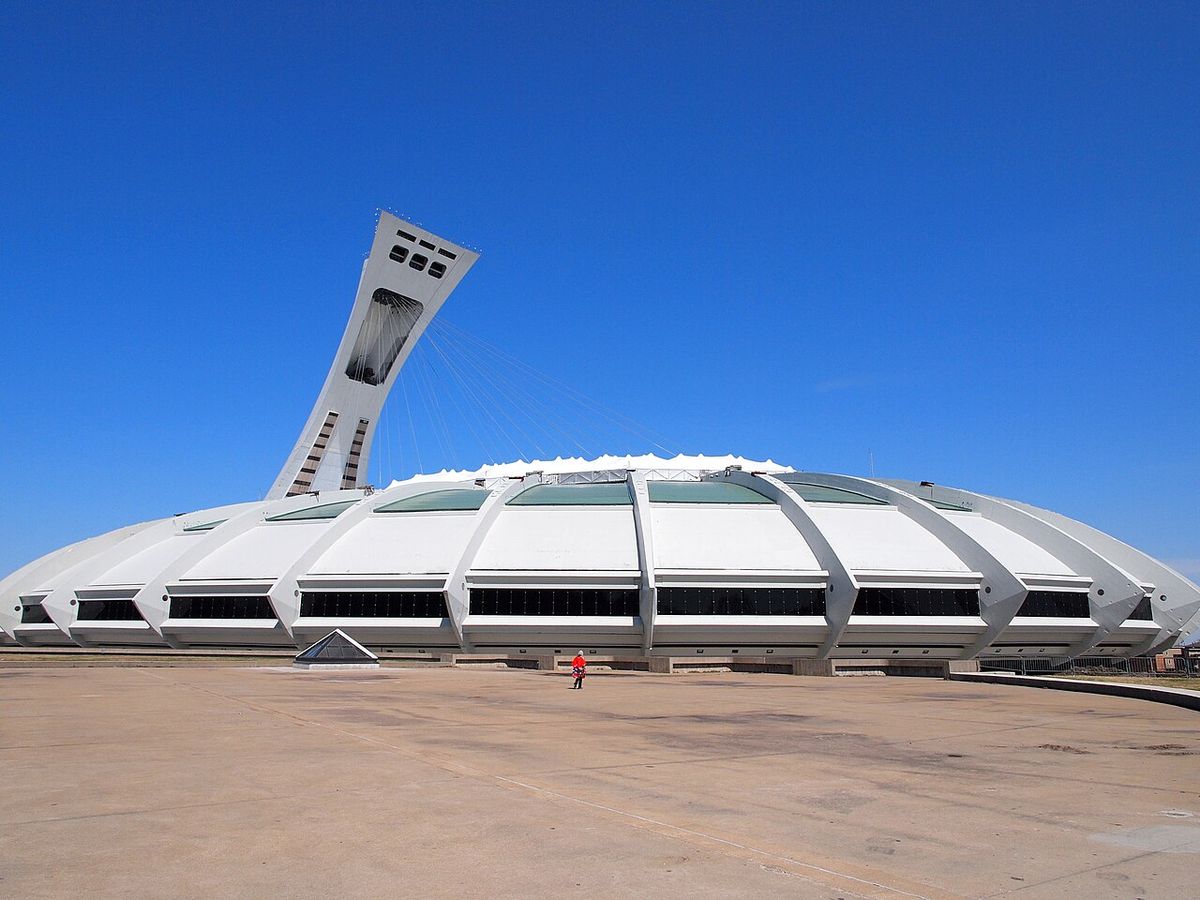
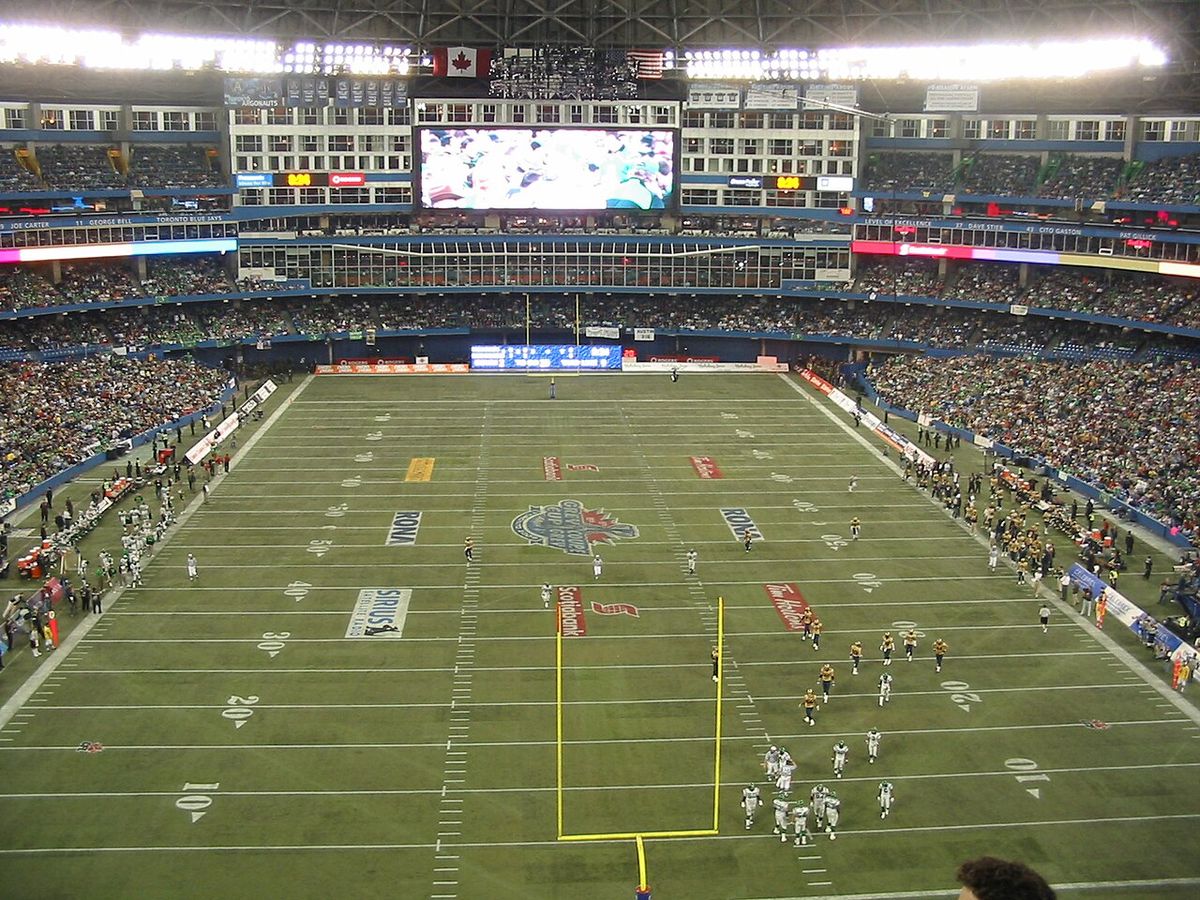
The Rogers Centre was a pioneering engineering achievement as the first stadium in the world with a fully retractable motorized roof, a design intended to be reliable and avoid the problems of Montreal's Olympic Stadium. The roof structure consists of four panels, one fixed and three that move on railway rails using electrically driven engines, requiring about 20 minutes to open or close, and is made of steel trusses covered with a PVC membrane. A defining feature is the attached 348-room hotel, with 70 rooms offering views directly onto the field, and the stadium was also the last major-league facility in North America specifically built to accommodate both baseball and football configurations. The need for new pedestrian links due to its location south of railway tracks led to the construction of the SkyWalk enclosed walkway to Union Station and the John Street cable-stayed bridge. Significant improvements have been made to the facility since its opening, including programmable exterior roof lighting for themes and events and a substantial renovation of the Blue Jays clubhouse which expanded the training room and created an open-concept lounge. The stadium's original Jumbotron was replaced with a Daktronics video display system after Rogers Communications purchased the venue, and additional monitors were installed in the outfield wall as part of broader refurbishments.
The venue adopted a completely smoke-free policy in April 2006, ahead of provincial legislation, and has seen its seating capacity adjusted through various renovations aimed at improving the fan experience. During construction, the site yielded over 1,500 artifacts including a French cannon, cannonballs, and pottery, reflecting the area's historical use. The design kept the roof mechanism simple by using a sturdy dome shape and proven technologies to ensure it worked reliably from its first opening, which occurred during a rain shower at the inaugural ceremony. These technical and design choices have allowed the stadium to function as a versatile venue for baseball, football, concerts, and conventions for over three decades.
Opening and early operations
The stadium, named SkyDome through a province-wide contest sponsored by the Toronto Sun and won by Kellie Watson, officially opened on June 3, 1989, missing its original target of the Blue Jays' Opening Day due to construction delays and worker strikes. A grand opening show titled "The Opening of SkyDome: A Celebration" was broadcast on CBC Television and featured performances by Alan Thicke, Oscar Peterson, Andrea Martin, André-Philippe Gagnon, and Glass Tiger before a crowd of over 50,000. During the ceremony, Ontario Premier David Peterson used a laser pen to symbolically open the roof, which exposed the crowd to a rain shower despite chants to close it, and Stadium Corporation president Chuck Magwood insisted it remain open. The stadium's operator, the Stadium Corporation of Ontario (Stadco), quickly faced severe financial difficulties as a review in October 1990 revealed it would need to be booked 600 days a year to be profitable, an impossible target given its first-year operating income was only $17 million against a $40 million debt service.
The abrupt late inclusion of a hotel and health club added $112 million to costs, and by 1993 the original $165 million debt had grown to $400 million, making Stadco a political liability for the Ontario government. In March 1994, the government paid off all outstanding debts and sold the stadium for $151 million to a private consortium that included Labatt Breweries, then owner of the Blue Jays. Financial struggles continued, leading the stadium to file for bankruptcy protection in November 1998 after disastrous skybox lease renewals, driven by decreased interest in tenant teams and competition from the new Air Canada Centre. Sportsco International LP subsequently purchased the stadium out of bankruptcy for $80 million in April 1999, the same month the Blue Jays re-signed a ten-year lease to remain in the facility.
Rogers era and naming change
In November 2004, Rogers Communications, the parent company of the Toronto Blue Jays, acquired SkyDome from Sportsco for approximately $25 million, excluding the attached hotel which had been sold to Renaissance in 1999. On February 2, 2005, the corporation announced a naming rights deal, changing the stadium's name to Rogers Centre, a change that proved controversial and unpopular with many fans who continued to use the SkyDome name informally. Following the purchase, Rogers implemented several refurbishments, including installing a new FieldTurf artificial surface, upgrading video displays, and reconfiguring concourses to convert luxury boxes into party suites, which reduced overall seating capacity. The company also faced operational challenges, such as a three-day alcohol suspension imposed by the Alcohol and Gaming Commission of Ontario in April 2009 for past infractions at events.
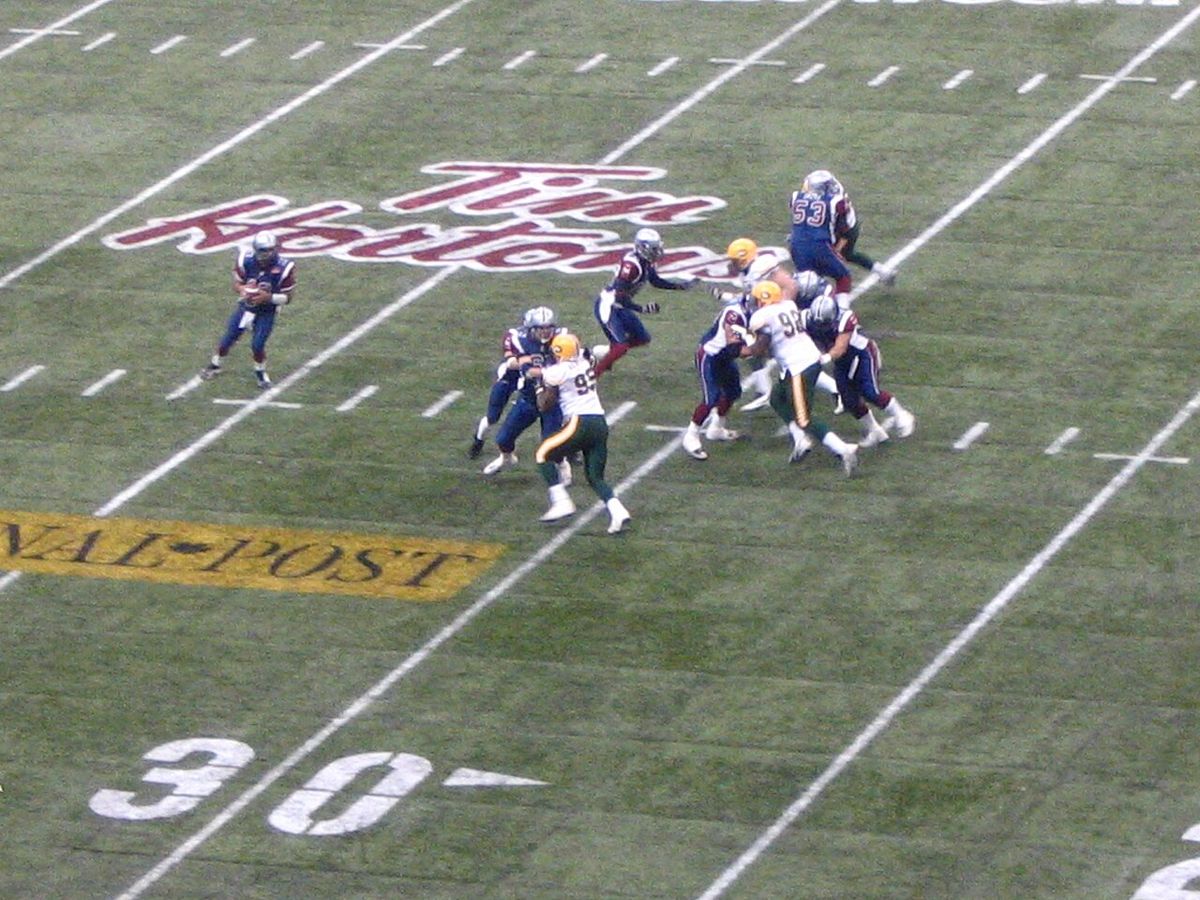
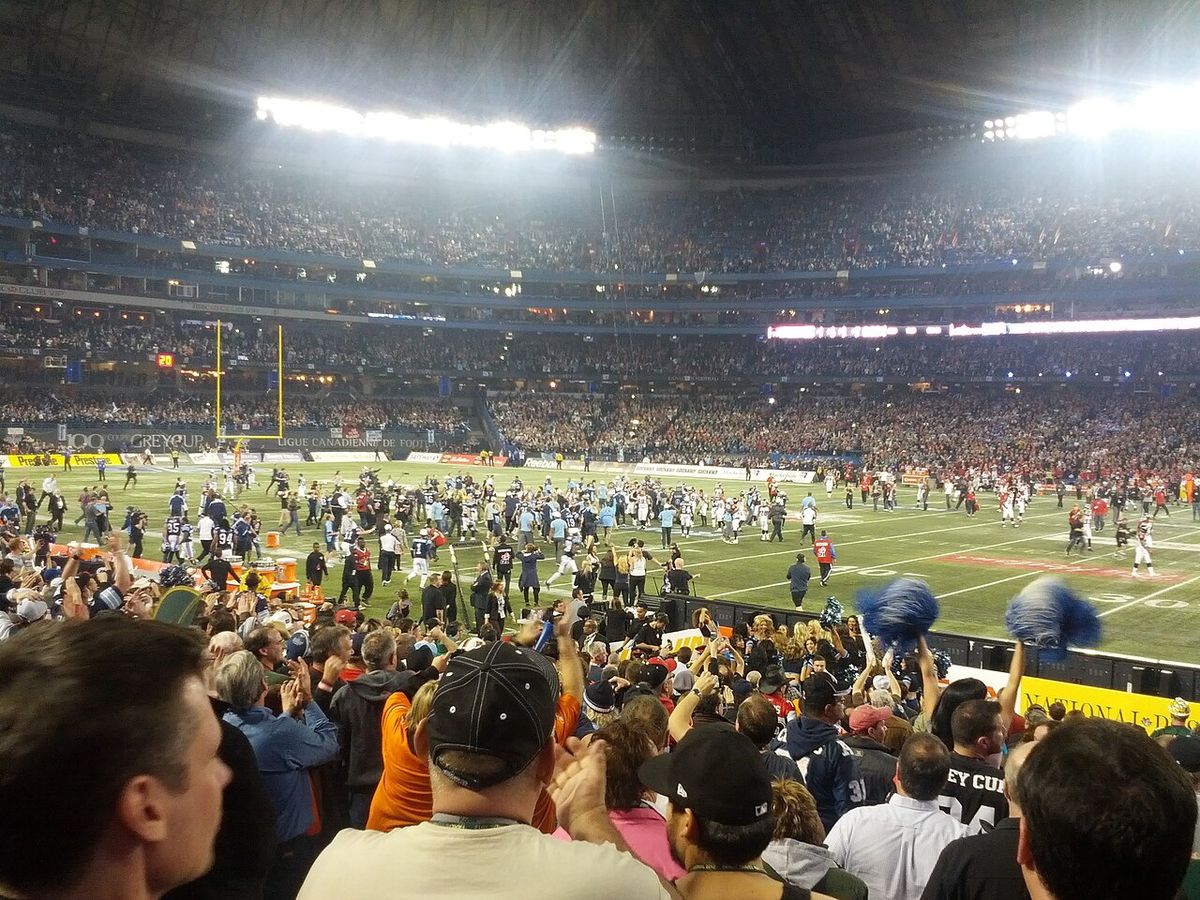
The venue's multi-purpose use continued under Rogers, with the Toronto Argonauts agreeing to three five-year leases at Rogers Centre in May 2005, which could have seen them play there up to and including 2019. Proposed plans to lock Rogers Centre into its baseball configuration permanently to install a natural grass surface forced the Argonauts to relocate to BMO Field before the 2016 season. Throughout this period, the Buffalo Bills of the NFL played an annual game at the stadium as part of the Bills Toronto Series from 2008 to 2013. The stadium also served as the site of both the opening and closing ceremonies of the 2015 Pan American Games, where it was renamed the Pan-Am Dome or Pan-Am Ceremonies Venue due to sponsorship regulations. The name change to Rogers Centre remains controversial and unpopular with many fans, illustrated by a 25,000-name petition started by TTC bus driver Randy Rajmoolie. A baseball diamond in Toronto's Trinity Bellwoods Park is officially named SkyDome after the stadium's former and popular name.
Major 2020s renovation
By 2020, with Rogers Centre being one of the oldest active stadiums in MLB, Rogers Communications explored long-term options, including discussions with Brookfield Asset Management about replacing it with a new baseball-specific ballpark and mixed-use development on the southern end of the site. The alternate Quayside site on Toronto's waterfront was also considered, but the decision was made to undertake a major $400 million interior renovation in two phases, aimed at extending the venue's useful life by 10 to 15 years while planning for a more significant rebuild within the next decade. The renovation was designed by the architecture firm Populous and focused on improving sightlines and fan amenities, with the first phase occurring during the 2022-23 offseason and causing a delay to the 2023 Blue Jays home opener. That phase involved re-orienting outfield seats toward home plate, raising the bullpens, creating asymmetrical outfield dimensions, and adding social spaces with bars in the 500 Level, which reduced capacity to 41,500.
The second phase during the 2023-24 offseason re-oriented infield seats, added cupholders to the 100 Level, reduced foul territory, improved the dugouts, and installed LED advertising across the entire backstop for better television visibility. Following this phase, the stadium's capacity was further reduced to 39,150, and the 2024 home opener was also delayed to accommodate construction. The objective of these comprehensive renovations was to modernize the fan experience and playing facilities without committing to a completely new stadium in the immediate term. These changes represent the most significant structural updates to the building since its opening, ensuring it meets contemporary standards for MLB venues.
Tenants and major events
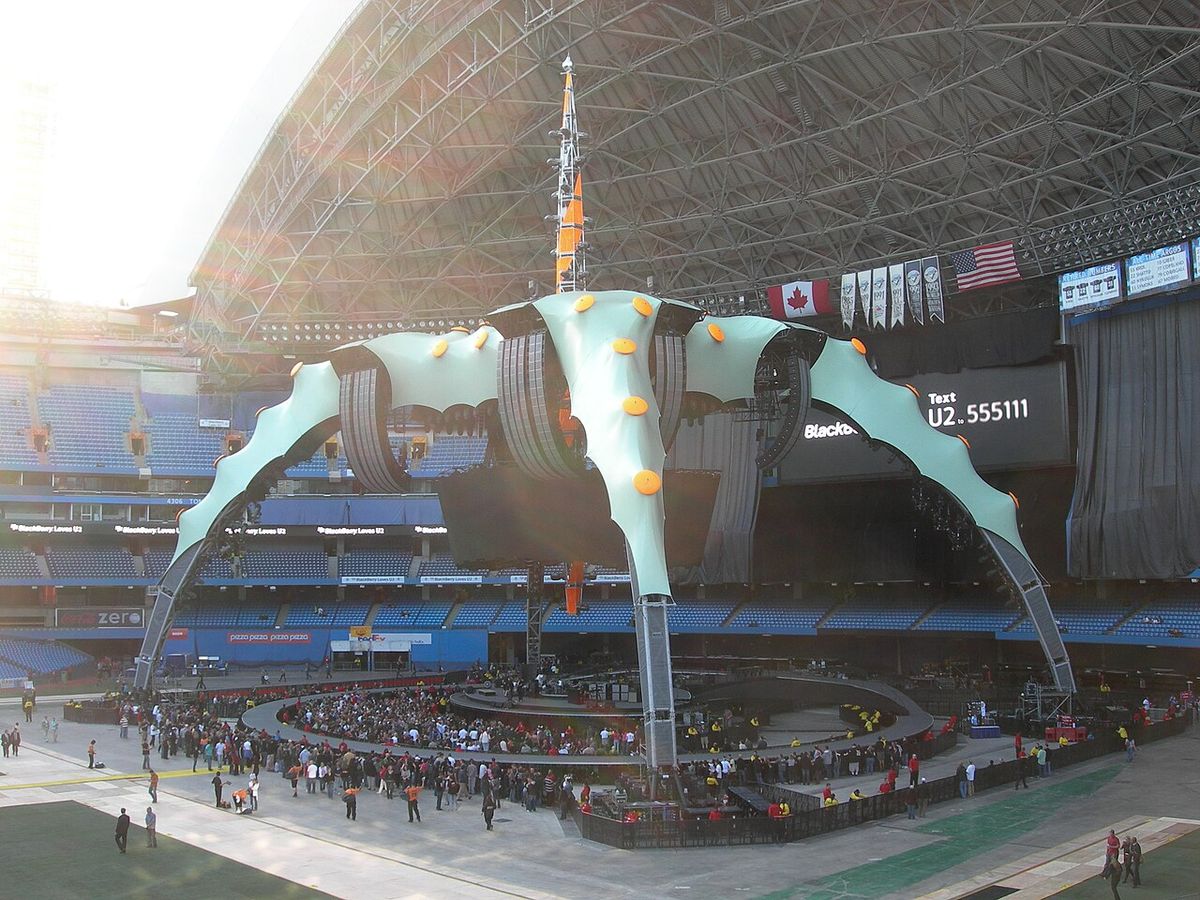
The Rogers Centre has been home to several major professional sports teams throughout its history, with its primary and current tenant being the Toronto Blue Jays of Major League Baseball since its opening in 1989. The stadium also formerly housed the Toronto Argonauts of the Canadian Football League and the Toronto Raptors of the National Basketball Association, and from 2008 to 2013 it hosted the Buffalo Bills of the National Football League for annual regular-season games as part of the Bills Toronto Series. Beyond sports, the venue is a hub for large-scale events, including conventions, trade fairs, concerts, travelling carnivals, circuses, and monster truck shows, leveraging its retractable roof and central location. It was the site of both the opening and closing ceremonies for the 2015 Pan American Games, where it was temporarily renamed the Pan-Am Dome due to sponsorship regulations.
The attached hotel has contributed to its unique character, allowing guests to watch games from their rooms, and its connection to Union Station via the SkyWalk ensures high accessibility for large crowds. The stadium's ability to host diverse events from sports championships to international ceremonies has cemented its status as a versatile public facility in downtown Toronto. Its history as a multi-sport venue ended with the departures of the Argonauts and Raptors, but it continues to serve as the definitive home for baseball in the city. The ongoing renovations and planned future developments indicate its role will continue to evolve in line with the city's needs for major event space.
Key facts and figures
The Rogers Centre represents a significant chapter in Canadian sports and architectural history, with its construction transforming a former railway yard into a modern stadium complex. Its financing model, though controversial, involved a wide array of corporate and government partners, and the technical achievement of its retractable roof set a global standard for stadium design. Over its lifetime, the stadium has adapted to changing demands, most notably through the comprehensive renovations of the 2020s which prioritized the fan experience and the specific needs of baseball, reducing capacity to improve comfort. The stadium's legacy is intertwined with the identity of Toronto, serving as a backdrop for championship runs, major concerts, and civic gatherings for over three decades.
Notable facts about the stadium include its status as the first stadium to have a fully retractable motorized roof. It is also noted for the 348-room hotel attached to it, with 70 rooms overlooking the field. The stadium is the last North American major-league stadium built to accommodate both football and baseball. Its construction lasted about two and a half years, from October 1986 to May 1989, at an approximate cost of C$570 million.
- World's first stadium with a fully retractable motorized roof.
- Attached 348-room hotel with 70 rooms overlooking the field.
- Last North American major-league stadium built specifically for both baseball and football.
- Originally named SkyDome through a public contest with over 150,000 entries.
- Underwent a $400 million renovation in two phases from 2022 to 2024.
- Seating capacity reduced from original figures to 39,150 after the 2024 renovations.
- Hosted the opening and closing ceremonies of the 2015 Pan American Games.
- Home to the Toronto Blue Jays since its opening in 1989.
Despite the official name change to Rogers Centre following the 2005 purchase, the stadium is still commonly referred to as SkyDome in informal contexts among fans. The stadium continues to be a central destination as the home of the Toronto Blue Jays of Major League Baseball. Its future is shaped by both recent renovations during the MLB offseasons of 2022 to 2024 and long-term redevelopment plans reportedly discussed by Rogers Communications and Brookfield Asset Management. These plans have included discussions about replacing Rogers Centre with a smaller, baseball-specific stadium plus residential towers, office buildings, retail stores and public space.
Questions about Rogers Centre
When did SkyDome become Rogers Centre?
The stadium was renamed Rogers Centre on February 2, 2005, following the purchase of the venue by Rogers Communications in November 2004. The naming rights deal was a corporate contract announced by Ted Rogers, the company's President and CEO. The change was met with significant public opposition, with many fans continuing to use the SkyDome name informally. A petition against the change gathered 25,000 signatures, and a baseball diamond in Toronto's Trinity Bellwoods Park was officially named SkyDome in honour of the original name.
What is the seating capacity of Rogers Centre for Blue Jays games?
Following the major renovations completed in 2024, the seating capacity for Toronto Blue Jays games at Rogers Centre is 39,150. This represents a reduction from previous capacities, which were lowered during renovation phases to widen seats and improve fan sightlines and social spaces. The first phase of renovations in 2023 reduced capacity to 41,500, and the second phase in 2024 brought it down to the current figure. The renovations re-oriented seats to face home plate and added new amenities like cupholders.
Which sports teams have called Rogers Centre home?
The primary and current tenant is the Toronto Blue Jays of Major League Baseball. The stadium was also the former home of the Toronto Argonauts of the Canadian Football League and the Toronto Raptors of the National Basketball Association. From 2008 to 2013, the stadium hosted the Buffalo Bills of the National Football League for an annual regular-season game as part of the Bills Toronto Series. The Argonauts relocated to BMO Field before the 2016 season after plans emerged to permanently configure Rogers Centre for baseball.
How much did it cost to build Rogers Centre?
The approximate construction cost for the stadium was C$570 million, which equates to about $1.25 billion in 2025 dollars. This cost was significantly higher than initial estimates and was funded through a public-private partnership involving the federal government, the Ontario provincial government, the City of Toronto, and a consortium of corporations. Companies that contributed $5 million received exclusive advertising rights and skybox leases. The high cost and financing structure were sources of controversy during and after construction.
What major renovations were done to Rogers Centre recently?
A major $400 million renovation was undertaken in two phases during the 2022-23 and 2023-24 MLB offseasons. The first phase re-oriented outfield seats, raised bullpens, created asymmetrical outfield dimensions, and added social spaces in the upper level. The second phase re-oriented infield seats, added cupholders to lower-level seats, reduced foul territory, improved dugouts, and installed full LED backstop advertising. The renovations, designed by Populous, aimed to extend the ballpark's shelf life by 10 to 15 years while enhancing the fan experience.
Why was the stadium originally built?
The stadium was built to provide a modern, weather protected venue for Toronto's sports teams and major events. The poor conditions led to public chants for a dome at a Toronto City Hall rally the next day. A committee was formed in 1983 to study feasibility, leading to an international design competition. The stadium was ultimately constructed on the former Railway Lands as part of a plan to revitalize the downtown area near the CN Tower and Lake Ontario.
Sources and further reading
- Rogers Centre (Wikipedia)
- Rogers Centre | Toronto Blue Jays (mlb.com)
- Rogers Centre Blue Jays Fan Experiences in Toronto (destinationtoronto.com)
Checked by the Garbutt Disposal desk. Last updated 2026-10-19.