Empire Stadium
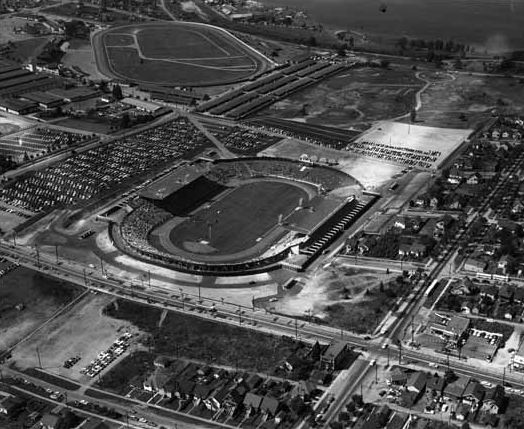
Empire Stadium was a multi-purpose outdoor stadium located at the Pacific National Exhibition grounds in Vancouver's Hastings Park. Constructed for the 1954 British Empire and Commonwealth Games, it served for nearly three decades as the primary home of the BC Lions of the Canadian Football League. The venue hosted seven Grey Cup games, including the first ever held west of Ontario in 1955, and was a significant site for soccer, rugby, track and field, and major concerts. Its demolition in the early 1990s concluded an era, though its legacy was briefly revived by the temporary Empire Field built on the same site in 2010.
Construction and the 1954 Commonwealth Games
Empire Stadium was built out of necessity for Vancouver to host the 1954 British Empire and Commonwealth Games. With the games approaching, the city council found itself $400,000 short of the required funds, leading to a compromise that saw construction begin on September 4, 1953. The resulting $1.5 million venue was designed to seat approximately 25,000 spectators for the opening ceremonies and athletics events, though its official opening capacity was later recorded as 32,375. The stadium's inaugural event became legendary for two dramatic track and field moments that defined the games for many spectators. The first was the historic 'Miracle Mile' race where both John Landy and Roger Bannister broke the four-minute barrier, a duel immortalized in a statue that later stood outside the stadium. The second was the tragic conclusion of the marathon, where English runner Jim Peters, despite a near 17-minute lead, collapsed repeatedly on the track in the final laps and was stretchered away, never to race competitively again. These events established Empire Stadium's reputation on the international sporting stage from its very first days of operation.
Home of the BC Lions and Grey Cup History
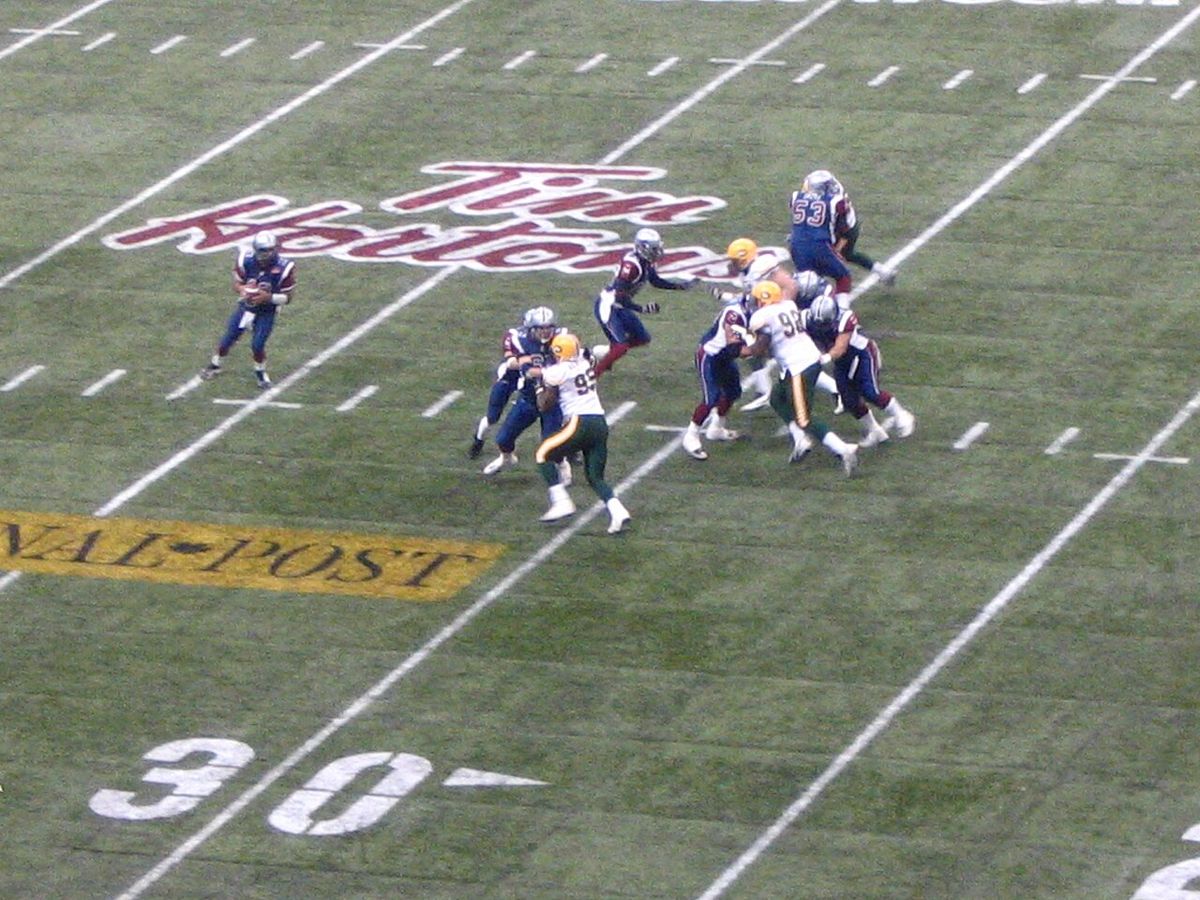
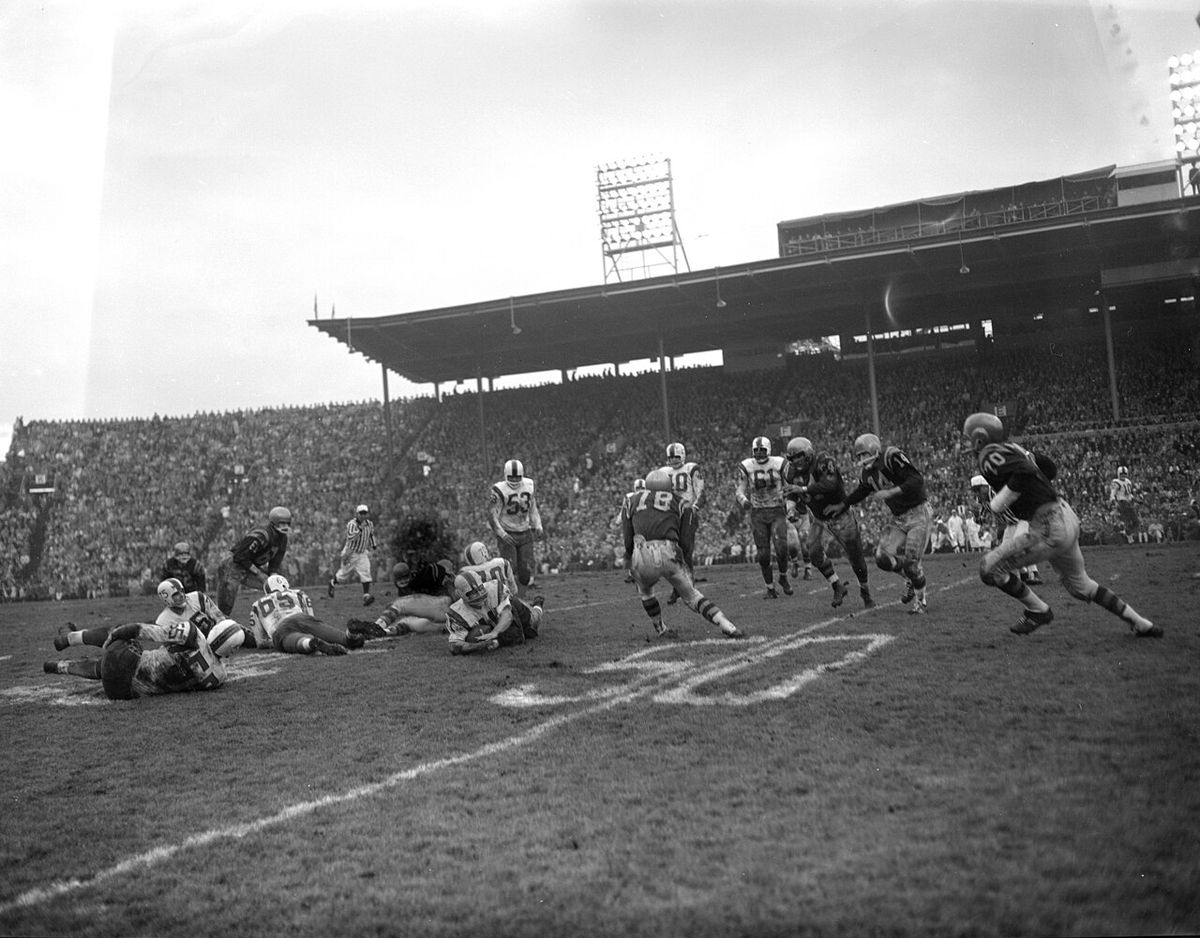
Following the Commonwealth Games, Empire Stadium quickly became the long-term home of the BC Lions, who began play in the Canadian Football League in 1954. The stadium's tenure as a football venue was defined by its role as a Grey Cup host, bringing the national championship to the West Coast for the first time. It hosted a total of seven Grey Cup games over a twenty-year period, cementing its status as a premier CFL venue. The stadium's capacity was listed at 32,375 upon opening but was later reduced to 30,229 after renovations in 1974. Its football legacy includes several notable innovations and events that shaped the game in Canada, from goalpost design to playing surfaces. The consistent selection of Empire Stadium for the league's championship game demonstrated its importance to the CFL's national profile and its appeal to fans across the country.
Empire Stadium was originally built with a natural grass playing surface. In 1970, it became the first facility in Canada to have an artificial playing surface installed. This surface was made by 3M under the brand name Tartan Turf. The stadium's atmosphere was central to the football experience in Vancouver for a generation of fans.
Other Sporting Tenants and Events
Beyond Canadian football, Empire Stadium served as a versatile venue for a wide array of other sports and community events throughout its operational life. It was the home pitch for professional soccer in Vancouver for over a decade, hosting the Vancouver Royals during their single North American Soccer League season in 1968 and later the Vancouver Whitecaps throughout the 1970s and early 1980s. The stadium also regularly hosted the Shrine Bowl, the provincial championship for senior high school football in British Columbia, making it a landmark for amateur sport. Rugby matches and significant track and field meets, leveraging the facility's original athletic design and running track, were also held at the venue. This multi-sport usage made it a central hub for Vancouver's sporting community, accommodating both professional leagues and amateur championships under one roof. The variety of events held there, from soccer to rugby to high school finals, demonstrated its design as a true multi-purpose facility for the city.
Concert Venue and Cultural Significance
Empire Stadium achieved considerable cultural fame as a major concert venue, drawing some of the biggest musical acts in the world to Vancouver during the mid-20th century. Its most legendary performances included concerts by Elvis Presley and The Beatles, events that attracted massive crowds and left a lasting impression on the city's popular culture. These concerts demonstrated the stadium's capacity to host large-scale public gatherings beyond athletics, solidifying its place in the social history of Vancouver. The ability to attract such prominent performers highlighted the stadium's importance as a regional entertainment destination, a role that complemented its sporting identity and expanded its public appeal. The stadium's design, with its large open bowl and substantial seating capacity, made it uniquely suited for the large outdoor concerts that became popular during the 1960s and 1970s, and these events remain a key part of its historical record.
Decline, Demolition, and the Empire Field Era
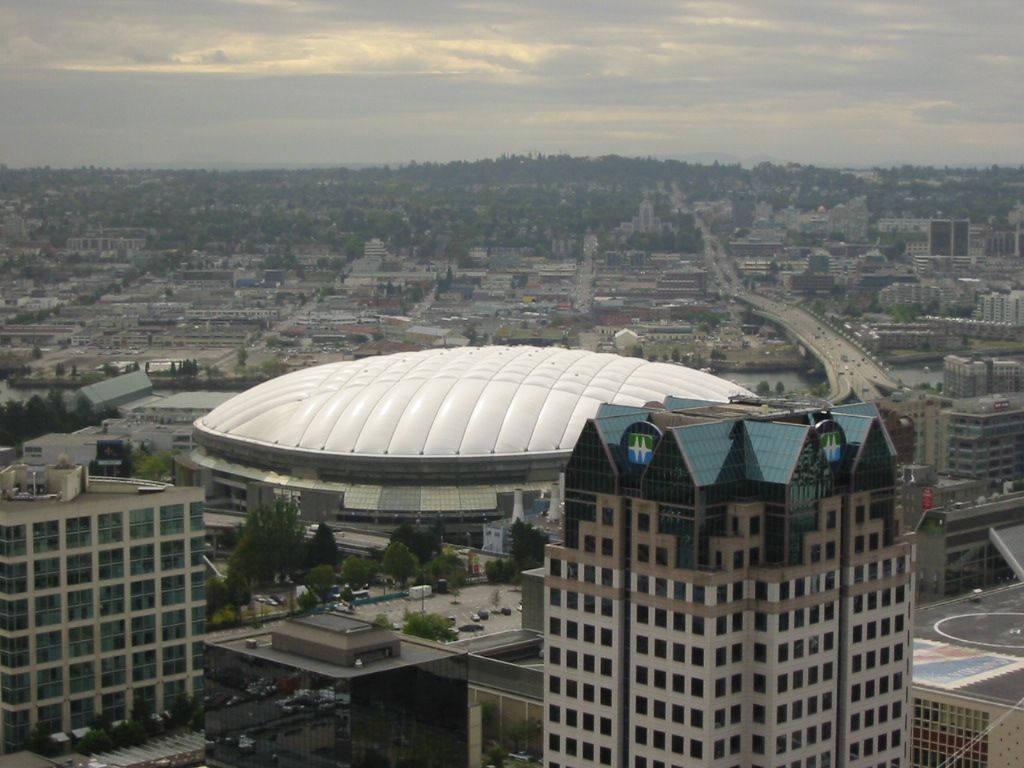
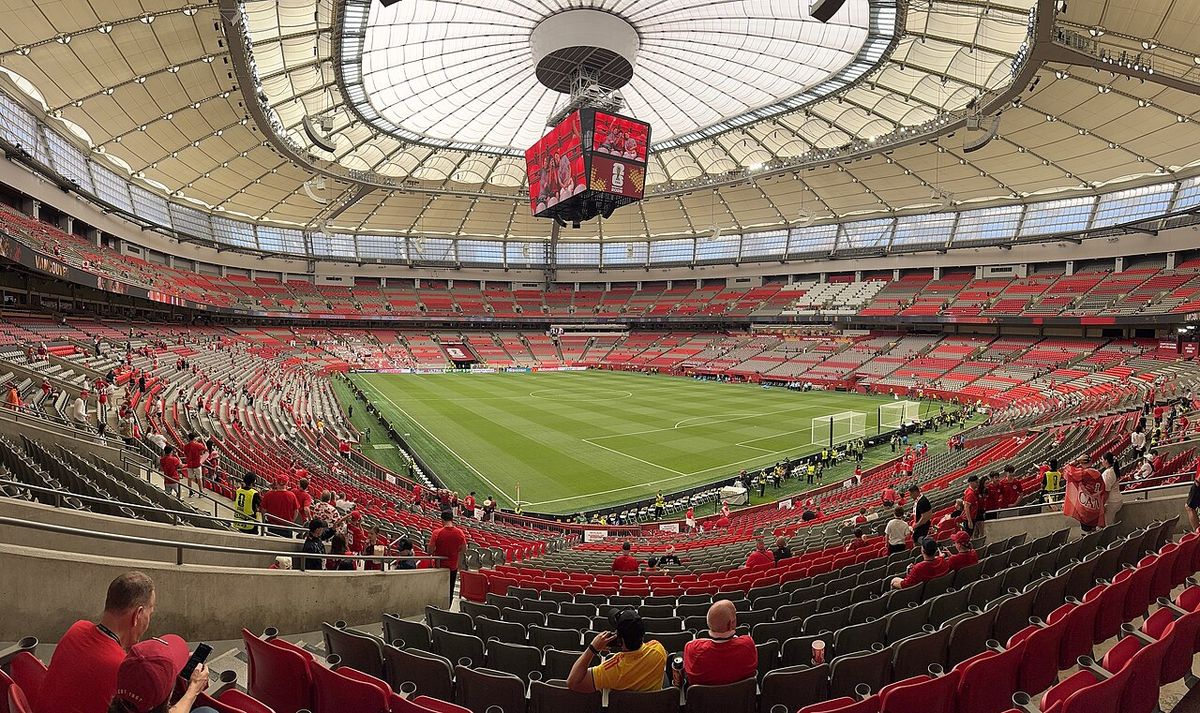
By the late 1970s, Empire Stadium began to show its age, and discussions commenced about building a modern, domed stadium for Vancouver. Erwin Swangard, president of the Pacific National Exhibition, advocated for a new stadium and convention centre at Hastings Park, but the False Creek area was ultimately selected. This decision led to the construction of BC Place Stadium, which opened in 1983 and prompted the departure of both the BC Lions and the Vancouver Whitecaps. Empire Stadium was closed for major events and eventually demolished in the early 1990s. The site was used as a parking lot for the PNE and Playland for many years before being converted back into community soccer fields and a running track. In 2010, when BC Place underwent renovations, a temporary stadium called Empire Field was constructed on the exact grounds of the old Empire Stadium to host the Lions and Whitecaps. This temporary venue operated for the 2010 CFL season and part of the 2011 Major League Soccer season before being removed upon BC Place's reopening, and the park and sports fields were restored for community use once more.
Design Innovations and Physical Features
Empire Stadium incorporated several design elements and innovations that were notable for their time in Canadian sports architecture. The most famous of these was the introduction of the 'gooseneck' or 'slingshot' style goalposts, first used in the 1966 Grey Cup game after being invented by Jim Trimble and Joel Rottman. This model, characterized by a single central post supporting a crossbar suspended by cables, soon became the standard design in both the NFL and CFL. In 1970, the stadium underwent another major change with the installation of an artificial playing surface made by 3M under the brand name Tartan Turf, making it the first facility in Canada to feature such a surface. The stadium's original track and field facilities, built for the Commonwealth Games, remained a feature for its entire life. The statue commemorating the Landy-Bannister 'Miracle Mile' race stood outside the stadium until demolition, after which it was moved to the Pacific National Exhibition north entrance near the new Empire Fields.
Capacity and Attendance Records
Empire Stadium's seating configuration evolved during its lifetime, reflecting changes in safety standards and fan experience. Upon its opening for the 1954 Commonwealth Games, the stadium had an official capacity of 32,375 spectators. This figure represented the maximum number of attendees for events like the Grey Cup and major concerts. After renovations in 1974, which likely included updates to seating and facilities, the recorded capacity was adjusted downward to 30,229. Attendance for major events often pushed these limits, particularly for Grey Cup games and the high-profile concerts by Elvis Presley and The Beatles. The following table illustrates the stadium's complete Grey Cup hosting history, a key indicator of its draw as a premier venue and its importance to the Canadian Football League's national schedule.
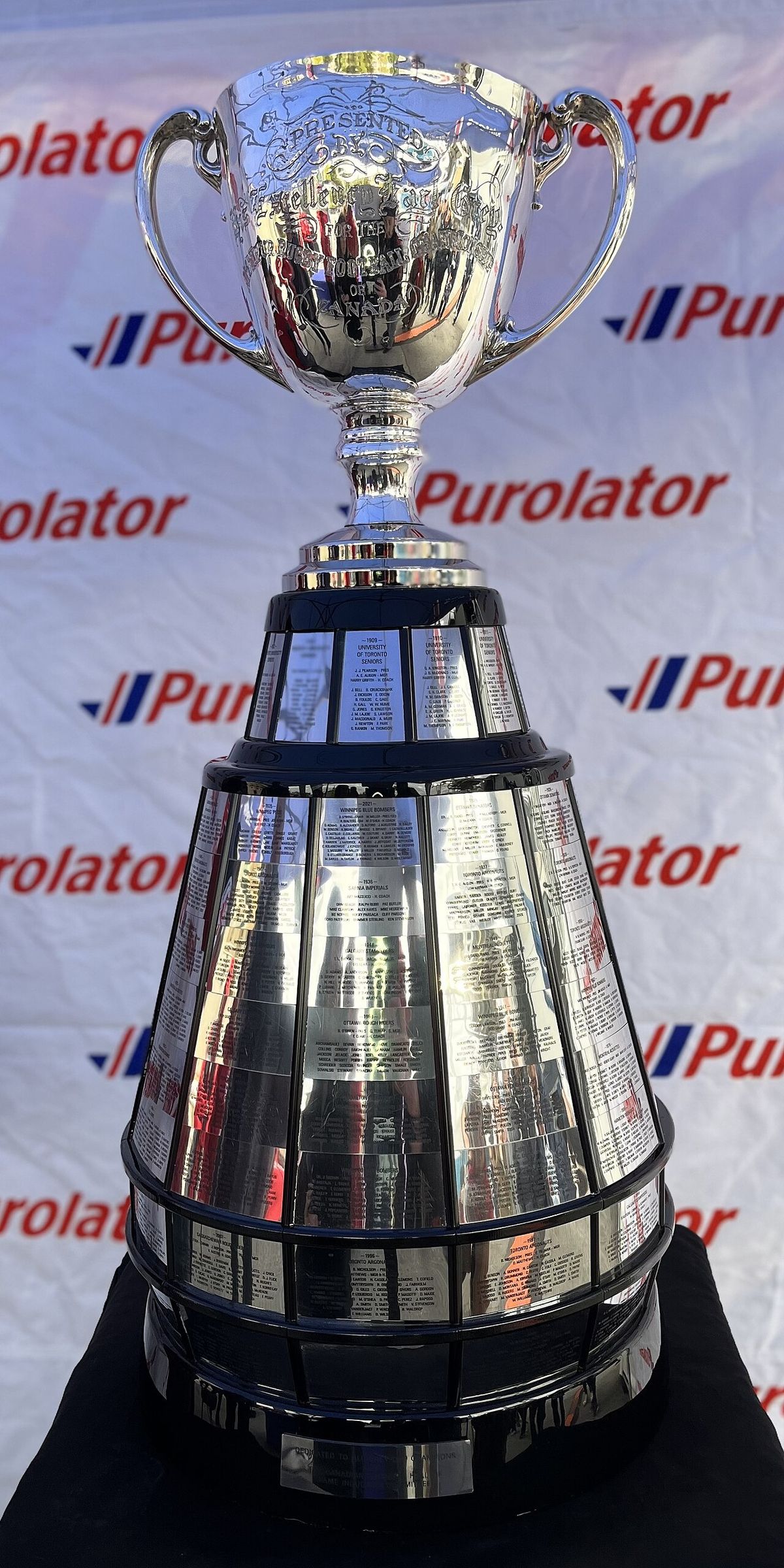
Empire Stadium hosted the Grey Cup game seven times in total. These games were held in the years 1955, 1958, 1960, 1963, 1966, 1971, and 1974. The 1955 game was the first Grey Cup held west of Ontario. This frequency reflects the venue's central role in Canadian football.
Legacy and Commemoration
The physical legacy of Empire Stadium lives on in several forms at the Hastings Park site and in Vancouver's sporting memory. The statue of John Landy and Roger Bannister, which originally stood near the stadium's south end, was preserved and moved to the Pacific National Exhibition north entrance, just metres from where the 1954 race occurred. The site itself, after serving as a parking lot, was converted into community sports fields and a track, returning the space to public athletic use. The name 'Empire' was revived for the temporary Empire Field stadium in 2010, creating a direct link to the past for a new generation of fans. The stadium's history as the first western host of the Grey Cup established a tradition that continues with modern venues like BC Place. The stories of its famous concerts, its role in high school championships, and its technological firsts in goalpost and turf design remain part of Vancouver's civic history, ensuring Empire Stadium is remembered as more than just a demolished building.
Questions about Empire Stadium
Where was Empire Stadium located?
Empire Stadium was situated at the Pacific National Exhibition (PNE) site within Hastings Park in Vancouver, British Columbia. The specific grounds are in the city's east side, near the neighbourhood of Renfrew-Collingwood. After its demolition, the area was used for parking and later converted into community sports fields. The temporary Empire Field was built on this exact location in 2010.
Why was Empire Stadium built?
The stadium was constructed specifically to serve as the main venue for the 1954 British Empire and Commonwealth Games, which were awarded to Vancouver. It was needed to host the opening ceremonies and the track and field events. Construction began in September 1953 after city council secured the necessary funding, which totalled $1.5 million. The project was fast-tracked to be ready for the Games the following year.
What was the most famous sporting event held at Empire Stadium?
While it hosted seven Grey Cup games, the most globally famous sporting moment was the 'Miracle Mile' during the 1954 Commonwealth Games. This was the race where rivals Roger Bannister and John Landy both ran the mile in under four minutes, a historic first. The dramatic finish, with Landy glancing over his shoulder as Bannister passed him, was commemorated with a statue placed at the stadium. The stadium also witnessed the heartbreaking collapse of marathoner Jim Peters in the same Games.
What happened to the site after the stadium was demolished?
The stadium was demolished in the early 1990s. The site served as a parking lot for the Pacific National Exhibition and Playland for many years. It was later converted to a soccer field and track on the site of the old field. A temporary stadium called Empire Field was also built there in 2010.
When did the BC Lions stop playing at Empire Stadium?
The BC Lions stopped playing at Empire Stadium after the 1982 season. The team had been the stadium's primary tenant since its opening in 1954, using it as their home field for nearly three decades. By the late 1970s, the facility began to show its age, prompting discussions about a new stadium. Both the Lions and the Vancouver Whitecaps of the NASL moved to the newly constructed BC Place Stadium for the 1983 season. This move marked the end of an era for professional football at the Hastings Park venue.
Did Empire Stadium host any major music concerts?
Yes, Empire Stadium hosted major music concerts featuring some of the world's most well-known performers. The stadium was a multi purpose venue that held not only sporting events but also significant musical events. Most notably, it hosted concerts by both Elvis Presley and The Beatles during its operational history. These concerts contributed to the stadium's legacy as a key entertainment venue in Vancouver. The stadium's design and capacity, which was 32,375 upon opening, made it suitable for large scale events. Its role in hosting such legendary artists remains a notable part of its history alongside its sporting achievements.
Sources: Wikipedia and current public reporting, checked by the Garbutt Disposal desk. Last updated 2026-10-26.