Sports in Canada
Sports in Canada encompass a wide array of games and athletic pursuits, deeply woven into the national fabric. The country has two official national sports: ice hockey, recognized as the winter sport, and lacrosse, designated as the summer sport. Canadians participate in and follow a diverse range of activities, from the most popular participation sports of swimming, cycling, and running to major professional leagues in hockey, soccer, basketball, baseball, and Canadian football. The nation has a storied history of hosting major international events, including the Olympic Games and FIFA World Cups, and its sporting culture is celebrated through institutions like Canada's Sports Hall of Fame.
National Sports and Their History
The designation of Canada's national sports was formalized through the National Sports of Canada Act, which came into force on May 12, 1994. This legislation recognized ice hockey as Canada's national winter sport and lacrosse as the national summer sport. The path to this dual designation involved parliamentary debate beginning in 1964, when MP Jack Roxburgh introduced a bill to declare hockey the national game after his research found no law had ever declared a national sport. This was met with opposition from lacrosse advocates, including MP Bob Prittie, who introduced a counter-bill in 1965 to have lacrosse declared, arguing it was fitting during discussions of national symbols. The issue remained unresolved until 1994, when First Nations groups objected to a bill favouring only hockey, leading to the House of Commons amendment that recognized both sports with seasonal designations.
Ice hockey's modern form originated in Canada in the late 19th century and is widely considered the national pastime, with high participation across all ages and competition levels. The prestigious Stanley Cup, considered the premiere trophy in professional ice hockey, originated in Canada in 1893. Prominent national championship trophies include the Memorial Cup for top junior-age men and the Allan Cup for top men's senior teams. Hockey Canada is the sport's official governing body and oversees the Canadian national men's team, which competes in the IIHF Men's World Championship and the Olympics. Lacrosse has a much deeper history, played by First Nations for over 500 years as 'The Creator's Game' before evolving into its modern form. The Canadian Lacrosse Association, founded in 1925, is the sport's governing body and conducts national championships in both field and box lacrosse.
Both sports have strong professional leagues with significant Canadian presence. The National Hockey League, founded in Canada, currently has seven Canadian franchises: the Calgary Flames, Edmonton Oilers, Montreal Canadiens, Ottawa Senators, Toronto Maple Leafs, Vancouver Canucks, and Winnipeg Jets. The league retains substantial Canadian content, with roughly half of its players being Canadian. The National Lacrosse League, which plays box lacrosse, has six of its thirteen franchises in Canada: the Vancouver Warriors, Calgary Roughnecks, Saskatchewan Rush, Toronto Rock, Oshawa FireWolves, and Halifax Thunderbirds. Great achievements in lacrosse are recognized by the Canadian Lacrosse Hall of Fame, while hockey accomplishments are honoured in numerous halls, including Canada's Sports Hall of Fame.
Participation and Popularity Trends
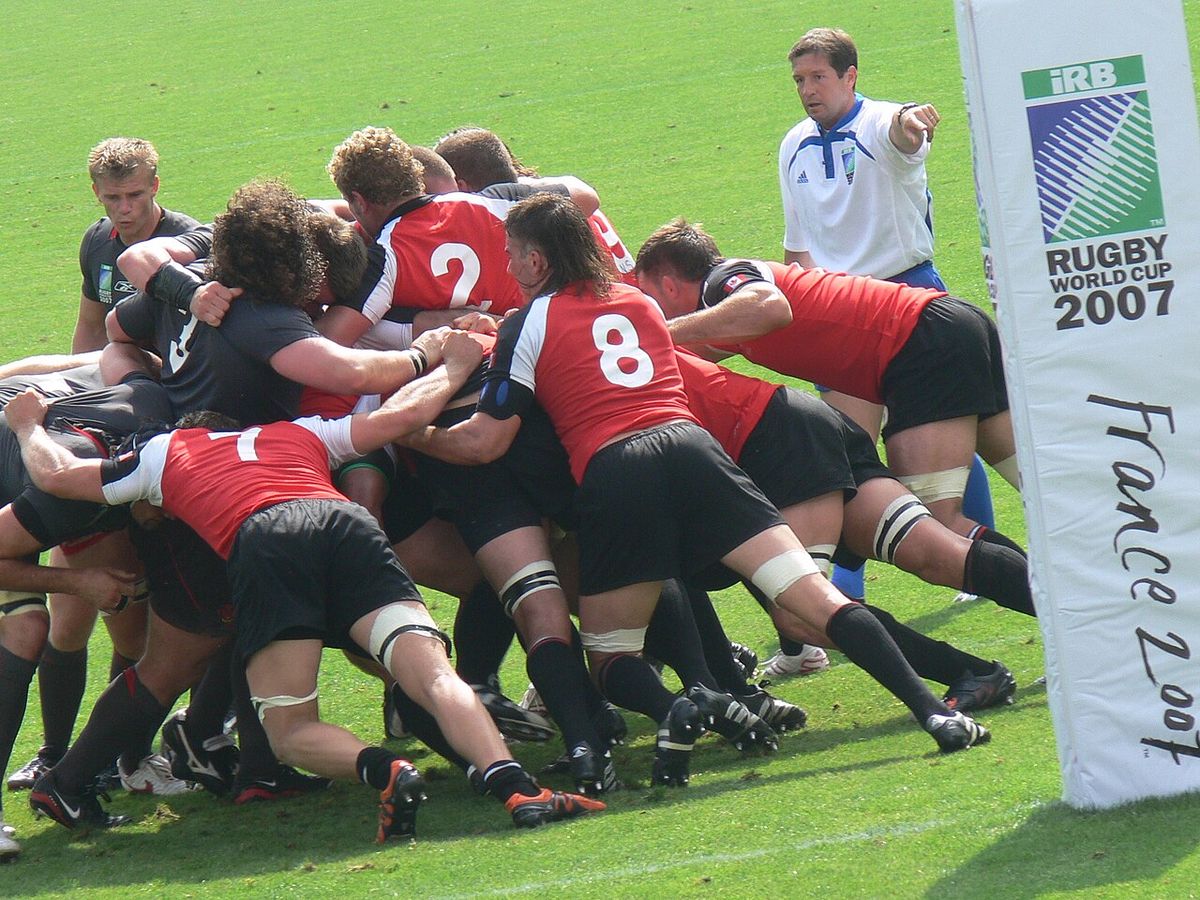
Approximately half of Canadians aged 15 and older participate in sports, with men's participation (62%) notably higher than women's (49%). Significant differences exist among specific cultural groups, with sport participation rates higher for Korean (62%), Chinese (62%), and Arab Canadians (60%) compared to the general population. The most common sports among participants in 2023 were swimming, cited by 35% of Canadians, followed closely by cycling at 33% and running at 27%. Swimming is most popular among the non-racialized population, while running is favoured by several racialized groups, including Chinese (40%), Japanese (35%), Southeast Asian (35%), South Asian (33%), and Black (32%) Canadians.
Participation motivations are overwhelmingly health and recreation focused, with 82% citing physical health and fitness, 70% citing fun and recreation, and 65% citing mental health benefits. The primary barrier to participation across all groups is a lack of time, cited by 47% of racialized individuals and 27% of non-racialized and Indigenous individuals. Other reasons for non-participation include lack of interest (32% for racialized, 37% for non-racialized), cost (13% for racialized, 10% for non-racialized), and access to facilities (4% for racialized, 3% for non-racialized). Sport preferences show significant variation across demographic groups, with Canadian-born individuals more likely to participate in winter sports like ice skating, skiing, and snowboarding, while immigrants show a greater preference for soccer, tennis, or basketball.
Among youth, soccer is the leading organized sport for those aged three to 17, with a 16% participation rate. For young adults aged 18 to 24, hockey leads with a 21.8% participation rate, followed by basketball at 17.6% and soccer at 12.4%. Sports such as baseball, golf, curling, volleyball, badminton, bowling, and martial arts are also widely enjoyed at the youth and amateur levels. The popularity of specific sports varies not only by age and origin but also by gender, with swimming being favoured by women and cycling by men according to the 2023 statistics.
- Swimming is the most popular sport overall (35% participation).
- Cycling is the second most popular (33% participation).
- Running is the third most popular (27% participation).
- Hockey is the top team sport for young adults aged 18-24 (21.8% participation).
- Soccer is the top organized sport for youth aged 3-17 (16% participation).
- The main participation barrier is lack of time, especially for racialized individuals (47%).
- Korean and Chinese Canadians have a 62% sport participation rate.
- Primary motivation for participation is physical health and fitness (82%).
Professional and Major League Sports
Canada shares several major professional sports leagues with the United States, fielding teams in each. The National Hockey League, founded in Canada, currently has seven Canadian franchises: the Calgary Flames, Edmonton Oilers, Montreal Canadiens, Ottawa Senators, Toronto Maple Leafs, Vancouver Canucks, and Winnipeg Jets. The Canadian NHL presence peaked with eight teams in the mid-1990s before the Quebec Nordiques relocated to Denver in 1995 and the original Winnipeg Jets moved to Phoenix in 1996. The NHL returned to Winnipeg in 2011 when the Atlanta Thrashers relocated and became the current Jets. In soccer, three Canadian cities have teams in Major League Soccer. Canada has one team each in Major League Baseball and the National Basketball Association.
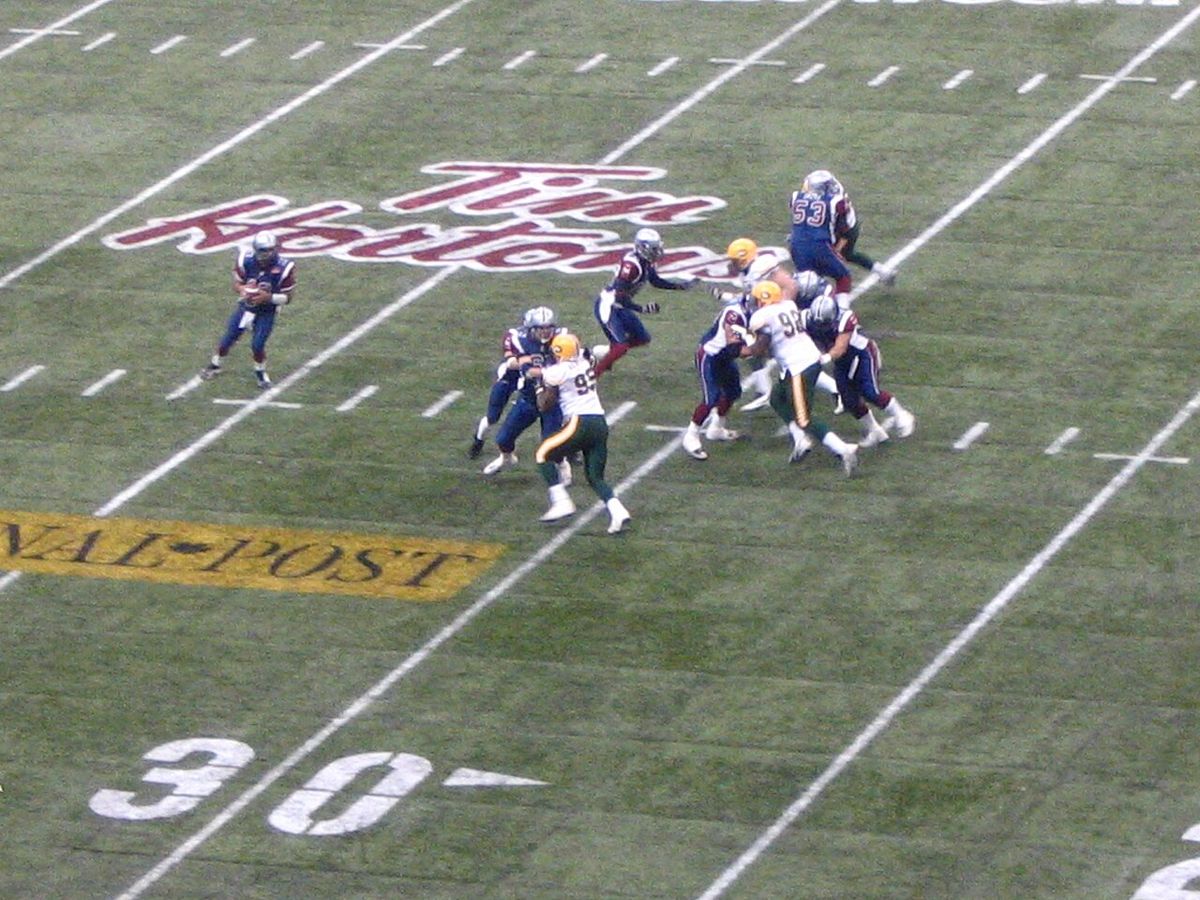
Domestically, the Canadian Football League is the premier professional gridiron football league for the distinct Canadian code of football, which developed from rugby football beginning in the 1860s. The first documented football match in Canada was played at University College, University of Toronto on November 9, 1861. The National Lacrosse League, featuring the box lacrosse variant, has six of its thirteen teams based in Canada. Other popular professional competitions include the Canadian Premier League for soccer and the various curling tournaments hosted by Curling Canada. Junior-age ice hockey is also a major spectator sport, with the Canadian Hockey League broadcast nationally and its annual Memorial Cup championship being a popular television event.
Television viewership preferences highlight hockey's cultural dominance, with 22% of Canadians in a 2023 survey naming it their preferred sport to watch. Soccer followed at 10% and basketball at 8%, while 12% stated they neither watch nor follow sports. Regional variations are pronounced, with 44.7% of Albertans saying they follow hockey closely, compared to 24.3% in British Columbia and Ontario. In British Columbia, 13% follow soccer closely, while in other prairie provinces 15.7% follow football. Ontario is the only province with a Major League Baseball team, and 11.7% of Ontarians follow baseball closely. The long-running Hockey Night in Canada broadcast remains a national Saturday night television institution featuring Canadian NHL teams.
Generational divides in viewership are evident, as 25% of Generation X and 24% of Baby Boomers prefer watching hockey, compared to only 13% of Gen Z and 17% of Millennials. Conversely, Gen Z shows a stronger preference for soccer than older generations. Basketball is favoured by approximately 17% of Gen Z and Millennials, but only 8% of Generation X and 2% of Baby Boomers. Baby Boomers also exhibit a higher propensity to claim they do not watch any sports compared to other age cohorts. A gender analysis revealed that 54% of males opted for one of the leading four sports (hockey, soccer, basketball, or baseball) whereas only 35% of females did so, indicating women appreciate a more diverse assortment of sports.
Major Multi-Sport Events
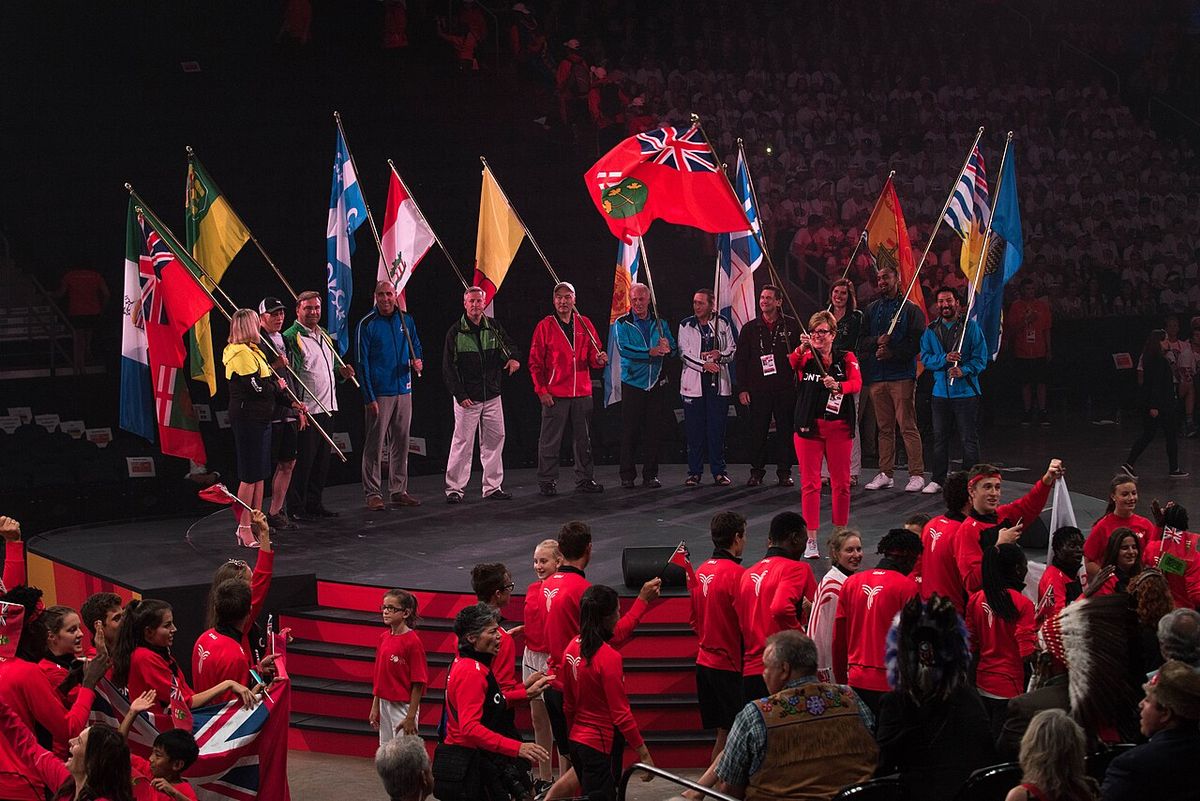
Canada hosts and participates in numerous high-profile multi-sport events. The premier domestic event is the Canada Games, a strictly amateur competition held every two years, alternating between winter and summer editions. First held in 1967 in Quebec City as part of Canada's Centennial celebrations, the Games have helped develop athletes like Sidney Crosby, Hayley Wickenheiser, Steve Nash, Lennox Lewis, Catriona Le May Doan, Martin Brodeur, Suzanne Gaudet, and David Ling. Similar events are held on the provincial level, such as the annual BC Games. On the international stage, Canada is one of only six nations to have attended every Commonwealth Games, having first hosted them in Hamilton, Ontario, in 1930 under the name British Empire Games.
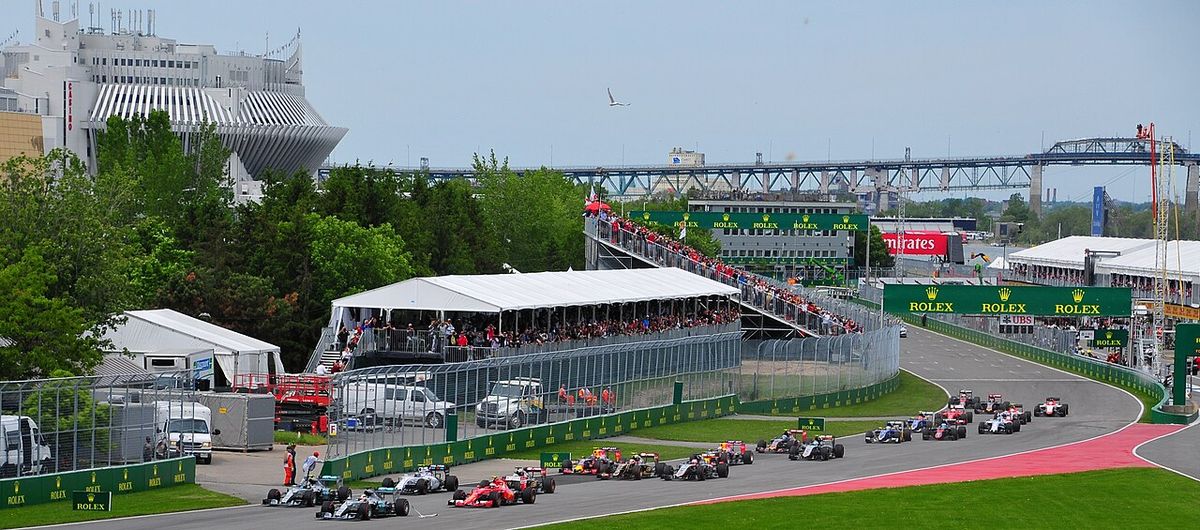
Canada also hosted the Commonwealth Games in Vancouver (1954), Edmonton (1978), and Victoria (1994), and ranks third in the all-time medal tally of the Games. The nation has competed at almost every Olympic Games, missing only the inaugural 1896 Games and the 1980 boycotted Games. Canada has hosted the Olympics three times: the 1976 Summer Olympics in Montreal, the 1988 Winter Olympics in Calgary, and the 2010 Winter Olympics in Vancouver. At summer games, the majority of Canada's medals come from athletics, aquatics, rowing, and canoeing/kayaking. In the post-boycott era since 1988, Canada's medal total ranks 19th in the world, with its highest rank of 11th in 1992.
The 2010 Vancouver Games were preceded by the 'Own the Podium, 2010' development program, launched after Canada failed to win gold at the 1976 and 1988 home games. The program aimed to help Canada earn the most medals at the 2010 Games. While Canada finished third in total medals behind the United States and Germany, it won a record 14 gold medals, the most by any country at a single Winter Olympics. At winter games, Canada is traditionally strong in ice hockey, speed skating, figure skating, and curling. Canada has also participated in each Pan American Games since 1955, hosting them in Winnipeg in 1967 and 1999, and in Toronto in 2015. The country co-hosted the 2026 FIFA World Cup alongside Mexico and the United States and previously hosted the 2015 FIFA Women's World Cup.
- Canada Games: First held in 1967. Alternates winter/summer every two years.
- Commonwealth Games: Hosted in 1930 (Hamilton), 1954 (Vancouver), 1978 (Edmonton), 1994 (Victoria).
- Olympic Games: Hosted in 1976 (Montreal Summer), 1988 (Calgary Winter), 2010 (Vancouver Winter).
- Pan American Games: Hosted in 1967 (Winnipeg), 1999 (Winnipeg), 2015 (Toronto).
- FIFA World Cup: Co-host for the 2026 tournament with the U.S. and Mexico. Hosted 2015 Women's World Cup.
- Other events include the North American Indigenous Games, World Police and Fire Games, and Gay Games.
Issues of Discrimination in Sport
A significant portion of Canadians perceive racism and discrimination as a problem in community sports, with 25% holding this view in 2023. Among those who played sports in the preceding five years, 18% reported facing or witnessing unfair treatment. The experience of discrimination is not evenly distributed across the population. Lesbian and gay Canadians reported experiencing discrimination at a rate of 42%, compared to 17% of heterosexual individuals. Young people aged 15 to 24 were more likely to encounter these issues, with 30% reporting experiences, while only 7% of those aged 65 and older did.
Racialized individuals reported unfair treatment at a higher rate (26%) than non-racialized groups (15%). The highest rates were reported among Black, Filipino, and Korean Canadians. The primary cause of discrimination was identified as race or skin colour, followed by physical appearance and ethnicity. Most incidents involved other participants and spectators rather than officials. A troubling aspect is underreporting, with 32% of incidents never reported and some witnesses even participating in the discriminatory behaviour. These statistics reveal ongoing challenges in making community sports equitable and inclusive for all Canadians, highlighting the need for continued focus on addressing barriers and unfair treatment based on race, sexual orientation, and age.
Statistical Overview of Sport Engagement
Sport participation and viewership in Canada reveal distinct patterns across gender, region, and generation. In a 2023 national survey, Canadians identified hockey as their preferred sport for viewing, with approximately 22 percent of participants indicating a preference for it. Regionally, individuals in the Atlantic and Prairie provinces demonstrated a significant inclination towards hockey, and hockey is the most popular sport in Alberta. A gender analysis revealed that 54 percent of males opted for one of the leading four sports, which include hockey, soccer, basketball, or baseball, whereas only 35 percent of females did so. Generational disparities were also evident, as members of Generation X and Baby Boomers showed a greater likelihood of selecting hockey compared to Gen Z and Millennials.
| Region | Primary Sport Followed Closely | Percentage |
|---|---|---|
| Alberta | Hockey | 44.7% |
| Quebec | Hockey | 37.9% |
| Atlantic Canada | Hockey | 37.7% |
| British Columbia | Hockey | 24.3% |
| Prairie Provinces (ex. AB) | Hockey | 25% |
| Ontario | Hockey | 24.3% |
Gender analysis shows 54% of men preferred one of the top four sports (hockey, soccer, basketball, or baseball), compared to only 35% of women, suggesting women have a more diverse range of sporting interests. Respondents from Ontario exhibited a wider array of favourite sports compared to other regions. Generational disparities are stark, with Baby Boomers and Generation X far more likely to prefer watching hockey than Millennials or Gen Z. Conversely, basketball is favoured by about 17% of Gen Z and Millennials, but only 8% of Generation X and 2% of Baby Boomers. Baby Boomers also exhibited a higher propensity to claim they do not watch any sports compared to other age cohorts. These statistics illustrate a dynamic and evolving sporting landscape in Canada where preferences are shaped by geography, age, and gender.
Other Popular Sports and Activities
Beyond the major professional and national sports, Canadians enjoy a wide variety of other athletic pursuits at recreational and competitive levels. Sports such as golf, volleyball, badminton, bowling, and martial arts are widely enjoyed at youth and amateur levels. Curling holds a special place as a popular winter sport with deep community roots and a strong professional tournament circuit organized by Curling Canada. In the summer, soccer is the most popular youth team sport, while tennis and basketball see high participation rates, particularly among immigrant populations. The annual IIHF World U20 Championship, played during December and January, is also extremely popular among Canadian television viewers and has been held in Canada numerous times due to its popularity.
Canada also has a strong presence in athletics, aquatics, rowing, and canoeing/kayaking, which are consistent sources of Olympic medals at the Summer Games. The country has developed specialized institutions to support high-performance athletes, such as the National Sport School in Calgary, founded in 1994 as the first Canadian high school designed exclusively for Olympic-calibre athletes. Great achievements across all Canadian sports are recognized by halls of fame, most notably Canada's Sports Hall of Fame, which honours the nation's sporting legends. Other major events with Canadian participation include the World Championships in Athletics and the Universiade, reflecting the breadth of the national sporting interest.
Canadian football, a distinct gridiron code, has its own rich history and professional league. Its origins trace back to rugby football in the early 1860s, and the first documented match was played at University College, University of Toronto on November 9, 1861. One participant was Sir William Mulock, later Chancellor of the university. A football club formed at the university soon after, though its early rules are unclear, and by 1864, F. Barlow was involved in games at Trinity College, Toronto. This evolution led to the unique Canadian football code played today in the Canadian Football League, demonstrating how historical development has shaped the modern sporting landscape. The sport remains a major part of the professional sports scene alongside hockey, lacrosse, soccer, baseball, and basketball.
Questions about Sports in Canada
What are Canada's official national sports?
Canada has two official national sports designated by the National Sports of Canada Act of 1994. Ice hockey is recognized as the national winter sport, and lacrosse is recognized as the national summer sport. The designation for lacrosse acknowledges its origins as an Indigenous game played for centuries. The legislative process began in 1964, with the final bill amended in response to First Nations advocacy. Both sports are played professionally in Canada, with seven NHL teams for hockey and six National Lacrosse League teams for box lacrosse.
What is the most popular sport for Canadians to play?
According to 2023 statistics, swimming is the most common participation sport, reported by 35 percent of Canadians. This is closely followed by cycling at 33 percent and running at 27 percent. For team sports, hockey is the most popular among young adults aged 18 to 24, with a participation rate of 21.8 percent. Soccer is the leading organized sport for children and youth aged three to 17, with 16 percent participation. Preferences vary, with Canadian-born individuals more likely to play winter sports and immigrants more likely to play soccer, tennis, or basketball.
What sport do Canadians prefer to watch on TV?
In a 2023 national survey, ice hockey was identified as the preferred sport for viewing by 22 percent of Canadians, making it the most popular spectator sport. Soccer was the second choice at 10 percent, followed by basketball at 8 percent, and 12 percent said they do not watch sports. Generational gaps exist, as older generations prefer hockey more than Gen Z and Millennials. Hockey Night in Canada is a long-standing national Saturday night television broadcast dedicated to the sport.
How many Canadian teams are in the NHL?
There are currently seven Canadian franchises in the National Hockey League. These are the Calgary Flames, Edmonton Oilers, Montreal Canadiens, Ottawa Senators, Toronto Maple Leafs, Vancouver Canucks, and the Winnipeg Jets. The NHL was founded in Canada and roughly half of all league players are Canadian. The league previously had eight Canadian teams in the mid-1990s before the Quebec Nordiques relocated to Denver in 1995 and the original Winnipeg Jets moved to Phoenix in 1996. The NHL returned to Winnipeg in 2011 when the Atlanta Thrashers relocated.
Has Canada ever hosted the Olympic Games?
Yes, Canada has hosted the Olympic Games on three occasions. The country hosted the Summer Olympics in Montreal in 1976, the Winter Olympics in Calgary in 1988, and the Winter Olympics again in Vancouver in 2010. The 2010 Vancouver Games were preceded by the 'Own the Podium' development program launched after Canada failed to win gold medals at the two previous home games. This program helped Canada win a record 14 gold medals at the 2010 Games, the most by any nation at a single Winter Olympics, though they finished third in total medal count.
What is the Canada Games?
The Canada Games is the country's highest-level domestic multi-sport event, held every two years and alternating between the Canada Winter Games and the Canada Summer Games. The event features strictly amateur athletes representing their province or territory. First held in 1967 in Quebec City as part of Canada's Centennial celebrations, the Games have been a developmental platform for many elite Canadian athletes, including Sidney Crosby, Hayley Wickenheiser, Steve Nash, and Lennox Lewis. Similar multi-sport events are also held at the provincial level across the country.
Sources and further reading
- Sports in Canada (Wikipedia)
- Major events and sport venues (ottawatourism.ca)
- Facilities & Venues | Win in Winnipeg, Sport Tourism (wininwinnipeg.com)
- Montréal's biggest sports venues (meet.mtl.org)
Checked by the Garbutt Disposal desk. Last updated 2026-10-20.