Martin Brodeur
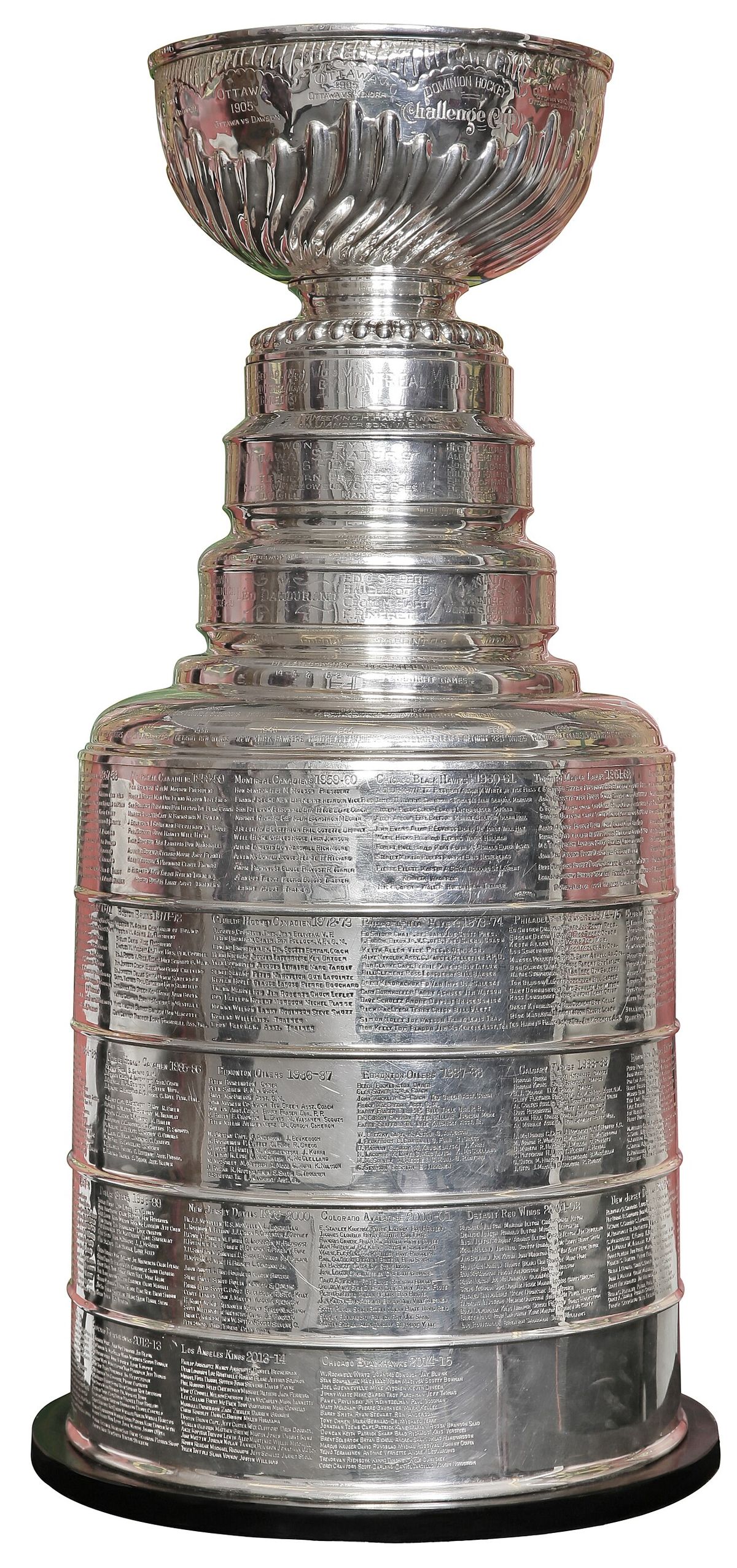
Martin Pierre Brodeur is a Canadian-American former professional ice hockey goaltender and current executive, widely regarded as one of the greatest to ever play the position. Over a 22-season National Hockey League career, predominantly with the New Jersey Devils, he established numerous league records, including most career wins (691), shutouts (125), and games played (1,266). His legendary career was decorated with three Stanley Cup championships, two Olympic gold medals for Canada, and four Vezina Trophies as the league's top goaltender. Brodeur's innovative puck-handling skills were so influential they led to a permanent NHL rule change, and he was inducted into the Hockey Hall of Fame in 2018.
Early Life and Hockey Beginnings
Martin Brodeur was born in Montreal, Quebec, on May 6, 1972, one of five children to Denis and Mireille Brodeur. His father, Denis, was an Olympic bronze medallist for Canada in hockey at the 1956 Winter Games and later served as the longtime team photographer for the Montreal Canadiens. This connection gave the young Martin extensive exposure to professional hockey from an early age, and he idolized Canadiens goaltender Patrick Roy. Brodeur initially played as a forward but made the important switch to goaltender at age seven when his coach offered him the choice. His commitment wavered briefly at age twelve after being removed from a lineup, but a talk with his brother Claude convinced him to continue. In his teens, Brodeur attended a camp run by legendary Soviet goaltender Vladislav Tretiak, who encouraged a versatile, multi-method approach to the position, a philosophy Brodeur credits with making him a lifelong student of goaltending technique.
Brodeur's junior career flourished in the Quebec Major Junior Hockey League (QMJHL) with the Saint-Hyacinthe Laser. His performance there earned him a spot on the QMJHL All-Rookie Team for the 1989-90 season and the QMJHL Second All-Star Team for the 1991-92 season. His development trajectory caught the attention of NHL scouts, and he was selected by the New Jersey Devils in the first round, 20th overall, in the 1990 NHL Entry Draft. This selection marked the beginning of a franchise-defining relationship that would span over two decades and reshape the record books.
NHL Career with the New Jersey Devils
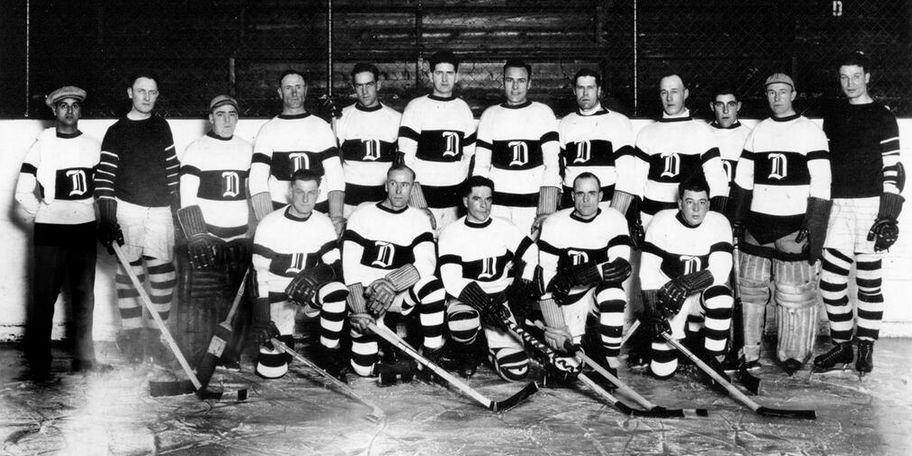
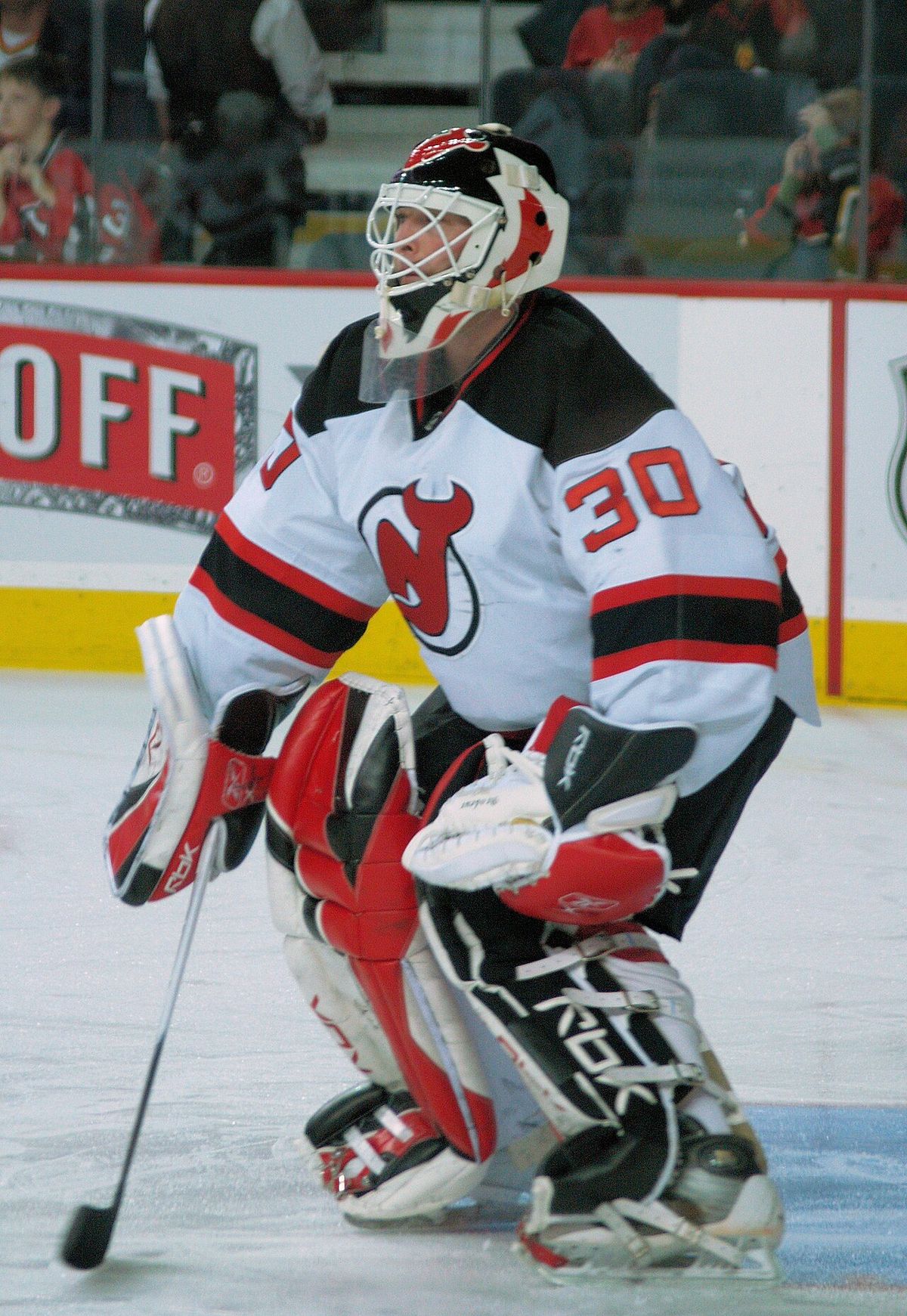
Brodeur's NHL debut came during the 1991-92 season on an emergency basis, and he won his first game against the Boston Bruins. After a season of development with the Utica Devils of the American Hockey League, he seized the starting role in New Jersey during the 1993-94 campaign. That season, he posted a 2.40 goals-against average and a .915 save percentage in 47 games, leading the Devils to the Eastern Conference Final and earning the Calder Memorial Trophy as the league's top rookie. The following season, shortened to 48 games by a lockout, culminated in Brodeur backstopping the Devils to their first Stanley Cup championship, a four-game sweep of the Detroit Red Wings. This victory, achieved in just his second full NHL season, announced his arrival as an elite playoff performer.
The late 1990s saw Brodeur establish himself as a workhorse and a consistent winner. He played in 74 games during the 1995-96 season, setting a single-season record for minutes played by a goaltender. He earned his first NHL All-Star Game start that year and began a streak of twelve consecutive seasons with at least 30 wins. His puck-handling prowess was highlighted on April 17, 1997, when he became only the second goaltender in NHL history to score a goal in the playoffs, firing the puck the length of the ice into an empty Montreal Canadiens net.
The Devils returned to championship form at the turn of the millennium. Brodeur won 43 games in the 1999 to 2000 season and led New Jersey on a playoff run that culminated in a six-game Stanley Cup Final victory over the Dallas Stars. Three years later, in 2002-03, he captured his first Vezina Trophy, won another Jennings Trophy, and delivered a historic playoff performance. He recorded seven shutouts that postseason, breaking the NHL record, and guided the Devils to their third Stanley Cup title, defeating the Mighty Ducks of Anaheim in seven games. Brodeur won his second consecutive Vezina Trophy in 2003-04, cementing his status as the league's premier goaltender.
The Brodeur Rule and Later Devils Tenure
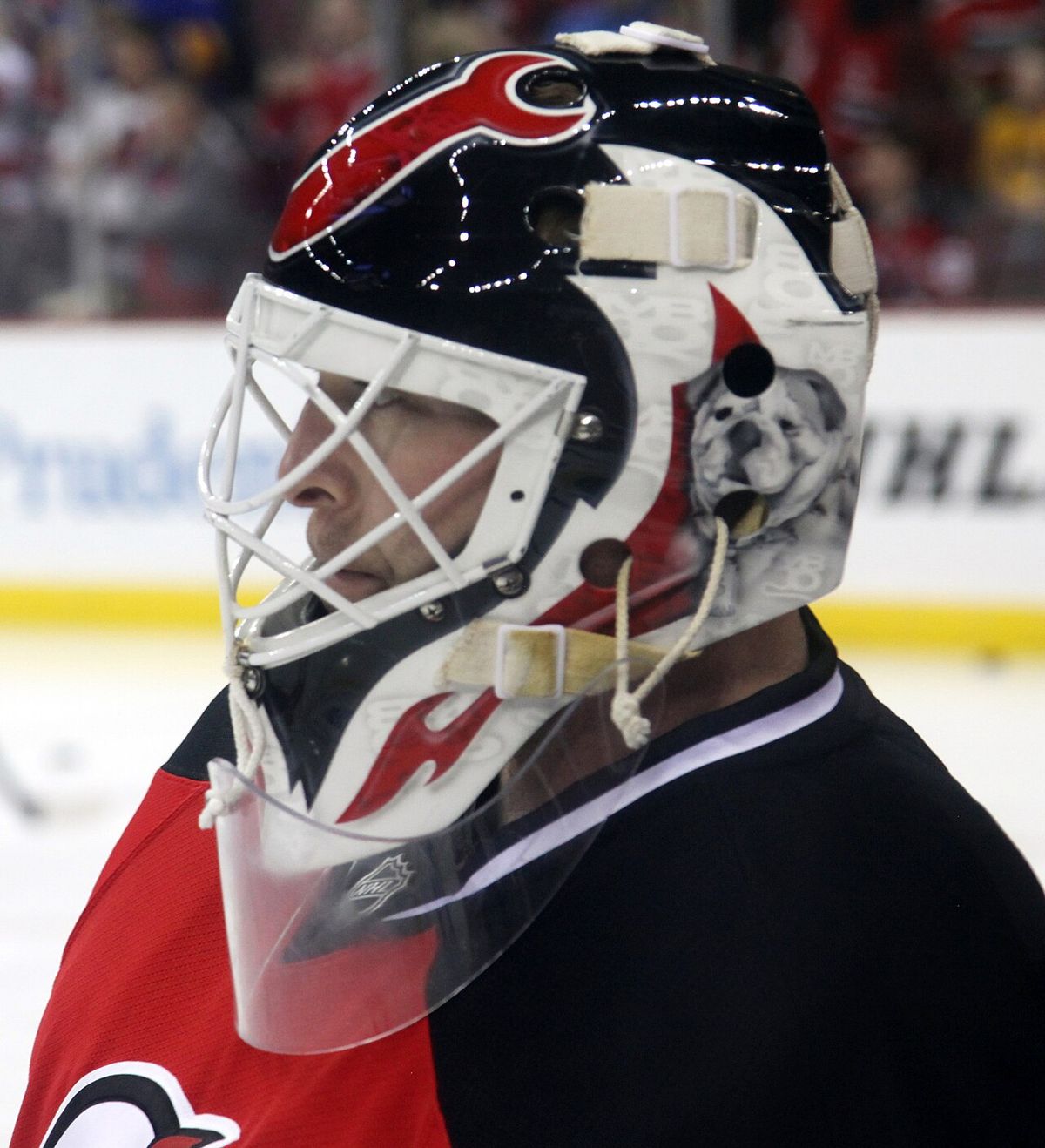
Brodeur's exceptional skill at handling the puck and acting as a third defenceman was so effective that it prompted the NHL to institute a new rule following the 2004-05 lockout. Dubbed "the Brodeur rule," it restricted goaltenders to playing the puck only within a designated trapezoid area behind the net. The rule was designed to increase offensive forechecking and create more puck battles, but it was widely seen as a direct response to Brodeur's unique abilities. In 2009, Brodeur himself advocated for the rule's removal, arguing it would reduce dangerous hits on defencemen and potentially create more scoring chances from goaltender mistakes, but the rule was retained and later adopted by other leagues like the KHL and IIHF.
After the lockout, Brodeur continued to shatter records. He signed a six-year contract extension with the Devils in January 2006. In the 2006-07 season, he won his third Vezina Trophy after a campaign where he set the single-season wins record with 48, breaking Bernie Parent's mark of 47. He also passed Patrick Roy for the all-time lead in overtime wins and Grant Fuhr for second place in all-time playoff victories. The 2007-08 season brought his fourth and final Vezina Trophy. Brodeur's remarkable consistency is demonstrated by his record eight career seasons with 40 or more wins, a feat no other goaltender has accomplished.
Career Records and Statistical Legacy
Martin Brodeur's name dominates the NHL's goaltending record books. His career totals are a demonstration of his longevity, durability, and consistent excellence. He retired as the all-time leader in several major categories, records that are considered among the most unbreakable in professional sports. His statistical legacy is built not on a few spectacular seasons but on over two decades of elite performance.
- Most Career Wins: 691 regular-season victories.
- Most Career Shutouts: 125 regular-season shutouts.
- Most Games Played: 1,266 regular-season appearances.
- Most 40-Win Seasons: 8 seasons (an NHL record).
- Most Consecutive 30-Win Seasons: 12 seasons (from 1995-96 to 2007-08).
- Playoff Shutouts: 24, ranking second all-time.
- Goaltender Goals: 3 (2 regular season, 1 playoff), the most of any NHL goaltender.
Beyond the raw totals, Brodeur's career was marked by remarkable stability. He posted a losing record in only three of his 22 NHL seasons. His ability to play a high volume of games at an elite level year after year separated him from his peers and allowed him to accumulate these historic numbers. The table below illustrates the peak of his statistical dominance during a decade-long stretch where he was a perennial Vezina Trophy contender.
International Career and Olympic Success
Martin Brodeur represented Canada with distinction on the international stage, contributing to a golden era for Canadian hockey. His first major tournament was the 1996 World Cup of Hockey, where Canada lost to the United States in the final. His Olympic debut came at the 2002 Winter Games in Salt Lake City, where he was named the starting goaltender for Team Canada. Brodeur was in net for the gold medal game, a 5-2 victory over the United States that ended Canada's 50-year Olympic gold medal drought in men's hockey. The victory held personal significance as his father, Denis, had won a bronze medal for Canada at the 1956 Olympics.
Eight years later, at the 2010 Vancouver Olympics, Brodeur served as the backup to Roberto Luongo. He played in the preliminary round, including a 5-3 loss to the United States, but supported Luongo from the bench during the knockout stage. He was part of the team when Sidney Crosby scored the "Golden Goal" in overtime to defeat the United States 3-2, securing Canada's second Olympic gold medal with Brodeur on the roster. In a 2026 interview reflecting on the 2026 Olympic team, Brodeur defended Canada's goaltending selection, stating he did not view it as a weakness and highlighting the championship experience of the chosen netminders.
Post-Retirement Career and Hall of Fame
After 21 seasons with the Devils, Brodeur played seven games for the St. Louis Blues during the 2014-15 season before announcing his retirement in January 2015. His transition to hockey management began shortly thereafter. He returned to the New Jersey Devils organization, initially serving as an assistant general manager. In his post-playing career, Brodeur has held the title of Executive Vice President of Business Development for the Devils, focusing on broadening the team's commercial interests. He has also taken on roles in the broader hockey community, including joining Propel Pro as Chief of Athlete Development for Hockey, where he applies his expertise to player development. The highest honour of his career came in 2018 when Martin Brodeur was inducted into the Hockey Hall of Fame in his first year of eligibility. This formal recognition cemented his legacy as one of the sport's immortals. In 2026, he was also inducted into the New Jersey Hall of Fame, becoming the first hockey player to receive that honour.
Playing Style and Impact on the Game
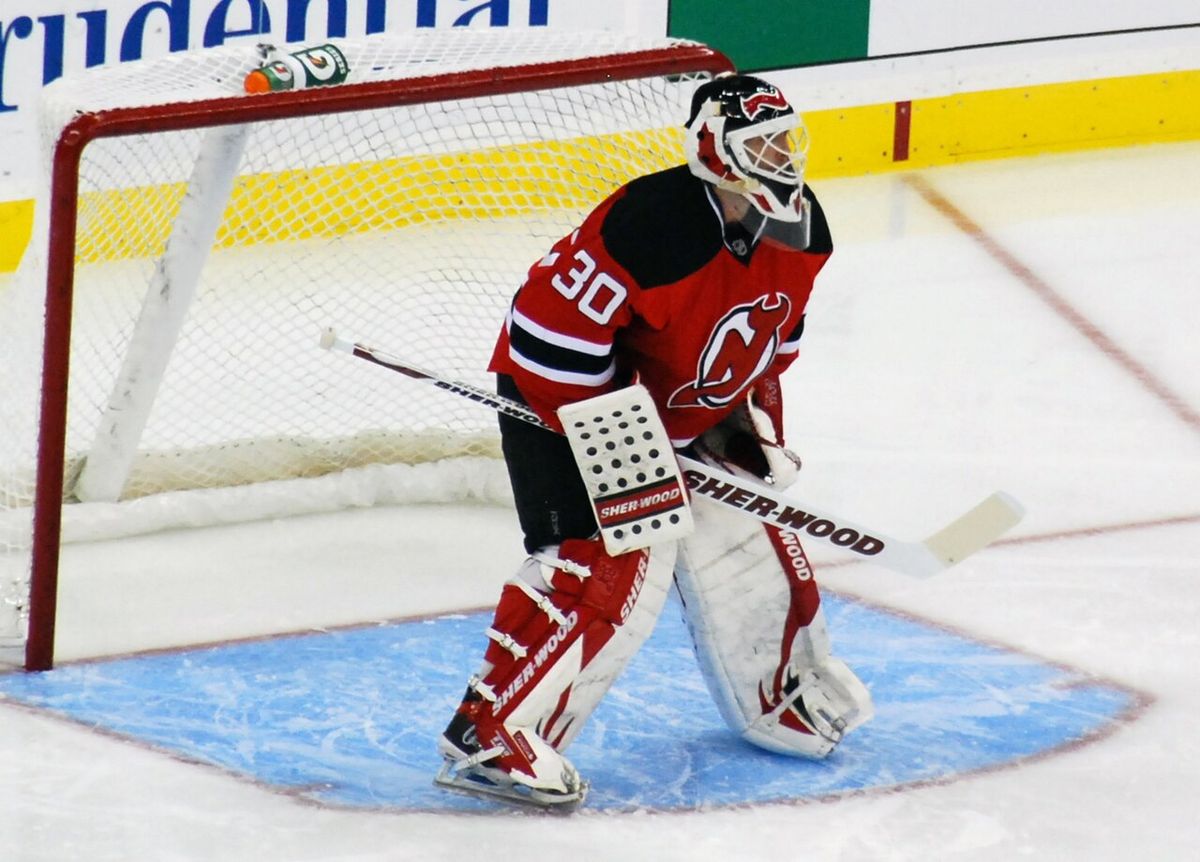
Brodeur was renowned for a hybrid goaltending style that blended stand-up techniques with modern butterfly elements, a versatility nurtured in his youth. He was celebrated for his exceptional reflexes, particularly with his glove hand, and his superb positional play, which minimized the need for acrobatic saves. However, his most distinctive and influential skill was his puck-handling ability. Acting as a third defenceman, Brodeur could stop dump-ins, initiate breakouts, and disrupt opposing forechecks with his precise passing, fundamentally changing how teams attacked the Devils. This skill was so potent it led directly to the NHL implementing the trapezoid rule, a lasting demonstration of his impact on how the game is played.
His mental composure and consistency were defining features of his career. Brodeur maintained an even keel through long seasons and high-pressure playoff games, earning a reputation as a clutch performer. His durability was legendary, as he regularly led the league in games and minutes played while maintaining elite performance metrics. This combination of unique skills, athleticism, and hockey intelligence allowed him to dominate his position for over two decades and left a permanent mark on the goaltending profession, influencing how the role is taught and played.
Questions about Martin Brodeur
What is the 'Brodeur Rule' in the NHL?
The 'Brodeur Rule' is the common name for the NHL rule instituted after the 2004-05 lockout that restricts where goaltenders can handle the puck. It created a trapezoid-shaped area behind the net. Goaltenders who play the puck outside this zone receive a penalty. The rule was implemented largely in response to Brodeur's exceptional skill at stopping dump-ins and starting breakouts, which was seen as stifling offensive forechecking.
How many Stanley Cups did Martin Brodeur win?
Martin Brodeur won three Stanley Cup championships. All three victories were achieved with the New Jersey Devils during his 21 seasons with the franchise. His first championship came in the 1994-95 season when the Devils swept the Detroit Red Wings. He won his second Stanley Cup in 2000 after leading the Devils past the Dallas Stars. His third and final championship was secured in 2003 following a seven-game series win against the Mighty Ducks of Anaheim. These victories were central to his legacy, anchoring the Devils' success over two decades.
What NHL records does Martin Brodeur hold?
Martin Brodeur holds several major NHL goaltending records. He is the league's all-time regular season leader in wins with 691 and in shutouts with 125. He also played more games than any other goaltender, appearing in 1,266 regular season contests. Brodeur set a record with eight seasons of at least 40 wins. He achieved at least 30 wins in twelve consecutive seasons from 1995-96 to 2007-08. These records highlight his exceptional durability and consistent performance throughout his lengthy career.
When was Martin Brodeur inducted into the Hockey Hall of Fame?
Martin Brodeur was elected to the Hockey Hall of Fame in 2018. This induction occurred the year after the NHL named him one of the '100 Greatest NHL Players' in 2017. His election recognized a legendary 22-season career, most of which was spent with the New Jersey Devils. His Hall of Fame credentials include three Stanley Cup championships, four Vezina Trophies, and numerous NHL records. He is widely regarded as one of the greatest goaltenders in the history of the sport.
What Olympic medals did Martin Brodeur win with Team Canada?
Martin Brodeur won two Olympic gold medals with Team Canada. He earned his first gold medal as the starting goaltender for Canada at the 2002 Winter Olympics in Salt Lake City. His second gold medal came at the 2010 Vancouver Olympics, where he served as the backup goaltender for the team. In addition to these Olympic successes, he also competed for Canada in other international competitions, winning several other medals. These achievements contributed to his reputation as a world class athlete.
What does Martin Brodeur do after retiring from playing?
After retiring from playing, Martin Brodeur returned to the New Jersey Devils organization as an executive. He currently holds the position of executive vice president of business development for the Devils. Beyond his role with the Devils, he has been involved in athlete development. In 2026, he joined Propel Pro as the Chief of Athlete Development for Hockey. In this capacity, he works on shaping how the goaltending position is taught to the next generation of players.
Sources and further reading
- Martin Brodeur (Wikipedia)
- Canada-U.S. gold medal game should be great day ... (nhl.com)
- Martin Brodeur Stats, Height, Weight, Position, Title (hockey-reference.com)
- Legendary goalie Brodeur among ex-Olympians who don't ... (cbc.ca)
Checked by the Garbutt Disposal desk. Last updated 2026-10-28.