Montreal Maroons
The Montreal Maroons were a professional ice hockey team that competed in the National Hockey League from 1924 to 1938. Founded to appeal to Montreal's anglophone community, the team shared the city with the rival Montreal Canadiens and played its home games at the Montreal Forum. The Maroons were a competitive force, winning the Stanley Cup in 1926 and 1935 before financial pressures from the Great Depression led to the franchise's suspension and eventual cancellation. As the last non-Original Six team to win the Stanley Cup until 1974, the Maroons hold a unique place in NHL history as a champion that ultimately folded.
Formation and Early Years
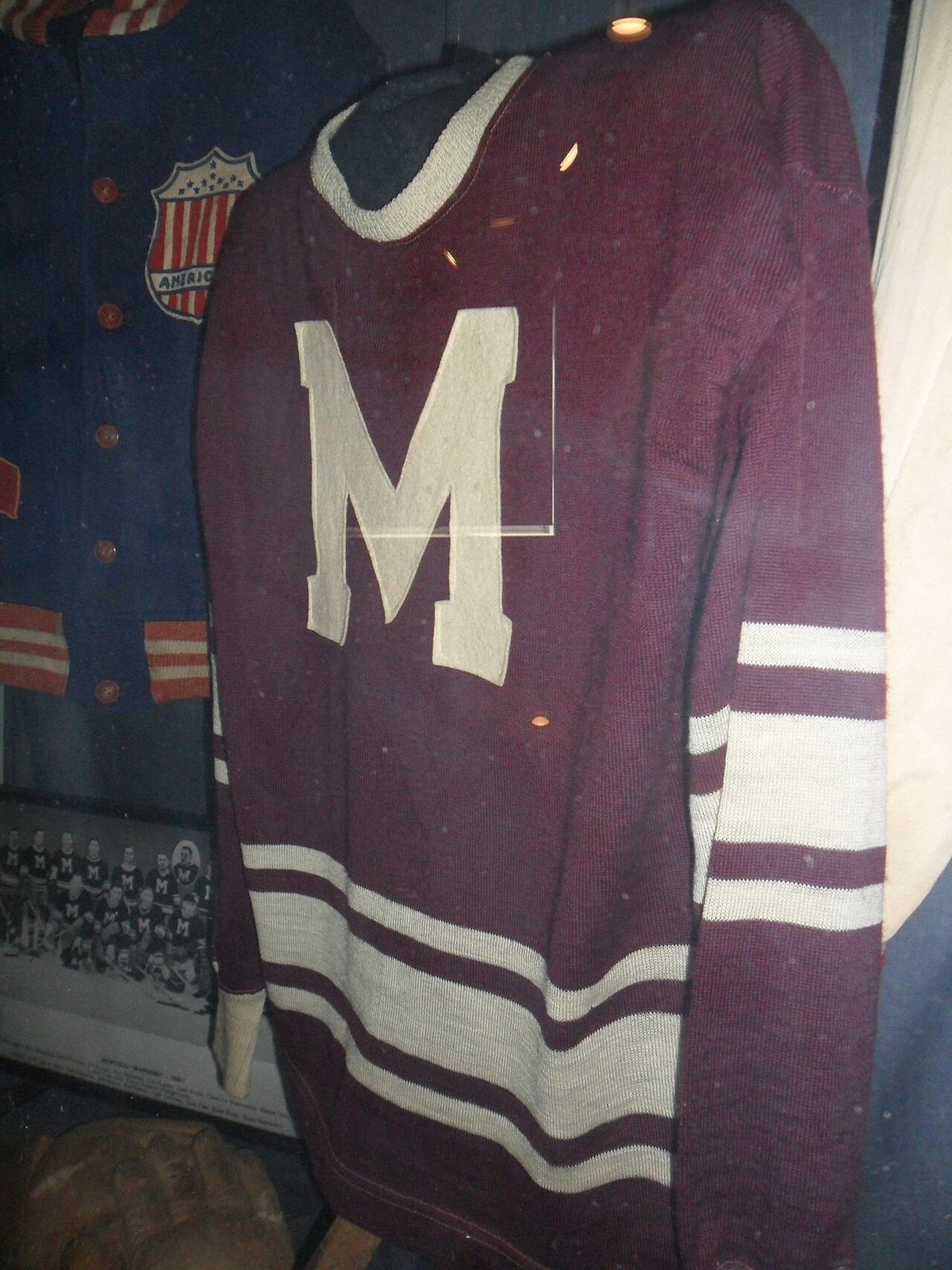
The Montreal Maroons were established in 1924 to serve Montreal's anglophone population, which had been without a major professional team since the Montreal Wanderers folded in 1918. The team's creation was spearheaded by James Strachan, former owner of the Wanderers, who secured an NHL expansion franchise alongside the Boston Bruins. An initial dispute with the Montreal Canadiens over territorial rights was resolved when the Canadiens received $11,000 from the Maroons' $15,000 expansion fee. The club was officially named the Montreal Professional Hockey Club, but the media quickly adopted the nickname 'Maroons' after the colour of the team's sweaters, which featured a large 'M' logo.
The Maroons' inaugural 1924-25 season was challenging, as the team finished with a record of nine wins, nineteen losses, and two ties. Despite the poor on-ice results, the new Forum attracted strong attendance, signalling early fan support. The team's ownership, backed by wealthy anglophone stockbrokers, invested heavily in player talent, acquiring future Hall of Famers like Clint Benedict and Reg Noble. This financial backing earned the team the nickname 'the stockbrokers of the NHL,' as players were offered lucrative bonuses for performance and championships. The intense rivalry with the Canadiens began immediately, with the Habs dominating the early matchups, including three shutout victories in their first season of competition.
Stanley Cup Success and Competitive Era
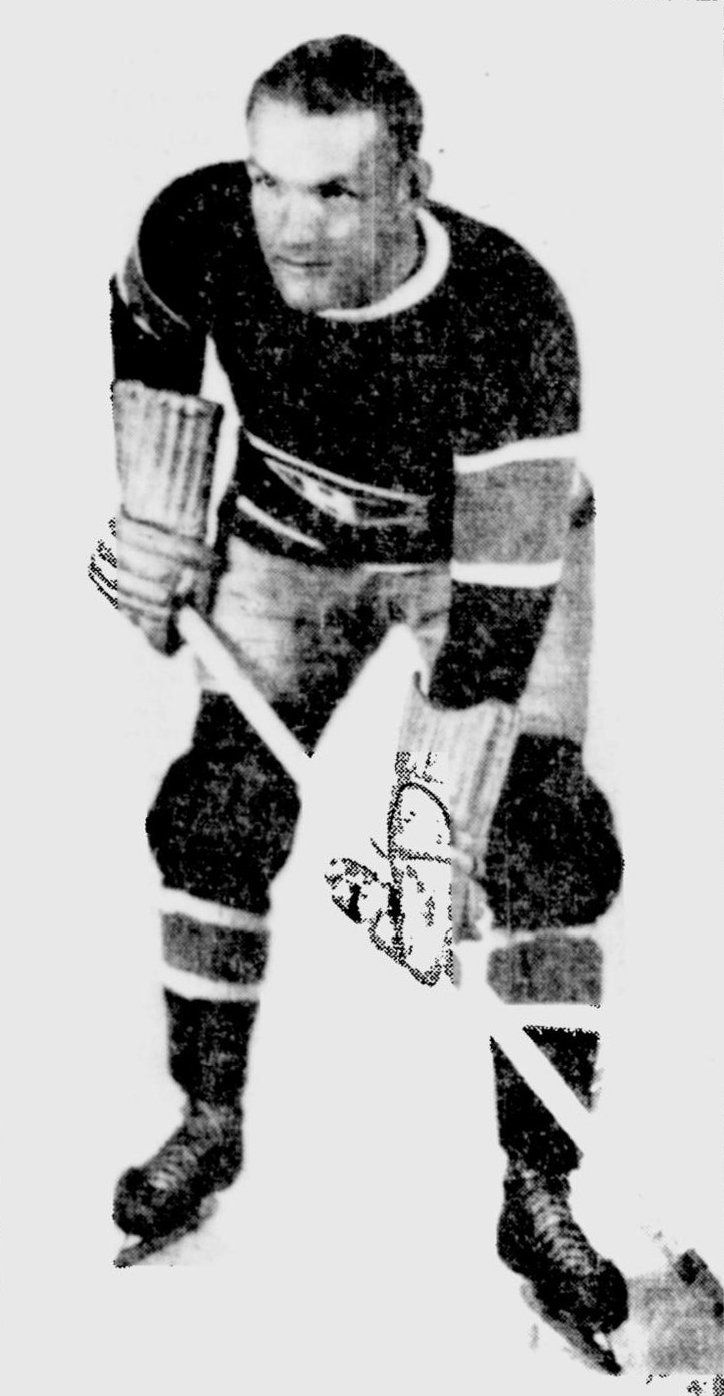
The Maroons' fortunes changed dramatically in their second season. Bolstered by the addition of rookie sensation Nels Stewart, the team improved from one of the league's worst to its best, culminating in the 1926 Stanley Cup championship. Stewart scored 34 goals during the regular season, a rookie record that stood for over four decades, and won the Hart Trophy as league MVP. In the playoffs, the Maroons defeated the Pittsburgh Pirates and Ottawa Senators before facing the Victoria Cougars of the Western Hockey League in the final. Montreal won the best-of-five series three games to one, with Stewart scoring six of the team's ten goals in the series. This victory marked the last Stanley Cup Final contested between champions of two different leagues.
For the 1926-27 season, the NHL expanded to ten teams and split into American and Canadian divisions. The Maroons finished third in the Canadian Division and began sharing the Forum with the Canadiens, who had moved from the Mount Royal Arena. The two Montreal teams met in the playoffs that year, with the Canadiens defeating the defending champions before a packed crowd of 11,000. The Maroons gained a measure of revenge the following season by eliminating the Canadiens in the semifinals, advancing to the 1928 Stanley Cup Final against the New York Rangers. All five games of that series were played at the Forum due to a circus occupying Madison Square Garden, but the Maroons lost the series three games to two.
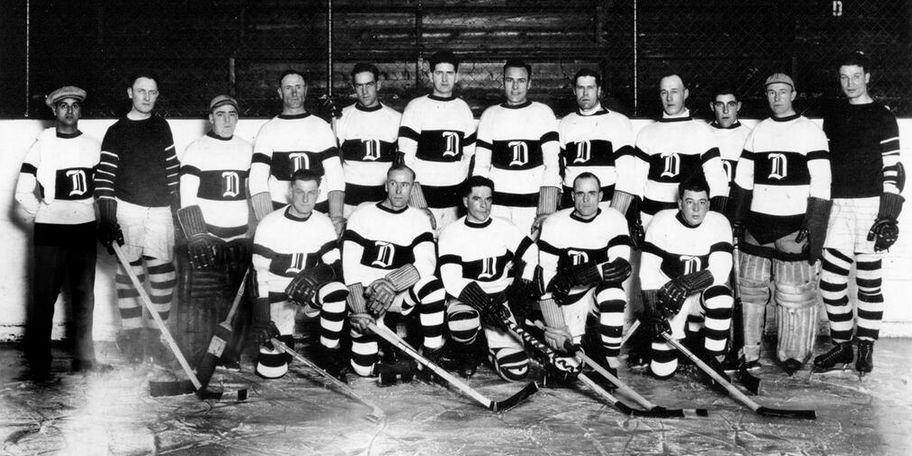
The team's performance fluctuated over the next several seasons, highlighted by the formidable 'S Line' of Hooley Smith, Babe Siebert, and Nels Stewart. Key moments from this era include goaltender Clint Benedict becoming the first NHL goalie to wear a mask in 1929 to protect a broken nose. The Maroons won the Canadian Division title in the 1929-30 season but were eliminated in the semifinals by the Boston Bruins. Throughout the early 1930s, the team remained a playoff contender but was repeatedly ousted in the early rounds by opponents like the New York Rangers, Toronto Maple Leafs, and Detroit Red Wings.
Financial Struggles and Final Championship
The Great Depression severely impacted the Maroons' financial viability, as the team's anglophone fan base proved smaller than the Canadiens' francophone support. The Maroons recorded the league's worst attendance for three consecutive seasons in the early 1930s. Compounding matters, by 1935 both Montreal teams were under the ownership of the Canadian Arena Company, making it clear the city could likely sustain only one NHL franchise. Despite these pressures, the Maroons fielded a competitive team, selling star players like Hooley Smith to raise funds while still contending for championships.
In a remarkable resurgence, the Maroons won their second Stanley Cup in 1935 under coach Tommy Gorman. The team finished second in the Canadian Division and went on a dominant playoff run. They defeated the Chicago Black Hawks, the New York Rangers, and finally the Toronto Maple Leafs in three straight games to capture the title. Gorman, who had coached Chicago to the Cup the previous year, became the only coach in history to win back-to-back championships with different teams. He later called this Maroons squad 'the greatest team that ever stepped on the ice.' The 1935 Maroons were also the last team for 17 years to win the Stanley Cup without a loss in the playoffs.
- 1926 Stanley Cup: Defeated Victoria Cougars 3-1 in series.
- 1935 Stanley Cup: Swept Toronto Maple Leafs 3-0 in final series.
- Division Titles: Won Canadian Division in 1929-30 and 1935-36.
- O'Brien Trophy: Awarded to NHL playoff champion in 1926, 1930, and 1936.
The Longest Game and Decline
The Maroons participated in one of the most famous games in NHL history during the 1936 playoffs. On March 24, 1936, they faced the Detroit Red Wings in a marathon match that lasted 176 minutes and 30 seconds, spanning six overtime periods. Detroit went on to sweep the series and win its first Stanley Cup, while the marathon loss symbolized the Maroons' fading fortunes. Later that year, the trade of captain Hooley Smith to Boston signalled the franchise's weakening state.
The 1937-38 season proved to be the team's last. Amid persistent rumours of relocation, president Donat Raymond insisted the team would stay in Montreal. However, the on-ice product deteriorated significantly, with the Maroons posting a record of 12 wins, 30 losses, and 6 ties for last place overall. Legendary defenceman Lionel Conacher retired before the season to enter Ontario politics, and coach King Clancy was fired after 18 games, leading to Tommy Gorman's return behind the bench. The final game in franchise history was a 6-3 loss to the Canadiens on March 17, 1938. At the league's annual meeting in June, the Maroons requested a one-year suspension, which was refused. The NHL ultimately allowed the franchise to suspend operations for the 1938-39 season, with most players sold to other teams or leaving the league.
Attempted Revival and Franchise Cancellation
Following the suspension, the Maroons' owners sought to revive the franchise in another city. A proposed move to St. Louis was rejected by the league due to the previous failure of the St. Louis Eagles. In 1945, a group from Philadelphia fronted by Len Peto, a Montreal Canadiens board member, expressed interest in purchasing the dormant franchise. The NHL governors conditionally approved the transfer, pending proof of funding and a suitable arena. Philadelphia lacked an NHL-calibre venue, as the Palestra had no ice plant and the Philadelphia Arena was deemed too small. Peto announced plans in February 1946 to build a 20,000-seat arena on the site of the Baker Bowl, but his group failed to secure financing by the league's deadline. Consequently, the NHL officially cancelled the Montreal Maroons franchise in 1947.
The dissolution of the Maroons left the Canadiens as Montreal's sole NHL team, a status that continues to the present day. The franchise's cancellation marked a unique end for a Stanley Cup champion. No NHL team that has ever won the Cup has subsequently folded or relocated. The last active Maroons player in the NHL was Toe Blake, who concluded his Hall of Fame career with the Canadiens in 1948. The team's legacy endures through its contributions to the league's early history and the Montreal Forum, which became hockey's most famous arena largely through the Canadiens' subsequent tenure.
Team Identity and Notable Figures
The Montreal Maroons' identity was intrinsically linked to Montreal's cultural and economic divisions of the 1920s and 1930s. The team represented the city's affluent anglophone community, while the Canadiens catered to the francophone population. This dynamic created a fierce civic rivalry, with games often marked by intense physical play and occasional fan unrest. The team's visual identity came from its maroon-coloured sweaters with a white 'M', a colour scheme that gave the club its enduring nickname despite its official corporate name remaining the Montreal Professional Hockey Club.
The Maroons were led by a succession of notable captains and featured numerous Hall of Fame talents. The team's captains included Punch Broadbent, Dunc Munro, Nels Stewart, Hooley Smith, Lionel Conacher, and Stewart Evans. Eleven Maroons players and five of their six head coaches have been inducted into the Hockey Hall of Fame. Key builders honoured include owners and executives like Donat Raymond and William Northey, as well as coach and manager Tommy Gorman. Individual award winners during the team's tenure included Nels Stewart, who won the Hart Trophy in 1926 and 1930, and Russ Blinco, who won the Calder Trophy in 1934.
- Hall of Fame Players: Clint Benedict, Punch Broadbent, Lionel Conacher, Nels Stewart, Hooley Smith, Babe Siebert.
- Hall of Fame Builders: Tommy Gorman (coach), Donat Raymond (owner), William Northey (manager), Carl Voss.
- Team Captains: Punch Broadbent (1924-25), Dunc Munro (1925-28), Nels Stewart (1928-32), Hooley Smith (1932-36), Lionel Conacher (1936-37), Stewart Evans (1937-38).
- Major Awards: Hart Trophy (Nels Stewart, 1926, 1930). Calder Trophy (Russ Blinco, 1934).
Season-by-Season Record
| Season | GP | W | L | T | Pts | Finish | Playoffs |
|---|---|---|---|---|---|---|---|
| 1924-25 | 30 | 9 | 19 | 2 | 20 | 5th in NHL | Did not qualify |
| 1925-26 | 36 | 20 | 11 | 5 | 45 | 1st in NHL | Won Stanley Cup |
| 1931-32 | 48 | 19 | 22 | 7 | 45 | 4th in Canadian | Lost in semifinals |
| 1932-33 | 48 | 22 | 20 | 6 | 50 | 2nd in Canadian | Lost in quarterfinals |
| 1933-34 | 48 | 19 | 22 | 7 | 45 | 3rd in Canadian | Lost in semifinals |
| 1937-38 | 48 | 12 | 30 | 6 | 30 | 5th in Canadian | Did not qualify |
Questions about Montreal Maroons
Why were the Montreal Maroons created?
The Montreal Maroons were created in 1924 to provide a professional hockey team for Montreal's anglophone community. This demographic had been without a team since the Montreal Wanderers folded in 1918. Led by former Wanderers owner James Strachan, the team was bankrolled by wealthy anglophone businessmen and stockbrokers. Their establishment reintroduced a major civic rivalry with the Montreal Canadiens, who primarily served the city's francophone population.
How many Stanley Cups did the Montreal Maroons win?
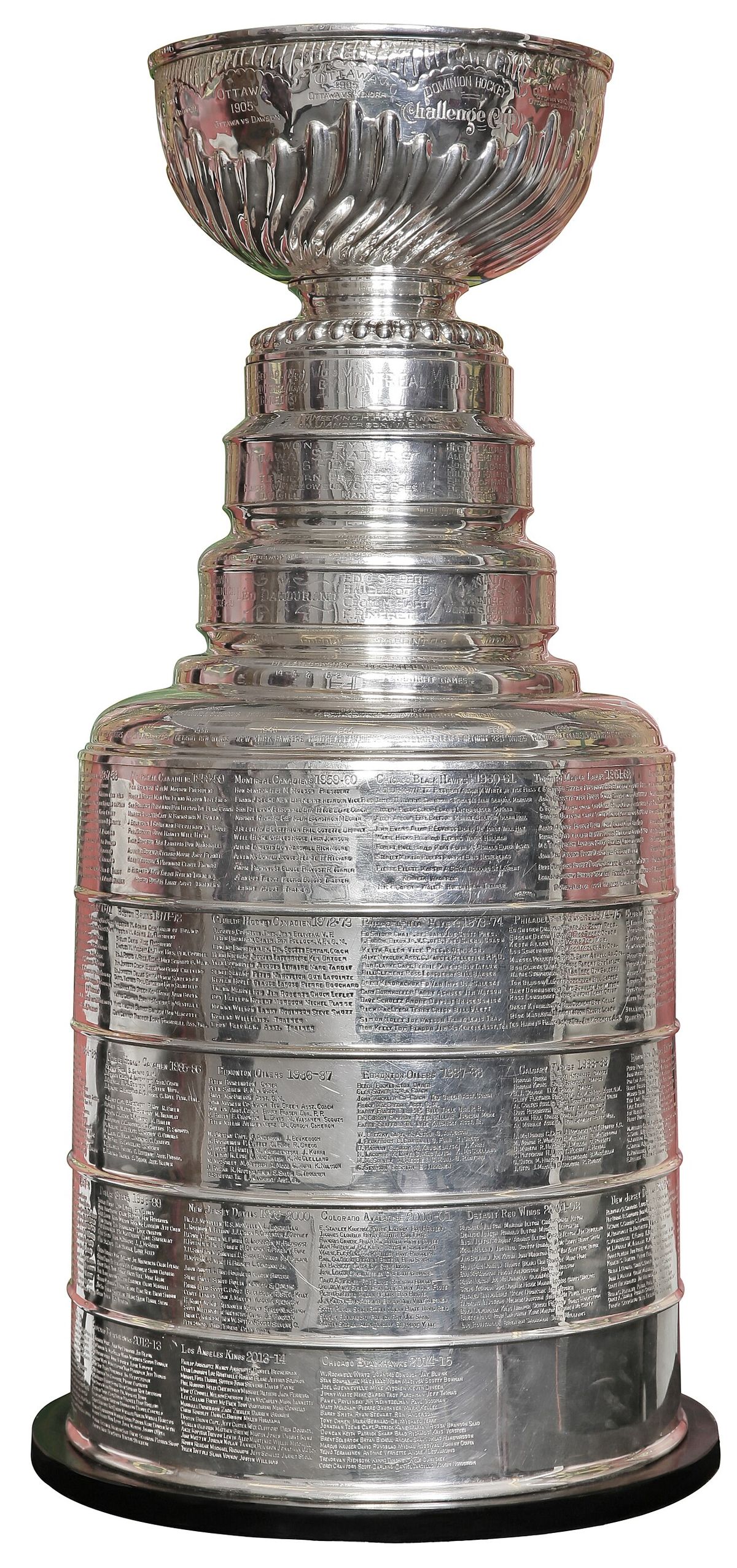
The Montreal Maroons won the Stanley Cup twice, in 1926 and 1935. Their first championship came in only their second NHL season, when they defeated the Victoria Cougars of the Western Hockey League. Their second title was won under coach Tommy Gorman, who led the team on a dominant playoff run that included a sweep of the Toronto Maple Leafs in the final. The Maroons were the last non-Original Six team to win the Stanley Cup until the Philadelphia Flyers did so in 1974.
Why did the Montreal Maroons stop playing?
The Montreal Maroons ceased operations primarily due to severe financial difficulties exacerbated by the Great Depression. The team's anglophone fan base was smaller than the Canadiens' support, leading to chronically poor attendance. By 1935, both Montreal teams were under the same ownership, making it clear the city could not support two franchises. After suspending play following the 1937-38 season, attempts to revive the franchise in St. Louis and Philadelphia failed due to arena issues and lack of funding, leading the NHL to cancel the franchise in 1947.
What was the Montreal Maroons' home arena?
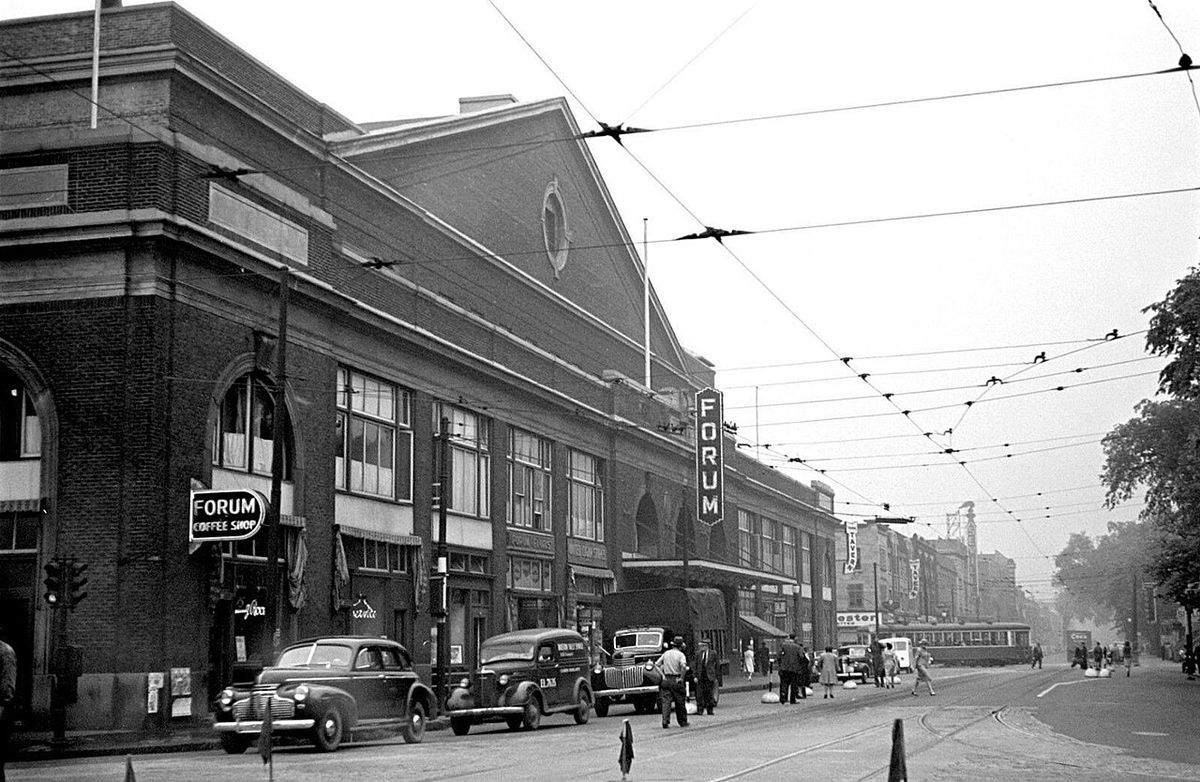
The Montreal Maroons' home arena was the Montreal Forum, which was built specifically for the team and opened in the fall of 1924. It was the NHL's first large modern arena. In 1926, the rival Montreal Canadiens also moved into the Forum, and the two teams shared the venue until the Maroons' suspension in 1938. The Forum later became famous as the long-time home of the Canadiens.
Who were some of the famous players for the Montreal Maroons?
The Montreal Maroons featured numerous Hall of Fame players. Centre Nels Stewart was a foundational star, winning the Hart Trophy twice and setting a rookie goal record. The formidable 'S Line' consisted of Hooley Smith, Babe Siebert, and Stewart. Goaltender Clint Benedict was the first NHL goalie to wear a mask in a game. Other notable players included defenceman Lionel Conacher, forward Punch Broadbent, and coach Tommy Gorman, who won back-to-back Stanley Cups with Chicago and Montreal.
What is the historical significance of the Montreal Maroons?
The Montreal Maroons hold significant historical importance as a two-time Stanley Cup champion that ultimately folded, a unique fate in NHL history. They represented the cultural and economic divisions within Montreal during the early 20th century. The team's need for a modern arena led to the construction of the Montreal Forum. Their demise after the Great Depression highlighted the financial vulnerabilities of early professional sports franchises. The Maroons remain the last Stanley Cup-winning team to have its franchise cancelled.
Sources and further reading
- Montreal Maroons (Wikipedia)
- Montreal Maroons: Hockey's High Rollers (canadashistory.ca)
Checked by the Garbutt Disposal desk. Last updated 2026-10-28.