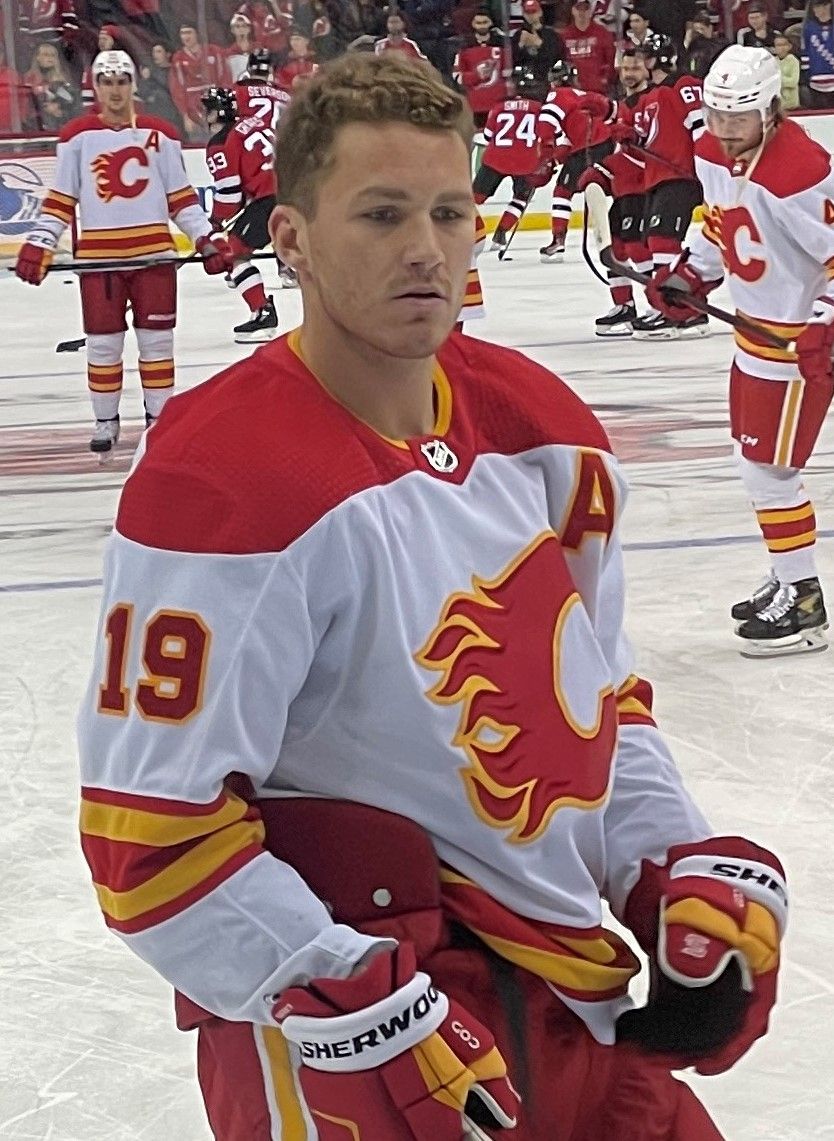
Calgary Flames
The Calgary Flames are a professional ice hockey team based in Calgary, Alberta, competing in the National Hockey League (NHL) as a member of the Pacific Division in the Western Conference. Established in 1972 in Atlanta, the franchise relocated to Calgary in 1980, where it has become a central pillar of the city's sports culture and a key participant in the intense provincial rivalry known as the Battle of Alberta. The Flames won their first and only Stanley Cup championship in 1989 and captured the Western Conference title in 2004, a run that ignited the famous Red Mile celebrations. With two Presidents' Trophies and eight division championships, the team has been home to numerous Hockey Hall of Fame inductees and remains a beloved institution for Canadian hockey fans.
Franchise origins and move to Calgary
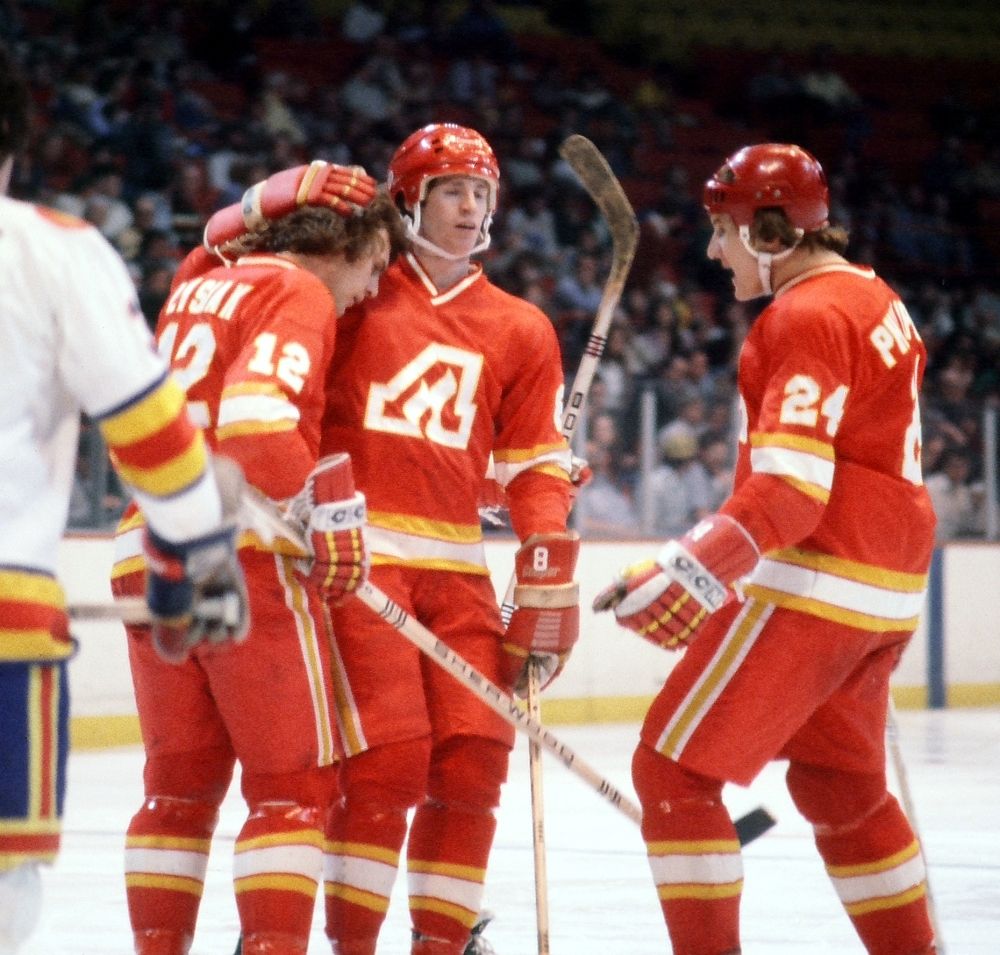
The National Hockey League granted an expansion franchise to Atlanta, Georgia, in December 1971 as part of a strategy to counter the emerging World Hockey Association. Owned by Tom Cousins, the team was named the Atlanta Flames, a reference to the fire that swept through the city during the American Civil War. Under coaches Bernie Geoffrion, Fred Creighton and Al MacNeil, the Flames qualified for the playoffs in six of their eight seasons in Atlanta, though they managed only two postseason victories. Financial difficulties forced Cousins to sell the team in 1980, leading to its purchase by Canadian entrepreneur Nelson Skalbania, who moved the franchise to Calgary. Skalbania retained the Flames name, believing it suited an oil-centric city, and replaced the flaming 'A' logo with a flaming 'C'. The team played its first three Calgary seasons at the 7,000-seat Stampede Corral before moving into the newly constructed Olympic Saddledome in 1983, a venue built for the 1988 Winter Olympics. The Flames were immediately embraced by the city, selling 10,000 full- and half-season ticket packages for their inaugural season in the much smaller Corral, demonstrating strong local support from the outset.
Building a contender in the 1980s
General manager Cliff Fletcher, who had been with the franchise since its 1972 inception, engineered the team's rise by rebuilding the roster after a losing record in 1981-82. He traded or did not renew several contracts of holdovers from the Atlanta team and aggressively pursued international talent. Fletcher was among the first NHL executives to draft players from the Soviet Union, selecting CSKA Moscow star Sergei Makarov in 1983, though Makarov would not join the team for several years. The Flames improved rapidly, challenging the Edmonton Oilers and pushing them to a full seven-game series in the 1984 playoffs en route to Edmonton's Stanley Cup championship. Key acquisitions and draft picks solidified the core, including forwards Doug Risebrough, Lanny McDonald and Dan Quinn, defenceman Al MacInnis and goaltender Mike Vernon. By the 1985-86 season, the Flames finished second in the Smythe Division with a 40-31-9 record, the only season from 1984 to 1991 in which they did not finish with 90 or more points. Their playoff run that year included a famous second-round victory over the Oilers, decided in game seven when an errant clearing attempt by Steve Smith ricocheted off goaltender Grant Fuhr and into the Edmonton net.
Presidents' Trophy era and the 1989 Stanley Cup
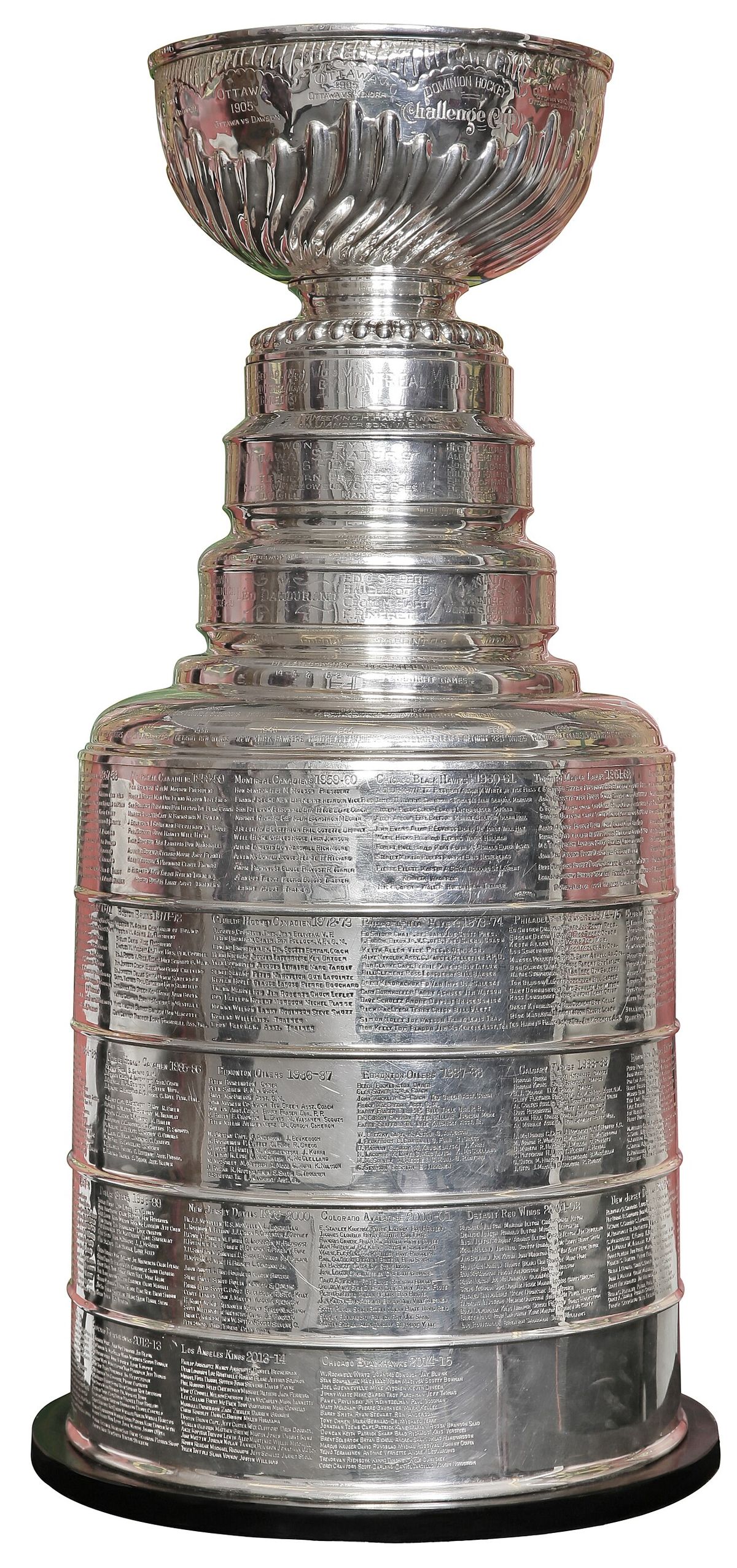
The 1987-88 season, under new head coach Terry Crisp, marked a new peak as the team recorded its first 100-point season and won the Presidents' Trophy with the NHL's best record. Seeking to bolster their lineup for the playoffs, the Flames made a significant trade, sending Brett Hull and Steve Bozek to the St. Louis Blues for Rob Ramage and Rick Wamsley, but were still swept by the Oilers in the second round. The 1988-89 season saw the Flames capture their second consecutive Presidents' Trophy with a franchise-record 117 points. At the trade deadline, Fletcher acquired centre Doug Gilmour as part of a six-player deal. The Flames marched through the playoffs, defeating Vancouver in seven games, Los Angeles in four, and Chicago in five to reach the Stanley Cup Final. They defeated the Montreal Canadiens in six games to win the championship, with Al MacInnis winning the Conn Smythe Trophy. Captain Lanny McDonald retired after the victory, and co-owner Sonia Scurfield became the first Canadian woman to have her name engraved on the Stanley Cup.
The playoff drought and Jarome Iginla's emergence
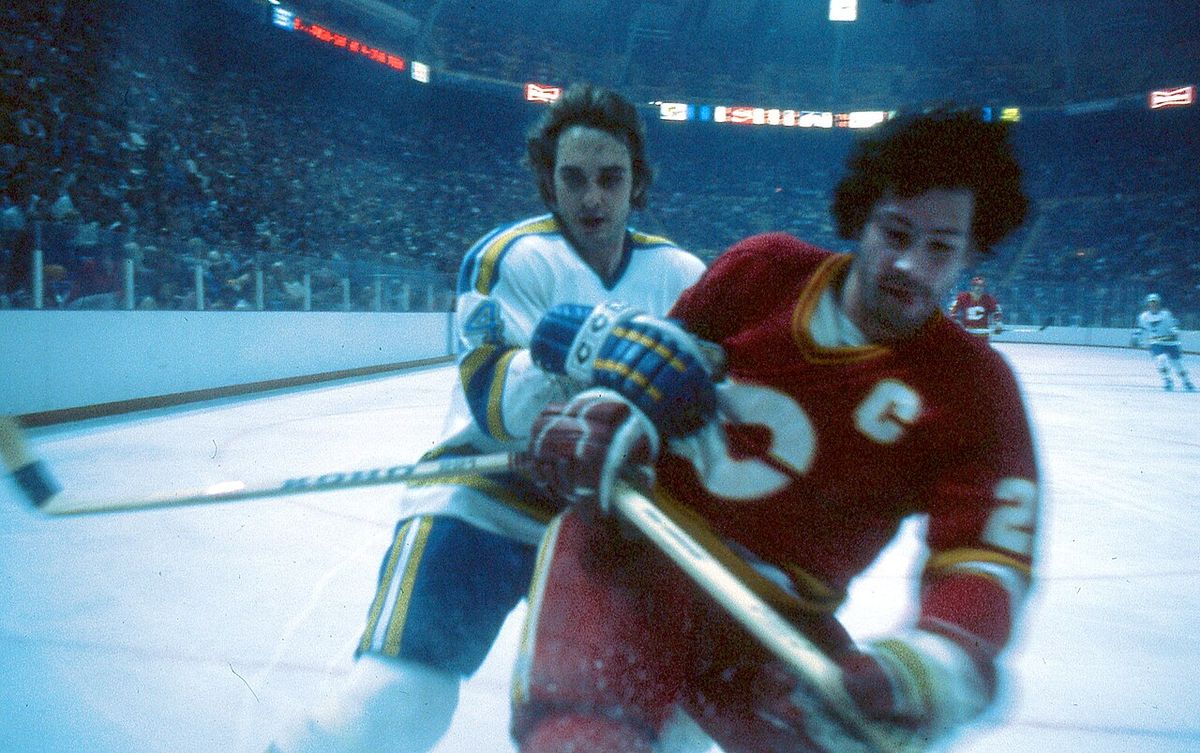
The post-championship era began with controversy in 1990, as 31-year-old Sergei Makarov joined the team and won the Calder Trophy, prompting the NHL to change its eligibility rules to exclude players over age 26. Cliff Fletcher's departure to become general manager of the Toronto Maple Leafs in 1991 destabilized the franchise. His successor, Doug Risebrough, completed a ten-player trade that sent Doug Gilmour to Toronto, a move that backfired spectacularly as Gilmour became a star for the Leafs while the acquired players, including former 50-goal scorer Gary Leeman, contributed little. Despite Theoren Fleury's offensive production, the Flames missed the playoffs in 1992, ending a streak of postseason appearances that dated back to their move to Calgary. The team entered a prolonged slump, hitting a low point in the 1997-98 season with only 67 points, the second-lowest total in franchise history. Attendance plummeted, leading ownership to issue ultimatums about relocation in 1999 and 2000 unless season ticket sales increased, which fans ultimately achieved. During this difficult period, a key transaction laid the foundation for the future, as Joe Nieuwendyk was traded to the Dallas Stars in 1995 for Jarome Iginla. Iginla developed into the franchise's primary offensive player, winning the Maurice 'Rocket' Richard and Art Ross Trophies in 2002 with 52 goals and 96 points, and Robyn Regehr became the youngest nominee ever for the Bill Masterton Memorial Trophy in 2004.
The 2004 Cup run and the Iginla-Kiprusoff core
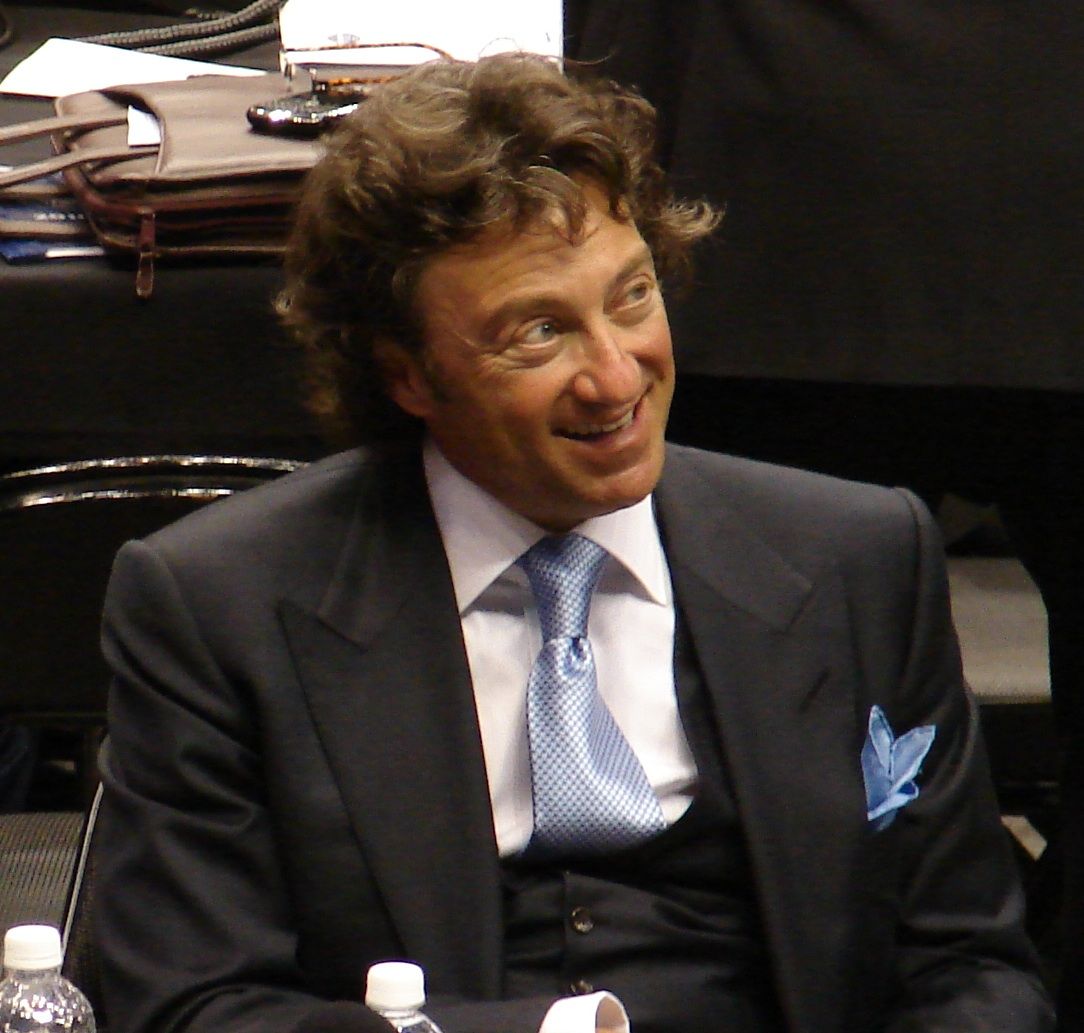
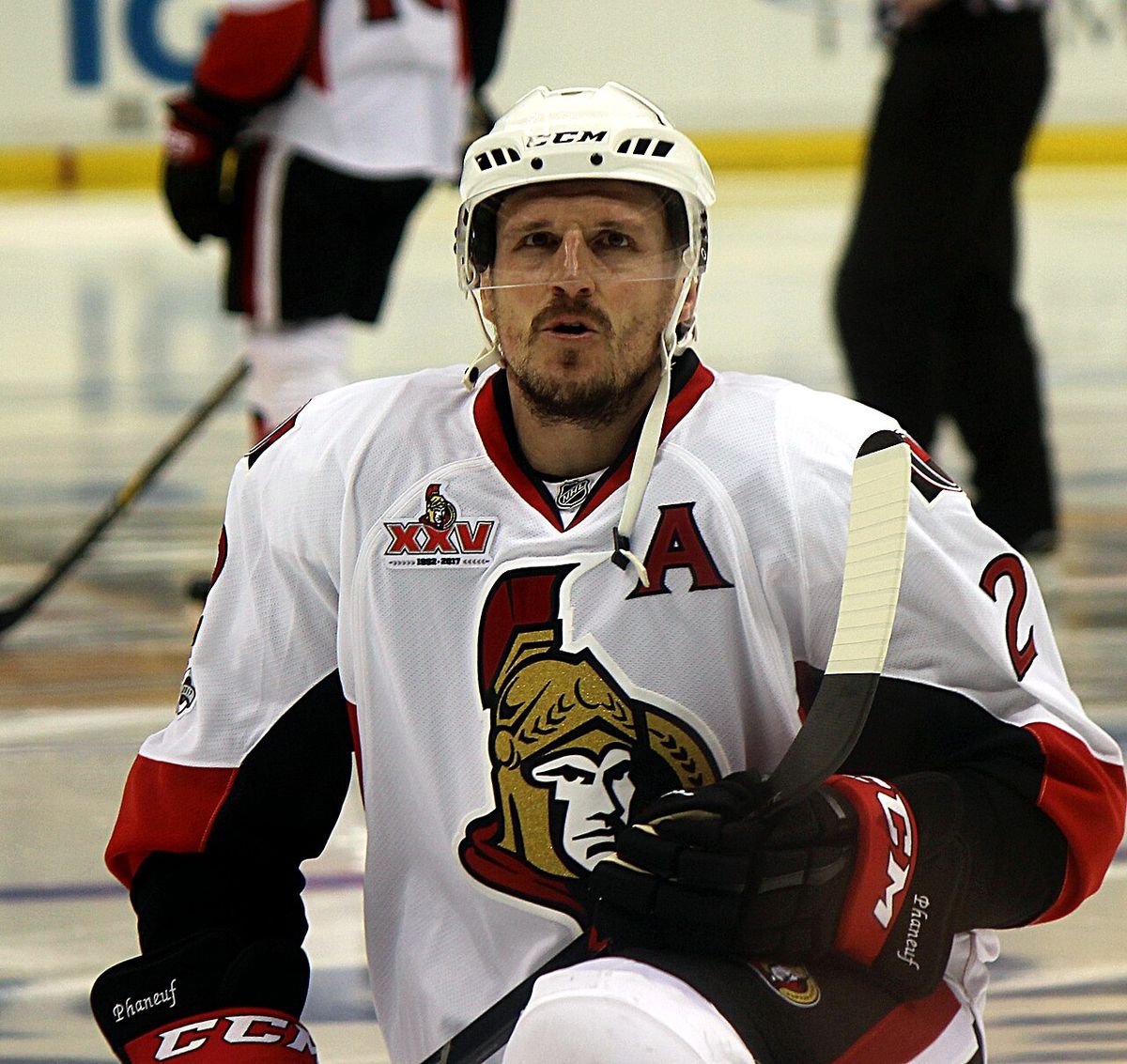
The hiring of Darryl Sutter as head coach in 2002 and his subsequent appointment as general manager marked a turning point. One of Sutter's first moves was acquiring goaltender Miikka Kiprusoff from the San Jose Sharks early in the 2003-04 season. This move, combined with Iginla's elite play, ended a seven-year playoff drought. The 2004 Flames became the first team in NHL history to defeat three division champions in a single playoff run, ousting Vancouver, Presidents' Trophy-winning Detroit, and San Jose. Their Stanley Cup Final against the Tampa Bay Lightning reached a seventh game, preceded by a controversial moment in Game 6 where Martin Gelinas had a potential series-winning goal that was not signalled by the referees and later ruled inconclusive. The lockout cancelled the 2004-05 season, but the team returned strong in 2005-06, posting 103 points to win its first division title in 12 years, though they lost in the first round to Anaheim. Kiprusoff won the Vezina and William M. Jennings Trophies that season, while rookie defenceman Dion Phaneuf scored 20 goals, the third-highest total for a rookie defenceman in NHL history. Iginla continued to set franchise records, becoming the all-time leader in games played, goals, and points during this period before his trade to Pittsburgh in March 2013.
Team records and statistical leaders
The Calgary Flames franchise records are led by players who defined its most successful eras. Iginla also captured two Maurice 'Rocket' Richard Trophies as the NHL's top goal scorer. Al MacInnis remains the franchise's top-scoring defenceman, while Theoren Fleury held the scoring records before Iginla. Other notable individual awards include Sergei Makarov's controversial Calder win in 1990, Mark Giordano's Norris Trophy in 2019, and Bob Hartley's Jack Adams Award in 2015. Key franchise records include the following statistical benchmarks.
- Most points in a season: 117 (1988-89)
- Most goals in a season: Jarome Iginla, 52 (2001-02)
- Most points in a season: Jarome Iginla, 96 (2001-02)
Rebuilding with Giordano, Monahan and Gaudreau
Following the trade of Jarome Iginla, the Flames entered a new phase, naming defenceman Mark Giordano captain and selecting centre Sean Monahan sixth overall in the 2013 draft. The 2014-15 season saw the debut of 2011 draft pick Johnny Gaudreau, who had just won the Hobey Baker Award, and the team clinched a playoff berth for the first time since 2009. They defeated Vancouver in the first round for their first series win since 2004 before losing to Anaheim, and head coach Bob Hartley won the Jack Adams Award. Expectations rose after acquiring defenceman Dougie Hamilton from Boston in 2015, but the team missed the playoffs, leading to Hartley's firing and the hiring of Glen Gulutzan. The Flames drafted Matthew Tkachuk sixth overall in 2016, and he soon formed the effective '3M Line' with Mikael Backlund and Michael Frolik. The team returned to the playoffs in 2017 but was swept by Anaheim. After another missed postseason in 2018, Bill Peters was hired as coach, and the Flames executed a major trade, sending Hamilton, Micheal Ferland, and prospect Adam Fox to Carolina for Noah Hanifin and Elias Lindholm. This reshaped roster won the Pacific Division title in 2019, though they lost in the first round to Colorado, and Giordano won the Norris Trophy. Peters was forced to resign in November 2019 following allegations of misconduct, with assistant Geoff Ward taking over as interim head coach.
Season-by-season performance and recent results
The Calgary Flames have experienced cycles of contention and rebuilding throughout their history, with their success largely defined by playoff appearances and deep runs. The late 1980s represented the franchise's zenith, with consecutive Presidents' Trophies and the 1989 Stanley Cup. The early 2000s saw a resurgence led by Jarome Iginla, culminating in the 2004 Stanley Cup Final appearance. The following table outlines the team's performance over key recent seasons, highlighting their regular-season finish and playoff results, which show a pattern of regular-season success followed by early playoff exits.
| Season | Regular Season Finish | Playoff Result |
|---|---|---|
| 2014-15 | 3rd in Pacific Division | Lost in Second Round (ANA) |
| 2015-16 | 5th in Pacific Division | Did not qualify |
| 2016-17 | 1st Wild Card, West | Lost in First Round (ANA), swept |
| 2017-18 | 5th in Pacific Division | Did not qualify |
| 2018-19 | 1st in Pacific Division | Lost in First Round (COL), 5 games |
| 2019-20 | 4th in Pacific Division | Lost in First Round (DAL) |
They were eliminated in the second round by the Edmonton Oilers in a heated Battle of Alberta series. This period has been characterized by strong regular seasons but ongoing challenges in translating that success into extended postseason success. This has led to ongoing roster and coaching adjustments. The team's management changed during this time, with Jay Feaster serving as general manager from 2011 to 2013. Brian Burke took over as president of hockey operations.
Community impact, rivalry and the Flames foundation
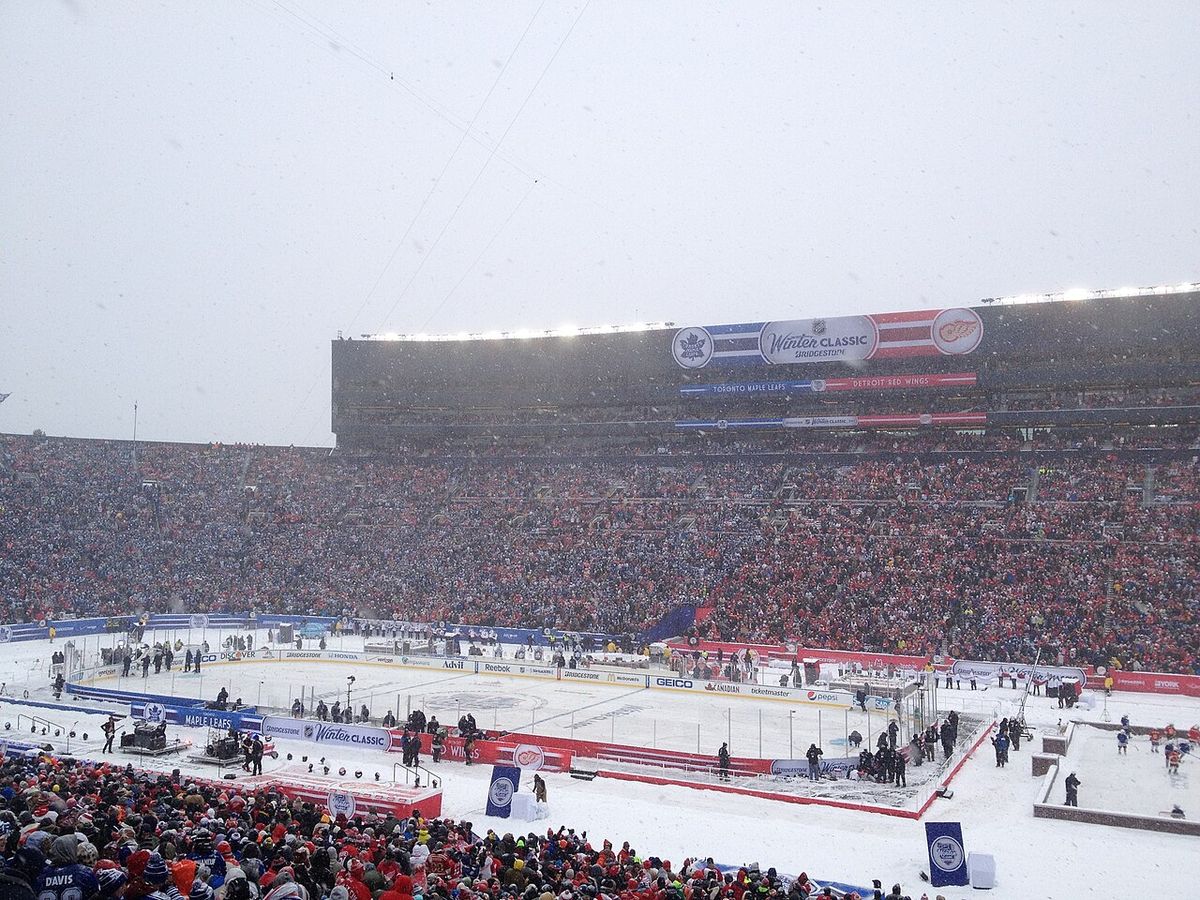
The Calgary Flames are deeply woven into the fabric of their city and province, most notably through the intense Battle of Alberta rivalry with the Edmonton Oilers. This rivalry, fueled by geographic proximity and numerous playoff meetings, is one of the most passionate in professional sports, with either the Oilers or Flames representing the Campbell Conference in the Stanley Cup Final every year from 1983 to 1990. The team's 2004 playoff run created the Red Mile, where thousands of fans gathered along 17th Avenue S.W. to celebrate, creating a lasting cultural phenomenon. The Flames have also hosted major NHL events, including the 2011 Heritage Classic outdoor game at McMahon Stadium, where they defeated the Montreal Canadiens 4-0 and Miikka Kiprusoff recorded the first shutout in an outdoor game. The Calgary Flames Foundation is a significant community force, having donated over 50 million dollars to charitable causes across Southern Alberta since its inception, focusing on health, education, and grassroots sports. The team's presence has been a consistent source of civic pride, weathering threats of relocation in the late 1990s through strong fan support and local ownership, first under Calgary Flames Limited Partnership and then Calgary Sports and Entertainment from 2012 onward.
Questions about Calgary Flames
When did the Calgary Flames win the Stanley Cup?
The Calgary Flames won their first and only Stanley Cup championship in 1989. They defeated the Montreal Canadiens in six games in the final series. Defenceman Al MacInnis was awarded the Conn Smythe Trophy as the most valuable player of the playoffs. This victory came after the team posted a franchise-record 117 points during the regular season to win the Presidents' Trophy. Co-owner Sonia Scurfield became the first Canadian woman to have her name engraved on the Cup.
What is the Battle of Alberta?
The Battle of Alberta is the fierce rivalry between the Calgary Flames and the Edmonton Oilers. It stems from the geographic proximity of the two Alberta cities and has been intensified by numerous playoff meetings, particularly during the 1980s when both teams were championship contenders. From 1983 to 1990, either the Oilers or the Flames represented the Western Conference in the Stanley Cup Final. The rivalry is a central part of the cultural and sporting landscape in the province, generating immense fan passion.
How many Hockey Hall of Famers are associated with the Flames?
There are 17 people associated with the Calgary Flames franchise who have been inducted into the Hockey Hall of Fame. This includes players, coaches, and builders who made significant contributions during their time with the team in either Atlanta or Calgary. Notable inductees who played for the Flames include Lanny McDonald, Al MacInnis, Joe Nieuwendyk, and Jarome Iginla, who was inducted in 2020. General manager Cliff Fletcher is also a Hall of Fame member.
What was the Red Mile?
The Red Mile was a spontaneous public celebration that occurred along 17th Avenue S.W. in Calgary during the Flames' unexpected run to the 2004 Stanley Cup Final. After each playoff victory, thousands of fans dressed in red Flames jerseys would gather on the avenue to celebrate. The phenomenon became a defining cultural moment for the city. It is closely associated with that playoff run, which ended in a seven-game loss to the Tampa Bay Lightning in the final.
Who is the all-time leading scorer for the Calgary Flames?
Jarome Iginla is the franchise leader in games played, goals, and points for the Calgary Flames. Iginla, a two time winner of the Maurice 'Rocket' Richard Trophy as the NHL's leading goal scorer, passed Theoren Fleury's franchise mark of 830 points. He also scored his 500th career goal on January 7, 2012, against the Minnesota Wild. Iginla achieved all these milestones during his tenure with the Flames, which lasted from his debut in the 1996 playoffs until his trade in March 2013. His consistent performance made him the base of the team for nearly two decades.
Where do the Calgary Flames play their home games?
The Calgary Flames play their home games at the Scotiabank Saddledome. The team moved into this venue in 1983 from the Stampede Corral where they played their first three seasons in Calgary. The arena was originally called the Olympic Saddledome as it was built for the 1988 Winter Olympics. It has been the Flames' permanent home ice since that move. The building's distinctive saddle shaped roof is an well-known part of the Calgary skyline and has hosted numerous major events alongside Flames games.
Sources and further reading
- Calgary Flames (Wikipedia)
- Official Calgary Flames Website (nhl.com)
- Calgary Flames | CSEC (calgarysportsandentertainment.com)
Checked by the Garbutt Disposal desk. Last updated 2026-10-19.