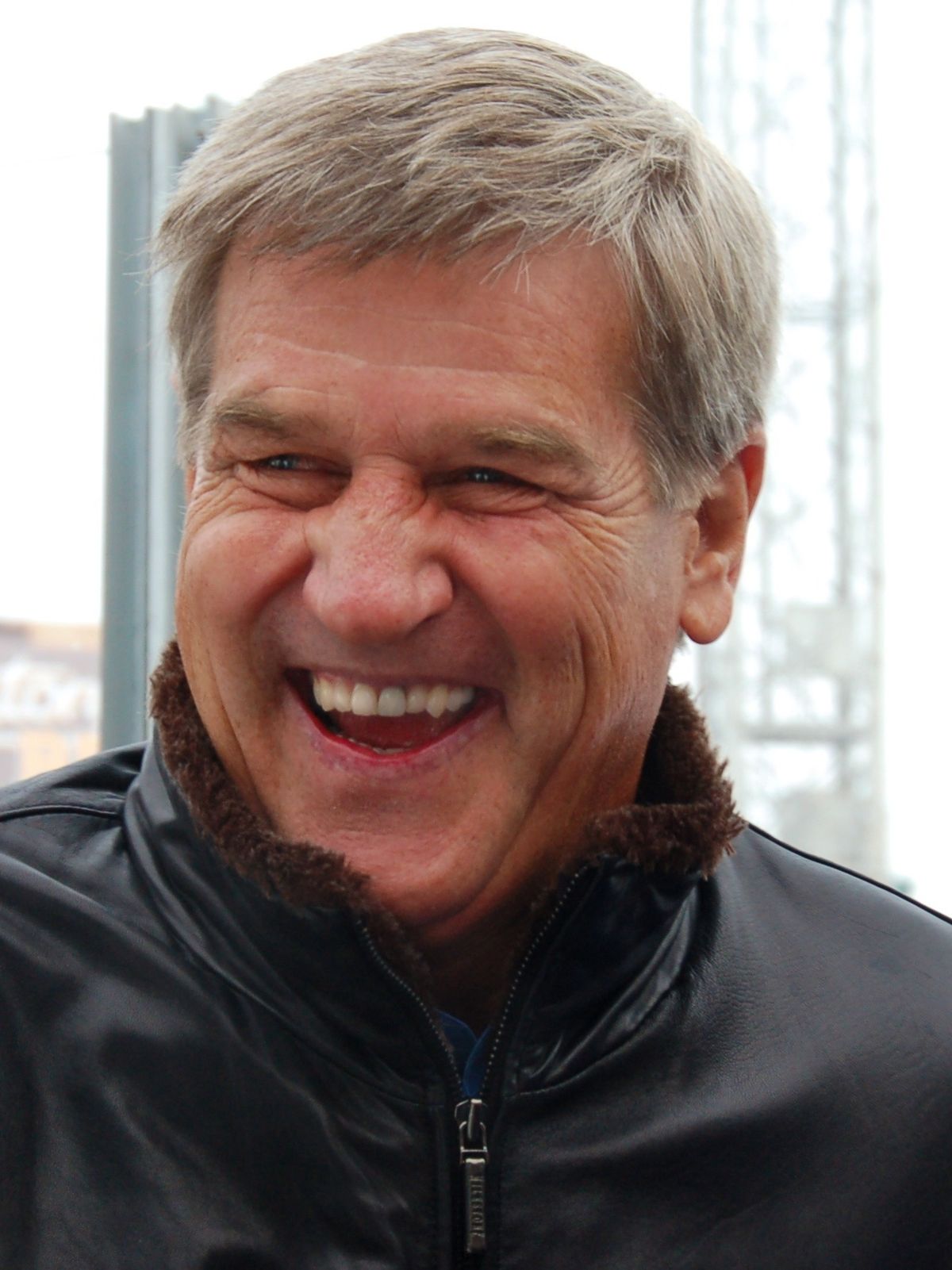
Ray Bourque
Raymond Jean "Ray" Bourque is a Canadian-American former professional ice hockey defenceman, widely considered one of the greatest players in the history of the sport. Over a 22-season National Hockey League career, primarily with the Boston Bruins, Bourque set the all-time records for goals, assists, and points by a defenceman. His career was defined by remarkable consistency and excellence, earning him five James Norris Memorial Trophies as the league's top defenceman and 19 end-of-season All-Star selections. For Canadians, Bourque's legacy is that of a Quebec-born superstar whose dedication culminated in a Stanley Cup victory with the Colorado Avalanche in 2001, cementing his status as a national hockey figure.
Early Life and Junior Career
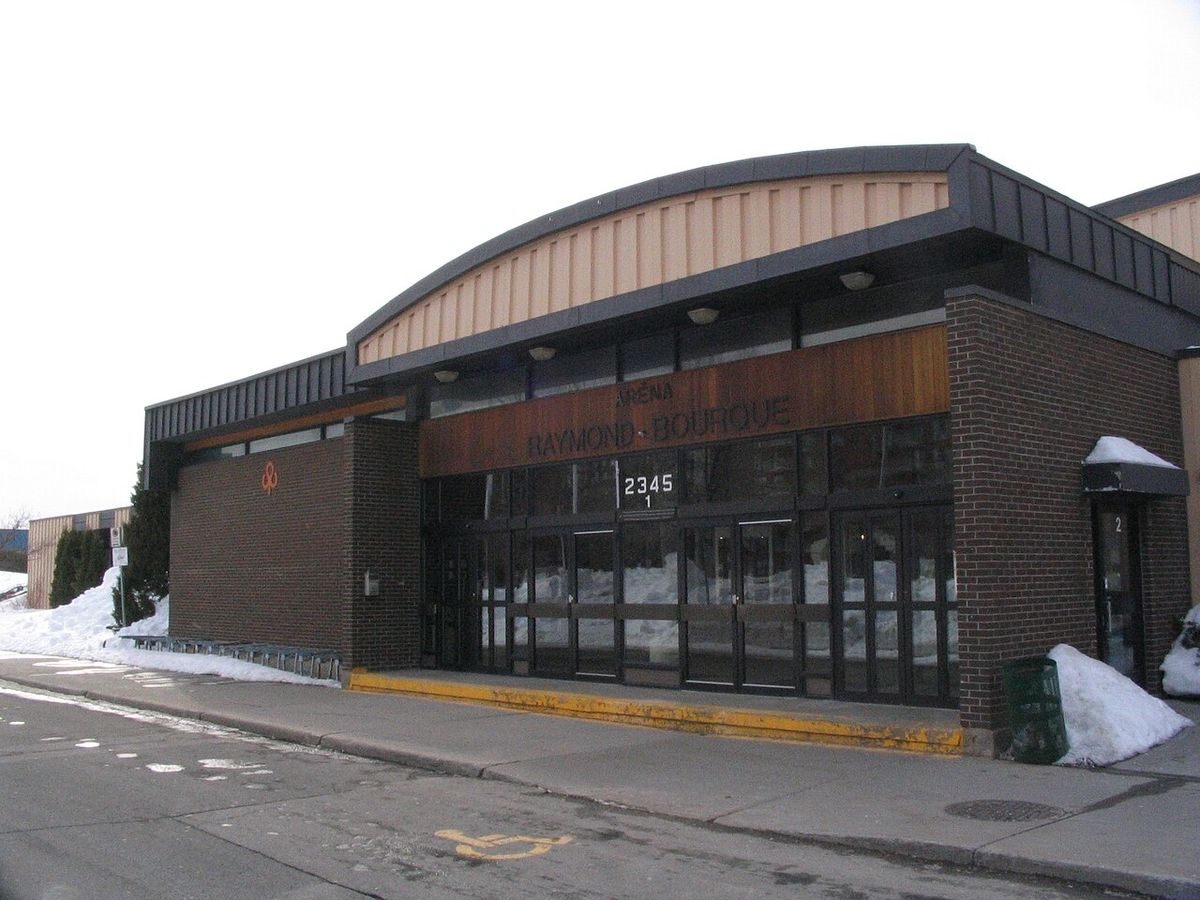
Raymond Jean Bourque was born on December 28, 1960, in the Saint-Laurent borough of Montreal, Quebec, to parents Raymond Bourque Sr. and Anita Allain, both originally from New Brunswick. Raised in a bilingual French and English household, Bourque attended French school and began playing hockey at the age of five. His mother died from cancer when he was 12 years old, and his father passed away in 2009. Bourque left school at age 15 to focus entirely on hockey, joining the Trois-Rivières Draveurs of the Quebec Major Junior Hockey League. He was traded mid-season to the Sorel Black Hawks for high-scoring forward Benoît Gosselin in a deal orchestrated by coach and general manager Michel Bergeron. Bourque finished his junior career with the Verdun Black Hawks, being named the QMJHL's best defenceman in both 1978 and 1979. His prolific offensive output from the blue line, including a 93-point season in his final year, made him a highly touted prospect for the 1979 NHL Entry Draft, where the Boston Bruins selected him eighth overall with a pick acquired from the Los Angeles Kings.
NHL Career with the Boston Bruins
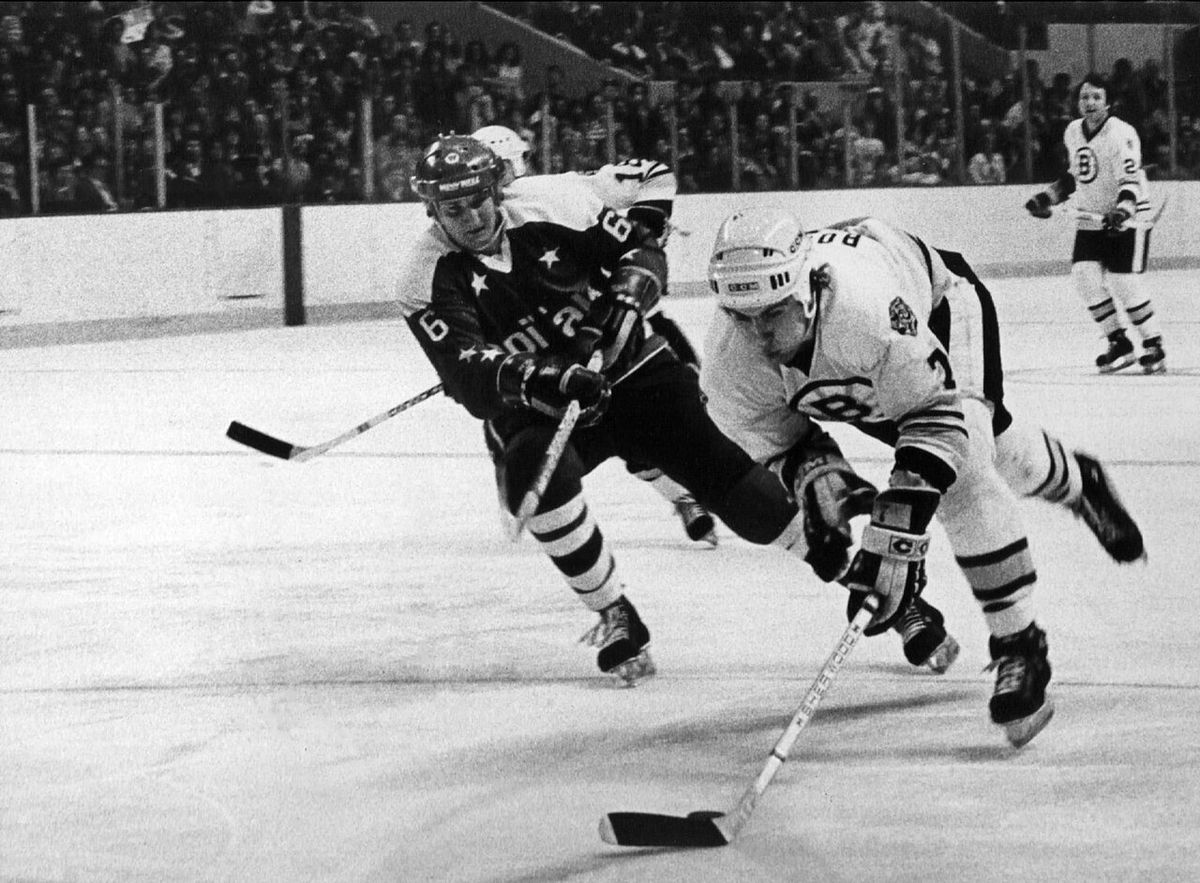
Drafted eighth overall by the Boston Bruins in 1979, Bourque made an immediate and historic impact in his rookie season. He scored a goal in his first NHL game against the Winnipeg Jets and finished the 1979-80 campaign with 65 points, a record for a rookie defenceman at the time. Bourque won the Calder Memorial Trophy as rookie of the year and was named a First Team All-Star, the first non-goaltender to achieve both honours in the same season. This marked the beginning of a 21-season tenure with the Bruins where he became the franchise's most important player. Bourque's game combined elite offensive skill with stout defensive responsibility, making him a perennial Norris Trophy contender. He assumed a leadership role early, becoming a co-captain with Rick Middleton in 1985, with each wearing the 'C' for home and road games respectively. Upon Middleton's retirement in 1988, Bourque became the team's sole captain, a position he held for 12 seasons, passing Dit Clapper and Alex Delvecchio to become the longest-serving captain in NHL history at that time.
Bourque's peak offensive seasons came in the mid-1980s, though his progress was sometimes interrupted by injury. He missed games in the 1980-81 season with a broken jaw and again in 1981-82 with a shoulder injury. He recorded a career-high 31 goals and 96 points in 1983-84, leading all NHL defencemen in scoring and finishing fifth in Hart Trophy voting. His consistency was notable, as he recorded 70 or more points in a season eight times and had a career-best 19-game point streak in 1984-85. Despite individual brilliance, team playoff success was elusive for much of his Bruins career. He led Boston to the Stanley Cup Finals in 1988 and 1990, but the team fell to the Edmonton Oilers on both occasions. Throughout the 1990s, Bourque continued to accumulate personal milestones and honours, including his fifth and final Norris Trophy in 1994. He also set numerous Bruins franchise records during this period, often surpassing marks set by Bobby Orr.
- 1987: Won his first James Norris Memorial Trophy and finished second to Wayne Gretzky for the Hart Trophy.
- January 24, 1991: Broke Bobby Orr's Bruins record for career points by a defenceman with his 889th point.
- February 29, 1992: Recorded his 1,000th career point against Washington, becoming the third defenceman to reach the milestone.
- 1996: Named MVP of the NHL All-Star Game in Boston after scoring the game-winning goal.
- February 1, 1997: Set the Bruins' all-time career points record (1,340) with a goal against Tampa Bay.
- March 13, 1999: Broke Johnny Bucyk's Bruins record for career games played in his 1,437th game.
By the end of the 1990s, with the Bruins struggling and his career winding down, Bourque's goal of winning a Stanley Cup remained unfulfilled. The Bruins missed the playoffs in 1997, ending a 29-year streak, and were struggling again in the 1999 to 2000 season amidst injuries and controversy. In March 2000, after 21 seasons and 1,518 games with Boston, he requested a trade to a contender, initially preferring an East Coast team. Bruins general manager Harry Sinden, who had drafted Bourque, worked out a deal with the Colorado Avalanche, convincing Bourque it was his best chance. The Bruins honoured his wish, sending him and Dave Andreychuk to Colorado for Brian Rolston, Martin Grenier, Samuel Påhlsson and a first-round draft pick.
Stanley Cup Victory with Colorado
Bourque's trade to the Colorado Avalanche on March 6, 2000, reinvigorated his career and provided the opportunity he sought. He immediately bolstered the Avalanche's defence corps, helping them improve their form and capture their division. Colorado advanced to the Western Conference Final that spring, losing a heartbreaking Game 7 to the Dallas Stars where Bourque hit the post in the final minutes on a shot that would have tied the game. He earned a First Team All-Star selection while finishing as runner-up for the Norris Trophy to Nicklas Lidström. The Avalanche, featuring stars like Joe Sakic, Patrick Roy, and Peter Forsberg, marched through the playoffs to the Stanley Cup Final against the defending champion New Jersey Devils.
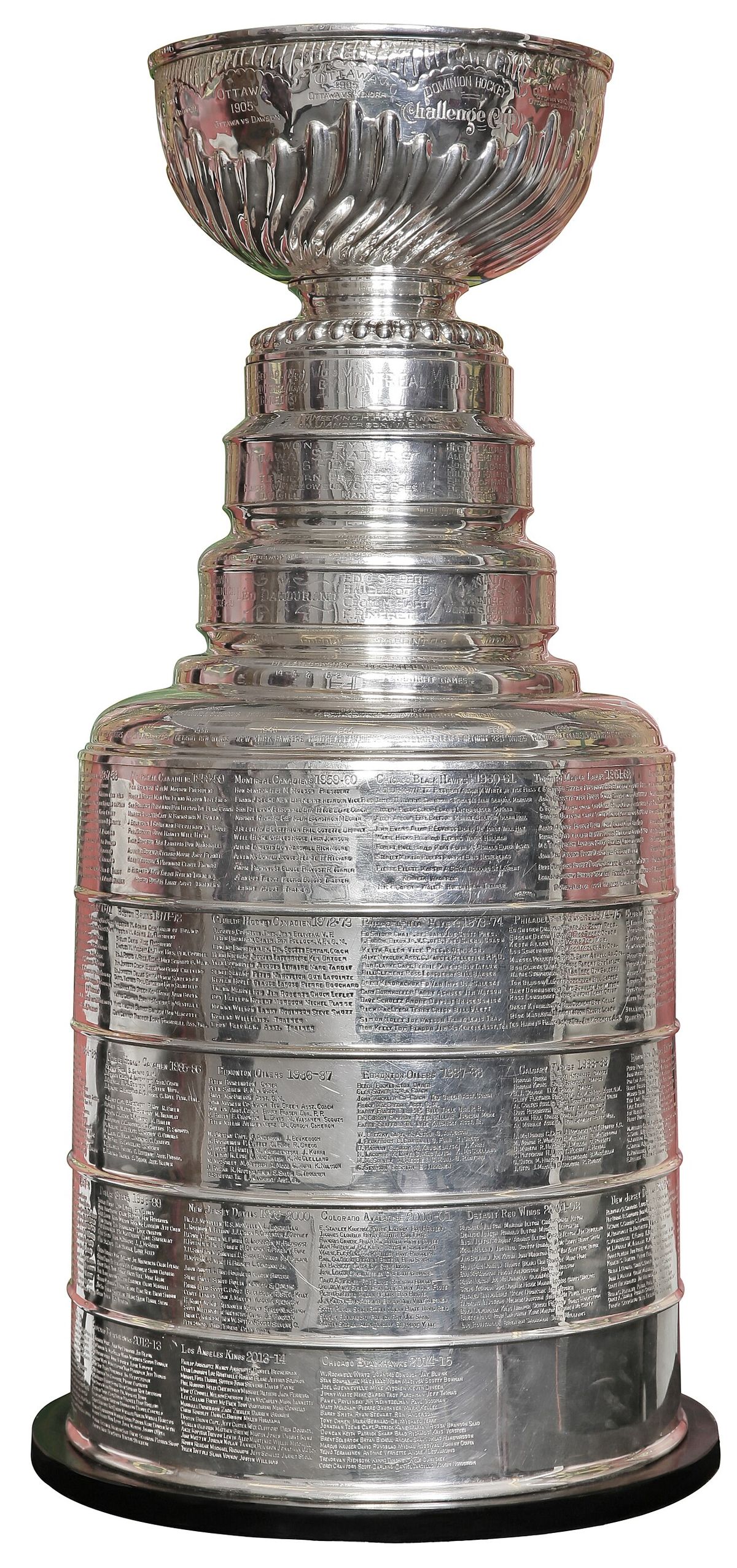
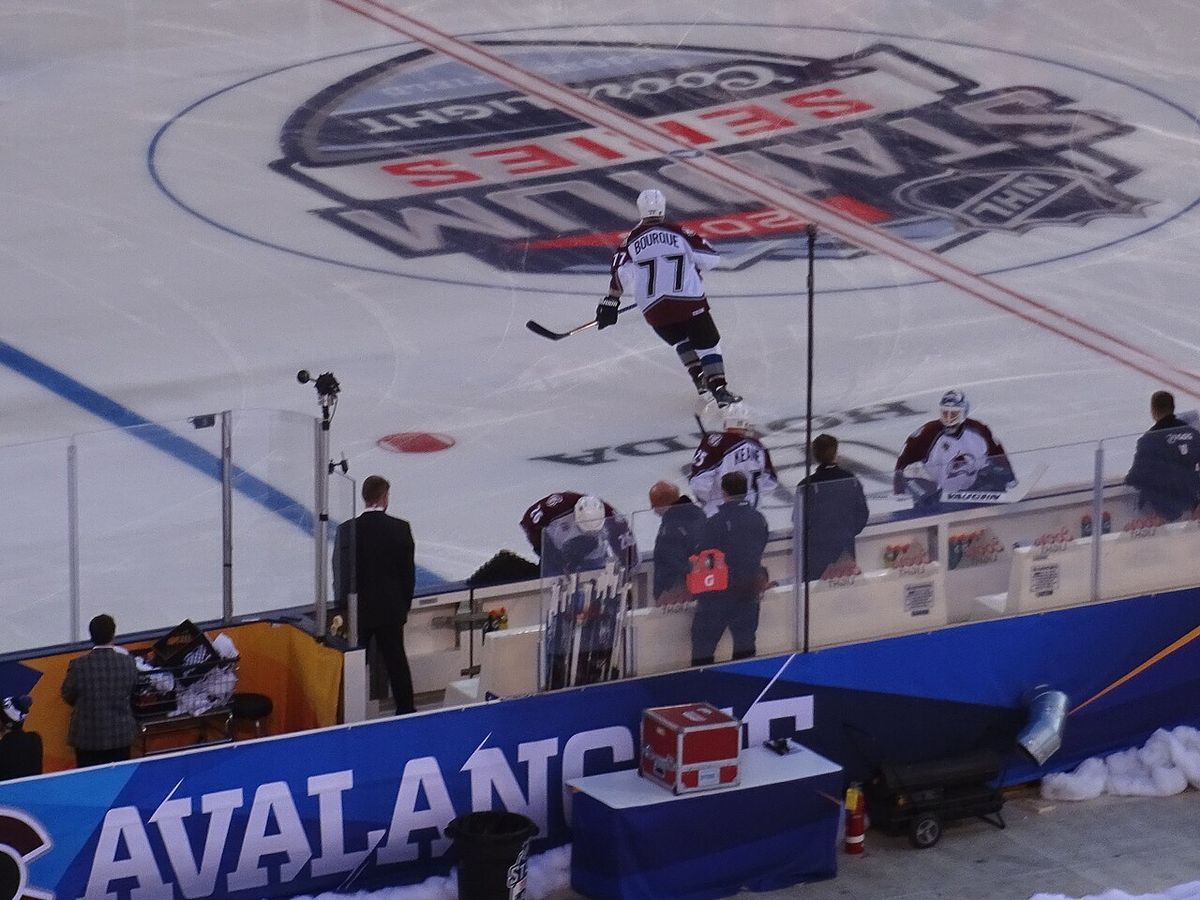
The series was tightly contested, with Bourque scoring the game-winning goal in Game 3. After falling behind three games to two following a loss at home in Game 5, Bourque flew his relatives to New Jersey for Game 6. The Avalanche won that game to force a decisive Game 7 in Denver. On June 9, 2001, the Avalanche defeated the Devils 3-1 to claim the championship. In a memorable moment, team captain Joe Sakic immediately handed the Stanley Cup to Bourque, allowing him to be the first to hoist it. Bourque had finally achieved his dream in his 22nd NHL season and, fittingly, in what was his final NHL game. He retired that summer, having played 1,612 regular season games and accumulating 1,579 points, then the all-time record for a defenceman. His career playoff totals were 180 points in 214 games.
Career Statistics and Records
Ray Bourque's statistical resume demonstrates his longevity and dominance as an offensive defenceman. He retired as the NHL's all-time leader among defencemen in goals (410), assists (1,169), and points (1,579). His 1,612 games played rank among the most for any player. Bourque was a model of consistency, scoring at least 10 goals in 19 different seasons and averaging nearly a point per game over his career. His playoff performance was equally impressive, with 180 points in 214 games. He recorded six points in a single game on February 18, 1990, against Vancouver, and once had 19 shots on goal in a game against Quebec in 1991, an NHL record. The following table highlights his season-by-season point production with Boston and Colorado during key years of his career.
| Season | Team | Games Played | Goals | Assists | Points |
|---|---|---|---|---|---|
| 1979-80 | Boston | 80 | 17 | 48 | 65 |
| 1983-84 | Boston | 78 | 31 | 65 | 96 |
| 1986-87 | Boston | 78 | 23 | 72 | 95 |
| 1990-91 | Boston | 76 | 21 | 73 | 94 |
| 1993-94 | Boston | 72 | 20 | 71 | 91 |
| Career Totals | 1,612 | 410 | 1,169 | 1,579 |
Beyond the raw numbers, Bourque set a standard for all-around defensive play. He was renowned for his shot-blocking, positional intelligence, and physical play, though his offensive contributions sometimes overshadowed his defensive duties. His 19 post-season All-Star team selections (13 First Team, 6 Second Team) are second only to Gordie Howe's 21 in NHL history, evidence of his sustained excellence over two decades. He also finished second in voting for the Hart Memorial Trophy as league MVP twice, in 1987 and 1990, the latter being the closest vote in the trophy's history where he lost to Mark Messier by two singular votes.
Honours, Awards, and Legacy
Ray Bourque's trophy case and the honours bestowed upon him reflect his stature in the game. His five Norris Trophy wins place him behind only Bobby Orr and Doug Harvey for the most all-time. He was a fixture in NHL All-Star Games, participating 19 times and often winning the shot accuracy competition. In 2004, he was inducted into the Hockey Hall of Fame. Both the Boston Bruins and Colorado Avalanche have retired his number 77, a distinction acknowledging his impact on both franchises. In 2017, the NHL named him one of the 100 Greatest NHL Players in history. Further recognition came in 2026 when the Canadian Hockey League ranked him ninth on its Top 50 Players of the Last 50 Years list, the highest-ranked defenceman. His career is also noted for his contract loyalty to Boston, as he repeatedly re-signed without acrimonious negotiations, sometimes to the frustration of the NHL Players' Association which sought to drive up salaries.
- Calder Memorial Trophy: 1980 (Rookie of the Year).
- James Norris Memorial Trophy: 1987, 1988, 1990, 1991, 1994.
- NHL First All-Star Team: 13 selections (1980, 1982, 1984, 1985, 1987, 1988, 1990, 1991, 1992, 1993, 1994, 1996, 2001).
- NHL Second All-Star Team: 6 selections (1981, 1983, 1986, 1989, 1995, 1999).
- Stanley Cup Champion: 2001 (Colorado Avalanche).
- NHL All-Star Game MVP: 1996.
- Hockey Hall of Fame: Inducted as a player in 2004.
Bourque's legacy extends beyond awards. He is remembered for his quiet leadership, his long commitment to the Bruins for two decades, and the perseverance he displayed in his quest for the Stanley Cup. His final victory became one of the most celebrated moments in modern hockey, connecting with fans who had followed his entire career. He set a benchmark for two-way defencemen that influences how the position is played and evaluated to this day. The Bruins' reliance on his on-ice mastery was so total that the team often struggled noticeably when he was out of the lineup due to injury.
International Play and Post-Retirement
Bourque represented Canada on several international stages, playing for his country beyond the NHL. He played in three Canada Cup tournaments (1981, 1984, 1987), helping Canada win the championship in 1984 and 1987. In 1998, he was part of the Canadian team at the Winter Olympics in Nagano, Japan, the first Games to feature active NHL players. Although Canada did not medal, finishing fourth, Bourque's participation highlighted his status as one of the world's best players available for selection. Since retiring, Bourque has remained connected to hockey and his community. He has served as a consultant for the Boston Bruins and is a frequent presence at team events and alumni functions, including the Bruins' Centennial celebration. He has been deeply involved in philanthropic activities throughout New England, supporting various charitable causes. Bourque also owns an Italian restaurant in the Boston area, maintaining his ties to the city where he spent most of his career. He continues to be a respected figure in the game of hockey, often participating in media panels like NHL Now to discuss the sport.
Questions about Ray Bourque
How many Norris Trophies did Ray Bourque win?
Ray Bourque won the James Norris Memorial Trophy as the NHL's best defenceman five times during his career. His victories came in the 1987, 1988, 1990, 1991, and 1994 seasons. This total places him third all-time, behind only Bobby Orr (eight) and Doug Harvey (seven). Bourque was also the runner-up for the award six times, demonstrating his consistent status as one of the league's elite blueliners over nearly two decades.
Why did Ray Bourque leave the Boston Bruins?
After 21 seasons with the Bruins, Ray Bourque requested a trade in March 2000. The primary reason was his desire to win a Stanley Cup before retiring, a goal that had eluded him despite two finals appearances with Boston. The Bruins were struggling and on track to miss the playoffs, so general manager Harry Sinden honoured Bourque's wish. He was traded to the Colorado Avalanche, a championship contender, where he finally won the Cup in 2001.
What number did Ray Bourque wear and is it retired?
Ray Bourque famously wore number 77 for the majority of his career. He initially wore number 7 for the Bruins but voluntarily gave it up in December 1987 when the team retired it for Phil Esposito. Bourque then switched to 77, which became his signature number. Both the Boston Bruins and the Colorado Avalanche have retired his number 77, a rare honour that acknowledges his significant impact on both franchises.
Did Ray Bourque play for Team Canada?
Yes, Ray Bourque represented Canada in international competition on several occasions. He played in three Canada Cup tournaments, winning the championship in 1984 and 1987. He was also a member of the Canadian men's hockey team at the 1998 Winter Olympics in Nagano, which was the first Olympics to feature active NHL players. His international career added to his legacy as one of Canada's greatest hockey exports.
What records does Ray Bourque hold?
Ray Bourque holds the NHL records for most career goals, assists, and points by a defenceman. He also set many Boston Bruins franchise records, becoming their all-time career leader in games played, assists, and points. Bourque was named to the end-of-season All-Star teams 19 times, which is second only to Gordie Howe. He holds the record for most First Team All-Star selections for a defenceman with 13. In his rookie season, he became the first non-goaltender to win the Calder Trophy and be named a First Team All-Star in the same year.
Is Ray Bourque in the Hockey Hall of Fame?
Yes, Ray Bourque is in the Hockey Hall of Fame. He was inducted in 2004 following his illustrious 22 year NHL career. His career was defined by being one of the greatest offensive defensemen in history, holding multiple NHL records for defencemen. He won the James Norris Memorial Trophy five times as the league's best defenceman and won a Stanley Cup championship with the Colorado Avalanche in his final game. In 2017, he was also named one of the 100 Greatest NHL Players in history.
Sources and further reading
- Ray Bourque (Wikipedia)
- Ray Bourque | Sports and Leisure | Research Starters (ebsco.com)
- Legends of Hockey, Induction Showcase, Ray Bourque (hhof.com)
- NHL Now: Ray Bourque on the Bruins, his career (nhl.com)
- Ray Bourque Stats, Height, Weight, Position, Title (hockey-reference.com)
Checked by the Garbutt Disposal desk. Last updated 2026-10-29.