Mark Messier
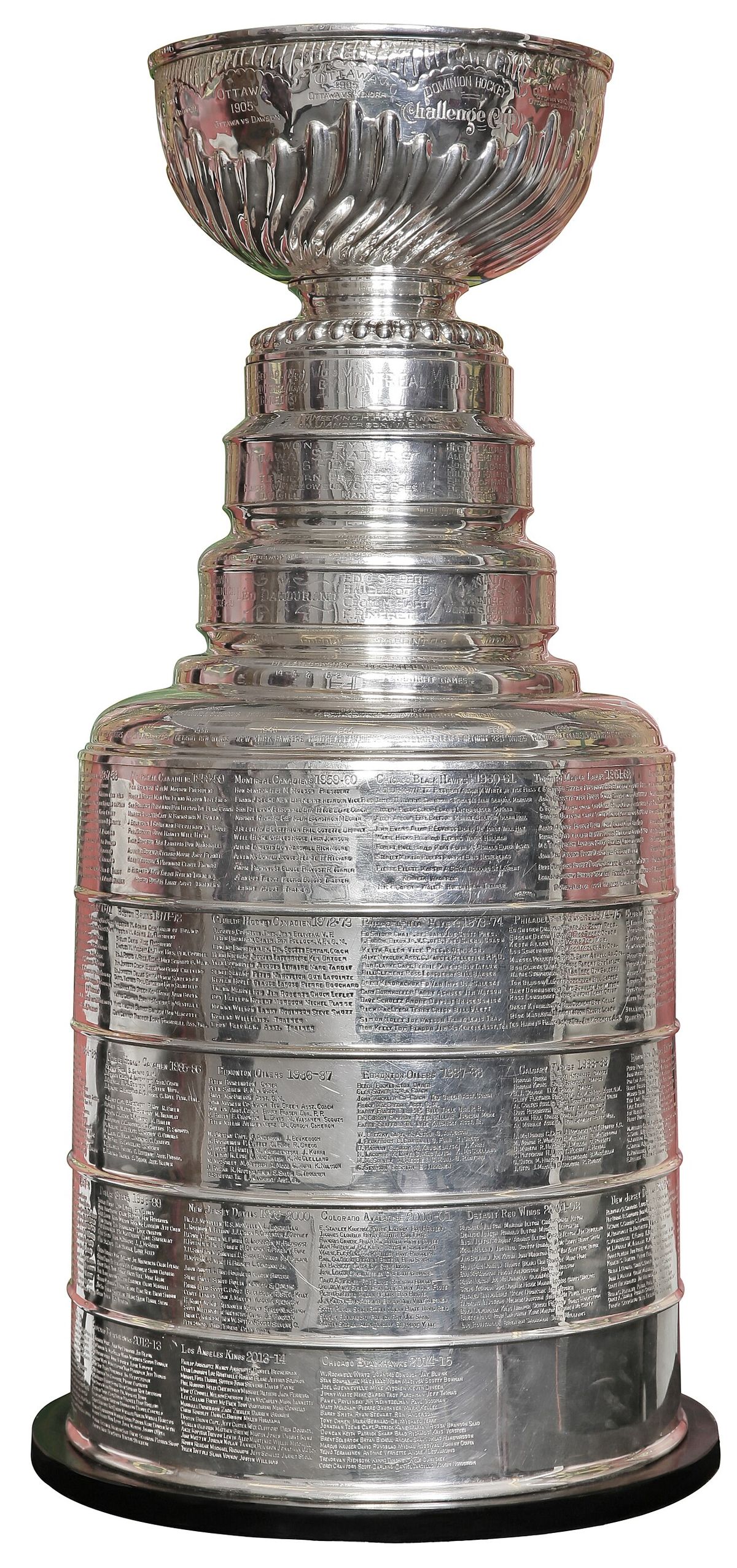
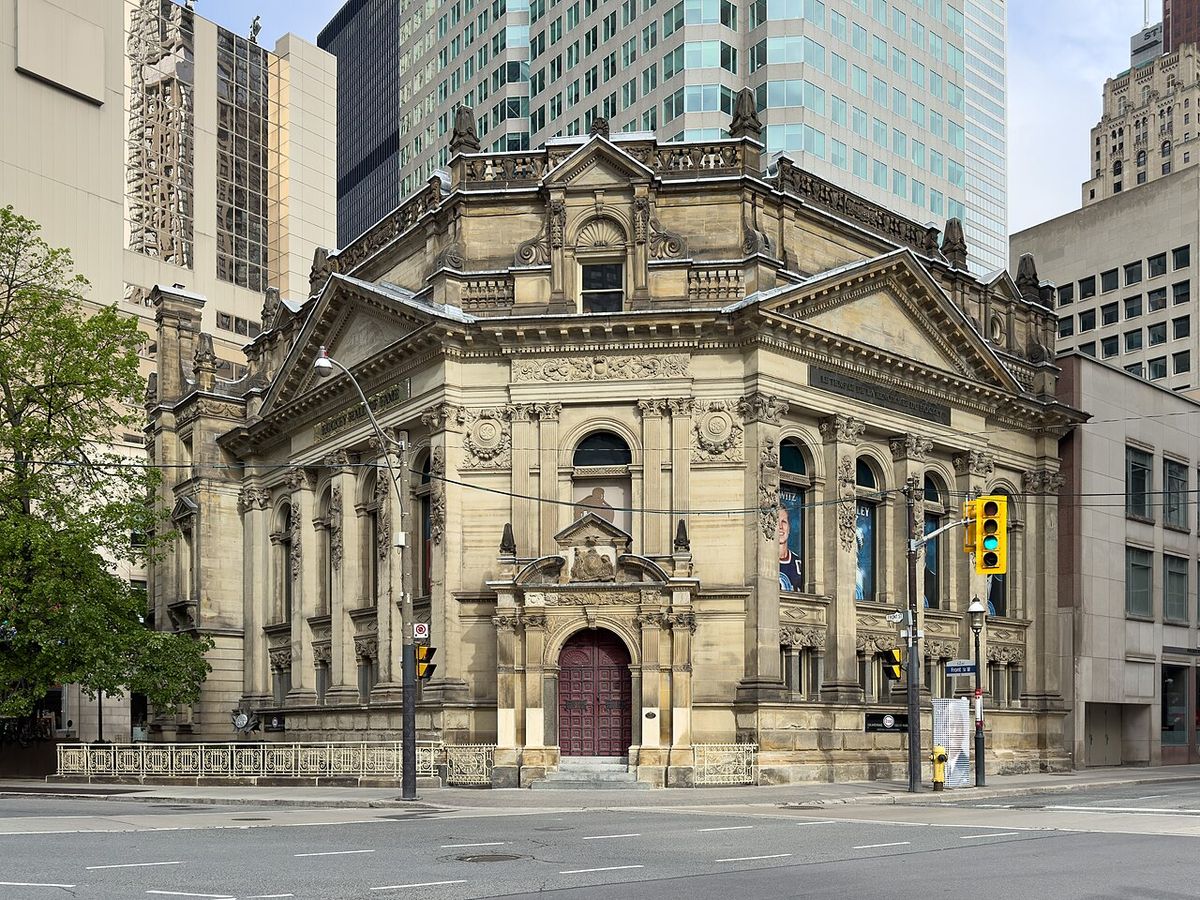
Mark John Douglas Messier is a Canadian former professional ice hockey forward, widely considered one of the greatest players in the sport's history. His 25-season National Hockey League career, primarily with the Edmonton Oilers and New York Rangers, was defined by exceptional leadership and a record of six Stanley Cup championships. Messier is the only player to have captained two different franchises to Stanley Cup titles, a feat that solidified his reputation, particularly in New York where he ended the Rangers' 54-year championship drought in 1994. His contributions to hockey were recognized with his induction into the Hockey Hall of Fame in 2007 and his appointment as an Officer of the Order of Canada in 2017.
Early Life and Entry into Professional Hockey
Mark Messier was born in St. Albert, Alberta, the son of Doug Messier, a former professional hockey player, and Mary-Jean Dea. The family moved to Portland, Oregon, during his childhood while his father played for the Portland Buckaroos, before returning to St. Albert in 1969. Messier's early hockey development was heavily influenced by his father, who coached him during his junior years with the Spruce Grove Mets and St. Albert Saints of the Alberta Junior Hockey League. He demonstrated significant talent early, recording 66 points in 57 games in his first AJHL season and being named captain of the Saints for the 1977-78 campaign. Seeking a greater challenge than junior hockey offered, Messier initially tried out for the 1980 Canadian Olympic team before his father secured him a professional tryout with the Indianapolis Racers of the World Hockey Association in November 1978. This opportunity arose because the Racers needed a replacement for a young player they had just traded, Wayne Gretzky. Messier's professional debut was brief and financially precarious, as the Racers folded in December 1978 after he had played only five games, and his sole paycheque from the team bounced. He subsequently signed with the Cincinnati Stingers of the WHA for the remainder of the 1978-79 season, scoring his first professional goal in a fluky manner against the Birmingham Bulls on March 20, 1979. He finished his WHA tenure with 47 games for the Stingers, tallying one goal and ten assists.

Edmonton Oilers Dynasty (1979 to 1991)
Following the collapse of the WHA, Messier was selected 48th overall by the Edmonton Oilers in the 1979 NHL Entry Draft. His early NHL career was marked by discipline issues, including a missed team flight that led to a brief four-game reassignment to the Central Hockey League's Houston Apollos. Settling in with the Oilers, Messier developed into a fierce competitor, initially playing left wing on a line with Glenn Anderson. His offensive production grew steadily, culminating in a 50-goal season in 1981-82. A key moment in his career came during the 1984 playoffs when coach Glen Sather moved him to centre. This switch proved spectacular, as Messier's physical play and a brilliant end-to-end rushing goal in Game 3 of the Stanley Cup Final against the New York Islanders are widely seen as the series' turning point. The Oilers won their first championship, and Messier was awarded the Conn Smythe Trophy as playoff most valuable player. He was a central figure in the Oilers' dynasty, winning four more Stanley Cups in 1985, 1987, 1988, and 1990. His leadership became paramount after Wayne Gretzky was traded in 1988, and he captained the Oilers to the 1990 title, also winning the Hart Memorial Trophy as league MVP that season by the narrowest margin in the award's history. Messier's tenure in Edmonton was not without controversy, including a ten-game suspension in 1984 for sucker-punching Calgary's Jamie Macoun and a 1985 car accident for which he was charged. Growing discontent with the team's cost-cutting direction after 1990, including the potential loss of teammate Adam Graves, led Messier to issue a public trade demand. On October 4, 1991, he was traded to the New York Rangers in a multi-player deal.
New York Rangers and the 1994 Championship
Messier's impact on the New York Rangers was immediate, as he won his second Hart Trophy in his first season and led the team to the NHL's best record. After a disappointing playoff exit and a season missing the postseason entirely, the arrival of coach Mike Keenan set the stage for the 1993-94 campaign. The Rangers again finished first overall and were considered Cup favourites. Their path, however, faced a severe test in the Eastern Conference Final against the New Jersey Devils. With his team trailing the series three games to two, Messier made a bold public guarantee of victory in Game 6. He delivered on that promise spectacularly, scoring a natural hat trick in the third period to erase a 2-0 deficit and secure a 4-2 win. The Rangers won the series in a dramatic seventh game decided in double overtime. In the Stanley Cup Final against the Vancouver Canucks, Messier scored the Cup-winning goal in Game 7 at Madison Square Garden, ending the Rangers' 54-year championship drought. This achievement made him the first and only player to captain two different franchises to Stanley Cup titles. The victory produced memorable images of Messier's emotional celebration and his acceptance of the Cup, solidifying his place in New York hockey history where Mayor Rudy Giuliani dubbed him "Mr. June." Messier played three more seasons with the Rangers, reuniting with Wayne Gretzky for the 1996-97 season and reaching the Eastern Conference Final. Despite his desire to finish his career in New York, a contract dispute with management led to his departure in the summer of 1997.
Vancouver Canucks and Later Career
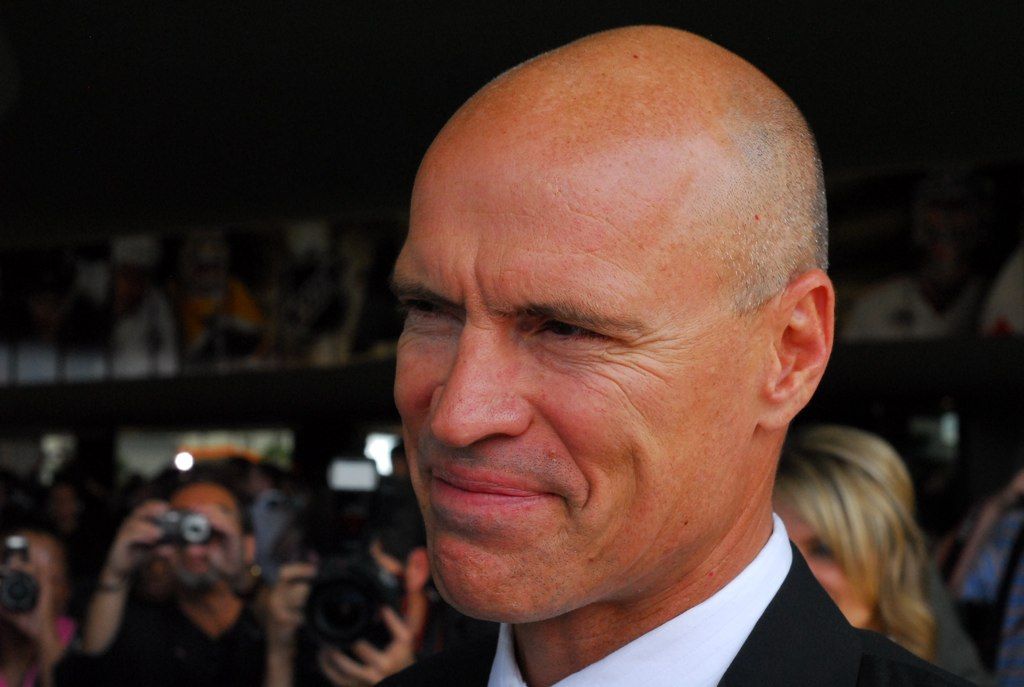
At age 36, Messier signed a lucrative free-agent contract with the Vancouver Canucks in 1997, returning to Canada amid great fanfare. His tenure in Vancouver, however, quickly became controversial and is largely considered a failure. His arrival was marred by two significant issues: his insistence on wearing the number 11, which the team had unofficially retired after the death of Wayne Maki, and the pressure placed on popular incumbent captain Trevor Linden to relinquish the captaincy to him. The situation deteriorated when, amid a turbulent season, Mike Keenan was hired as head coach and acting general manager, a move widely believed to be at Messier's request. Messier consistently sided with Keenan's authoritarian style, alienating veteran players and leading to the trade of Linden to the New York Islanders, which outraged the fanbase. He was also surprisingly omitted from the Canadian roster for the 1998 Winter Olympics. After Keenan was fired and Brian Burke took over as general manager, Messier's role diminished. Key controversies and events during Messier's Vancouver tenure included his demand for jersey number 11 over the protest of Wayne Maki's family, the pressured relinquishing of the captaincy by fan favourite Trevor Linden, and the hiring of coach Mike Keenan which created locker room division.
- Demanding and receiving jersey number 11 over the protest of Wayne Maki's family.
- The pressured relinquishing of the captaincy by fan favourite Trevor Linden.
- The hiring of coach Mike Keenan, which created locker room division.
- The trade of Trevor Linden to the New York Islanders in 1998.
- Consistently being booed by Canucks fans, in stark contrast to the cheers for Linden upon his return.
Playing Style and Legacy
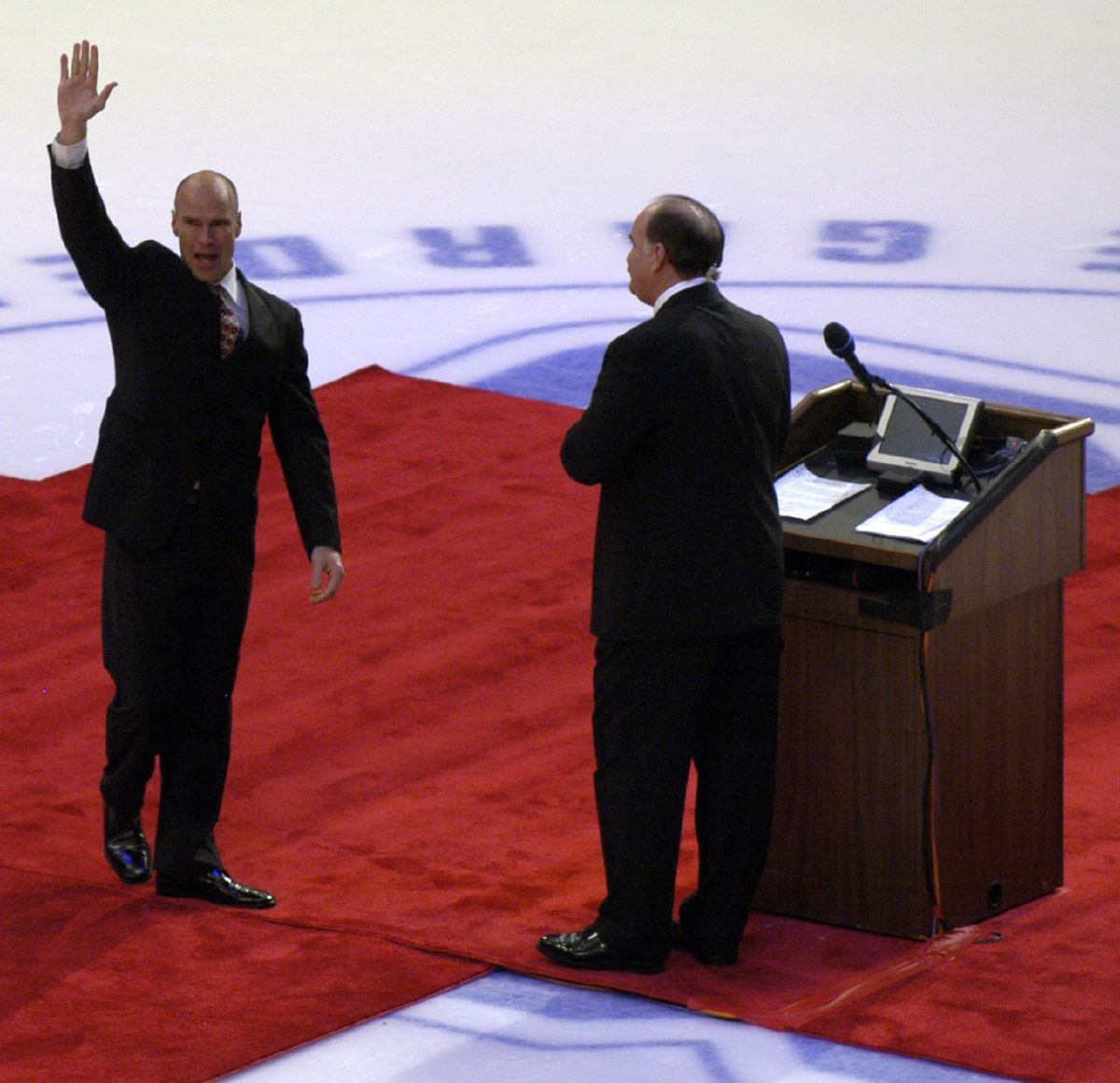
Mark Messier's playing style was defined by a unique combination of skill, physical power, and an intense will to win. Known throughout his career by the nickname "The Moose" for his aggression and strength, he was a dominant two-way forward capable of playing both left wing and centre at an elite level. His leadership, however, was his most noted attribute, characterized by an intense, vocal presence in the dressing room and a clutch performance in critical moments, most famously his guaranteed victory in the 1994 playoffs. Statistically, he ranks among the NHL's all-time leaders, finishing his career with 1,887 regular season points and 295 playoff points, the latter being the second-highest total in history at his retirement. He also played 1,756 regular season games, ranking third all-time. His trophy case includes two Hart Trophies as league MVP, a Conn Smythe Trophy as playoff MVP, and sixteen All-Star Game selections. His six Stanley Cup championships, five with Edmonton and one with New York, highlight his winning pedigree. The longevity of his career made him the last active player from the World Hockey Association and the last active player in major North American sports to have played in the 1970s. After retiring in 2004, Messier was inducted into the Hockey Hall of Fame in his first year of eligibility in 2007. In 2017, he was named one of the NHL's 100 Greatest NHL Players and was appointed an Officer of the Order of Canada for his contributions to hockey and for encouraging children to participate in the sport.
Career Statistics and Accolades
Mark Messier's career statistics reflect his durability, consistency, and elite production over a quarter-century in the NHL. The following table outlines his regular season scoring totals by team, demonstrating his peak offensive years with the Oilers and Rangers. His major individual awards and honours form a comprehensive list of hockey's highest achievements, including six Stanley Cup championships and two Hart Memorial Trophies as the league's most valuable player. Mark Messier was selected for the NHL All-Star Game sixteen times during his career. He was named to the NHL First All-Star Team twice, achieving this honour at two different positions. His list of honours includes winning the Hart Memorial Trophy twice and the Conn Smythe Trophy once. These achievements demonstrate his sustained excellence across multiple decades and with different franchises.
- Stanley Cup Champion (6): 1984, 1985, 1987, 1988, 1990, 1994.
- Hart Memorial Trophy (2): 1990, 1992.
- Conn Smythe Trophy (1): 1984.
- NHL First All-Star Team (2): 1982 (LW), 1990 (C).
- NHL Second All-Star Team (1): 1983 (LW).
- Hockey Hall of Fame Inductee: 2007.
- Officer of the Order of Canada: 2017.
- Named to NHL's 100 Greatest Players List: 2017.
Post-Playing Career and Personal Life
Following his retirement as a player in 2004, Mark Messier remained involved with the New York Rangers organization, serving as a special assistant to the president and general manager, providing counsel on hockey operations and player development. In the business sphere, Messier has ownership interests, including a hotel in Harbour Island, Bahamas, which is managed with the help of his brother Paul. His family has deep hockey connections. His father Doug was his early coach and agent, his brother Paul was drafted by the Colorado Rockies and played professionally in Germany, and his cousins Mitch and Joby also played in the NHL, with Joby being a brief teammate on the Rangers. Messier's legacy extends beyond statistics and trophies through his philanthropic efforts and his role in promoting youth participation in hockey, which was cited in his appointment to the Order of Canada. While his tenure with the Vancouver Canucks remains a contentious chapter, his overall impact on the sport in Canada is significant, symbolized by his leadership on championship teams in two of the country's most important hockey markets, Edmonton and New York.
Questions about Mark Messier
How many Stanley Cups did Mark Messier win?
Mark Messier won the Stanley Cup six times during his career. He captured five championships with the Edmonton Oilers in 1984, 1985, 1987, 1988, and 1990. His sixth and final Cup came with the New York Rangers in 1994, a victory that ended the franchise's 54-year championship drought. This achievement makes him the only player in NHL history to captain two different franchises to Stanley Cup titles.
What is Mark Messier's famous guarantee?
During the 1994 Eastern Conference Final, Mark Messier publicly guaranteed a victory in Game 6 when his New York Rangers were trailing the New Jersey Devils three games to two. He backed up his promise by scoring a natural hat trick in the third period to lead the Rangers to a 4-2 comeback win. The Rangers went on to win the series in a thrilling seventh game that went to double overtime. This guarantee became one of the most memorable moments in sports history.
Why is Mark Messier called 'The Moose'?
Mark Messier was known throughout his career as "The Moose" for his aggression and strength on the ice. This nickname highlighted his physically dominant and intense style of play. It distinguished him from other players and reflected his role as a fierce competitor. The moniker became a fitting part of his on-ice persona.
What records does Mark Messier hold?
Mark Messier holds several notable NHL records and ranks highly on all-time lists. He is the only player to captain two different franchises to Stanley Cup championships. At the time of his retirement, he ranked second in all-time playoff points (295) and third in both regular season games played (1,756) and regular season points (1,887). He also was the last active player from the World Hockey Association and the last active player in major North American sports to have played in the 1970s.
What is Mark Messier doing now?
After his playing career, Mark Messier became a special assistant to the president and general manager of the New York Rangers. He was inducted into the Hockey Hall of Fame in 2007. In 2017, he was named one of the "100 Greatest NHL Players" in history. Also in 2017, he was appointed an Officer of the Order of Canada for his contributions to hockey and for encouraging children to take up the sport.
Why was Mark Messier booed in Vancouver?
Mark Messier is widely disliked by Vancouver Canucks fans due to a series of controversial actions during his tenure with the team from 1997 to 2000. Upon signing, he demanded to wear the number 11, which was unofficially retired after the death of former player Wayne Maki, a move that upset Maki's family. Incumbent captain and fan favourite Trevor Linden was pressured to relinquish the captaincy to Messier. It was widely believed that Messier requested the hiring of head coach Mike Keenan, whose authoritarian style grated on veteran players, and Messier consistently sided with Keenan. This led to the departure of many popular players, including the trade of Linden. Combined with his sub par on ice performance relative to his large contract, these actions cemented his reputation as the most hated player in Canucks history.
Sources and further reading
- Mark Messier (Wikipedia)
- Legends of Hockey, Induction Showcase, Mark Messier (hhof.com)
- Mark Messier | Sports and Leisure | Research Starters (ebsco.com)
- Mark Messier Stats, Height, Weight, Position, Title (hockey-reference.com)
Checked by the Garbutt Disposal desk. Last updated 2026-10-21.