Mario Lemieux
Mario Lemieux is a Canadian former professional ice hockey player and a principal owner of the Pittsburgh Penguins, widely considered one of the greatest players in NHL history. His 17-season career with the Penguins, punctuated by extraordinary skill and resilience through serious health challenges, yielded two Stanley Cup championships as a player and three more as an owner. Lemieux's on-ice legacy includes six Art Ross Trophies as scoring champion, three Hart Trophies as league MVP, and leading Canada to Olympic gold in 2002. His unique combination of size, creativity, and scoring prowess, coupled with his role in saving the Pittsburgh franchise from bankruptcy, cements his status as a monumental figure in Canadian sport.
Early Life and Junior Career
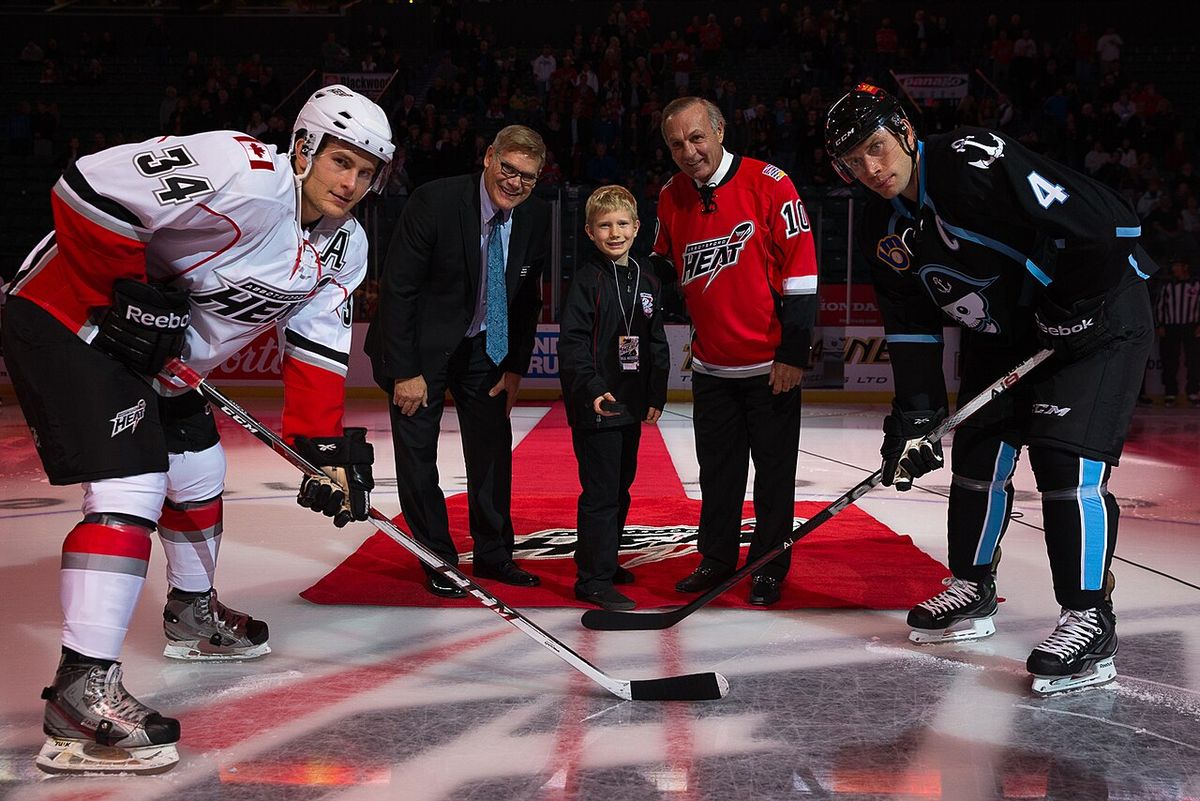
Mario Lemieux was born on October 5, 1965, in Montreal, Quebec, to Jean-Guy Lemieux, an engineer, and Pierrette Lemieux, a stay-at-home mother. He grew up in the working-class Ville-Émard district with his older brothers, Alain and Richard, where his passion for hockey began at age three in the family basement. Before using proper equipment, the Lemieux brothers used wooden kitchen spoons as sticks and bottle caps as pucks, with their father building a rink on the front lawn for practice. His minor hockey teammates in Ville-Émard included future NHL players Marc Bergevin and J.J. Daigneault, and he competed in the 1977 Quebec International Pee-Wee Hockey Tournament. Lemieux's junior career began with the Laval Voisins of the Quebec Major Junior Hockey League, where he made an immediate impact by declaring his intention to break league records upon being drafted at age 15. During the 1983-84 QMJHL season, he played on a line with Jacques Goyette and shattered the league's single-season points record, amassing 282 points from 133 goals and 149 assists in just 70 games. In his final regular season game, needing three goals to tie Guy Lafleur's record of 130, he scored six goals and added six assists in a 16-4 victory. He finished his dominant QMJHL career with 562 points in 200 games over three seasons, though his Laval Voisins were swept at the 1984 Memorial Cup after he was held to only five points in three games.
NHL Entry and Early Stardom (1984 to 1988)
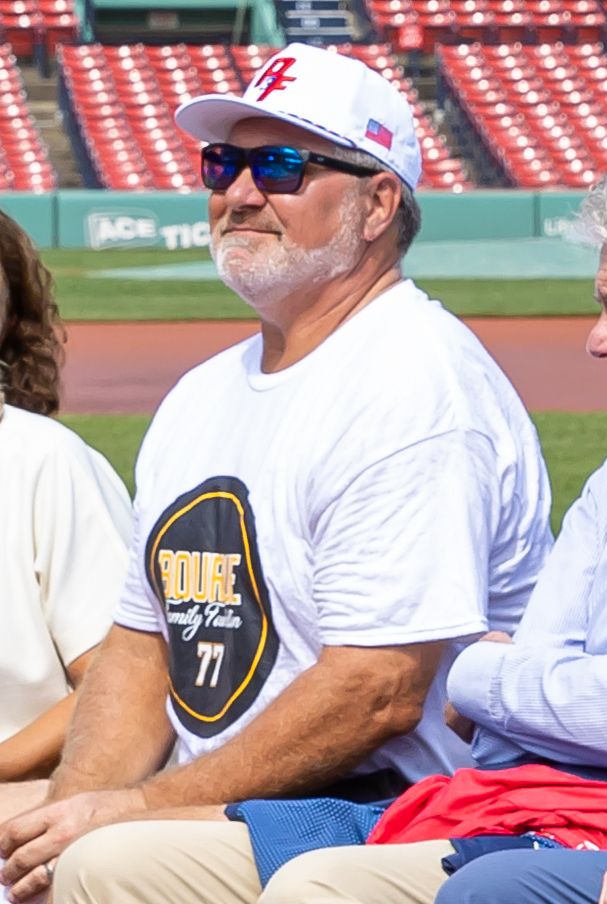
The Pittsburgh Penguins, a struggling franchise averaging fewer than 7,000 fans per game, selected Mario Lemieux first overall in the 1984 NHL Entry Draft. Contract negotiations were tense, leading Lemieux to break tradition by not shaking the general manager's hand or donning the team jersey at the draft in Montreal, a move he attributed to feeling unwanted. He eventually signed a two-year contract worth $600,000 plus a $150,000 signing bonus. Lemieux announced his arrival spectacularly on October 11, 1984, stealing the puck from Hall of Fame defenceman Ray Bourque on his first shift and scoring on his first NHL shot against goaltender Pete Peeters. He finished his rookie season with 100 points, won the Calder Memorial Trophy, and became the first rookie named MVP of the NHL All-Star Game. His sophomore season saw him finish second in league scoring with 141 points, behind only Wayne Gretzky's record 215, and he won the Lester B. Pearson Award as the players' choice for most outstanding player. A key moment came in the summer of 1987 when Lemieux starred for Canada in the Canada Cup, setting a tournament record with 11 goals in 9 games, including the series-clinching goal against the Soviet Union with 1:26 remaining. He said this experience improved his game, and in the 1987-88 season, he ended Gretzky's seven-year reign as scoring champion by capturing his first Art Ross Trophy with 168 points, also winning the Hart Trophy as league MVP and another All-Star Game MVP after a six-point performance.
Peak Performance and Stanley Cup Triumphs
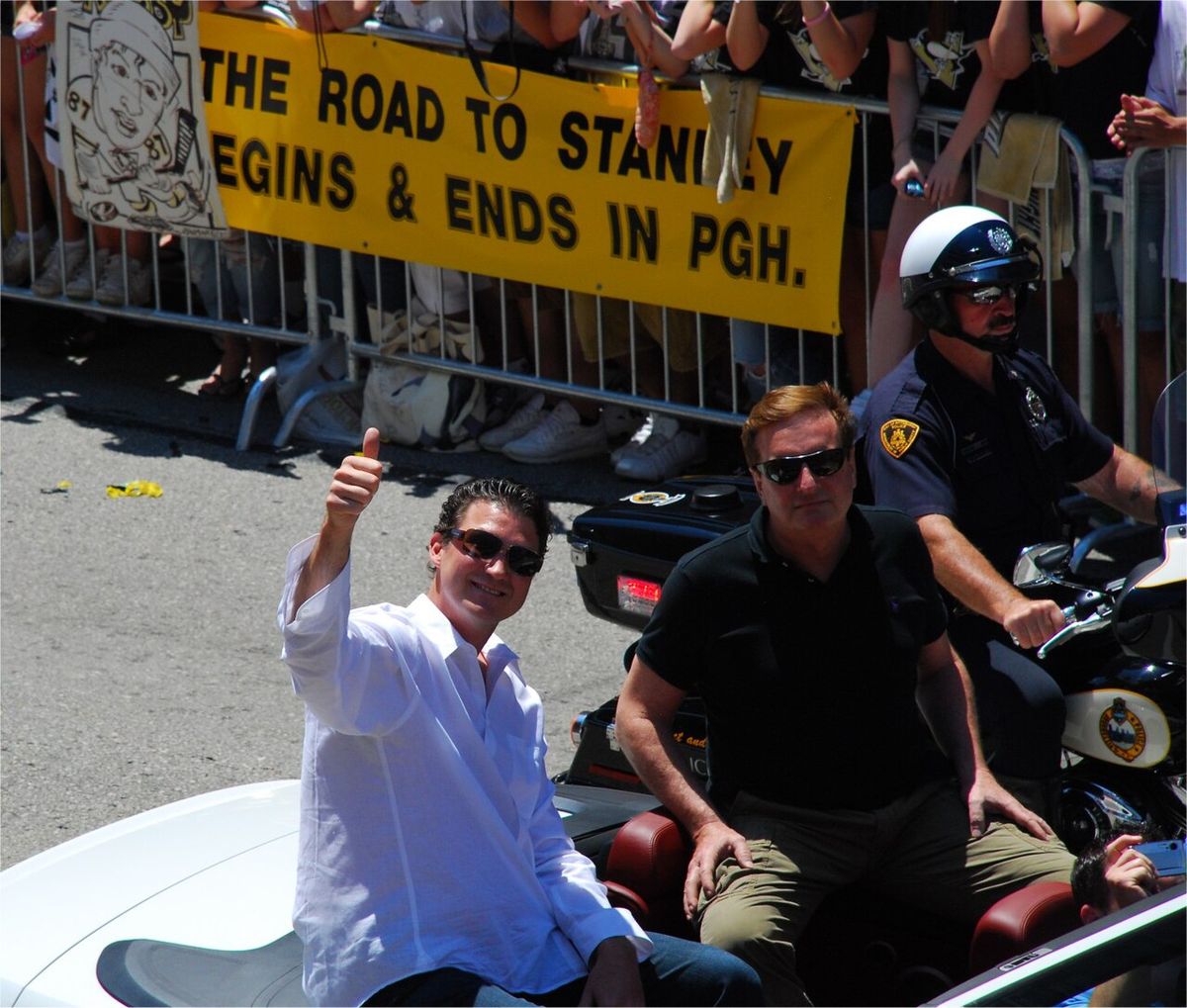
The 1988-89 season marked the height of Lemieux's offensive production, as he tallied 199 points from 85 goals and 114 assists, coming closer than any player to matching Wayne Gretzky's 200-point seasons. He set several records that year, including becoming the only player to score a goal in all five possible game situations during a single contest on December 31, 1988, against the New Jersey Devils. The Penguins made the playoffs for the first time in seven years, though they fell in the second round. A serious back injury, a herniated disc that later became infected, limited Lemieux to just 26 games in the 1990-91 regular season, but the Penguins fortified their roster with key acquisitions like Ron Francis and Joe Mullen. Despite significant pain, Lemieux dominated the 1991 playoffs, leading all scorers with 44 points and winning the Conn Smythe Trophy as the Penguins captured their first Stanley Cup over the Minnesota North Stars. His celebrated solo goal in Game 2, where he deked through a defender's legs and around the goaltender, remains one of the most replayed in NHL history. The following season, despite a broken hand from a slash in the playoffs, Lemieux won his third Art Ross Trophy with 131 points in 64 games and led the Penguins to a second consecutive championship, sweeping the Chicago Blackhawks and earning his second straight Conn Smythe Trophy.
Health Battles and First Retirement
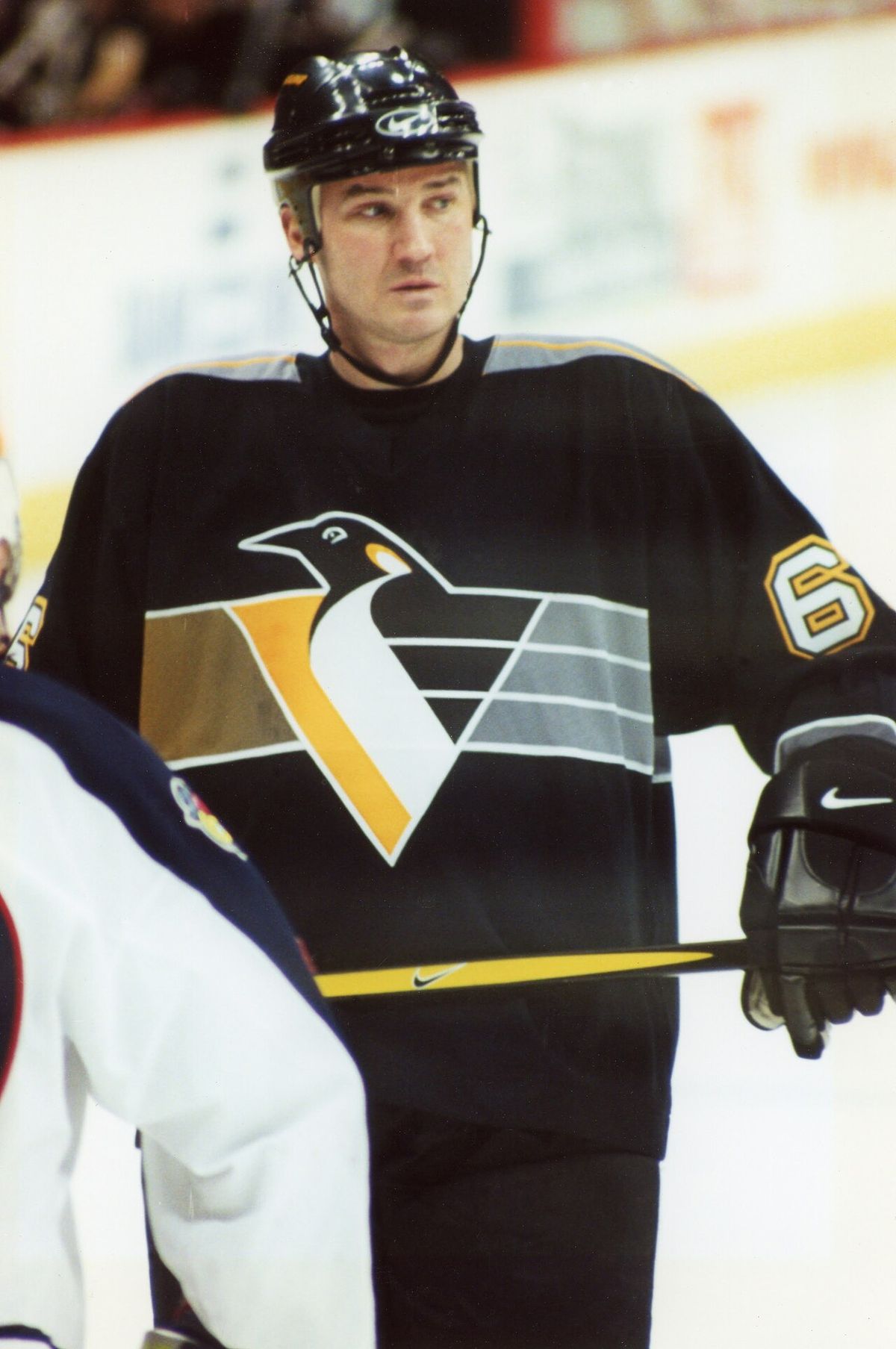
Mario Lemieux's career was persistently interrupted by severe health issues that limited him to 915 of a possible 1,430 regular season games. In January 1993, during a season where he was on pace to challenge Gretzky's single-season records, he was diagnosed with Hodgkin lymphoma. He missed two months for aggressive radiation treatment, returning to win his fourth Art Ross Trophy with 160 points in just 60 games, a remarkable 2.67 points-per-game average. He also won the Hart Trophy and the Bill Masterton Memorial Trophy for perseverance. Chronic back problems necessitated a second surgery in July 1993, and fatigue from his cancer treatment led him to sit out the entire 1994-95 season. He reached the 500-goal milestone in his 605th game, the second-fastest pace in history. In his final season before his first retirement, he won his sixth scoring title with 122 points and scored his 600th goal. The Hockey Hall of Fame waived its standard three-year waiting period and inducted him on November 17, 1997.
Mario Lemieux's career was plagued by health problems that limited him to 915 of a possible 1,430 regular season games. His numerous ailments included spinal disc herniation, Hodgkin's lymphoma, chronic tendinitis of a hip-flexor muscle, and chronic back pain. He retired on two occasions due to these health issues, first in 1997 after battling lymphoma before returning in 2000, and then a second and final time in 2006 after being diagnosed with atrial fibrillation. Lemieux also missed the entire 1994-95 season due to Hodgkin's lymphoma. Despite his lengthy absences from the game, his play remained at a high level upon his return to the ice, as he won the Hart Trophy and scoring title in 1995-96 after sitting out the entire previous season.
- 1989-90: A 46-game point streak ended by a back injury.
- 1990-91: Missed 50 games after surgery for a herniated disc.
- 1992-93: Diagnosed with Hodgkin lymphoma, missed two months for treatment.
- 1994-95: Sat out entire season due to fatigue from radiation.
- 1995-96: Returned to win scoring title and MVP.
- 2005: Retired permanently after diagnosis of atrial fibrillation.
Ownership and Final Playing Comeback
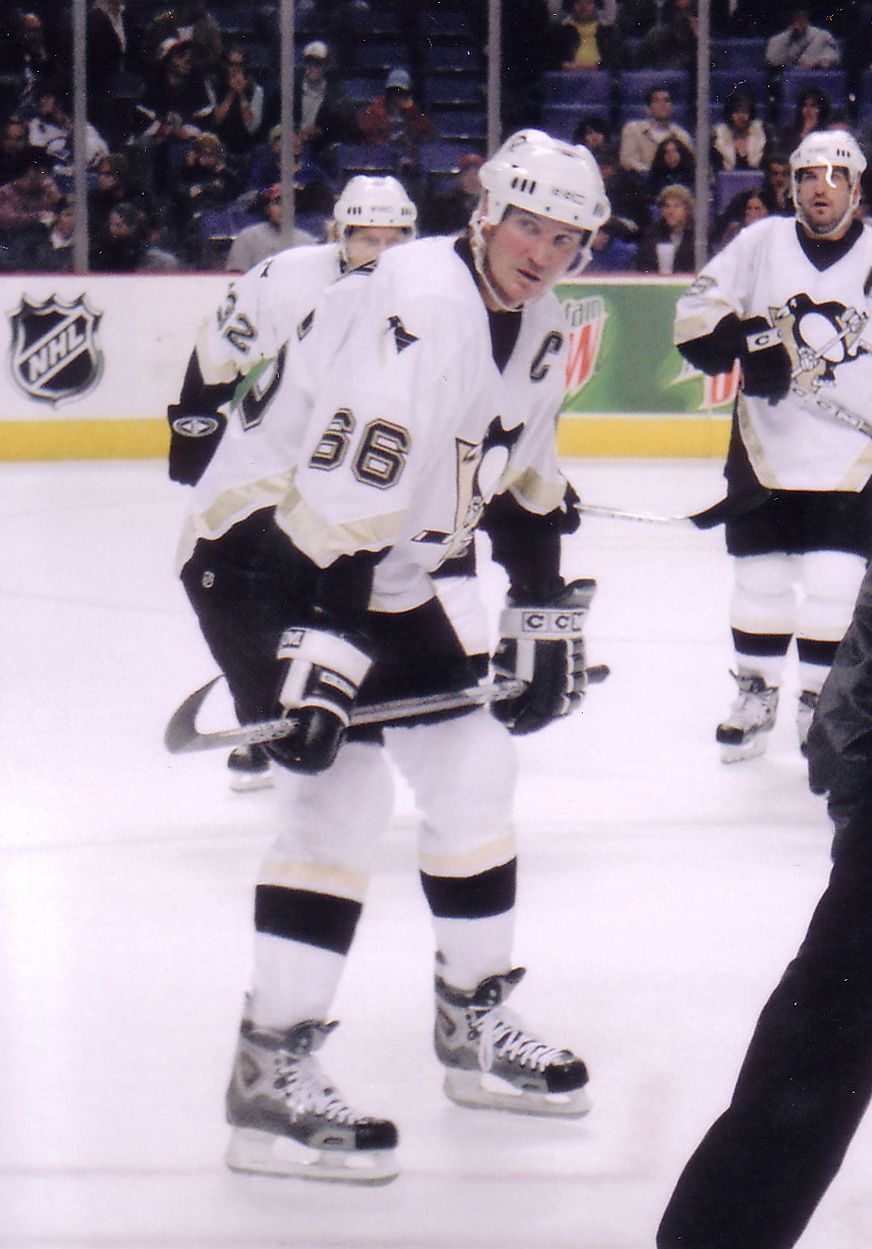
By the late 1990s, the Pittsburgh Penguins were in severe financial distress, burdened by over $90 million in debt from previous ownership. In 1999, Mario Lemieux led a group of investors to purchase the bankrupt franchise, converting much of the money owed to him from his playing contract into equity. This move saved the team from relocation and made him the principal owner, a role he held until selling controlling interest to Fenway Sports Group in 2021, though he remains part-owner and chairman of the board. Under his ownership, the Penguins won Stanley Cup championships in 2009, 2016, and 2017, making him the only person to have his name on the Cup both as a player and as an owner. In a stunning development, Lemieux ended his three-year retirement in December 2000, becoming only the third Hall of Famer to return to active play. He played parts of five more seasons, serving as captain and mentoring a young Sidney Crosby, before retiring for good in 2006 after being diagnosed with an irregular heartbeat (atrial fibrillation).
International Career
Mario Lemieux was a central player for Team Canada in several international tournaments, delivering important performances on the world stage. He first rose to prominence in the 1987 Canada Cup, where his tournament-record 11 goals, including the dramatic game-winner against the Soviet Union, secured the championship for Canada. He chose not to play in the 1984 World Junior Championship due to a disagreement with the coach, focusing instead on his junior season. His international career culminated at the 2002 Winter Olympics in Salt Lake City, where, as team captain, he led Canada to its first Olympic gold medal in men's hockey in 50 years. Two years later, he captained Canada to victory at the 2004 World Cup of Hockey. His leadership and scoring touch in these best-on-best tournaments solidified his reputation as a player who performed for his country. His international success, combined with his NHL achievements, shows his standing as a complete hockey player who excelled under the brightest lights.
Career Statistics and Records
Despite playing only 915 regular season games due to injuries and illness, Mario Lemieux compiled one of the most statistically dominant careers in NHL history. His career averages of 0.754 goals per game, 1.129 assists per game, and 1.883 points per game all rank second in NHL history, behind only Wayne Gretzky. He is the only player to score a goal in all five possible situations in one game, a feat accomplished in 1988. Lemieux won the Art Ross Trophy as scoring champion six times and the Hart Trophy as league MVP three times. These numbers, achieved despite his limited games, highlight the exceptional quality of his play whenever he was on the ice.
Honours and Legacy
Mario Lemieux's legacy is defined by his exceptional talent, his resilience in overcoming health crises, and his dual impact on the Pittsburgh Penguins as a saviour on and off the ice. He was inducted into the Hockey Hall of Fame in 1997, the Canada Walk of Fame in 2004, and the IIHF Hall of Fame in 2008. In 2017, he was named one of the NHL's 100 Greatest Players. Legends of the game have offered the highest praise, with Bobby Orr calling him "the most talented player I've ever seen" and Wayne Gretzky stating the game would miss him upon his retirement. His ownership stewardship ensured the Penguins' survival and subsequent success, creating a lasting franchise in Pittsburgh. The combination of his statistical dominance, championship pedigree, and significant influence on the sport's landscape in Canada and the United States secures his place among hockey's immortals. His story is not just one of athletic genius but also of remarkable determination and business acumen that reshaped an entire NHL organization.
Mario Lemieux won the Lester B. Pearson Award as the most outstanding player voted by the players four times. He won the Hart Trophy as the NHL's most valuable player during the regular season three times. He also won the Art Ross Trophy as the league's points leader six times and the Conn Smythe Trophy as playoffs MVP in 1991 and 1992. He led the Pittsburgh Penguins to consecutive Stanley Cup championships in 1991 and 1992. Internationally, he led Team Canada to an Olympic gold medal in 2002, a championship at the 2004 World Cup of Hockey, and a Canada Cup in 1987.
- Stanley Cup Champion (Player): 1991, 1992.
- Stanley Cup Champion (Owner): 2009, 2016, 2017.
- Hart Memorial Trophy (MVP): 1988, 1993, 1996.
- Art Ross Trophy (Scoring Champion): 1988, 1989, 1992, 1993, 1996, 1997.
- Conn Smythe Trophy (Playoff MVP): 1991, 1992.
- Calder Memorial Trophy (Rookie of the Year): 1985.
- Lester B. Pearson Award: 1986, 1988, 1993, 1996.
- Bill Masterton Trophy: 1993.
- Olympic Gold Medal: 2002.
- Canada Cup Champion: 1987.
- World Cup of Hockey Champion: 2004.
Questions about Mario Lemieux
What health problems did Mario Lemieux face?
Throughout his career, Mario Lemieux battled numerous serious health conditions that caused him to miss hundreds of games. These included chronic back pain from a herniated disc, which required multiple surgeries, and Hodgkin lymphoma, diagnosed in 1993, for which he underwent radiation treatment and missed two months of play. He also dealt with chronic tendinitis and was diagnosed with atrial fibrillation, an irregular heartbeat, which contributed to his final retirement in 2006. His ability to return and perform at an elite level after these setbacks demonstrates his perseverance.
How many Stanley Cups did Mario Lemieux win?
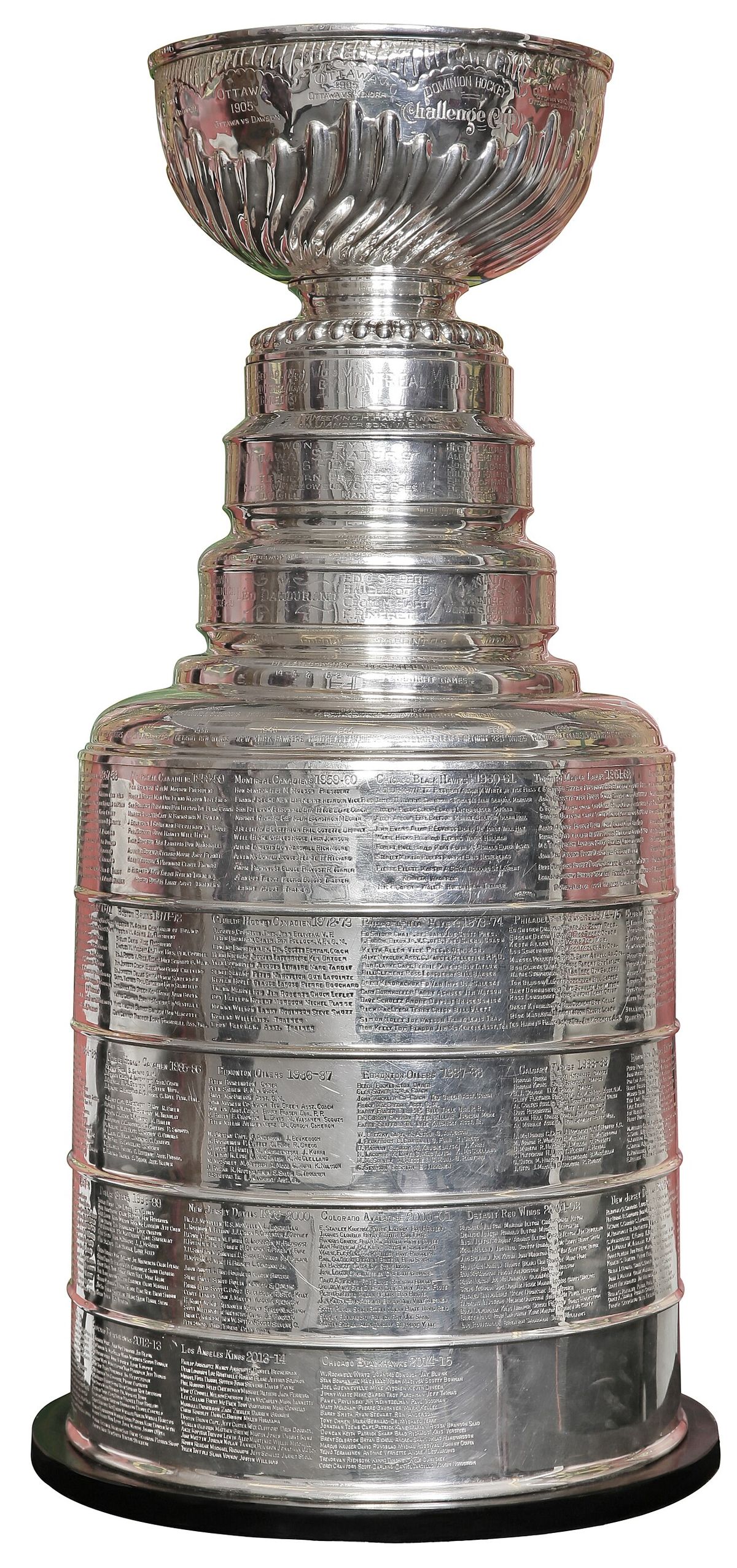
Mario Lemieux won five Stanley Cups, two as a player and three as an owner. As a player, he led the Pittsburgh Penguins to consecutive championships in 1991 and 1992. After assuming ownership of the franchise in 1999, the team won additional titles in 2009, 2016, and 2017 under his leadership. This dual achievement makes him the only person to have his name engraved on the Stanley Cup both as a player and as an owner. His on-ice contributions were key to the early 1990s victories, earning him the Conn Smythe Trophy as playoff MVP both years. His later success as an owner helped secure the franchise's future and legacy in Pittsburgh.
Why is Mario Lemieux called 'Super Mario'?
Mario Lemieux is called 'Super Mario' due to his extraordinary and dominant play on the ice. This nickname, along with 'the Magnificent One' or 'Le Magnifique', reflects his status as one of the greatest players of all time. He was renowned for a unique combination of size, strength, athleticism, and creative offensive skill. Legends like Bobby Orr called him the most talented player he had ever seen. His ability to perform spectacular feats, such as scoring 199 points in a single season or goals in five different game situations, cemented this superhero-like persona in hockey.
When did Mario Lemieux buy the Pittsburgh Penguins?
Mario Lemieux bought the Pittsburgh Penguins in 1999. He purchased the then-bankrupt franchise and its top minor-league affiliate, becoming the principal owner. This move saved the team from potential relocation and financial collapse. He remained the controlling owner until 2021, when he sold a majority interest to Fenway Sports Group. However, Lemieux retained a stake in the team and continues to serve as the chairman of the board. His ownership tenure oversaw a new era of success, including three Stanley Cup championships in 2009, 2016, and 2017.
What are Mario Lemieux's most notable records?
Mario Lemieux's most notable records include several unique and historic achievements. He is the only player to score a goal in all five possible game situations in one NHL game, accomplishing this in 1988. In the 1988-89 season, he recorded 199 points, the closest any player has come to Wayne Gretzky's 200-point seasons. He also ranks second in NHL history with a remarkable career points-per-game average of 1.883. He won the Art Ross Trophy as league scoring champion six times and the Hart Trophy as MVP three times. His 13 shorthanded goals in one season also remains a record.
Did Mario Lemieux play in the Olympics?
Yes, Mario Lemieux played in the Olympics and led Team Canada to a gold medal in 2002. His international career was highly decorated beyond the Olympics. He also captained Canada to a championship at the 2004 World Cup of Hockey. Earlier in his career, he was a key part of the Canadian team that won the Canada Cup in 1987, where he set a tournament record with 11 goals. These victories solidified his legacy as a clutch performer on the international stage. His leadership and scoring prowess were instrumental in each of these championship runs for his country.
Sources and further reading
- Mario Lemieux (Wikipedia)
- Mario's Story (mariolemieux.org)
- Legends of Hockey, Induction Showcase, Mario Lemieux (hhof.com)
- Mario Lemieux | Sports and Leisure | Research Starters (ebsco.com)
Checked by the Garbutt Disposal desk. Last updated 2026-10-19.