Soccer-specific stadium
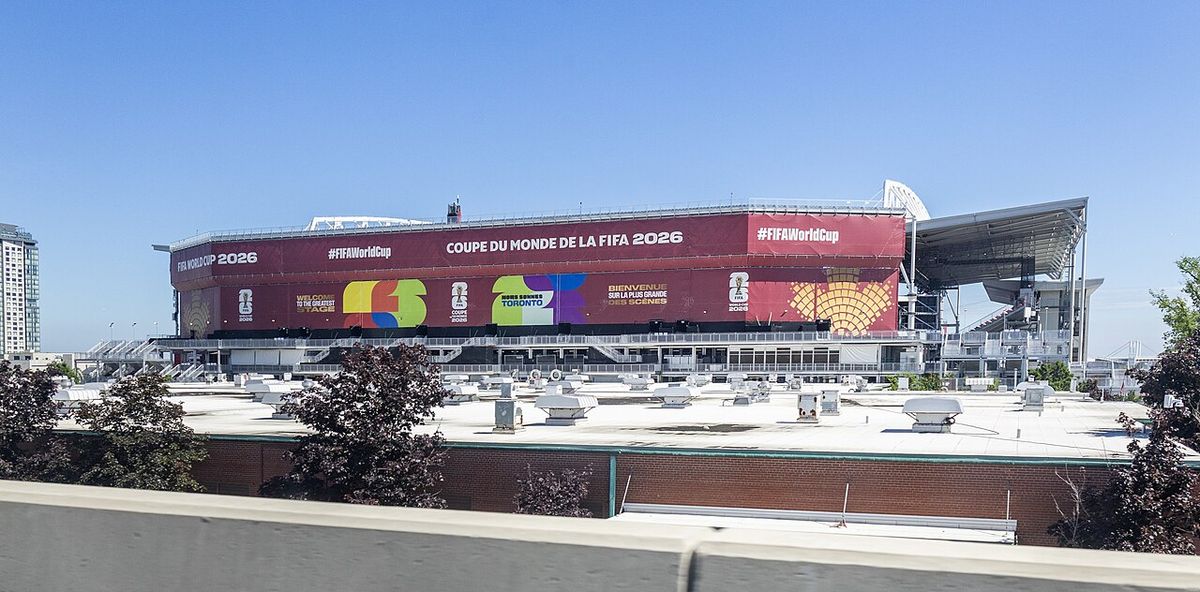
A soccer-specific stadium is a sports venue purpose-built or fundamentally redesigned primarily for soccer. In Canada and the United States, these stadiums represent a significant departure from the earlier practice of using oversized, multi-purpose facilities designed for gridiron football. Their development has been crucial for the growth of professional soccer leagues like Major League Soccer (MLS), providing appropriate field dimensions, improved sightlines, and a more intimate atmosphere for fans. For Canadian soccer, venues such as Toronto's BMO Field, which was the country's first soccer-specific stadium for MLS, have become important landmarks in the sport's domestic infrastructure.
Definition and Key Characteristics
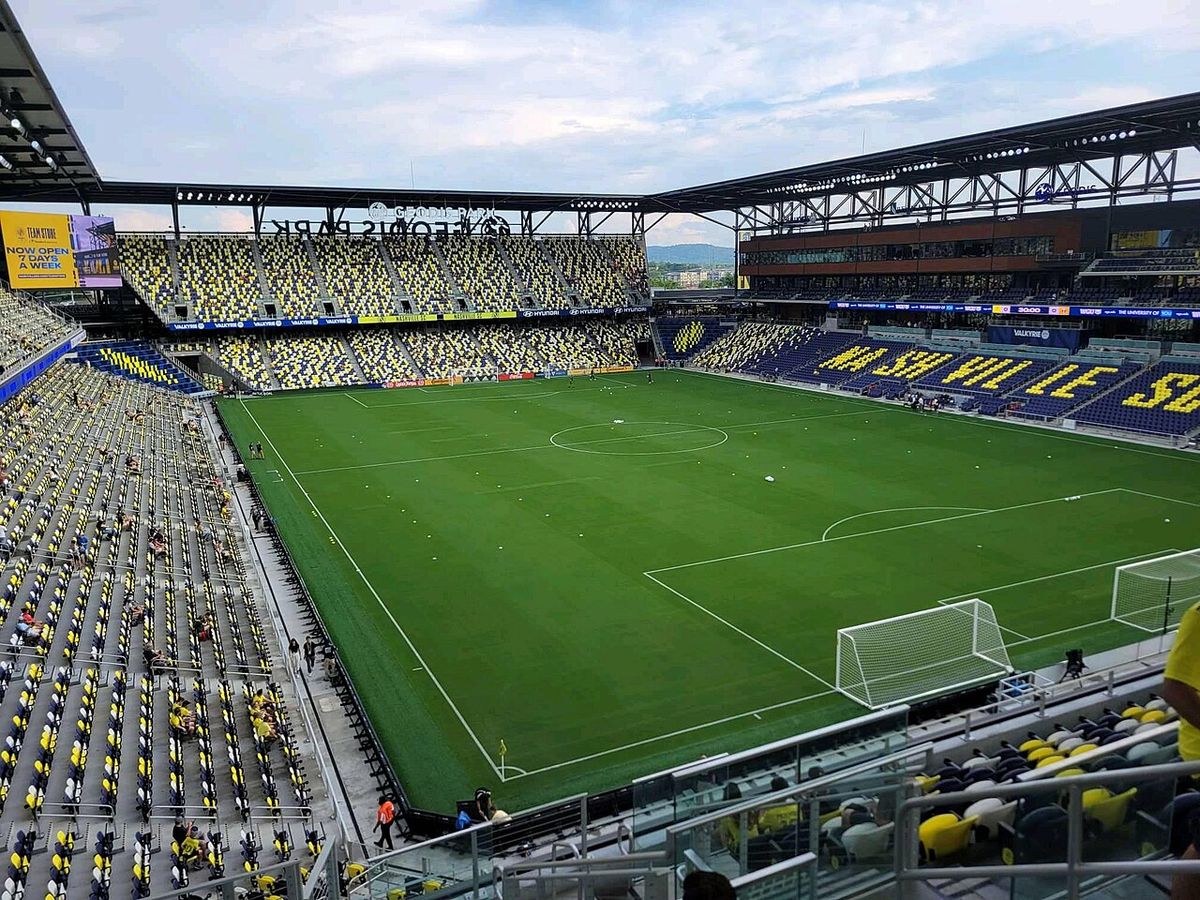
A soccer-specific stadium is defined by its primary function of hosting soccer, distinguishing it from multi-purpose venues designed for a variety of sports. While these stadiums may occasionally host other events like concerts, lacrosse, or rugby, their core design and amenities are optimized for soccer. The field dimensions are constructed within the optimal range set by FIFA, which is notably wider than regulation American or Canadian football fields. This width, typically 70 to 80 yards, is a fundamental characteristic that separates these venues from gridiron football stadiums. The playing surface in most soccer-specific stadiums is natural grass, as artificial turf is generally disfavoured in professional soccer due to higher injury risks for players.
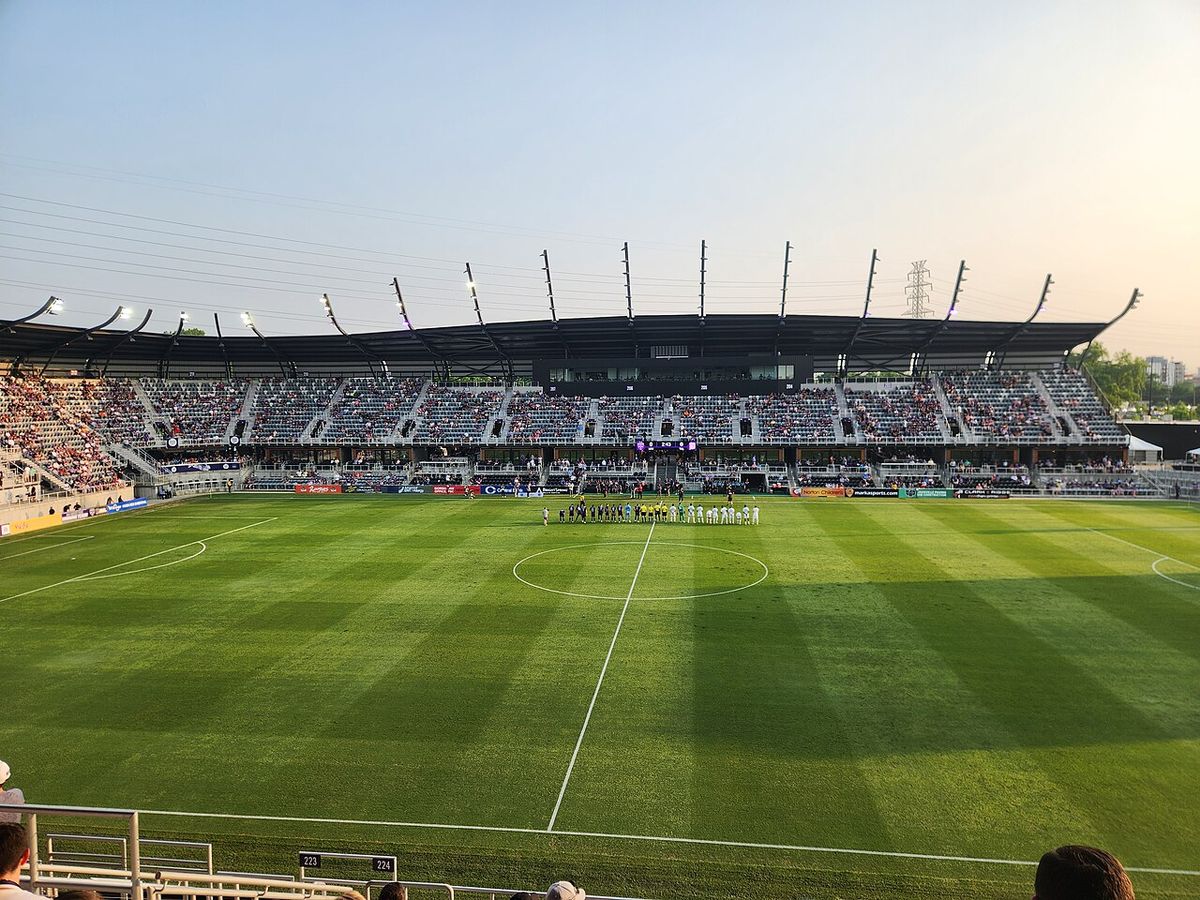
The scale and amenities of these stadiums are tailored to the North American soccer market. Seating capacities for Major League Soccer franchises generally range between 18,000 and 30,000, creating a more intimate and atmospheric environment compared to the massive football stadiums used in the league's early years. Key features often include luxury suites, video screens, and scoreboards. A distinct architectural feature is the placement of the front row of seating much closer to the level of the pitch, unlike gridiron stadiums where seats are raised several feet to see over sideline personnel. Some facilities, such as SeatGeek Stadium in Illinois, incorporate a permanent stage at one end to facilitate concert events without compromising the soccer-centric design.
Historical Development in North America
For decades, professional soccer leagues in North America struggled with unsuitable venues. Throughout the 1970s, 1980s, and 1990s, leagues like the North American Soccer League and the early Major League Soccer primarily used American football stadiums. These venues presented multiple challenges, including oversized seating capacities that dwarfed typical soccer crowds and field widths that were often narrower than FIFA's optimal range. These stadiums also frequently used artificial turf, which was not approved for international soccer under FIFA rules at the time and was unpopular with players. Baseball parks, while sometimes having natural grass and smaller capacities, were often unavailable due to scheduling conflicts and featured irregular field dimensions and poor sightlines for soccer.
The concept of the soccer-specific stadium emerged as a solution to these problems in the 1990s, following the era of the multi-purpose stadium. The term itself was coined by American sports pioneer Lamar Hunt, who financed the construction of the pioneering Columbus Crew Stadium, the first stadium built specifically for an MLS team. This project demonstrated the viability and benefits of a purpose-built soccer venue. The success of Columbus Crew Stadium sparked a wave of construction in the 2000s, as other MLS clubs in the United States sought to build their own dedicated homes. This movement fundamentally changed the business model and fan experience for professional soccer in the region, moving it away from temporary tenancy in oversized facilities.
The Canadian Context
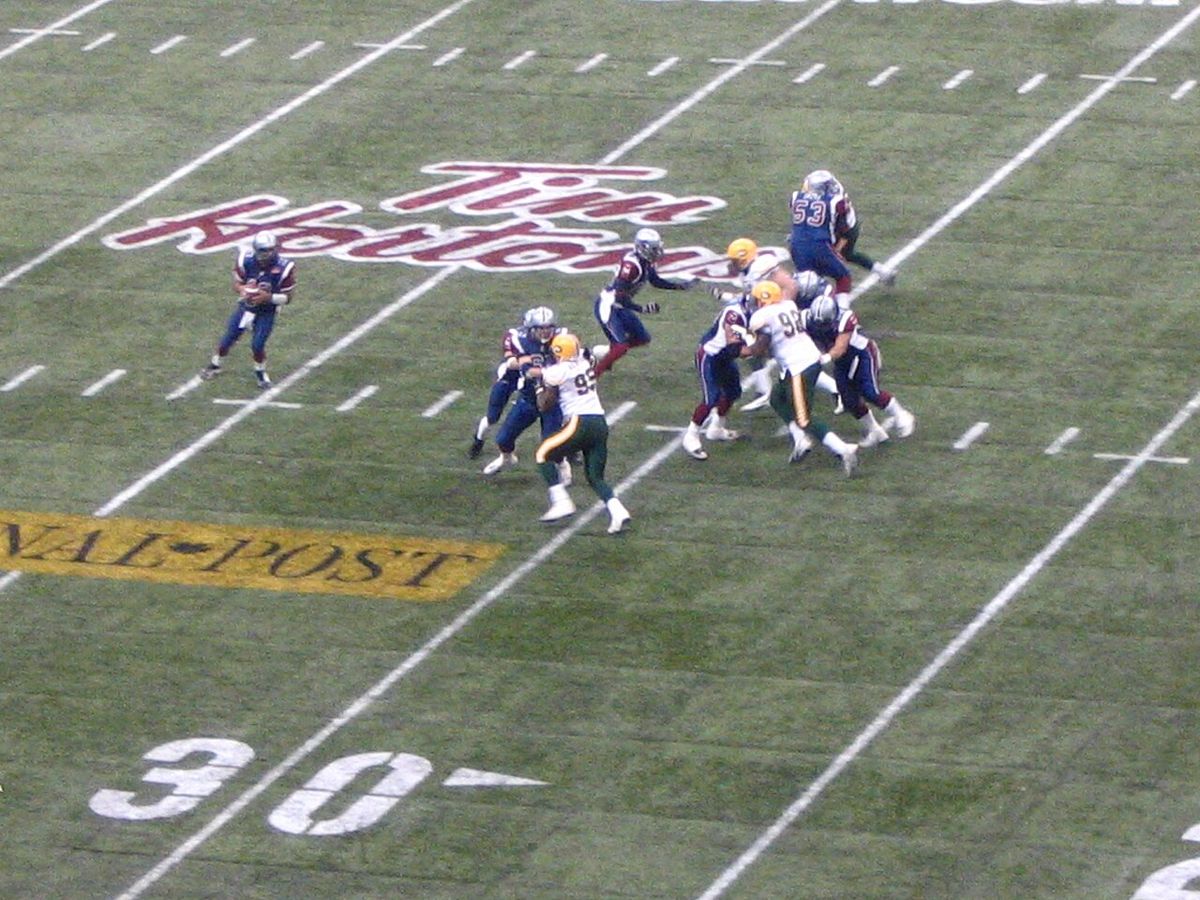
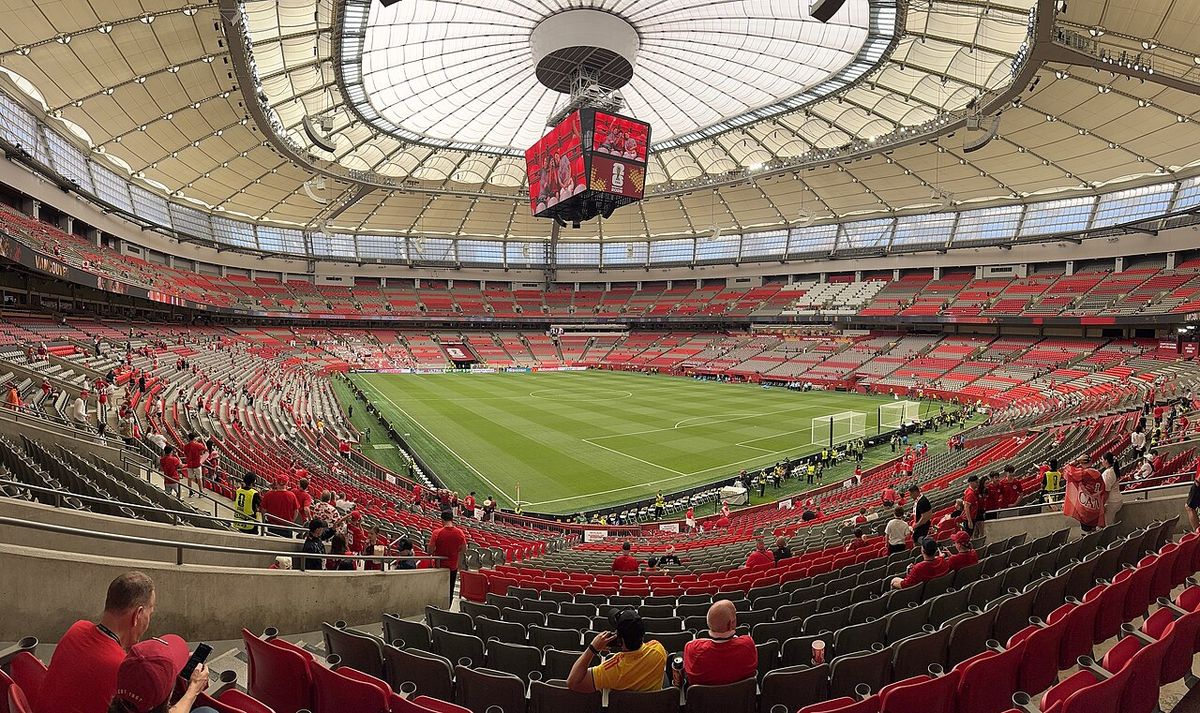
The Canadian context presents a unique dynamic compared to the United States, primarily due to the presence and popularity of the Canadian Football League (CFL). This has led to several facilities being designed as dual-purpose venues from the outset. Tim Hortons Field in Hamilton is a prime example, built purposely to meet both soccer specifications and CFL regulations. This pragmatic approach reflects the economic and sporting landscape in Canadian cities. Of the three Canadian metropolitan areas that host both MLS and CFL teams, Toronto, Vancouver, and Montreal, only Montreal utilizes completely separate stadiums for each sport. BMO Field itself was later renovated to accommodate Canadian football for the 2016 season and beyond, illustrating the flexible but soccer-primary design philosophy. This blending of uses is less common in the United States, where the distinction between soccer-specific and gridiron stadiums is typically more pronounced. The Canadian model shows how soccer-specific design can be adapted to coexist with another major domestic sport.
League Requirements and Expansion
The drive for soccer-specific stadiums has become formalized in the league regulations of North America's professional soccer pyramid. In Major League Soccer, the construction of a dedicated stadium has long been a key factor in awarding expansion franchises and is seen as critical for club stability and revenue generation. The National Women's Soccer League (NWSL) has also seen a trend toward teams securing their own dedicated venues or long-term leases at suitable facilities. Perhaps the most definitive mandate comes from the United Soccer League (USL), which governs the USL Championship and USL League One. The USL has instituted a requirement that all its clubs in the Championship and League One divisions must play in self-owned, soccer-specific stadiums by the 2025 season.
The United Soccer League has implemented a policy requiring its professional teams to play in self-owned, soccer-specific stadiums. All USL Championship and USL League One teams must meet this mandate by the 2025 season. This policy is designed to ensure professional standards and improve the fan experience. It also aims to solidify the financial footing of member clubs.
- All USL Championship teams must play in self-owned, soccer-specific stadiums by the 2025 season.
- All USL League One teams must play in self-owned, soccer-specific stadiums by the 2025 season.
- The USL Super League, a women's professional league, also requires soccer-specific venues.
- SeatGeek Stadium in Illinois features a permanent stage for concerts.
- Providence Park in Portland uses artificial turf, an exception to the grass preference.
- Morrison Stadium at Creighton University is a college soccer-specific venue with artificial turf.
This league-wide push for soccer-specific stadiums is accelerating the construction of smaller venues across the continent. These stadiums typically have a seating capacity between 18,000 and 30,000 for Major League Soccer franchises. For college or minor league soccer teams, the capacity is generally smaller. This trend is further embedding the sport in local infrastructure with community-focused venues.
Stadium Design and Fan Experience
The design of a soccer-specific stadium prioritizes the spectator's connection to the game on the pitch. The most immediate difference from a football stadium is the proximity of the seats to the action, with the front row often just feet from the touchline. This creates an intense, atmospheric environment where fan noise directly influences the match. The bowl-style design, often steeply raked, ensures clear sightlines from every seat without the obstruction of an athletics track, a common feature in many large European football stadiums. The capacity range of 18,000 to 30,000 for MLS venues is deliberately chosen to regularly create a sense of a full, active crowd, which was rarely achieved in the cavernous NFL stadiums of the past.
Amenities are tailored to modern sports consumers and club operations. Nearly all venues feature dedicated luxury suites and club seating, which are major revenue drivers. Large video screens and modern scoreboards are standard for replay and statistical information. While the primary playing surface is grass, some venues in colder climates or with multi-use mandates, like Providence Park in Portland, use advanced artificial turf systems. The overall architectural goal is to create a venue that feels like a natural home for soccer, with design elements, concessions, and atmosphere all reinforcing the identity of the club and the sport, rather than feeling like a temporary tenant in a facility built for another game.
International Usage of the Concept
The term "soccer-specific stadium" is predominantly a North American construct, born out of the need to distinguish soccer venues from those built for other dominant sports. In most other countries where association football is the primary sport, the term "football-specific stadium" is sometimes used, but it is not common because purpose-built football stadiums are the norm. In these contexts, the term often carries a slightly different meaning, typically referring to a stadium built solely for football without an athletics track surrounding the pitch, such as England's Premier League grounds. The issue of oversized stadiums designed for another sport is also visible in other regions, such as European leagues for American football, where teams often share facilities with football clubs, leading to conflicts and calls for single-sport venues.
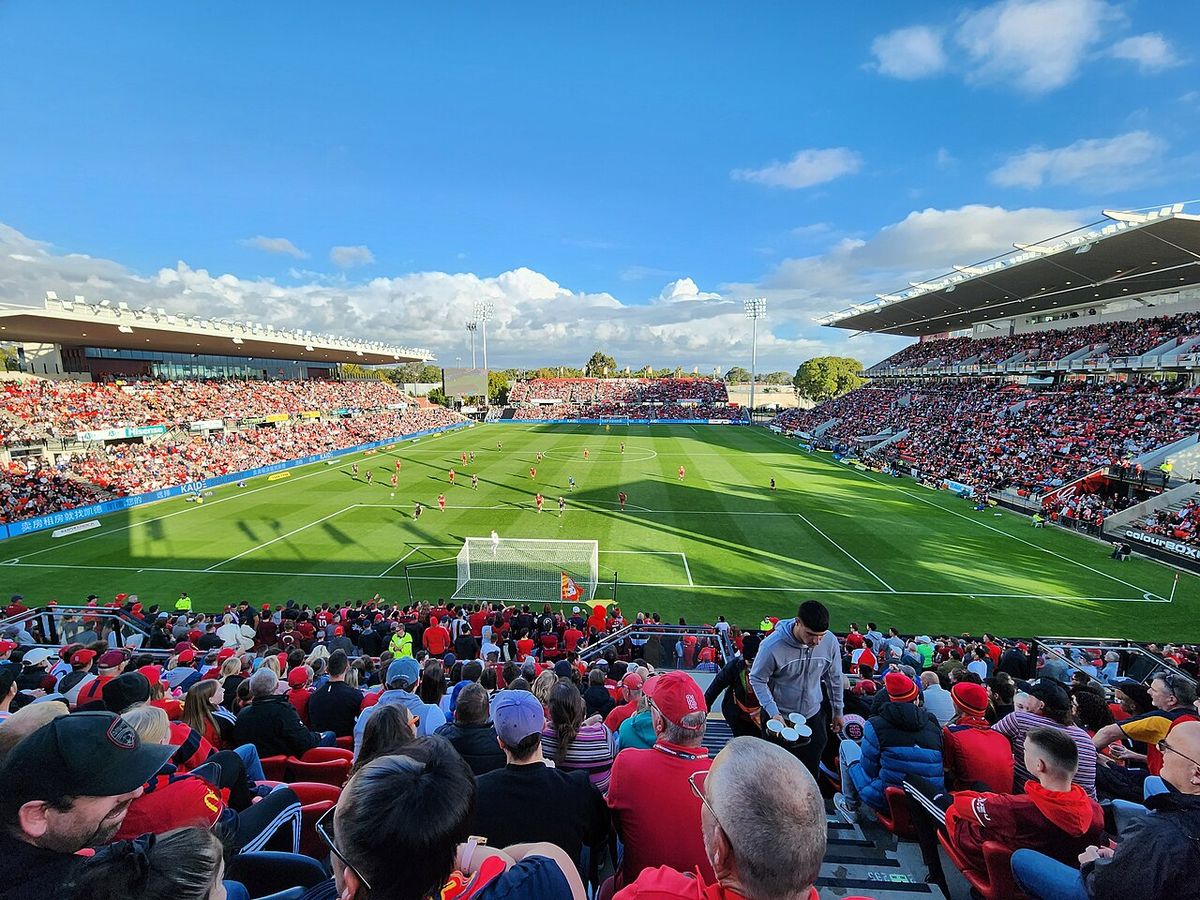
In Australia, the term's meaning closely aligns with that in North America due to a similar sporting landscape. The dominance of Australian rules football in southern states means rectangular stadiums suitable for top-level A-League soccer are rare outside of New South Wales and Queensland. Hindmarsh Stadium in Adelaide, built in the 1960s and regularly updated, is a classic example of a long-standing soccer-specific venue where the vast majority of events are soccer matches. Many lower-tier clubs in Australian state leagues also own their own soccer-specific grounds. This global perspective shows that the concept arises wherever soccer must establish a dedicated infrastructure in a market crowded with other popular sports.
Comparative Table: Stadium Types
The table below illustrates key differences between a typical soccer-specific stadium, a large American football stadium often used by early MLS teams, and a Canadian football stadium that may dual-host soccer. The comparison highlights why early MLS teams faced challenges in football stadiums, which were too large and too narrow. The Canadian football stadium, with its wider field and more comparable capacity, presents a more compatible secondary use for soccer, as seen with BMO Field and Tim Hortons Field. The design of the seating bowl, particularly the height of the first row, is a crucial differentiator affecting the intimacy and sightlines of the spectator experience.
| Stadium Type | Primary Sport | Typical Capacity | Field Width | Front Row Design |
|---|---|---|---|---|
| Soccer-Specific | Soccer | 18,000-30,000 | 70-80 yards | Close to pitch level |
| American Football (NFL) | American Football | 60,000-80,000 | 53 1/3 yards | Raised several feet |
Notable Examples and Exceptions
While the soccer-specific stadium model has clear defining characteristics, notable examples exist that illustrate variations in design, use, and location. For instance, some facilities like SeatGeek Stadium, Toyota Stadium, and Historic Crew Stadium have a permanent stage at one end for concerts. Other stadiums, such as Portland's Providence Park and Creighton University's Morrison Stadium, use artificial turf instead of the typical grass playing surface. These venues demonstrate how the concept is applied in different contexts. The following list highlights specific stadiums mentioned in the source notes that serve as key examples.
- SeatGeek Stadium: A soccer-specific stadium in Bridgeview, Illinois, featuring a permanent concert stage.
- Toyota Stadium: A soccer-specific stadium in Frisco, Texas, also noted for potential concert use.
- Providence Park: A soccer-specific stadium in Portland, Oregon, that uses artificial turf.
- Morrison Stadium: A soccer-specific stadium at Creighton University in Omaha, Nebraska, with artificial turf.
- Hindmarsh Stadium: A soccer-specific stadium in Adelaide, Australia, built in the 1960s.
- Tim Hortons Field: A stadium in Hamilton, Ontario, built to both soccer and CFL specifications.
These examples show the geographical spread and functional adaptability of the soccer-specific stadium concept. In North America, the term is common in the United States and Canada, with BMO Field in Toronto being Canada's first such stadium for MLS. In Australia, the term has much the same meaning, with Hindmarsh Stadium in Adelaide being an example. The concept applies from its heartland in North American professional sports to its application in collegiate athletics and other countries where soccer competes with established football codes.
Questions about Soccer-specific stadium
What is a soccer-specific stadium?
A soccer-specific stadium is a sports venue either purpose-built or fundamentally redesigned primarily for hosting soccer matches. Its design, dimensions, and amenities are optimized for soccer, as opposed to a multi-purpose stadium built for various sports. While it may host other events like concerts or rugby, soccer is its core function. The term is most commonly used in Canada and the United States to distinguish these venues from the large gridiron football stadiums used in the past.
Why were soccer-specific stadiums built in North America?
Soccer-specific stadiums were built to solve problems encountered when professional soccer teams used venues designed for other sports. American football stadiums used in the 1970s-1990s were often too large, creating poor atmospheres, and had fields that were too narrow for optimal soccer play. They also frequently used artificial turf, which was unpopular. Purpose-built stadiums provided appropriate capacities, proper FIFA field dimensions, natural grass surfaces, and better fan sightlines, aiding the commercial and sporting growth of leagues like MLS.
How does a soccer-specific stadium differ from a football stadium?
A soccer-specific stadium differs from an American football stadium in several key ways. The seating capacity is generally smaller, between 18,000 and 30,000 for MLS, compared to 60,000-80,000 for many NFL stadiums. The front row of seats is built close to the level of the pitch for an intimate view, whereas football stadiums raise the first row to see over sideline personnel. Soccer-specific venues also prioritize natural grass playing surfaces.
Are there soccer-specific stadiums in other countries?
Yes, the concept exists in other countries where soccer is not the dominant sport. In Australia, for example, venues like Hindmarsh Stadium in Adelaide are considered soccer-specific because rectangular stadiums for the A-League are rare in regions dominated by Australian rules football. In Europe, where soccer is dominant, the similar term "football-specific stadium" sometimes refers to a soccer stadium built without an athletics track. The need for a dedicated term arises wherever soccer infrastructure must be distinguished from venues built for other major sports.
What was the first soccer-specific stadium in MLS?
The first soccer-specific stadium constructed for Major League Soccer was Columbus Crew Stadium, now known as Historic Crew Stadium. It was financed by Lamar Hunt, who also coined the term "soccer-specific stadium. In the 2000s, following this example, other Major League Soccer teams in the United States began constructing their own dedicated venues. These soccer-specific stadiums are designed primarily for soccer, with field dimensions within FIFA's optimal range and seating capacities generally between 18,000 and 30,000 for MLS franchises.
What was Canada's first soccer-specific stadium for MLS?
The stadium was designed primarily for soccer but was later renovated to accommodate Canadian football for the 2016 and subsequent seasons for the Toronto Argonauts. This dual use reflects a unique Canadian context where the distinction between soccer-specific and multi-purpose stadiums is less prominent. In Canada, MLS attendance figures are comparable to those of the domestic Canadian Football League, and the CFL's wider field means fewer compromises are needed to accommodate both sports. Of the three Canadian cities hosting both MLS and CFL teams, only Montreal has separate stadiums for each sport.
Sources and further reading
- Soccer-specific stadium (Wikipedia)
- Soccer-Specific Stadiums: Key to MLS Past and Future (soccerstadiumdigest.com)
Checked by the Garbutt Disposal desk. Last updated 2026-10-20.