Colisée de Québec
The Colisée de Québec was a historic multi-purpose arena in Quebec City, Quebec, that served as a major centre for professional, junior, and international hockey for over six decades. Originally opened in 1949, it is best known as the long-time home of the Quebec Nordiques of the World Hockey Association and National Hockey League from 1972 to 1995. The arena also hosted the Quebec Remparts of the Quebec Major Junior Hockey League, the annual Quebec International Pee-Wee Hockey Tournament, and numerous other significant sporting and entertainment events. Following the opening of the adjacent Centre Vidéotron in 2015, the Colisée was closed and is scheduled for demolition, with the process set to begin no earlier than 2027.
Architecture and Early History
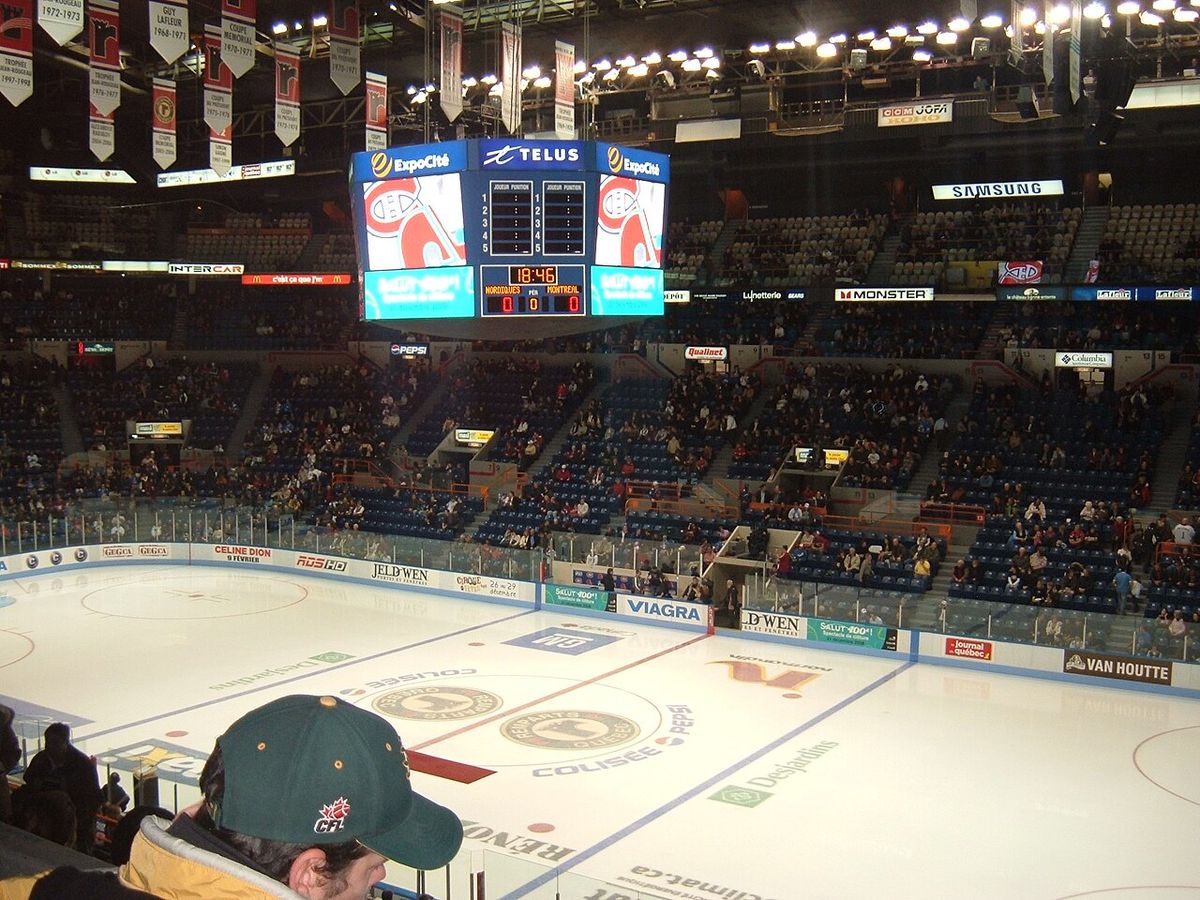
The Colisée de Québec was constructed in 1949 on the site of a previous arena that had burned down the year before. Architects Rinfret and Bouchard oversaw the project, with designs drawn up by Robert Blatter and F. Caron, resulting in a structure that blended an International Style exterior with an Art Deco interior. The original barrel vault arena had a seating capacity of 10,034 for hockey. In its early years, the building was famously known as "The House that Béliveau Built," as it regularly sold out for games featuring future Montreal Canadiens legend Jean Béliveau when he starred for the Quebec Aces. The building served as a community landmark long before it became synonymous with major league hockey, hosting events that gripped the city.
Major Renovations and Naming Rights
The Colisée underwent a significant renovation in 1980 to accommodate the Quebec Nordiques' transition from the World Hockey Association to the National Hockey League. The project involved demolishing the old entrance and replacing it with a massive glass facade, fundamentally altering the building's appearance. More critically, the seating capacity was substantially increased to meet NHL standards of the era, a process that involved several adjustments over the years. The specific hockey capacities over the years were as follows:
| Years | Seating Capacity |
|---|---|
| 1949 to 1973 | 10,034 |
| 1973 to 1976 | 10,004 |
| 1976 to 1981 | 10,012 |
| 1981 to 1984 | 15,250 |
| 1984 to 1987 | 15,434 |
| 1987 to 2009 | 15,399 |
| 2009 to 2015 | 15,176 |
PepsiCo bought the naming rights for the Colisée de Québec on November 18, 1999. From that point until its closure in 2015, the arena was known as the Colisée Pepsi. A notable coincidence is that the former Quebec Nordiques, who became the Colorado Avalanche, played in a Denver arena that was formerly known as the Pepsi Center. The final seating capacity of the Colisée Pepsi was 15,176.
Primary Hockey Tenants and the Pee-Wee Tournament
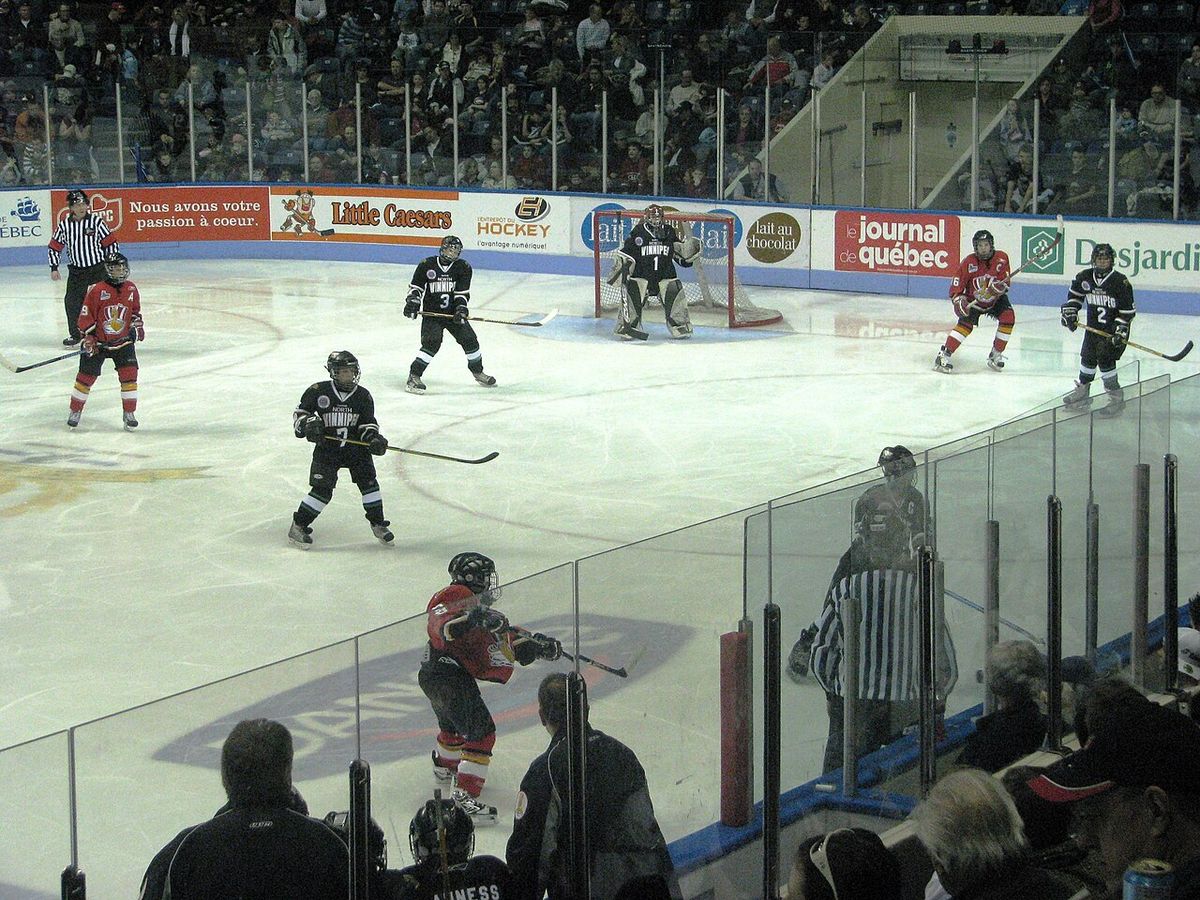
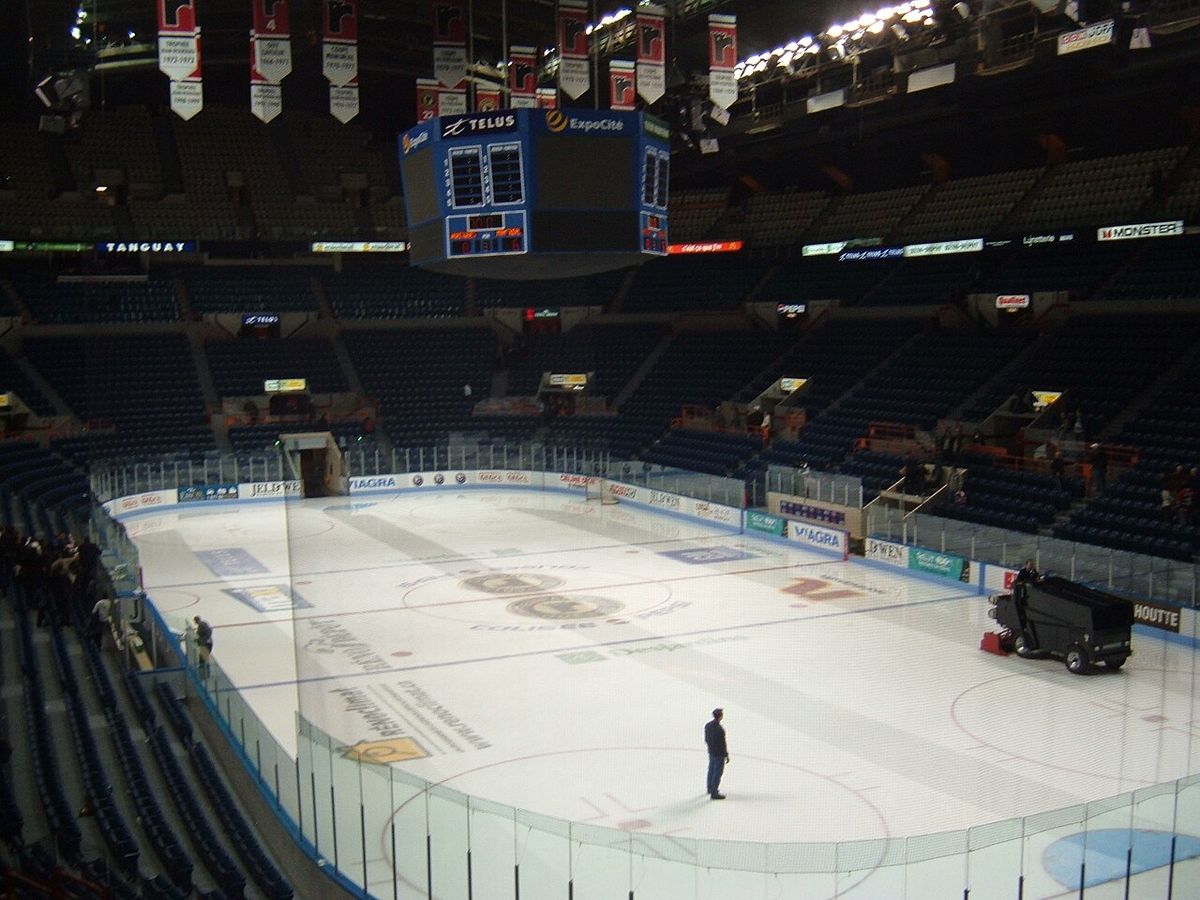
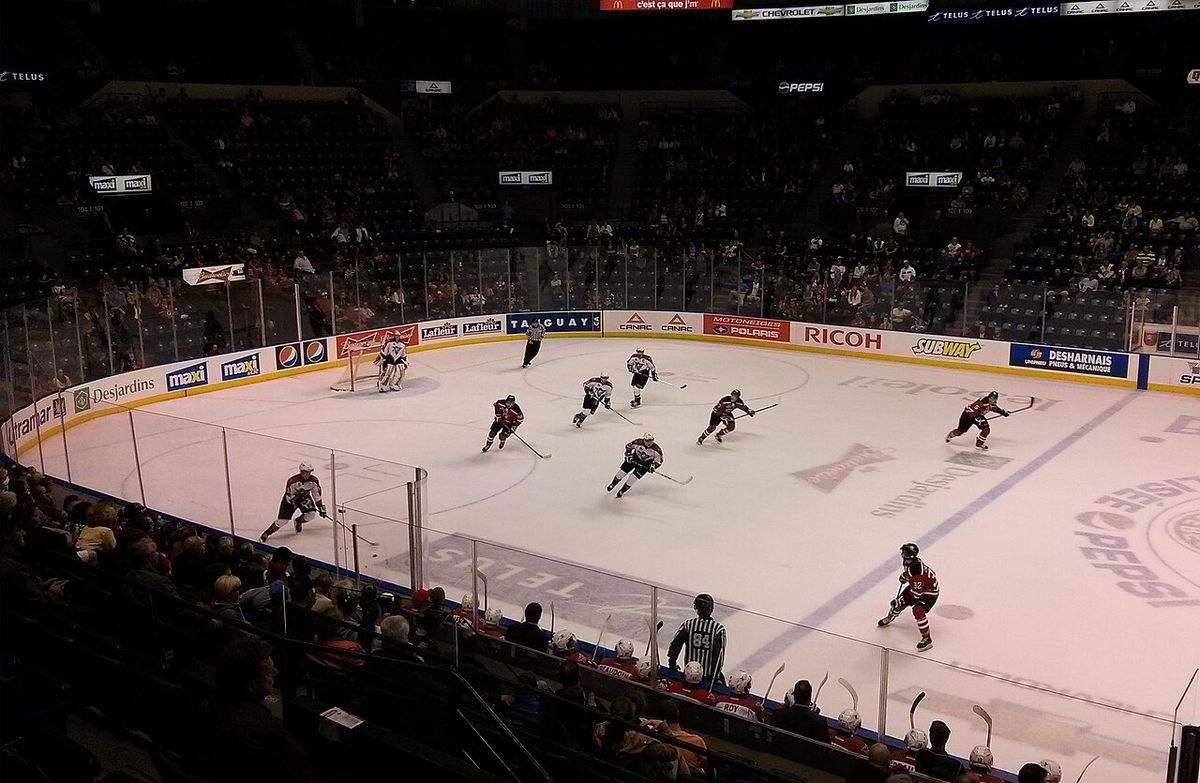
The team's presence defined an era for the building and the city, creating a passionate fan base that filled the expanded arena. Following the Nordiques' departure, the Quebec Remparts of the Quebec Major Junior Hockey League became the main hockey tenant, calling the arena home from 1999 until its closure in 2015. The building was also the long-time host of the Quebec International Pee-Wee Hockey Tournament from 1960 onward, after the tournament originated at the Quebec Arena in Parc Victoria. Promoted by Gérard Bolduc and Paul Dumont, who also had connections to the Remparts, the final tournament before closure in 2015 featured almost 2,300 young players from 16 countries participating annually, cementing the arena's role in developing young talent from across the globe.
Major Hockey Championships and International Events
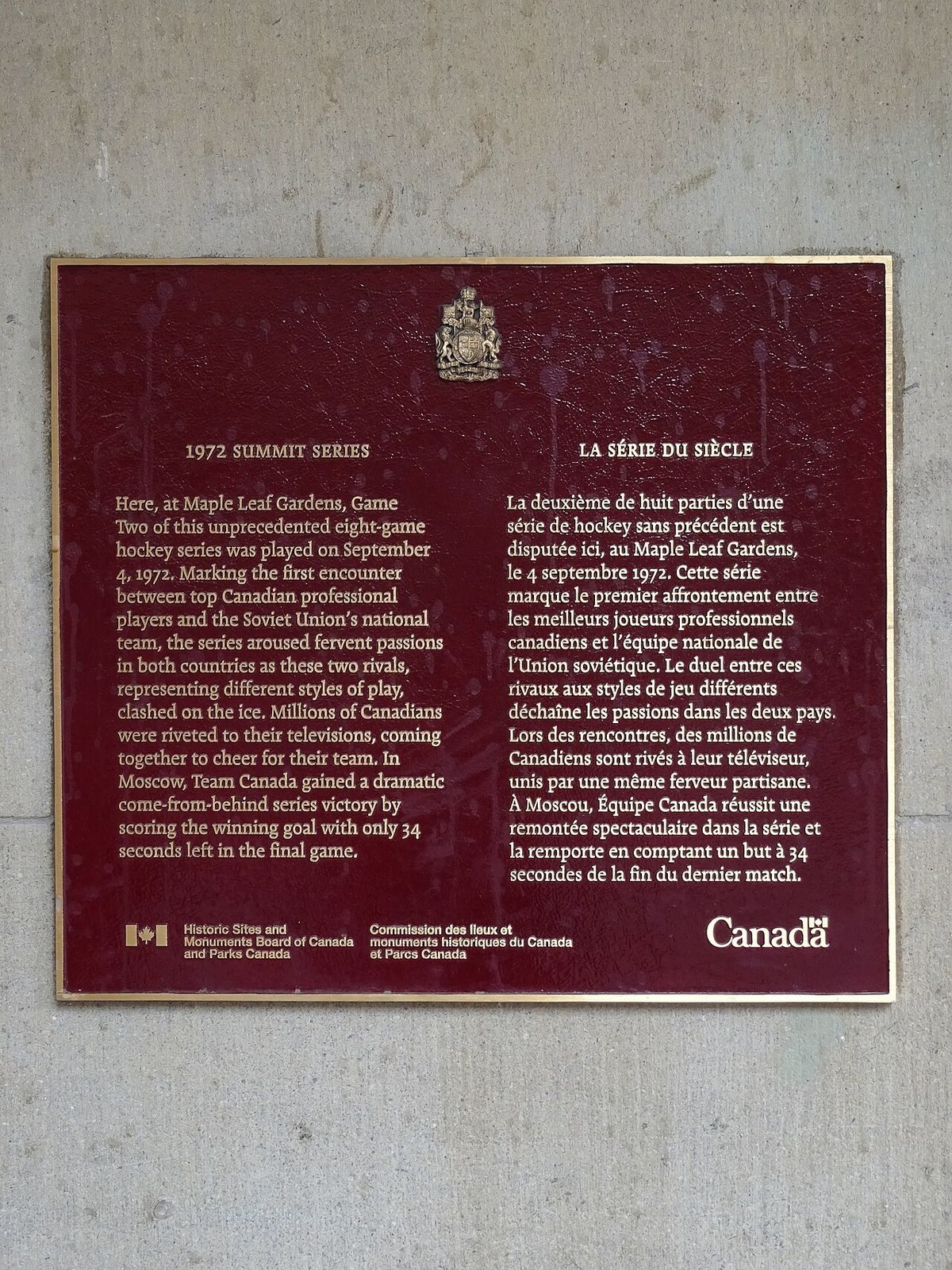
The arena hosted numerous premier international and championship events, establishing its reputation as a world-class hockey venue. It hosted the 1971 Memorial Cup championship series, in which the Remparts defeated the Edmonton Oil Kings two games to none. Since the championship switched to a tournament format, the Colisée has hosted it in 1991, 2003 and 2015. Internationally, the first game of the 1974 Summit Series between Canadian WHA all-stars and the Soviet national team was played at the Colisée. The arena also hosted one game in each of the 1976 and 1991 Canada Cups. The building co-hosted the 1978 World Junior Championships with Montreal and also co-hosted, along with Halifax, the 2008 IIHF World Championships. Rendez-vous '87, a two-game series between the NHL All-Stars and the Soviet national team, was another highlight in the building's history. These events brought the highest level of hockey competition to Quebec City on a regular basis. Key international events held at the Colisée included:
- The first game of the 1974 Summit Series (1974)
- One game in the Canada Cup (1976)
- Co-host of the World Junior Championships with Montreal (1978)
- Rendez-vous '87 series (1987)
- One game in the Canada Cup (1991)
- Co-host of the IIHF World Championships with Halifax (2008)
Other Events and Entertainment
Beyond hockey, the Colisée was a major venue for concerts, professional wrestling, and other spectacles. Major wrestling promotions like the WWF/WWE, Canadian Athletic Promotions, All-Star Wrestling, Grand Prix Wrestling, and Lutte Internationale all held events there, drawing crowds for decades. The arena hosted countless major musical acts across generations, from rock bands to pop stars. The final public event was a Metallica concert on September 14, 2015, for the Lords of Summer Tour. Two days later, the band would also play the first concert at the new Videotron Centre. Other notable events included Skatemania 2014, held on October 25, 2014, a figure skating and music production produced by Alain Goldberg. The event featured performers Sylvain Cossette, Andrée Watters, Marc Hervieux, Jeanick Fournier and also Éléonore Lagacé, Andréanne Martin and Liana Bureau from La Voix, with athletes Joannie Rochette, Patrick Chan, and Shawn Sawyer participating. Professional wrestling promotions that held events at the Colisée included:
- Canadian Athletic Promotions
- All-Star Wrestling
- Grand Prix Wrestling
- Lutte Internationale
- WWF/WWE
The Push for an NHL Return and Closure
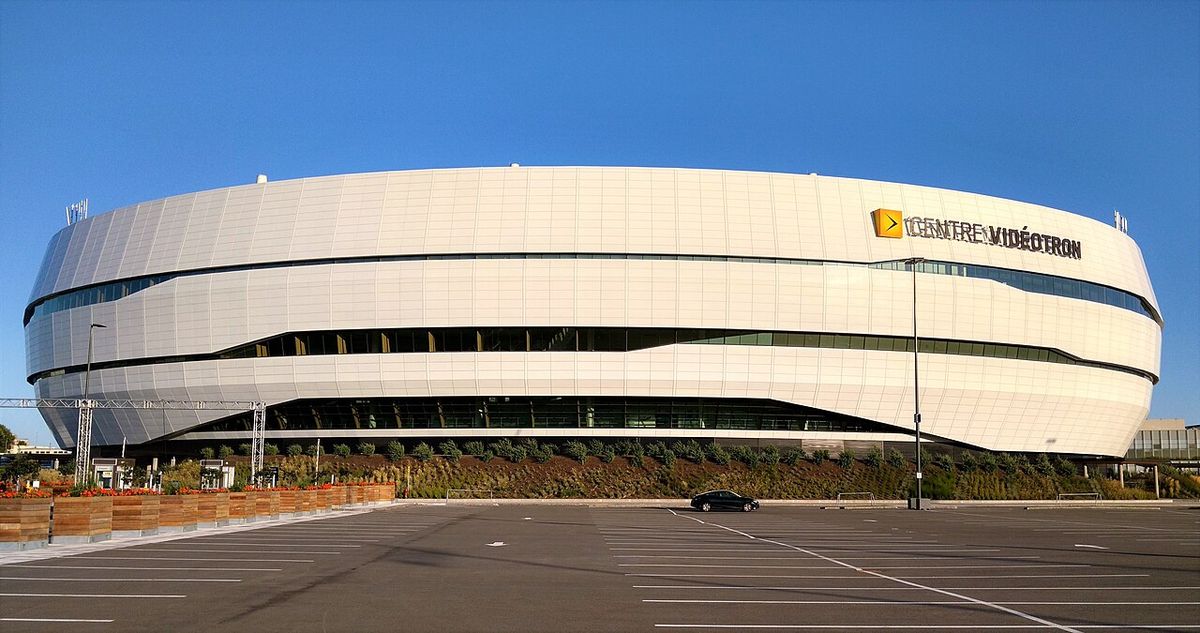
Quebec City entertained several proposals in recent years to return NHL ice hockey to the city. Prior to the completion of Centre Vidéotron, most of these proposals envisioned using the Colisée as a temporary home while the new arena was built next to the existing facility. On October 10, 2009, Quebec City newspapers such as Le Soleil reported that negotiations were held between the city and the NHL concerning the possibility and pertinence of relocating or creating an NHL franchise. Former Nordiques owner and Canadian Olympic Committee president Marcel Aubut originally said that there were no plans to demolish the Colisée Pepsi even if a new arena was built, mentioning a prospective future Winter Olympics bid among other justifications. As part of the agreement constructing the new arena, an additional $7 million was set aside for renovating the Colisée, should the city have landed a potential National Hockey League expansion franchise before the new arena was completed in 2015. Videotron Centre opened on September 8, 2015, rendering the old arena obsolete and ending its primary function as a major event space.
Closure and the Long Path to Demolition
After its closure, the Colisée entered a period of minimal operations and maintenance. In September 2019, the building's neon sign was removed pending an expected demolition. ExpoCité announced plans to sell 4,000 of the arena's wooden seats to the public on the weekend of October 19 and 20, 2019, while the remaining 11,000 plastic seats would be given to municipalities, schools and other institutions. The city planned to start demolition by summer 2020 and finish by December 18, 2020. It was announced in 2021 that demolition would not proceed, as the building had been leased to be used as storage space, with the lease running until September 2023. In 2024, Quebec City mayor Bruno Marchand stated that he supported demolishing the Colisée. It was announced in February of 2025 that the building would be demolished over a two year period, however this procedure will not start until 2027 at the earliest, marking a protracted end for the historic structure. Key dates in the post-closure timeline include:
- Final concert: September 14, 2015 (Metallica)
- Neon sign removed: September 2019
- Seat sale: October 19-20, 2019
- Initial demolition plan: Summer to December 18, 2020
- Lease as storage ends: September 2023
- Mayor supports demolition: 2024
- Two-year demolition announced: February 2025
- Demolition start: 2027 at the earliest
Questions about Colisée de Québec
What major international hockey events were held at the Colisée?
The Colisée hosted numerous landmark international hockey events. It was the site of the first game of the 1974 Summit Series between WHA all-stars and the Soviet Union. The arena also hosted games during the 1976 and 1991 Canada Cups, co-hosted the 1978 World Junior Championships with Montreal, and co-hosted the 2008 IIHF World Championships with Halifax. The 1987 Rendez-vous series between NHL All-Stars and the Soviet team was also held there. These events established the arena as a frequent host for hockey's global competitions.
Why is the Colisée scheduled for demolition?
The Colisée was rendered obsolete by the opening of the modern Centre Vidéotron next door in 2015. After closure, the city initially planned demolition for 2020 but leased the building for storage until 2023. In 2024, Mayor Bruno Marchand supported demolition, and in February 2025, it was officially announced the building would be demolished over two years. The physical demolition process is not scheduled to begin until 2027 at the earliest, following years of discussion about its potential reuse or preservation.
What happened to the seats and signage from the Colisée?
Following the arena's closure, ExpoCité, the entity managing the site, organized the removal and distribution of the seating. In October 2019, 4,000 of the original wooden seats were sold to the public over a weekend. The remaining 11,000 plastic seats were donated to municipalities, schools, and other institutions. The building's neon sign was also removed in September 2019 in anticipation of the eventual demolition, allowing pieces of the arena to be preserved by the community as memorabilia.
When was the Colisée de Québec built and when did it close?
The Colisée de Québec was originally built in 1949, seating 10,034 people, to replace a previous arena on the same site that had burned down a year earlier. It was designed by architects Rinfret and Bouchard with Robert Blatter and F. Caron, featuring an International Style exterior and Art Deco interior. The arena closed to the public in September 2015, with its final event being a Metallica concert on September 14, 2015, as part of the Lords of Summer Tour. Following its closure, the building was maintained with minimal operations. Demolition of the defunct arena is scheduled to begin in 2027 at the earliest, following a series of delayed plans and a period where it was used for storage.
Which professional hockey team called the Colisée home?
The Quebec Nordiques were the primary professional hockey team that called the Colisée de Québec home. The team played there from 1972 to 1995, spanning their time in both the World Hockey Association and the National Hockey League. To meet NHL standards after the Nordiques joined the league, the arena underwent major renovations in 1980, which increased its seating capacity to 15,750. The Nordiques' tenure ended when the franchise relocated to Colorado to become the Avalanche in 1995. Coincidentally, the Avalanche now play in a Denver arena that was formerly named the Pepsi Center, mirroring the Colisée's naming rights period from 1999 to 2015.
What was the arena's seating capacity for hockey?
The Colisée de Québec's seating capacity for hockey evolved significantly over its operational lifetime. Following major renovations in 1980 to accommodate the NHL's Quebec Nordiques, the capacity was greatly increased, reaching a peak of 15,434 seats in the mid 1980s. The final recorded capacity from 2009 until the arena's closure in 2015 was 15,176 seats. These changes were directly tied to the needs of its professional and major junior hockey tenants and the standards of the leagues in which they played.
Sources: Wikipedia and current public reporting, checked by the Garbutt Disposal desk. Last updated 2026-10-21.