Princess Auto Stadium
Princess Auto Stadium is a 32,343-seat outdoor football stadium located on the University of Manitoba campus in Winnipeg, Manitoba. Opened in 2013, it serves as the primary home venue for the Canadian Football League's Winnipeg Blue Bombers and has also hosted major events including the Grey Cup, FIFA Women's World Cup matches, and the NHL Heritage Classic. The stadium is a central hub for sport in the province, additionally housing the University of Manitoba Bisons, the Winnipeg Rifles of the CJFL, and, until 2025, Valour FC of the Canadian Premier League. Its naming rights were acquired by Winnipeg-based retailer Princess Auto in a 10-year agreement beginning in April 2024, following a previous naming deal with Investors Group.
Ownership and Management
Princess Auto Stadium is owned by Triple B Stadium Inc., a non-share corporation incorporated in Manitoba on November 19, 2010. The corporation's mandate is to develop, construct, and operate a stadium at the University of Manitoba for the Winnipeg Football Club, the University of Manitoba Bisons, amateur athletics, and other public purposes. Initially, Triple B Stadium Inc. was owned by a consortium comprising the City of Winnipeg, the Province of Manitoba, the Winnipeg Football Club, and the University of Manitoba. Currently, the Winnipeg Football Club holds sole control over the corporation, managing the stadium's day-to-day operations and event bookings. This structure ensures the facility serves both professional sports and broader community interests, aligning with its original development objectives. The non-share, non-profit model was chosen to reflect the community-owned nature of the Blue Bombers franchise and to facilitate partnerships with multiple public entities.
Stadium Development and Construction
In 2007, Canad Inns proposed a $265 million domed stadium at the former Public Markets site in St. Boniface, which was part of a larger $500 million complex including a hotel and water park. This plan was rejected in favour of a proposal from local businessman David Asper and his company Creswin Properties. Asper's original plan sought $40 million each from the federal and provincial governments and involved a transfer of the Blue Bombers franchise and surrounding commercial real estate assets. After government reluctance to provide direct grants, a revised proposal shifted the site to south Point Douglas before a final agreement was reached.
A letter of intent was signed on September 13, 2009, between Creswin Properties and the University of Manitoba to build a stadium at the intersection of Chancellor Matheson Drive and University Crescent, adjacent to the existing University Stadium. The approved design called for a 33,422-seat stadium with provisions for expansion to 40,000 seats for events like the Grey Cup, alongside renovations to the old stadium and a world-class fitness facility. The cost of the new stadium at this stage was projected to be $115 million. The province agreed to loan David Asper $90 million to ensure construction began in 2010 for a planned 2012 opening. Officials including CFL Commissioner Mark Cohon, Premier Greg Selinger, David Asper, Mayor Sam Katz, and University President David Barnard officially broke ground on May 20, 2010.
Asper and Creswin were later removed from the project after making significant design changes that breached the original contract. The revised construction cost escalated to $190 million, with the Winnipeg Blue Bombers responsible for repaying $85 million and the provincial and city governments splitting the remainder. Further delays pushed the opening to the 2013 CFL season, and the final construction cost, including later repairs, reached $210 million. The stadium opened as Investors Group Field after a naming rights deal with the Winnipeg-based financial firm IGM Financial, which was shortened to IG Field in 2018 following a corporate rebranding of Investors Group to IG Wealth Management.
Design, Features and Renovations
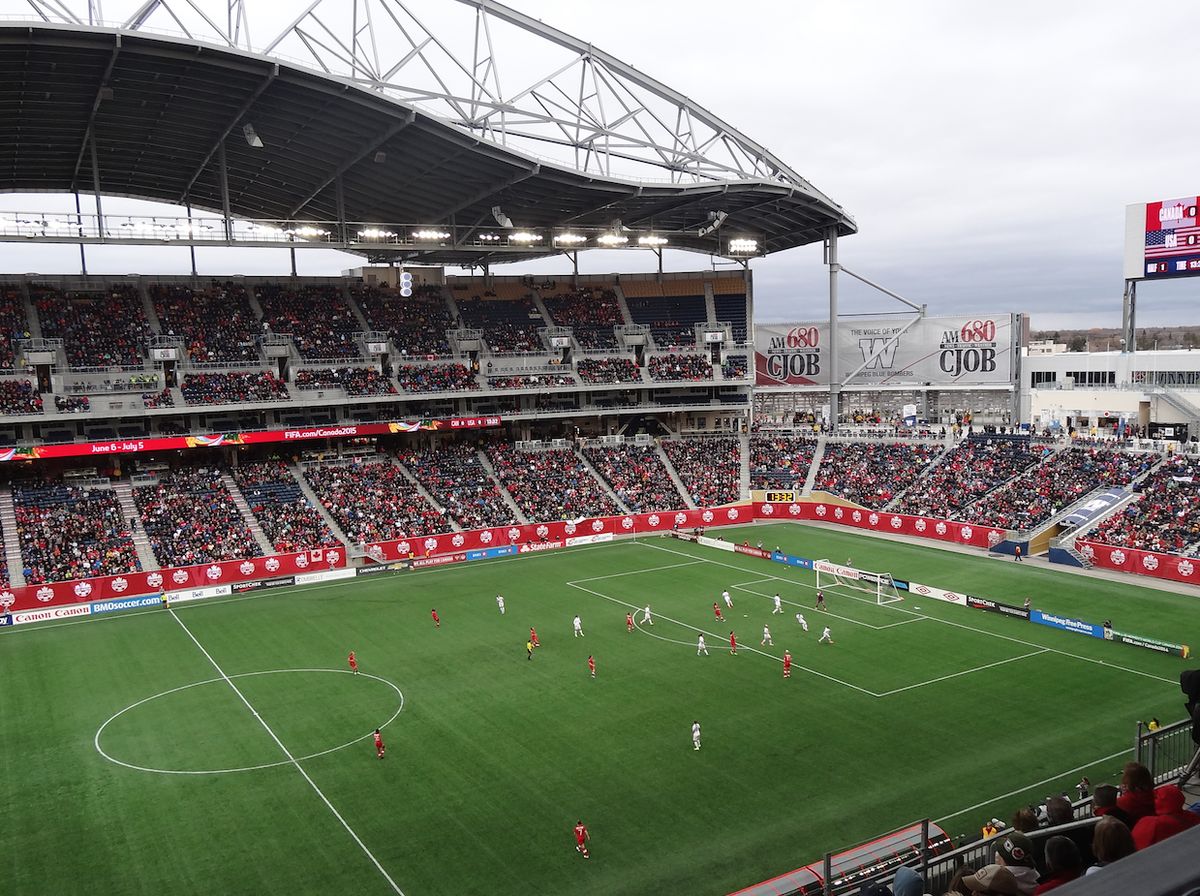
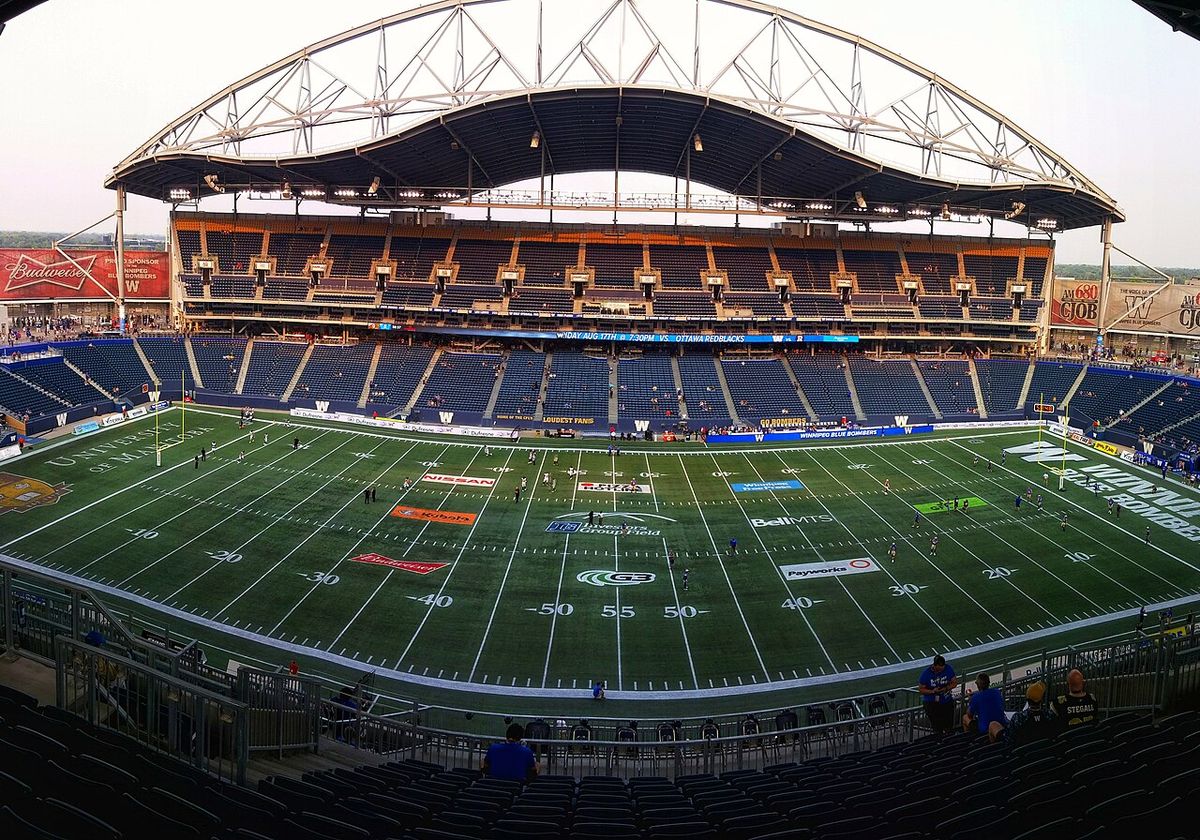
Princess Auto Stadium is a partially covered facility with a distinctive corrugated metal roof spanning portions of the seating bowl. The original design allowed for potential expansion to accommodate up to 40,000 spectators for major events, though 36,500 seats were available for the 2015 Grey Cup. The stadium complex includes 52 private suites, a full-service restaurant, and a walk of fame honouring team and community figures. Initial plans for inflatable domes or 'bubbles' to cover the field in winter were dropped during the construction phase in 2012, which also saw the cancellation of proposed bubbles for the adjacent University Stadium.
In preparation for the 2024 Blue Bombers season and the 112th Grey Cup in 2025, the stadium underwent a $2 million refurbishment. The most significant upgrade was the replacement of the original FieldTurf Revolution playing surface with a new FieldTurf Vertex turf system. The stadium offers versatile event spaces including the premium Pinnacle Club and the GMC Sky Deck Event Centre, which are used for everything from corporate galas to weddings and trade shows. The facility also provides guided public tours that offer access to sidelines and stands, lasting approximately 90 minutes for groups of up to 40 people, though bookings fill up quickly and are confirmed by the Community Relations team.
Construction Controversies and Legal Disputes
The stadium's construction was marred by significant delays and cost overruns. Initially slated to open for the 2012 CFL season, construction delays forced the Blue Bombers to play their first several home games at their old Canad Inns Stadium, with the new venue not opening until 2013. On May 2, 2012, the team announced the stadium would not be ready until September, and by June it was confirmed the opening was pushed to the 2013 season. In 2014, the builder, Stuart Olson Dominion, placed a $1.9 million lien on the property for unpaid cost overruns, a dispute resolved later that year when the province contributed an additional $1.5 million. This brought the total publicly acknowledged cost to $210 million.
On March 4, 2015, the ownership group Triple B Stadium Inc. filed a lawsuit against architect Ray Wan and builder Stuart Olson Dominion. The statement of claim cited 42 deficiencies, including water damage from insufficient drainage, inadequate insulation, and extensive cracking in concrete. Stuart Olson filed a statement of defence on April 23, 2015, denying most allegations and arguing that Triple B and the province made all key construction decisions under a rushed timeline and reduced budget. The builder alleged political and financial factors led the province to rush the job. On October 27, 2015, the Manitoba government announced it would pay $35 million for repairs and seek to recover those costs through the ongoing lawsuit.
Tenants and Regular Sporting Use
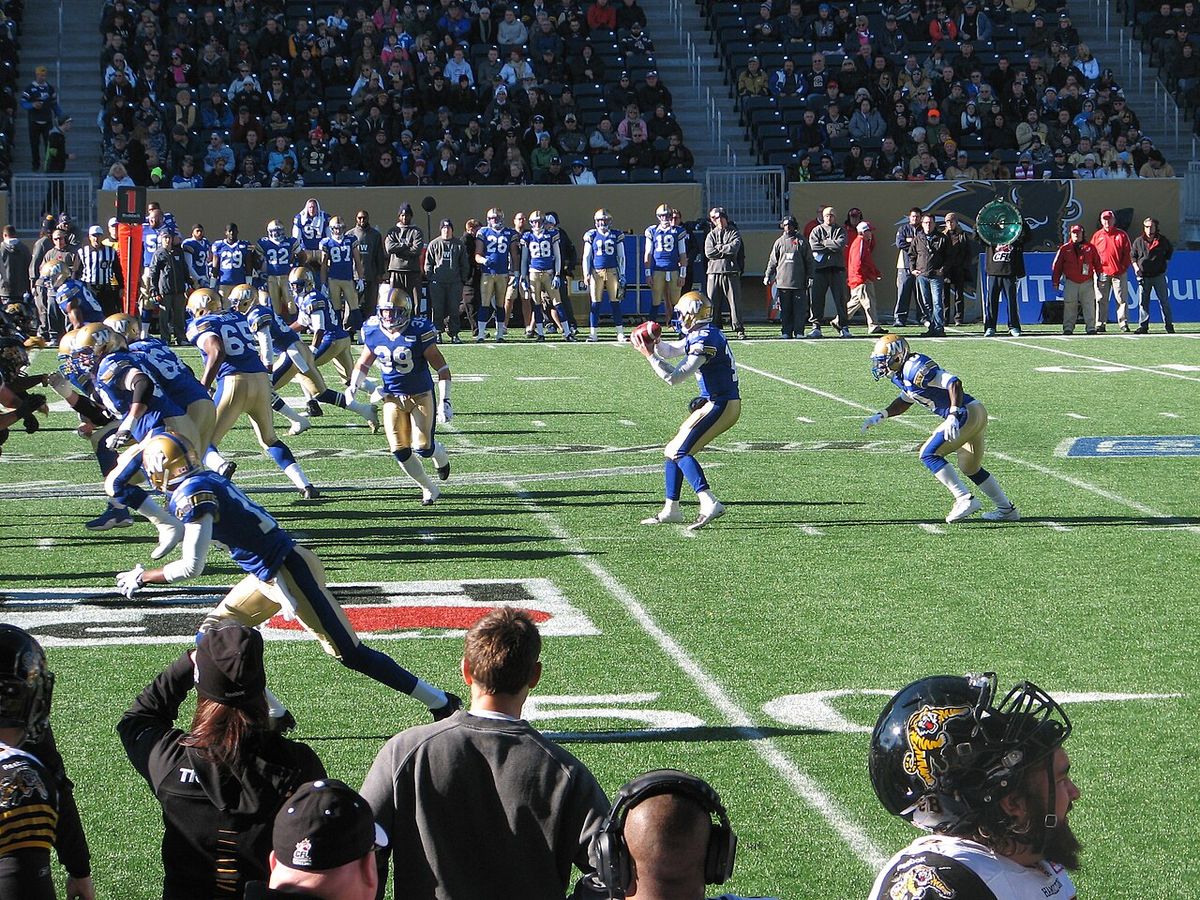
Princess Auto Stadium's primary and most famous tenant is the Winnipeg Blue Bombers of the Canadian Football League, who played their first home game at the venue on June 27, 2013, losing 38-33 to the Montreal Alouettes. The University of Manitoba Bisons football team has called the stadium home since its opening, utilizing the facility for their U Sports competitions. The Winnipeg Rifles of the Canadian Junior Football League also play their home games at the stadium, providing a development pathway for local football talent. From its inaugural 2019 season until it suspended operations following the 2025 season, Valour FC of the Canadian Premier League used the stadium as its home pitch, and the venue also hosted a bio-secure bubble for the initial matches of the 2021 CPL season due to the COVID-19 pandemic. The Manitoba Fearless of the Western Women's Canadian Football League round out the regular sporting tenants, making the stadium a true hub for football at all levels in the province.
Major One-Off Events and Concerts
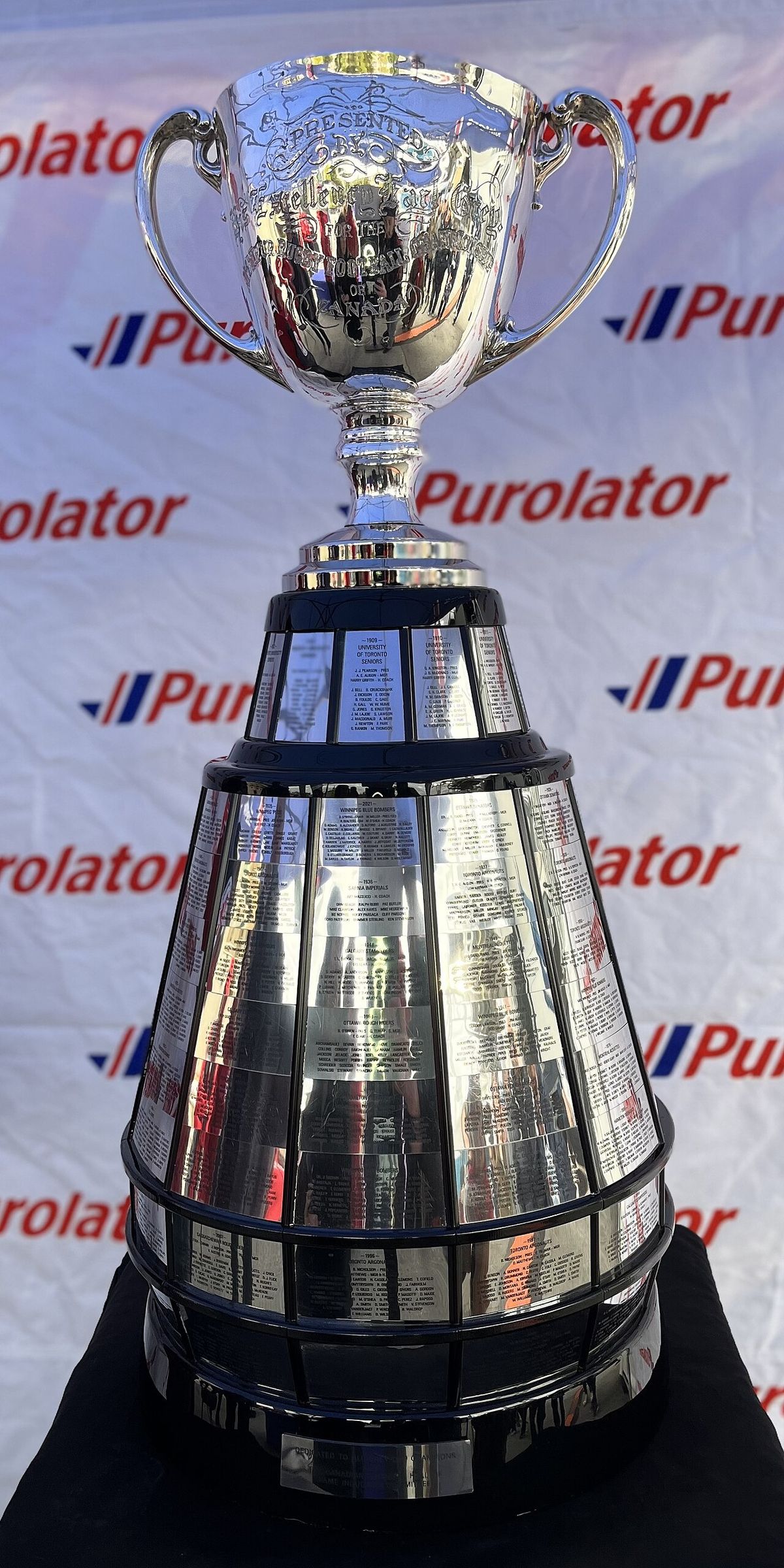
Princess Auto Stadium has established itself as Manitoba's premier multipurpose venue, hosting a wide array of landmark sporting and entertainment events since its opening. The stadium's first event was the One Heart Winnipeg multi-denominational church service on May 26, 2013. It has hosted the Grey Cup championship game twice, first in 2015 (the 103rd Grey Cup) and again in 2025 (the 112th Grey Cup). The stadium was a host venue for the 2015 FIFA Women's World Cup, where it staged seven matches under the name 'Winnipeg Stadium' due to FIFA sponsorship rules, including all four matches of Group D and matches for Germany, Thailand, New Zealand, China, Japan, and Ecuador. The venue's history of major one-off events includes the following highlights:
- The NHL Heritage Classic on October 23, 2016, featuring the Winnipeg Jets and Edmonton Oilers, preceded by an alumni game on October 22.
- An NFL preseason game on August 22, 2019, between the Green Bay Packers and Oakland Raiders.
- The Nitro Circus Live action sports show in 2017.
- A concert by Sir Paul McCartney.
- The upcoming 2026 Tim Hortons NHL Heritage Classic on October 25, 2026, between the Winnipeg Jets and Montreal Canadiens.
- The Country Thunder music festival scheduled for July 3, 2026.
- The first soccer match at the stadium on May 8, 2014, a 1-1 draw between the Canadian and United States women's national teams.
Princess Auto Stadium has hosted a diverse range of major events since its opening in 2013. It has been the venue for two Grey Cup championships in 2015 and 2025, as well as two NHL Heritage Classic outdoor hockey games in 2016 and the upcoming 2026 event. The stadium also accommodated the 2015 FIFA Women's World Cup, an NFL preseason game in 2019, and large concerts such as a performance by Sir Paul McCartney. This calendar demonstrates the facility's flexibility in hosting sports with different field configurations and large-scale entertainment events, establishing it as a national-scale event destination.
Community Engagement and Stadium Policies
Princess Auto Stadium engages with the Winnipeg community through several outreach and safety initiatives. In partnership with Manitoba Public Insurance, the stadium runs a Designated Driver program at select Bomber home games where fans 18 and older can pledge not to drink and drive at the Fan Services Booth in Section 111 or any 200-level concourse. Participants become an official Designated Driver for the game and receive a free small fountain drink. The stadium also supports registered charities and non-profit organizations across Winnipeg and rural Manitoba by illuminating its exterior lights for their causes, though requests are subject to high demand and stadium availability, with confirmations provided at least two weeks prior to an event.
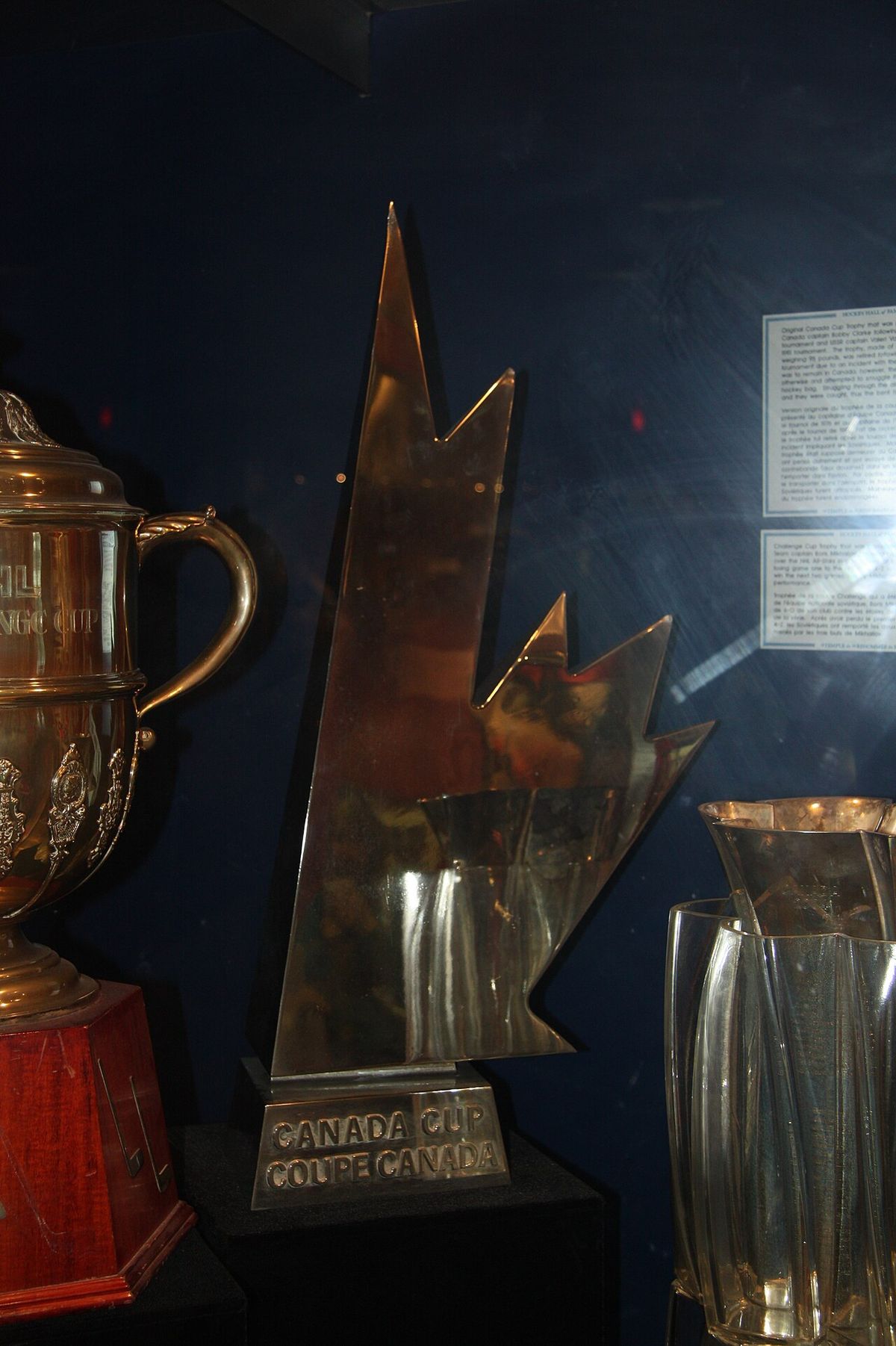
Clear stadium policies are in place to ensure a safe and enjoyable experience for all attendees. These include guidelines on bag sizes and a list of prohibited items, which fans are encouraged to review before arrival. The stadium's event services team manages everything from large league finals to private functions, offering flexible indoor and outdoor spaces, field-level access, and comprehensive support for audio-visual needs and furnishings. Complimentary parking is provided for many events, adding to the venue's accessibility for the community. The stadium also hosts events like the Canada Cup football tournament, as documented by the arrival of Team Manitoba for on-field activities, further cementing its role as a community asset.
Financial and Naming Rights History
The financial evolution of the stadium project is a complex story of shifting proposals and escalating costs. David Asper's initial 2007 proposal involved a total investment that included $65 million of his own money toward the Maroons Road development, alongside 217,000 square feet of retail space and a two-level parking facility. The Blue Bombers' board had also investigated upgrading their old stadium, funded by developing adjacent commercial lands, but as a community-owned business they faced difficulties accessing the required capital. The final funding model saw the province loan $90 million to initiate construction, with the total cost eventually settling at $210 million after cost overruns and repair bills. The key financial milestones and naming rights agreements for the stadium are outlined below.
- 2007: Canad Inns proposes a $265 million domed stadium as part of a $500 million complex.
- 2009: Projected cost for the university site stadium is set at $115 million.
- 2010: Province loans David Asper $90 million to guarantee construction.
- Post-Asper removal: Revised construction cost rises to $190 million.
- 2014: Additional $1.5 million from province resolves builder's lien, bringing cost to $210 million.
- 2015: Province allocates $35 million for repairs from construction deficiencies.
- 2013: Stadium opens with naming rights sold to Investors Group (Investors Group Field).
- 2018: Naming shortened to IG Field after corporate rebrand.
- January 2024: 10-year naming rights agreement announced with Princess Auto, effective April 2024.
The stadium's development involved significant public and private investment, with the final construction cost reaching approximately 210 million dollars. Its naming rights have been held by local Winnipeg corporations, reflecting their role in the venue's branding over time. The stadium opened as Investors Group Field in 2013, was shortened to IG Field in 2018, and was renamed Princess Auto Stadium in April 2024. The facility is owned by Triple B Stadium Inc., a non share corporation originally owned by a consortium of the City of Winnipeg, the Province of Manitoba, the Winnipeg Football Club, and the University of Manitoba.
Questions about Princess Auto Stadium
Who owns Princess Auto Stadium?
Princess Auto Stadium is owned by Triple B Stadium Inc., a non-share corporation incorporated in Manitoba. The Winnipeg Football Club, which operates the Winnipeg Blue Bombers, currently has sole control over this corporation. Initially, Triple B was owned by a consortium including the City of Winnipeg, the Province of Manitoba, the university, and the football club. The corporation's object is to develop, construct, and operate the stadium for the football club, the university's Bisons, amateur athletics, and other public purposes.
What is the seating capacity of Princess Auto Stadium?
Princess Auto Stadium has a permanent seating capacity of 32,343 spectators. The stadium is partially covered by a corrugated metal roof. For major events like the Grey Cup, the capacity can be expanded. For example, 36,500 seats were available for the 2015 Grey Cup, and the original design allowed for potential expansion to 40,000 seats. The stadium contains 52 private suites, a restaurant, and a walk of fame among its amenities.
What major sporting events has the stadium hosted?
The stadium has hosted numerous major events, including the 103rd Grey Cup in 2015 and the 112th Grey Cup in 2025. It was a host venue for the 2015 FIFA Women's World Cup, staging seven matches. It has also hosted two NHL Heritage Classic outdoor hockey games (2016 and upcoming in 2026) and an NFL preseason game in 2019 between the Green Bay Packers and Oakland Raiders. Other events include Nitro Circus Live, a Sir Paul McCartney concert, and the Country Thunder festival in 2026.
Which sports teams call Princess Auto Stadium home?
The primary tenant is the CFL's Winnipeg Blue Bombers. It is also the home field for the University of Manitoba Bisons (U Sports), the Winnipeg Rifles (Canadian Junior Football League), and the Manitoba Fearless (Western Women's Canadian Football League). Valour FC of the Canadian Premier League was a tenant from 2019 until suspending operations after the 2025 season. The stadium was also used as a neutral bio-secure bubble for CPL matches in 2021.
What were the controversies during the stadium's construction?
Construction was delayed by over a year, forcing the Blue Bombers to start the 2012 season at their old stadium. Cost overruns led the builder to place a $1.9 million lien in 2014, resolved with an extra $1.5 million from the province. In 2015, the owners sued the architect and builder for 42 alleged deficiencies including water damage and cracked concrete, with the builder countering that political pressure caused a rushed, under-budgeted project. The province later allocated $35 million for repairs, seeking to recover costs from the lawsuit.
When did the stadium change its name to Princess Auto Stadium?
The stadium changed its name to Princess Auto Stadium in April 2024. This followed a January 2024 announcement by the Winnipeg Blue Bombers of a new 10 year naming rights agreement with the Winnipeg based auto parts retailer Princess Auto. The stadium was previously known as IG Field after a naming rights deal with Investors Group, which was shortened from Investors Group Field in 2018. The renaming coincided with a two million dollar refurbishment ahead of the 2024 CFL season and the 112th Grey Cup, which included installing a new FieldTurf Vertex playing surface.
Sources and further reading
- Princess Auto Stadium (Wikipedia)
- Stadium Information (bluebombers.com)
Checked by the Garbutt Disposal desk. Last updated 2026-10-25.