Banjo Bowl
The Banjo Bowl is the annual Canadian Football League (CFL) regular season game played between the Winnipeg Blue Bombers and the Saskatchewan Roughriders. It serves as the immediate rematch following the Labour Day Classic, which is hosted in Regina, with the Banjo Bowl traditionally held the subsequent weekend in Winnipeg at Princess Auto Stadium. The game's nickname, coined in 2004, stems from a notorious comment by a Blue Bombers player and has become a central feature of one of the CFL's most intense prairie rivalries. As of the 2026 season, the Winnipeg Blue Bombers lead the series 14 wins to 8, with the game consistently selling out since 2005 and drawing significant attention from fans and media across Canada.
Origins and naming
The Banjo Bowl originated from the established home-and-home series pattern between the Winnipeg Blue Bombers and Saskatchewan Roughriders following the Labour Day Classic. For decades, the Labour Day game was hosted in Regina, a point of contention for Winnipeg figures like head coach Dave Ritchie, who served from 1999 to 2004 and questioned why his team could not occasionally enjoy the home-field advantage for that marquee event. While the Labour Day Classic site did not change, the pattern solidified starting in 2004 where Saskatchewan would host the Labour Day game and Winnipeg would host the rematch the following weekend. The moniker "Banjo Bowl" was officially coined in early 2004 by Blue Bombers board member David Asper. This was inspired by comments made by Bombers placekicker Troy Westwood during the week prior to a 2003 Western Division Semi-final against the Roughriders. Westwood was quoted calling people from Regina "a bunch of banjo-pickin' inbreds," a reference to the film Deliverance. He later offered a sardonic apology, stating that most people in Saskatchewan did not know how to play the banjo. These remarks deeply entrenched the nickname within the rivalry's folklore, adding a layer of cultural tension that fans from both sides have embraced, often bringing banjos to the game in Winnipeg as a tongue-in-cheek tribute.
The Canadian Football League website and its official television broadcaster, TSN, actively promote the game using the Banjo Bowl name in online coverage and broadcasts. In 2013, the Premier of Saskatchewan, Brad Wall, participated in the event's spirit by posting a YouTube video that referenced the rivalry and the Banjo Bowl. Conversely, the Saskatchewan Roughriders organization has historically avoided the title in its official communications, preferring the term "Labour Day rematch." This dichotomy between fan and media adoption and official team terminology highlights the unique, organic growth of the game's identity, which was further fueled by Westwood's original comments and the subsequent fan reaction.
Game format and rivalry context
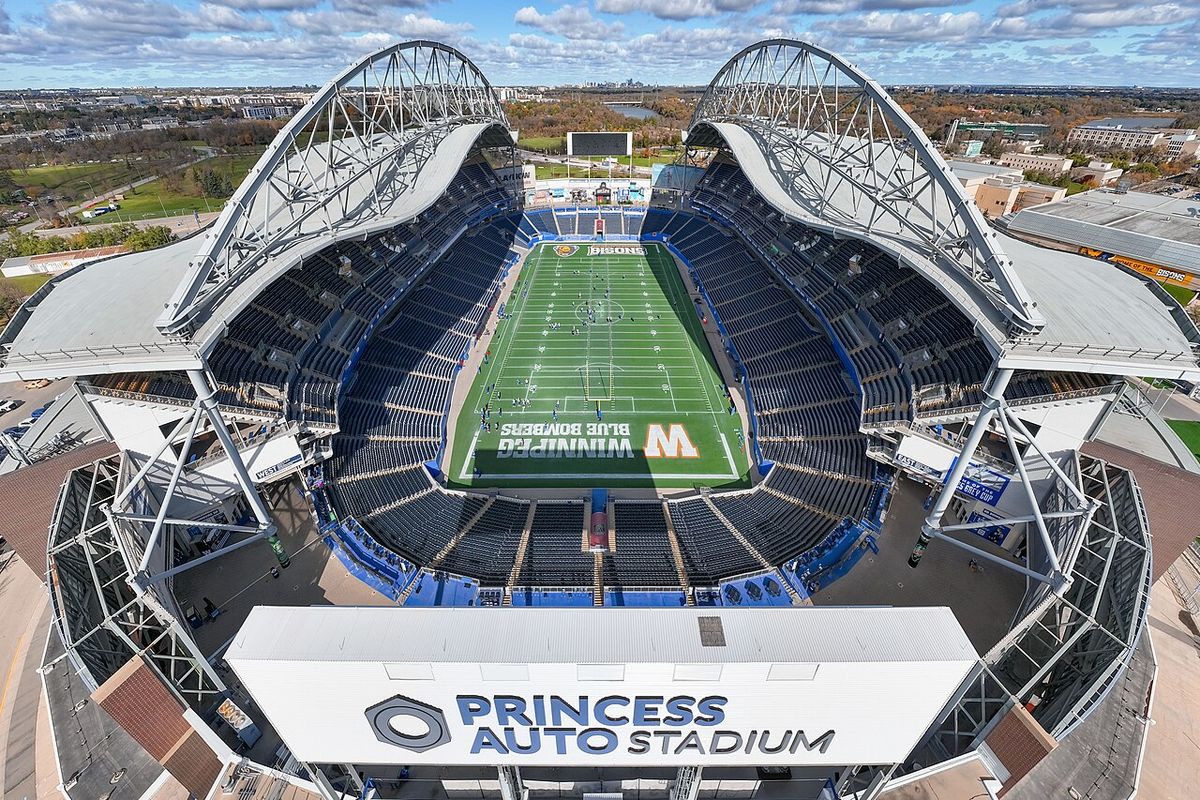
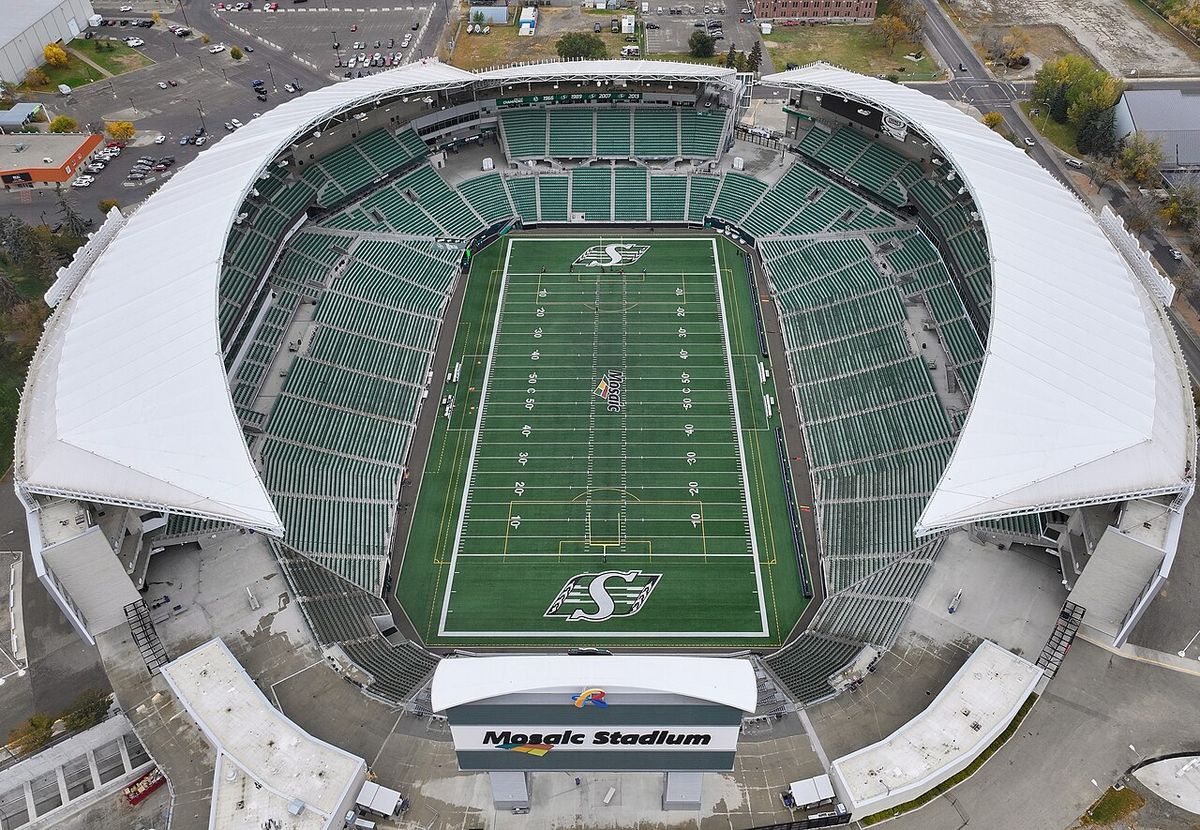
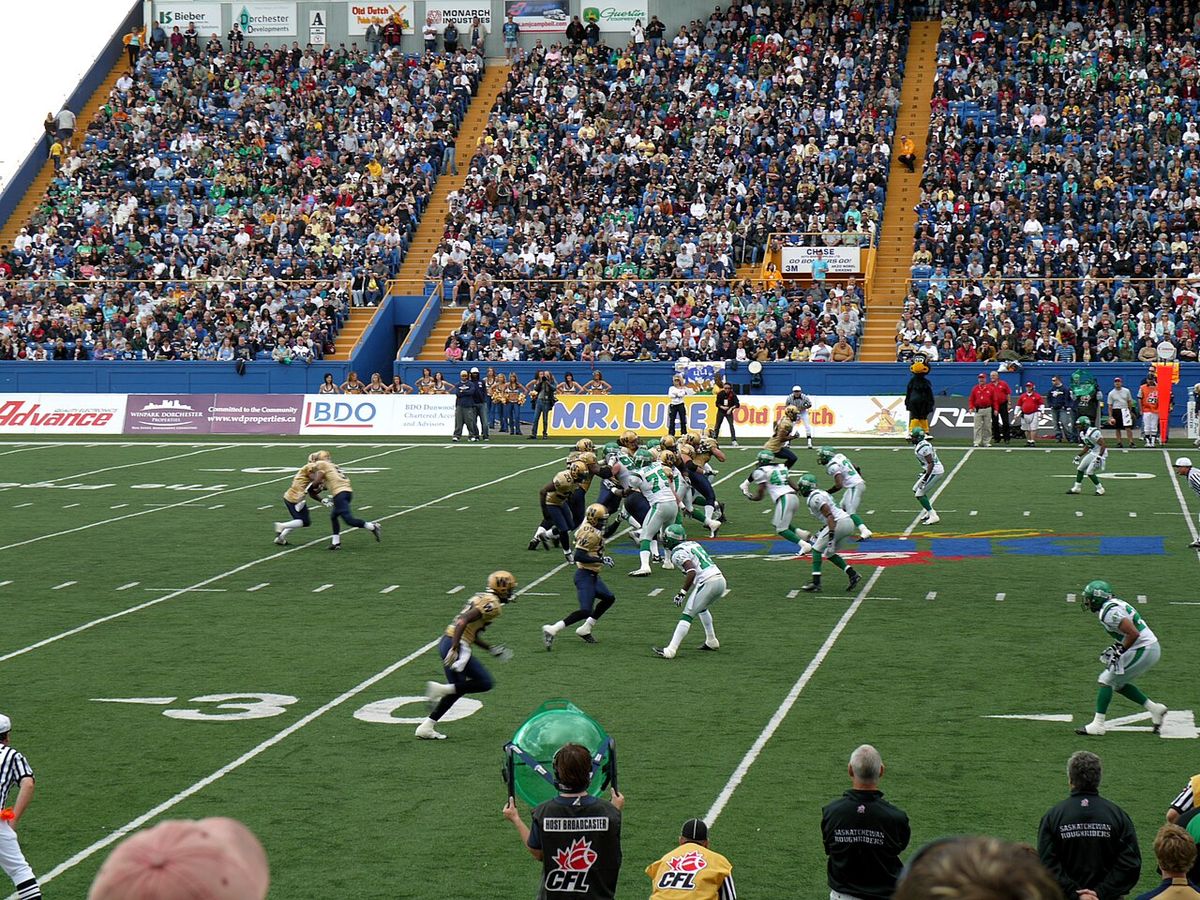
The Banjo Bowl is a fixed fixture on the CFL calendar, occurring annually on the weekend immediately after the Labour Day Classic. This creates a consequential two-game series between the prairie rivals within a span of six or seven days. The Labour Day Classic is always played at Mosaic Stadium in Regina, while the Banjo Bowl is always hosted at Princess Auto Stadium in Winnipeg, a venue previously known as Canad Inns Stadium. This setup generates significant reciprocal travel by fans, with many Winnipeg supporters journeying to Regina for Labour Day and many Saskatchewan fans making the trip to Winnipeg for the Banjo Bowl. The game has been sold out every year since 2005, demonstrating its consistent drawing power and importance to the local economies of both cities. The rivalry's intensity is reflected in these consistent sellout crowds, cementing the game's status as an unofficial but widely recognized league event that both the CFL and TSN leverage for promotional coverage.
The historical context for the rematch extends back before the Banjo Bowl name existed. From 1982 to 2003 consecutively, Saskatchewan hosted Winnipeg in the Labour Day Classic in Regina. In several of those years, such as 1986, 1991 to 1995, and 1998, Winnipeg hosted Saskatchewan in the game after Labour Day, establishing a precursor to the current format. The modern era, beginning in 2004, locked in the sequence where Saskatchewan always hosts the first game and Winnipeg always hosts the second, providing a predictable and highly anticipated rhythm to the CFL season for fans of both teams. This format ensures that both teams benefit from a jacked-up, jam-packed home stadium during this key rivalry series, a point that former Bombers coach Dave Ritchie had advocated for during his tenure.
Historical results and series progression
The Banjo Bowl series began in 2004, and as of the conclusion of the 2026 season, the Winnipeg Blue Bombers hold a commanding lead with 14 victories to the Saskatchewan Roughriders' 8. The series has seen numerous memorable contests that have often had significant implications for the CFL's West Division standings. The 2026 edition was characteristic of the game's competitive nature and playoff implications. Entering the match, the Roughriders held an 8-4 record after a 32-26 overtime victory in the Labour Day Classic, while the Blue Bombers stood at 6-6. The Banjo Bowl result saw Winnipeg decisively win 19-6, narrowing the gap in the standings and demonstrating the series' impact on the postseason race. The game's history is marked by close scores, dramatic finishes, and performances that have entered team lore, contributing to its reputation as a critical mid-season benchmark for both franchises.
Key milestones in the Banjo Bowl's history include the inaugural game in 2004, the beginning of the ongoing sellout streak in 2005, and the 2013 video by Saskatchewan Premier Brad Wall acknowledging the rivalry. The 2026 Winnipeg victory improved their series lead to 14-8. The series lead for Winnipeg reflects their success in the specific rematch game, but it exists within the broader, lifelong rivalry between the two clubs that includes many other regular season and playoff meetings. Each Banjo Bowl result adds another chapter to that ongoing story, with the winning team gaining not only standings points but also bragging rights that resonate throughout the fan bases until the next meeting. The game has consistently served as a signpost for the Blue Bombers' season, with the team often delivering some of its best performances in this high-pressure environment.
The 2026 Banjo Bowl in detail
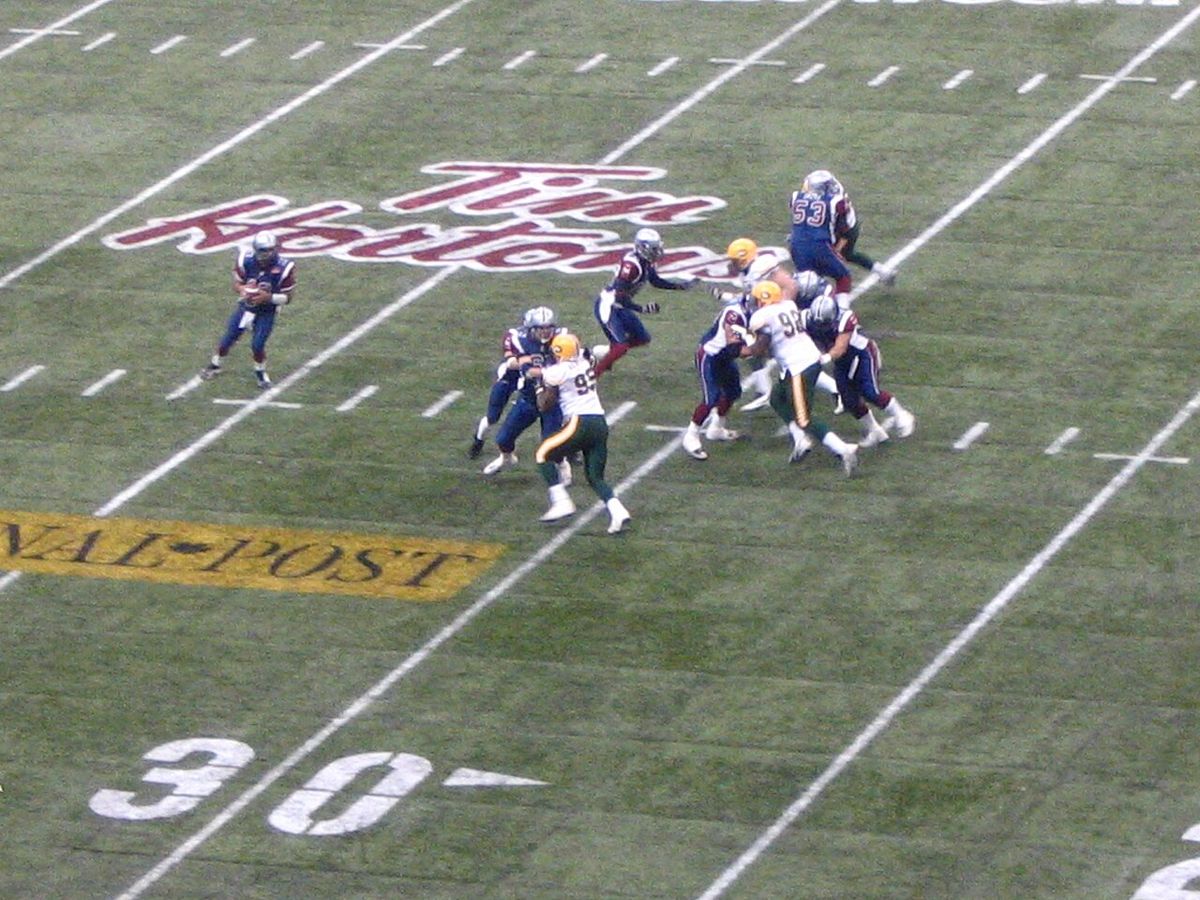
The 22nd edition of the Banjo Bowl was played on Saturday, September 12, 2026, at Princess Auto Stadium in Winnipeg with a kickoff time of 3 p.m. CDT. The game carried substantial weight for both teams' playoff aspirations in a tightly contested West Division. The Saskatchewan Roughriders arrived with an 8-4 record, fresh off their Labour Day Classic overtime win, while the Winnipeg Blue Bombers sought to rebound from that loss and improve their 6-6 standing. Winnipeg players, including receiver Nic Demski, described the game as critical with a capital 'C' for their season's trajectory. Bombers running back Brady Oliveira called it the best game of the year besides the Grey Cup and noted it had a playoff football feel due to the rivalry and the quality of the opponent, stating that it was unacceptable to lose especially against the Riders.
The Blue Bombers' defence delivered a dominant performance, limiting the Roughriders to just six points and 278 yards of net offence. Key plays included a forced fumble by veteran defensive back Redha Kramdi in his return from injury, which was recovered by Evan Holm, and an interception by Jake Kelly that was caught by Kramdi. Defensive lineman Jake Ceresna recorded a sack, and the unit forced multiple turnovers including a forced fumble by Deatrick Nichols. Evan Holm led the game with three pass breakups and also recovered a fumble. Offensively, the Bombers managed the game effectively to secure the 19-6 victory in front of 32,343 fans. The win served as a potential springboard for Winnipeg's final stretch of the season, highlighting the Banjo Bowl's traditional role as a momentum swing within the CFL calendar.
For Saskatchewan, the game featured several roster adjustments. The team made a change at kicker, with Dawson Hodge making his first career CFL start in place of Alex Hale, who was moved to the practice roster. On defence, the Riders added defensive end Habakkuk Baldonado to the lineup following his release from Ottawa. Offensively, wide receiver Shemar Bridges returned to the active roster, while quarterback Trevor Harris entered the game having recently passed Doug Flutie for 10th all-time in CFL passing yards. Despite these elements, the Riders' attack was stifled by Winnipeg's defensive effort, which tackled well, played physically, and contested several catches throughout the afternoon.
Cultural impact and fan engagement
The Banjo Bowl transcends a typical regular season football game, embodying a deep-seated regional rivalry between Manitoba and Saskatchewan. The event is a major social and economic driver, with hotels, restaurants, and bars in Winnipeg experiencing a surge from visiting Roughriders fans, mirroring the influx Winnipeg fans create in Regina during Labour Day weekend. The playful adoption of the banjo as a symbol, with many Saskatchewan fans bringing the instruments to the game, demonstrates the rivalry's unique and good-natured, if fiercely competitive, character. Media coverage is extensive, with TSN providing national television broadcasts and the game frequently headlining the CFL's weekly promotional narratives. Player comments in the lead-up to the game, such as those from Bombers running back Brady Oliveira who called it "the best game of the year" besides the Grey Cup, confirm its special status within the league.
The rivalry's passion is also reflected in political spheres, as evidenced by former Saskatchewan Premier Brad Wall's 2013 YouTube video engaging with the Banjo Bowl phenomenon. This deep cultural integration ensures the Banjo Bowl remains a highlight of the Canadian sports calendar, celebrated for its atmosphere, history, and the pure intensity of the football played. The game's context within the season adds to its importance. As noted in 2026, it often marks the start of the stretch run towards the playoffs, with the results directly affecting standings in the competitive West Division. For the Blue Bombers specifically, the game has been described as a signpost game for the franchise, a contest that historically indicates the team's direction and quality at a key juncture, and one where the team has served up some of its best moments against league elite.
Strategic importance and recent series context
The Banjo Bowl consistently occurs at a crucial juncture in the CFL season, often acting as a bellwether for team performance heading into the final third of the schedule. The two-game Labour Day series demands strategic adjustments from both coaching staffs, as teams must quickly adapt from one matchup to the next. The 2026 contests exemplified this, with Saskatchewan winning a high-scoring overtime game one week, only for Winnipeg to respond with a defensively stifling victory the next. Key individual matchups, such as the Roughriders' defence limiting Bombers' star running back Brady Oliveira to 28 yards in the first game, become major storylines. Riders linebacker Seyi Oladipo commented before the Banjo Bowl that containing Oliveira was a rivalry and pride issue for the defence, and they did not want him to reach 1000 yards on them. The following table outlines the recent Labour Day Classic and Banjo Bowl results from the 2026 season, illustrating the immediate turnaround and contrasting outcomes.
| Game | Date | Location | Result | Key Context |
|---|---|---|---|---|
| Labour Day Classic | September 2026 | Mosaic Stadium, Regina | Saskatchewan 32, Winnipeg 26 (OT) | Riders improved to 8-4. Bombers fell to 6-6. |
| Banjo Bowl | September 12, 2026 | Princess Auto Stadium, Winnipeg | Winnipeg 19, Saskatchewan 6 | Bombers defence forced multiple turnovers. Attendance was 32,343. |
These results highlight how the series can swing dramatically from one week to the next, influenced by injuries, tactical changes, and the emotional charge of the rivalry. The Banjo Bowl's placement in the schedule ensures it frequently has direct implications on playoff seeding and crossover possibilities, adding a layer of high-stakes competition to an already fervent rivalry. As Roughriders head coach Corey Mace noted in 2026, winning both games of the Labour Day series is a significant achievement that can propel a team into the final part of the season, and the hostile environment of the Banjo Bowl tests the character and makeup of his squad. He stated that seeing how a team responds to those hostile environments tells you quite a bit about its makeup.
Media coverage and presentation
The Banjo Bowl receives prominent national media coverage in Canada, primarily through the CFL's official broadcast partner, TSN. The game is typically featured as a centrepiece of the network's Saturday lineup, often as part of a quadruple-header of CFL games in a given week. In 2026, the Banjo Bowl was broadcast live on TSN1 and TSN3, and was also available for streaming on TSN.ca, the TSN App, and other platforms like Crave and CFL+. Radio coverage in Winnipeg is provided by 680 CJOB, with play-by-play announcer Derek Taylor and analyst Doug Brown. The pre-game show for the 2026 contest began at noon, three hours before kickoff. This extensive coverage treats the Banjo Bowl with a level of production and promotion comparable to a playoff game, reflecting its stature within the league.
The CFL's own digital and social media channels actively promote the game using the Banjo Bowl name, contributing to its national profile. For instance, following the 2026 game, the CFL's official Instagram account posted about the Bombers' defensive performance, garnering over a thousand likes. This integration of the event into the league's marketing and narrative framing helps solidify its identity beyond just a regional rivalry, making it a known commodity for football fans across the country. The consistent sellouts and high television viewership numbers provide tangible evidence of the game's broad appeal and successful integration into the CFL's annual calendar, where it headlines high-stakes matchups during the playoff race.
Questions about Banjo Bowl
When and where is the Banjo Bowl played?
The Banjo Bowl is played annually on the weekend immediately following the Labour Day Classic. The Labour Day Classic is always hosted by the Saskatchewan Roughriders at Mosaic Stadium in Regina. The Banjo Bowl is always hosted by the Winnipeg Blue Bombers at Princess Auto Stadium in Winnipeg, Manitoba. This creates a consistent home-and-home series within a short timeframe each season.
Why is it called the Banjo Bowl?
The game is called the Banjo Bowl because the nickname was coined by Winnipeg Blue Bombers board member David Asper in early 2004. This was inspired by an infamous 2003 comment from Bombers placekicker Troy Westwood, who said people from Regina were a bunch of banjo pickin inbreds, a reference to the film Deliverance. Westwood later sardonically apologized, stating the vast majority of people in Saskatchewan have no idea how to play the banjo. This comment fuelled the rivalry and led to the rematch game's colourful moniker. The Canadian Football League and broadcaster TSN use the name, though the Roughriders avoid it in official communications, preferring Labour Day rematch.
Who leads the Banjo Bowl series?
As of the 2026 season, the Winnipeg Blue Bombers lead the Banjo Bowl series 14 wins to 8. The series began in its current annual format in 2004, when Winnipeg started permanently hosting the Labour Day rematch. The Blue Bombers extended their series lead with a 19-6 victory in the 2026 edition. This annual rematch follows the Labour Day Classic, which is always hosted by Saskatchewan in Regina. The series record reflects the competitive history between these two prairie rival teams over more than two decades.
What was the score of the 2026 Banjo Bowl?
The final score of the 2026 Banjo Bowl was 19-6 in favour of the Winnipeg Blue Bombers over the Saskatchewan Roughriders. The game was played on Saturday, September 12, 2026, at Princess Auto Stadium in Winnipeg. A crowd of 32,343 fans attended the sold out event. Winnipeg's defence led the way to victory, limiting the Roughriders to just six points and 278 yards of net offence while forcing multiple turnovers. This win improved the Blue Bombers' record to 7-6 on the season.
Do the Banjo Bowl games always sell out?
Yes, the Banjo Bowl has been a sold out event every single year since 2005. The game consistently sells out Princess Auto Stadium in Winnipeg, demonstrating the intense fan passion surrounding this rivalry. Many Saskatchewan fans travel to Winnipeg for the rematch, often bringing banjos in a tongue in cheek manner, mirroring the travel of Winnipeg fans to Regina for the Labour Day Classic. The sellout streak shows the game's status as a premier and highly anticipated event on the Canadian Football League calendar, despite it not being an officially designated league event.
What is the significance of the Banjo Bowl within the CFL season?
The Banjo Bowl is a critical signpost game with major implications for the CFL playoff race, particularly in the West Division. Occurring at roughly the two thirds mark of the season, it serves as a key momentum swing for the competing teams. In 2026, for example, the game featured a 6-6 Winnipeg team against an 8-4 Saskatchewan team, with the winner gaining crucial standings points. Players and coaches describe it as having a playoff football type feel and consider it a great test and a potential springboard into the final stretch of the season. The intense rivalry and high stakes ensure it receives prominent national media coverage on networks like TSN.
Sources and further reading
- Banjo Bowl (Wikipedia)
- Game Preview | The Banjo Bowl (bluebombers.com)
- Banjo Bowl headlines high-stakes matchups in CFL's ... (tsn.ca)
- 'Great test for us': Riders head to Winnipeg for Banjo Bowl ... (cjme.com)
- Winnipeg Blue Bombers pluck right strings in Banjo Bowl ... (3downnation.com)
Checked by the Garbutt Disposal desk. Last updated 2026-10-27.