Riding Mountain National Park
Riding Mountain National Park is a national park in Manitoba, Canada, situated atop the Manitoba Escarpment. The park encompasses 2,969 square kilometres of protected forest and parkland, a striking contrast to the surrounding prairie. Established in 1933, it was Manitoba's first national park and protects a unique convergence of grassland, upland boreal, and eastern deciduous forest ecosystems. The park is a major recreational destination, offering extensive trails, lakes, campgrounds, and hosting significant sporting events like the Tour de Riding Mountain and the Riding Mountain Triathlon.
History and Indigenous Context
The land within Riding Mountain National Park has been home to First Nations for thousands of years, including the Cree, Assiniboine, and Ojibwe peoples. The Keeseekoowenin Ojibway First Nation, originally known as the Okanese Band, lived in the Wasagaming area, hunting and fishing around Clear Lake. The park lies within Treaty 2 Territory, reflecting its long-standing Indigenous significance. European contact began with the fur trade, with the Hudson's Bay Company establishing Riding Mountain House to trade with the Ojibwe led by Chief Okanase and later Chief Keeseekoowenin. In 1871, Chief Mekis, son of Okanese, signed Treaty Number 2. The area was first set aside as a forest reserve in 1895 before being declared a national park in 1929, with the official opening ceremony held on July 26, 1933.
The creation of the park had significant consequences for the Keeseekoowenin Ojibway. In 1936, the band was forcibly removed from the park area by the Department of Indian Affairs, with park employees burning their homes as part of an assimilation policy. This expropriation of their land, known as IR 61A, led to a lengthy land claim process. In 1994, the specific claim was resolved, resulting in the land being returned to the First Nation and a financial settlement of $4.9 million. A separate claim regarding a rail line through their main reserve was settled in 2005 with a compensation of $6,999,900 and the return of the affected land. The park's early infrastructure was built in the 1930s by relief workers during the Great Depression, funded by federal acts like the 1930 Unemployment Relief Act.
Geography and Natural Features
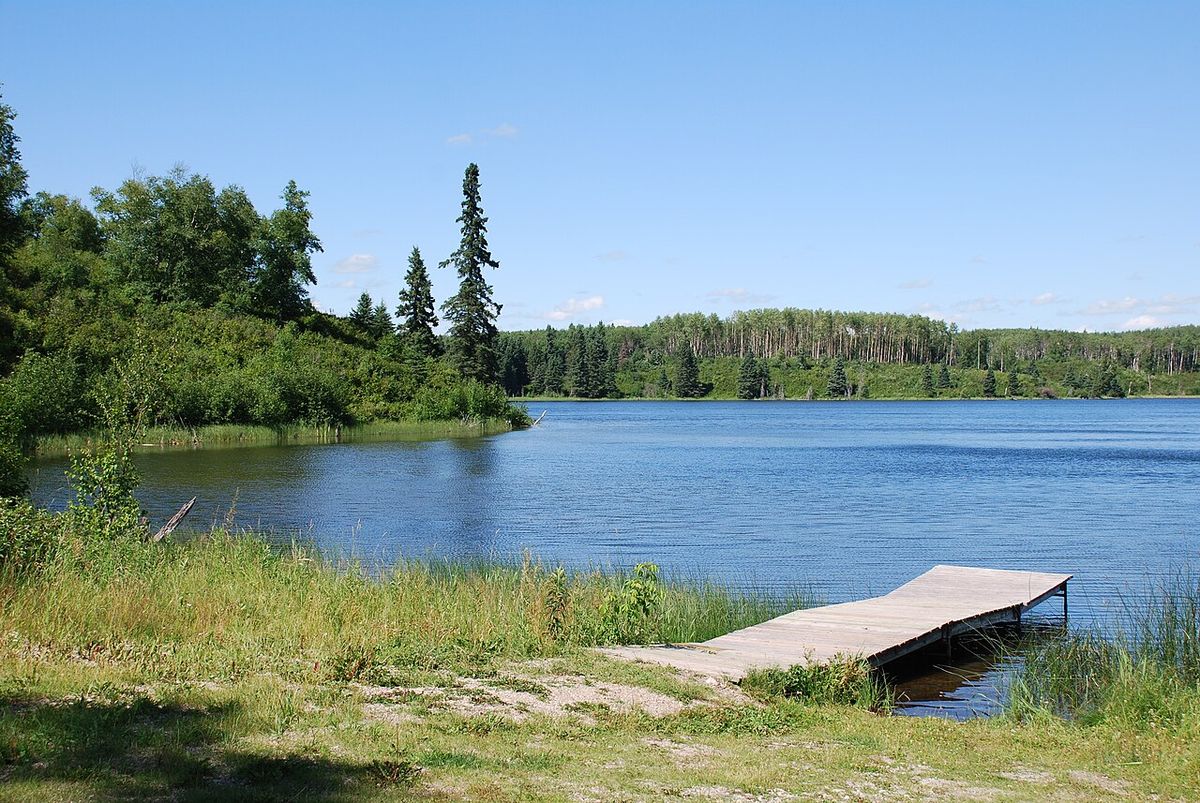
Riding Mountain National Park rises over 457 metres above the surrounding Manitoba farmland, forming the highest point of the Manitoba Escarpment. The park's core area of nearly 3,000 square kilometres is part of the larger 15,000 square kilometre Riding Mountain Biosphere Reserve. Its higher position creates a cooler, moister local climate that supports three distinct ecosystems: grasslands, upland boreal forest, and eastern deciduous forest. This ecological convergence is the primary reason for its national park designation. The park's geology was shaped by the last ice age, with the retreat of glaciers around 12,500 years ago allowing forests to gradually re-establish. The landscape features numerous streams and lakes, including Clear Lake, which is fed primarily by underground springs rather than surface streams.
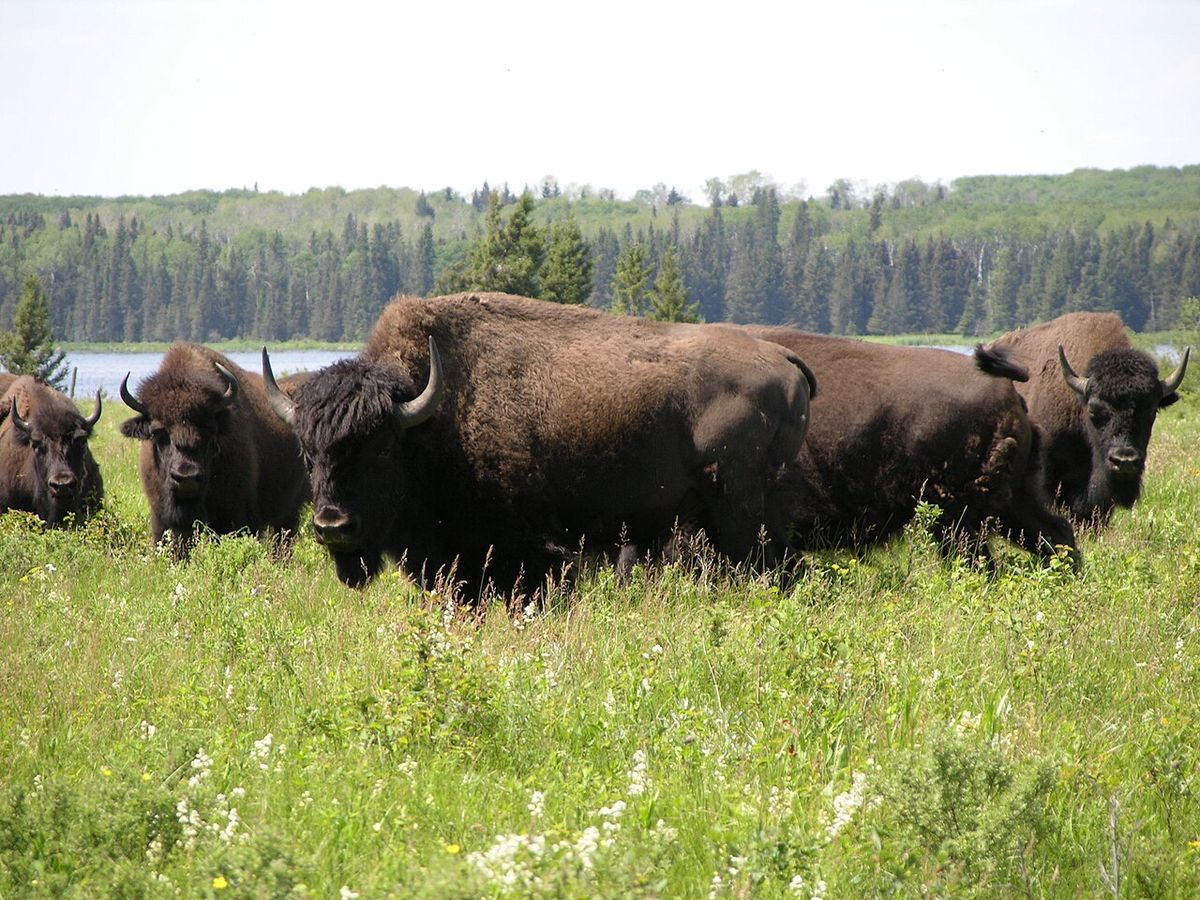
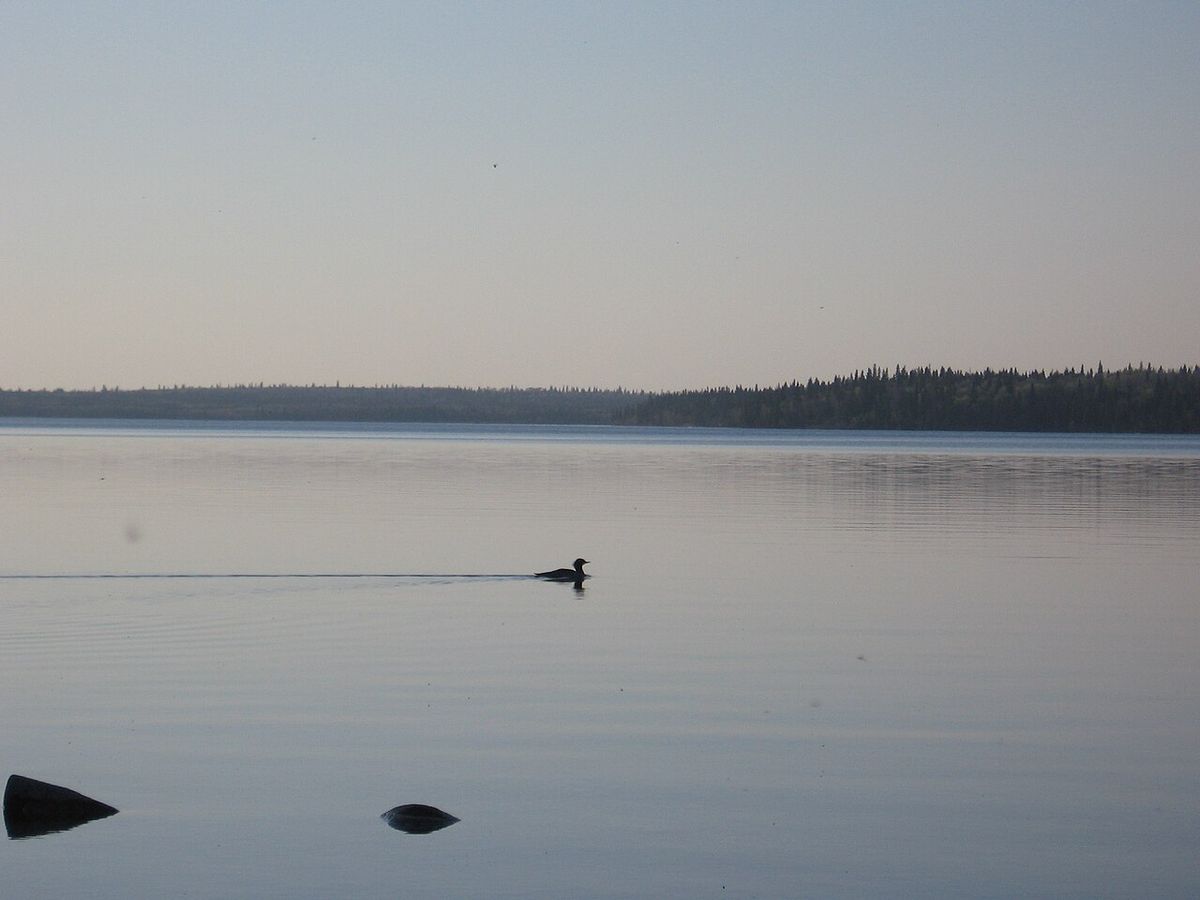
The park's diverse habitats support a wide array of wildlife. Mammals include one of North America's largest populations of black bears, alongside elk, moose, wolves, lynx, cougars, and a reintroduced herd of about forty plains bison at the Lake Audy Bison Enclosure. Over 233 bird species have been observed, including common loons and Canada geese on Clear Lake. The park's flora is equally rich, with 669 plant species recorded. Vegetation includes aspen poplar, white spruce, balsam fir, jack pine, bur oak, and a notable variety of wildflowers not commonly found on the surrounding prairies. Freshwater lakes within the park contain fish species like walleye, whitefish, and perch in Clear Lake, and limited numbers of trout in Lake Katherine and Deep Lake.
Recreation and Visitor Activities
Riding Mountain National Park is a year-round hub for outdoor recreation, accessible via Highway 10 from Dauphin and Brandon. The main commercial centre is the townsite of Wasagaming on Clear Lake. The park requires a vehicle entry permit, which can be purchased at the gates, though free admission periods are offered by Parks Canada. The historic East Entrance gate, designed by architect Shamus Marshall, is itself a National Historic Site. The park manages over 400 kilometres of trails for hiking, horseback riding, and mountain biking, with trails like the Packhorse and Baldy Hill offering more challenging terrain. In winter, many trails are groomed for cross-country skiing, though they are not patrolled daily.
The park's numerous lakes provide opportunities for swimming, with Clear Lake, Lake Katherine, Lake Audy, and Moon Lake being the most suitable. Clear Lake also features an 18-hole golf course recognized in several North American publications. Camping options are extensive, ranging from the full-service Wasagaming campground to wilderness sites in the backcountry. The park offers various roofed accommodations including oTENTiks, cabins, and yurts. For 2026, Parks Canada is promoting a Canada Strong Pass initiative, offering free park admission from June 19 to September 7, plus a 25% discount on all camping and roofed accommodations operated by the agency during that same summer period. There are also 15 picnic sites equipped with barbecue pits and pit privies, usually located along major roads and trails.
- Trail Network: Over 400 km for hiking, biking, and horseback riding.
- Swimming Lakes: Clear Lake, Lake Katherine, Lake Audy, Moon Lake.
- Golf: 18-hole Clear Lake Golf Course along the lakeshore.
- Camping Types: Frontcountry (Wasagaming, Lake Audy), backcountry (22 sites), roofed (oTENTiks, cabins).
- Winter Activity: Cross-country skiing on designated trails.
- Free Admission 2025/26: December 12, 2025 to January 15, 2026 and June 19 to September 7, 2026.
Major Sporting Events
Riding Mountain National Park has become a premier destination for organized sporting events, drawing athletes from across the prairies and beyond. The park's scenic roads and challenging terrain provide an ideal backdrop for cycling competitions. The flagship event is the Tour de Riding Mountain, a two-day cycling celebration typically held in late May or early June. The 2026 event is scheduled for May 31 and June 1. The weekend features a Gran Fondo with 60 km and 100 km options, the Manitoba Provincial Road Race championship, an individual time trial, and a criterium race in downtown Dauphin. The event supports the Manitoba Cycling Association's provincial development programs, helping young athletes access training and race opportunities.
Another major fixture is the Riding Mountain Triathlon, held in August. This multi-sport weekend offers Olympic, Sprint, and Super-Sprint distance races, catering to all levels of competitors. The event is sanctioned by Triathlon Manitoba and includes aquabike and duathlon options. All participants receive race swag and are included in post-race prize draws, with catering provided at the finish line. These events, along with community gatherings like the park's film festival and LGBTQ Pride weekend, highlight Wasagaming's role as an active cultural and athletic centre within the protected landscape. The triathlon requires participants to meet age requirements, such as being 18 or older for the Olympic distance.
Historical Figures and Sites
The park's history features several notable individuals and sites. In 1931, the writer and conservationist Archibald Belaney, known as Grey Owl, was employed by the Parks Branch to re-establish beaver colonies. He lived in a cabin north of Wasagaming with two beavers named Jelly Roll and Rawhide. Although a summer drought made the location unsuitable, leading to his relocation to Prince Albert National Park, his efforts contributed to the park's now-abundant beaver population. His former cabin, known as Grey Owl's Cabin, remains accessible via a park trail. During the Second World War, the park hosted the Whitewater prisoner-of-war labour camp from 1943 to 1945 on the northeast shore of Whitewater Lake. The camp housed between 440 and 450 German POWs who were put to work addressing a regional fuelwood shortage, and it was dismantled after the war.
Royalty has also visited the park. In 1970, Queen Elizabeth II, Prince Philip, Prince Charles, and Princess Anne toured the area during a visit to Manitoba. Much of the park's early infrastructure, including the rustic log interpretive centre, was built in the 1930s by relief workers during the Great Depression, funded by federal acts like the 1930 Unemployment Relief Act. Ten relief camps were supervised by James Wardle during this period of construction.
Park Management and Conservation
Riding Mountain National Park is managed by the Parks Canada Agency, with a mandate that balances public enjoyment and ecological integrity. Commercial expansion within the park is limited, and any new construction is subject to environmental impact assessments under the federal Impact Assessment Act. Ongoing scientific research in the park focuses on predator and ungulate populations, endangered species, invasive species, and watershed health. The return of land to the Keeseekoowenin Ojibway First Nation through settled claims represents a significant step in the park's relationship with Indigenous peoples.
Visitor management includes measures to protect wildlife and habitats. The park promotes Leave No Trace principles, especially in backcountry areas, and requires permits for activities like backcountry camping and fishing. The reintroduction of bison in 1931, with twenty animals brought from Alberta, has been a long-term conservation success, with the herd at the Lake Audy enclosure now numbering around forty. Fire management and forest health are also key components of the park's ecological stewardship, aiming to maintain the natural processes that shape its unique blend of ecosystems. The park's climate features hot summers and cold winters, with annual rainfall between 40.6 and 50.8 cm, and about 80 percent of that rain falling between April and October.
Visitor Statistics and Economic Impact
Riding Mountain National Park has been a significant tourist destination for decades. By 1965, it was already attracting half a million visitors annually. The park's proximity to Winnipeg, approximately 300 kilometres to the southeast, makes it a accessible getaway for a large urban population. The townsite of Wasagaming serves as the primary service centre, offering restaurants, shops, and accommodations that support the local economy. Events like the Tour de Riding Mountain and the Riding Mountain Triathlon inject further economic activity into the region, drawing participants and spectators who utilize local services. The park was the first National Park in Manitoba and one of the first in western Canada.
Parks Canada's promotional offers, such as the free admission and camping discounts scheduled for summer 2026, are designed to increase visitation and make national parks more accessible to Canadians. The park's operations and the tourism it generates provide employment and business opportunities for surrounding communities including Dauphin, Brandon, and Erickson. The careful management of visitor use ensures that this economic benefit is sustained without compromising the natural values that attract people to the park in the first place. The park's interpretive centre and many other log buildings from the 1930s relief programs still stand and are used by visitors today.
Questions about Riding Mountain National Park
When is Riding Mountain National Park open and is there an admission fee?
Riding Mountain National Park is open year-round. Regular admission fees apply for most of the year, but Parks Canada offers free admission during specific periods. For the 2025/26 season, admission is free from December 12, 2025 to January 15, 2026, and again from June 19 to September 7, 2026. Outside these dates, visitors must purchase an entry permit, which can be done at park gates or online. Annual Discovery Passes are also available for frequent visitors.
What are the main camping options in the park?
The park offers a wide range of camping options. The Wasagaming campground is a full-service frontcountry site near Clear Lake with electrical, water, and sewer hookups. Other drive-in campgrounds are located at Lake Audy, Moon Lake, and Deep Lake. For a more rustic experience, there are 22 wilderness backcountry campsites equipped with basic amenities. The park also provides roofed accommodations like oTENTiks, MicrOcubes, cabins, and yurts. From June 19 to September 7, 2026, a 25% discount applies to all fees for Parks Canada-operated camping and roofed accommodations.
What major sporting events are held in the park?
Two major annual sporting events are the Tour de Riding Mountain and the Riding Mountain Triathlon. The Tour de Riding Mountain is a two-day cycling festival typically in late May or early June, featuring a Gran Fondo, provincial road race championships, a time trial, and a criterium. The 2026 event is scheduled for May 31 and June 1. The Riding Mountain Triathlon is held in August and offers Olympic, Sprint, and Super-Sprint distance races, including aquabike and duathlon options, sanctioned by Triathlon Manitoba.
What is the historical significance of the Keeseekoowenin Ojibway First Nation to the park?
The Keeseekoowenin Ojibway First Nation has deep historical ties to the land within Riding Mountain National Park. They lived in the Wasagaming area for generations before being forcibly removed in 1936 to make way for the park, with their homes burned. The land originally reserved for them, IR 61A, was expropriated. After a lengthy claims process, this land was returned to the First Nation in 1994 along with a $4.9 million settlement. A separate claim regarding a rail line through their reserve was settled in 2005 for nearly $7 million. The park is located within Treaty 2 Territory.
What wildlife can visitors expect to see?
Visitors may encounter a diverse array of wildlife. The park hosts one of North America's largest populations of black bears, alongside mammals like elk, moose, timber wolves, Canada lynx, white-tailed deer, and cougars. A herd of about forty plains bison can be viewed at the Lake Audy Bison Enclosure. Over 233 bird species have been recorded, including common loons on Clear Lake. The lakes also contain fish such as walleye, whitefish, and perch. Always view wildlife from a safe distance and follow Parks Canada guidelines.
How do I get to Riding Mountain National Park and where should I stay?
The park is most easily accessed by Manitoba Highway 10, which runs north-south through the park, connecting Brandon (95 km south) and Dauphin (13 km north). The main entrance and visitor centre are at the Wasagaming townsite on Clear Lake. For accommodations, Wasagaming offers hotels, rental cabins, and the main campground. Other campgrounds are scattered throughout the park. The nearby cities of Dauphin and Brandon have additional lodging options and commercial airports. During the summer, the park can be busy, so advance reservations for camping and accommodations are strongly recommended.
Sources and further reading
- Riding Mountain National Park (Wikipedia)
- Free admission and discounted overnight stays, Parks Canada (parks.canada.ca)
- Riding Mountain Triathlon (triathlonmanitoba.ca)
- Tour de Riding Mountain: TWO DAYS, THREE EVENTS, ... (mbcycling.ca)
Checked by the Garbutt Disposal desk. Last updated 2026-10-26.