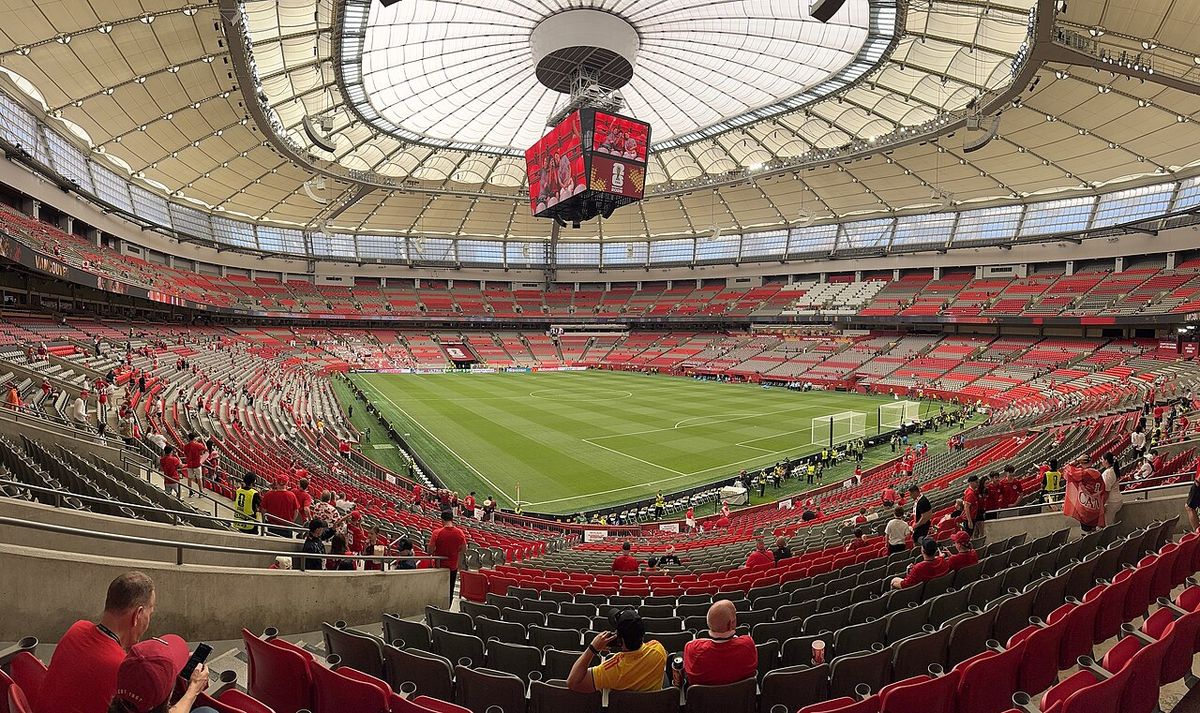
Notre Dame Island
Notre Dame Island (French: Île Notre-Dame) is an artificial island in the Saint Lawrence River in Montreal, Quebec. It was constructed from excavated rock in the 1960s to serve as a central site for Expo 67. Today, it forms a core part of Parc Jean-Drapeau, a major urban park renowned for its world-class sports facilities and cultural events. The island is most famous as the home of the Circuit Gilles Villeneuve, the host of the Formula One Canadian Grand Prix, and the Olympic Basin, a legacy venue from the 1976 Summer Games. It remains a premier destination for motorsport, rowing, and outdoor recreation, attracting thousands of visitors and athletes to Montreal each year.
Creation and Expo 67
Notre Dame Island was a monumental engineering project created specifically for Expo 67, the world's fair held to celebrate Canada's centennial. The island was built in just ten months using approximately 15 million tons of rock and earth excavated during the construction of the Montreal Metro system in the early 1960s. Situated immediately east of Saint Helen's Island, the new landmass was integrated into the Hochelaga Archipelago and lies west of the Saint Lawrence Seaway and the city of Saint-Lambert on the south shore. The island hosted numerous national pavilions during the exposition, becoming a symbol of modernist architecture and international cooperation. Following the conclusion of Expo 67, the site transitioned from a temporary fairground into a permanent part of Montreal's urban fabric, setting the stage for its future as a major sports and recreation hub. The island's southeastern edge is connected to the embankment that separates the seaway from the Lachine Rapids, integrating it into the river's complex hydrological system. The creation of the island from Metro excavation material represents one of the most ambitious land reclamation projects in Canadian urban history.
Transformation for the 1976 Olympics
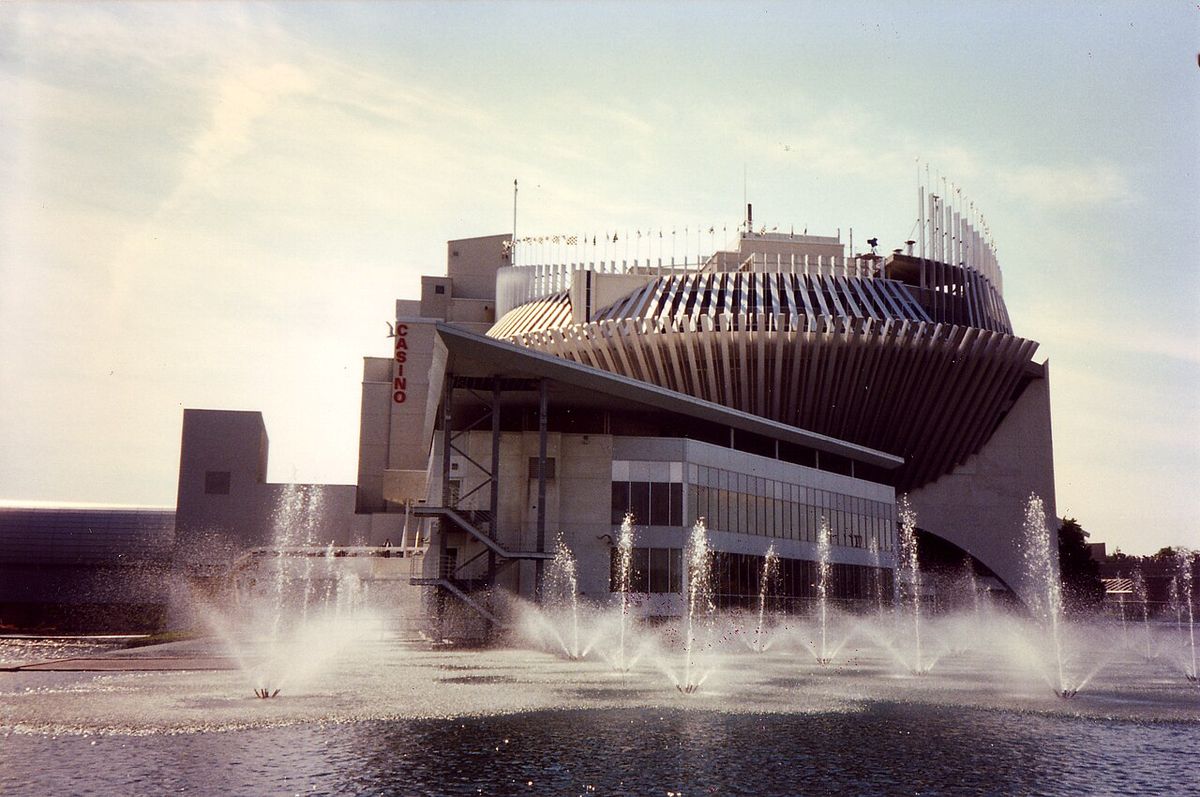
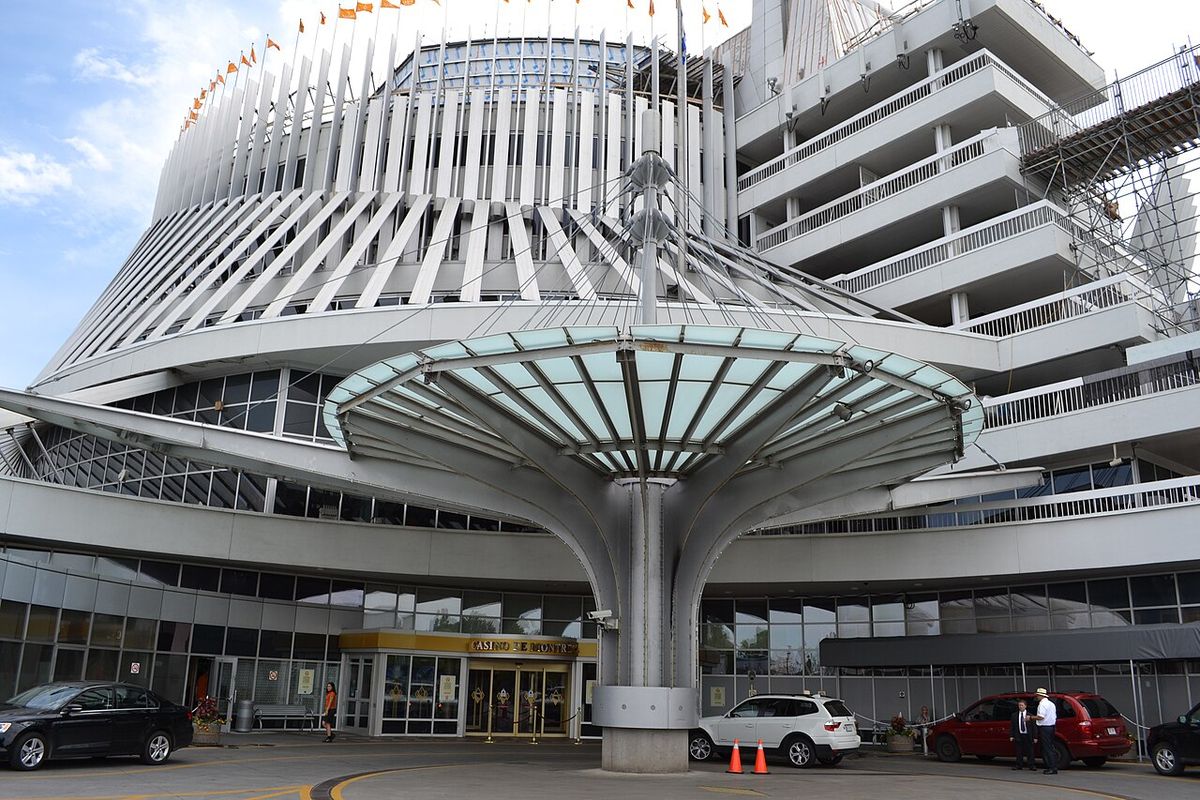
The island underwent a significant transformation in preparation for the 1976 Summer Olympics hosted by Montreal. To create the necessary facilities, nearly all the remaining Expo 67 pavilions were demolished in 1975. The cleared space was used to construct a long, straight rowing and canoeing basin, which became the centrepiece for Olympic aquatic sports. This facility, known as the Olympic Basin, remains the largest artificial rowing basin in North America and was detailed in the official report of the 1976 Games. One major Expo structure was preserved and repurposed. The former pavilions of France and Quebec were gutted and renovated to become the Montreal Casino, a large gambling establishment owned and operated by the Government of Quebec. Another legacy structure, the former Canadian Pavilion, was adapted to serve as the administrative offices for the Société du parc Jean-Drapeau, the para-municipal body that manages the park. This period solidified the island's shift from an exposition site to a permanent venue for high-performance sport and public leisure. The demolition and construction work was completed on a tight schedule to meet the Olympic deadlines, fundamentally reshaping the island's layout and purpose.
The Circuit Gilles Villeneuve
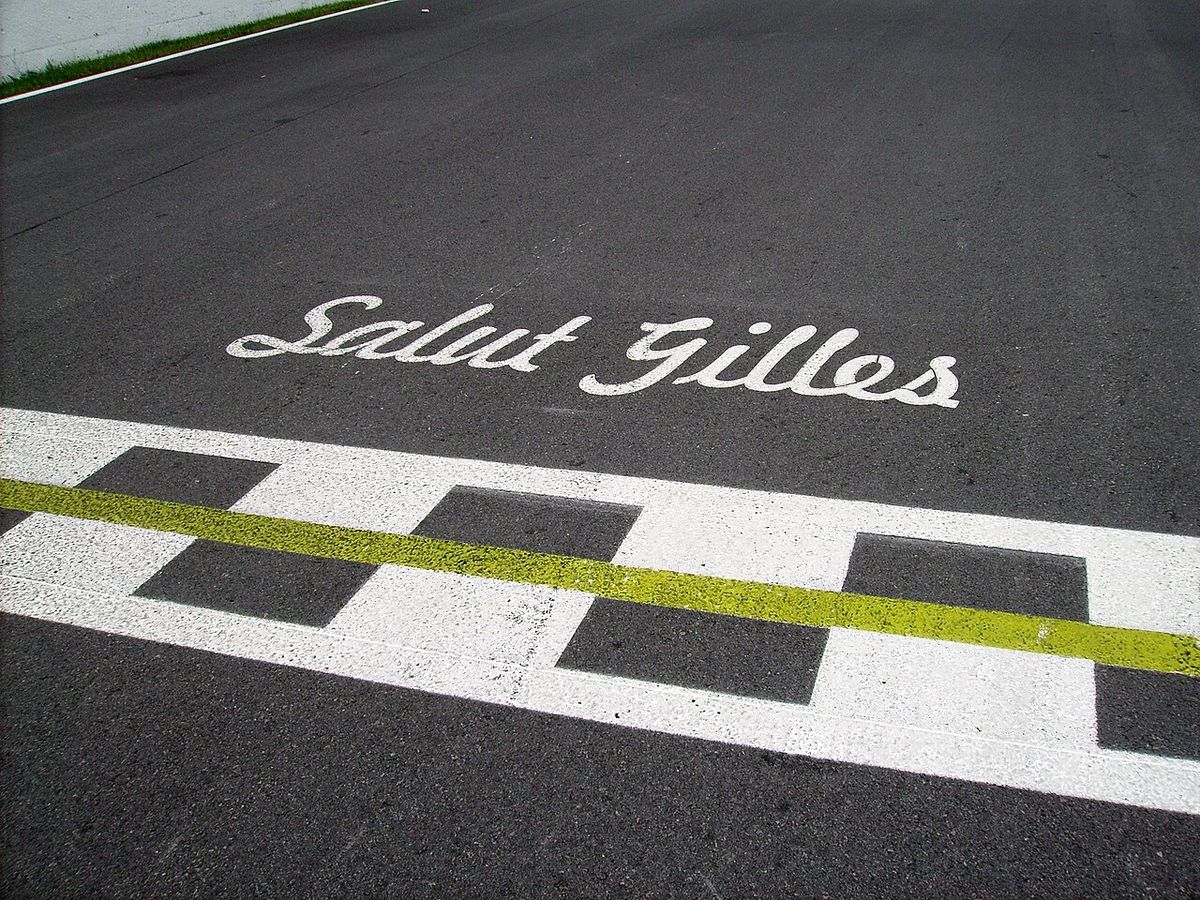
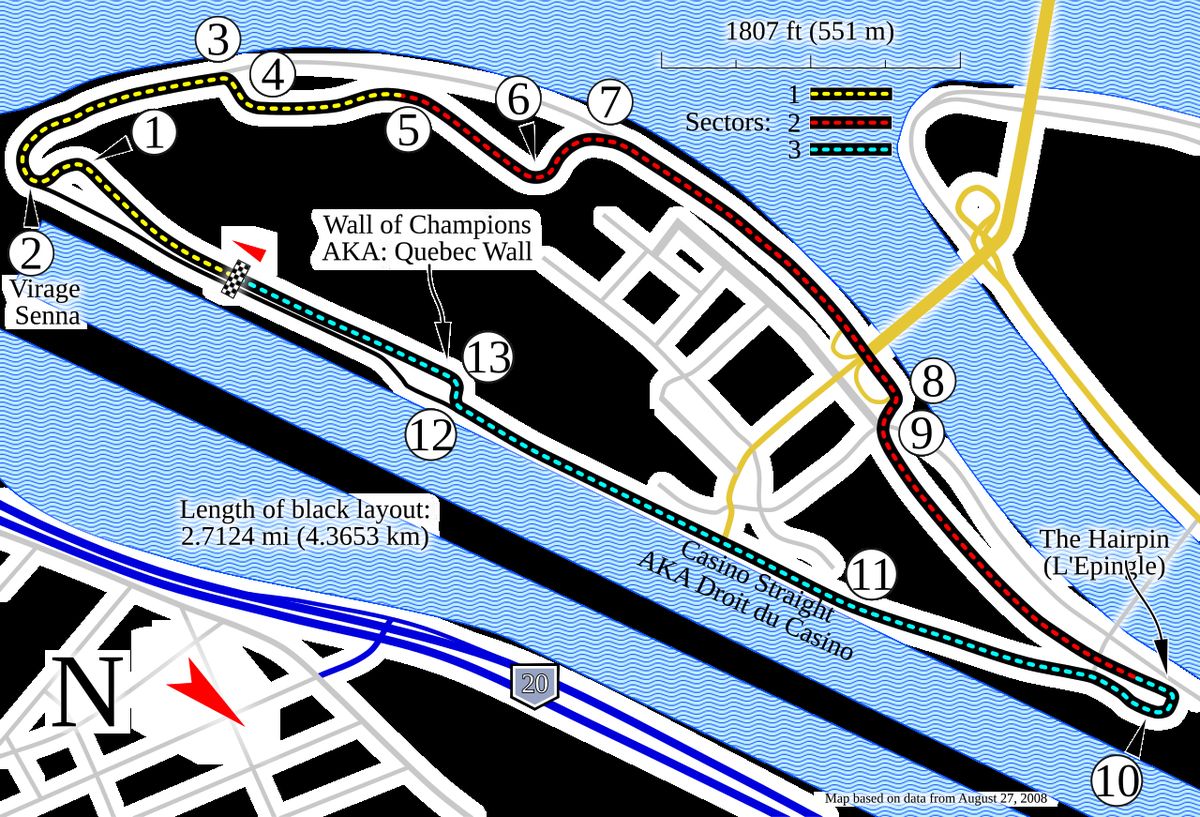
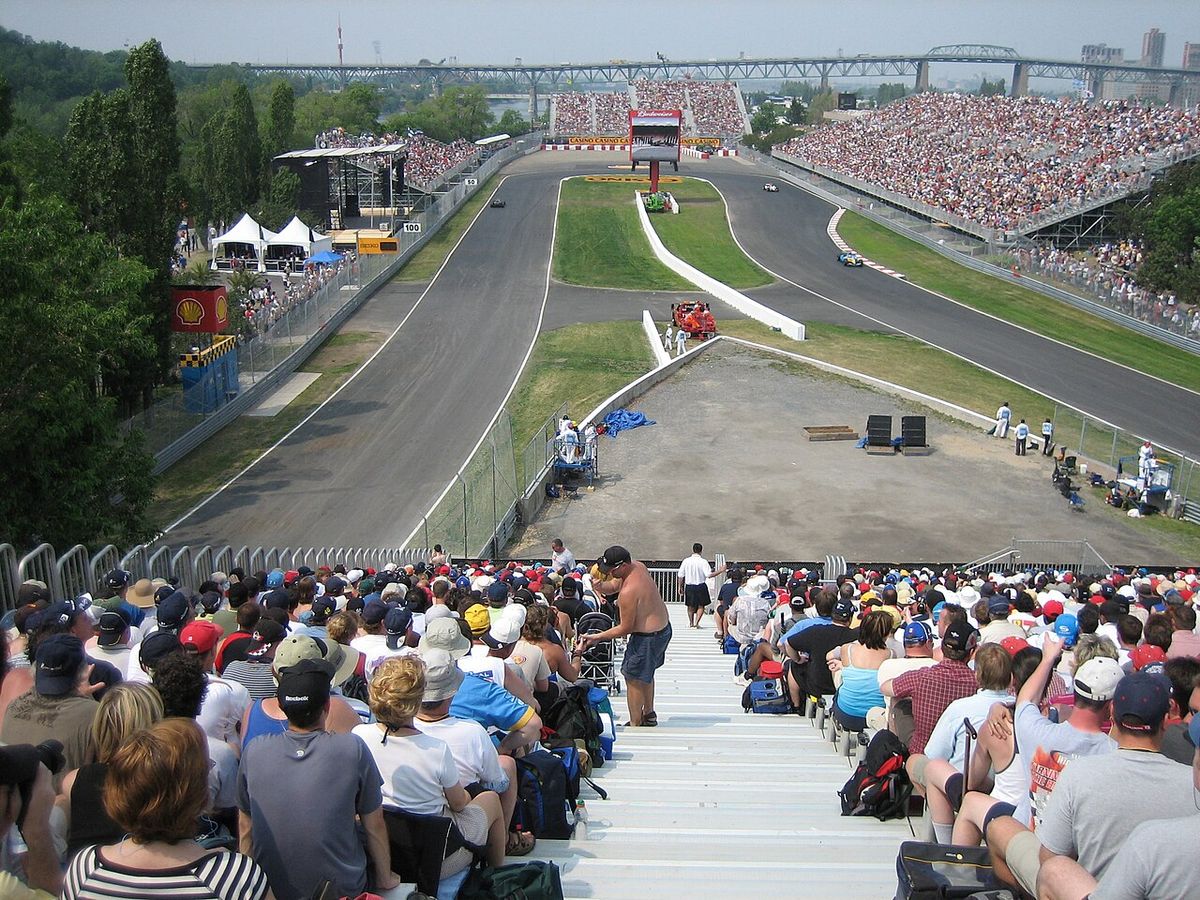
The Circuit Gilles Villeneuve is the island's most famous sporting landmark and a pillar of its identity. The racing circuit, which utilizes the island's internal road network, was opened in 1978 as Circuit Île Notre-Dame. It was renamed in 1982 in honour of Canadian Formula One driver Gilles Villeneuve following his death earlier that year. The circuit's primary event is the annual Formula One Canadian Grand Prix, a major stop on the international racing calendar that draws huge crowds each summer. Historically, the track also hosted the NAPA Auto Parts 200 for NASCAR's Nationwide Series, now known as the O'Reilly Auto Parts Series. When not in use for motorsports, the circuit is open to the public for walking, running, cycling, and in-line skating, integrating elite competition with community recreation. An exhibition dedicated to Gilles Villeneuve immerses visitors in the life of the legendary driver, exploring the man behind the legend, his portrayal on screen, and the lasting legacy he left at the park and across Quebec. The circuit's location on an island provides a distinctive setting for racing, with the surrounding water and Montreal skyline creating a dramatic backdrop for events.
Ongoing Development and Horticulture
Following its industrial creation, a sustained effort was made to naturalize and beautify Notre Dame Island with extensive landscaping. This greening initiative was accelerated in 1980 when the island hosted the Floralies Internationales, a major international horticultural exhibition and competition that gathered plant masterpieces from dozens of countries. The event left a lasting legacy in the form of the Floralies Gardens, which cover more than 25 hectares of the island. These gardens, creatively maintained by the park's gardening team, feature plant specimens from dozens of countries and are accessible from spring through autumn. The unique micro-climate created by the island's network of lagoons allows for the cultivation of plant species that are typically intolerant of Montreal's colder winters. This commitment to horticulture has transformed the artificial landscape into a lush, green space that contrasts with its engineered origins. The city of Montreal has continued to embellish the island with plants and trees over the decades, making it appear increasingly natural and providing a verdant backdrop for all its activities. The gardens are a direct result of international collaboration and remain a living exhibit of global horticultural diversity.
Year-Round Sports and Recreation
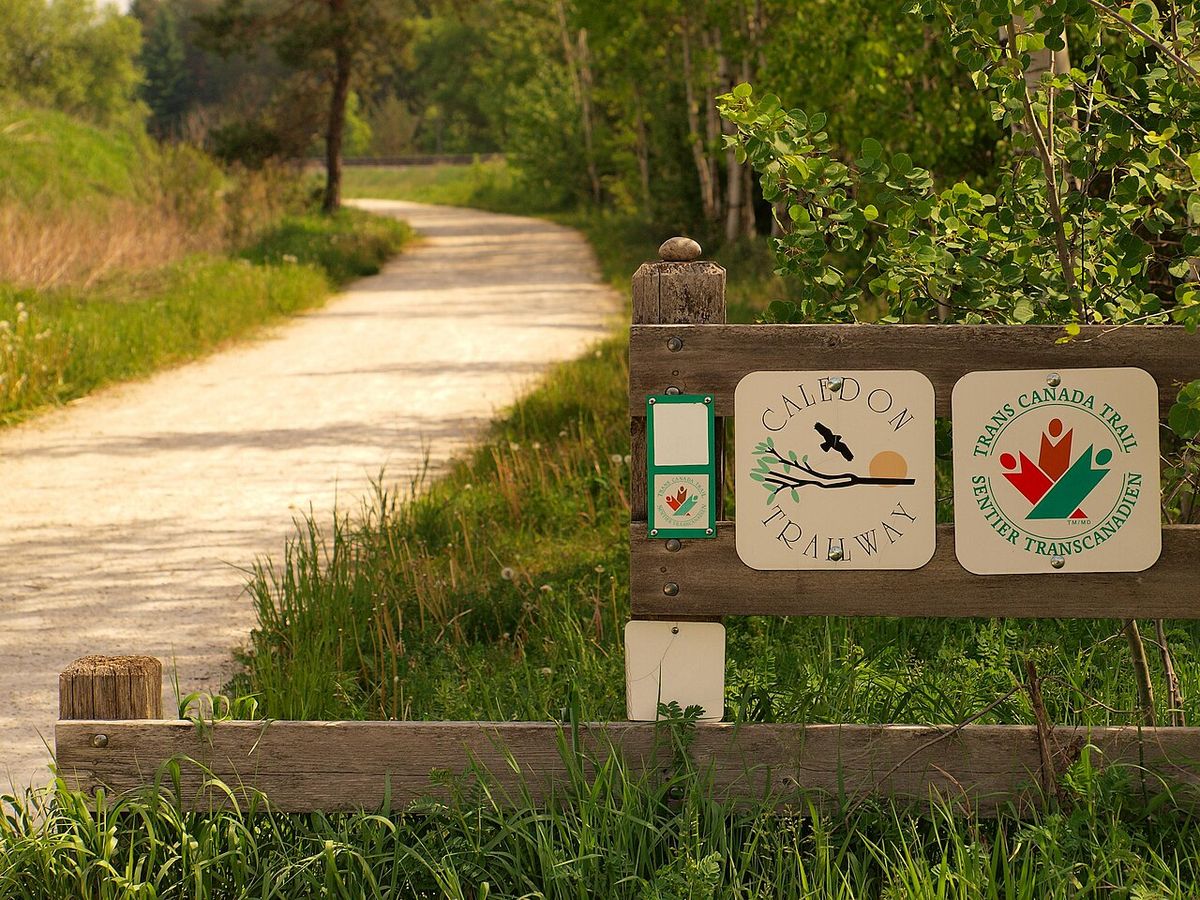
Notre Dame Island serves as a versatile, year-round destination for a wide array of sports and recreational activities. Its facilities and natural features cater to both elite athletes and the general public across all seasons. The park is registered as a leg of both the Route Verte cycling network and the Trans Canada Trail, underlining its importance for national recreational pathways. During the fall and spring, visitor activity is sustained by the Montreal Casino and athletes using the Olympic Basin for rowing and canoeing training. In the coldest part of winter, ice skaters use the basin after city workers clear the snow from its icy surface as part of the annual La Fête des Neiges de Montréal festival, though the main festival ice rink has recently been located on Saint Helen's Island near the metro station. Cross-country skiers and snowshoers can also tour the area on designated trails. The island's role in Montreal's sporting life was highlighted in 2026 as Parc Jean-Drapeau played a central part in the 50th anniversary celebrations of the 1976 Summer Olympics, hosting a diverse and accessible program of sports competitions, training, and festive activities inspired by the spirit of the Games. Summer Activities
- The Olympic Basin is a training and competition venue for rowers and canoeists, having hosted events like the ICF Canoe Sprint World Championships in 1986.
- The southern tip of the island features a small lake with a public beach open for swimming, volleyball, and watercraft rentals during the summer months.
- The extensive path network, including the Circuit Gilles Villeneuve, is popular with cyclists and pedestrians.
- The Mont Boullé play area, inspired by the park's history, offers children a natural space for climbing, running, and exploration, using natural materials and play structures to spark imagination and independence.
- The park offers rental of spaces and halls for private and corporate events, expanding its use beyond public recreation.
Visitor Access and Experience
Notre Dame Island is designed to be highly accessible and offers a varied experience for all types of visitors. Located in the heart of the Saint Lawrence River and just five minutes from downtown Montreal, Parc Jean-Drapeau provides an exceptional setting to escape the city. The park is a true hub of leisure, standing out with a rich and diverse lineup of cultural, sports, and recreational activities that attract thousands of visitors each year in search of nature, entertainment, and discovery. Visitors can arrive by subway via the Jean-Drapeau station on the Yellow Line, by bicycle using the connected trails, by car with multiple paid parking lots available, or even on foot from the adjacent islands. The park administration provides detailed information on parking lot locations such as P1, P2, P4, P7, P10, P13, and P15, with hours that should be verified for availability. Seasonal events like the Lune Noire Halloween experience, set in the Floralies Gardens and featuring a themed boat ride through the canals, offer unique programming. The park's management emphasizes sustainability, universal accessibility, and responsible use of the outdoors, encouraging visitors to engage with the space respectfully across all seasons. The park actively promotes its events and news through a newsletter, ensuring the public stays informed about upcoming activities and opportunities.
Administration and Broader Context
Notre Dame Island is managed as part of Parc Jean-Drapeau by the Société du parc Jean-Drapeau, a para-municipal body of the City of Montreal. This organization is responsible for the maintenance, programming, and development of both Notre Dame and Saint Helen's Islands. The park's significance extends beyond its boundaries, as it is frequently included in broader Montreal heritage and sports tours. For example, in 2026, Héritage Montréal offered guided tours from August 15 to October 25 exploring the heritage of sports sites, including the parks of Notre-Dame-de-Grâce and the Olympic Park area, illustrating how the island fits into the city's wider sporting history. The park's operations are supported by various partners, including different levels of government, similar to community sports initiatives like the free summer sports programming for youth in the Côte-des-Neiges-Notre-Dame-de-Grâce borough. That borough program, which runs from June 30 to August 21, 2026, offers multi-sport activities, indoor basketball, and skateboard rentals, and receives support from Sport et Loisir de l’île de Montréal, the Government of Québec, and the City of Montréal. This administrative and community network ensures the island remains a vital, well-maintained, and dynamic asset for Montreal, connecting it to a larger ecosystem of public recreation and civic engagement.
Notable Features and Landmarks
Beyond its major venues, Notre Dame Island contains several distinct features that contribute to its character and visitor appeal. The Montreal Casino operates within the gutted and redecorated shells of the former France and Quebec pavilions from Expo 67, representing a significant adaptive reuse of the fair's architecture. The Floralies Gardens, covering over 25 hectares, are a direct legacy of the 1980 horticultural exhibition and remain a major attraction with their creatively arranged plant collections. The Mont Boullé play area is specifically designed to give children the freedom to play their own way, using natural materials and structures inspired by the park's history. The island's southern beach and lake provide a rare freshwater swimming opportunity within the city limits. The network of lagoons crisscrossing the island not only creates a favourable micro-climate but also adds to the scenic quality of the landscape. These features, combined with the well-known Circuit Gilles Villeneuve and the Olympic Basin, create a destination that blends high-performance sport with family-friendly leisure and natural beauty, all on a man-made island in the Saint Lawrence River.
Questions about Notre Dame Island
How do I get to Notre Dame Island in Montreal?
Notre Dame Island is located in the Saint Lawrence River, just five minutes from downtown Montreal. The most direct public transit route is the Montreal Metro's Yellow Line to the Jean-Drapeau station. Visitors can also arrive by car, with several parking lots available on the island, or by bicycle using the network of paths that connect to the Route Verte and Trans Canada Trail. The island is part of Parc Jean-Drapeau, which is accessible on foot from the neighbouring Saint Helen's Island via connecting bridges.
What major sporting events are held at Notre Dame Island?
The island's premier event is the Formula One Canadian Grand Prix, held each summer on the Circuit Gilles Villeneuve. The circuit also previously hosted NASCAR's Nationwide Series. The Olympic Basin, built for the 1976 Summer Olympics, continues to host elite rowing and canoeing competitions, including the ICF Canoe Sprint World Championships in 1986. The park's facilities support a wide range of activities, and in 2026, it was a focal point for events celebrating the 50th anniversary of the Montreal Olympic Games, featuring sports competitions and training activities.
Can you visit the Circuit Gilles Villeneuve when there is no race?
Yes, when the Circuit Gilles Villeneuve is not being used for official motorsport events, it is open to the public. The track's paved surface and surrounding paths are popular for walking, running, biking, and in-line skating. This allows visitors to experience the famous race track at their own pace and enjoy views of the Saint Lawrence River and the Montreal skyline. The circuit is integrated into the park's broader network of recreational trails.
What happened to the buildings from Expo 67 on the island?
Most of the Expo 67 pavilions on Notre Dame Island were demolished in 1975 to make way for the Olympic Basin for the 1976 Summer Games. Two significant structures were preserved and repurposed. The combined pavilions of France and Quebec were completely renovated and transformed into the Montreal Casino, which is now a major entertainment venue. The former Canadian Pavilion was adapted to serve as the administrative headquarters for the Société du parc Jean-Drapeau, the organization that manages the park.
Are there gardens or natural areas on the artificial island?
Yes, Notre Dame Island features the expansive Floralies Gardens, created for the 1980 Floralies Internationales horticultural exhibition. These gardens cover over 25 hectares and feature a diverse collection of plants from around the world, creatively arranged and maintained by park staff. A unique micro-climate created by the island's lagoons allows for the growth of plants not typically suited to Montreal's climate. The gardens are open to the public from spring through autumn, offering a lush, green escape that contrasts with the island's engineered origins.
What is there to do on Notre Dame Island in the winter?
During winter, visitors can ice skate on the Olympic Basin and use the area for cross country skiing and snowshoeing. The Olympic Basin, North America's largest artificial rowing basin, is repurposed as a rink when frozen. City workers clear snow from its surface for the annual La Fête des Neiges de Montréal winter festival. In recent years, the official festival ice rink has been located on neighbouring Saint Helen's Island. Nonetheless, the trails on Notre Dame Island itself are available for cross country skiers and snowshoers to tour the area during the coldest months.
Sources and further reading
- Notre Dame Island (Wikipedia)
- Parc Jean-Drapeau: Things to do at the Parc (parcjeandrapeau.com)
- Sports, community and opportunity take centre stage at ... (montreal.citynews.ca)
Checked by the Garbutt Disposal desk. Last updated 2026-10-25.