Circuit Gilles Villeneuve
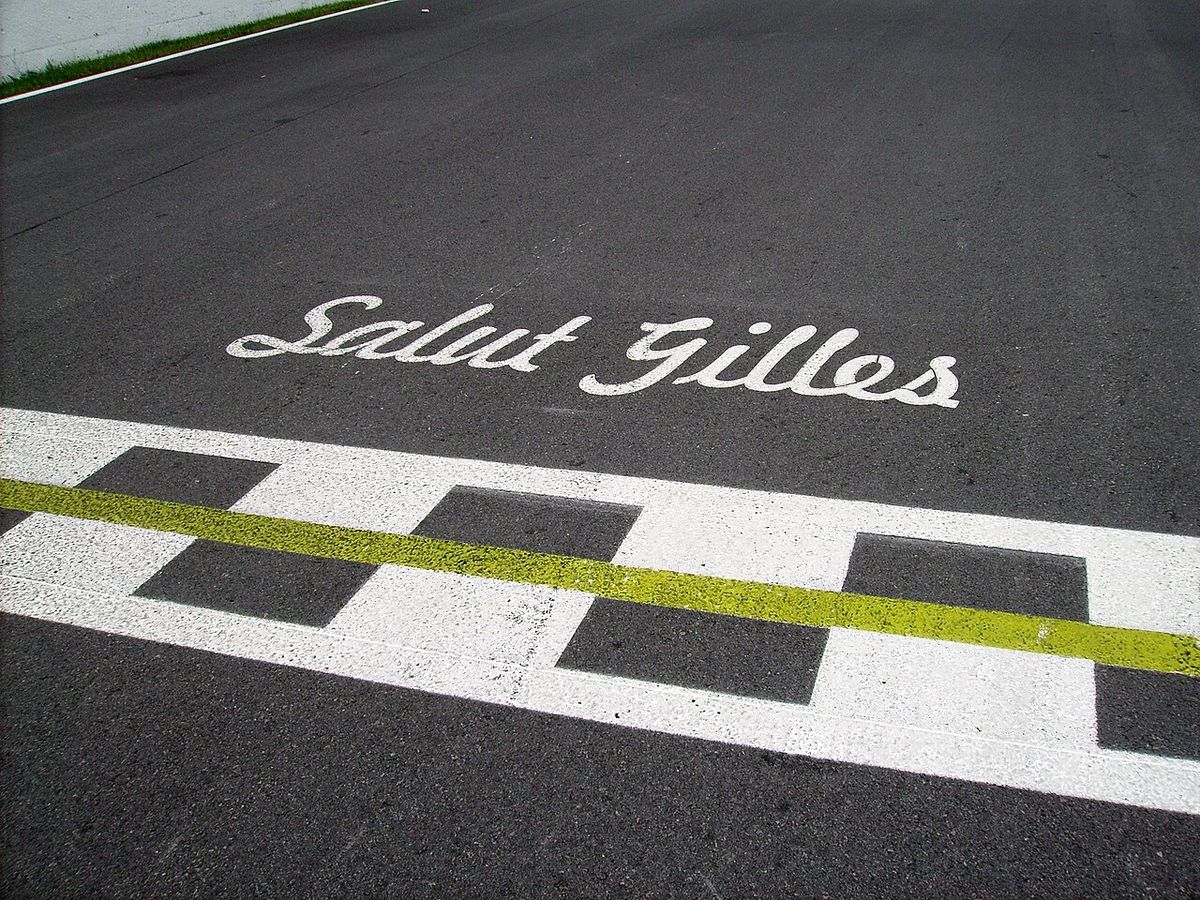
The Circuit Gilles Villeneuve is a 4.361-kilometre motor racing circuit located on Notre Dame Island in Montreal, Quebec. It is the permanent home of the Formula One Canadian Grand Prix, a major event on the international motorsport calendar and a significant point of national pride for Canadian racing fans. The circuit, built in 1978 and renamed in 1982 to honour the late Canadian Formula One driver Gilles Villeneuve, is situated within the expansive Parc Jean-Drapeau. Over its history, the track has also hosted prominent series including the NASCAR Xfinity Series, the Champ Car World Series, and the World Sportscar Championship, establishing its reputation as a versatile and demanding venue.
History and Development
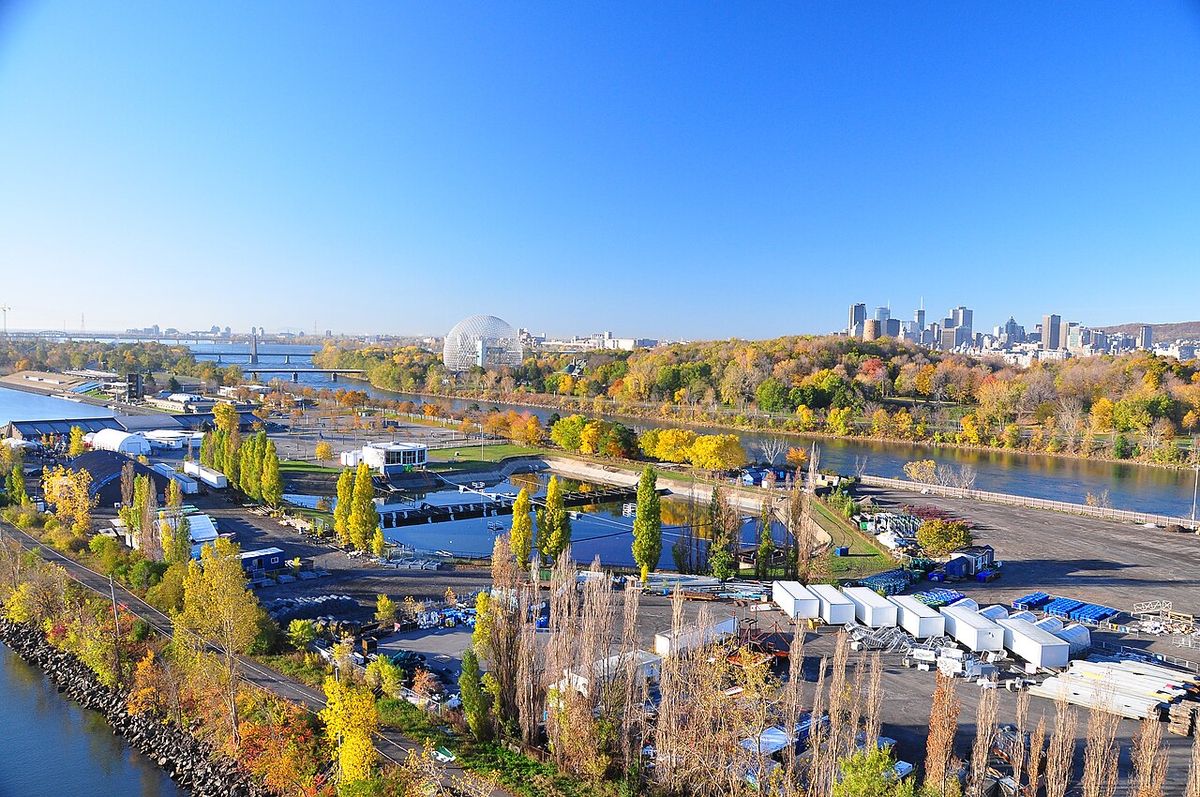
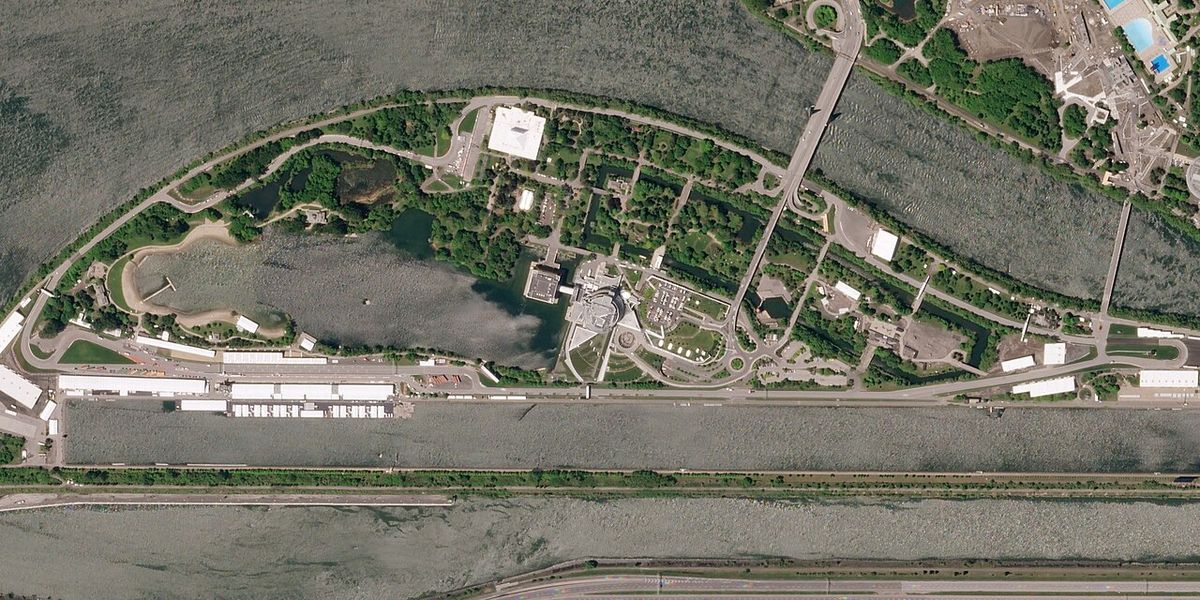
The circuit was originally constructed and completed in 1978 under the name Île Notre-Dame Circuit to host the Canadian Grand Prix, which was moved from Mosport Park due to safety concerns following the 1977 event. The first Formula One race at the new venue was held that same year and was won by Quebec's own Gilles Villeneuve, driving for Ferrari, in front of an enthusiastic home crowd. The island itself is man-made, having been built up from the St. Lawrence River for the Expo 67 world's fair, and the track layout incorporates the Olympic Basin created for the rowing and canoeing events of the 1976 Summer Olympics. In a tribute following his death earlier in the year, the circuit was renamed Circuit Gilles Villeneuve in 1982 to honour the memory of the Canadian driver, who was the father of future champion Jacques Villeneuve.
After running continuously for over two decades, the Canadian Grand Prix was dropped from the 2009 Formula One calendar and replaced with the inaugural Abu Dhabi Grand Prix. However, a swift settlement was reached, and on November 27, 2009, Quebec officials and race promoters announced a settlement with Formula One Administration and signed a new five-year contract to bring the race back from 2010 through 2014. The event has remained a fixture ever since, with the 2011 race entering the record books as the longest Formula One World Championship Grand Prix in history at over four hours due to extensive rain delays. The circuit's infrastructure has seen significant updates, including the complete demolition and reconstruction of the paddock area over the winter of 2018-19, replacing a structure that had been in use since 1988. The facility is part of Parc Jean-Drapeau, named for the Montreal mayor who was responsible for organizing Expo 67.
Circuit Layout and Notable Features
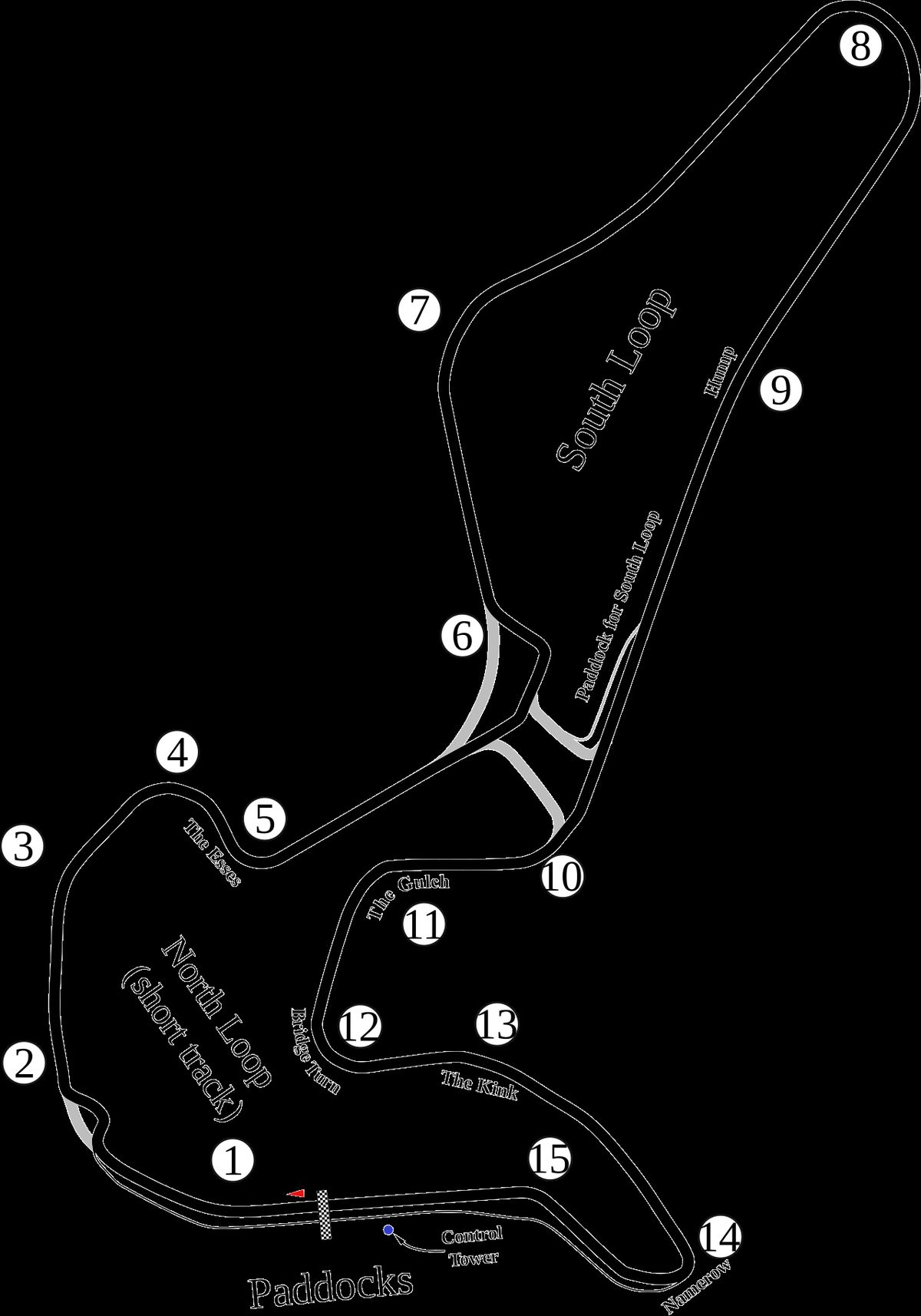
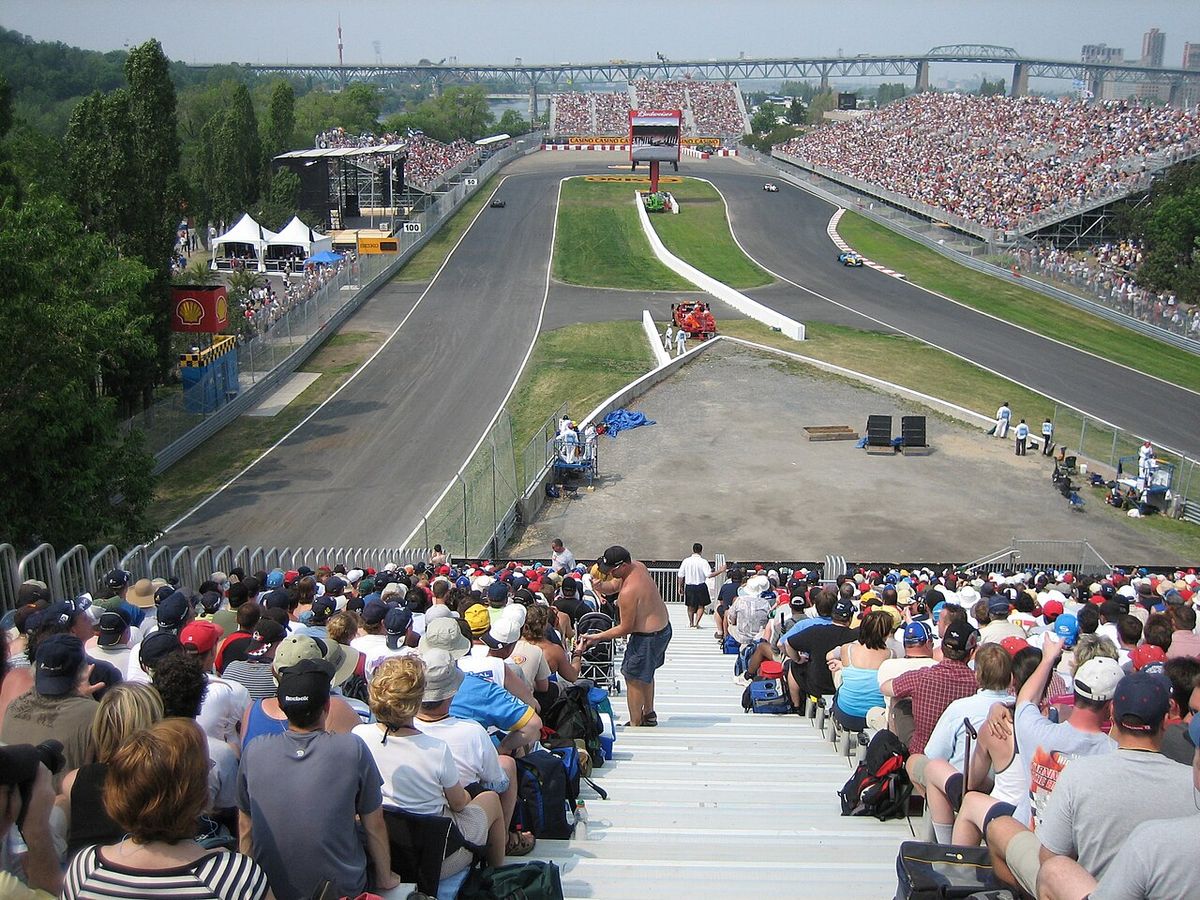
The 4.361 km track is known for its combination of long straights, heavy braking zones, and technical chicanes, demanding both engine power and driver precision. The circuit begins with the Senna 'S', a complex of Turns 1 and 2 named for the late Ayrton Senna, which together form an 'S' shape from a bird's eye view. A fast run leads past the remnants of Expo 67, including the Biosphere, and alongside the Olympic Basin to the Pont de la Concorde corner (Turn 8), a quick kink before the approach to the circuit's prime overtaking spot. The best passing opportunity comes at the 180-degree Hairpin curve (Turn 10), where late braking and different racing lines often lead to dramatic manoeuvres directly in front of packed grandstands, and braking too late can send cars into the runoff area.
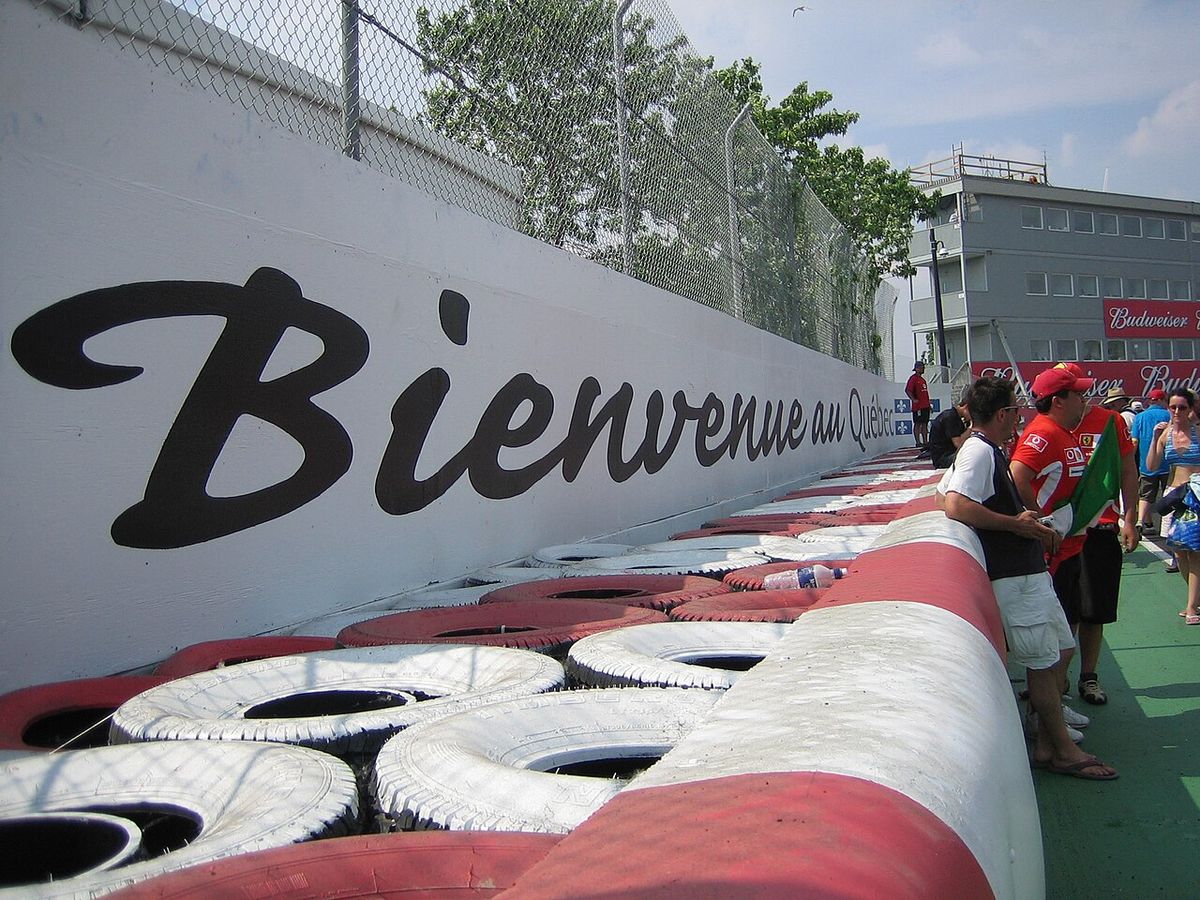
The final sequence is the most famous and treacherous section of the track. The long straight after the hairpin leads into the final chicane (Turns 12 and 13), another passing zone where many duels occur, which feeds directly into the exit of Turn 14 and the start-finish straight. The outside wall at this exit is infamously known as the 'Wall of Champions'. The nickname originated during the 1999 Grand Prix when former world champions Damon Hill, Michael Schumacher, and Jacques Villeneuve, along with FIA GT champion Ricardo Zonta, all crashed there. Subsequent champions like Jenson Button in 2005 and four-time champion Sebastian Vettel in 2011 also became victims of the wall, which is often adorned with Tourisme Québec advertising such as 'Bienvenue au Québec'.
- Senna 'S' (Turns 1 & 2): A technical, medium-speed chicane that forms an 'S' shape from an aerial view.
- Pont de la Concorde (Turn 8): A very fast right-hand kink taken after the bridge underpass, leading to Turn 9 and the rush to the hairpin.
- The Hairpin (Turn 10): A full 180-degree corner requiring heavy braking and full wheel lock, serving as the main overtaking spot due to engine differences and driver skill.
- Wall of Champions (Turn 14 exit): The unforgiving concrete barrier on the outside of the final corner, notorious for catching out world champions and often bringing out the Safety Car.
Layout Evolution and Safety Modifications
The circuit's character has evolved significantly since its opening. For the first few years of its existence, the track consisted of technical, medium speed chicanes and a relatively low overall lap speed. However, over the years the circuit has transformed into a power track, with straight line speed being very much a priority. A major change occurred between 1986 and 1988, with a one-year hiatus occurring in 1987, when the pitlane and start-finish straight were relocated from the hairpin to the exit of the fast right-left chicane, which became the final corner. In 1994, after the fatal crashes of Roland Ratzenberger and Ayrton Senna at Imola earlier in the year, a chicane was inserted between the Casino corner and the hairpin to decrease top speed. The 1996 race saw both the chicane and the Casino corner removed and the layout changed, turning the run from the hairpin at the bottom of the circuit into a straight.
The arrival of NASCAR events in 2007, following a deal that granted promoter Normand Legault exclusive rights to stage race weekends from 2007 to 2011, necessitated further modifications. This included a significant expansion of the pit lane to accommodate a minimum of 43 NASCAR cars. Earlier, in 2002, the exit of the pit lane was changed to make it safer for drivers rejoining the track, which also shortened the circuit length. In 2005, controversial changes were made to the curbs on the final chicane, making them higher and more difficult for drivers to see. In 2017, to meet new FIA safety requirements and cope with the higher cornering speeds of new-generation Formula One cars, extensive updates were made, including the removal of older tire barriers and installation of Tecpro barriers, and the angle of the final chicane exit was modified after being deemed dangerous.
Major Racing Series and Events
While the Formula One Canadian Grand Prix is the circuit's main event, the venue has a rich history of hosting other major racing categories. It was a regular stop for the Champ Car World Series, hosting the Grand Prix of Montreal from 2002 to 2006. The track made history on August 4, 2007, by hosting the first NASCAR Busch Series (now Xfinity Series) race held north of the Canada-United States border, the NAPA Auto Parts 200, which was won by Kevin Harvick in a controversial finish where Robby Gordon also claimed victory. The 2008 NASCAR race at the circuit made further history as the first NASCAR race to be run on rain tires. The Grand-Am Rolex Sports Car Series held the Montreal 200 at the circuit from 2007 to 2012.
The circuit continues to be a hub for motorsport, supporting the Formula One weekend with the FIA Formula 2 Championship and F1 Academy. It is scheduled to add the FIA Formula 3 Championship in 2027. A wide variety of other series have competed there over the decades, demonstrating the track's versatility. These include the Atlantic Championship which ran from 1978 to 1983 and again in 1986 and from 1988 to 2006, the Canadian Superbike Championship in 2004, and the World Sportscar Championship, which held the 480 km of Montreal in 1990. The Ferrari Challenge North America has been a frequent participant, and the Porsche Carrera Cup North America is scheduled for 2024 and 2025.
- Champ Car World Series: Grand Prix of Montreal from 2002 to 2006.
- NASCAR Xfinity Series: NAPA Auto Parts 200 from 2007 to 2012.
- Grand-Am Rolex Series: Montreal 200 from 2007 to 2012.
- FIA Formula 2 & F1 Academy: Current support events for the F1 weekend in May.
- Ferrari Challenge North America: Frequent participant from 1996 to 2019 and 2022 to 2024.
- Porsche Carrera Cup North America: Scheduled for 2024 and 2025.
- Other Series: Barber Pro Series (2002 to 2003), Star Mazda Championship (2005 to 2006), Trans-Am Series (2005), SCCA Motorola Cup (1998).
Lap Records and Performance Comparison
The Circuit Gilles Villeneuve provides a clear benchmark for comparing the performance of different racing series. The disparity in speed was evident in 2006, the last year both Formula One and Champ Car ran on the track, where Formula One cars were five to seven seconds per lap faster. Kimi Räikkönen set the fastest Formula One race lap that year at 1:15.841, while Sébastien Bourdais's fastest Champ Car lap was 1:22.325. The fastest official race lap record for Formula One is 1:11.459, set by Lewis Hamilton during the 2017 Canadian Grand Prix, which also earned him his 65th pole position, tying him with Ayrton Senna. However, the absolute fastest lap ever recorded at the circuit is Sebastian Vettel's qualifying time of 1:10.240 from the 2019 event, though this is not classified as an official race record.
Other series have set their own benchmarks. The Rolex Sports Car Series record is 1:32.620, set by Scott Pruett driving for Chip Ganassi Racing in a Daytona Prototype in 2010. In NASCAR competition, Patrick Carpentier posted a pole time of 1:42.086 for the 2007 NAPA Auto Parts 200, and Alex Tagliani later set a pole time of 1:40.865 for the 2012 edition. The table below lists the official race lap records for major categories as of May 2026, allowing for direct comparison between different types of racing machinery on the same challenging layout.
| Class | Driver | Vehicle | Time | Date |
|---|---|---|---|---|
| Formula One | Lewis Hamilton | Mercedes AMG F1 W08 EQ Power+ | 1:11.459 | 2017 |
| Champ Car | Sébastien Bourdais | Lola B02/00 | 1:22.325 | 2006 |
| Daytona Prototype | Scott Pruett | Riley Mk XX | 1:32.620 | 2010 |
Public Use and Accessibility
Outside of race weekends, the Circuit Gilles Villeneuve is integrated into the recreational offerings of Parc Jean-Drapeau and is open to the public for walking, running, cycling, and in-line skating. This transforms the world-class racing venue into a peaceful recreational path for Montrealers and visitors, set amidst the greenery and wildlife of Notre Dame Island in the middle of the St. Lawrence River. The contrast is stark between the roaring engines of Grand Prix weekend, when Notre Dame Island becomes one of the noisiest places in Montreal, and the quiet, natural setting enjoyed for most of the year. Access for competitive cycling was temporarily restricted on June 4, 2009, when administration forbade access, citing security measures to avoid increasing injuries reported between 2008 and 2009, with a total of 27 injuries reported. The ban on cyclists was lifted due to protests, and the circuit remains a popular and unique destination for fitness enthusiasts to experience a famous track at their own pace.
Related Race Tracks in the Montreal Area
The Circuit Gilles Villeneuve is not the only racing venue in the greater Montreal region, with several other tracks having played roles in Canadian motorsport history. Circuit Mont-Tremblant, located in the Laurentian Mountains, hosted the Canadian Grand Prix in 1968 and 1970 before the event moved to Mosport and later to Montreal. The Sanair Super Speedway, a tri-oval and road course complex in Saint-Pie, Quebec, has been a venue for drag racing and stock car events. More recently, Circuit ICAR, located at the Mirabel airport, has been developed as a multi-purpose motorsports complex hosting everything from karting to sports car racing. These tracks, along with the Circuit Gilles Villeneuve, form a network of racing facilities that serve Quebec's active motorsport community.
Questions about Circuit Gilles Villeneuve
What is the 'Wall of Champions'?
The 'Wall of Champions' is the nickname for the concrete barrier on the outside of the exit of the final chicane (Turn 14) at Circuit Gilles Villeneuve. It earned its name during the 1999 Canadian Grand Prix when three former Formula One World Champions, Damon Hill, Michael Schumacher, and Jacques Villeneuve, along with FIA GT champion Ricardo Zonta all crashed into it during the race. The wall is often marked with advertising by Tourisme Québec, previously saying 'Bienvenue au Québec'. Since then, other champions like Jenson Button in 2005 and Sebastian Vettel in 2011 have also hit the wall, cementing its reputation as a notorious challenge.
What other major races have been held at the circuit besides Formula One?
Circuit Gilles Villeneuve has hosted a diverse array of racing series. It was the venue for the Champ Car World Series' Grand Prix of Montreal from 2002 to 2006. From 2007 to 2012, it hosted the NASCAR Nationwide Series (now Xfinity Series) for the NAPA Auto Parts 200, marking NASCAR's first points race in Canada. The Grand-Am Rolex Sports Car Series also held the Montreal 200 during those same years. Other notable events have included the World Sportscar Championship's 480 km of Montreal in 1990, the Atlantic Championship for many years, the Canadian Superbike Championship in 2004, and the Ferrari Challenge North America across numerous seasons.
Can you drive or bike on the circuit when there is no race?
Yes, during the vast majority of the year when no racing events are taking place, the Circuit Gilles Villeneuve is open to the public as part of Parc Jean-Drapeau. The track surface is used as a recreational path for walking, running, cycling, and in-line skating. This provides a unique opportunity for the public to experience the famous layout firsthand. There was a temporary ban on competitive cycling imposed on June 4, 2009, due to safety concerns after 27 injuries were reported between 2008 and 2009, but it was lifted after protests, and the circuit remains a popular destination for cyclists and other recreational users.
Why is the circuit named after Gilles Villeneuve?
The circuit is named after Gilles Villeneuve to honour the Canadian Formula One driver following his death in 1982. Originally built and finished in 1978 as the Île Notre-Dame Circuit, it was renamed later that same year. Villeneuve was a hometown hero from Quebec who won the inaugural Formula One Canadian Grand Prix at this circuit in 1978 while driving for Scuderia Ferrari. He is also the father of fellow Formula One driver Jacques Villeneuve. The renaming served as a fitting tribute to his legacy and his historic victory at the venue.
Has the Canadian Grand Prix ever been cancelled?
Yes, the Canadian Grand Prix has been cancelled or dropped from the calendar on several occasions. It was notably dropped from the 2009 Formula One calendar and replaced with the inaugural Abu Dhabi Grand Prix. This followed over two decades of the race being held uninterrupted in Montreal. However, a settlement was announced on November 27, 2009, and a new five year contract was signed for the 2010 to 2014 seasons, ensuring its return. Prior to its move to Montreal in 1978, the Canadian Grand Prix had been part of the Formula One World Championship for 10 years, held at other Canadian circuits like Mosport Park and Mont Tremblant.
Who holds the lap record at Circuit Gilles Villeneuve?
The fastest ever lap around the circuit is a 1:10.240 set by Sebastian Vettel during qualifying for the 2019 Canadian Grand Prix, though this is not an official race lap record. The official Formula One race lap record is 1:11.459, set by Lewis Hamilton during the 2017 Canadian Grand Prix, which also earned him pole position. For other series, the track record for the Rolex Sports Car Series is 1:32.620 set by Scott Pruett in 2010. In 2006, the fastest Champ Car lap was 1:22.325 by Sébastien Bourdais, while Formula One was significantly faster, with Kimi Räikkönen setting a 1:15.841.
Sources and further reading
- Circuit Gilles Villeneuve (Wikipedia)
- Circuit Gilles-Villeneuve (parcjeandrapeau.com)
- Circuit Gilles Villeneuve: History, Capacity, Events & ... (sportsmatik.com)
- Circuit Gilles Villeneuve, Montreal (topdraw-corporate.com)
- Everything you need to know about Montréal's Formula 1 ... (mtl.org)
Checked by the Garbutt Disposal desk. Last updated 2026-10-18.