Montreal Biodome
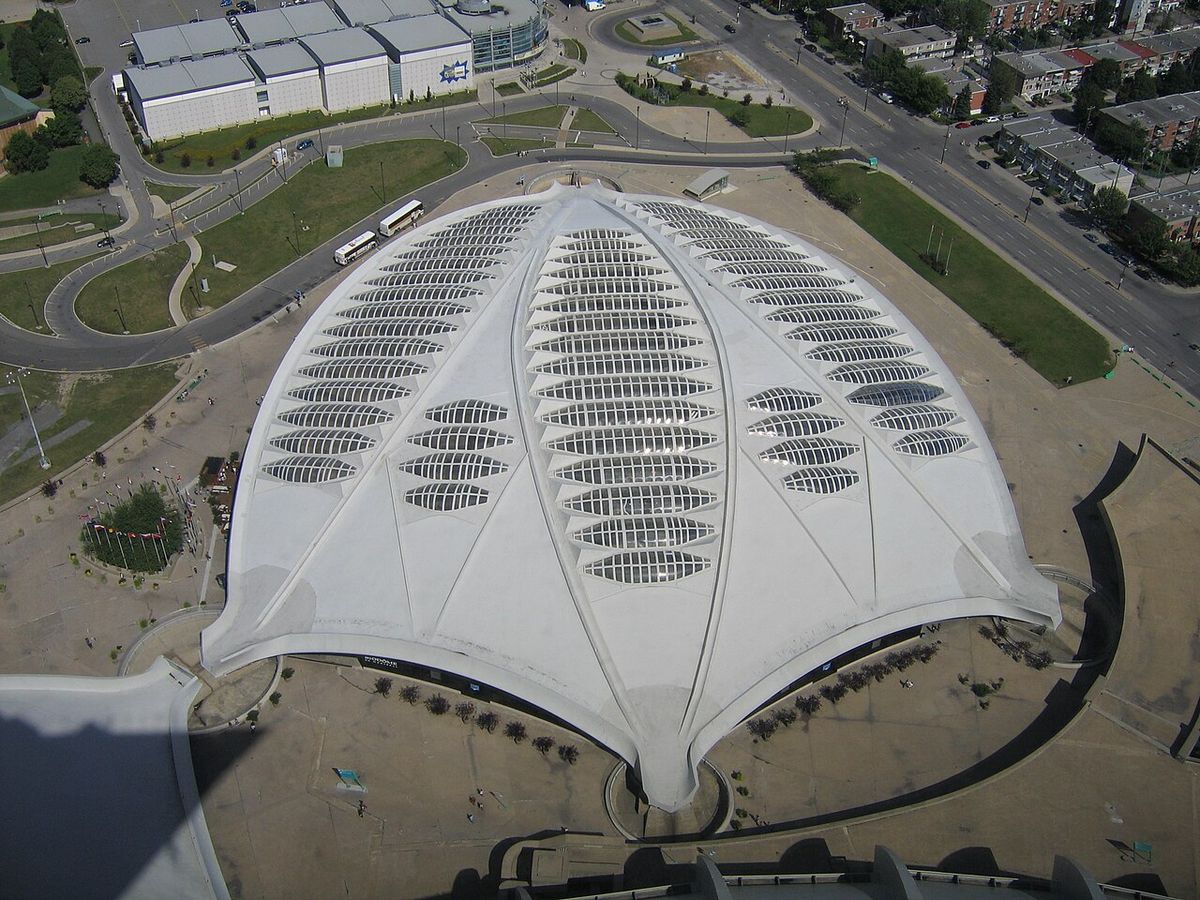
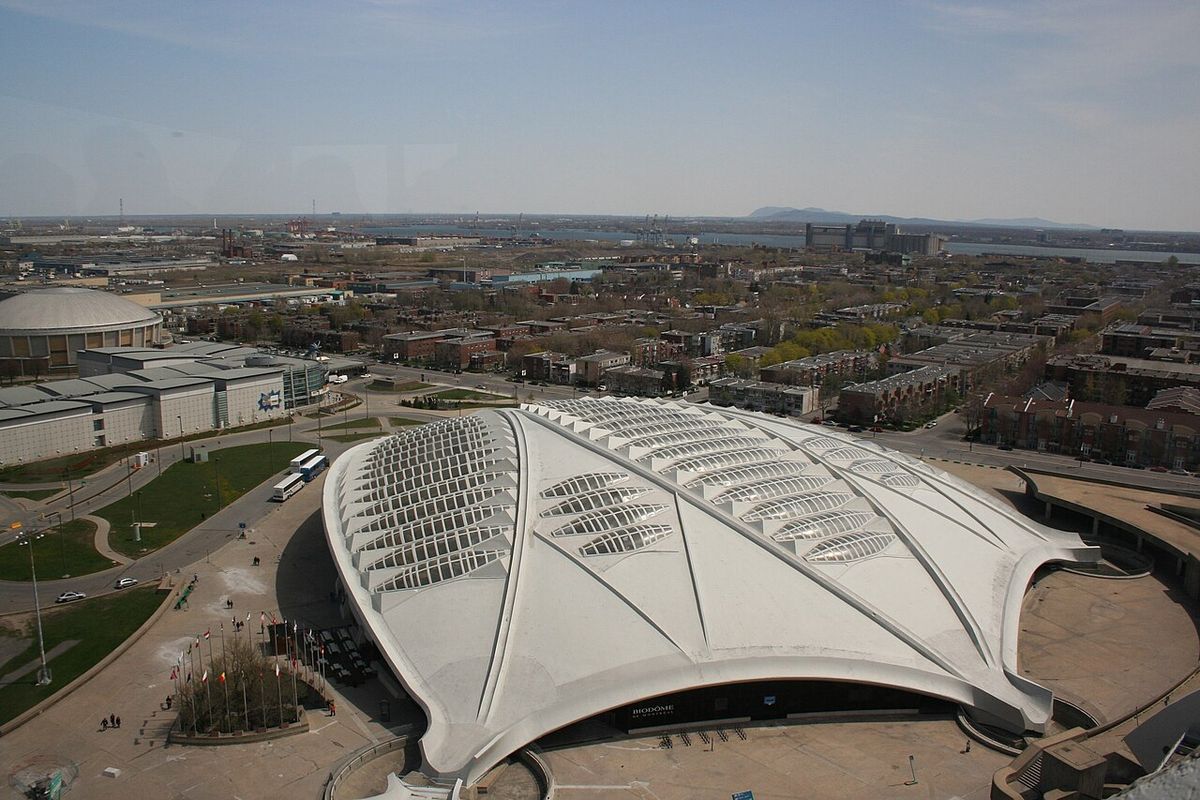
The Montreal Biodome is a major museum of enclosed ecosystems located in Montreal's Olympic Park. Originally built as a velodrome for the 1976 Summer Olympics, it was transformed into a facility that allows visitors to walk through replicas of five distinct ecosystems found in the Americas. As a core component of the Space for Life museum complex, Canada's largest natural science museum network, the Biodome has a significant role in public education and species conservation. It is an accredited member of both the Association of Zoos and Aquariums and Canada's Accredited Zoos and Aquariums, which confirms its commitment to high standards in animal care and environmental stewardship.
History and architectural transformation
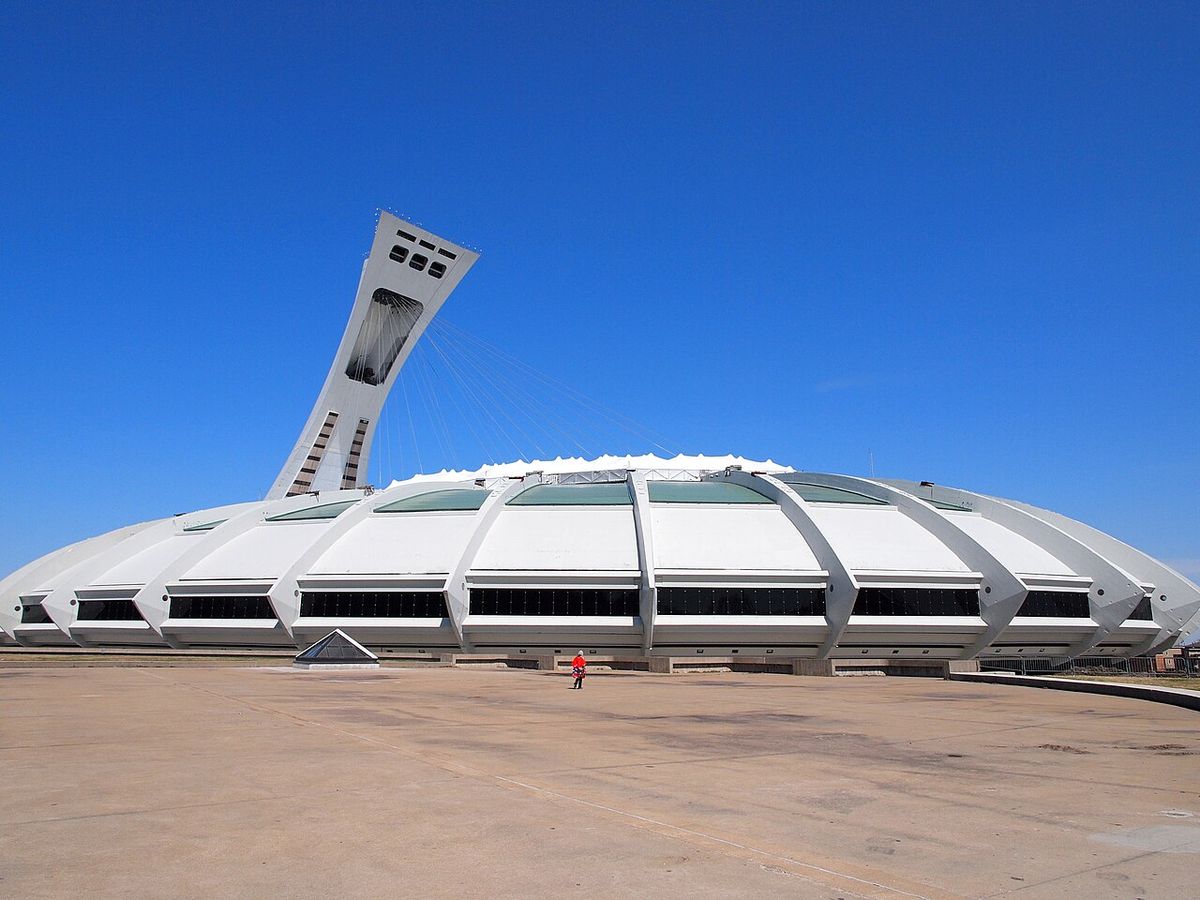
The Montreal Biodome's history is intrinsically linked to the 1976 Olympic Games. The structure was designed by French architect Roger Taillibert as part of his larger plan for the Olympic Park complex, which also included the Montreal Olympic Stadium and the Olympic pool. Construction of the combined velodrome and judo facility began in August 1973, and the venue opened officially in April 1976, featuring 2,600 seats for track cycling events. Following the Olympics, the future of the velodrome was uncertain until a feasibility study in 1988 proposed its conversion into a biodome, an idea inspired by then-mayor Pierre Bourque after he helped organize the Floralies Internationales de Montréal horticultural exhibition in the building. Renovations commenced in 1989, and the facility reopened to the public as the Montreal Biodome on June 18, 1992, becoming a museum focused on enclosed ecosystems rather than a closed ecological system like Biosphere 2 in Arizona.
An audio guide system was introduced in the summer of 2003, letting visitors get information about what they were viewing in French, Spanish, or English for adults, or French or English for children, while also providing the facility with statistics on visitor interests. Plans for a major renovation were announced in October 2015 as part of Montreal's 375th anniversary celebrations, with an initial closure scheduled from September 2016 to December 2017 for both the Biodome and the Insectarium. These plans were disrupted when the mayor of Montreal cancelled the renovation contract in August 2016 because the bids received were much higher than the initial estimates. After a new bidding process, the Biodome finally closed for renovations on April 2, 2018. The project faced multiple delays, first due to a shortage of supplies and specialized labourers, which pushed the reopening from September 2019 to December 2019 and then to the spring of 2020, and then further because of the COVID-19 pandemic. The Biodome ultimately reopened to the public on August 31, 2020.
Renovation challenges and new features
The renovation period from 2018 to 2020 was a difficult chapter for the Biodome's animal collection. During the two-year process, 76 animals died from various causes directly related to the temporary conditions and moves required by construction. A weasel infiltrated a temporary bird enclosure and killed many birds, while the mesh used in a separate temporary bat enclosure injured many bats, with around 50 not surviving their injuries. Other animal deaths were caused by a disease outbreak among a different group of birds, and a monkey and a small penguin also died for reasons that were not determined. To mitigate potential harm, the Biodome decided not to bring back four king penguins who had been transferred to the Calgary Zoo for the duration of the renovations. These events highlighted the complex challenges of maintaining living collections during major infrastructure work.
The completed renovation introduced several new features designed to improve the visitor experience and provide deeper insight into the Biodome's operations. A key technological addition was the release of a mobile app, offering augmented reality features and more in-depth information about the different plants and animals. Physically, new walkways were installed in the Tropical Rainforest and Laurentian Maple Forest ecosystems, and an ice tunnel was constructed to lead visitors into the Sub-Antarctic Islands exhibit. A major architectural change was the creation of a new upper mezzanine, which features a permanent exhibition offering a behind-the-scenes glimpse into the scientific and operational workings of the Biodome. This mezzanine also allows for a view into three of the five ecosystems below, providing a new perspective on the habitats. These upgrades were implemented alongside the facility's existing geothermal heating system, which remains Canada's largest and dramatically reduces the facility's greenhouse gas emissions.
Detailed ecosystem exhibits and habitats
The core experience of the Montreal Biodome is a journey through five meticulously recreated ecosystems of the Americas, each with distinct climates, flora, and fauna. Visitors walk through these environments in a single, continuous path. The exhibits are designed not just for display but to foster an understanding of ecological interdependence and the specific conservation challenges facing each region. The facility is one of only two large-scale enclosed ecosystem structures in the Western Hemisphere, the other being Biosphere 2, but its key mission is conservation and public education as a museum.
The Tropical Rainforest, housed in the Aisha-Savoie-Weider Gallery named after a donation from the Savoie-Weider family, is the largest ecosystem at 2,600 square metres. It maintains a humid, warm climate with daytime temperatures between 25 and 28 degrees Celsius and 70 to 80 percent humidity, which is usually higher than in the rest of Montreal. This densely populated habitat is home to many fish, amphibian, reptile, bird, and mammal species, including capybaras, emperor tamarins, blue-and-yellow macaws, and tropical gar. The Laurentian Maple Forest spans 1,500 square metres and replicates a typical Quebec maple forest, similar to those in La Mauricie National Park, with a mix of deciduous and coniferous trees. This replica shifts with the seasons to replicate the annual cycle of a real forest and contains both terrestrial and aquatic habitats. It is a centre for conservation work focused on local vulnerable species, with a particular focus on three animals and two plants.
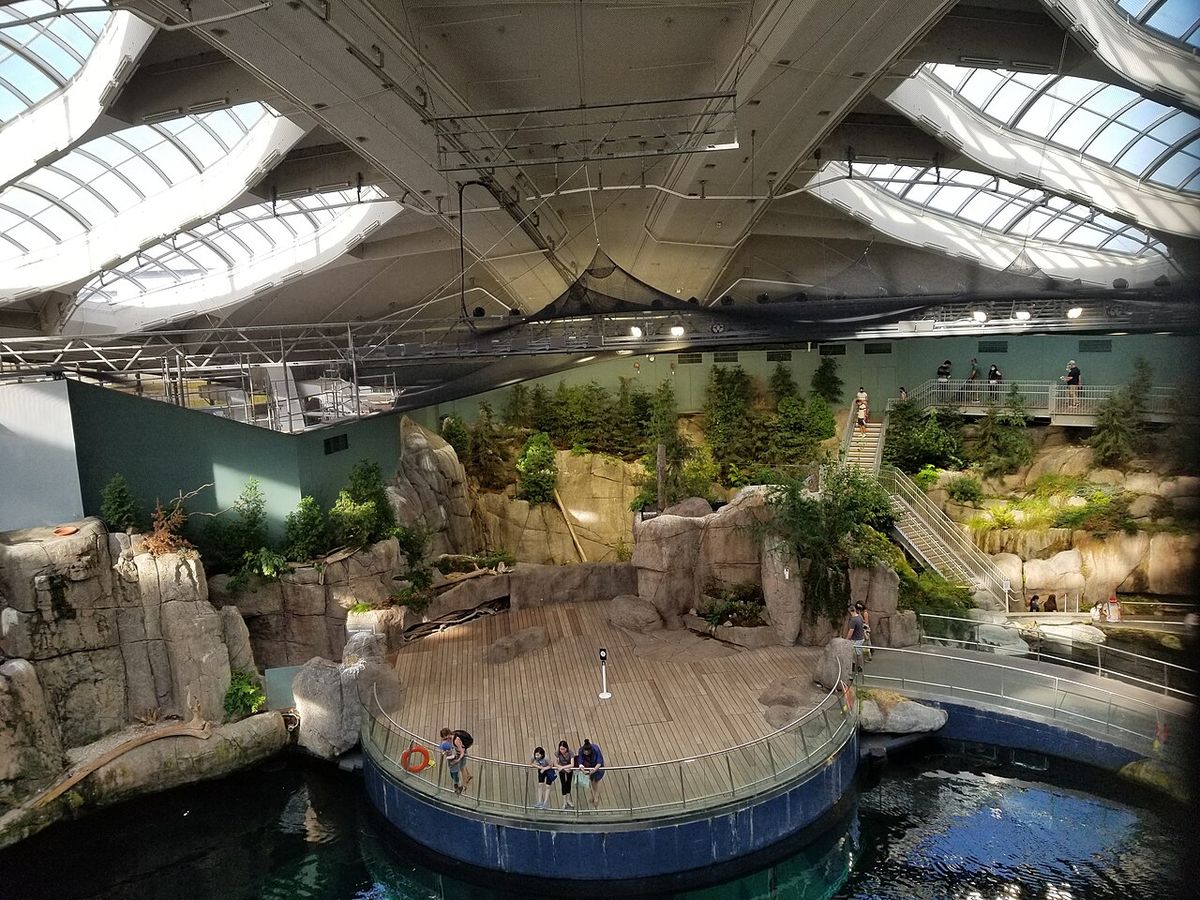
The Gulf of St. Lawrence exhibit is a mostly aquatic habitat modelled on an estuary similar to Quebec's North Shore or Gaspé Peninsula. Most of the species in this 1,600 square metre exhibit are fish, mollusks, crustaceans, and echinoderms, but there are also a few species of seabirds. It contains 2.5 million litres of salinated water, created to resemble seawater and produced onsite within its aquariums. The final two exhibits share a larger room. The Labrador Coast is a single landscape that resembles the Atlantic coast of eastern Canada and contains just two species of birds: the murre and the puffin. Adjacent to it are the Sub-Antarctic Islands, an enclosed habitat similar in presentation to the Labrador Coast. It contains four species of penguins from the southern tip of Argentina and provides visitors the ability to observe the penguins both on land and in the water.
Scientific discoveries and conservation programs
The Biodome operates as an active scientific institution, contributing to species discovery, breeding programs, and habitat conservation. Remarkably, two new species have been discovered within its controlled environments: the acarian Copidognathus biodomus was found in the simulated estuary in 1996, and the bacterium Nitratireductor aquibiodomus was identified in the water reprocessing system in 2003. In 2000, a new type of hybrid bird, the result of intergeneric breeding between a black-and-white warbler and a yellow-rumped warbler, was also observed at the Biodome. These discoveries demonstrate how contained ecosystems can yield new scientific knowledge.
Conservation is a central pillar of the Biodome's mission, integrated directly into its exhibits and operations. It runs one of the only zoos in the world with a successful rockhopper penguin breeding program and previously managed a captive breeding program for barndoor skates. Current research and conservation teams are focused on three vulnerable animal species native to Quebec, all present in the Laurentian Maple Forest exhibit: the wood turtle, the Western chorus frog, and the copper redhorse fish. The wood turtle is the most terrestrial freshwater turtle in Quebec, threatened by habitat loss, road traffic, and poaching. The conservation program exists in partnership with the Quebec government and is a captive breeding program designed to raise young turtles in captivity and release them into the wild after they survive their most dangerous developmental phase.
- Western Chorus Frog: This species is vulnerable in Quebec due to the degradation of its natural habitat. The Biodome is working with the Ecomuseum to develop new knowledge around how to best maintain and breed Quebec's smallest frog species in captivity, supporting broader survival efforts.
- Copper Redhorse: This fish is found only in Quebec. The Biodome has played a critical role in conserving its genetic variability, thanks in part to an artificial reproduction technique developed in collaboration with researchers at the Université du Québec à Montréal.
- Plant Conservation: The Laurentian Maple Forest conservation work also extends to two plant species: wild garlic and five-leaf ginseng, though the specific programs for these are less detailed in available records.
The Montreal Biodome demonstrates its commitment to preserving regional biodiversity through targeted conservation programs. Its research and conservation teams focus on vulnerable animal species such as the wood turtle, the Western chorus frog, and the copper redhorse, all found in the Laurentian Maple Forest ecosystem. The Biodome operates a successful rockhopper penguin breeding program and has previously run a captive breeding program for barndoor skates. These efforts involve applied science, technical innovation, and partnerships with government and academic institutions, including the Quebec government and the Université du Québec à Montréal.
Role within Space for Life and public engagement
The Montreal Biodome is one of five facilities that make up the Space for Life complex, the largest natural science museum complex in Canada. The other institutions in this network are the Montreal Insectarium, the Montreal Botanical Garden, the Biosphere, and the Rio Tinto Alcan Planetarium. This association allows for shared resources, combined ticketing, and collaborative educational programming that covers topics from biodiversity to astronomy. As an accredited member of both the Association of Zoos and Aquariums and Canada's Accredited Zoos and Aquariums, the Biodome adheres to rigorous professional standards for animal welfare, veterinary care, conservation, and education that are regularly reviewed by these independent bodies.
Public engagement extends beyond the physical visit through digital tools and cultural projects. The mobile app released after the 2020 renovation offers augmented reality features and detailed content, building on the earlier audio guide system introduced in 2003. The facility has also been the subject of artistic and documentary works. In 1994, the National Film Board of Canada released L'arche de verre (The Glass Ark), a documentary directed by Bernard Gosselin about the creation and opening of the Biodome. Canadian poet Stephanie Bolster released a chapbook entitled BIODÔME in 2006, published by rob mclennan's above/ground press, and this was followed in 2026 by poet Misha Solomon's chapbook BIODÔME: a bestiary after Stephanie Bolster. The Biodome's location within Olympic Park makes it a key part of Montreal's cultural and tourist landscape, easily accessible by public transit and often visited in combination with the nearby Olympic Stadium.
Comparative context and unique status
The Montreal Biodome occupies a unique niche both architecturally and scientifically. It is one of only two large-scale enclosed ecosystem structures in the Western Hemisphere, the other being Biosphere 2 in Oracle, Arizona, but the two facilities have fundamentally different purposes. Biosphere 2 was designed as a closed ecological system for human habitation and large-scale experimentation, while the Montreal Biodome was designed primarily as a museum for public education and conservation. This distinction is important for understanding its mission and operation, and its origin as a repurposed Olympic venue sets it apart from most museums, which are built from the ground up for their intended function. The building's transformation from a velodrome required significant engineering to create stable, independent climates within a single structure not originally designed for that purpose.
The successful maintenance of a tropical rainforest environment with high humidity alongside a sub-Antarctic penguin habitat in the same building is a technical achievement. The Biodome's use of Canada's largest geothermal heating system is another point of distinction, aligning its operational infrastructure with its conservation message by reducing greenhouse gas emissions. Its accreditation by major zoo and aquarium associations confirms its standing as a serious scientific institution, not merely a tourist attraction. The table below outlines key comparative facts about the five ecosystems within the Biodome.
| Ecosystem | Area (sq m) | Key Climate Feature | Example Species |
|---|---|---|---|
| Tropical Rainforest | 2,600 | 25-28°C, 70-80% humidity | Capybara, Emperor Tamarin |
| Laurentian Maple Forest | 1,500 | Seasonal shifts | Wood Turtle, Chorus Frog |
| Gulf of St. Lawrence | 1,600 (aquarium) | 2.5M litres of saltwater | Various fish, mollusks |
| Labrador Coast | Shared space | Coastal landscape | Murre, Puffin |
| Sub-Antarctic Islands | Shared space | Cold climate | Four penguin species |
Questions about Montreal Biodome
What was the Montreal Biodome before it became a museum?
The building was originally constructed for the 1976 Olympic Games as a velodrome, which is a cycling stadium. It was designed by French architect Roger Taillibert as part of his larger plan for an Olympic park. The venue hosted both track cycling and judo events. Renovations to convert the velodrome into the Biodome began in 1989, and the indoor nature exhibit opened to the public on June 18, 1992.
What are the five ecosystems you can see at the Biodome?
Visitors to the Montreal Biodome can walk through replicas of five ecosystems found in the Americas. These ecosystems are the Tropical Rainforest, the Laurentian Maple Forest, a Gulf of St. Lawrence estuary, the Labrador Coast, and the Sub-Antarctic Islands. Each replica features the plants and animals native to those regions. For example, the Tropical Rainforest houses capybaras and emperor tamarins, while the Sub-Antarctic Islands contain several species of penguins.
When did the Biodome reopen after its recent renovation?
The Biodome closed for a major renovation on April 2, 2018. The project faced several delays, including supply shortages and the impact of the COVID-19 pandemic. It finally reopened to the public on August 31, 2020. The renovation added new walkways, an ice tunnel, an upper mezzanine with behind-the-scenes exhibits, and a mobile app with augmented reality features.
What conservation work does the Montreal Biodome do?
The Biodome is actively involved in several conservation programs, particularly for vulnerable Quebec species. Its teams focus on the wood turtle, the Western chorus frog, and the copper redhorse fish, running captive breeding and research initiatives. It also operates one of the world's only successful rockhopper penguin breeding programs. The facility is an accredited member of the Association of Zoos and Aquariums and Canada's Accredited Zoos and Aquariums, adhering to high standards of animal care and conservation.
Has any new species been discovered at the Biodome?
Yes, two new species have been discovered within the Biodome's environments. In 1996, the acarian Copidognathus biodomus was found in the simulated estuary. In 2003, the bacterium Nitratireductor aquibiodomus was identified in the facility's water reprocessing system. A new hybrid bird, from intergeneric breeding between two warbler species, was observed there in 2000.
Is the Montreal Biodome related to the movie 'Bio-Dome'?
No, the Montreal Biodome museum is not related to the 1996 American comedy film 'Bio-Dome'. The Montreal Biodome opened in 1992, which predates the film. The similarity in names is coincidental. The Montreal Biodome is a serious scientific and educational institution focused on conservation and ecosystem replicas, while the film is a fictional Hollywood comedy.
Sources and further reading
- Montreal Biodome (Wikipedia)
- Montréal Olympic Park, Parc olympique (parcolympique.qc.ca)
- Biodome Olympic Park (seesight-tours.com)
- The Montreal Biodome: From Olympic Velodrome to a ... (archdaily.com)
- Montréal Olympic Park (meet.mtl.org)
Checked by the Garbutt Disposal desk. Last updated 2026-10-19.