Montreal Botanical Garden
The Montreal Botanical Garden, known in French as the Jardin botanique de Montréal, is a major cultural and scientific institution located in the borough of Rosemont-La Petite-Patrie in Montreal, Quebec. Founded in 1931 during the Great Depression, the 75-hectare site is celebrated for its extensive collections, comprising over 22,000 plant species and cultivars, 10 exhibition greenhouses, and approximately 30 thematic gardens. Designated a National Historic Site of Canada in 2008, it is a key part of Montreal's Space for Life museum district and serves as a vital centre for public education, horticultural training, and plant conservation. The garden also holds a unique place in Canadian sports history, having hosted events during the 1976 Summer Olympics.
History and Founding
The Montreal Botanical Garden was established in 1931, a project initiated during the economic hardships of the Great Depression by Montreal Mayor Camillien Houde. Its creation was the result of years of advocacy by Brother Marie-Victorin, a noted botanist and author of the seminal work Flore laurentienne. The original grounds and layout were designed by the celebrated horticulturist Henry Teuscher, who planned the expansive network of gardens and greenhouses. The administration building, an example of Art Deco architecture, was designed by Lucien F. Kéroack. From its start, the garden was conceived as a public park and a scientific institution for botanical research and conservation, and it has grown into one of the world's most important botanical gardens. This status was formally recognized by its designation as a National Historic Site of Canada in 2008, cementing its place in the country's cultural heritage.
Gardens and Greenhouses
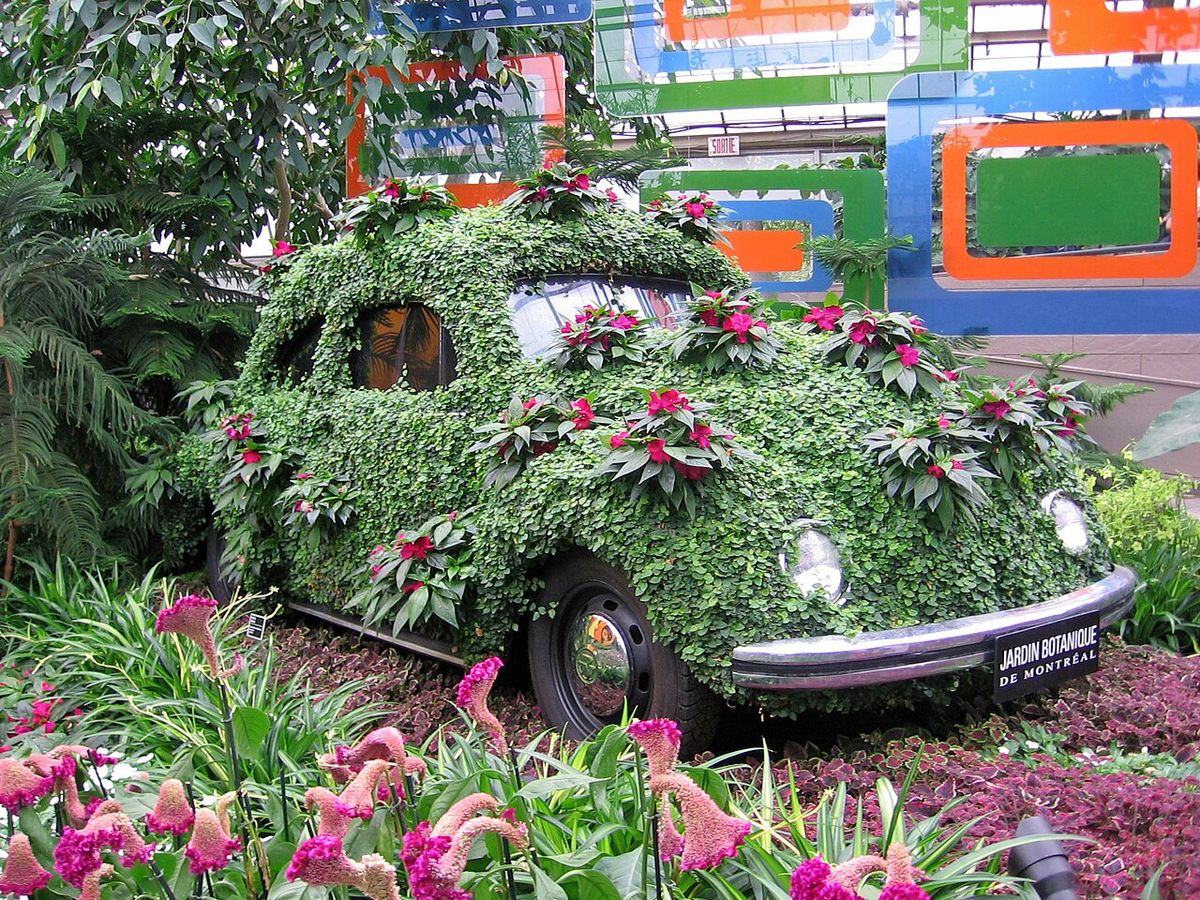
The garden's vast outdoor and indoor spaces are organized into distinct thematic areas, each offering a unique horticultural experience. The outdoor gardens, which are typically covered in snow from November to April, include approximately 30 different gardens with plants from specific regions or with particular uses. The 10 exhibition greenhouses allow for year-round visitation, hosting permanent collections and seasonal exhibits like the popular Butterflies Go Free event held from February to April. The garden's collection is exceptionally diverse, housing more than 22,000 plant species and cultivars, and this large variety is curated across the different zones to provide both aesthetic pleasure and educational value for visitors of all ages.
Several of the garden's thematic areas are major cultural attractions that draw significant attention. The Chinese Garden, covering 2.5 hectares, was built between 1990 and 1991 by 50 artisans from the Shanghai Institute of Landscape Design and Architecture directed by Le Weizhong, and it follows Ming dynasty traditions using 120 containers of material from Shanghai. The Japanese Garden, also 2.5 hectares, was created in 1988 under designer Ken Nakajima and features a koi pond and a tea ceremony house where traditional arts are demonstrated. The First Nations Garden, opened in 2001, honours Indigenous cultures of Canada with endemic medicinal and food plants and traditional totem poles, and it brings into focus the relationship between people and native species. Other gardens present a wide range of botanical themes from alpine plants to economic species.
- Chinese Garden: Built 1990 to 1991, 2.5 hectares, designed by Shanghai Institute of Landscape Design.
- Japanese Garden: Created in 1988, 2.5 hectares, designed by Ken Nakajima.
- First Nations Garden: Opened in 2001, focuses on Indigenous cultures and native plants.
- Alpine Garden: Features winding paths over a rocky outcrop with delicate alpine plants.
- Poisonous Plants Garden: Displays various poisonous species with information on their effects.
- Quebec Corner: A maple and hickory forest with species native to the Montreal region.
- Garden of Innovations: Presents plants released commercially, and is replanted yearly.
- Arboretum: A collection of trees for scientific and educational purposes.
Role in the 1976 Summer Olympics
Beyond its botanical significance, the Montreal Botanical Garden holds a unique place in the city's sporting history. During the 1976 Summer Olympics, the garden's grounds were used as a venue for two athletic events that required a long, scenic course. It was the site for the 20 kilometre race walk event in athletics, which tests endurance and technique over a measured distance. The running segment of the modern pentathlon competition was also held within the garden, adding a second Olympic event to its history. This temporary sporting use brought international athletes to the landscape, creating a memorable mix of elite competition and natural beauty that visitors can still appreciate today.
Institutional Role and Scientific Collections
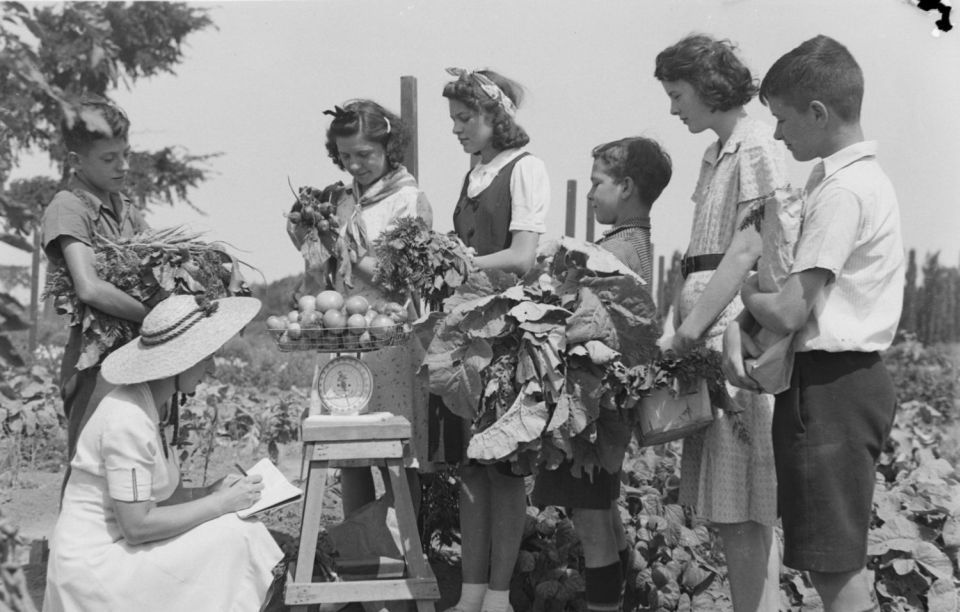
The Montreal Botanical Garden operates with mandates in education, conservation, and research that define its daily activities. It is a key part of the City of Montreal's Space for Life museum district, which also includes the Biodome, Insectarium, Rio Tinto Alcan Planetarium, and the Biosphère. The garden educates the general public and horticulture students, while its staff conduct botanical research and work to conserve endangered plant species from around the world. Administratively, the garden also oversees the offsite Ferme Angrignon, an educational farm and petting zoo that extends its reach into community programming. The grounds are home to significant scientific collections, including the Ouellet-Robert Entomological Collection, which is housed at the Institute for Research in Plant Biology on the garden's property within the Biodiversity Center.
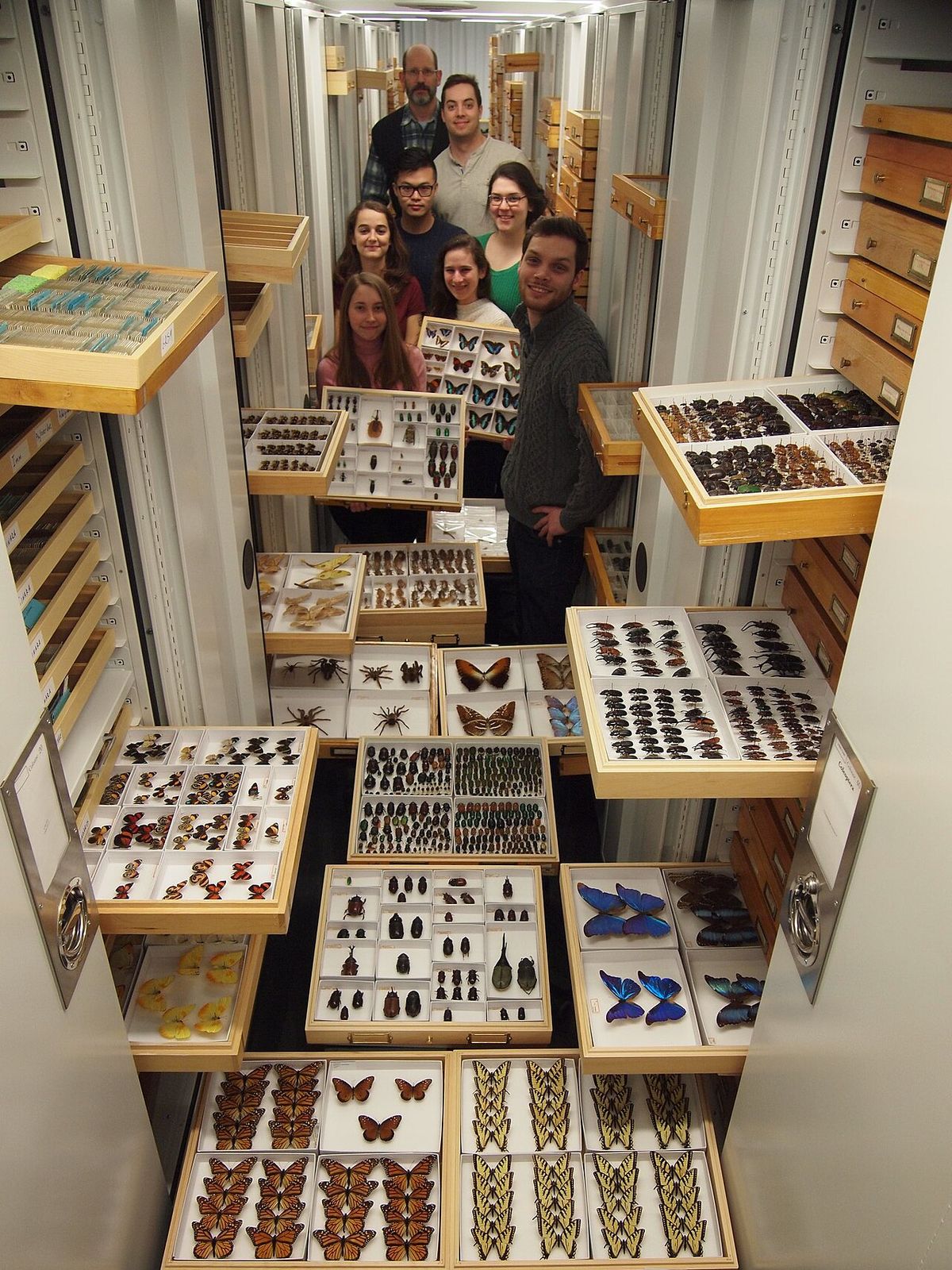
The Ouellet-Robert Entomological Collection, abbreviated as QMOR, is one of the most important in Canada and the second largest in Quebec, with 1.5 million specimens as of 2019. The garden's varied rental offerings meet different needs, such as team building at the Frédéric Back Tree Pavilion, cocktail receptions in the greenhouses, banquets at the Reception Centre, and launches at the Henry-Teusher Auditorium. The garden's development over recent decades was guided by notable directors, including Pierre Bourque from 1980 to 1994 and André Bouchard from 1994 to 2010. The garden also serves to educate the public and students of horticulture, as well as to conserve endangered plant species.
- Pierre Bourque: Served as director from 1980 to 1994.
- André Bouchard: Served as director from 1994 to 2010.
- Ouellet-Robert Entomological Collection (QMOR): 1.5 million specimens as of 2019.
- Ferme Angrignon: Offsite educational farm and petting zoo administered by garden staff.
- Institute for Research in Plant Biology (IRBV): Houses the Biodiversity Center on the garden grounds.
- Société d'astronomie de Montréal: An astronomy society that is also located on the garden's property.
Annual Events and Public Programming
The garden hosts a full calendar of events and exhibitions designed to engage visitors throughout the year with nature and culture. A major seasonal highlight is the Gardens of Light event, an immersive nighttime experience featuring illuminated installations in the Chinese, Japanese, and First Nations Gardens. The 2026 edition was scheduled to run from September 3 to November 1. During the summer months, the garden presents The Arts Put on a Show at the Garden, a series of free concerts included with general admission that feature local musical artists. The 2026 programming featured Sunday performances by artists from July 5 to August 23, alongside Saturday shows for young audiences with specific performers each week. Other recurring programs include educational workshops, guided tours, and the winter-spring Butterflies Go Free exhibit in the greenhouses, which has become a family tradition for many Montrealers.
The Arts Put on a Show at the Garden summer concert series in 2026 featured a lineup of performers on Sundays and Saturdays. Sunday performers included artists such as Stéphane Archambault and Pierre Lapointe. The nearest metro station is Pie-IX, which is located on the corner of the Olympic Stadium. City residents can obtain a pass granting free admission to the outdoor gardens, so many people visit regularly. The garden provides services for visitors with disabilities or specific needs, including wheelchair loans and changing rooms, to make visits easier.
| Event | Typical Timing | Description |
|---|---|---|
| Gardens of Light | September 3 to November 1 (2026 dates) | Nighttime immersive light and sound installations in cultural gardens. |
| Butterflies Go Free | February to April | Annual exhibit in the greenhouses where butterflies fly freely. |
| The Arts Put on a Show at the Garden (Sundays) | July 5 to August 23 (2026 dates) | Concerts by artists like Stéphane Archambault, Pierre Lapointe, Les sœurs Boulay. |
| The Arts Put on a Show at the Garden (Saturdays) | Saturdays in July (2026) | Shows for young audiences by performers like CréaSon and Henri Godon. |
| Hiroshima Memorial Ceremony | August 5 annually | Held in the Japanese Garden, featuring the ringing of a peace bell. |
Notable Features and Monuments
In addition to its living collections, the garden features several notable artistic and historical monuments that add layers of meaning to a visit. The Lion de la Feuillée is a prominent sculpture located at the entrance to the rose garden, donated by the city of Lyon on the occasion of the 350th anniversary of Montreal in 1992. This large cast-iron lion is one of four castings of an original 19th-century work by French sculptor René Dardel, created for the first bridge over the Feuillée in Lyon in 1831. The garden's infrastructure also includes the Art Deco administration building designed by Lucien F. Kéroack and the modern facilities of the Biodiversity Centre, which houses research labs. These features combine to create an environment where art, history, and science are integrated with the natural landscape for a rich visitor experience.
Visitor Information and Access
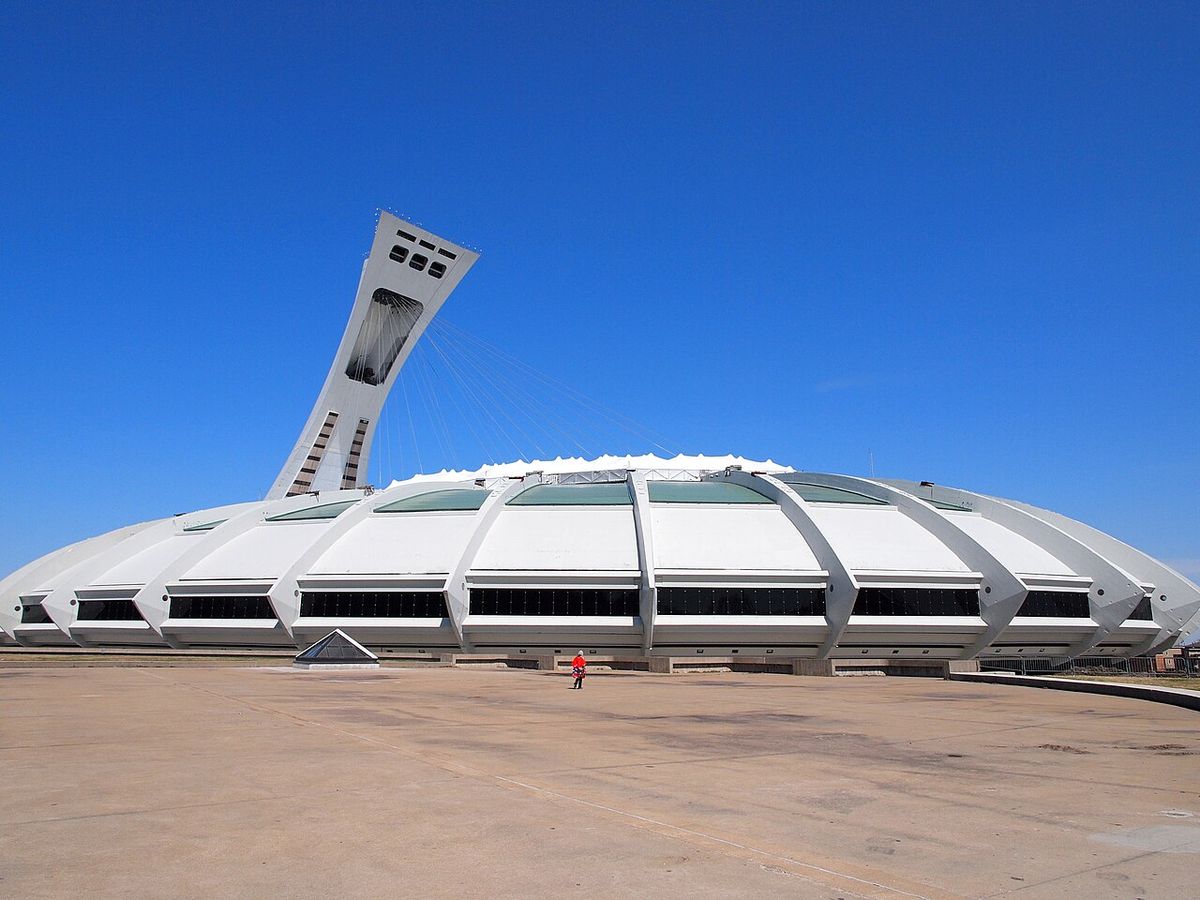
The Montreal Botanical Garden is located at 4101 Sherbrooke Street East, at the corner of Pie-IX and Sherbrooke Streets, within Maisonneuve Park in the east end of the city. The nearest metro station is Pie-IX, situated on the Green Line directly facing the Olympic Stadium and the garden entrance, providing easy access for those using public transit. The garden charges admission for access to its greenhouses and thematic gardens, but Montreal residents can obtain a pass for free entry to the outdoor areas, which many people use to visit regularly. The greenhouses are open to visitors year round, while the outdoor gardens are typically accessible from about April to November before the snow cover arrives. The garden's phone number is 514 868-3000, with a toll-free line at +1 855 518-4506 for information, and as part of the Space for Life network, visitors can purchase a passport for access to all five affiliated museums over a 12-month period.
Questions about Montreal Botanical Garden
What is the best time of year to visit the Montreal Botanical Garden?
The garden offers different experiences year-round. The outdoor gardens are in full bloom from late spring through fall, with peak beauty in the summer months. The 10 exhibition greenhouses are open all year, making winter a good time to visit for indoor horticultural displays, especially during the Butterflies Go Free exhibit from February to April. Major seasonal events like Gardens of Light in the autumn and summer concert series also define prime visiting periods.
Where is the Montreal Botanical Garden located and how do I get there?
The Montreal Botanical Garden is located at 4101 Sherbrooke Street East, at the corner of Pie-IX and Sherbrooke Streets, within Maisonneuve Park in the borough of Rosemont-La Petite-Patrie. It faces the city's Olympic Stadium. The most convenient public transit access is via the Montreal Metro system. The nearest station is Pie-IX, which is situated on the corner of the Olympic Stadium and is a short walk from the garden's entrance.
What are the admission fees for the Montreal Botanical Garden?
The Montreal Botanical Garden charges an admission fee for entry. However, a specific benefit exists for city residents, who can obtain a pass granting them free admission to the outdoor gardens. Admission is required to access the ten exhibition greenhouses, which are open to visitors year round. The purchase of a regular ticket also includes access to special exhibits and events, such as the summer concert series or the Gardens of Light display in the fall.
What are the main features and collections of the Montreal Botanical Garden?
The Montreal Botanical Garden is a 75 hectare site featuring over 22,000 plant species and cultivars, 10 exhibition greenhouses, and approximately 20 to 30 thematic gardens. This extensive collection and its facilities are why it is recognized as one of the world's most important botanical gardens. Its diverse outdoor gardens include culturally specific spaces like the Chinese and Japanese Gardens, as well as educational areas like the poisonous plants garden and an arboretum. The garden also serves to conserve endangered plant species and functions as a botanical research institution. It is a key part of the Space for Life museum district alongside the Biodome, Insectarium, and Planetarium.
What is the history behind the Montreal Botanical Garden?
The Montreal Botanical Garden was founded in 1931 during the Great Depression by Mayor Camillien Houde, following advocacy by botanist Fr. Marie-Victorin. The grounds were designed by horticulturist Henry Teuscher, and the Art Deco administration building was designed by architect Lucien F. Kéroack. It was designated a National Historic Site of Canada in 2008 for its global significance. The garden was created to educate the public and horticulture students, and to conserve plant species. Its development included major projects like the Chinese Garden, built from 1990 to 1991 by artisans from Shanghai.
What can visitors see and do in the Chinese and Japanese Gardens?
The Chinese Garden is a 2.5 hectare garden designed in the traditional style of a Ming dynasty garden, featuring winding paths, an artificial mountain, and a building housing a collection of bonsai and penjing. It was built from 1990 to 1991 by 50 artisans from Shanghai. The Japanese Garden, also 2.5 hectares, was created in 1988 under designer Ken Nakajima and contains Japanese plants, a tea ceremony exhibit, and a large koi pond. During summer, visitors can attend tea ceremonies or take classes, and traditional arts like Iaido and Ikebana are demonstrated. The Japanese Garden also hosts an annual Hiroshima memorial ceremony on August 5.
Sources and further reading
- Montreal Botanical Garden (Wikipedia)
- Botanical Garden | Space for life (espacepourlavie.ca)
- Jardin botanique, Espace pour la vie (mtl.org)
- The Arts put on a show at the Garden | Space for life (calendrier.espacepourlavie.ca)
- Gardens of Light 2026 | Space for life (m.espacepourlavie.ca)
Checked by the Garbutt Disposal desk. Last updated 2026-10-24.