Central Division
The Central Division is one of the four divisions of the National Hockey League's Western Conference, established in 1993 as part of a major league realignment. It succeeded the Norris Division and is a key competitive grouping featuring historic franchises like the Chicago Blackhawks, St. Louis Blues, and Dallas Stars, alongside newer clubs such as the Nashville Predators and Minnesota Wild. The division's composition has evolved through expansion, relocation, and realignment, most recently with the arrival of the Utah Mammoth in 2024. Known for its competitive depth, the Central has frequently sent multiple teams to the Stanley Cup playoffs and is widely considered one of the strongest divisions in contemporary NHL hockey.
Formation and Early Years (1993 to 1998)
The Central Division was created in 1993 as part of the NHL's realignment that restructured the league into two conferences and six divisions. It was formed primarily from teams of the former Norris Division, inheriting the Chicago Blackhawks, Detroit Red Wings, St. Louis Blues, and Toronto Maple Leafs. The Dallas Stars, having relocated from Minnesota that same year, and the Winnipeg Jets, moving from the Smythe Division, completed the original six-team lineup. This initial period was marked by the presence of several Original Six franchises and established a strong geographic core in the central United States. The division's first major change occurred in 1996 when the Winnipeg Jets ceased operations and relocated to Phoenix, Arizona, becoming the Phoenix Coyotes. The Chicago Blackhawks, Dallas Stars, and St. Louis Blues have been division members for all or nearly all of its existence, providing a thread of continuity through numerous realignments.
Contraction and Expansion (1998 to 2013)
A significant realignment in 1998 reduced the Central Division to just four teams, making it the smallest division in the NHL for over a decade. The Dallas Stars and Phoenix Coyotes moved to the Pacific Division, while the Toronto Maple Leafs shifted to the Northeast Division. This left the Chicago Blackhawks, Detroit Red Wings, and St. Louis Blues as the core, joined by the new expansion Nashville Predators in 1998. The division returned to five teams in 2000 with the addition of another expansion franchise, the Columbus Blue Jackets. This five-team configuration remained stable for 13 seasons, creating intense rivalries within a compact group. During this era, the Detroit Red Wings were particularly dominant, capturing multiple division titles and Stanley Cups, while the Chicago Blackhawks began their ascent to become a modern dynasty by the end of the period. The period from 2000 to 2013 saw no changes to the division's membership, a record of stability that ended with the major 2013 realignment.
Major Realignment and Modern Composition (2013-Present)
The 2013 realignment, triggered by the dissolution of the Northwest Division and conference restructuring, dramatically reshaped the Central Division into a seven-team powerhouse. The Detroit Red Wings moved to the Atlantic Division and the Columbus Blue Jackets to the Metropolitan Division. They were replaced by the Colorado Avalanche and Minnesota Wild from the Northwest Division, the Dallas Stars returning from the Pacific Division, and the Winnipeg Jets, reactivated in 2011 after the Atlanta Thrashers relocated. This created a division with a strong Midwestern and Plains states identity. The Arizona Coyotes rejoined the Central in 2021 to accommodate the expansion Seattle Kraken in the Pacific, finally bringing the division to eight teams. The most recent change came in 2024 when the Arizona Coyotes' operations were relocated to Salt Lake City to become the Utah Hockey Club, renamed the Utah Mammoth for the 2025-26 season. The division's current eight members represent a blend of historic franchises, successful modern teams, and a new market in Utah, making the Central one of the NHL's most competitively balanced and geographically coherent divisions.
The Chicago Blackhawks have been a member of the Central Division in all of its seasons since the original 1993 realignment. The Winnipeg Jets were an original member of the division before it deactivated in 1996, with its hockey assets relocating to Phoenix as the Coyotes. A second incarnation of the Jets, formerly the Atlanta Thrashers from 1999 to 2011, moved back to the Central Division in 2013. The division today comprises the Blackhawks, Jets, Stars, Blues, Wild, Predators, Colorado Avalanche, and Utah Mammoth.
The Central Division currently comprises eight teams. These are the Chicago Blackhawks, Colorado Avalanche, Dallas Stars, Minnesota Wild, Nashville Predators, St. Louis Blues, Utah Mammoth, and Winnipeg Jets. The Utah Mammoth is the newest member, having begun play in Salt Lake City in the 2024-25 season. The Chicago Blackhawks are the only franchise that has been a member of the division in every season since its 1993 creation.
- Chicago Blackhawks (original 1993 member)
- Colorado Avalanche (joined in 2013 from Northwest Division)
- Dallas Stars (original 1993 member, left 1998 to 2013)
- Minnesota Wild (joined in 2013 from Northwest Division)
- Nashville Predators (joined in 1998 as expansion team)
- St. Louis Blues (original 1993 member)
- Utah Mammoth (joined in 2024 as expansion/relocation)
- Winnipeg Jets (original 1993 member, left 1996 to 2013)
Temporary Pandemic Realignment (2020 to 2021)
The 2020-21 NHL season was uniquely disrupted by the COVID-19 pandemic, leading to a temporary realignment that abolished the traditional Eastern and Western conferences. For this season only, the Central Division name was retained but its composition was completely altered to minimize cross-border travel. The new Central Division featured eight teams primarily from the Eastern Time Zone, including the Carolina Hurricanes, Chicago Blackhawks, Columbus Blue Jackets, Dallas Stars, Detroit Red Wings, Florida Panthers, Nashville Predators, and Tampa Bay Lightning. Notably, only three of these teams, Chicago, Dallas, and Nashville, were members of the Central Division in the previous season. This one-off configuration saw the Tampa Bay Lightning win the division title en route to their second consecutive Stanley Cup championship, while the regular Central Division members like Colorado, St. Louis, and Minnesota competed in the newly formed West Division for that single season. The season was shortened to 56 games due to pandemic restrictions and the Canada-United States border closure, and the Central Division was the only pre-existing division retained in name during this unusual realignment.
Competitive Performance and Playoff Success
The Central Division has established a reputation for sending a high number of teams to the Stanley Cup playoffs, often claiming wild card spots in the Western Conference. In the six seasons following the 2013 realignment, Central Division teams occupied both Western Conference wild card positions four times, demonstrating its depth. The pandemic-shortened 2019-20 season saw an unprecedented event where all seven Central Division teams qualified for the expanded 24-team playoff tournament. More recently, the division has been home to the league's top regular-season teams, with the Colorado Avalanche winning the Presidents' Trophy in the 2025-26 season. Multiple franchises from the division have won the Stanley Cup since its inception, including the Detroit Red Wings, Chicago Blackhawks, and Colorado Avalanche, with recent finals appearances by the Dallas Stars and Nashville Predators highlighting the division's consistent high-level competition. The division has sent five different teams to the playoffs on seven separate occasions throughout its history.
The Central Division has sent five teams to the Stanley Cup playoffs on seven occasions. In the first three seasons after the realignment of 2013, Central Division teams occupied both Wild Card playoff spots in the Western Conference. This occurred again in the 2018-19 season, for the fourth time in six seasons. In the pandemic-shortened 2019-20 season, all Central Division teams made the 2020 Stanley Cup playoffs due to the 24-team format.
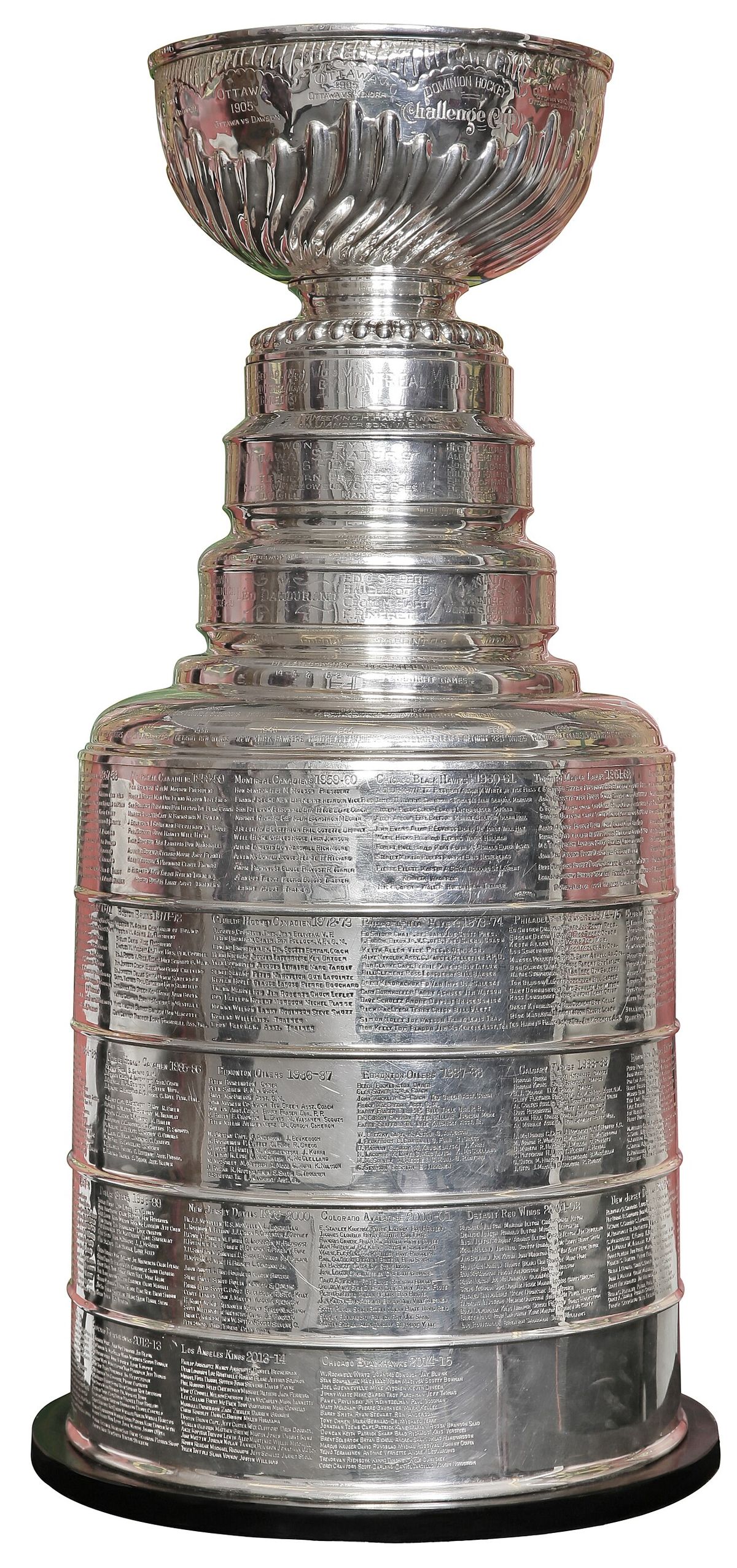
- Colorado Avalanche winning the Stanley Cup in 2022 and the Presidents' Trophy in 2026.
- Dallas Stars reaching the Stanley Cup Final in 2020.
- St. Louis Blues winning the Stanley Cup in 2019.
- Nashville Predators reaching the Stanley Cup Final in 2017.
This consistent playoff presence has cemented the Central Division's status as a competitive grouping within the NHL. In the first three seasons after the 2013 realignment, Central Division teams occupied both Wild Card playoff spots in the Western Conference. This occurred again in the 2018-19 season, for the fourth time in six seasons. The division is widely considered the best in hockey ahead of the 2026-27 season.
Recent Seasons and 2026-27 Outlook
The Central Division enters the 2026-27 season widely regarded as the strongest in the NHL, with optimism high following a campaign where three of its clubs set the competitive pace and four made the playoffs. The Colorado Avalanche, coming off a Presidents' Trophy win, aim to convert regular-season dominance into a deep playoff run, though questions persist about their trade capital and goaltending sustainability. The Dallas Stars face scrutiny over goaltender Jake Oettinger's performance after a subpar season where he posted an .899 save percentage in 54 games. The Minnesota Wild's season hinges on the contract saga of star defenseman Quinn Hughes, acquired in a major trade from Vancouver, as he is scheduled to be an unrestricted free agent. The Chicago Blackhawks, bolstered by the acquisition of defenseman Bowen Byram from Buffalo for a fourth-overall draft pick, hope to transition from rebuilding to playoff contention, though Connor Bedard's recovery from shoulder surgery poses an early challenge. The Nashville Predators operate under pressure for coach Andrew Brunette to deliver with an improved roster assembled by new general manager Chris MacFarland. The stability of the St. Louis Blues, Winnipeg Jets, and the newly established Utah Mammoth rounds out a division where the battle for playoff spots is expected to be exceptionally fierce. Analysts note that the division is well-equipped to maintain its reputation as the best in hockey, with several teams having realistic aspirations for a Stanley Cup championship.
Division Champions by Season
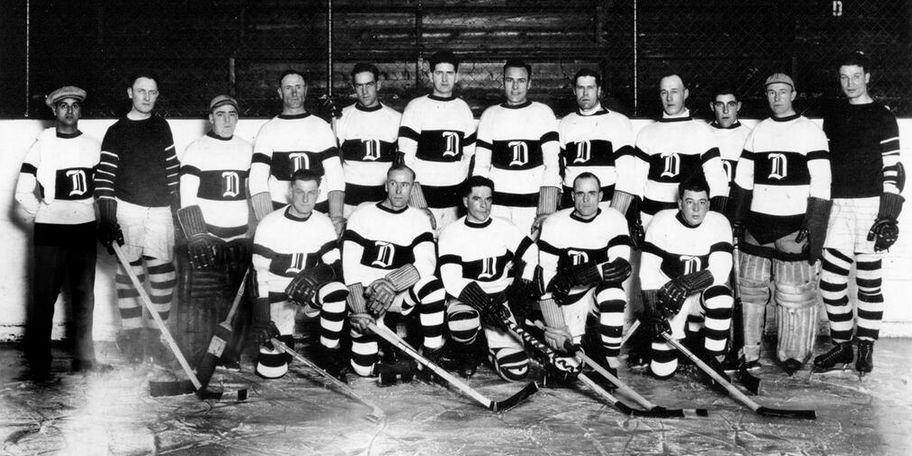
The Detroit Red Wings hold the record for the most Central Division titles with seven, all won during their tenure in the division from 1993 to 2013. In the modern era since the 2013 realignment, the Colorado Avalanche and Nashville Predators have been frequent champions. The St. Louis Blues and Chicago Blackhawks have also won multiple division championships throughout the division's history. The division has seen champions from six different franchises throughout its history.
The Detroit Red Wings hold the record for the most Central Division titles with seven, all won during their tenure in the division from 1993 to 2013. Since the major realignment in 2013, multiple teams have won the title, with the Colorado Avalanche and Nashville Predators being among the most successful in recent years. The Colorado Avalanche were the most recent champion, winning the division in the 2025-26 season. The St. Louis Blues and Chicago Blackhawks have also won multiple division championships throughout the division's history.
Notable Team Relocations and Franchise Changes
The history of the Central Division is intertwined with several significant franchise relocations and changes that have shaped its membership. The Winnipeg Jets' move to Phoenix in 1996 created the Phoenix Coyotes, who remained in the division for two seasons before moving to the Pacific Division in 1998. The Atlanta Thrashers' relocation to Winnipeg in 2011 revived the Jets franchise, which rejoined the Central in 2013. The most recent major shift occurred in 2024 when the Arizona Coyotes' hockey operations were sold and moved to Salt Lake City, first operating as the Utah Hockey Club before being renamed the Utah Mammoth. Other important moves include the Dallas Stars' entry into the division upon their relocation from Minnesota in 1993, their temporary shift to the Pacific Division from 1998 to 2013, and their return thereafter. These movements reflect the dynamic nature of NHL geography and the Central Division's role as a home for franchises in the central United States and Canada. The division has also been affected by expansion, adding the Nashville Predators in 1998, the Columbus Blue Jackets in 2000, and effectively adding the Utah Mammoth as an expansion team in 2024 following the Coyotes' relocation.
Key franchise transitions affecting the division include the Winnipeg Jets deactivating in 1996 and relocating to Phoenix as the Coyotes. The Coyotes assumed the Jets' place before moving to the Pacific Division in 1998. A second incarnation of the Jets moved back to the Central Division in 2013. The Arizona Coyotes returned to the Central in 2021 before being relocated to Salt Lake City to become the Utah Mammoth in 2024. The Dallas Stars and St. Louis Blues were also original members who were realigned to other divisions before returning.
- 1993: Minnesota North Stars relocate to Dallas, becoming Dallas Stars and joining the new Central Division.
- 1996: Winnipeg Jets deactivated, hockey assets move to Phoenix to become Phoenix Coyotes.
- 1998: Toronto Maple Leafs move to Northeast Division. Dallas Stars and Phoenix Coyotes move to Pacific Division.
- 2011: Atlanta Thrashers relocate to Winnipeg, reactivating the Winnipeg Jets franchise.
- 2013: Columbus Blue Jackets move to Metropolitan Division. Detroit Red Wings move to Atlantic Division.
- 2021: Arizona Coyotes move from Pacific Division to Central Division to accommodate Seattle Kraken expansion.
- 2024: Arizona Coyotes cease operations, assets moved to Salt Lake City to form Utah Hockey Club (later Utah Mammoth).
Structural Changes and Division Size
The Central Division has experienced considerable variation in its number of member teams throughout its history, from as few as four to its current complement of eight. From 1998 to 2000, it was the smallest division in the NHL with only four teams after the departure of the Dallas Stars, Phoenix Coyotes, and Toronto Maple Leafs. It grew to five teams with the addition of the Columbus Blue Jackets in 2000 and remained at that size for 13 seasons until the 2013 realignment. The 2013 shift brought the division to seven teams, where it stayed until 2021. For several years after the Vegas Golden Knights joined the Pacific Division in 2017, the Central was the only NHL division without eight teams. This imbalance was corrected in 2021 when the Arizona Coyotes moved from the Pacific to the Central, creating an eight-team division that matched the others. The temporary 2020-21 realignment represented the most radical structural change, with the division temporarily housing eight completely different teams for one season before returning to its traditional alignment. The current eight-team structure includes franchises from five American states and two Canadian provinces, representing one of the most geographically diverse groupings in the league.
Questions about Central Division
How did the COVID-19 pandemic affect the Central Division in 2021?
For the 2020-21 season only, the NHL implemented a temporary realignment that abolished conferences and created four new divisions based on geography to limit travel. The Central Division name was kept, but its teams were completely different, consisting of eight clubs primarily from the eastern United States like the Carolina Hurricanes, Tampa Bay Lightning, and Florida Panthers. Only three teams from the previous Central, Chicago, Dallas, and Nashville, were part of this one-off division. The regular Central Division members like Colorado, Minnesota, and St. Louis played in the newly created West Division for that single pandemic-shortened season.
What happened to the Arizona Coyotes and who replaced them in the division?
The Arizona Coyotes ceased operations after the 2023-24 season. The franchise's hockey operations, including player contracts and draft picks, were sold to a new ownership group in Salt Lake City, Utah. This led to the creation of the Utah Hockey Club, which joined the Central Division as an expansion team for the 2024-25 season. The team was subsequently renamed the Utah Mammoth for the 2025-26 season and beyond, marking the latest franchise change in the division's history. This move returned the division to eight teams after the Coyotes had joined in 2021.
Which NHL teams are currently in the Central Division?
The Central Division currently comprises eight teams: the Chicago Blackhawks, Colorado Avalanche, Dallas Stars, Minnesota Wild, Nashville Predators, St. Louis Blues, Utah Mammoth, and Winnipeg Jets. This lineup was established for the 2025-26 season onward. The Utah Mammoth is the newest member, having relocated from Arizona where they were known as the Coyotes. The Chicago Blackhawks are the only franchise that has been a continuous member since the division's creation in 1993. The division's composition has changed through various realignments, including the 2013 restructuring that brought in the Avalanche and Wild.
When was the Central Division created and what was its predecessor?
The Central Division was created in 1993 as part of a major NHL realignment, becoming a component of the Western Conference. Its direct predecessor was the Norris Division, from which most of its original teams were drawn. The division also functions as one of two successors to the old Northwest Division, which was dissolved in 2013. The original 1993 lineup featured the Chicago Blackhawks, Dallas Stars, Detroit Red Wings, St. Louis Blues, Toronto Maple Leafs, and Winnipeg Jets. This formation was a key part of the league's expansion and geographical restructuring during that era.
Which team has won the most Central Division titles?
The Detroit Red Wings have won the most Central Division titles, securing seven championships during their tenure in the division from 1993 to 2013. Since the major realignment in 2013, the division title has been won by several different teams. The Colorado Avalanche and Nashville Predators have been among the most successful franchises in the division in recent years. The competitive balance is reflected in the fact that the division has sent five teams to the playoffs on seven occasions, including a unique 2020 season where all Central teams qualified under a special pandemic format.
What is the key storyline for the Central Division heading into the 2026-27 season?
The key storyline is the division's perceived strength and the specific challenges facing its top teams. The Colorado Avalanche must contend with limited trade assets for in season adjustments. The Dallas Stars face questions about goaltender Jake Oettinger's performance following a difficult previous season. The Minnesota Wild are managing the contract saga of star defenseman Quinn Hughes. The Chicago Blackhawks hope new addition Bowen Byram will accelerate their rebuild. Overall, optimism is high as the division is considered the best in hockey, with several clubs poised for deep playoff runs and intense competition for postseason spots.
Sources and further reading
- Central Division (Wikipedia)
- One Key Question Facing Every Central Division NHL ... (thehockeynews.com)
- Best, worst scenarios for every Central Division team (sportsnet.ca)
Checked by the Garbutt Disposal desk. Last updated 2026-10-29.