Brazilian gaming groups ask Supreme Court to suspend betting ban
The groups filed an urgent petition to suspend a provisional measure that has already blocked authorized betting platforms.
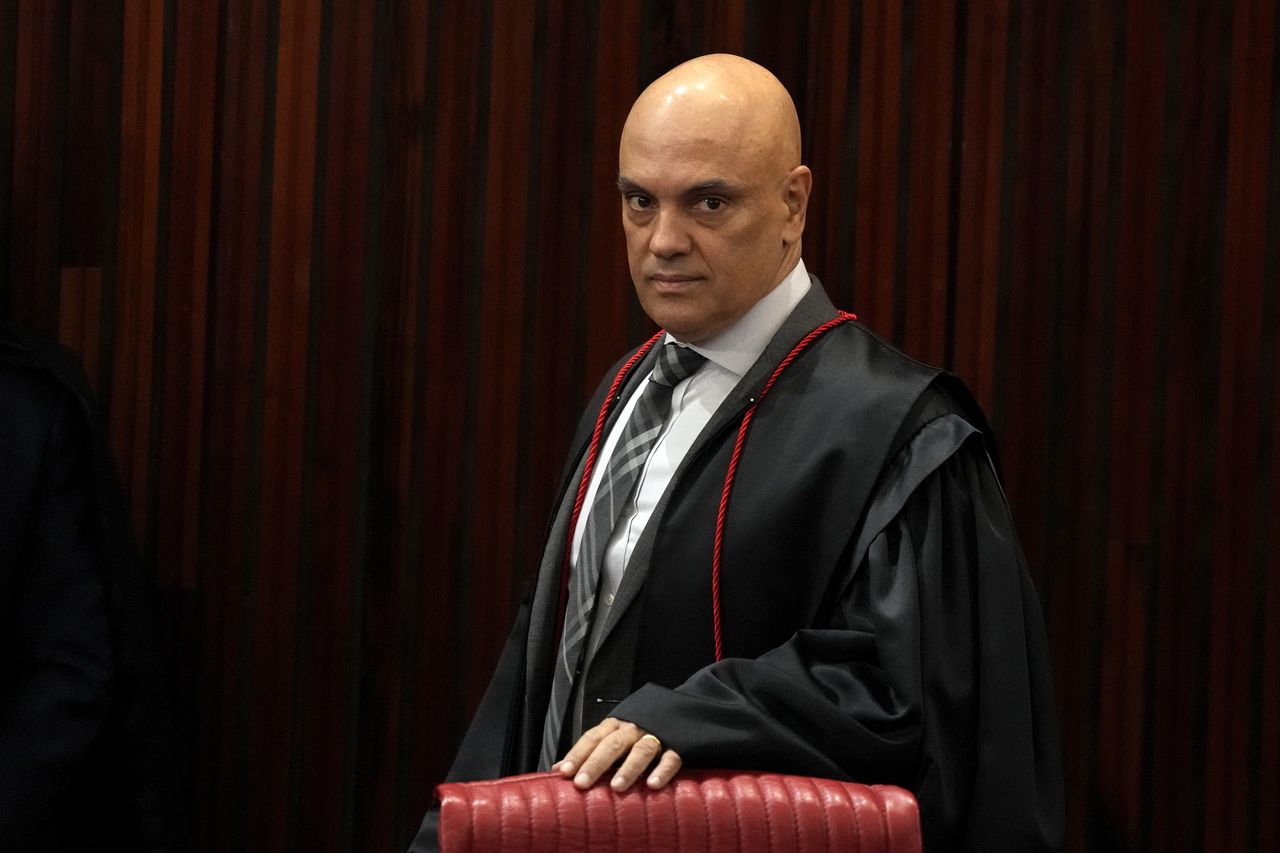
Brazil’s National Association of Games and Lotteries (ANJL) and the Brazilian Institute for Responsible Gaming (IBJR) filed an urgent petition with the Supreme Federal Court on Tuesday, asking Justice Luiz Fux to suspend a provisional measure that bans betting operators.
The petition, part of ADI 7721, asks Fux to issue an individual decision suspending Provisional Measure No. 1,394/2026 until a new public hearing on the betting market can be held.
“If the federal government itself considers that the matter requires additional proceedings, the logical consequence is to preserve the subject of those proceedings while they take place,” ANJL and IBJR said in their petition.
READ MORE: Betting and Gaming Council launches campaign against proposed UK gaming tax rise
READ MORE: US Senate Rejects Digital Asset Market Clarity Act, Dealing Blow to Crypto and Prediction Markets
The filing came one day after the Attorney General’s Office asked the court to hold a public hearing to reassess the impact of online betting, while also asking the court to keep the ban in force.
The industry groups argued that holding a hearing after the regulated market has been eliminated would amount to discussing a “fait accompli.”
If the suspension is not granted, ANJL and IBJR proposed an alternative: that the transition toward the ban only begin on Dec. 31, 2026, allowing authorized operators to remain operational until that date.
That date appeared in a submission made on Sept. 28 by Lucas Rocha Furtado, Deputy Attorney General for the Public Prosecutor’s Office, before Brazil’s Federal Court of Accounts.
Although he opposed betting, Furtado described the timeline established by the provisional measure as “exiguous and draconian” and pointed to potential “unconstitutionality and illegality” in the measure.
The petition was filed on the same day the blocking of authorized betting platforms took effect, with website traffic redirected to brasilsembets.gov.br.
ANJL and IBJR said the platforms recorded around 100 million visits per day and also challenged the blocking of operators’ social media accounts.
The shutdown came while operators still had funds that needed to be returned to users.
According to government figures cited in the petition, 1.453 billion reais ($271.6 million) remained to be withdrawn, spread across 28.65 million CPF numbers.
Rise in illegal sites
The petition highlighted information from the federal government acknowledging the coexistence of regulated and illegal markets of comparable size.
The associations warned that bettors migrating to illegal platforms represents one of the main risks associated with the ban.
The federal government reported it had submitted 10,435 illegal websites for blocking within one week of the provisional measure.
The filing also cited data from the Bet Legal observatory, which found the number of active unauthorized domains increased from 1,195 to 1,949 between the eve of the ban announcement and the morning of Oct. 6, a 63% increase.
Another survey identified 18,195 active illegal domains.
“In effect, the provisional measure does not ban gambling: it only bans gambling that the state regulates,” the filing stated.
The petition argued that migration to the illegal market could leave groups covered by safeguards in the regulated environment without protection, including 1,294,328 self-excluded individuals and people under 18.
It also noted that 83 companies paid 2.55 billion reais ($476.6 million) for 85 five-year licenses, which the provisional measure terminates without establishing a refund mechanism.
“What is decided now will tell every investor whether a license granted by the state for five years is worth five years or ten days,” the associations said.
Under the provisional measure, operators must submit individualized bettor lists on Oct. 7 and 8, while the return of remaining balances must take place between Oct. 9 and 14.
The licenses granted to operators will expire on Oct. 25.
The Attorney General’s Office has separately asked the Supreme Federal Court to reject the preliminary injunctions and maintain the prohibition, arguing the betting legislation has proven to be “extensively flawed.”
The agency disputed claims that the ban would drive bettors to clandestine websites, citing the blocking of thousands of illegal sites.
The decision on the request to suspend the provisional measure now rests with Justice Luiz Fux.