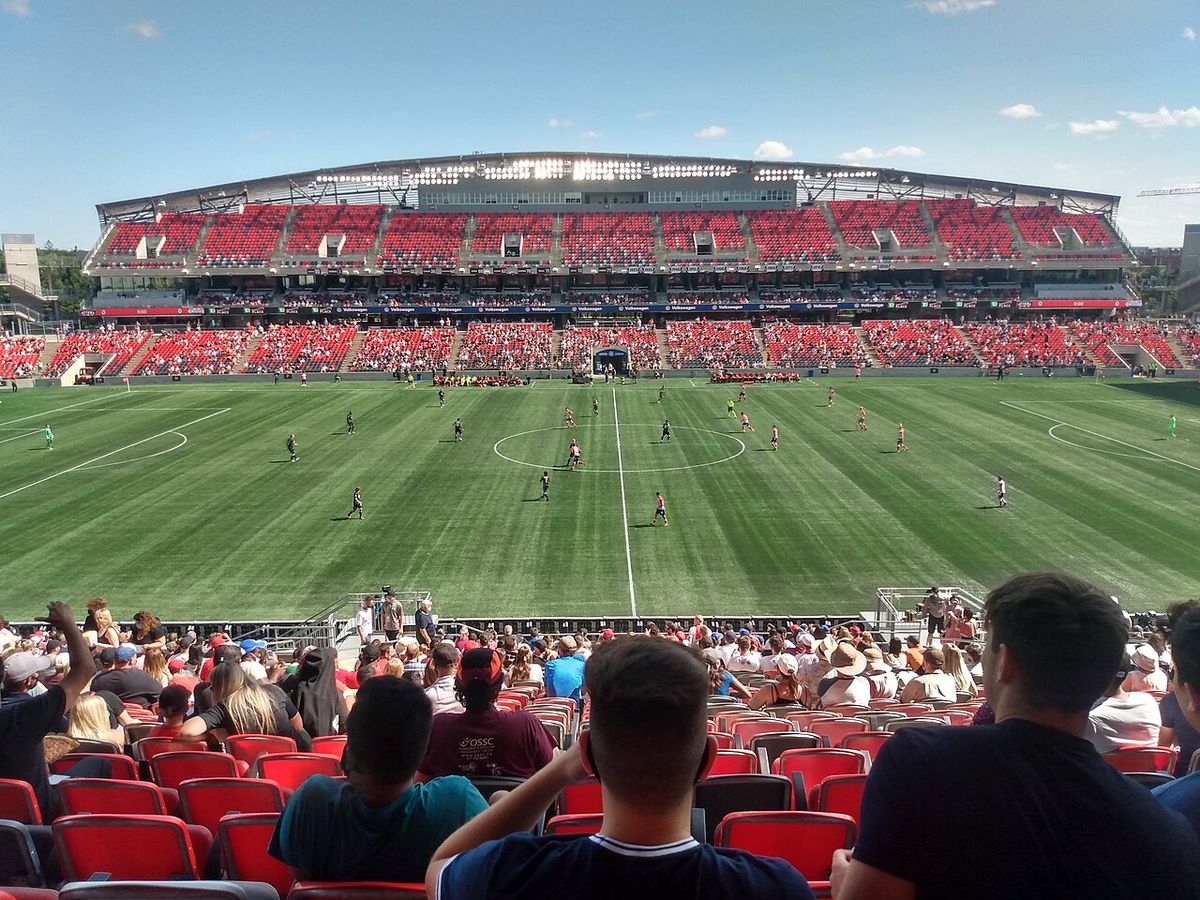
Prominent women's sports leagues in the United States and Canada
Prominent women's sports leagues in the United States and Canada represent the highest level of professional and semi-professional athletic competition for women in North America. These leagues, spanning sports such as basketball, soccer, ice hockey, and football, have seen significant growth in popularity, media coverage, and commercial investment in recent years. For Canadians, the landscape has been transformed by the arrival of domestic franchises in major leagues like the Professional Women's Hockey League (PWHL), the Women's National Basketball Association (WNBA) with the Toronto Tempo, and the launch of Canada's first professional women's soccer league, the Northern Super League (NSL). This expansion reflects a broader shift in fan engagement and economic potential within the women's sports market.
Historical Context and Financial Development
The development of professional women's sports leagues in North America has been characterized by cycles of creation, struggle, and consolidation. Early professional basketball leagues like the Women's Pro Basketball League (1978 to 1981) and the American Basketball League (1996 to 1998) preceded the establishment of more enduring organizations. A central challenge has been achieving financial sustainability, with many leagues historically offering salaries below a livable wage or operating as semi-professional entities. The case for women's sports has strengthened considerably in the 2020s, driven by increased media rights deals, corporate sponsorship, and record-breaking attendance figures.
In Canada, the commercial women's sport market was valued between $150 million and $200 million in 2023. By 2025, this valuation had doubled to an estimated $380 million to $400 million, with projections suggesting it could reach $570 million by 2030. This growth coincides with new league launches and franchise expansions. Salaries have risen in established leagues, reflecting this increased investment. For instance, the WNBA's collective bargaining agreement ratified in 2026 set a team salary cap of $7 million, with player salaries ranging from $270,000 to $1.4 million. The NWSL implemented a $3.7 million team salary cap in 2026 alongside a 'High Impact Player' rule allowing for additional compensation for elite athletes.
Television broadcasting has been a critical component of league visibility and revenue. Major networks like ESPN, TSN, and CBC Sports have secured rights to broadcast games for leagues such as the WNBA, NWSL, and PWHL. These agreements have been instrumental in bringing women's sports to a wider audience. The success of these broadcasts, alongside strong digital and social media engagement, has helped fuel the current period of expansion and investment. The 2009 television deal between the WNBA and ESPN was the first to pay rights fees to a women's sports league, setting an important precedent.
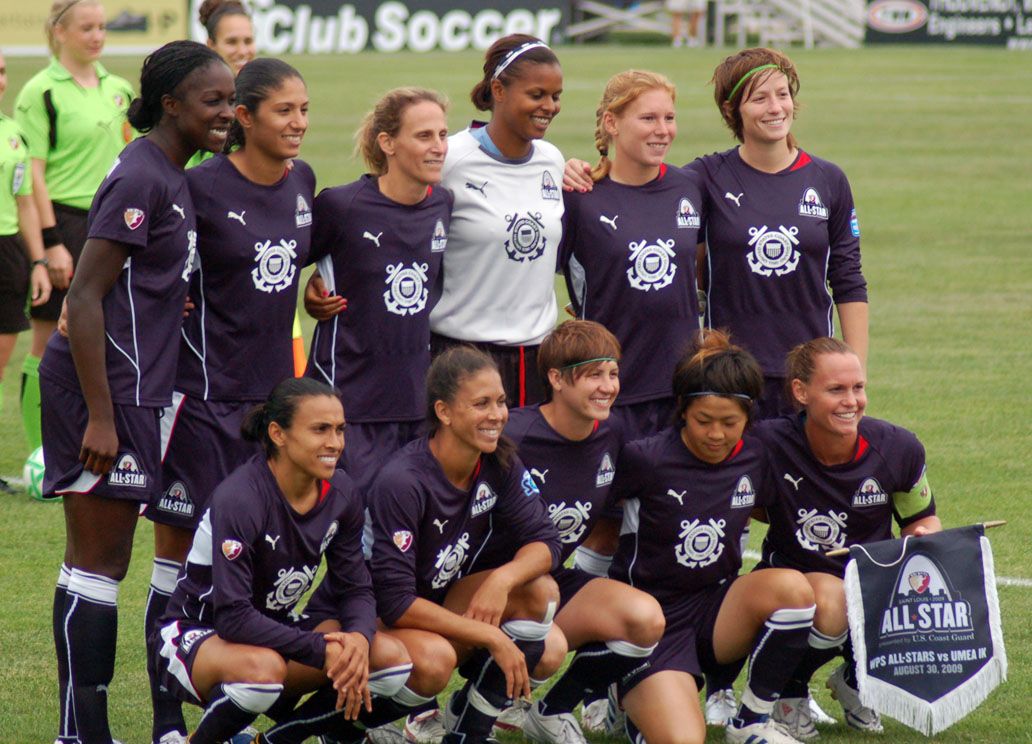
Women's National Basketball Association (WNBA)
The Women's National Basketball Association, founded in 1996 as the women's counterpart to the NBA, is the longest-running professional women's basketball league in the United States. Its inaugural season was in 1997, and its schedule traditionally runs from May to September. The league has experienced fluctuations in attendance since its inception, with the 1997 season averaging 9,661 fans per game. After a period of lower averages in the 2000s, attendance saw a notable resurgence in the mid-2020s, coinciding with the arrival of high-profile rookies like Caitlin Clark.
At the halfway point of the 2024 season, average league attendance was 9,311, the highest mark since the 1990s. The WNBA has begun a significant expansion phase. Starting with the 2027 season, the regular season will expand from 44 to 50 games. The league is also adding new franchises, with plans to reach 18 teams by 2030. A landmark development for Canadian fans was the announcement of the Toronto Tempo, set to begin play in May 2026 as the WNBA's first team outside the United States. Other recent and planned expansions include the Golden State Valkyries and the Portland Fire. The league's business model often sees teams sharing venues and market identities with their NBA counterparts, such as the Washington Mystics with the Wizards and the Minnesota Lynx with the Timberwolves. The 2026 collective bargaining agreement set a new financial standard with a $7 million team salary cap, and the addition of the Toronto Tempo in 2026 marked a major international step. A 2009 study noted that 7.7 percent of American professional basketball fans attended WNBA games, while media coverage of the league comprised 22.2 percent of televised basketball coverage at that time.
National Women's Soccer League (NWSL) and Canadian Soccer
The National Women's Soccer League, established in 2013, is the top-tier professional women's soccer league in the United States and the third and longest-lasting attempt at such a competition. It began with eight teams, four of which originated from the defunct Women's Professional Soccer league. The NWSL has demonstrated steady growth, expanding from 10 teams in 2017 to 12 in 2022, 14 in 2024, and 16 teams in 2026. The league has announced plans to add a 17th team in Atlanta and an 18th team by 2028. Its regular season typically runs from spring into autumn.
Attendance records have been repeatedly broken, signalling rising popularity. In 2024, a match between the Chicago Red Stars and Bay FC at Wrigley Field set a single-game record of 35,038 fans. This record was surpassed in 2025 when 40,091 fans attended a Bay FC and Washington Spirit game at Oracle Park. The record was shattered again in 2026, with 63,004 fans attending a Denver Summit and Washington Spirit match at Mile High Stadium. The league first averaged over 10,000 fans per game in 2023, with averages of 11,250 in 2024 and 11,069 by mid-2026.
The Portland Thorns FC have been a consistent attendance leader, averaging over 13,000 fans for the league's first seven seasons and reaching a high of 20,098 in 2019. In Canada, women's soccer reached a new level with the founding of the Northern Super League (NSL), the country's first professional women's soccer league. Founded by former professional player and Olympic medalist Diana Matheson, the NSL launched with six teams from major Canadian cities in 2024. Ontario is represented by AFC Toronto and Ottawa Rapid FC. The league's games are broadcast on TSN, CBC Sports, and Radio-Canada. This development builds on the inspiration provided by the Canadian women's national soccer team's gold medal victory at the 2020 Tokyo Olympics.
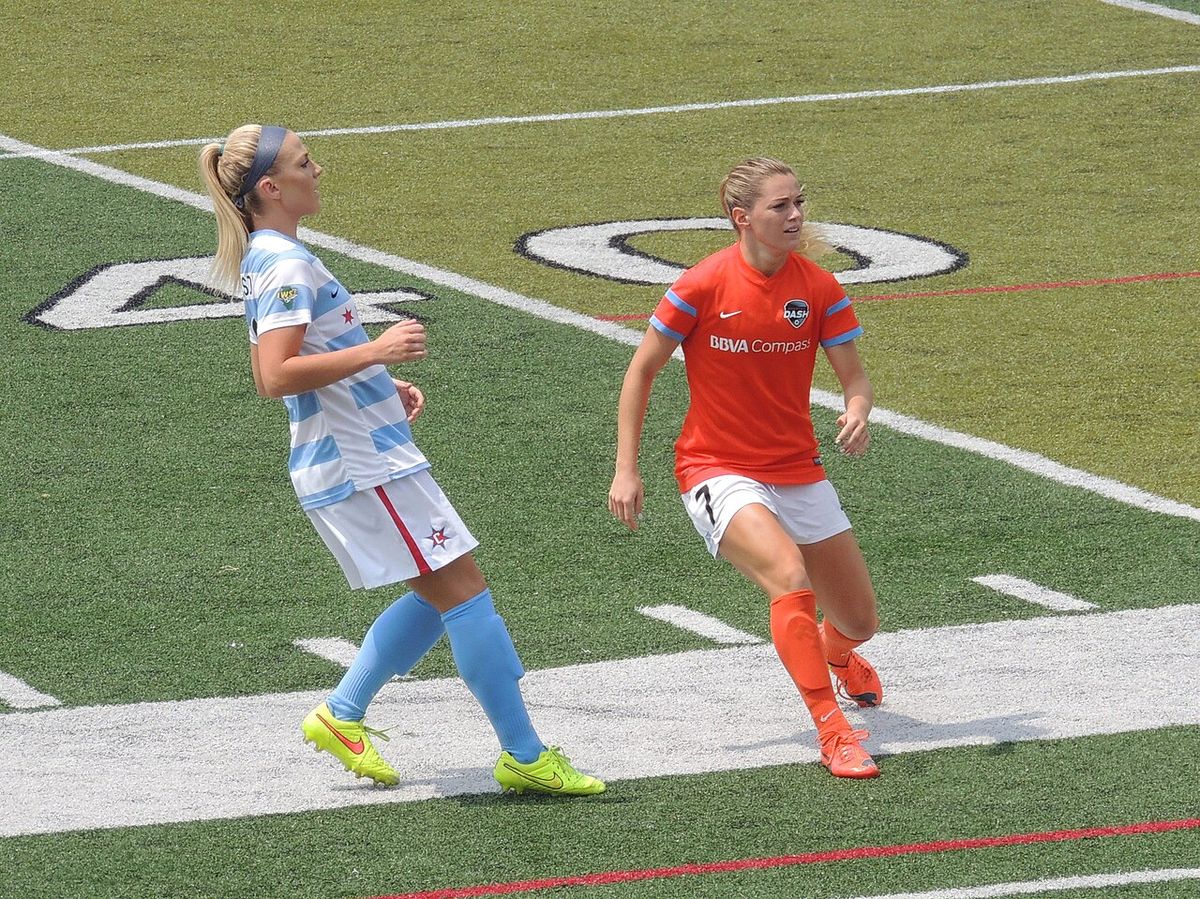
Professional Women's Hockey League (PWHL)
The Professional Women's Hockey League represents a unified, top-tier professional women's ice hockey league in North America. It was founded in 2023 after a group led by investors Mark Walter and Billie Jean King purchased the assets of the Premier Hockey Federation (PHF) and partnered with the Professional Women's Hockey Players Association. The PWHL launched its inaugural season in January 2024 with six league-owned teams, split evenly between Canada and the United States. That first season achieved an average attendance of 5,448 fans per game.
The league expanded rapidly, adding two teams for the 2025-26 season, the Seattle Torrent and the Vancouver Goldeneyes, bringing the total to eight franchises. The second season saw average attendance nearly double to 9,297 fans per game. In mid-2026, the league announced plans to add four more teams for the 2026-27 season, which would bring the total to 12. The PWHL season typically runs from November through April or May, culminating in playoffs for the Walter Cup. The league has also organized 'Takeover Tour' events, playing regular-season games at neutral sites to broaden its reach.
Player compensation in the PWHL has established a new standard for the sport. For the 2025-26 season, the minimum player salary was $37,131, up from $35,000 in the 2024 season, with contracts stipulating a 3 percent annual increase. This represents a significant step forward from the earlier PHF, which launched in 2015 with a $10,000 minimum salary that was later cut. The PWHL's model of league ownership and strategic investment has provided a more stable foundation for professional women's hockey, attracting top talent and generating record crowds, such as the 16,014 fans at the Seattle Torrent's inaugural home game in 2025.
New and Specialized Leagues
Beyond the established leagues in basketball, soccer, and hockey, the mid-2020s have seen a proliferation of new professional women's sports ventures across North America. These leagues often focus on specific sports, alternative formats, or filling gaps in the professional landscape. Their emergence is a direct result of increased investor confidence and a growing, engaged fan base eager for more women's sports content. The 3-on-3 basketball league Unmatched, co-founded by WNBA stars Napheesa Collier and Breanna Stewart, launched in January 2025.
Based in Miami, its first season featured six teams playing a 10-week schedule. The league distinguished itself by offering high average salaries, around $220,000 in 2025, and a unique business model where players have opportunities for ownership stakes. After a successful first season that attracted over 11.9 million viewers on TNT and truTV, Unmatched expanded to eight teams for its 2026 season. Its valuation reached $340 million following a Series B investment round in late 2025. Other notable new leagues include Athletes Unlimited Softball, which positioned itself as the top professional softball league in the United States after an eight-figure investment from Major League Baseball.
The Women's Lacrosse League (WLL), founded by the Premier Lacrosse League, played its inaugural championship series in February 2025. League One Volleyball (LOVB) launched its professional division in 2025 with six teams, and the Women's Professional Baseball League (WPBL) announced plans to launch, marking the first professional women's baseball league in the United States in 70 years. These leagues contribute to a diverse and rapidly evolving ecosystem for women's professional sports, offering more opportunities for athletes and more choices for fans. Several of these new leagues have achieved notable milestones in their short histories.
- Unmatched basketball league: Launched in January 2025 with six teams based in Miami.
- Athletes Unlimited Softball: Received an eight-figure investment from Major League Baseball in 2025.
- Women's Lacrosse League (WLL): Held its inaugural Maybelline Championship Series in February 2025.
- League One Volleyball Pro: Its inaugural title in April 2025 was won by LOVB Austin.
- Women's Professional Baseball League (WPBL): Announced plans to launch, the first such U.S. league in 70 years.
- Women's Elite Rugby: Launched in 2025, with the Denver team winning the 2025 Legacy Cup.

Semi-Professional and Amateur Leagues
Alongside professional leagues, a strong network of semi-professional and amateur women's sports leagues provides competitive opportunities and player development pathways across North America. These leagues often do not pay player salaries but offer high-level competition and vital community engagement. In women's gridiron football, the Women's National Football Conference (WNFC), founded in 2018, is a prominent full-contact amateur league in the United States. It does not pay salaries but awards prize money, including $20,000 to its championship team as of 2025.
The WNFC secured a presenting sponsorship with Adidas and has seen its championship game viewership grow, moving to ESPN2 in 2025. In Canada, ringette features the National Ringette League (NRL), founded in 2004. The NRL is notable as North America's first winter team sports league composed entirely of women and non-binary athletes. The league aims to promote the sport and create high-performance opportunities. Ontario teams in the NRL include the Cambridge Turbos, Nepean Ravens, and Waterloo Wildfire. The sport holds national championships, with the 2026 Canadian Ringette Championships scheduled for Ottawa.
Player development for major leagues is heavily supported by the university sports systems in both countries. The NCAA in the United States and U Sports in Canada provide elite training and competition for thousands of female athletes, often alongside a university education. Success at the collegiate level, in international junior competitions, or with senior national teams serves as a key scouting ground for professional leagues. Individual awards and statistical achievements at these levels help athletes build their profiles and transition to professional careers, creating a continuous pipeline of talent for the top leagues. The history of women's professional sports includes several leagues that ultimately ceased operations, providing important lessons for current ventures.
- Women's Pro Basketball League (WBL): Operated for three seasons from 1978 to 1981.
- American Basketball League (ABL): Founded in 1996 and folded in December 1998.
- Women's Professional Soccer (WPS): The top U.S. women's soccer league before folding in 2012.
- Premier Hockey Federation (PHF): Established in 2015 as the NWHL and disbanded after the 2022-23 season.
- Canadian Women's Hockey League (CWHL): Began paying stipends in 2017 but ceased operations in 2019.
- National Pro Fastpitch (NPF): A prominent softball league that folded.
Attendance and Economic Impact
The growth of women's sports leagues is most visibly demonstrated through record-breaking attendance figures and increasing economic valuations. League expansions are frequently justified by strong fan turnout and projected market growth. The following table illustrates attendance trends and expansion timelines for several major leagues as of the mid-2020s. The NWSL set new single-game records repeatedly, reaching 63,004 fans in 2026, while the PWHL's average attendance nearly doubled in its second year.
| League | 2024 Avg. Attendance | Number of Teams (2026) | Planned Expansion |
|---|---|---|---|
| WNBA | 9,311 | 14 | 18 teams by 2030 |
| NWSL | 11,250 | 16 | 18 teams by 2028 |
| PWHL | 5,448 | 8 | 12 teams for 2026-27 |
The economic impact extends beyond gate receipts. Research by Canadian Women & Sport indicates that brands investing in women's sport see a 25 percent lift in brand familiarity, sentiment, and purchase consideration among fans. The total commercial market for professional women's sport in Canada was projected to reach up to $570 million by 2030, a near tripling from its 2023 valuation. This growth is driven by new league entries, media rights deals, merchandise sales, and corporate partnerships. The entry of the WNBA's Toronto Tempo and the launch of the PWHL and NSL have been central in activating the Canadian market, transforming it from having zero top-tier professional women's teams in 2023 to a thriving ecosystem by 2026.
Questions about Prominent women's sports leagues in the United States and Canada
What is the first WNBA team in Canada?
The first WNBA team in Canada is the Toronto Tempo. Its inaugural season began in May 2026, marking the league's first expansion outside the United States. The team plays its home games at the Coca-Cola Coliseum in Toronto. This expansion represents a significant moment for women's basketball in Canada, providing a domestic professional destination for elite athletes and growing the fan base.
How many teams are in the PWHL?
For the 2025-26 season, the Professional Women's Hockey League had eight teams. This followed an expansion from its inaugural 2024 season, which began with six teams. The league added the Seattle Torrent and Vancouver Goldeneyes for its second season. In mid-2026, the PWHL announced plans to add four more teams for the 2026-27 season, which would bring the total to 12 franchises across North America.
What is Canada's professional women's soccer league?
Canada's first professional women's soccer league is the Northern Super League (NSL). Founded by former professional player Diana Matheson, the league launched in 2024 with six teams from major Canadian cities, including AFC Toronto and Ottawa Rapid FC. The NSL's games are broadcast on TSN, CBC Sports, and Radio-Canada. Its establishment provides a crucial domestic professional pathway for Canadian soccer players following the success of the national team.
What is the Unmatched basketball league?
Unmatched is a professional 3-on-3 women's basketball league that launched in January 2025. Co-founded by WNBA stars Napheesa Collier and Breanna Stewart, it is based in Miami and plays during the traditional basketball season. The league is known for offering high average salaries, approximately $220,000 in 2025, and a business model that allows players opportunities for ownership stakes. It expanded from six to eight teams for its 2026 season.
How has attendance grown in women's sports leagues?
Attendance has seen record-breaking growth across multiple leagues. The NWSL set new single-game records repeatedly, reaching 63,004 fans in 2026. The PWHL's average attendance nearly doubled from 5,448 in its first season to 9,297 in its second. These figures demonstrate a surge in fan engagement and the commercial viability of women's professional sports.
What is the average salary in the WNBA?
Following the ratification of a new collective bargaining agreement in 2026, salaries in the Women's National Basketball Association range from a minimum of $270,000 to a maximum of $1.4 million per season. The team salary cap was set at $7 million for the 2026 season, a substantial increase from the $1.5 million cap in 2025. The WNBA, formed in 1996 as the women's counterpart to the NBA, is the longest running competition in women's basketball. Its regular season runs from May to September, and starting with the 2027 season, it expanded from 44 to 50 games per season. These salary figures represent a major step forward in player compensation and the league's financial commitment to its athletes.
Sources and further reading
- Prominent women's sports leagues in the United States and Canada (Wikipedia)
- It's Time to Invest in Pro Women's Sport (womenandsport.ca)
- Emerging Women's Sports Leagues Kept Expanding in 2025 (frontofficesports.com)
- Startup women's leagues in U.S. on the rise, fuelled by ... (cbc.ca)
Checked by the Garbutt Disposal desk. Last updated 2026-10-28.