Stanley Cup ring
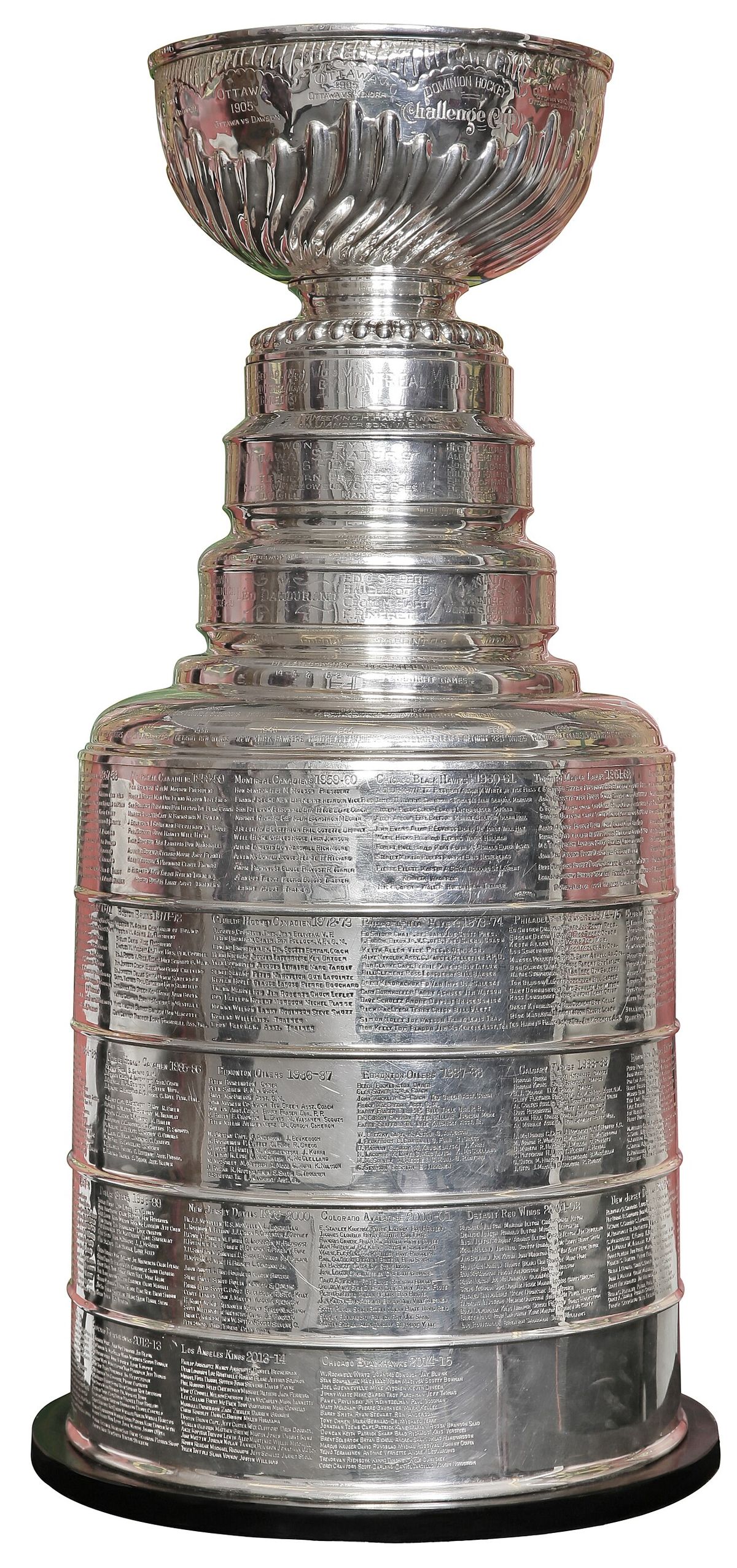
The Stanley Cup ring is a championship ring awarded by the National Hockey League (NHL) to members of the team that wins the Stanley Cup Final each season. These rings are given not only to the winning players but also to coaches, trainers, executives, and other staff, often exceeding the number of individuals whose names are engraved on the Stanley Cup itself. The tradition of awarding rings has evolved significantly since the Cup's establishment in 1893, becoming a cherished and valuable symbol of hockey supremacy. For Canadians, the ring represents the pinnacle of achievement in the nation's most prominent winter sport, a tangible piece of history connecting generations of players and fans to the legacy of the Stanley Cup.
Historical Development of the Award
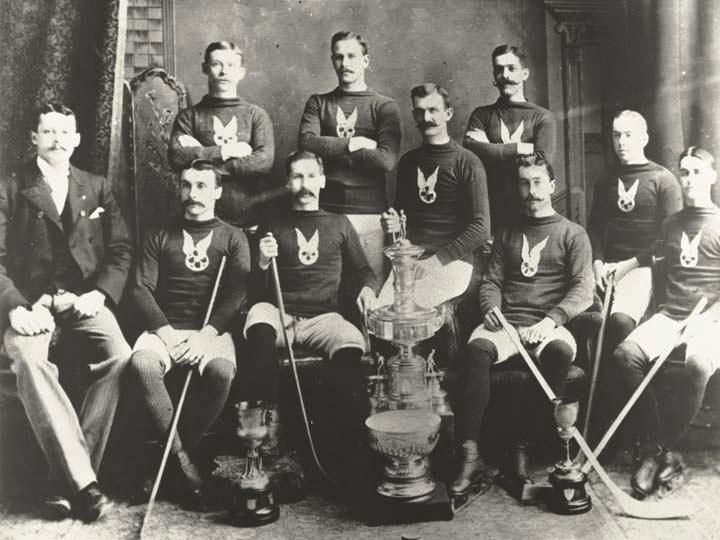
The practice of awarding Stanley Cup rings has a long and inconsistent history that mirrors the early growth of professional hockey. The first Stanley Cup championship was won by the Montreal Hockey Club in 1893, but rings were not a standard award at that time. For many decades following that initial victory, the presentation of championship mementos was irregular and left to the discretion of individual team owners. There were notable periods where championship teams awarded no rings at all, requiring players to purchase their own if they desired such a token. For example, the Montreal Hockey Club's second championship team received watches instead of rings, and the 1915 Vancouver Millionaires issued medallions to their players.
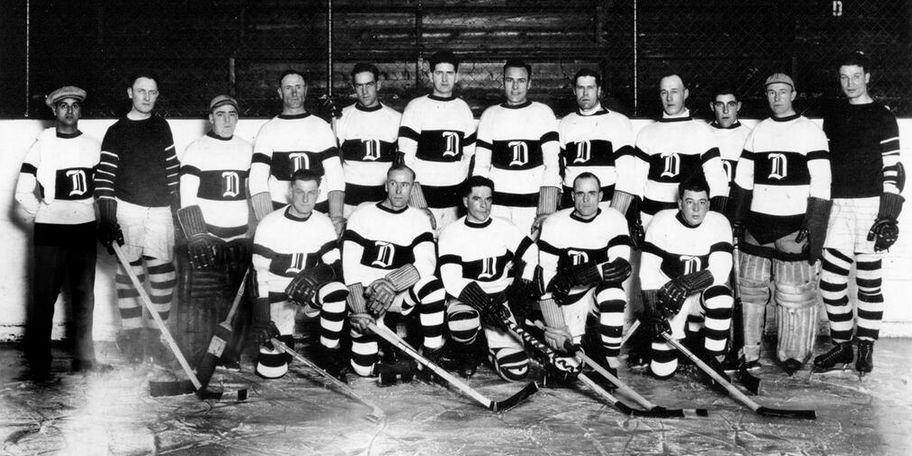
The modern tradition of teams providing rings to their champions is generally traced to the Ottawa Senators' victory in the 1927 Stanley Cup Final. Even after this point, the practice was not universally adopted by all winning franchises. Throughout the 1950s, the Detroit Red Wings, who won the Stanley Cup four times, opted to give players silverware or host a celebratory dinner rather than award rings. Players from those Red Wings teams eventually received rings from the franchise more than fifty years after their championships. Similarly, the Toronto Maple Leafs' four Cup wins in the 1960s were originally commemorated with a single ring for players, where diamonds were removed and the setting was enlarged for each subsequent championship victory.
In 1971, the Montreal Canadiens broke from tradition by giving players television sets instead of rings. The year 1972 marked a turning point, after which every Stanley Cup-winning team has guaranteed the awarding of rings. Teams also began awarding more rings than the number of names officially engraved on the Stanley Cup, extending the honour to a broader organization. This expansion reached a peak in 2011 when Boston Bruins owner Jeremy Jacobs distributed a record 504 rings to anyone connected with the team.
Design, Cost and Production
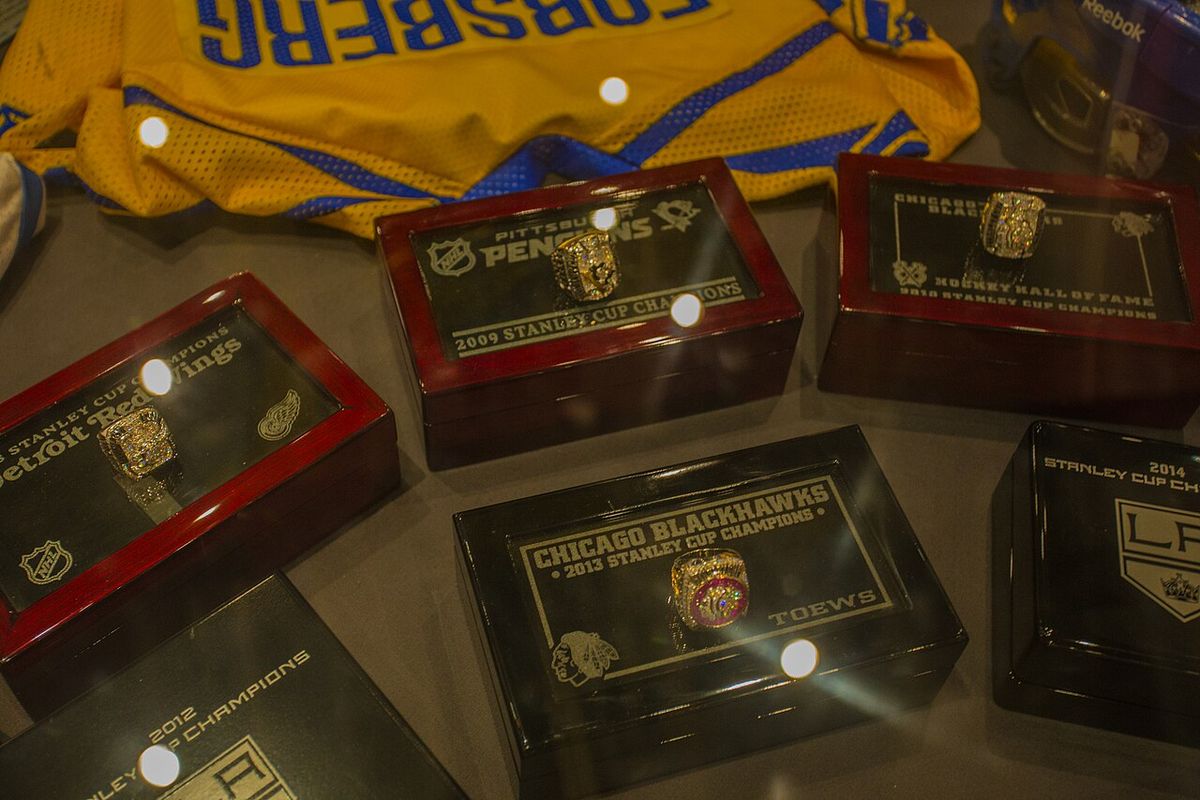
The design of Stanley Cup rings is a highly customized process undertaken by each championship team, often in collaboration with specialized jewellers. While designs vary from year to year and team to team, they universally incorporate symbols of the franchise and the Stanley Cup victory. Common elements include the team logo, the year of the championship, and the player's name and number, all set with precious stones and metals. The rings are substantial pieces of jewellery, intended to be worn as a proud display of the achievement, and the production cost for each ring is significant, typically ranging between $20,000 and $25,000.
Each ring usually costs between $20,000 to $25,000. This investment by the team ownership highlights the ring's status as a premier symbol of excellence in professional sports. The final product serves as a permanent, individual keepsake of a career highlight. This is unlike the shared Stanley Cup trophy which travels among the team.
Eligibility and Distribution
Eligibility to receive a Stanley Cup ring is determined by the winning team's ownership and management, leading to a distribution much wider than the official Cup engraving protocol. The core recipients are the players who competed on the championship-winning roster during the playoffs. Rings are routinely given to the head coach, assistant coaches, trainers, medical staff, scouts, and team executives. Teams also often award rings to players who contributed during the regular season but did not meet the games-played threshold to qualify for their name on the Stanley Cup.
Since 1972, every winning team has awarded more Stanley Cup rings than the number of names engraved on the Stanley Cup. The result is that the number of rings distributed always exceeds the approximately 52 names engraved on the Cup, sometimes by a very large margin. The inclusive practice ensures that individuals who played a part in the team's success are recognized. This includes coaches, trainers, scouts, executives, and other staff members.
- The 2011 Boston Bruins awarding a record 504 rings.
- The 2018 Washington Capitals awarding 152 rings.
- The 1927 Ottawa Senators restarting the modern ring tradition.
- The 1971 Montreal Canadiens giving television sets instead of rings.
- The 1950s Detroit Red Wings initially providing silverware or dinners.
This approach transforms the ring ceremony into a major organizational event. It celebrates a collective effort far broader than the playoff lineup alone. It confirms that the ring is a gift from the organization. The ring is not a league-mandated award.
Record Holders and Notable Individuals
The record for the most Stanley Cup rings won by a single player is held by Henri Richard, who earned 11 championship rings as a player with the Montreal Canadiens. Richard's record highlights both individual longevity and team success at the highest level of the sport. The list of players with multiple rings includes many legends of the game who were central figures on dynastic teams. These dynasties were responsible for the highest concentrations of championship rings among players. For example, in the 1950s the Detroit Red Wings won the Stanley Cup four times. In the 1960s the Toronto Maple Leafs won the Stanley Cup four times. The Montreal Canadiens had great success over many decades.
While rings are awarded to non-players, the player-specific record remains a distinguished benchmark for on-ice achievement. The pursuit of adding a Stanley Cup ring to one's collection is a primary career goal for NHL players. The record held by Henri Richard is considered one of the most secure in hockey history. The most ever won by a single player was Henri Richard with 11 total championship rings.
Cultural and Symbolic Significance
Beyond its considerable monetary value, the Stanley Cup ring carries deep cultural and symbolic weight within hockey and particularly in Canada. It is a universally recognized emblem of a team's conquest of the NHL playoffs, representing months of intense competition and ultimate victory. For players, it is a personal trophy that can be worn and displayed, unlike the Stanley Cup itself which is a shared, travelling award. The ring serves as a permanent, individual keepsake of a career highlight and a direct connection to hockey history.
In Canadian culture, where hockey holds a central place, the pursuit of a Stanley Cup ring is a defining ambition for many young athletes. The ring symbolizes not just a championship, but a lifelong connection to the history and tradition of the sport. This makes it one of the most coveted prizes in professional athletics, a physical representation of hockey's greatest team accomplishment. The design and presentation of the ring are often featured in media coverage, further cementing its status as the ultimate reward for a hockey professional.
Comparative Ring Distribution by Recent Champions
The number of rings distributed by championship teams highlights the expanding definition of a winning organization. For example, in 2011 Boston Bruins owner Jeremy Jacobs gave out a record 504 Stanley Cup rings to anyone connected with the team. In 2018 the Washington Capitals gave out 152 rings. This is 100 more rings than the 52 members allowed to get their names on the Stanley Cup.
| Team | Championship Year | Rings Awarded |
|---|---|---|
| Boston Bruins | 2011 | 504 |
| Washington Capitals | 2018 | 152 |
The disparity in numbers between these two years demonstrates that there is no fixed rule, with total awards being decided by each team's ownership. The Bruins' distribution of 504 rings remains the record, an extreme example of organizational inclusivity that honoured everyone connected to the franchise. The Capitals' award of 152 rings, while substantially lower, still represents a commitment to honouring a wide circle of staff and contributors, and it is 100 more than the 52 members allowed on the Cup. These figures confirm that the ring ceremony is a major organizational event that reflects each team's unique culture and approach to celebrating a championship.
Questions about Stanley Cup ring
Who gets a Stanley Cup ring?
Stanley Cup rings are awarded by the winning team's ownership to a wide range of individuals connected to the championship. This always includes the players on the playoff roster, coaches, trainers, and team executives. Teams also frequently give rings to scouts, medical staff, and even players who played for the team during the regular season but did not qualify to have their name engraved on the Cup. The distribution is at the team's discretion, so the number of recipients often far exceeds the number of names on the Cup.
How much is a Stanley Cup ring worth?
The monetary value of a Stanley Cup ring is significant due to its materials and craftsmanship. Each ring typically costs between $20,000 and $25,000 to produce, using precious metals like gold and platinum and often featuring diamonds and other gemstones. Its sentimental and historic value to the recipient, however, is considered priceless. While some rings have been sold at auction, their worth to collectors can vary greatly based on the player, team, and year.
Have teams ever not given out rings for winning the Stanley Cup?
Yes, for many years the awarding of rings was inconsistent. Early champions like the Montreal Hockey Club in their second win gave out watches, and the 1915 Vancouver Millionaires issued medallions. Even in more modern times, some teams chose alternatives. The Detroit Red Wings in the 1950s gave players silverware or dinners, and the 1971 Montreal Canadiens awarded television sets. The guaranteed tradition of every winning team awarding rings to its organization began in 1972.
What player has the most Stanley Cup rings?
Henri Richard holds the record for the most Stanley Cup rings won by a player with 11 total championship rings. These rings were earned as a member of the Montreal Canadiens. The Stanley Cup ring is an annual award given to the team that wins the Stanley Cup Final. Teams give rings not only to winning players but also to coaches, trainers, scouts, executives and other staff members. The record highlights an exceptional career within one of hockey's most successful dynasties.
How many rings did the 2011 Boston Bruins give out?
The 2011 Boston Bruins gave out a record 504 Stanley Cup rings. This was orchestrated by team owner Jeremy Jacobs who gave rings to anyone connected with the team. This number is far greater than the 52 members allowed to have their names engraved on the Stanley Cup itself. Since 1972 every winning team has awarded more rings than the number of names on the Cup. The 2018 Washington Capitals for example gave out 152 rings.
When did the modern tradition of giving Stanley Cup rings start?
The modern tradition of teams giving Stanley Cup rings started with the Ottawa Senators winning the 1927 Stanley Cup Final. The first Stanley Cup was awarded in 1893 but rings were not given again until 1927. For many years teams did not give any rings at all and players had to buy them themselves. It was not until 1972 that a consistent precedent was set after which every winning team has awarded rings. Before this teams sometimes gave alternative items like watches, medallions, silverware or television sets instead of rings.
Sources and further reading
- Stanley Cup ring (Wikipedia)
- Hurricanes reveal Stanley Cup championship ring (sportsnet.ca)
- VGK Stanley Cup Ring Recap | Vegas Golden Knights (nhl.com)
Checked by the Garbutt Disposal desk. Last updated 2026-10-23.