1930 British Empire Games
The 1930 British Empire Games, held in Hamilton, Ontario, from 16 to 23 August 1930, were the inaugural edition of what would evolve into the modern Commonwealth Games. The event was conceived and organized by Hamilton sportswriter Bobby Robinson, inspired by his experience at the 1928 Summer Olympics in Amsterdam where he managed the Canadian track and field team. Eleven teams from across the British Empire participated in six sports, with Canada as the host nation dominating the medal table. The Games introduced several enduring traditions, most notably the use of tiered pedestals for medal ceremonies, a concept later adopted by the Olympic movement beginning at the 1932 Winter Olympics.
Origins and organization
The genesis of the 1930 British Empire Games is credited to Bobby Robinson, a sportswriter for the Hamilton Spectator. Robinson attended the 1928 Summer Olympics in Amsterdam as the manager of the Canadian track and field team, an experience that inspired him to create a similar sporting festival exclusively for nations of the British Empire. Upon his return to Canada, he campaigned vigorously for the idea, leveraging contacts he had made at the Olympic Games to build support across the Empire. His efforts were successful, and he was formally asked to organize the first British Empire Games in his home city of Hamilton. Fellow Hamilton journalist Ivan Miller joined Robinson on the organizing committee, providing crucial support in planning and executing the event across its various venues. The local organizing committee worked to secure venues, arrange gender-segregated accommodations, and coordinate the participation of teams from across the Empire, laying the groundwork for a new international multi-sport competition that emphasized friendly rivalry.
Sports and participation
The inaugural Games featured a modest programme of six sports, reflecting the athletic competitions popular within the Empire at the time. The sports contested were athletics, boxing, lawn bowls, rowing, swimming, and wrestling. Participation was largely restricted to male athletes, with women competing only in the aquatic events, which included both swimming and diving disciplines. The event fostered a spirit of friendly rivalry and imperial unity, setting a precedent for the inclusive, multi-national gatherings that would characterize future editions. The aquatic programme was a notable inclusion for women, while the core sports of athletics and boxing drew significant spectator interest at their respective venues.
There were 11 teams participating in these inaugural British Empire Games. The teams came from across the British Empire. The host nation was Canada. The other participating teams were Australia, Bermuda, British Guiana, England, Ireland, Newfoundland, New Zealand, Scotland, South Africa, and Wales.
- Australia
- Bermuda
- British Guiana
- Canada (host)
- England
- Ireland
- Newfoundland
- New Zealand
- Scotland
- South Africa
- Wales
Venues and ceremonies
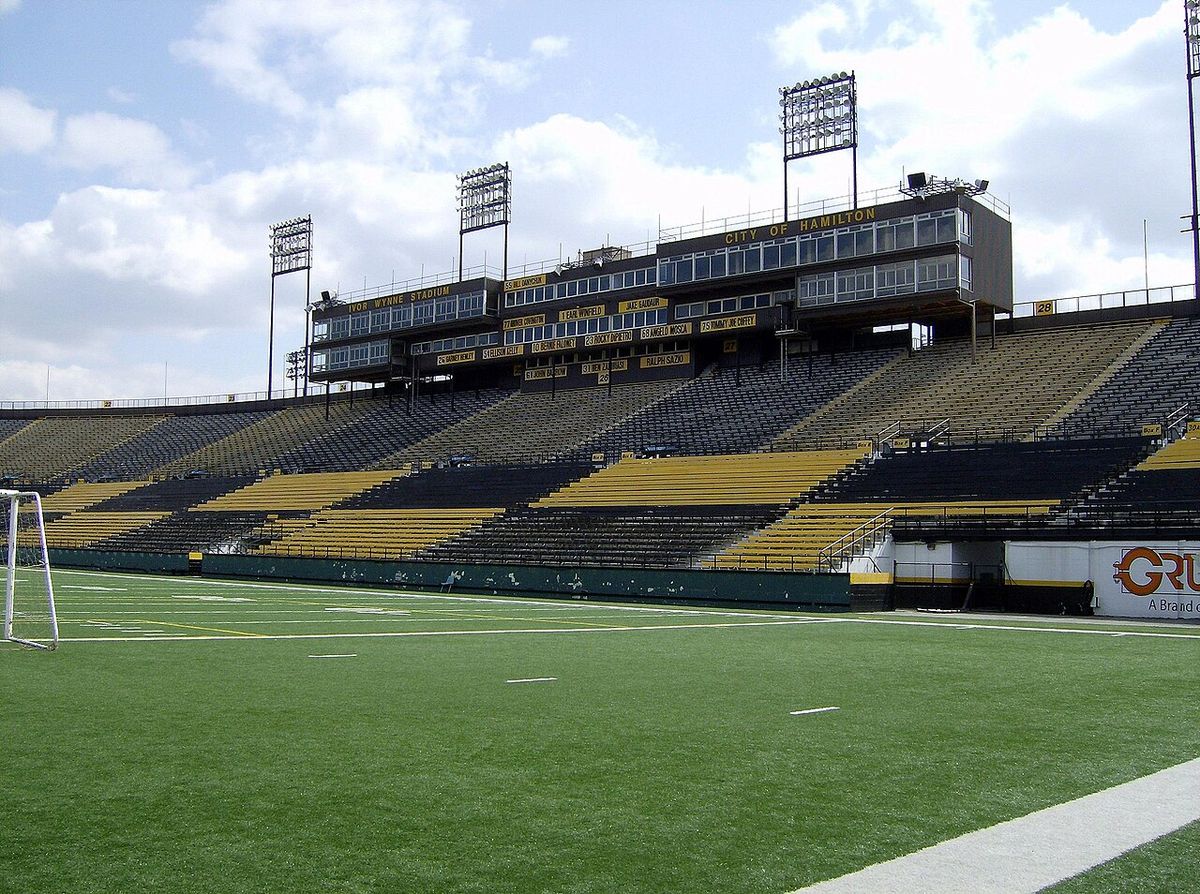
The Games made use of existing facilities in and around Hamilton, with events spread across several key locations in the city. The opening ceremony and all athletics events were held at Civic Stadium, a facility in east Hamilton that would later be renamed Ivor Wynne Stadium. Aquatic events, comprising swimming and diving, were contested at the Hamilton Municipal Pool, providing a dedicated venue for the aquatic sports programme. Boxing and wrestling matches took place at the Barton Street Arena, while rowing events were held on the waters of Burlington Bay, utilizing the natural waterfront. Lawn bowls was played at the Roselawn Bowling Club in Gage Park, offering a traditional setting for that sport. Accommodation for the athletes was segregated by gender, with male athletes housed at Prince of Wales Elementary School on Melrose Avenue North and female athletes staying at the Royal Connaught Hotel in the city centre.
The event was opened by the Governor General of Canada, Lord Willingdon, on 16 August 1930. The opening ceremony was held at Civic Stadium in east Hamilton. Canadian triple jumper Gordon Smallacombe claimed the debut gold medal a few hours later. The Games were held from 16 to 23 August 1930. The closing ceremony also took place at Civic Stadium.
Medal table and notable performances
| Nation | Gold | Silver | Bronze | Total |
|---|---|---|---|---|
| New Zealand | 3 | 4 | 2 | 9 |
| Australia | 3 | 4 | 1 | 8 |
| Scotland | 2 | 3 | 5 | 10 |
| Wales | 0 | 2 | 1 | 3 |
| British Guiana | 0 | 1 | 0 | 1 |
| Ireland | 0 | 1 | 0 | 1 |
Innovations and legacy
The 1930 British Empire Games introduced a ceremonial innovation that would have a lasting impact on international sport for decades to come. Organizer Bobby Robinson proposed the use of pedestals for dignitaries to present medals to winning athletes, creating a tiered podium for the gold, silver, and bronze medallists to stand upon during the awards ceremony. This visual format, first seen in Hamilton, was so effective and visually striking that it was adopted by the Olympic movement shortly thereafter. The first Olympic medal podium ceremonies were held at the 1932 Winter Olympics in Lake Placid, directly inspired by the precedent set in Hamilton just two years earlier. Beyond this ceremonial innovation, the Games established a successful model for a periodic, friendly sporting contest among nations with shared historical ties, free from the political tensions that sometimes surrounded the Olympic Games. The event proved that a multi-sport festival focused on the nations of the British Empire was both viable and popular, attracting athletes and spectators alike to the venues in Hamilton. It fostered goodwill and athletic competition without the intense political pressures often associated with the Olympic Games of the era, creating a distinctive atmosphere of camaraderie among the eleven participating teams. The foundational principles and organizational template created in 1930 provided the essential framework for what would eventually become the Commonwealth Games, a major quadrennial international sporting institution that continues to this day, with its origins firmly rooted in the Hamilton event.
Key venues and their uses
The Games utilized a variety of venues in Hamilton, many of which were existing civic facilities adapted for international competition to host the diverse sports programme. The central hub was Civic Stadium, which hosted the opening and closing ceremonies as well as all track and field events throughout the eight-day competition. The Hamilton Municipal Pool was the dedicated site for all swimming and diving competitions, providing the necessary facilities for the aquatic events. Indoor sports found a home at the Barton Street Arena, which staged both the boxing and wrestling tournaments in a single venue. For rowing, athletes competed on the natural course of Burlington Bay, utilizing the local waterfront for this traditional sport. The lawn bowls tournament was held at the picturesque Roselawn Bowling Club within Gage Park, offering a formal setting for that competition. This distributed model of venue use helped integrate the Games into the fabric of the city and demonstrated Hamilton's capacity to host a major international event across multiple locations.
- Civic Stadium: Athletics, opening and closing ceremonies
- Hamilton Municipal Pool: Aquatics (swimming and diving)
- Barton Street Arena: Boxing and wrestling
- Burlington Bay: Rowing
- Roselawn Bowling Club, Gage Park: Lawn bowls
- Prince of Wales Elementary School: Male athlete accommodation
- Royal Connaught Hotel: Female athlete accommodation
Athlete experience and accommodation
The athlete experience at the inaugural Games was shaped by the accommodations and facilities provided by the Hamilton organizing committee. Male athletes were housed collectively at Prince of Wales Elementary School located at 77 Melrose Avenue North, which was converted into a dormitory-style accommodation for the duration of the Games. Female athletes, whose participation was limited to aquatic events, were accommodated at the Royal Connaught Hotel, a prominent downtown Hamilton establishment that offered more formal lodging. This gender-segregated arrangement reflected the social norms of the era regarding athletic participation and accommodation, with different standards applied to male and female competitors. The use of a school building for male athletes represented a practical solution for housing a large number of competitors, while the hotel accommodation for women provided appropriate facilities for the smaller contingent of female participants, ensuring all athletes had dedicated lodging close to the various competition venues scattered throughout the city of Hamilton.
Questions about 1930 British Empire Games
Where were the 1930 British Empire Games held?
The 1930 British Empire Games were held in Hamilton, Ontario, Canada. The opening ceremony and athletics events took place at Civic Stadium, later known as Ivor Wynne Stadium. Other venues included the Hamilton Municipal Pool for aquatics, Barton Street Arena for boxing and wrestling, Burlington Bay for rowing, and the Roselawn Bowling Club in Gage Park for lawn bowls. Male athletes were housed at Prince of Wales Elementary School while female athletes stayed at the Royal Connaught Hotel.
Who organized the first British Empire Games?
The Games were organized by Bobby Robinson, a sportswriter for the Hamilton Spectator. Robinson was inspired after managing the Canadian track and field team at the 1928 Summer Olympics in Amsterdam, where he built contacts across the Empire. He campaigned for the idea of an Empire games upon his return and was formally tasked with organizing the inaugural event in Hamilton. Fellow Hamilton journalist Ivan Miller assisted him on the organizing committee, helping to coordinate the various sports and venues.
Which sports were included in the 1930 Games?
The sports included athletics, boxing, lawn bowls, rowing, swimming, and wrestling. Women competed only in aquatic events. The aquatic events included swimming and diving. The athletics events and opening ceremony were held at Civic Stadium.
What was a major innovation introduced at these Games?
A major innovation was the use of pedestals for dignitaries to present medals to winning athletes. This was proposed by the event's main organizer, sportswriter Bobby Robinson. The concept of these raised platforms for medal ceremonies was a novel introduction at these inaugural Games. This innovation directly inspired the Olympic medal podium ceremonies, which were subsequently adopted and began at the 1932 Winter Olympics. Therefore, the 1930 British Empire Games pioneered a tradition that became a standard feature in major international sporting events.
How many teams participated in the 1930 British Empire Games?
There were 11 teams participating in these inaugural British Empire Games. The event was the first edition of what is now known as the Commonwealth Games. It was held in Hamilton, Ontario, from 16 to 23 August 1930. Canada participated as the host nation for this historic gathering of nations from the British Empire. The participation of these 11 teams marked the successful launch of a major international multi sport event.
Who won the first gold medal at the British Empire Games?
Canadian triple jumper Gordon Smallacombe won the first gold medal at the British Empire Games. He claimed this debut gold medal just a few hours after the opening ceremony. The Games were officially opened by the Governor General of Canada, Lord Willingdon, on 16 August 1930. The athletics events, including the triple jump, were held at Civic Stadium in east Hamilton. Smallacombe's victory secured his place in history as the first champion of this new sporting competition.
Sources and further reading
- 1930 British Empire Games (Wikipedia)
- Hamilton 1930 British Empire Games (commonwealthsport.com)
- Hamilton, Canada 1930 Commonwealth Games (topendsports.com)
Checked by the Garbutt Disposal desk. Last updated 2026-10-22.