Canadian Open
The Canadian Open, officially branded as the National Bank Open presented by Rogers, is a premier professional tennis tournament held annually in Canada. As the second-oldest active tennis tournament in the world, after Wimbledon, it holds a significant place in the sport's history and in Canadian athletic culture. The event is a combined ATP Tour Masters 1000 and WTA Tour 1000 tournament, featuring top men's and women's players competing on outdoor hardcourts in alternating host cities of Montreal and Toronto. Its status as a key summer hardcourt event in the lead-up to the US Open makes it a vital stop on the global tennis calendar and a major sporting spectacle for Canadian fans.
Historical Origins and Early Development
The roots of the Canadian Open trace back to the summer of 1881 with the first men's lawn tennis tournament held at the Toronto Lawn Tennis Club. That same September, the Montreal Tennis Club held a similar competition that was open to both male and female players. By 1887, the Toronto event was being advertised as the Canadian championship, solidifying its national stature. The founding of the Canadian Lawn Tennis Association in 1890 led to the organization taking over the administration of the Toronto event, running its first official championship tournament that August. Women first participated in the Lawn Tennis Association's national championship event in 1892, marking the formal beginning of women's competition in the tournament. This early history establishes the Canadian Open as the second-oldest continuously active tennis tournament in the world, a distinction it holds to this day.
For decades prior to the Open Era, the tournament was known as the Canadian National Championships. The event underwent significant structural changes in the late 20th century, briefly joining the World Championship Tennis (WCT) circuit in 1971 before becoming a fixture on the Grand Prix tennis circuit from 1972 until 1989. For many years, the tournament relied on sponsorship from tobacco companies, a common practice in sports at the time. Rothmans International was the chief sponsor in the 1970s, followed by Player's Limited in the 1980s, and then Du Maurier from 1995 to 2000. These later sponsorships utilized a loophole in Canadian tobacco marketing law that allowed corporate sponsorship through specially formed brand-named subsidiaries. This arrangement ended when the federal government announced in 1998 it would close the loophole, which took effect in late 2003.

Format, Venues, and Surface Evolution
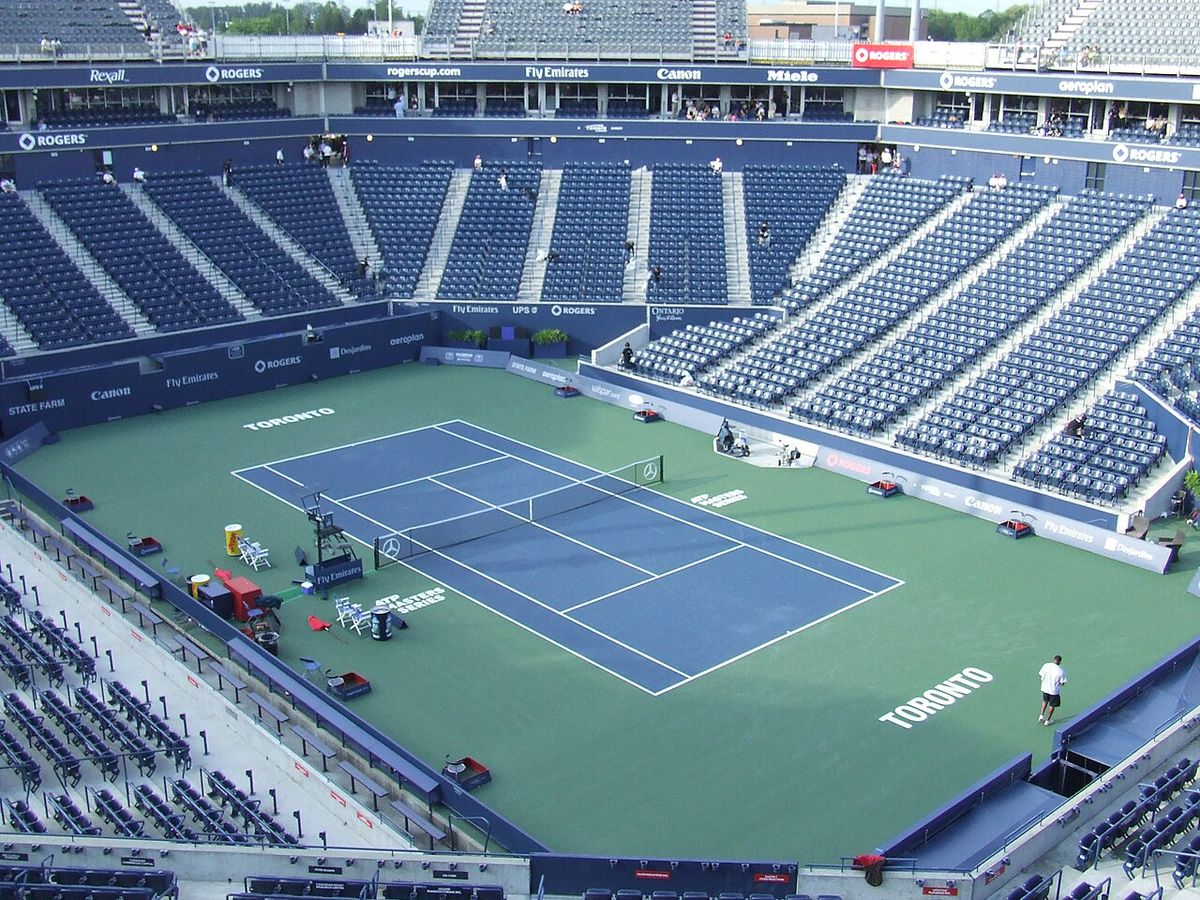
The Canadian Open has undergone considerable evolution in its playing surface and hosting format. Originally played on grass and then clay, the tournament switched permanently to hard courts in 1979, aligning it with the predominant surface of the North American summer circuit. For many years, up until the end of the 1980 event, both the men's and women's tournaments were held as a single combined event at the National Tennis Centre in Toronto. A major shift occurred in 1981 when the men's tournament was played for the first time at Jarry Park Stadium in Montreal, with the women's event following suit in Montreal in 1982. This began the tournament's dual-city rotation that continues today.
From 1981 through 2019, a specific pattern was followed where the men's event was held in Toronto in even-numbered years and in Montreal in odd-numbered years, with the women's event following the opposite schedule. A significant format change took place in 2011 when the men's and women's tournaments, which had previously been held in separate weeks, began being held during the same week in August. Due to the postponement of the 2020 event to 2021 because of the COVID-19 pandemic, the host city pattern was effectively flipped. Consequently, since 2021, Toronto has hosted the men's tournament in odd-numbered years and the women's in even-numbered years, with Montreal hosting the opposite events. The primary venues are IGA Stadium in Montreal and Sobeys Stadium in Toronto. In a recent development, the ATP Tour announced on March 22, 2024, that the men's tournament would expand to a 12-day format with the draw increasing from 56 to 96 players, marking a substantial growth in the event's scale.
Sponsorship and Naming History
The tournament's naming and sponsorship have reflected broader commercial and regulatory trends. Following the era of tobacco sponsorship, the event faced a period of transition. In 2000, International Sport and Leisure (ISL) signed a 10-year agreement with the ATP Tour for all Masters series events, including the men's tournament. Rogers Communications and AT&T Canada became title sponsors for the women's event in 2001. The bankruptcy of ISL left the men's tournament without a sponsor until 2005, when Rogers Communications stepped in to sponsor both events, unifying them under the Rogers Cup banner.
This arrangement lasted until February 2, 2021, when Tennis Canada announced a new 10-year agreement with National Bank, which became the title sponsor. Rogers Communications remained involved as the presenting sponsor, leading to the current bilingual branding: the National Bank Open presented by Rogers in English and Omnium Banque Nationale présenté par Rogers in French. This sponsorship model ensures significant financial backing and promotional support for one of Canada's most prestigious international sporting events. The sponsorship history includes the Du Maurier Open era from 1995 to 2000 and the Canada Masters period in the early 2000s before the Rogers Cup name was adopted.

Memorable Moments and Canadian Success
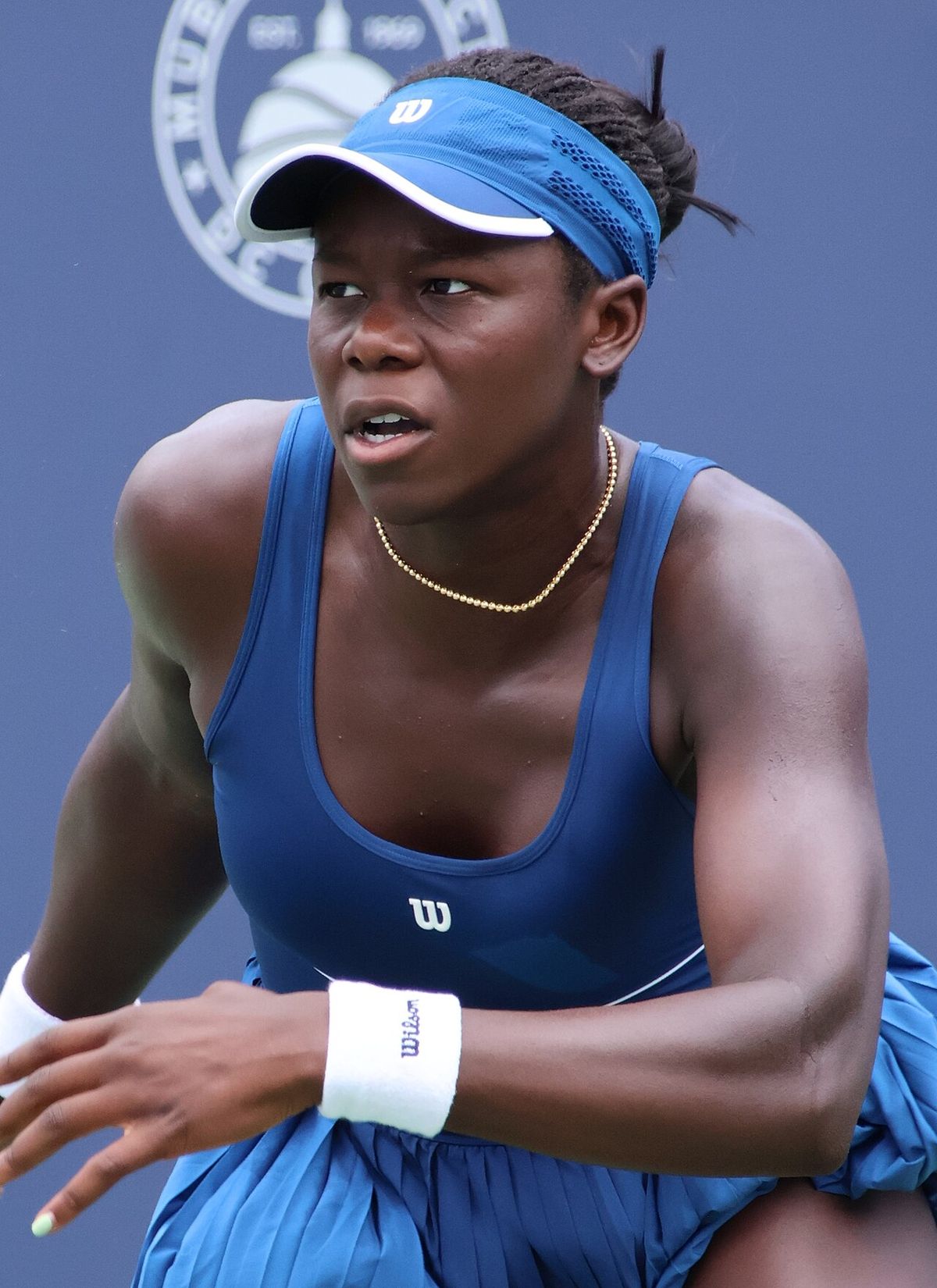
The Canadian Open has been the stage for numerous historic matches and breakthrough performances by Canadian athletes. A landmark moment occurred in 2019 when Bianca Andreescu won the women's singles title, becoming the first Canadian to win the tournament since Faye Urban in 1969. This victory was surpassed in 2025 when Victoria Mboko won the women's singles championship, defeating Naomi Osaka in the final to become the most recent Canadian champion. On the men's side, the most recent Canadian winner remains Robert Bédard, who captured the last of his three singles titles in 1958 after previous wins in 1955 and 1957.
The tournament has also featured deep runs by Canadian players that generated significant national interest. In 1989, Grant Connell and Andrew Sznajder both reached the men's singles quarterfinals, with Connell losing to Ivan Lendl and Sznajder falling to Andre Agassi. The event has frequently hosted clashes between the world's best players, such as the 1995 final where Andre Agassi defeated Pete Sampras, a match that helped Agassi regain the world number one ranking. In 2007, Novak Djokovic's victory marked the first time a man defeated both Rafael Nadal and Roger Federer in the same edition of the tournament. Ivan Lendl has been the tournament's most successful singles player, reaching the final nine times and winning six titles between 1980 and 1989.
- 1955, 1957, 1958: Robert Bédard wins three men's singles titles.
- 1989: Canadians Grant Connell and Andrew Sznajder reach the quarterfinals.
- 1995: Andre Agassi defeats Pete Sampras in a final with world number one ranking implications.
- 2001: Serena Williams wins the women's tournament for the first time, defeating Jennifer Capriati.
- 2005: Rafael Nadal wins his first Canadian Open title, defeating Andre Agassi.
- 2007: Novak Djokovic wins, defeating both Nadal and Federer.
- 2025: Victoria Mboko wins the women's singles title over Naomi Osaka.
Tournament Status and Player Participation
The Canadian Open holds a mandatory status on both the ATP and WTA tours, requiring participation from top-ranked players and ensuring consistently strong fields. For the men, it is one of nine ATP Tour Masters 1000 events, a central part of the tour calendar. The women's event is classified as a WTA 1000 tournament, a designation that was solidified in 2009 under then-WTA CEO Stacey Allaster. That year, rules were implemented requiring each year-end top-10 player from 2008 to participate in at least four Premier 5 (now WTA 1000) tournaments, including the Canadian Open, or face potential fines or ranking point penalties.
This mandatory status was demonstrated in 2009 when 19 of the world's top 20 female players entered the Rogers Cup draw. The tournament's position in the calendar, as part of the US Open Series in the lead-up to the US Open Grand Slam, makes it a critical preparation event. However, this timing has also sometimes led to last-minute withdrawals by top players aiming to manage their workload before the final major of the year. The expansion to a 96-player draw for men starting in 2025 will further increase the event's scale and importance, offering more main draw opportunities and extending the tournament's duration to twelve days.

Notable Champions and Records
The honour roll of the Canadian Open features many of the greatest names in tennis history. In the men's singles competition, Ivan Lendl has been the most successful player in the tournament's history, having won six titles (1980, 1981, 1983, 1987, 1988, 1989) and reached the final an unmatched nine times. Other multiple-time champions include legends like Andre Agassi, Rafael Nadal, Novak Djokovic, and Andy Murray, each of whom has used victory in Canada as a springboard to success at the US Open. The women's singles champions list is equally illustrious, featuring Serena Williams, who won her first Canadian title in 2001, Martina Navratilova, Chris Evert, and Monica Seles.
Recent years have seen a new generation of champions, with players like Daniil Medvedev and Iga Świątek claiming titles. The tournament has also been a site of historic firsts, such as Rafael Nadal's first Canadian Open win in 2005, where he defeated three-time champion Andre Agassi. The records demonstrate the event's longevity and consistent ability to attract the sport's elite competitors, serving as a reliable indicator for form heading into the final Grand Slam of the season. The tournament joined the US Open Series in 2004, further integrating it into the summer hardcourt circuit.
Economic and Cultural Impact
The Canadian Open generates substantial economic benefits for its host cities of Toronto and Montreal, drawing international visitors and global television audiences. As one of the largest annual sporting events in Canada, it provides a significant boost to local hospitality, tourism, and retail sectors during its run each August. The tournament also serves as a major platform for corporate branding and hospitality, with the National Bank and Rogers partnerships representing multimillion-dollar investments in Canadian sport. Television broadcast rights and digital streaming deals further amplify the event's financial footprint and visibility.
Culturally, the tournament has become a summer tradition for Canadian tennis fans, offering rare access to see the world's top players compete on home soil. The alternating city format fosters a friendly rivalry between Montreal and Toronto, each presenting its unique character and passionate sports culture. The event has inspired generations of Canadian players, from Robert Bédard and Grant Connell to Bianca Andreescu and Victoria Mboko, providing a tangible goal and proving that Canadians can win on the sport's biggest stages. Tennis Canada uses proceeds from the tournament to fund grassroots development programs across the country, creating a direct link between the professional event and the growth of the sport at all levels.
Future Developments and Expansion
The Canadian Open is poised for continued growth and evolution in the coming years. The ATP Tour's announcement on March 22, 2024, regarding the expansion to a 12-day format and a 96-player draw for the men's event represents the most significant change to the tournament structure in decades. This expansion will place the Canadian Open among the largest ATP Masters 1000 events in terms of draw size and duration, potentially increasing player participation and fan engagement. The longer format may also allow for more extensive qualifying rounds and additional on-site fan activities and amenities.
The ten-year sponsorship agreement with National Bank, announced in 2021, provides financial stability and allows for long-term planning and investment in facility upgrades and player services. Tennis Canada will likely continue to enhance the spectator experience through digital innovations, improved venue facilities, and expanded community outreach programs. The tournament's position within the US Open Series ensures its continued relevance as a crucial preparation event for the final Grand Slam of the year, maintaining its appeal to top players. Future developments may include further integration of technology in broadcasting and fan engagement, as well as initiatives to increase the tournament's environmental sustainability and accessibility.
Questions about Canadian Open
When and where is the Canadian Open held?
The Canadian Open is held annually in August. It is a combined event where the men's and women's tournaments occur during the same week. The tournament alternates host cities each year between Montreal, Quebec, and Toronto, Ontario. Since 2021, Toronto hosts the men's event in odd-numbered years and the women's event in even-numbered years, with Montreal hosting the opposite events.
What is the status of the Canadian Open on the tennis tours?
The Canadian Open is a premier mandatory event on both the ATP and WTA tours. For men, it is an ATP Tour Masters 1000 event, one of the nine most important tournaments outside the Grand Slams. For women, it is a WTA 1000 event. This mandatory status requires top-ranked players to participate, ensuring consistently strong fields featuring the world's best tennis players each year.
Why is the tournament called the National Bank Open?
The tournament is currently titled the National Bank Open presented by Rogers due to sponsorship agreements. In February 2021, Tennis Canada announced a 10-year title sponsorship deal with National Bank. Rogers Communications, which had been the title sponsor since 2005, transitioned to the role of presenting sponsor. The bilingual branding reflects the tournament's national stature and its major corporate partnerships.
Who was the last Canadian to win the Canadian Open?
The most recent Canadian champion is Victoria Mboko, who won the women's singles title in 2025 by defeating Naomi Osaka in the final. On the men's side, the most recent Canadian winner is Robert Bédard, who claimed his third and final singles title in 1958. The tournament has a long history, with the first men's championship held in 1881. Bianca Andreescu's victory in 2019 was notable as the first for a Canadian woman since Faye Urban in 1969. This highlights the significant gap between Canadian champions in this prestigious national event.
What surface is the Canadian Open played on?
The Canadian Open is played on outdoor hardcourts. The tournament switched from clay to hard courts permanently in 1979. This surface is part of the North American summer hardcourt season. The event is a key preparation tournament for the US Open Grand Slam. It is held annually in August, aligning with this hardcourt circuit. The consistent surface provides a specific challenge for the ATP and WTA competitors.
How old is the Canadian Open tennis tournament?
The Canadian Open is the second oldest active tennis tournament in the world, after Wimbledon. Its origins date back to the summer of 1881 with the first men's lawn tennis tournament held at the Toronto Lawn Tennis Club. The Canadian Lawn Tennis Association was founded in 1890 and ran its first championship tournament that same year. Women first participated in the Lawn Tennis Association's championship event in 1892. This gives the tournament a documented history spanning well over a century.
Sources and further reading
- Canadian Open (Wikipedia)
- National Bank Open, Canadian Open Tennis Tournament ... (nationalbankopen.com)
- The 2026 RBC Canadian Open Begins on Thursday (sirc.ca)
Checked by the Garbutt Disposal desk. Last updated 2026-10-18.