Terry Fox
Terrance Stanley Fox, known as Terry Fox, was a Canadian athlete, humanitarian, and cancer research activist who became a national hero. In 1980, after losing his right leg to cancer, he began the Marathon of Hope, an ambitious cross-Canada run to raise funds and awareness for cancer research. Though forced to end his run after 143 days when the cancer spread to his lungs, his effort inspired an unprecedented wave of public support and philanthropy. His legacy continues through the annual Terry Fox Run, which has grown into the world's largest one-day fundraiser for cancer research, raising over C$1 billion for the Terry Fox Research Institute as of February 2026.
Early life and athletic career
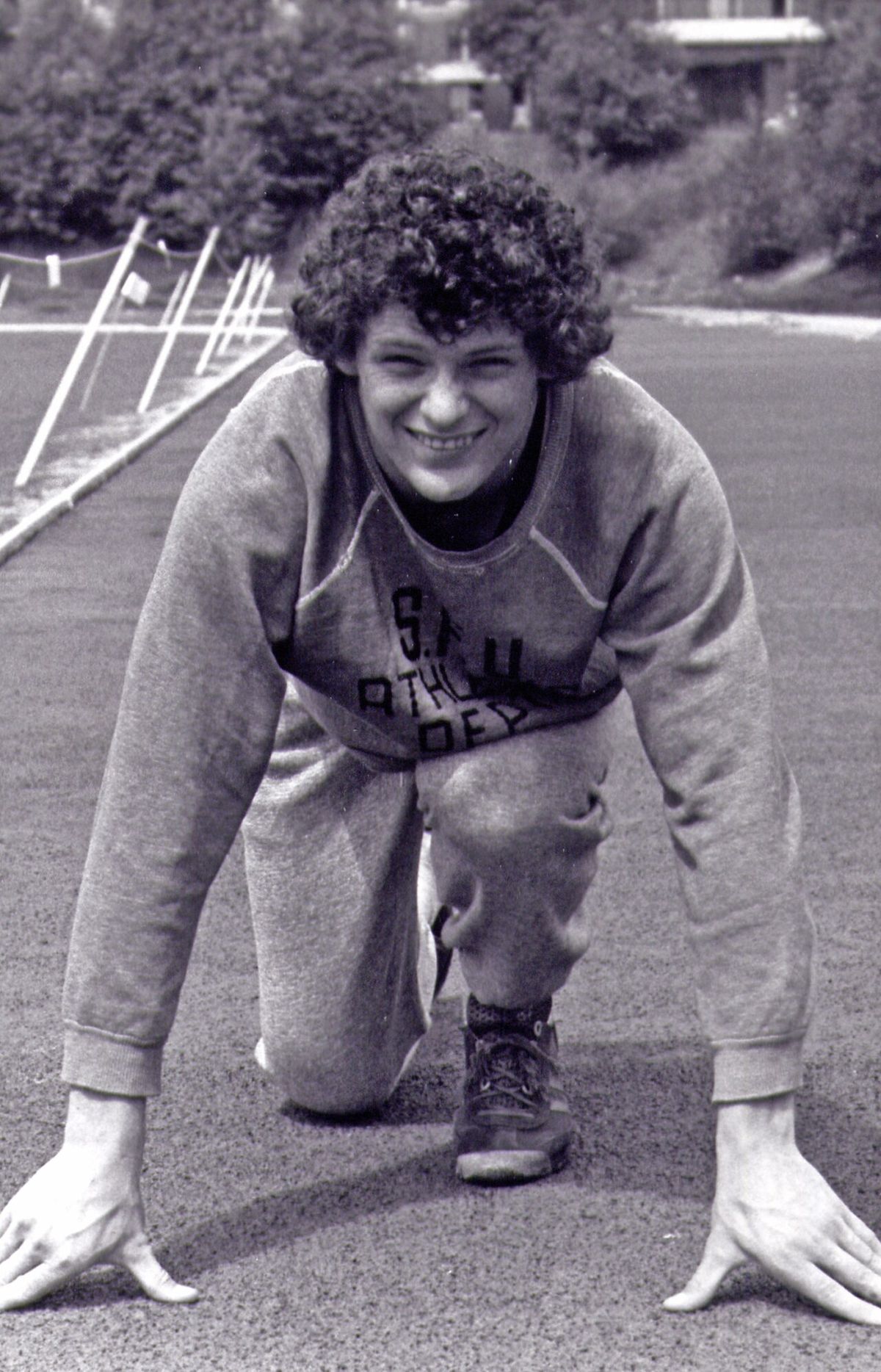
Terrance Stanley Fox was born on July 28, 1958, in Winnipeg, Manitoba, to Rolland and Betty Fox, and grew up in the city's Transcona suburb. The family moved to Surrey, British Columbia, in 1966 and settled in Port Coquitlam two years later. Fox was a competitive youth who initially struggled to make his high school basketball team due to his height, leading his coach to suggest cross-country running. By his grade 12 year at Port Coquitlam Senior Secondary School, his dedication paid off as he was named the school's athlete of the year. He enrolled at Simon Fraser University to study kinesiology, aspiring to become a physical education teacher, and played on the university's junior varsity basketball team. His athletic pursuits were dramatically altered in November 1976 when a car accident injured his right knee, an injury he initially ignored until the pain intensified months later. In March 1977, he was diagnosed with osteosarcoma, a bone cancer, leading to the amputation of his leg above the knee just weeks later.
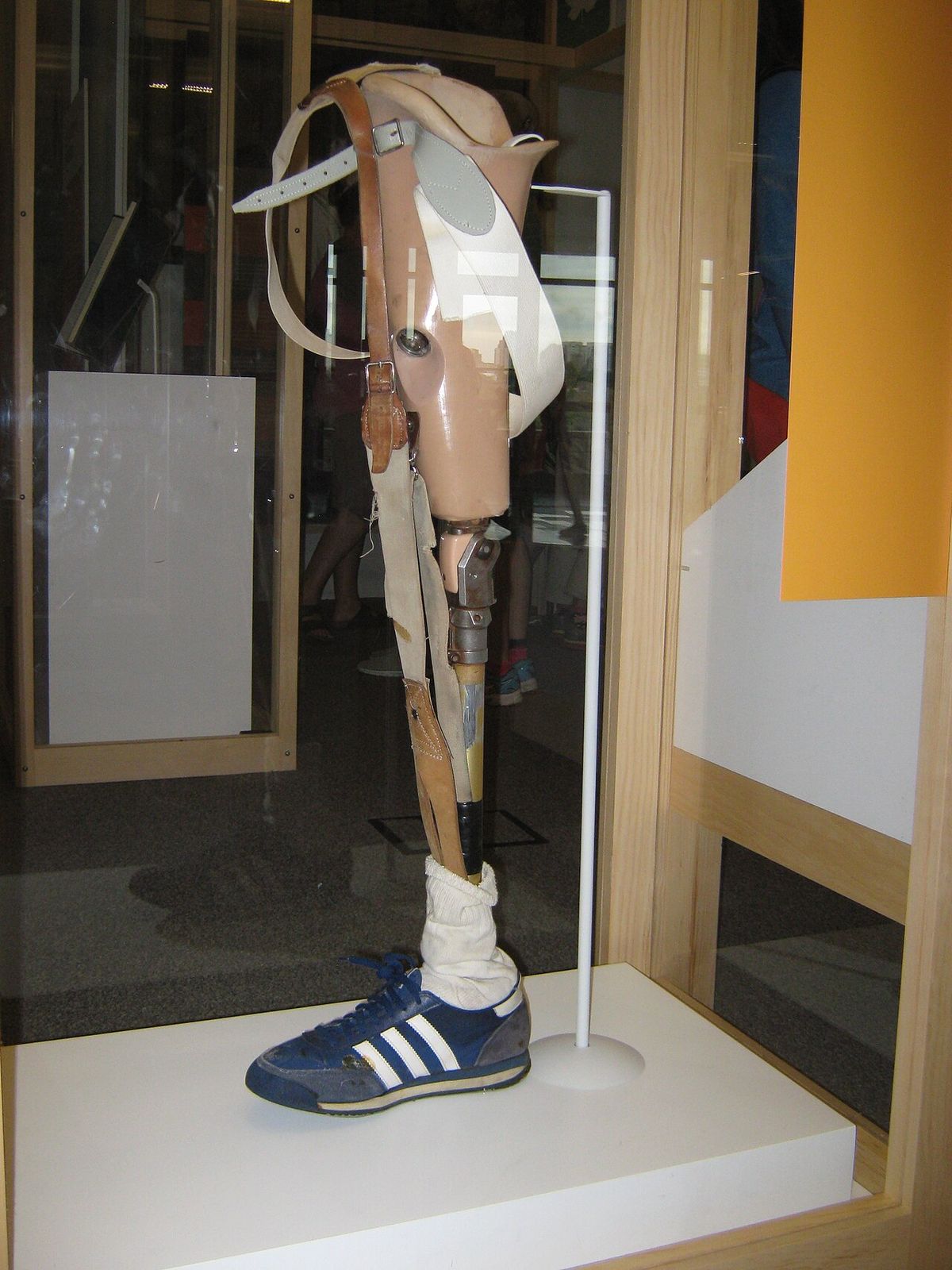
Doctors informed Fox that recent medical advances gave him a 50 percent chance of survival, a significant improvement from just 15 percent two years prior, which deeply impressed upon him the value of cancer research. With a positive outlook and a new prosthetic leg, he was walking within three weeks and underwent sixteen months of chemotherapy. His time in the British Columbia Cancer Control Agency facility was difficult, as he witnessed the suffering of other patients. In the summer of 1977, he was invited by Rick Hansen to try wheelchair basketball. Fox quickly excelled at the sport, earning a spot on a national championship team in Edmonton less than two months after starting. He went on to win three national wheelchair basketball championships and was named a North American Wheelchair Basketball Association all-star in 1980.
Conception and preparation for the Marathon of Hope
Inspired by an article about amputee marathoner Dick Traum, which he read the night before his own amputation surgery, Fox began a 14-month training program. His private goal, initially shared only with friend Douglas Alward, was far more ambitious than running a single marathon. Angered by the limited funding for cancer research he perceived during his treatment, Fox resolved to run across Canada to raise awareness and funds. His training was gruelling due to his unusual hopping gait, which placed extra stress on his good leg and stump, causing bone bruises, blisters, and intense pain. He competed in a 27-kilometre road race in Prince George on September 2, 1979, finishing last but earning the emotional applause of other participants, after which he revealed his full cross-Canada plan to his family. On October 15, 1979, Fox wrote a detailed letter to the Canadian Cancer Society outlining his goal, vowing to conquer his disability and complete the run. He poignantly described the faces of hope and despair in the cancer clinic, stating his quest could not be selfish while others still suffered.
The Cancer Society agreed to support him after he acquired sponsors and received a medical certificate. Fox was diagnosed with an athlete's enlarged heart, but doctors endorsed his participation after he promised to stop if heart problems arose. He secured crucial sponsorships, including a camper van from Ford, fuel from Imperial Oil, and running shoes from Adidas, but refused any conditional donations or product endorsements. His fundraising goal evolved to aim for one dollar from each of Canada's 24 million citizens. This careful preparation laid the groundwork for a journey that would capture the attention of the entire nation.
The Marathon of Hope
The Marathon of Hope began on April 12, 1980, when Fox dipped his artificial leg in the Atlantic Ocean at St. John's, Newfoundland and Labrador, collecting ocean water he hoped to pour into the Pacific at his journey's end in Victoria, British Columbia. Supported by Doug Alward driving the camper van, Fox faced harsh weather including gale-force winds and snowstorms in the first days. Public reception was initially modest but transformed in Channel-Port aux Basques, where the town's 10,000 residents donated over $10,000. Tensions grew between Fox and Alward during the run, leading Fox's younger brother Darrell to join them in Nova Scotia as a buffer. Challenges continued in Quebec due to language barriers and unsafe drivers. By the time he reached Montreal on June 22, having covered one-third of the planned 8,000-kilometre journey, Fox had raised over $200,000.
His cause attracted the support of Isadore Sharp, founder of Four Seasons Hotels, who had lost a son to cancer. Sharp provided accommodation and food, and pledged $2 per mile, persuading nearly 1,000 other corporations to do the same. At the Cancer Society's suggestion, Fox delayed his departure from Montreal to arrive in Ottawa for Canada Day celebrations, which proved a major moment for national exposure. Entering Ontario in late June, Fox was greeted by thousands of cheering residents and a police escort. He maintained a punishing schedule of running approximately 42 kilometres per day through the summer heat.
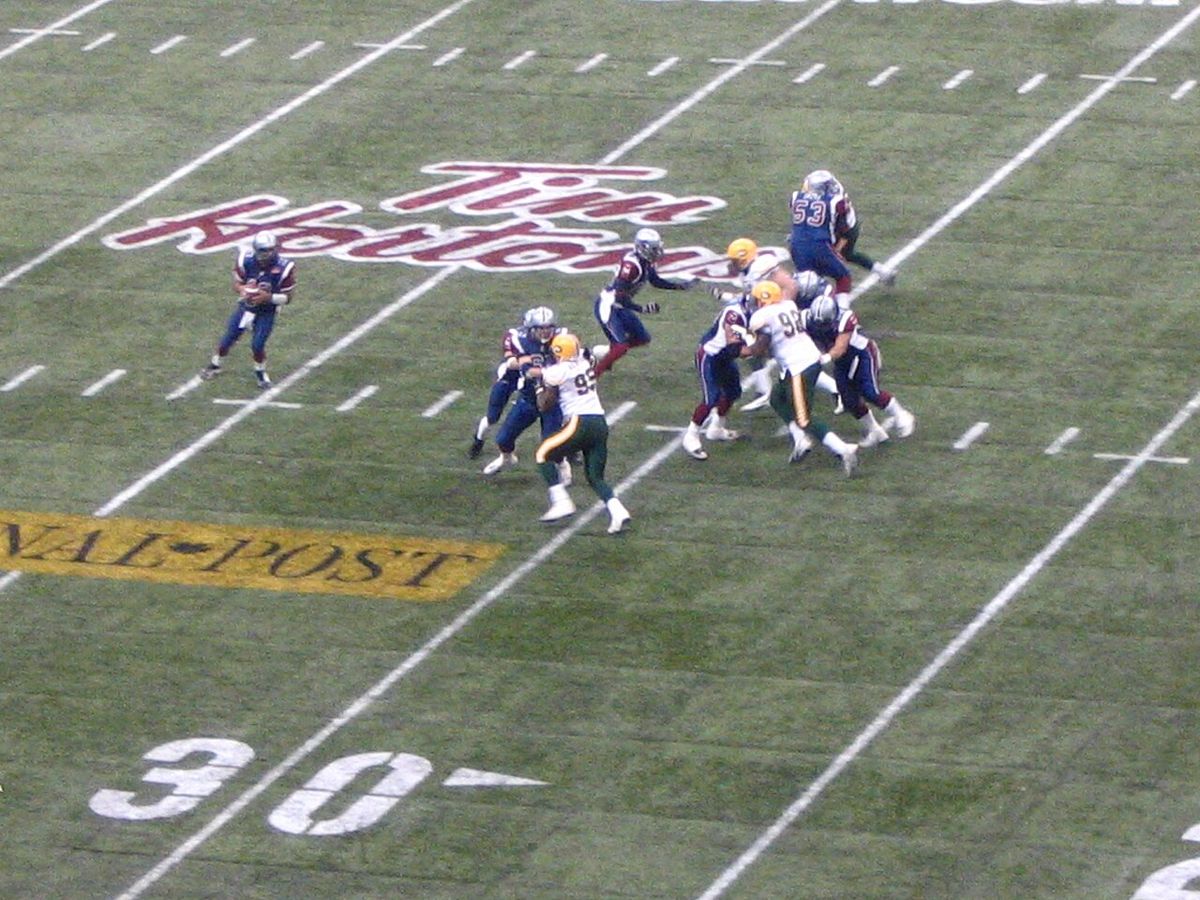
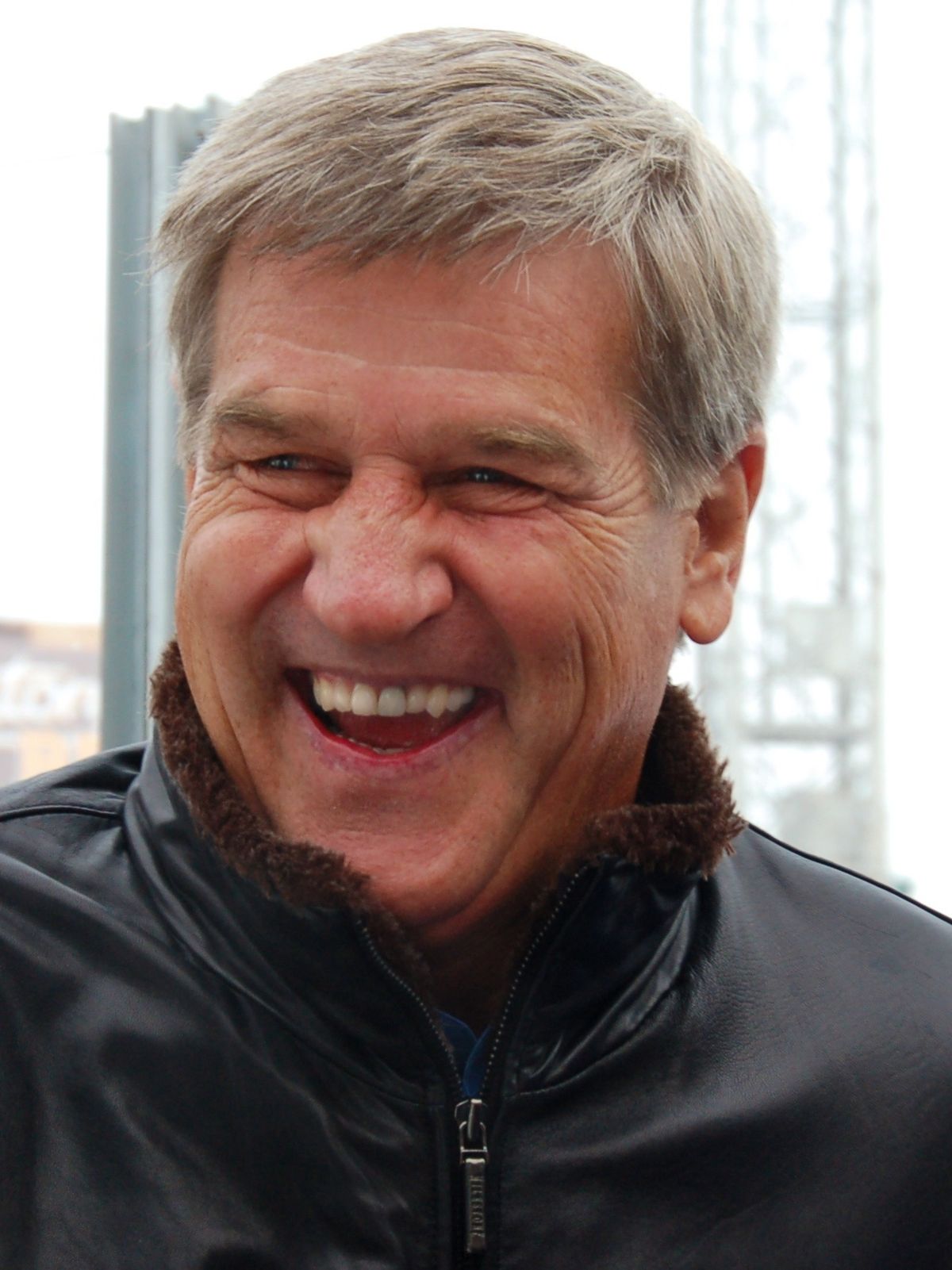
National Fame and Growing TollIn Ottawa, he met Governor General Ed Schreyer and Prime Minister Pierre Trudeau, and performed a ceremonial kickoff at a Canadian Football League game before over 16,000 fans. His journal entries reflected growing excitement at the reception. In Toronto on July 11, a crowd of 10,000 met him at Nathan Phillips Square, and he was joined on the run by NHL star Darryl Sittler, who presented him with an All-Star jersey. That day alone, the Cancer Society estimated collecting $100,000 in donations. As his fame grew, Fox's schedule filled with fundraising speeches and appearances, which he accommodated diligently despite the physical and media strain. He was honoured by hockey star Bobby Orr, who presented a $25,000 cheque, a meeting Fox considered a highlight. However, he grew wary of media intrusions after negative stories emerged, including one alleging he ran out of a grudge against a doctor. The relentless physical toll was severe, manifesting in shin splints, an inflamed knee, cysts on his stump, and dizzy spells. By late August, he was exhausted before each day's run.
End of the run and national response
On September 1, 1980, outside Thunder Bay, Ontario, Fox experienced a severe coughing fit and chest pain. After attempting to continue, he asked to be driven to a hospital. The next day, he announced at a tearful press conference that his cancer had returned and spread to his lungs, forcing him to end the Marathon of Hope after 143 days and 5,373 kilometres. He had raised $1.7 million. Fox refused offers for others to complete the run on his behalf, insisting he wanted to finish it himself one day. The nation responded with an immediate and massive outpouring of support. A week later, a CTV telethon featuring Canadian and international celebrities raised an additional $10.5 million in five hours.
- The Government of British Columbia donated $1 million to create a research institute in Fox's name.
- The Government of Ontario donated $1 million as an endowment to the Ontario Cancer Treatment and Research Foundation.
- By the following April, total donations had surpassed $23 million.
- Fox received a deluge of mail, including a letter from the U.S. addressed only to "Terry Fox, Canada," which was successfully delivered.
In September 1980, Terry Fox was invested as a Companion of the Order of Canada. He was the youngest person ever to receive this highest civilian honour. He also received British Columbia's Order of the Dogwood. Fox won the 1980 Lou Marsh Award as Canada's top athlete. He was named Canada's Newsmaker of the Year for 1980 by The Canadian Press. The Ottawa Citizen described the national response as a powerful outpouring of emotion and generosity.
Final illness and death
Following the end of his run, Fox underwent further chemotherapy and experimental interferon treatments, but the cancer continued to spread. His condition was followed closely by a nation hoping for a miracle, with even Pope John Paul II sending a telegram saying he was praying for Fox. He was readmitted to Royal Columbian Hospital in New Westminster on June 19, 1981, with chest congestion that developed into pneumonia. Fox fell into a coma and died at 4:35 a.m. on June 28, 1981, one month shy of his 23rd birthday. In an unprecedented honour for a private citizen, the Government of Canada ordered flags across the country flown at half-mast. Prime Minister Pierre Trudeau eulogized him in the House of Commons, stating Fox had united the nation in the celebration of his life and the mourning of his death, exemplifying the triumph of the human spirit.
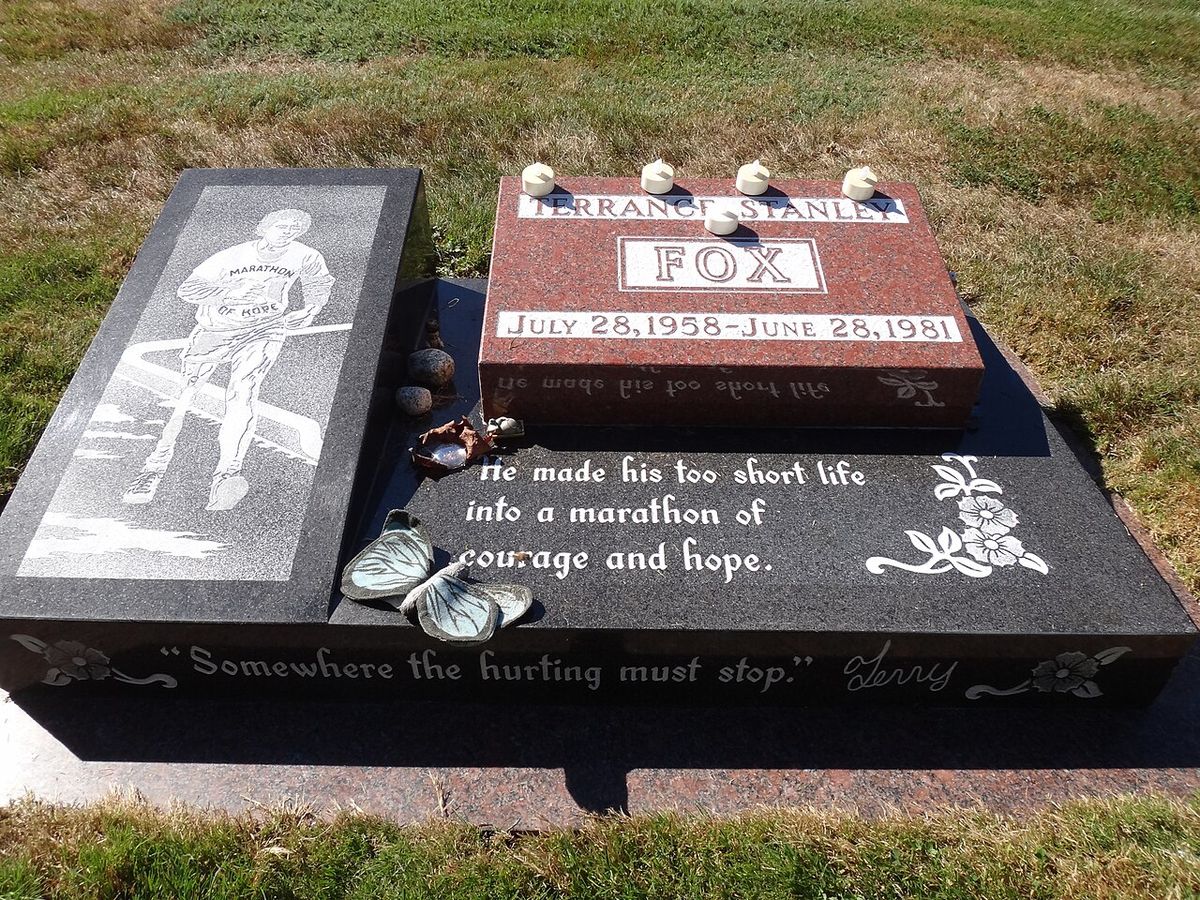
The service was broadcast nationally across Canada. Concurrent memorial services were held in hundreds of communities and on Parliament Hill in Ottawa. Canadians once again flooded Cancer Society offices with donations. Terry Fox is buried in the Port Coquitlam Municipal Cemetery.
Continuing legacy and honours
Terry Fox's legacy as a Canadian folk hero is sustained by the ongoing power of his story and the global movement it inspired. The Terry Fox Run was first held in 1981, just months after his death, and has since grown into the world's largest one-day fundraiser for cancer research, involving millions of participants in over 60 countries annually. The Terry Fox Research Institute, established with early donations, coordinates national cancer research efforts and had raised over C$1 billion in Fox's name as of February 2026. His image and story are taught in schools across Canada, ensuring new generations learn about his determination and humanitarian vision. Countless physical tributes bear his name across Canada and the world, including schools, parks, roads, statues, and mountains.
He has been featured on a Canadian postage stamp and a special one-dollar coin minted by the Royal Canadian Mint. His original Marathon of Hope van is displayed at the Canadian Museum of History. Annual events like the Terry Fox Run and the national Terry Fox Day, observed on the second Sunday following Labour Day, serve as living memorials to his cause. His story demonstrates how a single individual's courageous act can create lasting global change in the fight against cancer.
| Honour/Award | Year | Noting Body |
|---|---|---|
| Companion of the Order of Canada | 1980 | Governor General of Canada |
| Lou Marsh Award | 1980 | Top Canadian athlete |
| Canadian Newsmaker of the Year | 1980, 1981 | The Canadian Press |
| Order of the Dogwood | 1980 | Province of British Columbia |
| Induction into Canada's Sports Hall of Fame | 1980 | Canada's Sports Hall of Fame |
Questions about Terry Fox
What was Terry Fox's Marathon of Hope?
The Marathon of Hope was Terry Fox's cross-Canada run to raise money and awareness for cancer research. It began on April 12, 1980, in St. John's, Newfoundland and Labrador, and ended on September 1, 1980, outside Thunder Bay, Ontario, after Fox learned his cancer had spread to his lungs. Over 143 days, he ran 5,373 kilometres, averaging the equivalent of a full marathon each day. He aimed to raise one dollar for each of Canada's 24 million citizens. Although he did not complete the run to the Pacific Ocean, his effort raised $1.7 million directly and inspired a national telethon that collected over $10.5 million more, galvanizing the country behind his cause.
How much money has been raised in Terry Fox's name?
As of February 2026, over C$1 billion has been raised for cancer research in Terry Fox's name through the Terry Fox Research Institute and the annual Terry Fox Run. When he was forced to stop his Marathon of Hope in September 1980, he had raised $1.7 million. A national telethon one week later raised an additional $10.5 million. By April 1981, total donations had surpassed $23 million. The Terry Fox Run, first held in 1981, is now the world's largest one-day fundraiser for cancer research, with events in over 60 countries, ensuring his fundraising legacy continues to grow exponentially each year.
What type of cancer did Terry Fox have?
Terry Fox was diagnosed with osteosarcoma, a form of bone cancer that often begins near the knees. He first felt pain in his right knee in December 1976 following a car accident the previous month. He was diagnosed in March 1977, and his right leg was amputated above the knee shortly thereafter. He underwent sixteen months of chemotherapy. In September 1980, during the Marathon of Hope, the cancer returned and metastasized to his lungs, forcing him to end his run. He underwent further treatment, including experimental interferon therapy, but died from complications of the disease on June 28, 1981.
What is the Terry Fox Run?
The Terry Fox Run is an annual non-competitive charity run held in honour of Terry Fox and his Marathon of Hope. First held in 1981, just months after his death, it has grown into a global event involving millions of participants in over 60 countries. It is the world's largest one-day fundraiser for cancer research. Unlike a typical race, the Run emphasizes participation over competition, with people walking, running, cycling, or rollerblading any distance they choose. The events are organized by volunteers, with all proceeds directed to the Terry Fox Research Institute to fund innovative cancer research projects across Canada.
What major awards did Terry Fox receive?
Terry Fox received Canada's highest honours in recognition of his courage and humanitarian impact. In September 1980, he was invested as a Companion of the Order of Canada, becoming the youngest person ever to receive the award. That same year, he won the Lou Marsh Award as Canada's top athlete and was named Canada's Newsmaker of the Year by The Canadian Press, an honour he received again in 1981 following his death. The Province of British Columbia awarded him the Order of the Dogwood, its highest provincial award. He was also inducted into Canada's Sports Hall of Fame with a permanent exhibit commissioned during his lifetime.
Where is Terry Fox buried?
Terry Fox is buried at Port Coquitlam Municipal Cemetery. His funeral was held in Port Coquitlam and attended by 40 relatives and 200 guests, with the service broadcast on national television. Following his death on June 28, 1981, the Government of Canada ordered flags across the country lowered to half mast, an unprecedented honour for a private citizen. Hundreds of communities across Canada also held memorial services, including a public service on Parliament Hill in Ottawa. He remains a national hero whose legacy continues to inspire millions.
Sources and further reading
- Terry Fox (Wikipedia)
- Learn about Terry Fox (terryfox.org)
- Terry Fox (thecanadianencyclopedia.ca)
- The Terry Fox Run: Honouring the Legend (brentwood.ca)
Checked by the Garbutt Disposal desk. Last updated 2026-10-18.