Chris Benoit
Chris Benoit was a Canadian professional wrestler whose 22-year career was defined by exceptional technical skill and a relentless, high-impact in-ring style. Born in Montreal and raised in Edmonton, he achieved significant success in major promotions across North America and Japan, becoming a two-time world champion and winning the 2004 Royal Rumble. His career, however, is inextricably linked to the events of June 2007, when he murdered his wife and son before taking his own life, an act that sent shockwaves through the wrestling world and sparked intense scrutiny of athlete health and safety. The tragedy has rendered his legacy deeply controversial, with his athletic accomplishments forever overshadowed by his final crimes.
Early life and training
Christopher Michael Benoit was born on May 21, 1967, in Montreal, Quebec, to parents Michael and Margaret Benoit. He grew up in Edmonton, Alberta, which would become his billed hometown throughout most of his wrestling career. As a child and adolescent in Edmonton, Benoit developed a deep admiration for professional wrestling, idolizing two specific performers. He was particularly inspired by the British wrestler "Dynamite Kid" Tom Billington and Canadian star Bret Hart, noting that they stood out above everyone else at a local event he attended when he was twelve years old. This early fandom directly influenced his career path, leading him to seek training from the Hart family. Benoit learned his craft in the famed Hart family "Dungeon" under the tutelage of patriarch Stu Hart, a legendary trainer known for his rigorous and punishing methods. In the ring, Benoit would later emulate both of his heroes, adopting the high-risk, physical style of Billington and using Bret Hart's signature "Sharpshooter" submission hold as his own finishing maneuver.

Career in Stampede and Japan
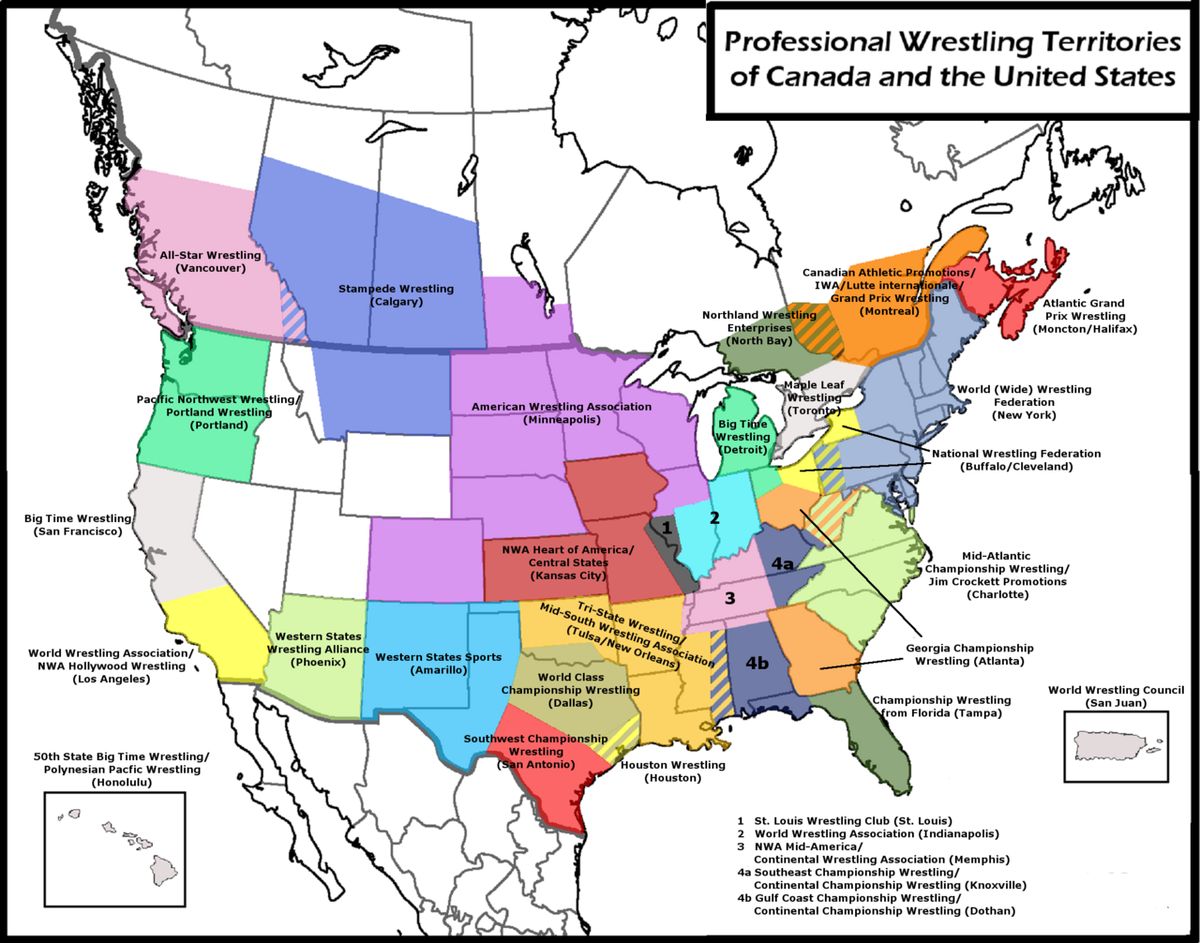
Chris Benoit began his professional career in 1985 with Stu Hart's Calgary-based Stampede Wrestling promotion. His early style was a clear homage to Tom Billington, as he utilized moves like the diving headbutt and snap suplex, even being billed initially as "Dynamite" Chris Benoit. His debut match was a tag team victory on November 22, 1985, in Calgary. Benoit found his first championship success in Stampede, winning the British Commonwealth Mid-Heavyweight Championship on March 18, 1988. Over the next few years, he became a central figure in the promotion, capturing a total of four International Tag Team Championships and three more British Commonwealth titles. He also engaged in a notable, year-long feud with Johnny Smith over the British Commonwealth championship. When Stampede closed in 1989, Benoit, with a recommendation from Bad News Allen, moved to New Japan Pro-Wrestling (NJPW).
In Japan, Benoit underwent further rigorous training in the NJPW dojo. He debuted under his real name in 1986 before adopting a masked persona known as The Pegasus Kid in 1989, a character he would later evolve into Wild Pegasus. Competing in the junior heavyweight division, he developed his skills against top talents like Jushin Thunder Liger and Black Tiger. Benoit's first major championship came in August 1990 when he defeated Liger for the IWGP Junior Heavyweight Championship. His success in Japan was highlighted by several tournament victories that cemented his international reputation. He won the Best of the Super Juniors tournament twice in 1993 and 1995 and went on to win the inaugural Super J-Cup tournament in 1994, defeating Black Tiger, Gedo, and The Great Sasuke in the finals. He also wrestled in Mexico and Europe, winning the UWA Light Heavyweight Championship and holding it for over a year through a series of long matches with Villano III.
Rise in American promotions
Benoit's first foray into American television came with World Championship Wrestling in 1992, but his initial stint was brief. He returned in 1993 and also began working for Extreme Championship Wrestling (ECW) in 1994. In ECW, he gained significant notoriety after a match where he accidentally injured Sabu, leading promoter Paul Heyman to brand him with the "Crippler" moniker. This persona defined his character for the rest of his career. While in ECW, Benoit won his first American championship, the ECW World Tag Team Championship, with Dean Malenko in February 1995. Heyman has stated he had long-term plans to make Benoit the ECW World Heavyweight Champion. Benoit left ECW in August 1995 after a work visa issue and returned to WCW later that year.
Benoit's second run in WCW, beginning in late 1995, propelled him to national prominence. He was quickly recruited by Ric Flair to join the reformed Four Horsemen stable alongside Arn Anderson and Brian Pillman. A major, intensely personal storyline was developed where Benoit feuded with booker Kevin Sullivan, which involved an onscreen affair with Sullivan's wife, Nancy. This storyline bled into reality, as Benoit and Nancy began a real relationship, leading to significant backstage tension. Throughout the late 1990s, Benoit was a consistent highlight in WCW, engaging in critically acclaimed rivalries that improved his standing in the company. He had a lengthy best-of-seven series with Booker T in 1998, won the WCW World Tag Team Championship with Dean Malenko in 1999, and later formed the heel stable "The Revolution" with Malenko, Perry Saturn, and Shane Douglas. Despite his in-ring success, Benoit grew increasingly dissatisfied with WCW's creative direction. However, in protest of Kevin Sullivan's promotion to head booker, Benoit left the company the very next day alongside Eddie Guerrero, Dean Malenko, and Perry Saturn, forfeiting the title. While WCW later refused to acknowledge the reign, World Wrestling Entertainment has always recognized it as an official world championship victory.
WWE championship success
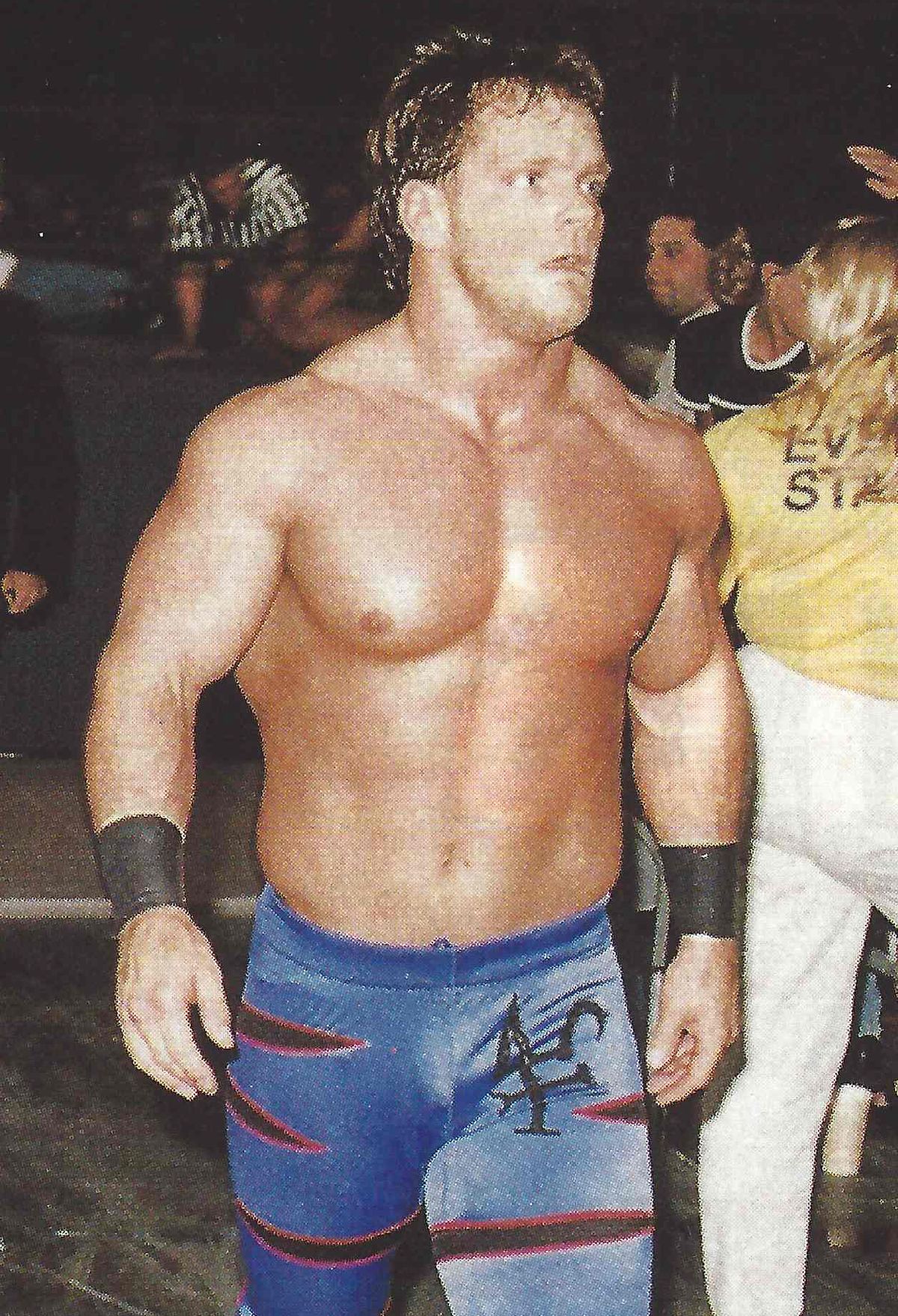
Chris Benoit, along with Guerrero, Malenko, and Saturn, debuted in the World Wrestling Federation in January 2000, forming a stable known as The Radicalz. He quickly found championship success, winning the WWF Intercontinental Championship at WrestleMania 2000. Benoit main-evented pay-per-views against The Rock for the WWF Championship in mid-2000, though he did not win the title. His career was nearly ended by a serious neck injury in 2001, but he made a successful return the following year. Benoit's persistence and technical mastery eventually earned him a top spot in the company. The peak of his WWE career came in 2004 when he won the Royal Rumble match as the number one entrant, a rare feat. This victory earned him a world championship match at WrestleMania XX, where he defeated Triple H and Shawn Michaels in a triple threat match to win the World Heavyweight Championship. The emotional victory, shared in the ring with his close friend Eddie Guerrero, who held the WWE Championship, remains a widely remembered image of that era, though it is now viewed with deep ambivalence.
Following his world title win, Benoit remained a main event performer, challenging for championships and engaging in high-profile feuds. He achieved the distinction of becoming the twelfth WWE Triple Crown Champion, having also held the Intercontinental and Tag Team titles. His in-ring style, characterized by stiff strikes and technical precision, earned him immense respect from peers and critics alike. Prominent journalist Dave Meltzer has rated him among the top five to ten greatest in-ring performers in professional wrestling history. Benoit continued to wrestle for WWE until his death in June 2007. At the time of his passing, he was scheduled to win the ECW World Championship at the Vengeance: Night of Champions pay-per-view later that same day, which would have made him a rare triple crown winner across three major American promotions.
Murders, suicide, and aftermath
The subsequent investigation revealed a horrific sequence of events. Benoit had murdered Nancy by asphyxiation on June 22. The following day, he killed Daniel by administering a lethal mix of medications. On June 24, Benoit committed suicide by hanging himself from a weight machine in his home gym. The murders and suicide sent shockwaves through the wrestling community and triggered a massive media firestorm. Coverage focused intensely on the potential causes, scrutinizing the professional wrestling industry's culture, including drug use and the effects of repeated head trauma. A key development came from a post-mortem study of Benoit's brain conducted by the Sports Legacy Institute (now the Concussion Legacy Foundation). The examination revealed that Benoit had an advanced stage of chronic traumatic encephalopathy (CTE), a degenerative brain disease caused by repeated concussions and sub-concussive blows. Researchers concluded that the severe brain damage, likely sustained over his 22-year career from thousands of legitimate strikes to the head, was a significant contributing factor to his severe depression and ultimately to the violent crimes he committed. The tragedy forced a long-overdue reckoning within sports entertainment about the long-term neurological health of performers, leading to stricter wellness policies and concussion protocols in WWE and other organizations.
Legacy and industry recognition
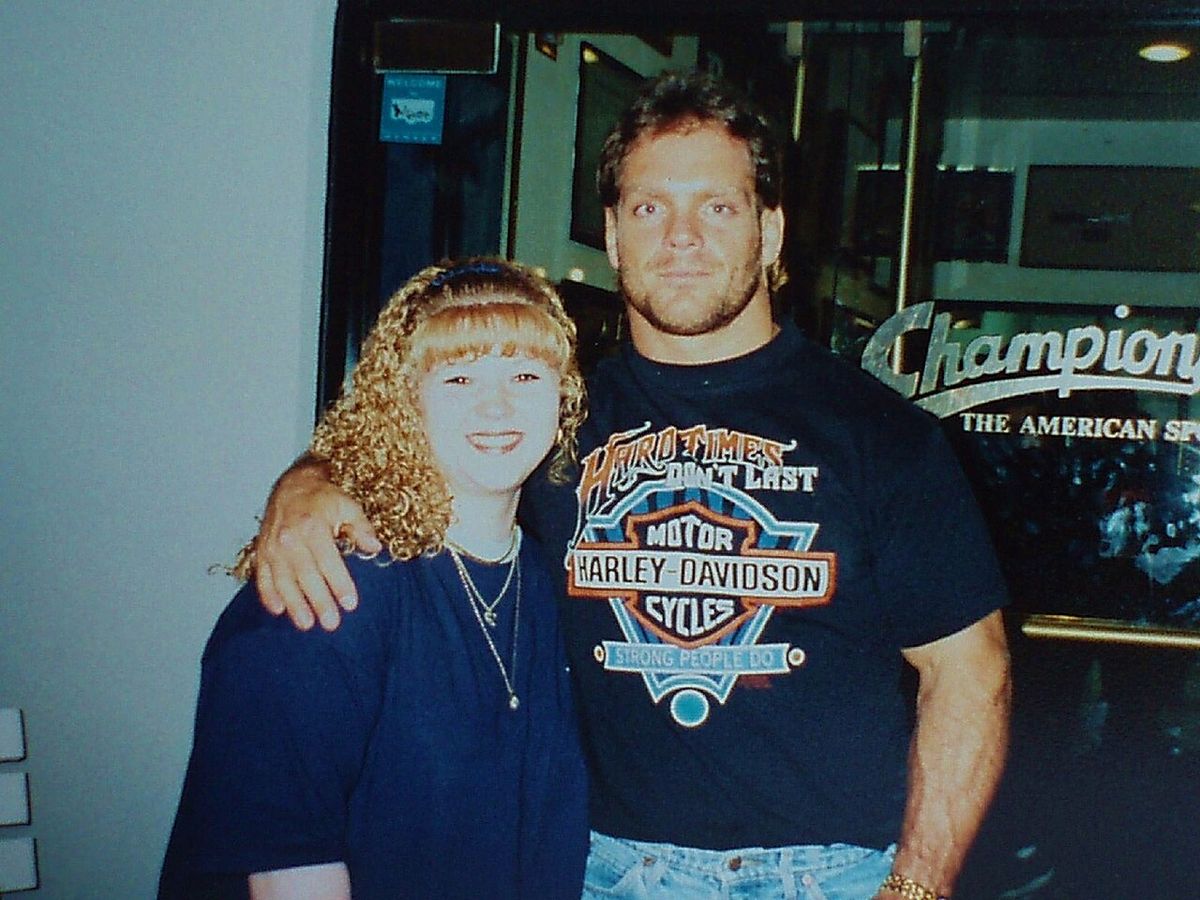
The legacy of Chris Benoit is one of the most complex and divisive subjects in professional wrestling history. On one hand, he is revered by many fans and industry insiders for his exceptional technical ability, intense work ethic, and numerous championship accomplishments. His induction into the Wrestling Observer Newsletter Hall of Fame in 2003, a honour based purely on in-ring merit, testifies to this regard. Following his death, the publication held a re-vote in 2008 to determine if he should remain a member. The threshold to remove him was not met, so his induction stands. He was also inducted into the Stampede Wrestling Hall of Fame in 1995. On the other hand, the nature of his final acts has led WWE to completely erase him from its official history. He is never referenced in programming, his matches are not featured on the WWE Network or Peacock, and he has been excised from video games and documentaries. While some fans and a minority of wrestling alumni have argued for his eventual inclusion in the WWE Hall of Fame based on his athletic career, the overwhelming consensus within the industry is that the murders permanently disqualify him from any such honour. Benoit's story serves as a grim cautionary tale about the potential physical and psychological toll of a career in contact sports, ensuring that his in-ring achievements will forever be secondary to the tragedy he caused.
Major career accomplishments
Chris Benoit's career was marked by a series of significant victories and honours that placed him among the elite performers of his era. His success spanned continents and promotions, earning him recognition as a top technical wrestler. He was the 2004 Royal Rumble winner, joining Shawn Michaels and preceding Edge as one of the three men to win the Royal Rumble match as the number one entrant. He also won the inaugural Super J-Cup tournament in 1994 and the Best of the Super Juniors tournament in both 1993 and 1995. These accomplishments collectively paint a picture of a wrestler who reached the absolute peak of his profession in terms of athletic achievement.
- Winner of the 2004 Royal Rumble match as the number one entrant.
- Winner of the Best of the Super Juniors tournament in 1993 and 1995.
- Winner of the inaugural Super J-Cup tournament in 1994.
- Inducted into the Stampede Wrestling Hall of Fame in 1995.
- Inducted into the Wrestling Observer Newsletter Hall of Fame in 2003.
- Became the twelfth WWE Triple Crown Champion.
- Became the seventh WCW Triple Crown Champion.
- Was scheduled to win the ECW World Championship on June 24, 2007.
Championships and accomplishments
Over his 22-year career, Chris Benoit captured 30 championships across multiple promotions in Canada, the United States, Japan, and Mexico. His success made him one of the most decorated technical wrestlers of his generation. He achieved the rare distinction of winning the top championships in both WCW and WWE, and he was on the cusp of winning the ECW title at the time of his death. Benoit also completed both the WWE and WCW versions of the Triple Crown, becoming only the second wrestler in history to do so. His tournament victories in Japan further solidified his international reputation as an elite competitor.
| Promotion | Championship | Times Won |
|---|---|---|
| World Championship Wrestling | WCW World Heavyweight Championship | 1 |
| World Wrestling Entertainment | World Heavyweight Championship | 1 |
| World Wrestling Entertainment | WWF/WWE Intercontinental Championship | 4 |
| World Championship Wrestling | WCW United States Heavyweight Championship | 2 |
| World Championship Wrestling | WCW World Television Championship | 3 |
| Extreme Championship Wrestling | ECW World Tag Team Championship | 1 |
| New Japan Pro-Wrestling | IWGP Junior Heavyweight Championship | 1 |
| Stampede Wrestling | Stampede British Commonwealth Mid-Heavyweight Championship | 4 |
In addition to his championship titles, Benoit won the 2004 Royal Rumble, the 1994 Super J-Cup, and the Best of the Super Juniors tournament in 1993 and 1995. He was the twelfth WWE Triple Crown Champion and the seventh WCW Triple Crown Champion. Benoit was also the second of four men in history to achieve both the WWE and the WCW Triple Crown Championships. These accomplishments collectively paint a picture of a wrestler who reached the absolute peak of his profession in terms of athletic achievement.
Questions about Chris Benoit
What did Chris Benoit do?
In June 2007, Chris Benoit committed a double murder-suicide at his home in Georgia. He murdered his wife, Nancy Benoit, on June 22, and his seven-year-old son, Daniel, on June 23. On June 24, Benoit took his own life by hanging. The crimes shocked the wrestling world and led to intense media scrutiny of the industry's health and safety practices.
Why is Chris Benoit's brain significant?
A post mortem study of Chris Benoit's brain suggested he had an advanced case of chronic traumatic encephalopathy (CTE). This condition of brain damage was likely caused by repeated legitimate strikes to the head that Benoit had sustained throughout his professional wrestling career. Subsequent research undertaken by the Sports Legacy Institute, now the Concussion Legacy Foundation, suggested that depression and advanced CTE were likely contributing factors of the crimes. The incident deeply shocked the professional wrestling industry and drew intense media criticism regarding brain injuries and the long term health of athletes in contact sports.
Did Chris Benoit win a world championship?
Yes, Chris Benoit was a two time world champion, having reigned as a one time WCW World Heavyweight Champion and a one time World Heavyweight Champion in WWE. He was booked to win the ECW World Championship at Vengeance Night of Champions, which was held the night of his death. Benoit headlined multiple pay per views for WWF WWE, including a victory in the World Heavyweight Championship main event of WrestleMania XX in March 2004. He was also the 2004 Royal Rumble winner, joining Shawn Michaels and preceding Edge as one of the three men to win the Royal Rumble match as the number one entrant.
Is Chris Benoit in the WWE Hall of Fame?
No, Chris Benoit is not in the WWE Hall of Fame. He was inducted into the Stampede Wrestling Hall of Fame in 1995 and the Wrestling Observer Newsletter Hall of Fame in 2003. His Wrestling Observer Newsletter induction was put to a re vote in 2008 to determine if Benoit should remain a member, but the threshold percentage of votes required to remove him was not met. While arguments have been made by a number of pro wrestling fans and industry alumni for Benoit to one day enter the WWE Hall of Fame on account of his in ring work, the overwhelming opinion from the majority of industry veterans is that the nature of Benoit's death disqualifies him from a posthumous induction.
What was Chris Benoit's finishing move?
Chris Benoit's finishing move was the Sharpshooter, a hold he adopted from his childhood idol Bret Hart. In ring, Benoit emulated both Tom Billington and Bret Hart, cultivating a high risk style and physical appearance more reminiscent of the former. He trained to become a professional wrestler in the Hart family Dungeon, receiving education from family patriarch Stu Hart. During his childhood and early adolescence in Edmonton, Benoit idolized Dynamite Kid Tom Billington and Bret Hart, and he adopted Hart's own Sharpshooter hold as a finishing move years later.
Where was Chris Benoit from?
Chris Benoit was born in Montreal, Quebec, the son of Michael and Margaret Benoit. He grew up in Edmonton, Alberta, from where he was billed throughout the bulk of his career. He had a sister who lived near Edmonton. He trained to become a professional wrestler in the Hart family Dungeon in Calgary, receiving education from family patriarch Stu Hart. During his childhood and early adolescence in Edmonton, Benoit idolized Dynamite Kid Tom Billington and Bret Hart, attending a local wrestling event at twelve years old where the two performers stood out above everyone else.
Sources and further reading
- Chris Benoit (Wikipedia)
- Chris Benoit Movies and Shows (tv.apple.com)
Checked by the Garbutt Disposal desk. Last updated 2026-10-18.