Ottawa Senators (original)
The original Ottawa Senators were a foundational professional ice hockey team based in Ottawa, Ontario, from 1883 to 1954. As the first hockey club in Ontario and a founding member of the National Hockey League, the team, formally known as the Ottawa Hockey Club, was a dominant force in the sport's early decades. The Senators won the Stanley Cup 11 times, with celebrated dynasties known as the Silver Seven (1903 to 1906) and the Super Six (1920s). In 1950, Canadian sports editors selected the club as Canada's greatest team of the first half of the 20th century. The franchise's legacy was revived in 1992 when the modern NHL expansion team adopted its nickname and colour scheme.
Founding and Amateur Beginnings (1883 to 1902)
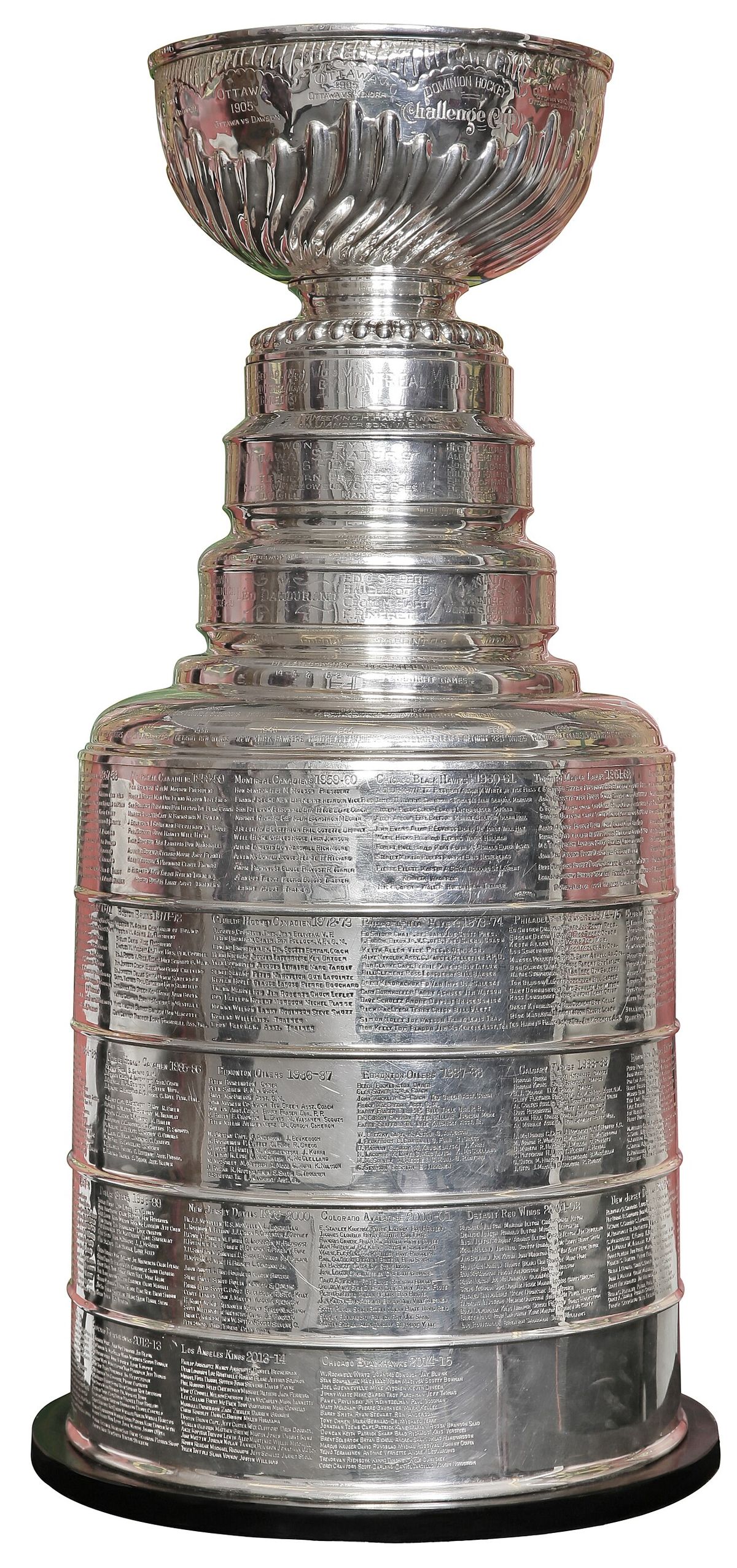
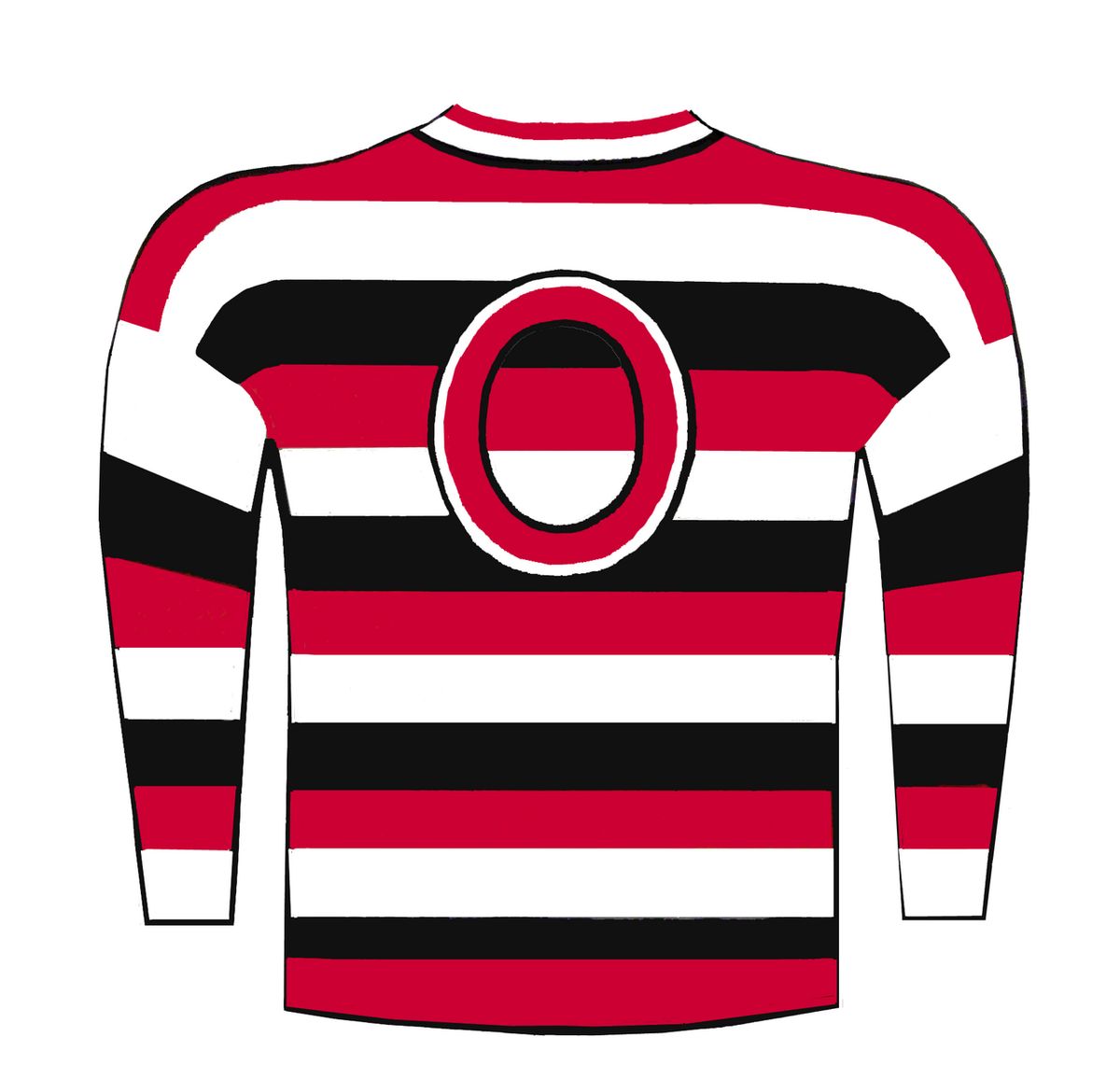
The Ottawa Hockey Club was founded in March 1883 by Halder Kirby, Jack Kerr and Frank Jenkins, inspired by games seen at that year's Montreal Winter Carnival. It was the first organized ice hockey club in Ontario. The team's earliest activities were practices at the Royal Rink, with its first competitive match occurring at the 1884 Montreal Winter Carnival tournament, where future mayor Nelson Porter scored the club's first goal. Frank Jenkins served as the first captain and later became club president and president of the Amateur Hockey Association of Canada in 1892. The team initially wore red and black, then gold and blue for the 1885 season, before adopting its famous black, red and white barber-pole sweaters in the 1896-97 season. The club was a founding member of the Amateur Hockey Association of Canada in December 1886, with Ottawa's Thomas D. Green named the league's first president. It was also a founding member of the Ontario Hockey Association in 1890. It won the OHA championship for the league's first three years from 1891 to 1893, defeating Toronto St. George's, Osgoode Hall and seeing the Toronto Granites default. The club resigned from the OHA in February 1894 after a dispute over where to play the championship final, causing a permanent schism between Ottawa teams and the OHA. It was at a dinner honouring the 1892 OHA champions that Governor General Lord Stanley announced the creation of the Dominion Challenge Trophy, later known as the Stanley Cup, with club figure P. D. Ross appointed as a trustee. The club won its first senior league championship in eight years by capturing the Canadian Amateur Hockey League title in 1901, though it declined to challenge for the Stanley Cup that season due to the lateness of the season and player fatigue.
The Silver Seven Dynasty (1903 to 1906)
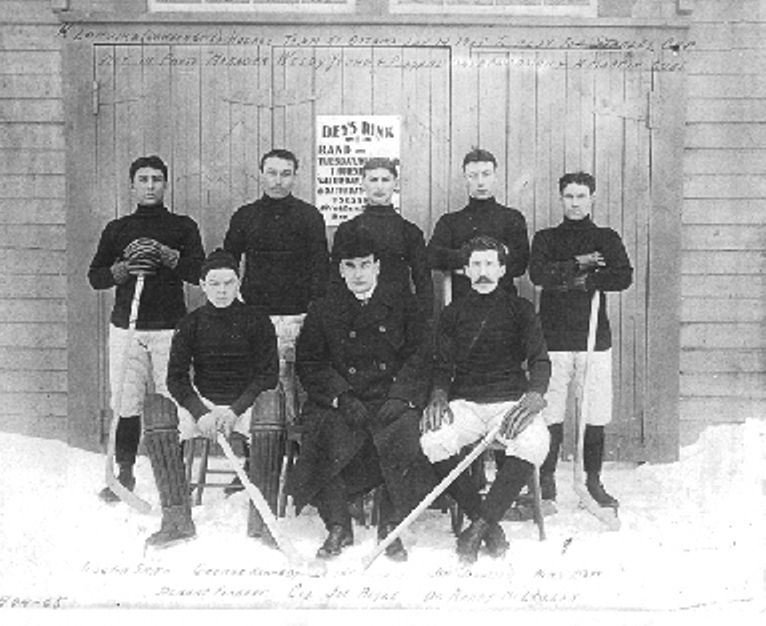
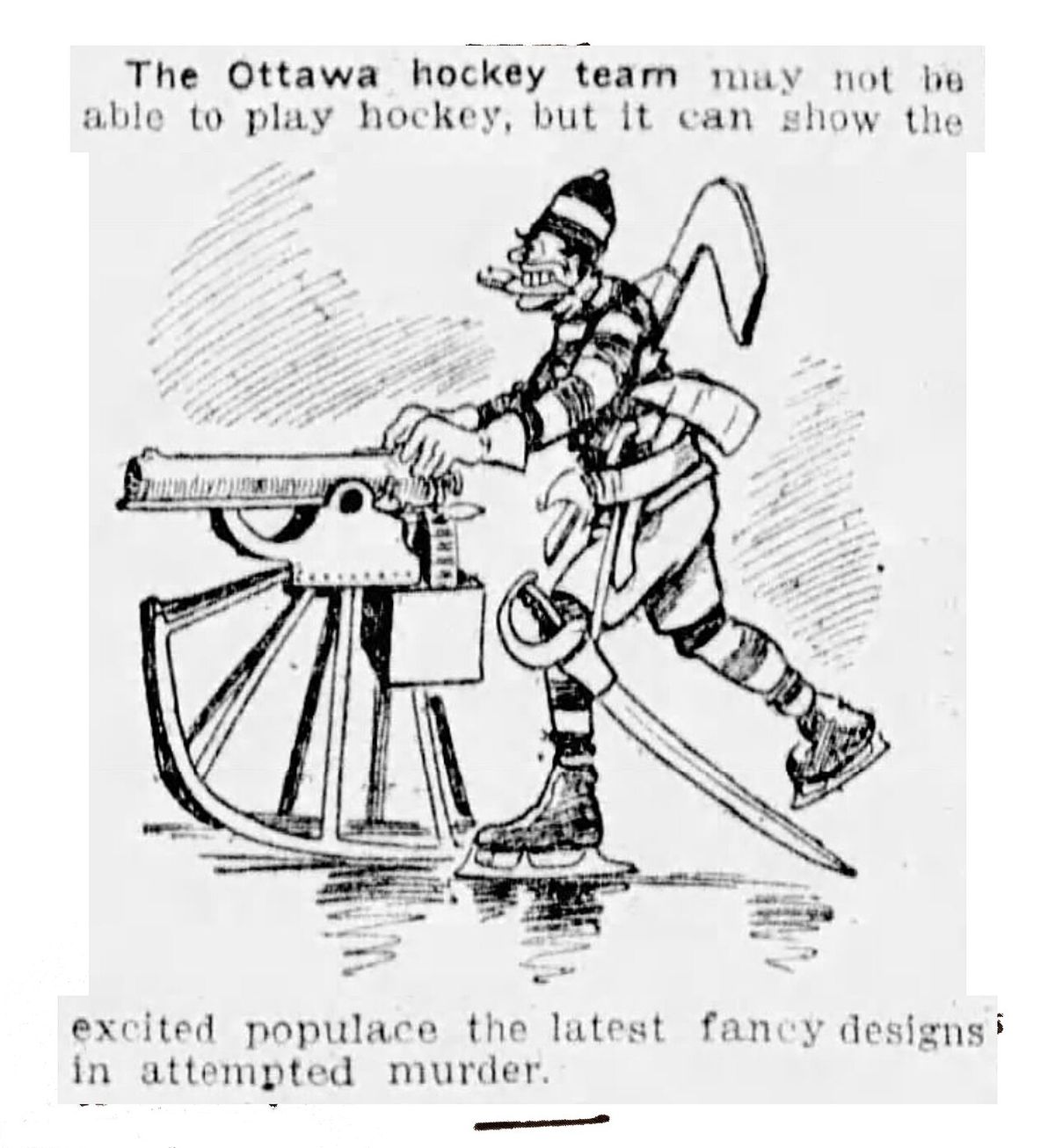
The arrival of forward Frank McGee in 1903 heralded the start of the Ottawa Hockey Club's first dynasty, known as the Silver Seven. McGee, who played despite having lost an eye, scored 135 goals in 45 games for the club and stood 5 feet 6 inches tall. The era began with Ottawa winning its first Stanley Cup in March 1903 by defeating the Montreal Victorias in a two-game total-goals series after both teams finished tied atop the CAHL standings. The nickname Silver Seven originated when team executive Bob Shillington gave each player a silver nugget after that Cup victory, a permissible gift for technically amateur players. In a 1957 interview, player Harry Westwick recalled that a player suggested the name right at the presentation and it caught on. The team successfully defended the Cup through numerous challenges until March 1906, moving between leagues and playing independently for a time. During this period, the club was known for a physically punishing style of play that often left opponents injured, with contemporary newspapers describing their methods as slashing, tripping and severe cross-checking. The Silver Seven played in multiple leagues, including the Federal Amateur Hockey League, which they won in 1905, and were founding members of the Eastern Canada Amateur Hockey Association in 1906, which unified top teams including the rival Montreal Wanderers.
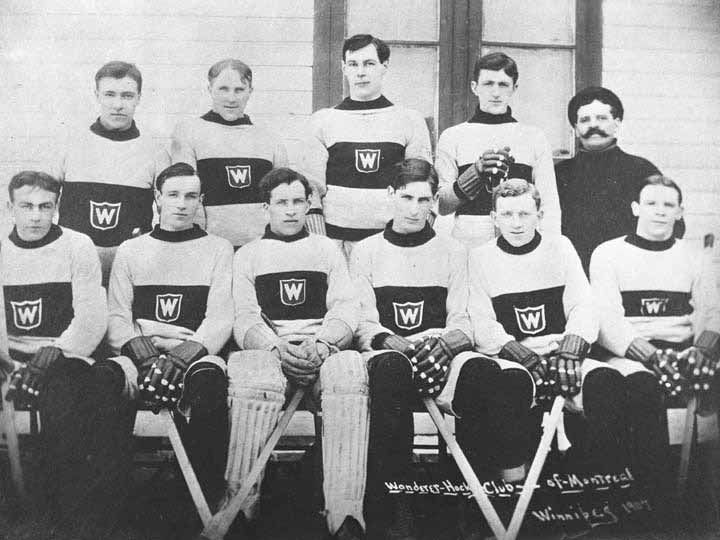
The most famous challenge of this era came in January 1905 against the Dawson City Nuggets from the Yukon. The Nuggets' arduous journey to Ottawa, involving dog sleds, bicycles, missed steamers and treacherous seas, became legendary. Organized by prospector Joe Boyle, the team included former Ottawa player Weldy Young and faced a trek of several thousand miles, battling thawed roads and ice-blocked ports. In the second game, an infamous 23-2 victory, Frank McGee scored 14 goals, a Stanley Cup record that still stands. The Silver Seven era ended with McGee's retirement after the 1906 season at age 23 and the loss of the Stanley Cup to the Montreal Wanderers that March.
Transition to Professionalism and NHL Foundation
As hockey turned professional in the first decade of the 1900s, the Ottawa club made the transition. The Ottawa Senators were thus one of the NHL's original teams when the league commenced play for the 1917-18 season. The team played its early NHL home games at The Arena on Laurier Avenue. This period solidified the team's identity as the Ottawa Senators, a nickname that had been in occasional use since the 1890s but became permanent. The move to the NHL marked the club's full integration into the top professional circuit in North America, setting the stage for its next period of championship success. The club's organization was closely tied to the Ottawa Amateur Athletic Club, headquartered at the corner of Elgin and Laurier Streets, and it was during an earlier affiliation with that club in the 1890s that the team was also known by the nickname Generals.
The Super Six and NHL Success (1920s)
The 1920s represented the second golden age for the Ottawa Senators, a team often referred to as the Super Six. Led by Hall of Famers such as defenceman King Clancy, forwards Cy Denneny and Frank Nighbor, and goaltender Clint Benedict, the Senators became an NHL powerhouse. The team won the Stanley Cup four times during the decade, capturing the championship in 1920, 1921, 1923 and 1927. The 1920 victory was the first Stanley Cup awarded exclusively to an NHL champion. This era of success was built on a combination of offensive skill and defensive stoutness, with Frank Nighbor winning the first two Hart Trophies as league MVP. The team moved into the new Ottawa Auditorium in 1923, which would serve as its home for the remainder of its NHL tenure. The 1927 championship, a victory over the Boston Bruins, proved to be the franchise's last Stanley Cup. The team's consistent excellence in the 1920s cemented its reputation as one of the greatest teams of the sport's early professional era.
Financial Decline and Relocation (1930 to 1934)
The Great Depression severely impacted the Senators' financial viability. As a small-market team, Ottawa struggled to compete with wealthier clubs in larger cities like Toronto, Montreal and New York. After the 1933-34 NHL season, the league approved the sale and relocation of the struggling franchise. The Eagles lasted only one season before folding, ending the direct lineage of the original NHL Senators. The financial difficulties that prompted the move were a stark contrast to the team's celebrated and prosperous championship decades.
Senior Hockey and the Allan Cup Era (1934 to 1954)
Following the departure of the NHL franchise, the Ottawa Senators organization continued as an amateur and later semi-professional senior team. The club competed in various Quebec-based senior leagues, such as the Quebec Senior Hockey League. This iteration of the Senators found significant success at the national senior level, winning the prestigious Allan Cup twice. The first Allan Cup championship came in 1943, and the second followed in 1949. These victories sustained the Senators' name and competitive spirit in Ottawa for two more decades. The team's barber-pole uniform design was used consistently from 1896 except for the 1900 and 1901 seasons, when a plain sweater with an 'O' was worn, until the team's end in 1954.
Legacy and the Modern Senators
The legacy of the original Ottawa Senators is deeply embedded in Canadian hockey history. The team's 11 Stanley Cup championships remain a historic benchmark. In 1950, a panel of Canadian sports editors named the Ottawa Hockey Club/Senators as the greatest Canadian team of the first half of the 20th century. When the NHL awarded an expansion franchise to Ottawa in 1990, the new team deliberately honoured this heritage. The modern Ottawa Senators, who began play in the 1992-93 season, adopted the historic nickname, as well as the black, red and white colour scheme reminiscent of the barber-pole sweaters. The modern team's logo incorporates a stylized Roman centurion, a nod to the parliamentary and classical origins of the Senators name. This revival has ensured the enduring place of the Senators' name in the NHL, connecting the league's present with its foundational past. The original club's influence extended beyond trophies, as it helped establish early leagues and competitive formats that shaped the sport.
Notable Players and Hall of Famers
The original Ottawa Senators franchise produced many of the early era's most legendary players, a significant number of whom have been inducted into the Hockey Hall of Fame. These individuals were central to the team's numerous championships and its influential style of play. Frank McGee was the prolific scorer for the Silver Seven, famous for his 14 goals in one Stanley Cup game in 1905. Frank Nighbor, known as the Pembroke Peach, was a forward and the first winner of the Hart Trophy as league MVP and the Lady Byng Trophy. King Clancy was a dynamic defenceman and leader of the 1920s teams, while Cy Denneny was a high-scoring left winger on multiple Cup-winning teams. Clint Benedict was a pioneering goaltender who popularized the practice of falling to the ice to make saves. From the amateur era, Harvey Pulford was a star defenceman and captain, and P. D. Ross was a player, club president, and Stanley Cup trustee instrumental in the team's early administration. Other Hall of Famers associated with the club include Harry Westwick, Alf Smith, Bruce Stuart, Hod Stuart, Jack Darragh, Eddie Gerard and Sprague Cleghorn. The collective talent of these players was central to the Senators' status as a perennial contender and a defining team of hockey's formative decades.
- Harry Westwick: Forward and rover, part of the Silver Seven, recalled the origin of the team's nickname.
- Alf Smith: Forward known for a rugged playing style during the early professional years.
- Bruce Stuart and Hod Stuart: Brother defencemen who played for the club in the amateur era.
- Jack Darragh: Right winger who scored Cup-winning goals for the Super Six teams.
- Eddie Gerard: Defenceman and captain who led the team to three Stanley Cups in the 1920s.
- Sprague Cleghorn: Defenceman known for his offensive skill and physical play.
- Albert Morel and Fred Chittick: Goaltenders who were leaders in the league during the amateur period.
Early League Involvement and Format Influence
The Ottawa Hockey Club was instrumental in shaping the early administrative and competitive structures of organized ice hockey. The club was a founding member of the first championship league, the Amateur Hockey Association of Canada, in 1886. Ottawa's Thomas D. Green was named the first president of that league, which initially used a challenge system rather than a set schedule. Lord Stanley's observation of the flaws in this challenge format after Ottawa lost the AHAC title in the final game of the 1892 season directly led to a suggestion for change. In the letter announcing the Stanley Cup, Stanley proposed a round-robin regular season format, which the AHAC implemented for the 1892-93 season. The club was also a founding member of the Ontario Hockey Association in 1890. In 1898, Ottawa was part of a group of senior clubs that left the AHAC to form the Canadian Amateur Hockey League, seeking to control the admission of new teams. The team's early and consistent role in league formation highlights its importance as an institution in the sport's development beyond its on-ice achievements.
Questions about Ottawa Senators (original)
How many Stanley Cups did the original Ottawa Senators win?
The original Ottawa Senators won the Stanley Cup 11 times. Their championships were achieved in 1903, 1904, 1905, 1906, 1920, 1921, 1923 and 1927. The total includes successful defences of the Cup during challenge eras, particularly the four-year reign of the Silver Seven from 1903 to 1906. In 1950, this record contributed to the team being named Canada's greatest team of the first half of the 20th century by a national panel of sports editors.
Why were they called the Silver Seven?
The team earned the nickname Silver Seven after winning the Stanley Cup in 1903. Team executive Bob Shillington presented each player with a silver nugget instead of a cash bonus, as the players were still technically amateurs and monetary rewards would have caused disqualification. In a 1957 interview, player Harry Westwick recalled that a player suggested they call themselves the Silver Seven at the presentation, and the name caught on. The Seven referred to the standard number of players on the ice at the time: a goaltender, three forwards, two defencemen and a rover.
What is the connection between the original Senators and the current NHL team?
The connection is primarily one of historical homage and identity. When the current Ottawa Senators debuted as an NHL expansion team in 1992, they deliberately adopted the original team's well-known nickname, the Senators. They also embraced the classic black, red and white colour scheme that was famously used by the original club in its barber-pole sweaters from 1896 onward. The modern franchise therefore serves as a direct tribute to the legacy of the Ottawa Hockey Club, which was founded in 1883 and won 11 Stanley Cups.
What was the Dawson City challenge?
The Dawson City challenge was a legendary Stanley Cup series in January 1905 between the Ottawa Silver Seven and the Dawson City Nuggets from the Yukon. It is famed for the Nuggets' arduous, multi-week journey to Ottawa, which involved travel by dog sled, bicycle, train, and steamship through brutal winter conditions. The hockey series itself was decisively won by Ottawa. In the most famous game, a 23-2 victory, Ottawa's star player Frank McGee scored an unmatched 14 goals, a Stanley Cup record that still stands today.
When was the original Ottawa Hockey Club founded and by whom?
The original Ottawa Hockey Club was founded in 1883 by Halder Kirby, Jack Kerr, and Frank Jenkins. This occurred a month after they witnessed hockey games at the 1883 Montreal Winter Carnival. The club was the first organized ice hockey club in Ottawa and also the first in Ontario. Its first recorded practice was on March 5, 1883, at the Royal Rink. Frank Jenkins served as the team's first captain and later became the club's president.
What were the early league affiliations and achievements of the Ottawa Hockey Club?
The Ottawa Hockey Club was a founding member of several early leagues, including the Amateur Hockey Association of Canada and the Ontario Hockey Association. The club won the Ontario Hockey Association championship for its first three years from 1891 to 1893. It also competed in the Ottawa City Hockey League. The team's early success included winning the 1891 to 1893 Ontario championships, establishing itself as a dominant force in the sport's formative years.
Sources and further reading
- Ottawa Senators (original) (Wikipedia)
- Official Ottawa Senators Website (nhl.com)
- It's a date! NHL announces 2026-27 home opener for ... (ottawacitizen.com)
Checked by the Garbutt Disposal desk. Last updated 2026-10-27.