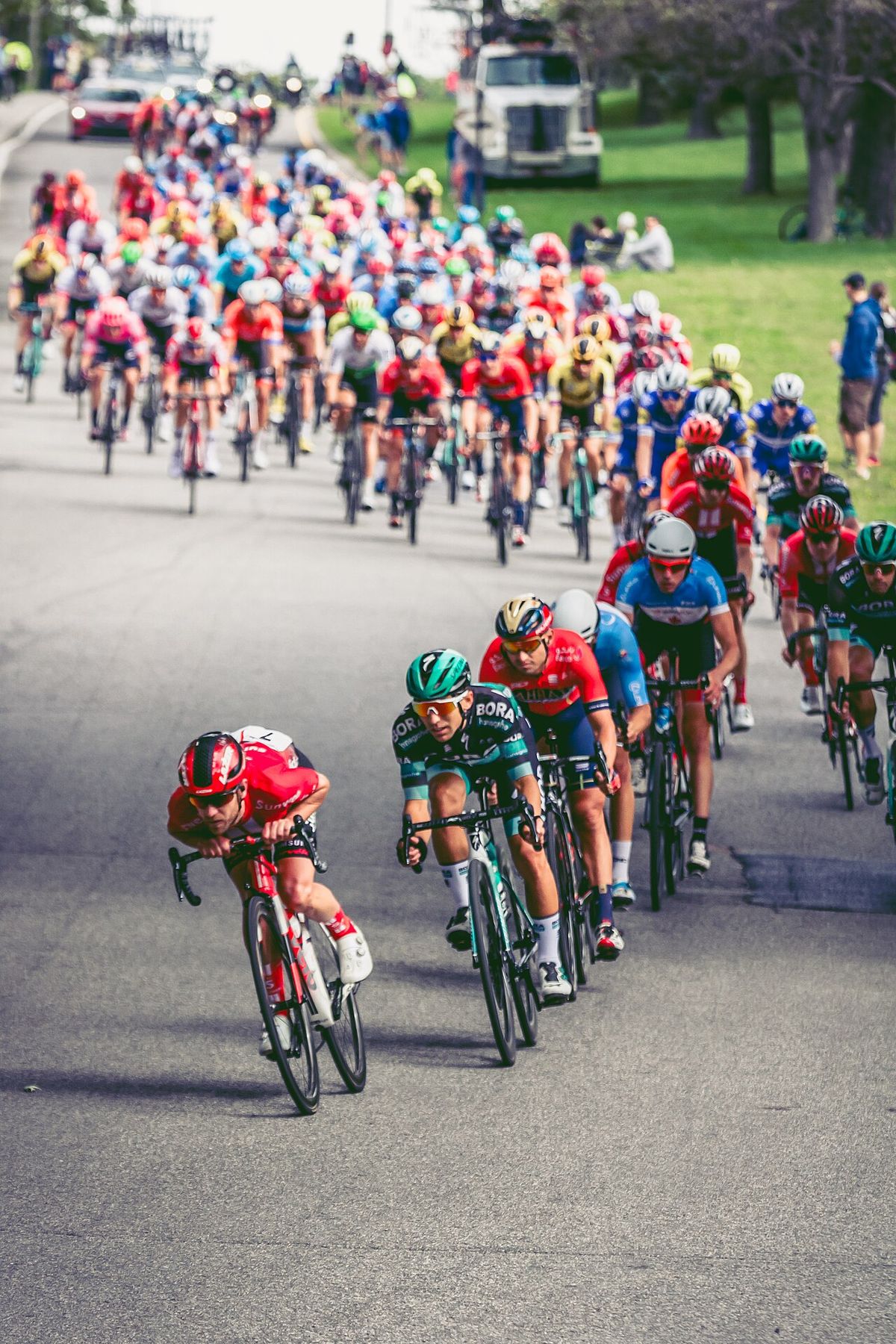
Grand Prix Cycliste de Québec
The Grand Prix Cycliste de Québec is a prestigious one-day professional road cycling race held annually in Quebec City, Quebec. Established in 2010, it forms one half of the Laurentian Classics alongside the Grand Prix Cycliste de Montréal, held two days later. The event is a significant fixture on the UCI World Tour calendar, attracting top international teams and riders to compete on a challenging urban circuit. For Canadian cycling fans, it represents a major opportunity to witness world-class competition on home soil, contributing to the sport's profile and development within the country.
History and Significance
The Grand Prix Cycliste de Québec was inaugurated on September 10, 2010, as a late addition to the top-tier professional cycling calendar, then known as the UCI ProTour. Its creation, along with the Grand Prix Cycliste de Montréal, established a new Canadian tradition of high-level international racing in late summer. Together, these races are collectively known as the Laurentian Classics, providing a demanding double-header for teams in the lead-up to the World Championships. The event quickly gained a reputation for its challenging course and festive setting, becoming a favourite among riders and spectators. Its status on the UCI World Tour ensures participation from all the sport's leading teams, making it a key event for professional cycling in North America.
In 2014, Australian rider Simon Gerrans made history by becoming the first cyclist to complete the Laurentian double, winning both the Quebec and Montreal races in the same year. This feat was later matched by his compatriot Michael Matthews in 2018, highlighting the suitability of the courses for strong, punchy riders. The race's future looks to expand inclusivity, with organisers noting in 2024 their desire to stage a women's edition, potentially as part of the UCI Women's World Tour. This development would align the event with the growing global movement towards gender parity in professional cycling and offer a new platform for elite women athletes in Canada.
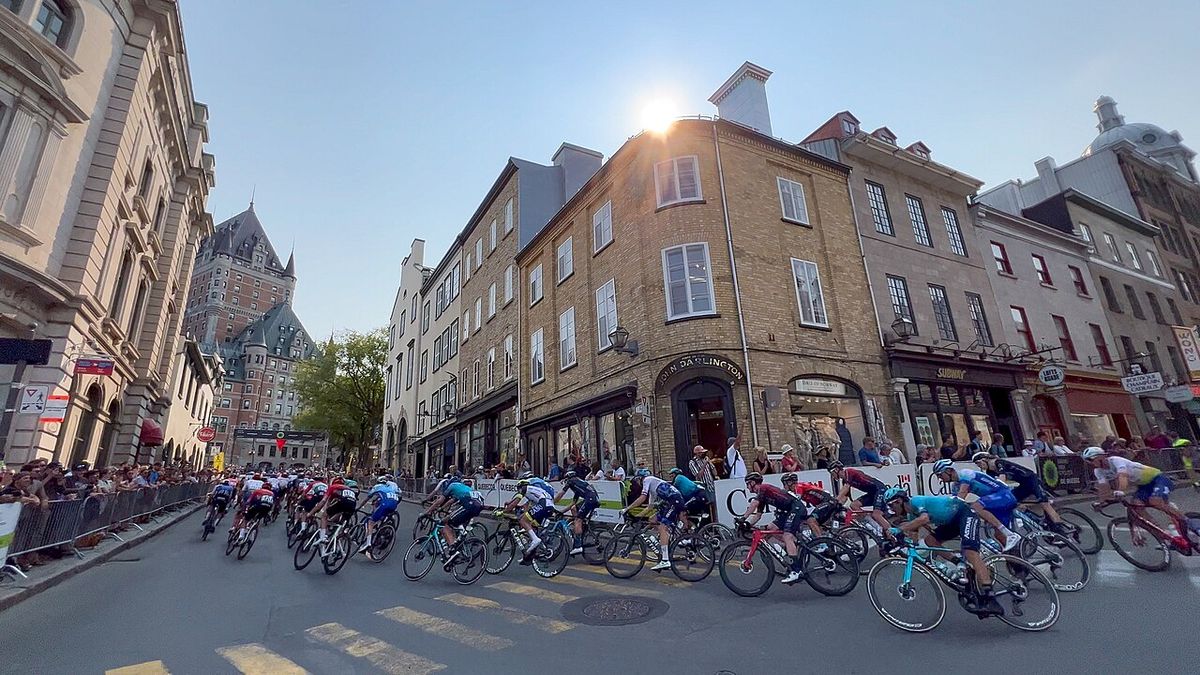
Race Course and Format
The Grand Prix Cycliste de Québec is distinguished by its circuit race format, as opposed to a point-to-point route, centred entirely within Quebec City. The circuit is renowned for its technical demands and repeated climbs, which gradually wear down the peloton and create opportunities for attacks. The race typically unfolds as a war of attrition, with the final laps often seeing a reduced group of the strongest riders contesting the victory on the uphill finish. The circuit's primary challenge comes from four climbs tackled in rapid succession on each lap, which are strategically placed to test riders' strength and recovery repeatedly.
The sequence begins with the short but steep Côte de la Montagne, followed by the Côte de la Potasse. Riders then face the Montée de la Fabrique before the longest ascent, the Montée du Fort, which also hosts the finish line. The finish is uphill on the Montée du Fort, ensuring the winner is a rider with power remaining after a gruelling day. On occasion, route modifications have been necessary, such as during the 2014 edition when construction on the Côte Gilmour forced the use of an alternate path. The repeated nature of these climbs makes the Grand Prix Cycliste de Québec one of the most climbing-intensive one-day events on the professional calendar.
Key Climbs on the Circuit
The character of the Grand Prix Cycliste de Québec is defined by its four signature climbs, each presenting a unique challenge. These ascents are tackled 11 times, making the race one of the most climbing-intensive one-day events on the calendar. The cumulative elevation gain and the need for constant accelerations favour riders with explosive power and strong climbing abilities. The following list details the primary climbs that shape the race outcome.
- Côte de la Montagne: 375 metres long with an average gradient of 10%.
- Côte de la Potasse: 420 metres long with an average gradient of 9%.
- Montée de la Fabrique: 190 metres long with an average gradient of 7%.
- Montée du Fort: 1000 metres long with an average gradient of 4%, featuring the race finish.
The relentless nature of this climb sequence, with little flat road for recovery in between, is what makes the Quebec circuit so selective. While the Montée du Fort is the least steep, its position at the end of the lap and as the finish climb makes it decisive. Riders must carefully manage their efforts throughout the day to have the legs for a final surge on this ascent. The race often concludes with a sprint from a small, elite group that has survived these repeated tests.
Notable Race Winners
Since its inception, the Grand Prix Cycliste de Québec has been won by a variety of world-class cyclists, reflecting the course's demand for a versatile skillset. Winners have often been riders who excel in hilly one-day classics, possessing the climbing prowess to handle the repeated ascents and the sprinting power to finish off a small group. The honour roll includes former world champions, Monument winners, and riders who have used victory in Quebec as a springboard to further success. Gerrans's 2014 victory was part of his historic Laurentian double. The race has also seen victories from strongmen like Greg Van Avermaet of Belgium and Arnaud Démare of France. The list of winners confirms the event's status as a major target for the sport's top talents.
The Laurentian Classics
The Grand Prix Cycliste de Québec does not exist in isolation but as part of a celebrated Canadian cycling doubleheader. Held on the Friday of a late-summer weekend, the Quebec race is followed just two days later by the Grand Prix Cycliste de Montréal. This pairing is formally known as the Laurentian Classics, named for the Laurentian Mountains region. The two events offer contrasting but equally demanding challenges, testing teams and riders over two very different courses within a short timeframe. Winning both races in the same year is a rare and prestigious achievement, known as the Laurentian double.
Only two riders have accomplished this feat since the races began. Australian Simon Gerrans was the first to do so in 2014, demonstrating remarkable consistency and recovery. His countryman Michael Matthews matched this accomplishment four years later in 2018. The back-to-back scheduling makes the double a significant logistical and physical test, akin to the historic Ardennes classics week in Europe, and adds a compelling narrative to the Canadian racing weekend. The success of these events has helped cement Canada's place on the global cycling map.
Race Organisation and Future
The Grand Prix Cycliste de Québec is organised by the Groupe Serdy in partnership with the City of Quebec. The event has been praised for its professional execution, strong fan engagement, and integration into the historic fabric of Quebec City. It relies on a large contingent of volunteers and close cooperation with municipal services to ensure rider safety and public enjoyment. The race has become a major civic event, drawing significant tourism and international media coverage to the region each September.
Looking forward, the organisers have expressed a clear vision for growth and inclusion. In 2024, they publicly noted their ambition to add a women's professional race to the event schedule. The goal is to create a UCI Women's World Tour event, which would place a women's Grand Prix Cycliste de Québec among the very top tier of women's professional cycling. This proposed expansion would provide a vital competitive opportunity for women cyclists and further solidify Canada's commitment to developing the sport at all levels, following the model of other major World Tour events that feature concurrent men's and women's races.
Questions about Grand Prix Cycliste de Québec
When and where is the Grand Prix Cycliste de Québec held?
The Grand Prix Cycliste de Québec is held annually in September in Quebec City, Quebec, Canada. The race takes place on a Friday, typically forming the first part of the Laurentian Classics weekend. The entire event is contested on a closed-circuit course through the streets of the city's historic downtown and surrounding areas. The specific date varies each year but is scheduled to fit within the UCI World Tour calendar.
What is the Laurentian double?
The Laurentian double refers to the achievement of winning both the Grand Prix Cycliste de Québec and the Grand Prix Cycliste de Montréal in the same year. These two races are held just two days apart in late summer. Only two riders have accomplished this feat: Australian cyclist Simon Gerrans first did it in 2014, and his compatriot Michael Matthews matched it in 2018. It is considered a significant test of a rider's versatility and recovery.
Will there be a women's Grand Prix Cycliste de Québec?
In 2024, the race organisers noted their wish to stage a women's professional race in the future. Their ambition is to potentially create an event that could be part of the UCI Women's World Tour. This proposed women's race would complement the existing men's event held in Quebec City. The initiative reflects a growing movement to expand opportunities in elite women's cycling.
Who was the first winner of the Grand Prix Cycliste de Québec?
The first winner of the Grand Prix Cycliste de Québec was Australian cyclist Simon Gerrans. He won the inaugural edition of the race, which was held on September 10, 2010. Gerrans later achieved a Laurentian double by winning both the Grand Prix Cycliste de Québec and the Grand Prix Cycliste de Montréal in 2014. His success established him as a prominent figure in the early history of the event.
How long is the race course and what are the key features?
The Grand Prix Cycliste de Québec is an 18.1 kilometre circuit raced for 11 laps. The key features are four climbs completed on each lap: Côte de la Montagne, Côte de la Potasse, Montée de la Fabrique, and Montée du Fort. The race is a circuit based event, not a point to point race. The finish line is located uphill on the Montée du Fort climb. The Côte de la Montagne is 375 metres long with a 10% average grade, while the Montée du Fort is the longest climb at 1000 metres with a 4% average grade.
What makes the Quebec circuit particularly challenging for riders?
The Quebec circuit is challenging because riders must complete four climbs in rapid succession on each of the 11 laps. These ascents are Côte de la Montagne, Côte de la Potasse, Montée de la Fabrique, and Montée du Fort. The repeated nature of these climbs with minimal recovery makes the race extremely selective. The finish is also uphill on the Montée du Fort, requiring a final effort after a long race. During the 2014 edition, construction on Côte Gilmour forced riders to take an alternate route, adding another layer of difficulty.
Sources and further reading
- Grand Prix Cycliste de Québec (Wikipedia)
- Grand Prix Cycliste de Québec | UCI WorldTour (gpcqm.ca)
Checked by the Garbutt Disposal desk. Last updated 2026-10-21.