Larry Walker
Larry Kenneth Robert Walker is a Canadian former professional baseball right fielder widely regarded as the greatest position player the country has ever produced. Over a distinguished 17-year Major League Baseball career with the Montreal Expos, Colorado Rockies, and St. Louis Cardinals, he became renowned as a complete five-tool athlete, excelling in hitting, power, speed, defence, and throwing. His 1997 National League Most Valuable Player season, which included a .366 batting average, 49 home runs, and 33 stolen bases, remains a historic achievement and helped raise baseball's profile in hockey-mad Canada. Walker's career accomplishments, including three batting titles, seven Gold Glove Awards, and a .313 lifetime average, culminated in his 2020 election to the National Baseball Hall of Fame, making him only the second Canadian-born player enshrined in Cooperstown.
Early Life and Path to Baseball
Larry Walker was born and raised in Maple Ridge, British Columbia, a suburb of Greater Vancouver, to parents of Scottish descent. He grew up in a sports-oriented family with three older brothers, and the five often played together on a local fastpitch softball team. Like many Canadian children of his era, Walker's first athletic love was hockey, and he spent countless hours playing street hockey, dreaming of becoming an NHL goaltender. His childhood friend was future Hockey Hall of Famer Cam Neely, and Walker even honed his skills by blocking shots from Neely. Despite attending tryouts with Junior A teams in Regina and Kelowna at age 16, he was cut from both, and a subsequent visit to a Western Hockey League team in Swift Current, where he was put off by substandard conditions, led him to abandon his hockey aspirations.
Walker's baseball journey began in earnest in 1984 when he played for the Coquitlam Reds in the British Columbia Premier Baseball League. His raw talent was spotted at the 1984 World Youth Championships in Kindersley, Saskatchewan, where he impressed Montreal Expos scouting director Jim Fanning by hitting a home run with a wooden bat while other players used metal. Due to his relative lack of organized experience and the fact Canadians were not yet draft-eligible, Walker was signed by the Expos as an amateur free agent for $1,500. The club viewed him as an exceptionally athletic but very raw prospect who would require significant development to reach his potential.
Minor League Development
Walker's initial foray into professional baseball in 1985 exposed his inexperience. Assigned to the Utica Blue Sox in the New York-Penn League, he struggled immensely with pitch recognition, often swinging at balls that bounced in front of home plate, and finished the season with a .223 average and two home runs. Manager Ken Brett valued Walker's athleticism and willingness to learn, keeping him in the lineup, and hitting coach Ralph Rowe successfully lobbied for him to attend the Florida Instructional League for further tutelage. This marked a turning point, as Walker's relentless work ethic began to transform his raw tools into baseball skills. His breakthrough came in 1986 with Class A clubs in Burlington and West Palm Beach, where he combined for a .288 average, 33 home runs, 90 runs batted in, and 18 stolen bases in 133 games, announcing himself as a top prospect.
Promoted to the Jacksonville Expos in 1987, Walker continued to impress, batting .287 with 26 home runs and 24 stolen bases, earning his first Tip O'Neill Award as Canada's top baseball player. A significant setback occurred when he missed the entire 1988 season after undergoing reconstructive knee surgery for an injury sustained while playing winter ball in the Mexican Pacific League. He rebounded in 1989 with the Triple-A Indianapolis Indians, batting .270 with 12 home runs and 36 stolen bases, setting the stage for his major league call-up later that summer. His minor league progression demonstrated his rapid development from a raw athlete into a polished professional ready for the highest level.
- 1985: Plays for Utica Blue Sox, hits .223 with 2 HR.
- 1986: Breakthrough season with Burlington/West Palm Beach: .288, 33 HR, 90 RBI, 18 SB.
- 1987: With Jacksonville Expos, wins first Tip O'Neill Award.
- 1988: Misses full season due to knee surgery.
- 1989: Plays for Indianapolis Indians before MLB debut.
Major League Career with the Montreal Expos
Walker made his MLB debut for the Montreal Expos on August 16, 1989, collecting a single in his first at-bat. He struggled in his initial call-up, batting just .170, but earned the starting right field job in 1990 following the departure of Hubie Brooks. In his first full season, he hit 19 home runs with 21 stolen bases, finished seventh in NL Rookie of the Year voting, and quickly became a role model for young Canadian players. Over the next several seasons, Walker established himself as a core member of a talented Expos outfield alongside Tim Raines and Marquis Grissom, combining power, speed, and excellent defence. His breakout year came in 1992 when he batted .301, won his first Gold Glove and Silver Slugger awards, was named to his first All-Star Game, and finished fifth in NL MVP voting.
The 1993 and 1994 seasons saw the Expos emerge as a powerhouse. In 1993, the team won 94 games, and Walker contributed with 22 home runs, 86 RBI, and a career-high 29 stolen bases. The 1994 campaign was shaping up to be magical, as the Expos possessed the best record in baseball at 74-40 when a players' strike ended the season in August, dashing World Series hopes. Walker was having a career year, batting .322 with a league-leading 44 doubles. However, the strike's financial impact forced the cost-conscious Expos into a fire sale, and they did not offer Walker salary arbitration, making him a free agent. This departure marked the end of a formative chapter that saw him grow from a rookie into one of the National League's premier players.
Peak Years and MVP Season with Colorado
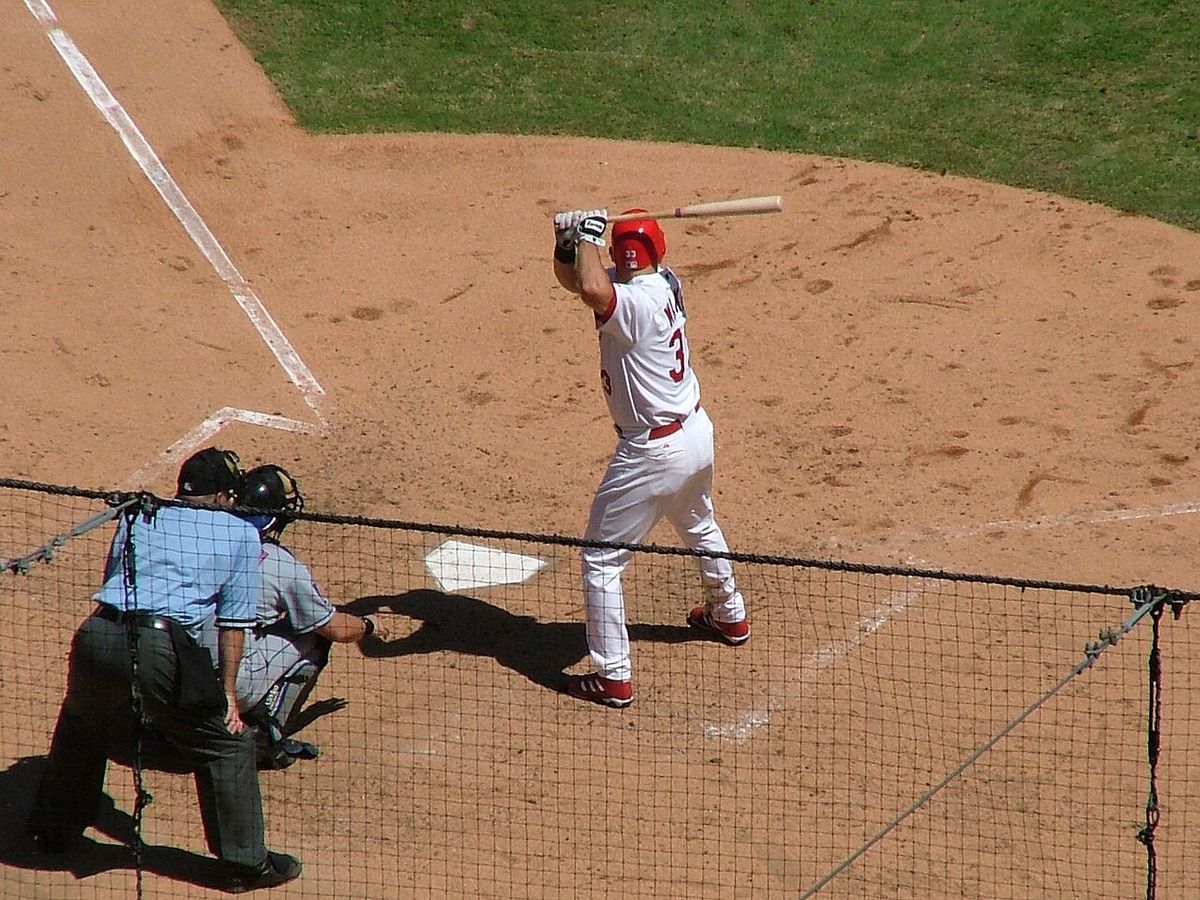
In 1995, Walker signed a four-year, $22.5 million contract with the Colorado Rockies, transitioning to the hitter-friendly environment of Coors Field. He immediately set new career highs with 36 home runs and 101 RBI in his first season in Denver. His tenure with the Rockies reached its historic apex in 1997 with one of the greatest single seasons ever recorded. He became the only player in MLB history to post a .700 slugging percentage with 30 stolen bases in a season. His .366 batting average won the first of three batting titles, and he was unanimously voted the National League Most Valuable Player, the first Canadian-born player to win the award.
Walker continued his elite production through the end of the decade, winning batting titles again in 1998 (.363) and 1999 (.379). Despite the offensive advantages of his home ballpark, advanced metrics consistently rated his adjusted production among the game's very best hitters. His combination of power, average, and defensive excellence in right field solidified his status as a premier five-tool player. Injuries began to take a toll in subsequent years, but his peak with Colorado established him as a legend in the franchise's history and a national figure in Canada, celebrated for his unique blend of skills.
Later Career, World Series Run, and Retirement
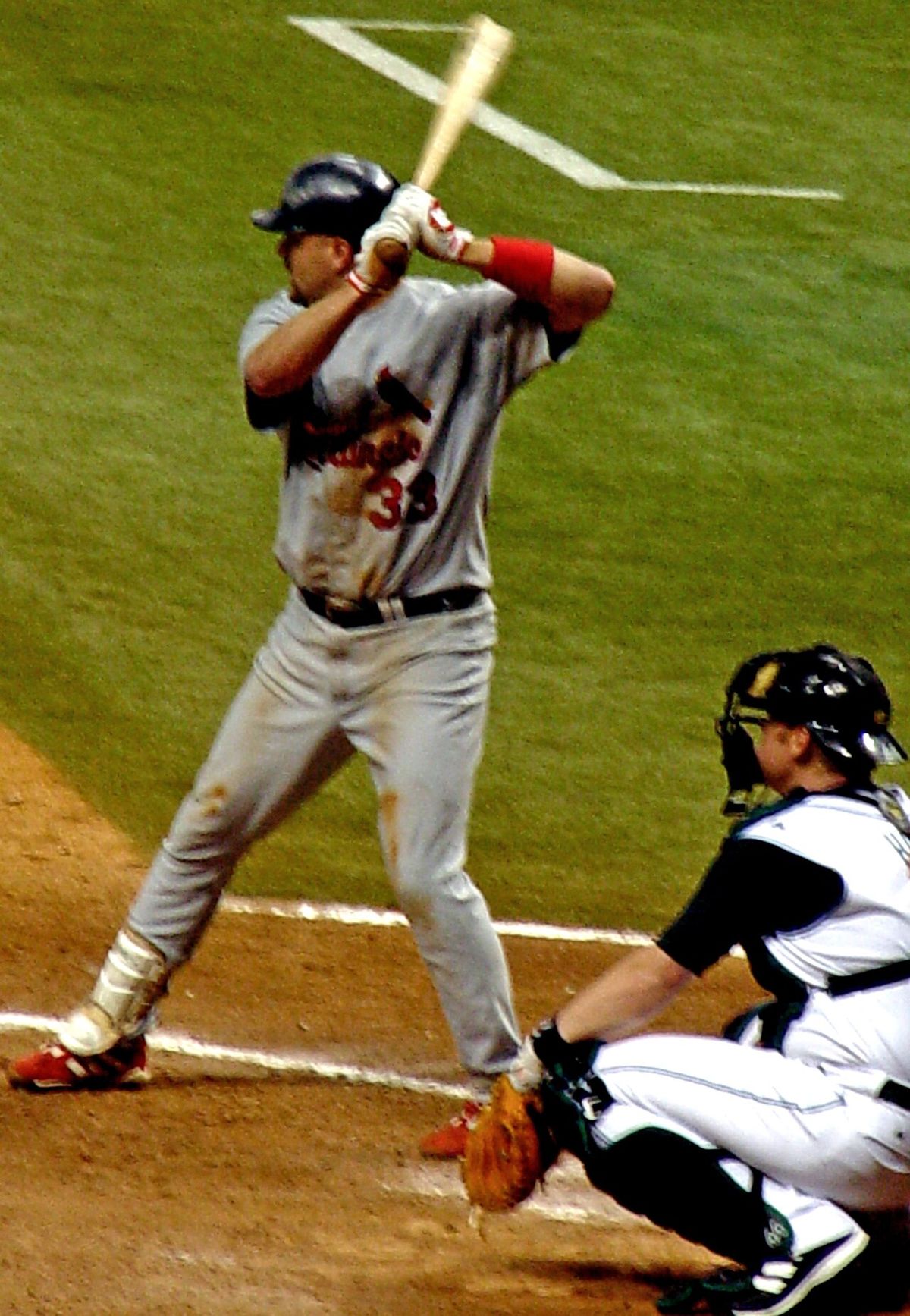
Seeking an opportunity to play for a contender, Walker was traded by the Rockies to the St. Louis Cardinals in August 2004. He joined a Cardinals team that would win 105 games that season. Walker provided a key boost down the stretch and into the postseason, where he made his first and only World Series appearance, tying or setting three Cardinals postseason records during the playoff run. He returned to St. Louis for the 2005 season, which would be his last. Walker announced his retirement from playing after Game 6 of the 2005 National League Championship Series against the Houston Astros. He finished his 17-year career with 2,160 hits, 383 home runs, 471 doubles, 230 stolen bases, a .313 batting average, and a .565 slugging percentage, leading all Canadians in virtually every major career offensive category.
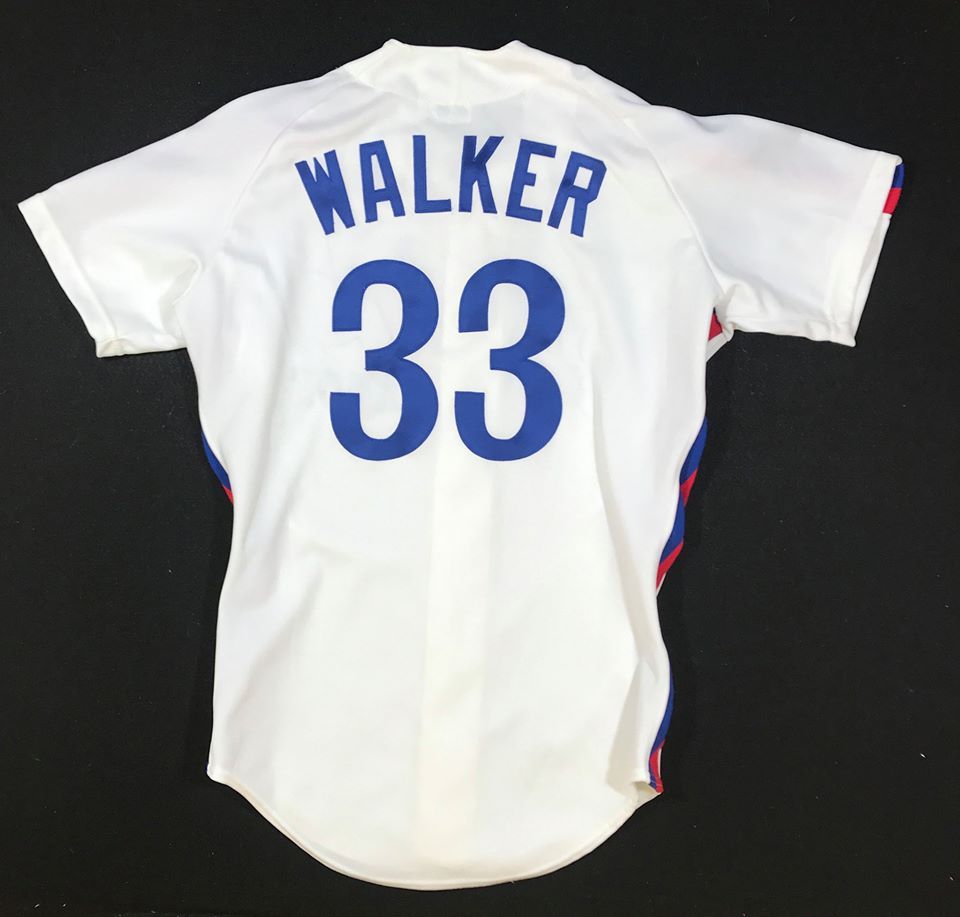
Post-Playing Career and Coaching
Since retiring, Walker has remained involved in baseball. He has served as a guest instructor for the St. Louis Cardinals during spring training. His most significant post-playing role began in 2009 when he joined the coaching staff of the Canadian national baseball team. In this capacity, he has helped coach Team Canada at multiple international events, including all four World Baseball Classic tournaments and the Pan American Games. Under his guidance, Team Canada won back-to-back gold medals at the Pan Am Games in 2011 and 2015. Walker's continued dedication to the sport has helped mentor the next generation of Canadian baseball talent, passing on the knowledge from his Hall of Fame career.
Honours, Legacy, and Hall of Fame
Larry Walker's career is decorated with numerous individual awards and honours that reflect his all-around excellence. Beyond his 1997 NL MVP, he was selected to five All-Star Games, won seven Gold Glove Awards for defensive prowess in right field, and earned three Silver Slugger Awards as the best hitter at his position. He was recognized nine times with the Tip O'Neill Award as Canada's top baseball player and won the Lou Marsh Trophy as Canada's outstanding athlete in 1998. Walker was inducted into Canada's Sports Hall of Fame in 2007 and the Canadian Baseball Hall of Fame in 2009.
The culmination of his legacy came in 2020 when he was elected to the National Baseball Hall of Fame in Cooperstown, New York, in his final year of eligibility on the Baseball Writers' Association of America ballot. His induction in 2021 made him just the second Canadian-born player, after pitcher Ferguson Jenkins, to receive baseball's highest honour. Walker's election was a landmark moment for Canadian baseball, validating his status as one of the sport's most complete and talented players. In August 2026, the Colorado Rockies honoured him with a statue unveiling at Coors Field, a permanent tribute to his career.
- 3x Silver Slugger Award winner (1992, 1997, 1999)
- 3x NL Batting Champion (1997, 1998, 1999)
- 1998 Lou Marsh Trophy winner
- 2020 Elected to National Baseball Hall of Fame
Questions about Larry Walker
What teams did Larry Walker play for?
Larry Walker played for three Major League Baseball teams during his career. He began with the Montreal Expos, making his debut in 1989 and playing there through the 1994 season. He then signed as a free agent with the Colorado Rockies, where he played from 1995 until August 2004 and enjoyed his greatest individual success, including his MVP season. He finished his career with the St. Louis Cardinals, playing from late 2004 through his retirement after the 2005 season, making his only World Series appearance with them in 2004.
Why is Larry Walker famous in Canada?
Larry Walker is famous in Canada as the greatest position player the country has ever produced. His exceptional 1997 MVP season, where he hit .366 with 49 home runs for the Colorado Rockies, captured national attention and helped raise the profile of baseball. He won the Lou Marsh Trophy as Canada's top athlete in 1998 and holds virtually every major career offensive record among Canadian-born players. His journey from a hockey-loving kid in Maple Ridge, British Columbia, to a Baseball Hall of Famer made him a significant figure and an inspiration for a generation of Canadian baseball players.
How many batting titles did Larry Walker win?
Larry Walker won three National League batting titles. He led the league in batting average in three consecutive seasons from 1997 to 1999. He hit .366 in 1997, .363 in 1998, and .379 in 1999. This made him the first player in over 60 years to record a batting average of .360 or higher for three straight seasons, a remarkable feat that highlighted his consistent excellence as a hitter during his peak years with the Colorado Rockies.
What is Larry Walker doing now?
Since retiring as a player, Larry Walker has remained active in baseball. He has served as a guest instructor for the St. Louis Cardinals during spring training. Since 2009, he has been a coach for the Canadian national baseball team, helping guide the squad at multiple World Baseball Classic tournaments and Pan American Games. Under his coaching, Team Canada won gold medals at the Pan Am Games in 2011 and 2015. He also makes occasional public appearances, such as participating in the unveiling of his statue at Coors Field in August 2026.
What were Larry Walker's career statistics?
Over 17 major league seasons and 1,988 games, Larry Walker compiled a .313 batting average, a .400 on-base percentage, and a .565 slugging percentage. He collected 2,160 hits, 383 home runs, 471 doubles, and 230 stolen bases. His career slugging percentage ranks 12th all time in MLB history. Defensively, he was renowned for his strong and accurate arm in right field, contributing to his seven Gold Glove Awards. These statistics place him at the top of nearly every offensive category among Canadian-born players.
Is Larry Walker in the Baseball Hall of Fame?
Yes, Larry Walker was elected to the Baseball Hall of Fame in 2020. This election made him only the second Canadian-born player to be enshrined in Cooperstown. His induction was the culmination of a distinguished 17-year Major League Baseball career. During his career, he was a five-tool player known for his hitting, speed, and defense. Walker's accolades include the 1997 National League Most Valuable Player Award and three batting championships. He also earned seven Gold Glove Awards for his defensive excellence in right field.
Sources and further reading
- Larry Walker (Wikipedia)
- Larry Walker (baseball.ca)
- Larry Walker Stats, Height, Weight, Position, Rookie Status ... (baseball-reference.com)
- Larry Walker (baseballhalloffame.ca)
- Larry Walker (bcsportshall.com)
Checked by the Garbutt Disposal desk. Last updated 2026-10-29.