Donovan Ruddock
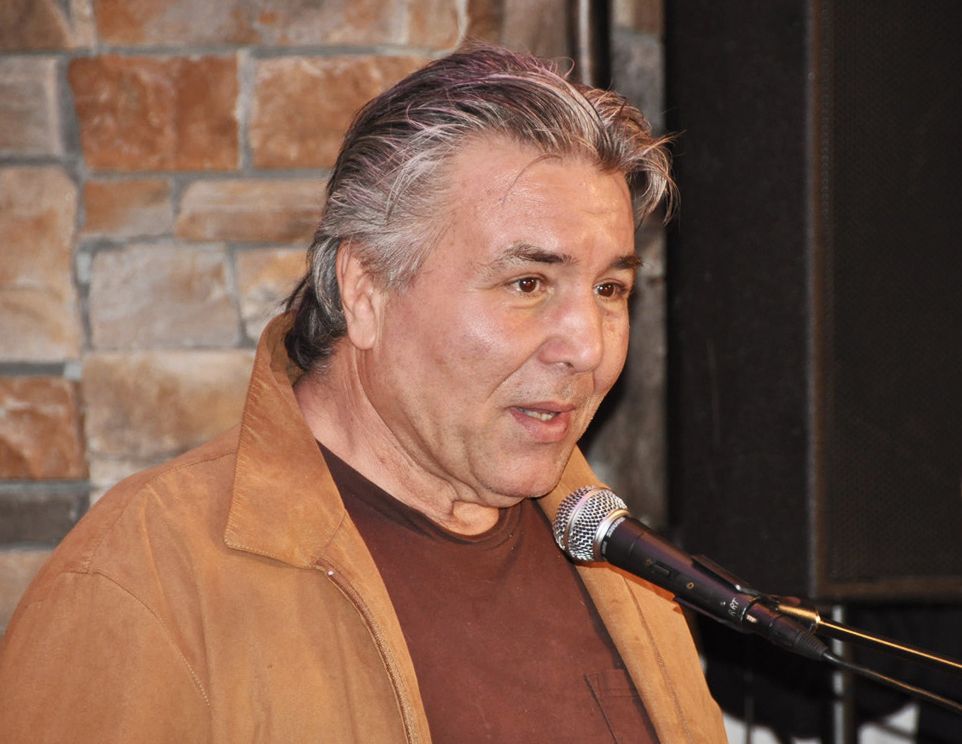
Donovan "Razor" Ruddock is a Jamaican-born Canadian former professional heavyweight boxer whose career spanned from 1982 to 2001, with a brief comeback in 2015. He is best known to Canadian sports fans for his two epic battles against Mike Tyson in 1991, which cemented his reputation as one of the most fearsome punchers of his era. A resident of Toronto's Weston neighbourhood from age 11, Ruddock fought many of the sport's biggest names, including Lennox Lewis and Tommy Morrison, and twice held the Canadian heavyweight championship. His powerful left-handed punch, dubbed "The Smash," and his resilience in the ring made him a significant figure in Canadian boxing history.
Early life and amateur career
Donovan Ruddock was born in St. Catherine, Jamaica on December 21, 1963. At the age of 11, he emigrated with his family to Canada, settling in the Weston neighbourhood of Toronto. He attended Emery Collegiate Institute and Westview Centennial Secondary School during his teenage years. It was during this time that he began to develop his skills in the boxing ring, laying the foundation for his future professional career.
As an amateur, Ruddock achieved a notable early victory that would foreshadow future professional matchups. In March 1980, he faced a young Lennox Lewis at the Ontario Junior Boxing Championship in Toronto. Fighting in the 75 kg weight class, Ruddock won the bout via a split decision. This amateur win over a future undisputed world champion highlighted Ruddock's potential and competitive spirit from a young age.
Professional career beginnings and health setback
Ruddock turned professional in 1982, but his early career progressed slowly with only 11 fights in his first three years. He won eight of his first nine bouts, with one draw against Jose Garcia. His career faced a major and potentially fatal setback in April 1985 when he lost by technical knockout to journeyman David Jaco. During that fight, Ruddock's corner threw in the towel after eight rounds when he complained of breathing difficulties, and Jaco was awarded the victory.
Following this loss, medical examinations revealed Ruddock was suffering from a rare respiratory illness. Doctors informed him that his boxing career was likely over due to this condition. This diagnosis could have ended the career of a less determined athlete before it had truly begun. The fighter who would later challenge Mike Tyson was told he would never box again.
Remarkable comeback and rise to contention
Defying medical expectations, Ruddock made a full recovery within ten months and returned to the ring. He began a nine-fight winning streak, with eight victories coming by knockout including wins over fighters like Willie deWit and Steve Gee. The ninth win was a decision over former WBA heavyweight champion Mike Weaver, a significant step up in competition. This impressive run culminated in 1988 when Ruddock captured the Canadian heavyweight championship by knocking out Ken Lakusta in the first round.
His ascent continued in 1989 with a significant victory over another former WBA champion, James "Bonecrusher" Smith. Ruddock was knocked down in the second round but recovered to stop Smith in the seventh. This win positioned him for a title shot against the undisputed heavyweight champion, Mike Tyson, scheduled for November 1989 in Edmonton. Tyson cancelled the fight, citing illness, and instead fought James "Buster" Douglas in Tokyo, where he suffered a historic upset loss that reshaped the division's hierarchy.
In 1990, Ruddock delivered one of his best performances by knocking out former champion Michael Dokes in the fourth round. The victory highlighted his devastating power, particularly his signature left hook which he called "The Smash." Dokes was left stunned on the ropes and was knocked unconscious for several minutes after taking a follow-up right hand and two more hooks. Following a knockout win over Kimmuel Odum later that year, Ruddock sought a marquee opponent but was passed over by newly crowned champion Evander Holyfield, who chose to fight the older George Foreman instead.
The Tyson fights and high-profile bouts
With no top contender available, Ruddock took a tune-up fight against Mike Rouse in December 1990, winning by first-round knockout. In January 1991, Mike Tyson accepted his challenge. Their first fight on March 18 pitted the number one and two contenders against each other for a shot at the winner of the Holyfield-Foreman match. Ruddock was dropped in the third round but fought back aggressively. Referee Richard Steele stopped the fight in Tyson's favour during the seventh round, a decision that sparked controversy, angry protests, and fights in the stadium, requiring Steele to be escorted from the ring.
A rematch was held on June 28, 1991, and went the full twelve rounds. Tyson knocked Ruddock down twice and won by unanimous decision. Both fighters sustained significant injuries, with Ruddock suffering a broken jaw, possibly as early as the fourth round, and Tyson a perforated eardrum. After the fight, Tyson praised Ruddock's toughness and predicted he would become world champion one day if he stayed dedicated.
After losing to Mike Tyson for the second time, Donovan Ruddock picked up victories over former heavyweight champion Greg Page and undefeated Phil Jackson. Both of these victories were won by knockout. Those wins set up a bout with Lennox Lewis in London on Halloween in 1992. The bout was an official WBC Final Eliminator and seen as an elimination bout for the opportunity to face the winner of the upcoming Bowe versus Holyfield match. Ruddock was knocked out in the second round of that fight.
Later career, retirement, and comebacks
Following a two-year hiatus after the Lewis fight, Ruddock returned in 1994 with a points win over Anthony Wade. This led to a 1995 bout with Tommy Morrison. Ruddock knocked Morrison down in the first round but was himself given a count in the second after grabbing the ropes following an uppercut. The fight ended in controversy when the referee stopped it in the sixth round while Ruddock was still on his feet, though he had been knocked down earlier in the round by a left hook.
After the Morrison loss, Ruddock was inactive for three years before returning in 1998. He was scheduled to challenge Vitali Klitschko for the WBO world title in April 2000 but withdrew at late notice due to injury. Ruddock eventually won the Canadian heavyweight title for a second time in October 2001 with a tenth-round victory over Egerton Marcus. He then retired with a professional record of 38 wins, 5 losses, and 1 draw, having built a winning streak against journeymen opponents in his final years.
Ruddock came out of retirement at age 51 in 2015, winning a fifth-round knockout over Raymond Olubowale and a points decision over Eric Barrak. He then challenged for the Canadian title again. On September 11, 2015, at Toronto's Ricoh Coliseum, he was knocked out in the third round by champion Dillon Carman. Ruddock later lodged a complaint with the boxing commission, alleging that undisciplined punches to the back of his head by Carman affected the fight's outcome. At age 59, he participated in an exhibition bout against James Toney in Kingston, Jamaica on November 11, 2023, which was scored a draw after six rounds of shortened duration, with both men showing their advanced age.
Life after boxing and business ventures
In the late 1990s, Ruddock filed for bankruptcy following a series of failed investments. A significant loss came from his Fort Lauderdale nightclub, "Razor's Palace," which cost him approximately one million dollars. A contract dispute also damaged his relationship with his brother and former manager, Delroy, ruining a close family bond. These financial and personal struggles marked a difficult transition out of the sport.
In 2006, Ruddock invented a non-electrical garbage compactor called The Boxer. He designed the device out of frustration with the amount of waste his family was producing and marketed it through his website, RazorRuddock.com. The product was later listed on Amazon as unavailable with no indication of future availability, and the website is no longer online. More recently, in July 2026, he was seen putting in work at JII Athletics, maintaining a connection to the sport and training environment.
Fighting style and legacy
Ruddock was renowned for his exceptional punching power, particularly from his left hand, which led The Ring magazine to rank him 70th on its list of "The 100 Greatest Punchers of All-Time." His favoured weapon was a versatile hybrid punch, part hook and part uppercut, which he called "The Smash." This punch accounted for the majority of his knockout victories. As a natural left-hander fighting from an orthodox stance, his right hand was less frequently used in his offensive flurries, which was considered a tactical downside throughout his career.
His legacy is that of a feared contender during one of boxing's most competitive heavyweight eras, often described as one of the best boxers never to win a world title. Though he never won a world title, his epic battles with Mike Tyson and other champions secured his place in boxing history. He is remembered as a determined athlete who overcame a serious health scare to compete at the highest level, inspiring many Canadian boxing fans. Ruddock has shown that his hands were big and his heart immense, laying out an outstanding standard as a great Canadian athlete.
Questions about Donovan Ruddock
What is Donovan Ruddock best known for?
Donovan Ruddock is best known for his two fights against Mike Tyson in 1991, which were among the most high-profile heavyweight bouts of that era. He is also renowned for his formidable punching power, particularly his signature left-handed punch called "The Smash. His career featured fights against other notable champions like Lennox Lewis and Tommy Morrison. As a Jamaican-born athlete who grew up in Toronto, he remains a significant figure in Canadian boxing history.
Did Donovan Ruddock ever win a world title?
No, Donovan Ruddock never won a world heavyweight championship. He came close to a title shot in 1989 when a bout with Mike Tyson was scheduled, but Tyson cancelled the fight. Ruddock fought in several elimination bouts, including a 1992 match against Lennox Lewis for the right to challenge for the WBC title, which he lost. He did, however, win the Canadian heavyweight championship twice, in 1988 and 2001.
What was the result of Ruddock's fights with Mike Tyson?
Ruddock fought Mike Tyson twice in 1991. The first fight on March 18 was stopped by referee Richard Steele in the seventh round, awarding Tyson a controversial TKO victory. The rematch on June 28 went the full twelve rounds, with Tyson winning by unanimous decision after knocking Ruddock down twice. Both fighters were injured, with Ruddock sustaining a broken jaw and Tyson suffering a perforated eardrum.
Where did Donovan Ruddock grow up in Canada?
Donovan Ruddock moved to Canada from Jamaica with his family at the age of 11. They settled in the Weston neighbourhood of Toronto, Ontario. He attended Emery Collegiate Institute and Westview Centennial Secondary School during his teenage years in the city. Toronto remained his home base throughout much of his boxing career.
Why did Ruddock come out of retirement in 2015?
At age 51, Ruddock returned to the ring in 2015, winning two fights before challenging Dillon Carman for the Canadian heavyweight title on September 11 of that year. He was determined to reclaim the Canadian championship for an unprecedented third time. Ruddock was knocked out in the third round and later alleged that illegal punches to the back of his head affected the outcome. This fight marked his final professional contest.
What happened to Ruddock's business ventures after boxing?
After boxing, Ruddock faced financial difficulties, filing for bankruptcy in the late 1990s after investments like his Fort Lauderdale nightclub failed. In 2006, he invented a non-electrical garbage compactor called The Boxer, which he marketed online. The product is no longer available, and his promotional website is offline. He has maintained a presence in the boxing community, as seen in training footage from 2026.
Sources: Wikipedia and current public reporting, checked by the Garbutt Disposal desk. Last updated 2026-10-23.