2011 Vancouver Stanley Cup riot
The 2011 Vancouver Stanley Cup riot was a major outbreak of civil disorder that occurred in downtown Vancouver, British Columbia, on the evening of June 15, 2011. The violence erupted almost immediately after the Boston Bruins defeated the Vancouver Canucks in Game 7 of the Stanley Cup Final, shattering the city's hopes for its first NHL championship. The event resulted in widespread property damage, numerous injuries, and a complex, years-long criminal investigation that became a defining moment for the city. The riot and the subsequent community response highlighted significant issues of crowd management, social media's role in justice, and civic identity in Canada.
Background and Preceding Events
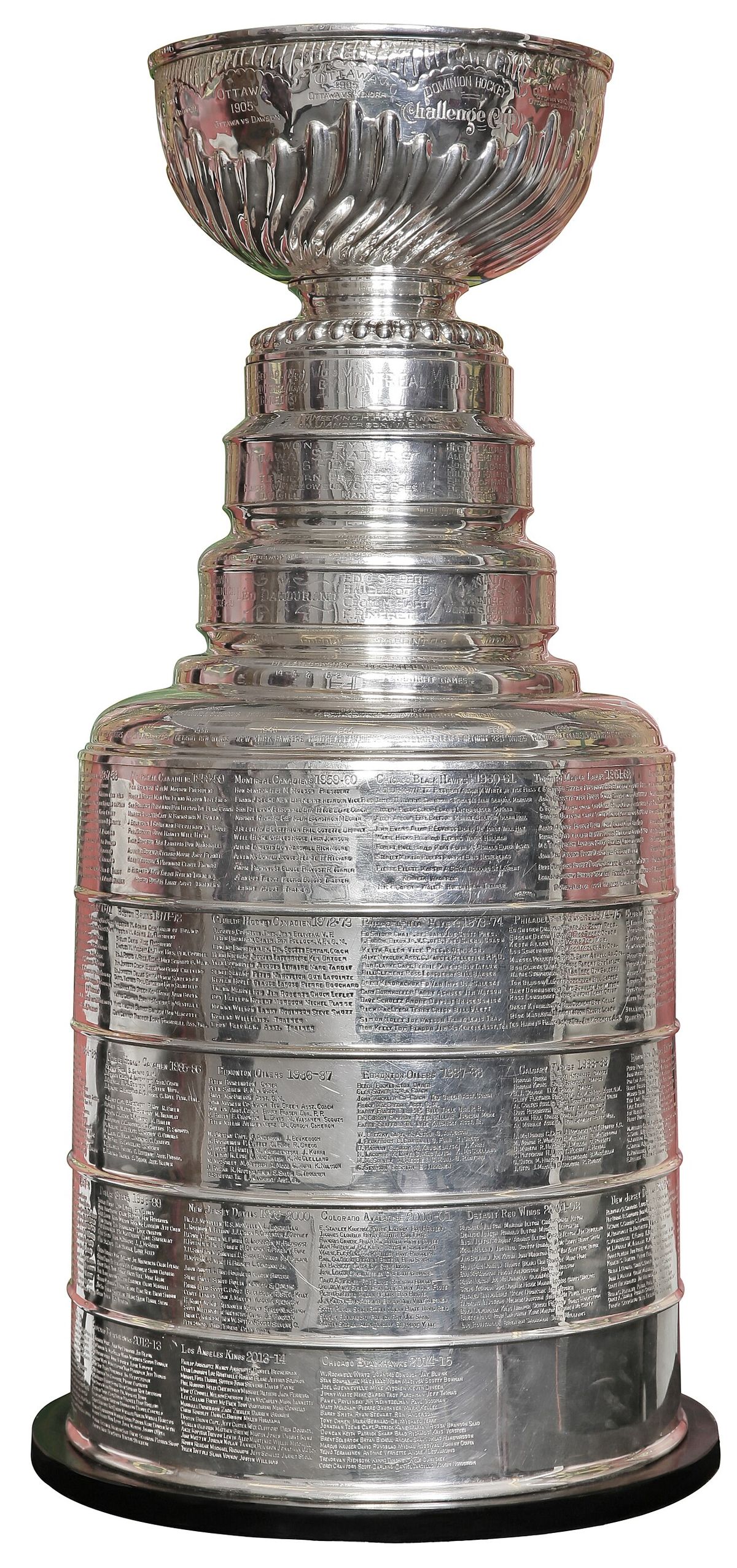
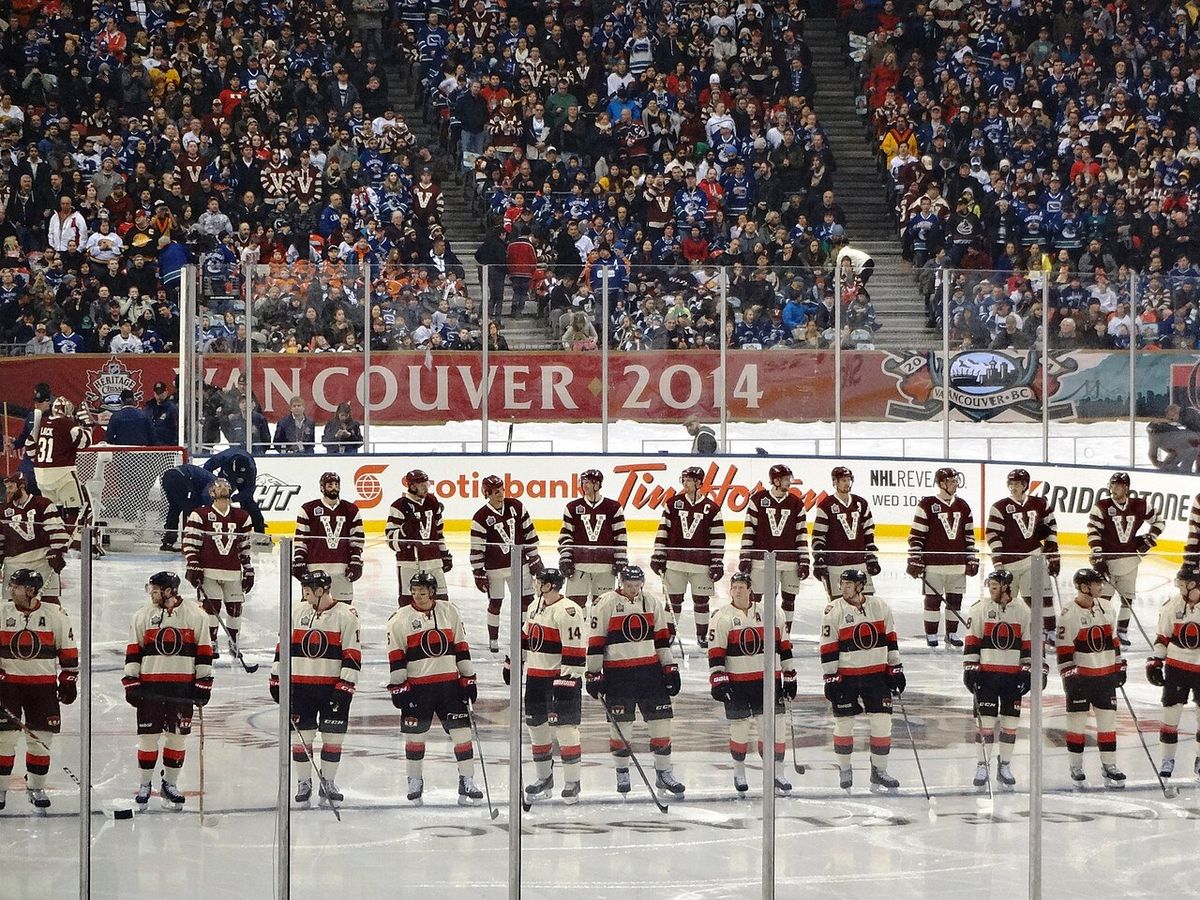
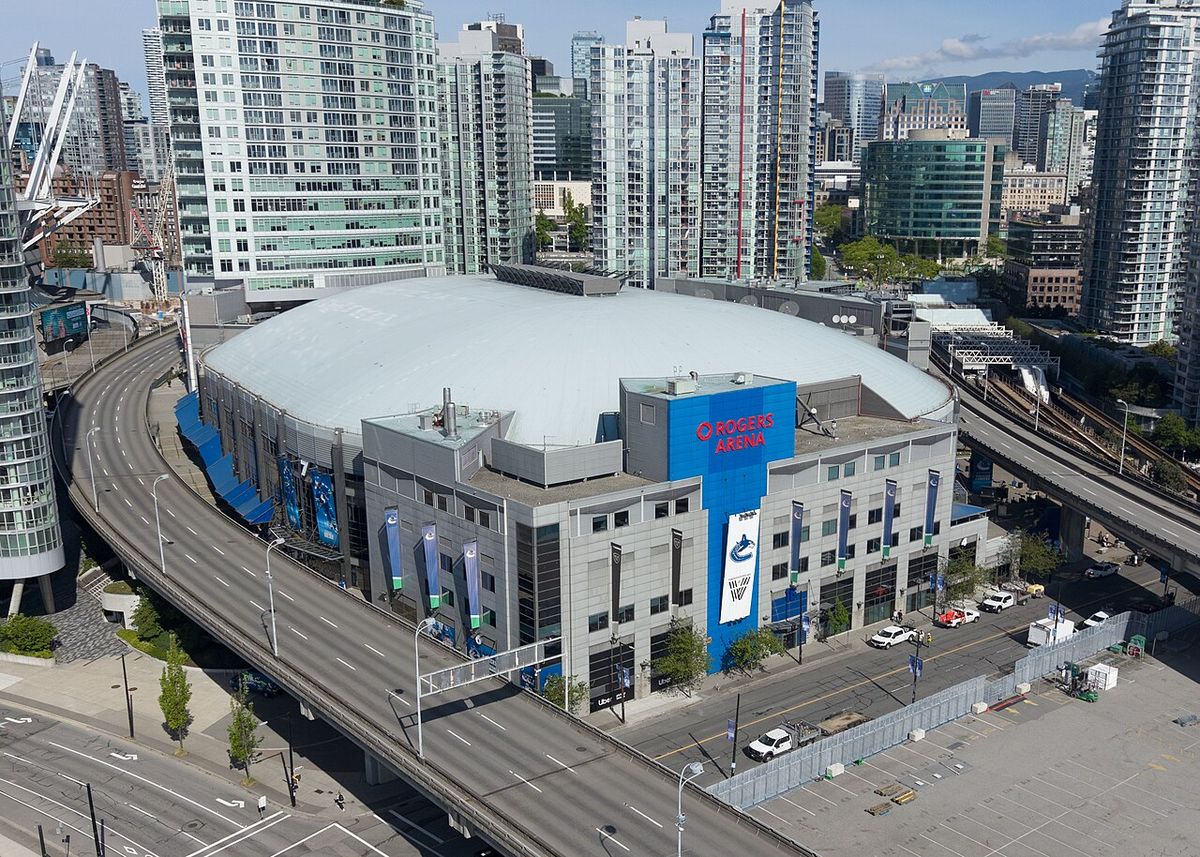
The 2011 riot was not Vancouver's first experience with post-playoff violence, as the city had suffered a similar outbreak after the Canucks' loss in the 1994 Stanley Cup Final. That earlier event resulted in over 190 injuries and $1.1 million in damages, leading to official reviews that identified shortcomings in crowd control planning and alcohol availability. In response to the 1994 riot, city organizers for the 2011 playoffs implemented specific measures, including closing area liquor stores early and establishing a controlled fan zone on Georgia Street near Rogers Arena. For the first six games of the Final, crowds of roughly 70,000 people were generally well-behaved in this zone, which featured large screens for public viewing. The decisive seventh game drew an estimated 100,000 people into the area, overwhelming the planned checkpoints and emergency corridors. The game itself saw the Boston Bruins dominate with a 4-0 shutout victory, securing their first Stanley Cup since 1972 and marking the Canucks' third loss in a championship series.
Previous sports riots in Canada provided a context for the events in Vancouver, including disturbances in Edmonton when the Oilers qualified for the 2006 Final and vandalism in Montreal after Canadiens titles in 1986 and 1993. In Boston, authorities chose not to host a viewing party for the 2011 final due to concerns about increased crime, as previous championships by Boston teams had led to widespread vandalism and three fatalities. The independent review of the 2011 Vancouver riot later concluded that the recommendations stemming from the 1994 event were largely followed in the planning stages. The fan zone was set up with temporary fences and gates to control access and check for alcohol, which police generally poured out when found during earlier games.
Chronology of the Riot
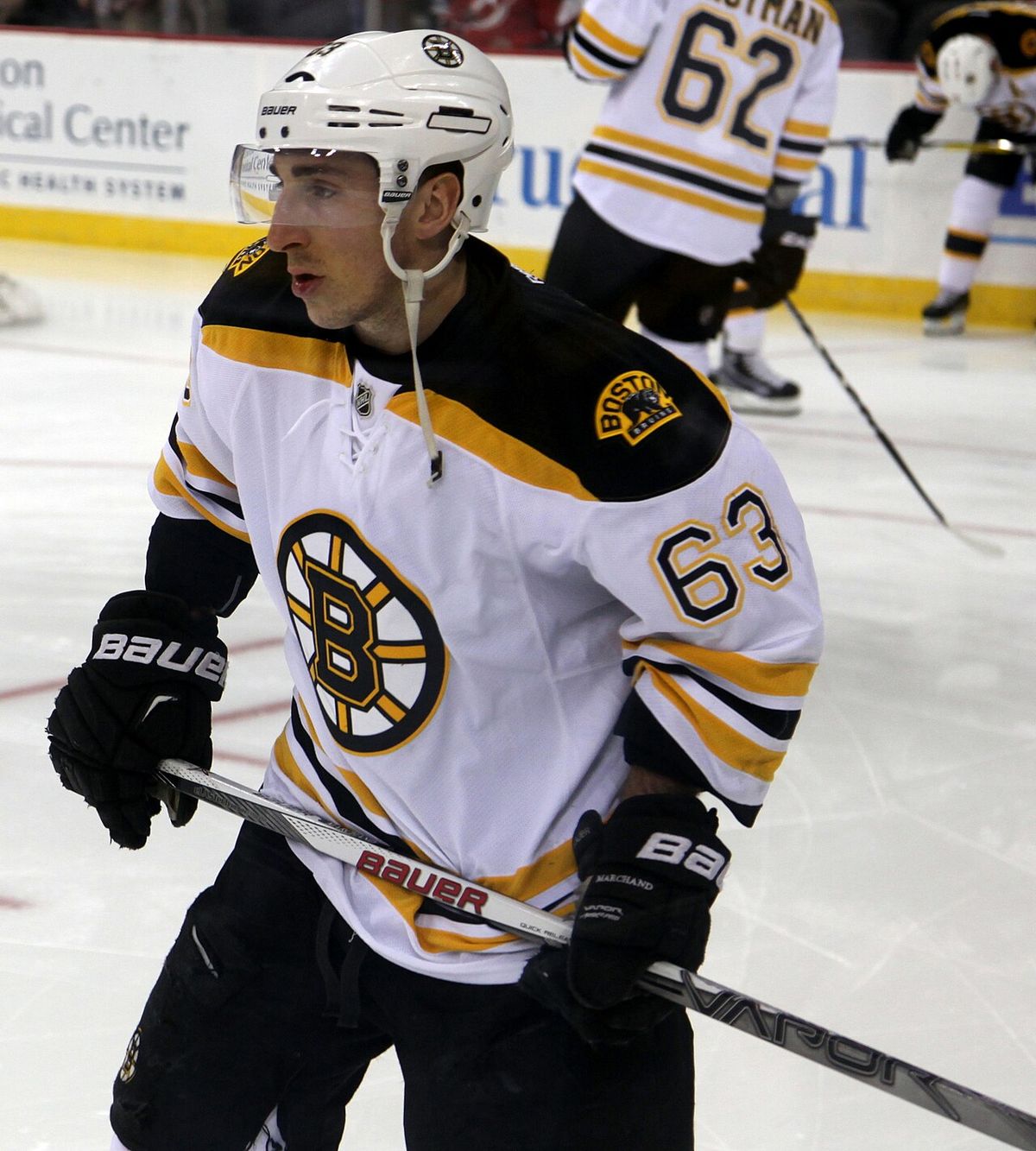
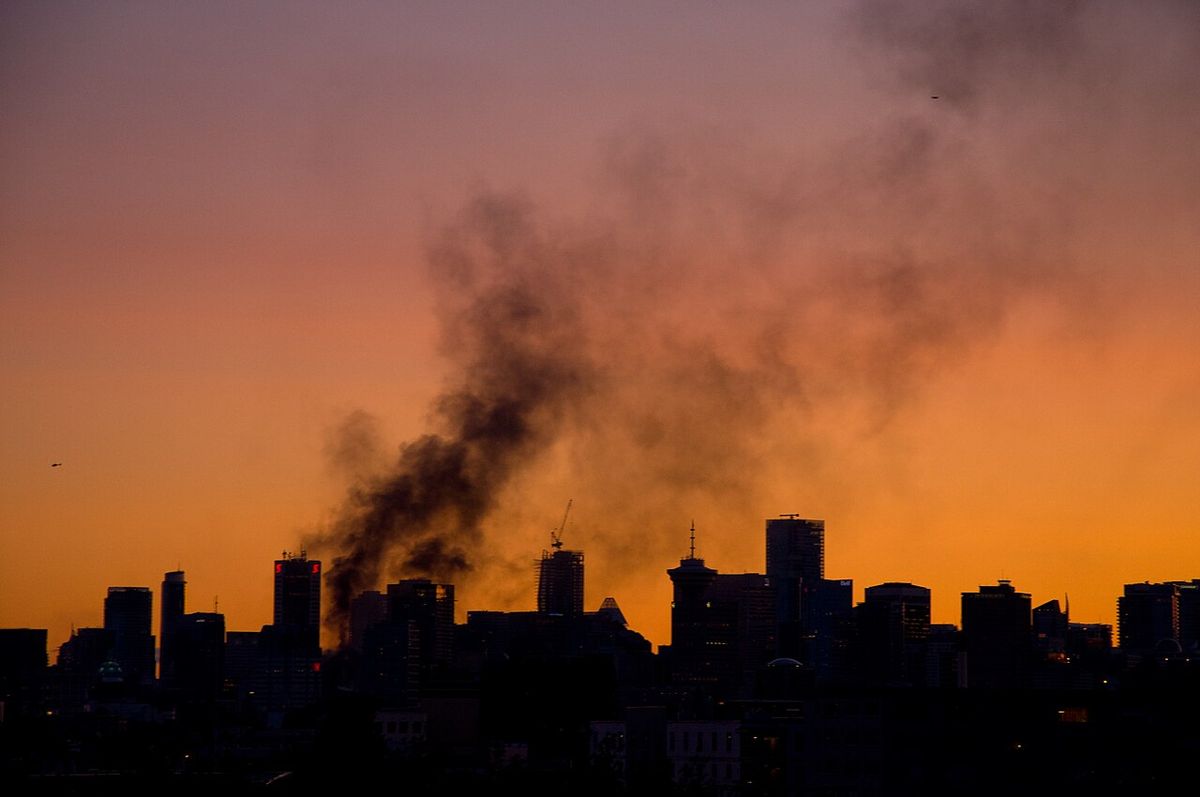
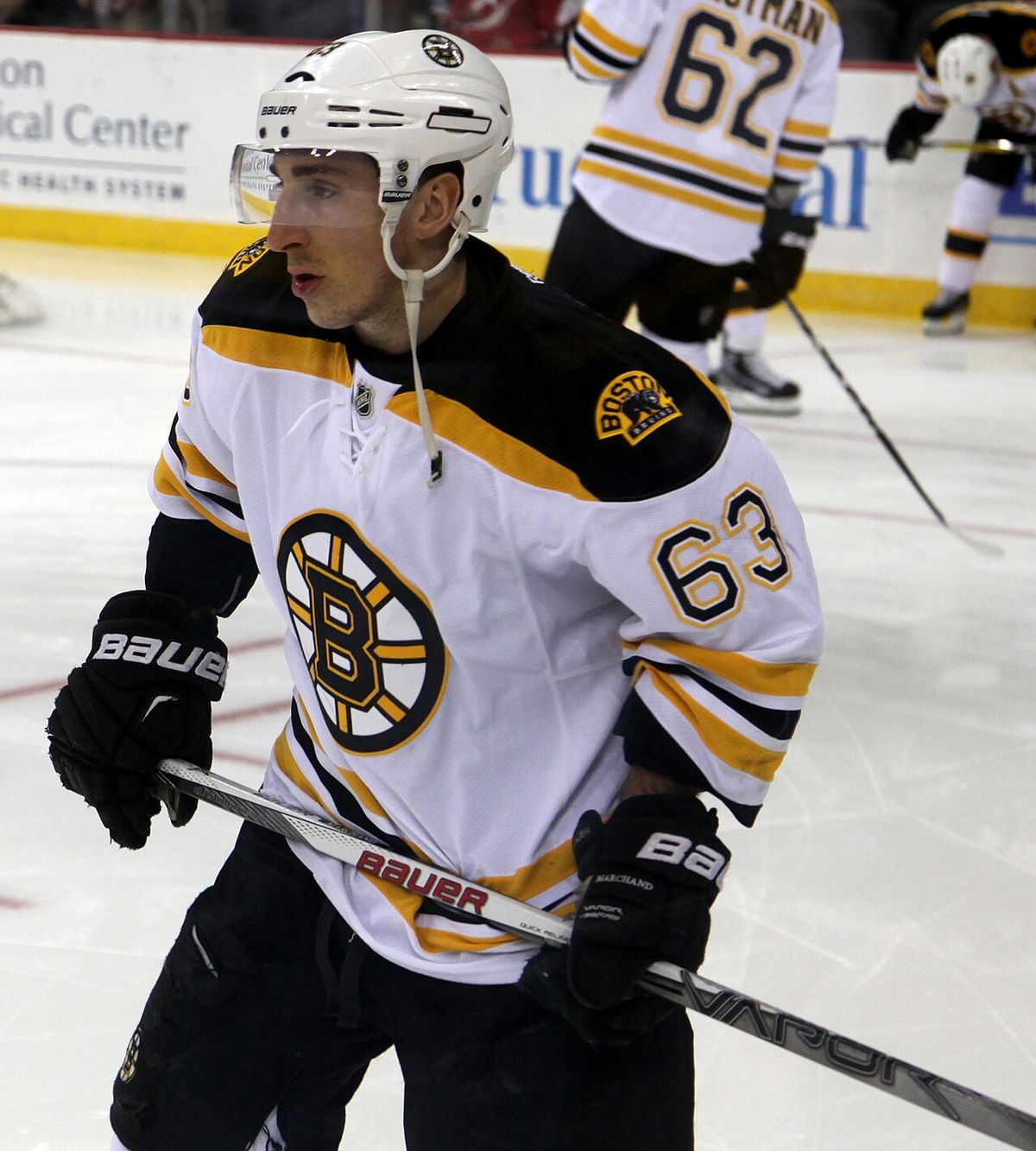
Signs of trouble emerged before the game even concluded. A barricade entrance was breached, and a five-man fight occurred in the fan zone at 5:55 p.m. As the Bruins extended their lead, thirty-five individuals climbed onto the roof of a Budget Rent a Car building and began throwing bottles after Brad Marchand's second goal at 12:13 of the second period, prompting police to move to remove them. By 7:18 p.m., a fight involving over 30 people had broken out, and 911 calls began reporting broken windows and looting, including at a Gucci store and with 100 people on the roof of the Queen Elizabeth Theatre. The riot fully took shape as the game ended at 7:45 p.m., with spectators throwing objects at the large screens. Rioters set fire to Boston Bruins flags and Canucks jerseys, overturned a GMC pickup truck in front of the main post office, and eventually set the vehicle ablaze sometime before 8:00 p.m. after people had jumped on it. Police read the Riot Act at 8:26 p.m. and began using smoke bombs at 8:48 p.m. Looting spread to major retailers like The Bay, London Drugs, Sears, and Sport Chek, while patrons of the musical Wicked at the Queen Elizabeth Theatre were advised to stay inside for safety after the 10:30 p.m. performance ended. Police confirmed the riot had ended around midnight using helicopter surveillance, with the SkyTrain system having earlier advised customers not to travel downtown.
Key incidents during the riot included a fight with over 30 people around 7:18 pm and an increase in 911 calls about disturbances. As the game ended at 7:45 p.m., spectators threw objects at screens, set flags and jerseys on fire, and overturned a pickup truck, which was later set ablaze. Police read the riot act at 8:26 p.m. and began using smoke bombs at 8:48 p.m. while various stores were looted. By the end of the night, police had made around 100 arrests, and the riot ended around midnight after police confirmed no outstanding areas of activity using a helicopter.
- Pre-game: A barricade entrance is removed after being breached.
- 5:55 p.m.: A five-man fight occurs in the fan zone.
- During third period: Individuals on a rooftop throw bottles. Police move to remove them.
- 7:18 p.m.: A fight involving over 30 people takes place.
- 7:45 p.m.: Game ends. Objects thrown at screens, first vehicle overturned.
- 8:26 p.m.: Vancouver Police read the Riot Act.
- 8:48 p.m.: Police begin deploying smoke bombs.
- 10:30 p.m.: Performance of Wicked ends. Patrons told to remain inside.
- Midnight: Police confirm riot activity has ceased.
Casualties, Damage, and Initial Response
The human and physical toll of the riot was severe. Nearly 150 people were treated for injuries at hospitals, with four victims in serious condition the following day and four people injured by stabbing. Injuries included stabbings, head trauma, broken bones, and widespread exposure to tear gas and pepper spray, with dozens treated for the latter. St. Paul's Hospital activated its "Code Orange" mass casualty protocol and treated more than 50 people, while Vancouver General Hospital treated two major traumas, three stabbing victims, and one head injury. The BC Ambulance Service transported a man in critical condition who had jumped or fallen off the Dunsmuir Viaduct. Initial police response resulted in nearly 100 arrests on the night, with 85 for breach of peace, eight for public intoxication, and eight for Criminal Code offences such as assault and theft. The property damage was extensive, with an estimated $4 million in losses from looting and vandalism, a sum notably higher than the $1.1 million from the 1994 riot. Major retail chains like Sears Canada, Future Shop, London Drugs, and The Bay were among the many businesses looted during the event.
In the immediate aftermath, Vancouver Mayor Gregor Robertson initially blamed a "small group of troublemakers," while Police Chief Jim Chu suggested instigators were "criminals and anarchists" who had disguised themselves as fans and may have been involved in a protest on the opening day of the 2010 Winter Olympics. This idea was rejected by commentators like UBC professor Glen Coulthard, who called anarchists a convenient scapegoat for police to deflect responsibility. Chief Chu later revised his statement on June 20, acknowledging that most people charged represented a wider spectrum of young people without criminal records. Critics also pointed to planning mistakes, such as allowing parked cars and newspaper boxes near the screens that could be used as projectiles. The Canucks organization distanced itself from the rioters, with general manager Mike Gillis calling them thugs and goaltender Roberto Luongo stating they were not real Vancouver fans.
Community and Institutional Aftermath
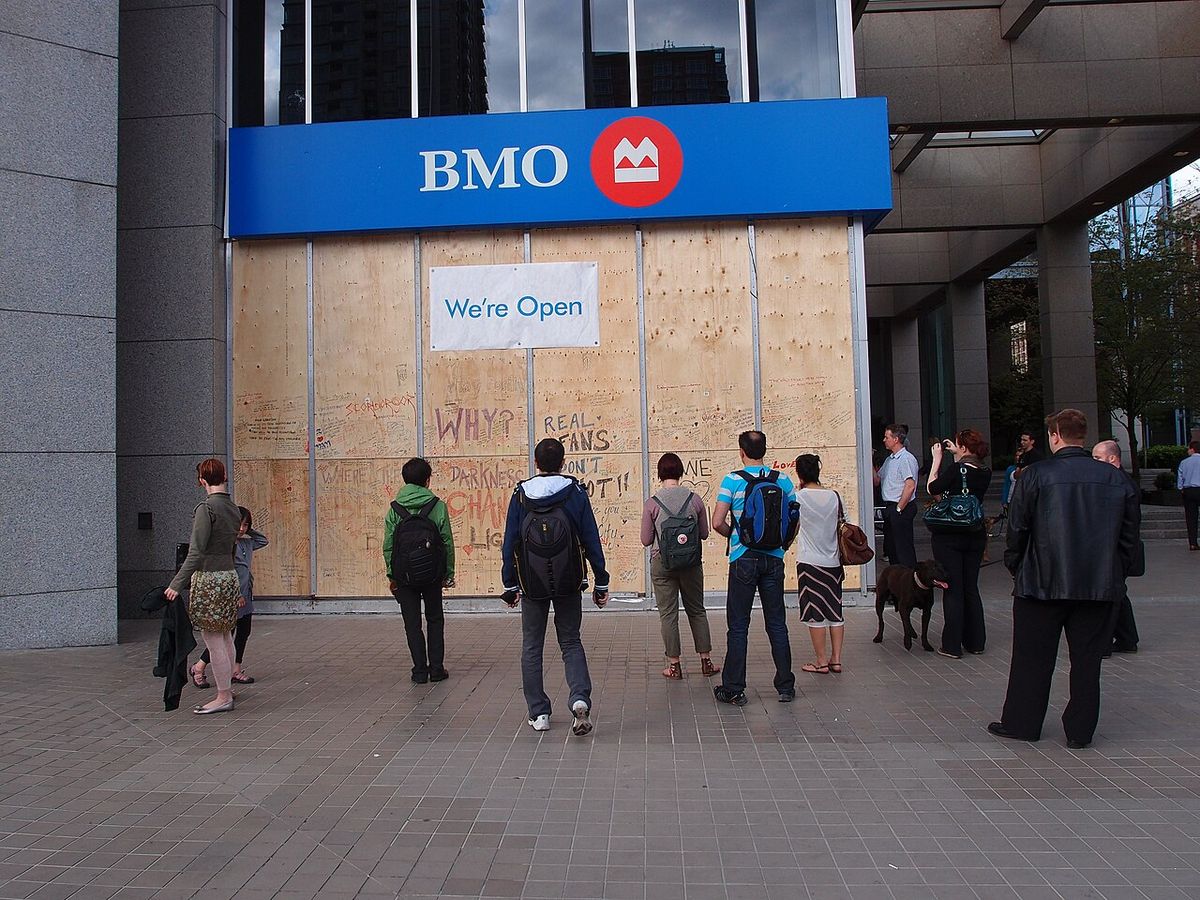
The morning after the riot, an estimated 15,000 volunteers organized via texting and social media sites like Facebook and Twitter to clean up downtown Vancouver, with streets reportedly cleared by 10 a.m. The Vancouver Police Department endorsed these cleanup efforts. Boarded-up windows were covered in apologies and defences of the city's reputation, and the Hudson's Bay Company, a major looted retailer, hosted a free pancake breakfast in thanks. An "Apology Wall" of messages appeared on the boarded-up windows of the heavily damaged Bay building, later preserved in a detailed 1.49-gigapixel mosaic stitch consisting of 472 photos. The Vancouver Canucks organization and players distanced the team's true fans from the rioters, with captain Henrik Sedin praising the cleanup volunteers for showing the city's real character. Singer Michael Bublé, who attended the game, launched an ad campaign encouraging people to identify guilty parties, calling the rioters' behaviour gutless and disgusting.
A public opinion poll by Angus Reid soon after showed 90% of British Columbia residents were disgusted by the events, though two-thirds were satisfied with the police response. Over half of respondents did not want to see a ban on street parties in response to the riot. The criminal investigation was massive, involving an Integrated Riot Investigation Team of up to 70 officers from eight different police agencies. They sifted through over one million photos and more than a thousand hours of video submitted by the public, leading to a prolonged identification and prosecution process. The Insurance Corporation of British Columbia offered facial-recognition software to aid the investigation, though the Information and Privacy Commissioner later ruled police needed a warrant to use it.
Criminal Investigation and Prosecution
The legal pursuit of those responsible became one of the largest and most complex investigations in Vancouver's history. The Integrated Riot Investigation Team worked for years, with the Insurance Corporation of British Columbia (ICBC) offering facial-recognition software, though its use was later restricted by Privacy Commissioner Elizabeth Denham. Many rioters turned themselves in after being identified in publicly broadcast footage, including the person responsible for setting the first car on fire. By July 2013, police had recommended 1,204 charges against 352 suspects. The investigation concluded in July 2015, over four years after the riot, with final charges against the last two suspects. The final tally saw 887 criminal charges laid against 301 people, with 274 pleading guilty. Police stated they would continue to act on any future tips, leaving the door open for more charges.
In a separate civil action in 2016, ICBC successfully sued 82 rioters for damages to vehicles inflicted during the riot, with the defendants found jointly liable. Of these defendants, 37 settled with the insurer, 35 received default judgements, and 10 went to trial where nine were found liable. Sean Yates was the only defendant represented by a lawyer and was found not liable due to insufficient evidence, despite a video showing him throwing a mannequin through the window of a burning car, which a judge compared to kicking a dead horse. A summary of the prosecution outcomes is shown in the table below.
| Category | Figure |
|---|---|
| Total charges recommended by July 2013 | 1,204 against 352 people |
| Final total charges laid | 887 |
| Total individuals charged | 301 |
| Individuals who pled guilty | 274 |
| Year investigation concluded | 2015 |
Role of Social Media and Online Vigilantism
Social media platforms like Twitter, Facebook, and YouTube were central to documenting the riot and the subsequent identification of participants. The event trended online as it unfolded, and the public submission of over one million photos and tips to police was unprecedented in scale, a load one sergeant described as overwhelming. Sociologists like the University of British Columbia's Christopher J. Schneider noted this as a form of "crowd-sourced policing" or lateral surveillance. However, this digital response escalated into widespread online shaming and vigilante justice, prompting police to warn the public against taking justice into their own hands. Identified rioters faced severe personal consequences, including job losses, removal from sports teams, and violent threats, with 17-year-old Nathan Kotylak and his family leaving their home after receiving threats.
An issue was that a number of people involved were under 18, and publishing the names of young offenders is forbidden in British Columbia, yet they were identified on social media. A 2012 study by Schneider and Daniel Trottier found that online vigilantes could increase police surveillance in the future and raised concerns that doctored evidence could waste police resources. Schneider also observed that many online comments were horrific threats that people might not normally say, noting a clear disconnect between online and offline behaviour. Cases like that of university student Camille Cacnio, who lost her job and faced charity boycotts after stealing two pairs of pants, illustrated the lasting personal fallout from online exposure. Brock Anton, who posted on Facebook about the damage, was harassed online with a dedicated hate page and a song about him, though police later revealed he was not involved in any criminal activities and declined to charge him.
Financial Costs and Lasting Impact
The total financial cost of the riot far exceeded that of the 1994 event. By 2016, British Columbia's crown prosecutors estimated the total cost at $9 million. This figure included approximately $4 million in direct property damage and an additional $5 million in extra staffing costs for the prolonged prosecution of the rioters. The damage to the city's reputation and civic psyche was also significant, sparking ongoing debates about public gathering management, alcohol policies, and police preparedness for major events. The riot demonstrated both the destructive potential of mass gatherings and the powerful, dual-edged role of social media in modern civic life, serving as a tool for both documentation and retribution. The event remains a cautionary case study in Canada for managing large-scale public celebrations and the challenges of maintaining order in the digital age, with its lessons on crowd control, investigation techniques, and community resilience continuing to inform policy discussions.
Questions about 2011 Vancouver Stanley Cup riot
What caused the 2011 Vancouver riot?
The riot was triggered by the immediate aftermath of the Vancouver Canucks' loss to the Boston Bruins in Game 7 of the Stanley Cup Final on June 15, 2011. While the loss was the catalyst, the event was fuelled by a large, overwhelmed crowd in the downtown fan zone, the availability of alcohol, and the actions of instigators. Investigations noted that planned security corridors became impassable and that some individuals came prepared with eye protection and gasoline, though the majority of those later charged were ordinary young people without criminal records. Previous riots in 1994 had led to recommendations that were largely followed but proved insufficient for the scale of the 2011 crowd.
How many people were injured or arrested in the riot?
Nearly 150 people were injured during the riot, with injuries ranging from exposure to tear gas to stabbings and broken bones. Four people remained in serious condition the day after, and four were injured by stabbing. On the night itself, Vancouver police made nearly 100 arrests, with 85 for breach of peace, eight for public intoxication, and eight for Criminal Code offences. The criminal investigation eventually led to 887 charges being laid against 301 individuals, with 274 of those pleading guilty to various offences after a massive evidence review involving over a million photos.
How did social media play a role in the riot's aftermath?
Social media was used extensively to broadcast the riot as it happened and to document participants, with the event trending on Twitter. Afterwards, it facilitated a massive public effort to identify rioters, with over one million photos and tips sent to police, leading to many turning themselves in. However, it also spurred online vigilantism, where identified individuals faced job loss, public shaming, and violent threats. Experts raised concerns about this digital mob mentality, the exposure of protected minors, and the potential for doctored evidence to waste police resources during the investigation.
What was the community response to the riot?
The community response was characterized by a swift and large-scale cleanup effort organized via texting and social media. An estimated 15,000 volunteers showed up the next morning with brooms and dustpans, clearing streets by 10 a.m. An "Apology Wall" of messages appeared on damaged storefronts like The Bay's, and the retailer thanked volunteers with a pancake breakfast. This positive civic action was widely seen as a more authentic representation of Vancouver, with Canucks captain Henrik Sedin and others praising the volunteers for showing the city's true character in the face of destruction.
How much damage did the riot cause?
The riot caused an estimated $4 million in damage. An independent review later confirmed this figure, which was significantly higher than the $1.1 million in damages from the 1994 riot. British Columbia's crown prosecutors estimated that an extra $5 million was spent on additional staffing costs for prosecuting the rioters. This brought the total estimated cost of the riot to approximately $9 million. Several large scale stores including London Drugs, The Bay, Sears Canada and Future Shop were among the many that were looted during the event.
Were the 1994 riot recommendations followed before the 2011 event?
An independent review of the 2011 riot found that the recommendations from 1994 were largely followed. City organizers had set up a fan zone with temporary fences and gates to provide checkpoints where police could control access and check for alcohol. Following the earlier recommendations, all liquor stores in the area were closed earlier on the day of the game. These measures were implemented in response to the 1994 riot, where reports had identified issues such as the availability of alcohol from privately owned stores and a lack of sufficient crowd control planning.
Sources and further reading
- 2011 Vancouver Stanley Cup riot (Wikipedia)
- 'Where society fails': Inside the Vancouver Stanley Cup Riot (sportsnet.ca)
- Overtime in Vancouver (newsinteractives.cbc.ca)
Checked by the Garbutt Disposal desk. Last updated 2026-10-20.